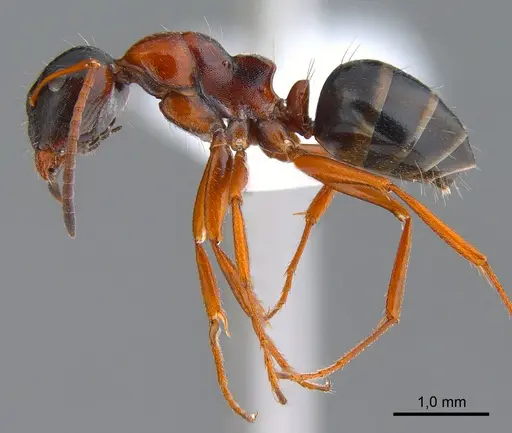
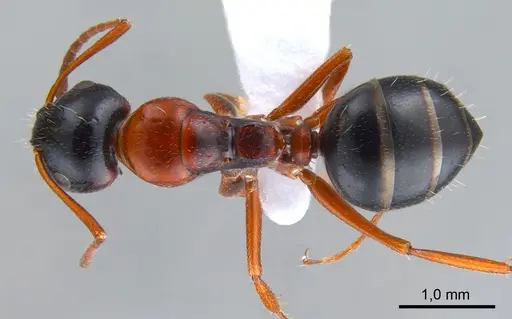
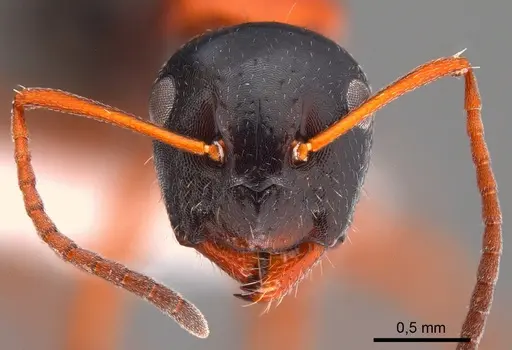
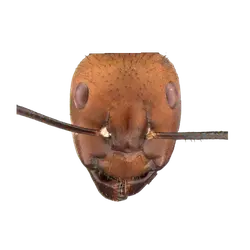
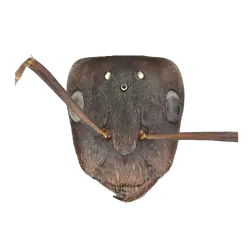
Camponotus kopetdaghensis - "Kopet Dag Carpenter Ant"
Camponotus kopetdaghensis is a species of carpenter ant, part of the diverse Camponotus genus. These ants are generally large and often display polymorphism, meaning workers can vary significantly in size. As members of the Camponotus lateralis species group, they share certain identifying characteristics within this complex genus. Like other carpenter ants, they are known for their ability to excavate nests, often in wood. They are found across a range of environments in the Palaearctic Region.
- Difficulty: Medium
- Origin & Habitat: Palaearctic Region (Azerbaijan, Iran, Russian Federation, Turkmenistan) in Likely varied, given the wide distribution of Camponotus, but generally found in terrestrial or arboreal settings, often associated with wood or soil..
- Colony Type: Monogyne (single queen), though some Camponotus species can be polygynous, the general tendency for Camponotus is monogyne., claustral (queen seals herself in), as is typical for many camponotus species. founding.
- Size & Growth:
- Queen: Not specified
- Worker: Not specified
- Colony: Medium (thousands), potentially growing to large sizes over several years, as is typical for many Camponotus species.. Slow (Camponotus species are known for slow initial growth, but colonies can expand significantly once established.) growth.
- Antkeeping:
- Temperature: Maintain a temperature range between 22-28°C (72-82°F) for optimal development. A heating cable or mat on one side of the nest can create a beneficial temperature gradient, allowing the ants to choose their preferred spot. Consistent warmth is key for faster brood development..
- Humidity: Aim for a humidity level around 50-70%. While exact humidity isn't critical, especially in the outworld, ensuring the nest has sufficient moisture without being waterlogged is important. Regularly check the nest setup for dryness and re-hydrate as needed..
- Diapause: Required. 3-5 months at 8-13°C.
- Nesting: These ants prefer nests that mimic their natural tendency to excavate, often in wood or soil. Ytong, acrylic, or natural wood nests (especially rotten wood) are suitable. They are known to inhabit cavities and can be quite opportunistic in nest site selection..
- Behavior: Low (towards handler, primarily defensive if nest is disturbed; medium towards prey) aggressiveness.
- Common Issues: Colony stalling (especially if diapause is not provided or temperatures are too low), Humidity fluctuations (can stress the colony if not managed), Mold in nest (due to overfeeding or excessive humidity), Escape artists (ensure secure enclosure as Camponotus are known to explore).
Getting a Camponotus kopetdaghensis colony started requires a good deal of patience. These queens are fully claustral, meaning they don't need to be fed until their first workers (nanitics) emerge. However, the development time from egg to worker is notably longer compared to many other ant species, often taking 2-3 months. This slow start can be a test of patience for new keepers, but once the first generation of workers arrives, and especially after their first diapause, the colony's growth tends to pick up considerably. Providing a stable, warm environment during this initial phase is crucial for success.
Camponotus ants are known for their polymorphism, meaning their workers come in different sizes, from small minors to large majors. These different sizes often correlate with specialized roles within the colony; for instance, larger majors might be involved in defense or processing harder foods. This makes observing a growing colony quite fascinating as you see these distinct worker castes develop and contribute to the colony's overall function. Ensure your nest setup can accommodate workers of varying sizes and allows for their natural behavioral tendencies.
Temperature plays a significant role in the growth rate of Camponotus colonies. They are generally heat-loving ants, and maintaining a warmer environment (around 24-27°C) will significantly accelerate brood development. Using a heat mat on one side of their formicarium can help create a thermal gradient, allowing the ants to move their brood to the most optimal temperature zones. However, always ensure a cooler area is available to prevent overheating, as ants are exothermic and rely on external temperatures to regulate their metabolic rate.
Many Camponotus species, including those from temperate regions, require a period of diapause, often referred to as hibernation in the antkeeping community. For Camponotus kopetdaghensis, a diapause of 3-5 months at cooler temperatures (around 8-13°C) is typically necessary. This period allows the queen and colony to rest and can stimulate more robust growth and egg-laying once they emerge. Failing to provide a proper diapause can negatively impact the colony's long-term health and development, potentially leading to a stalled colony.
When selecting a nest for your Camponotus kopetdaghensis, consider their natural nesting preferences. While they can adapt to various artificial setups like acrylic or gypsum nests, many Camponotus species are 'carpenter ants' and prefer to excavate in wood. If you opt for a wooden nest, ensure it's made from untreated, preferably rotten, wood. However, some Camponotus species are known to nest in soil or under rocks as well. Providing an outworld with a suitable substrate and various foraging opportunities will also contribute to their well-being.
Frequently Asked Questions
How long does it take for a Camponotus kopetdaghensis queen to lay her first eggs?
A fertile Camponotus kopetdaghensis queen, being fully claustral, typically starts laying her first clutch of eggs within a few weeks after being caught and set up in a test tube. Patience is crucial during this initial founding phase.
What should I feed my Camponotus kopetdaghensis colony?
Like most ant species, Camponotus kopetdaghensis requires both sugary foods for energy and protein for growth. Offer them a variety of sugar water, honey, or fruit for carbohydrates, and small feeder insects like crickets, mealworms, or fruit flies for protein. Always ensure a fresh water source is available.
Do Camponotus kopetdaghensis ants sting or bite?
Camponotus species, including Camponotus kopetdaghensis, typically do not sting. They are more prone to biting with their strong mandibles when threatened, and some species can spray formic acid for defense. Their bite is usually not painful to humans, but can be surprising.
What kind of nest is best for Camponotus kopetdaghensis?
Camponotus kopetdaghensis can thrive in various setups. Many keepers prefer acrylic formicariums or gypsum nests. Given their 'carpenter ant' nature, some also enjoy keeping them in naturalistic wooden nests (made from untreated wood). A test tube setup is ideal for the founding stage.
How large can a Camponotus kopetdaghensis colony get?
While initial growth is slow, a healthy Camponotus kopetdaghensis colony can grow to contain thousands of workers over several years. With optimal care and conditions, they can form impressive, robust colonies.
Is diapause really necessary for this species?
Yes, for Camponotus kopetdaghensis, which originates from regions with seasonal temperature changes, a period of diapause (hibernation) is essential. It helps regulate their life cycle, promotes queen longevity, and often leads to a burst of growth once they emerge from their cool rest.
How long does it take for eggs to become workers in Camponotus kopetdaghensis?
From egg to adult worker, the development time for Camponotus species is quite long, typically ranging from 8 to 12 weeks. This extended brood development is a characteristic trait of the genus.
Are Camponotus kopetdaghensis difficult to keep for beginners?
While Camponotus kopetdaghensis isn't an 'easy' beginner species due to their slow growth and diapause requirements, they are generally hardy once established. New keepers with patience will find them a rewarding species to keep and observe.
How often should I feed my Camponotus kopetdaghensis colony?
For smaller colonies, feeding 2-3 times a week is generally sufficient. As the colony grows, you might increase this to daily feeding, especially for protein. Always remove uneaten food promptly to prevent mold.
What temperature is best for Camponotus kopetdaghensis brood development?
For optimal brood development, aim for temperatures between 24-27°C (75-80°F). Maintaining a slightly warmer area in the nest can encourage faster growth of larvae and pupae.