

Camponotus sedulus
- Scientific Name
- Camponotus sedulus
- Subgenus
- Myrmotarsus
- Tribe
- Camponotini
- Subfamily
- Formicinae
- Author
- Smith, 1857
- Distribution
- Found in 2 countries
Camponotus sedulus Overview
Camponotus sedulus is an ant species of the genus Camponotus. It is primarily documented in 2 countries , including Brunei Darussalam, Malaysia. Detailed taxonomic data and occurrence records can be further explored via authoritative databases such as AntWeb or the Global Biodiversity Information Facility (GBIF).
Camponotus sedulus
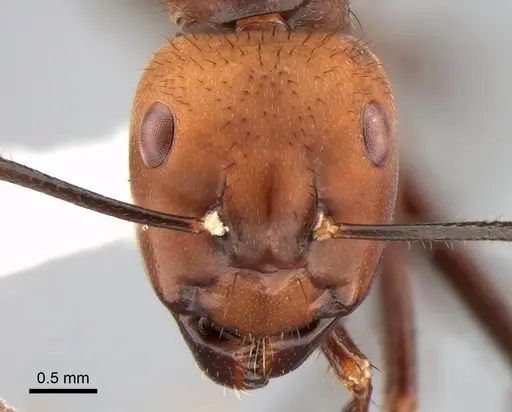
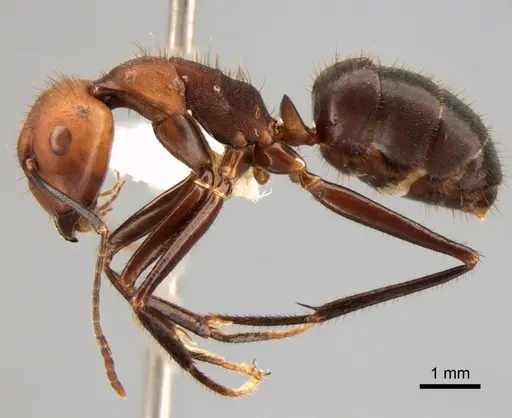
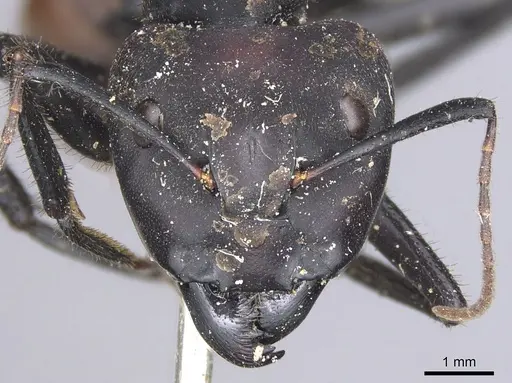
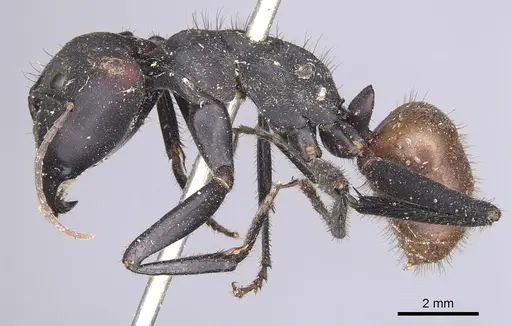
Camponotus sedulus is a medium-sized ant species native to the Indomalaya region, specifically found in Borneo, Malaysia, and Indonesia. Workers measure approximately 10.5mm in length, with the major workers being larger and more robust than the minor workers. The species was originally described by Frederick Smith in 1857 from Sarawak, Borneo, and was later revived from synonymy with Camponotus irritabilis to be recognized as a distinct species [1][2]. These ants belong to the Formicinae subfamily and the Camponotini tribe, which includes many of the more familiar carpenter ant species. The genus Camponotus is known for their polymorphic worker castes, where larger major workers defend the colony and process larger food items while smaller minor workers handle most foraging and brood care.
Quick Summary
- Difficulty: Medium
- Origin & Habitat: Native to Borneo, Malaysia, and Indonesia in the Indomalaya region. In their natural habitat, these ants nest in rotting wood, under bark, or in soil cavities in tropical forest environments [3].
- Colony Type: Likely monogyne (single queen colonies) based on typical Camponotus patterns, though colony structure has not been directly documented for this specific species.
- Colony: Monogyne
- Founding: Claustral
- Size & Growth:
- Queen: Estimated 12-15mm based on Camponotus genus patterns
- Worker: Approximately 10.5mm for major workers [1]
- Colony: Unknown for this specific species, but typical Camponotus colonies reach several thousand workers
- Growth: Moderate, typical Camponotus development takes 6-10 weeks from egg to first worker
- Development: 6-10 weeks at optimal temperature based on typical Camponotus development (Development time varies with temperature, warmer conditions within acceptable range speeds development)
- Antkeeping:
- Temperature: Keep at 24-28°C. As a tropical species from Borneo, they prefer warm conditions. A heating cable on one side of the nest can create a gentle gradient if room temperature falls below this range.
- Humidity: High humidity preferred, similar to their tropical forest origin. Keep nest substrate consistently moist but not waterlogged. Provide a water tube for drinking water.
- Diapause: No, being a tropical species from Borneo, they do not require hibernation or winter rest. Maintain warm temperatures year-round.
- Nesting: In captivity, they do well in Y-tong (AAC) nests, plaster nests, or naturalistic setups. They prefer nesting in wood or wood-like materials. Provide a nest with chambers scaled to their size.
- Behavior: Camponotus sedulus has typical carpenter ant behavior, generally peaceful and not aggressive toward keepers. Workers are active foragers that search for sugar sources and protein. They are not known to be escape artists, but standard escape prevention with fluon on test tube rims or formicarium edges is still recommended. Major workers can deliver a bite if provoked, but they are not considered dangerous to humans.
- Common Issues: tropical species requires warm temperatures year-round, cold snaps can be fatal, high humidity needs can lead to mold if ventilation is poor, slow founding phase means colonies take time to establish, beginners may lose patience, wild-caught colonies may carry parasites that cause problems in captivity, test tube setups need regular monitoring for condensation and moisture levels
Housing and Nest Setup
Camponotus sedulus does well in several captive setups. Y-tong (AAC) nests work excellently because they provide the dark, humid environment these ants prefer. Plaster nests with water reservoirs also work well, allowing you to maintain consistent humidity. If using test tubes for founding colonies, use a second water tube connected to the first to ensure constant water supply during the founding phase. The nest should be placed in a dark area or covered to reduce stress, these ants prefer dim conditions. Outworld space should be modest for founding colonies but can be expanded as the colony grows. Standard escape prevention with fluon on edges works well, though these ants are not particularly prone to escaping.
Feeding and Diet
Like other Camponotus species, Camponotus sedulus is a generalist that accepts both sugar and protein sources. Offer sugar water, honey, or diluted maple syrup as a constant carbohydrate source. For protein, provide small insects like fruit flies, small crickets, or mealworms. In the wild, these ants forage for honeydew from aphids and scale insects, as well as small invertebrates. Feed protein sources 2-3 times per week, and keep sugar water available at all times. Remove uneaten prey after 24-48 hours to prevent mold. Workers will store food in their social stomachs and share with colony members through trophallaxis.
Temperature and Humidity Requirements
Being a tropical species from Borneo, Camponotus sedulus requires warm and humid conditions. Maintain temperatures between 24-28°C year-round. A heating cable placed on top of the nest can provide gentle warmth if your room temperature is lower. Avoid temperatures below 22°C as this can slow development and potentially stress the colony. For humidity, aim for 60-80% relative humidity within the nest. This can be achieved by keeping the water tube full and ensuring the nest material stays moist. Mist the outworld occasionally but avoid excessive moisture that leads to mold. Good ventilation is important to prevent stagnant air while still maintaining humidity.
Colony Development and Growth
Camponotus sedulus follows typical carpenter ant development patterns. The claustral queen seals herself in a chamber and raises the first brood alone, surviving on her stored fat reserves. First workers, called nanitics, are typically smaller than mature workers but will begin foraging to support the colony. After this initial phase, the colony enters a growth phase where brood production increases. Development from egg to worker takes approximately 6-10 weeks at optimal temperature, though this is estimated based on genus patterns rather than documented for this specific species. Colony growth is moderate, expect the first year to produce perhaps 20-50 workers, with faster growth in subsequent years as the colony establishes larger worker populations.
Seasonal Care
Unlike temperate ant species, Camponotus sedulus does not require hibernation or diapause. They remain active year-round when kept at proper temperatures. However, you may notice slight changes in activity levels, they may be slightly less active during cooler months even indoors. Continue regular feeding and maintenance throughout the year. If your home experiences significant temperature drops in winter, consider using a small heating setup to maintain the 24-28°C range. These ants are adapted to consistent tropical conditions and do not handle temperature fluctuations well.
Frequently Asked Questions
How long does it take for Camponotus sedulus to produce first workers?
Based on typical Camponotus development, expect 6-10 weeks from egg to first worker at optimal temperature (24-28°C). The exact timeline has not been documented for this specific species.
Do Camponotus sedulus ants need hibernation?
No, they do not need hibernation. Being a tropical species from Borneo, they prefer warm conditions year-round. Maintain temperatures between 24-28°C throughout the year.
What do Camponotus sedulus eat?
They are generalists that accept both sugar and protein. Offer sugar water, honey, or maple syrup constantly. For protein, feed small insects like fruit flies, small crickets, or mealworms 2-3 times per week.
Are Camponotus sedulus good for beginners?
They are rated as Medium difficulty. They require warm, humid conditions year-round and have a relatively slow founding phase. They are more demanding than some hardy species but not among the most difficult ants to keep.
How big do Camponotus sedulus colonies get?
Colony size has not been documented for this specific species, but typical Camponotus colonies reach several thousand workers at maturity over several years.
Can I keep multiple Camponotus sedulus queens together?
This has not been documented for this species. Based on typical Camponotus behavior, single-queen colonies are most common. Combining unrelated queens is not recommended unless you have specific evidence they will tolerate each other.
Why are my Camponotus sedulus dying?
Common causes include temperatures below 22°C, excessive dryness, mold from poor ventilation, or parasites from wild-caught colonies. Check that temperature and humidity are within proper ranges and ensure good ventilation without drafts.
When should I move Camponotus sedulus to a formicarium?
Move them when the colony reaches around 50-100 workers and the test tube setup becomes cramped. Make sure the formicarium provides appropriate humidity and dark nesting areas before transferring.
References

This caresheet is licensed under CC BY-SA 4.0 .
CASENT0882014
View on AntWeb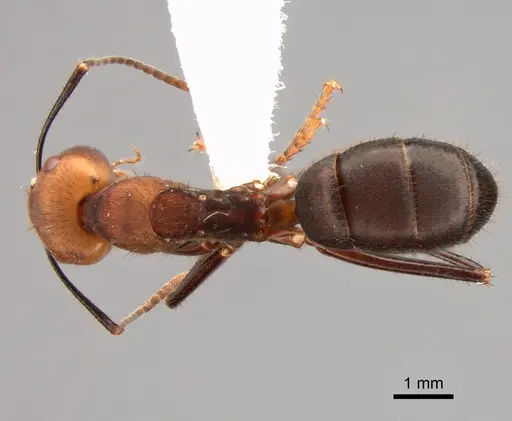
CASENT0901902
View on AntWeb
Literature
Loading...Loading products...