

Camponotus cosmicus
- Scientific Name
- Camponotus cosmicus
- Subgenus
- Myrmosericus
- Tribe
- Camponotini
- Subfamily
- Formicinae
- Author
- Smith, 1858
- Common Name
- Golden Sugar ant
- Distribution
- Found in 2 countries
Camponotus cosmicus Overview
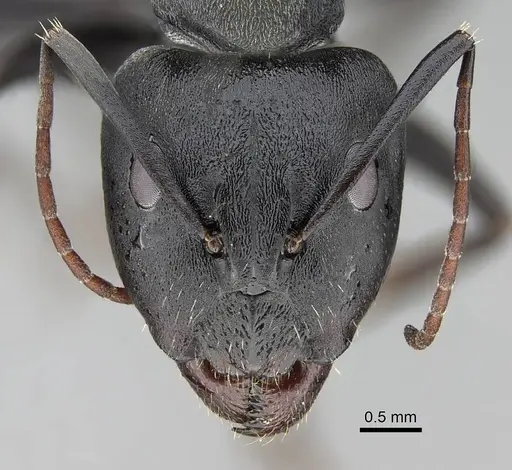
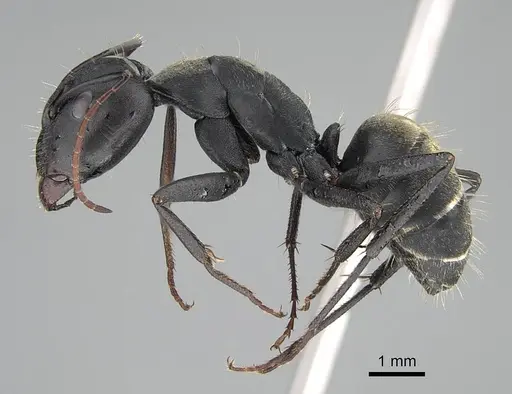
Camponotus cosmicus (commonly known as the Golden Sugar ant) is an ant species of the genus Camponotus. It is primarily documented in 2 countries , including Mozambique, South Africa. Detailed taxonomic data and occurrence records can be further explored via authoritative databases such as AntWeb or the Global Biodiversity Information Facility (GBIF).
Camponotus cosmicus - "Golden Sugar ant"
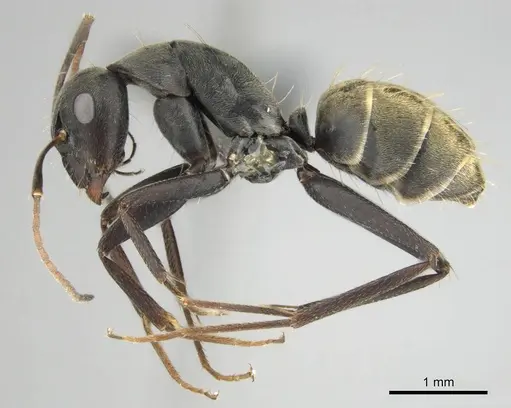
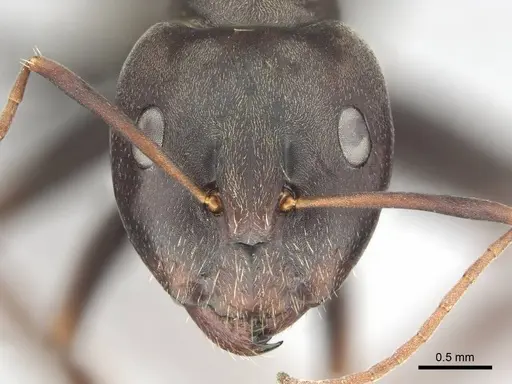
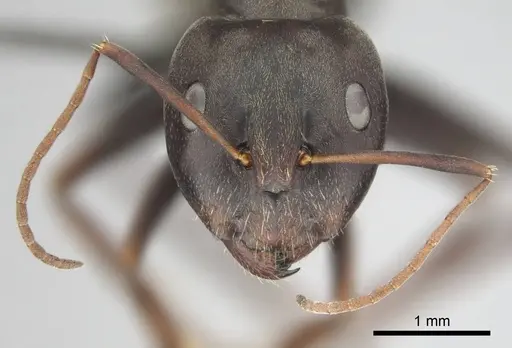
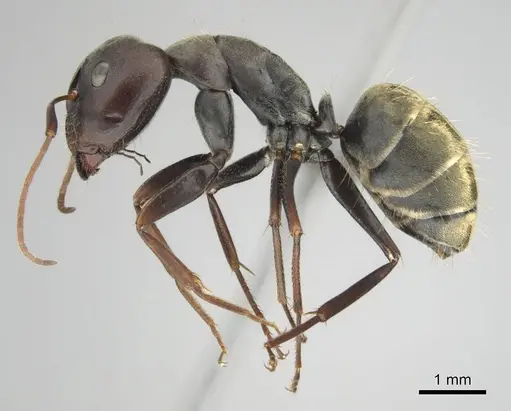
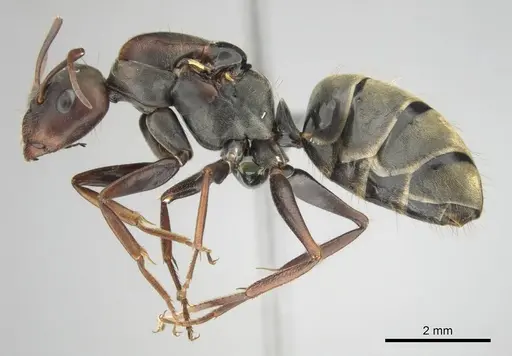
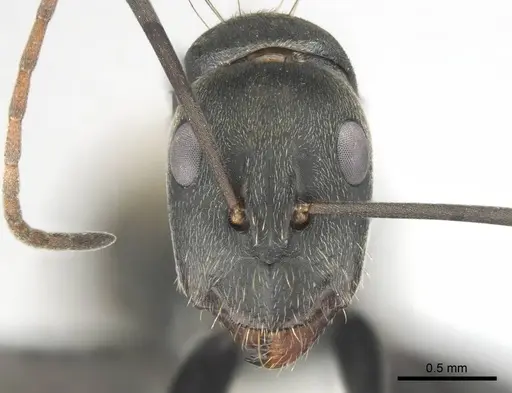
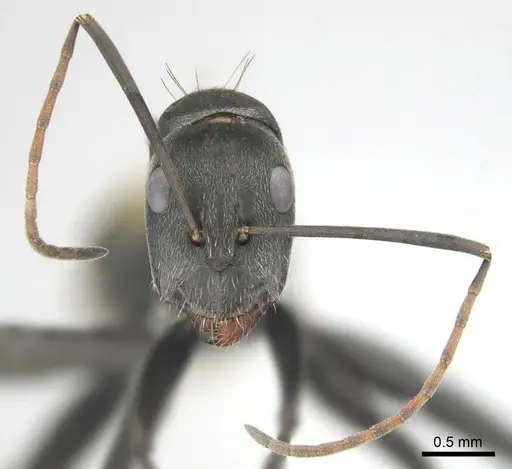
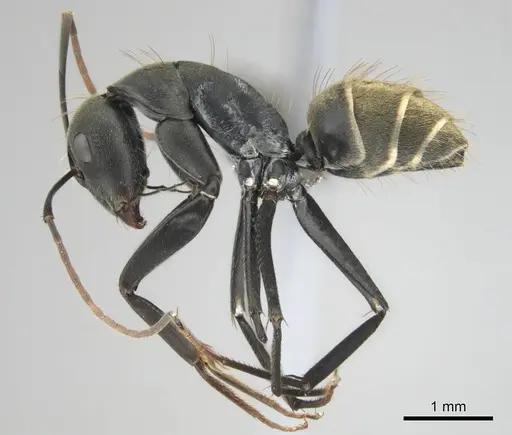
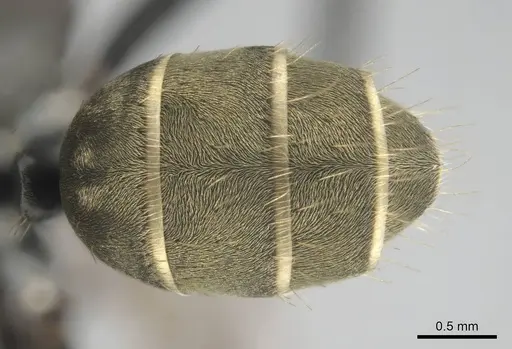
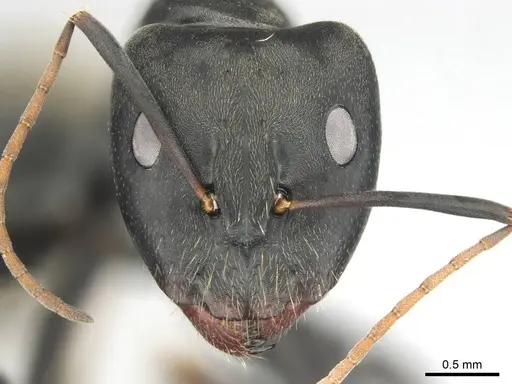
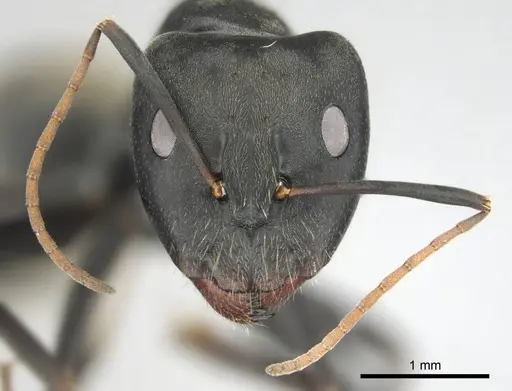
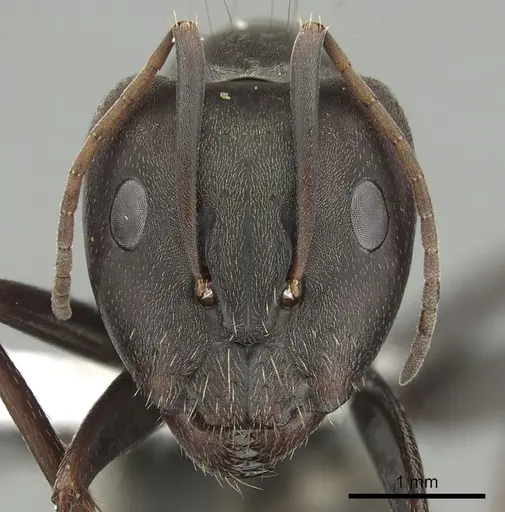
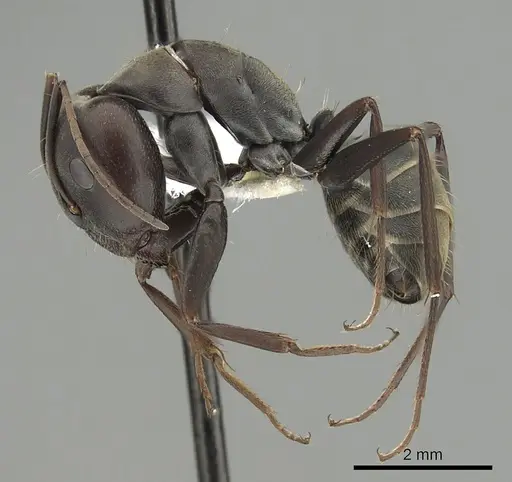
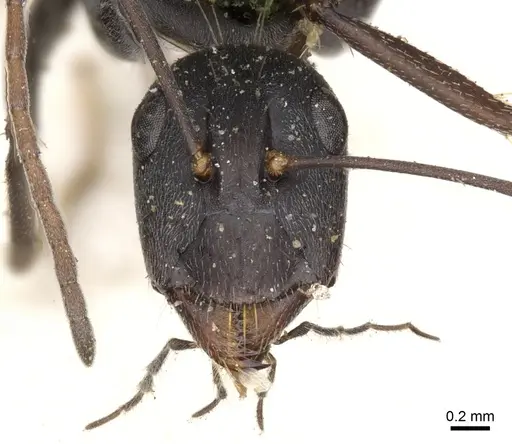
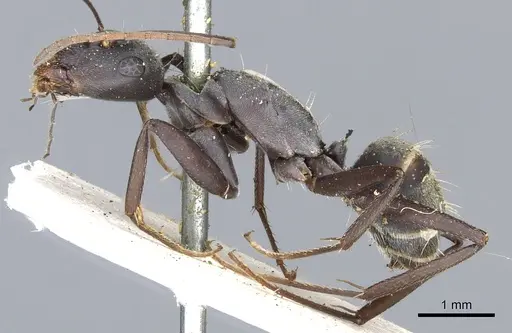
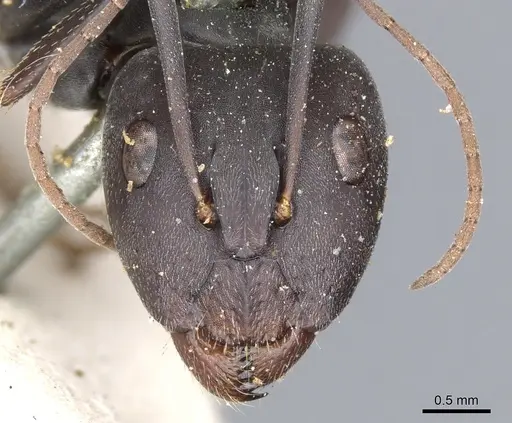
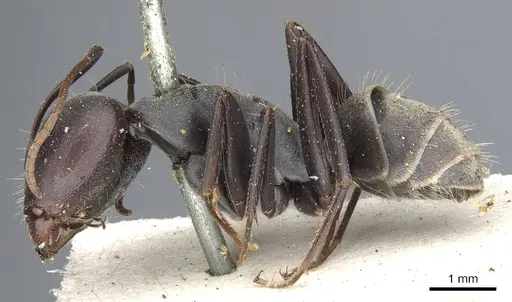
Camponotus cosmicus is a medium-sized carpenter ant species native to Southern Africa. Workers measure approximately 4-7mm, with major workers being larger than minors. This species belongs to the Myrmosericus subgenus and is found across the Afrotropical region including South Africa, Mozambique, Democratic Republic of Congo, Zimbabwe, Eswatini, and Gambia [1][2]. The ants have the typical Camponotus body shape with a rounded abdomen and relatively smooth body surface. Colonies are moderate in size with a single queen, and these ants are known for their relatively calm temperament compared to some other Camponotus species.
Quick Summary
- Difficulty: Easy
- Origin & Habitat: Southern Africa (Afrotropical region), found in South Africa, Mozambique, Democratic Republic of Congo, Zimbabwe, Eswatini, and Gambia. They nest in soil, under stones, and in rotting wood in savanna and forest habitats [2][3][4].
- Colony Type: Monogyne (single queen colonies). Queens found colonies independently by sealing themselves in a chamber, this is claustral founding, the typical method for Camponotus species.
- Colony: Monogyne
- Founding: Claustral
- Size & Growth:
- Queen: Approximately 12-15mm (estimated based on genus patterns, direct measurements not available for this species)
- Worker: Minor workers: 4-5mm, Major workers: 6-7mm [1]
- Colony: Unknown for this specific species, but typical Camponotus colonies reach several hundred to a few thousand workers
- Growth: Moderate, Camponotus species typically take 6-10 weeks from egg to first worker at optimal temperature
- Development: 6-10 weeks at optimal temperature (estimated based on typical Camponotus development patterns) (Development time varies with temperature, warmer conditions within acceptable range speed up development)
- Antkeeping:
- Temperature: Keep nest area at 22-26°C. A heating cable on one side creates a temperature gradient allowing ants to self-regulate. These are warmth-loving ants from a subtropical to tropical region [2].
- Humidity: Moderate humidity (50-70%). Keep the nest substrate slightly moist but allow some drying between waterings. Avoid waterlogging. These ants are adapted to drier conditions than many tropical ants.
- Diapause: Not required. Being from Southern Africa, they do not experience harsh winters and do not need a hibernation period. However, a slight cool period (15-18°C) during winter months may help simulate natural cycles and promote colony health.
- Nesting: Use a Y-tong (AAC) nest, plaster nest, or naturalistic setup with soil and flat stones. They do well in both acrylic and naturalistic setups. Provide a dark nesting area as they prefer dim conditions.
- Behavior: These ants are relatively docile and not aggressive toward keepers. Workers are active foragers that search for food both on the ground and on low vegetation. They are moderate escape artists, use standard barrier methods (Fluon or talc) but they are not as small or quick as some species. Major workers can deliver a mild bite if provoked, but they are not particularly defensive. They are primarily nocturnal or crepuscular foragers.
- Common Issues: colonies may stall if temperatures drop below 20°C for extended periods, test tube setups can flood if water reservoirs are overfilled, use proper cotton-to-water ratio, wild-caught colonies may have parasites that cause issues in captivity, major workers may be too large for some formicarium chambers, ensure passages are spacious enough, overfeeding can lead to mold problems, remove uneaten food promptly
Housing and Nest Setup
Camponotus cosmicus adapts well to various captive setups. Y-tong (AAC) nests work excellently, the smooth walls prevent escape and the chambers can be sized appropriately. Plaster nests with built-in water reservoirs maintain humidity well. For a naturalistic approach, use a soil-filled container with flat stones or pieces of rotting wood for nesting sites. The outworld (foraging area) should be simple with easy access to food and water. Use a test tube setup for the founding queen, a small chamber with a water reservoir separated by cotton works perfectly for claustral queens. Once the colony reaches 15-20 workers, you can consider moving them to a larger formicarium if desired. [1][4]
Feeding and Diet
Like most Camponotus species, these ants are omnivorous. They readily accept sugar sources, offer sugar water (1:3 ratio with water) or honey diluted with water. Protein is essential for brood development, offer small insects like fruit flies, mealworms, small crickets, or other feeder insects. In nature, they also consume honeydew from aphids and scale insects. Feed protein prey 2-3 times per week, and keep sugar water available at all times. Remove uneaten prey after 24-48 hours to prevent mold. Workers will also scavenge on small pieces of fruit or seeds occasionally.
Temperature and Heating
Being from Southern Africa, Camponotus cosmicus prefers warm conditions. Keep the nest area at 22-26°C for optimal brood development. A heating cable placed on top of the nest (never underneath where it could dry out the substrate) creates a gentle warmth that ants will gravitate toward. Room temperature around 22°C is often sufficient, but slightly warmer conditions (24-26°C) will speed up development and increase activity. During winter, you do not need to hibernate them, but a slight reduction to 18-20°C is acceptable and may help synchronize their natural annual cycle. [2]
Humidity and Water
These ants prefer moderate humidity levels. The nest substrate should be lightly moist but never waterlogged. A moisture gradient allows ants to choose their preferred conditions, keep one area slightly damper while allowing another to dry partially. A water test tube connected to the nest provides constant drinking water. Mist the outworld occasionally, but avoid creating standing water. Good ventilation helps prevent mold while maintaining adequate humidity. The key is consistency, sudden swings in humidity stress colonies.
Colony Development and Growth
A newly mated queen will seal herself in a claustral chamber and lay her first eggs. She survives entirely on her stored fat reserves and does not leave to forage during founding. After 2-4 weeks, eggs hatch into larvae, which then pupate. The first workers (nanitics) emerge 6-10 weeks after egg-laying, depending on temperature. These initial workers are smaller than mature workers. Once workers emerge, the queen stops caring for brood, workers take over all colony tasks. Growth is moderate, expect the colony to reach 50 workers within 6-12 months under good conditions. Major workers (soldiers) typically appear when the colony reaches several hundred workers.
Behavior and Temperament
Camponotus cosmicus is known for its relatively calm disposition. Workers are not particularly aggressive and rarely sting. They may deliver a mild bite if threatened or handled roughly, but this is not painful for humans. Workers are active foragers, searching for food both on the ground and sometimes on low vegetation. They communicate using chemical trails and will recruit nestmates to good food sources. Major workers serve as defenders and can crack larger prey items. The colony will establish clear foraging routes once they find reliable food sources. They are primarily crepuscular or nocturnal, so expect peak activity in the evening and early morning hours.
Frequently Asked Questions
How long does it take for Camponotus cosmicus to have first workers?
Expect first workers (nanitics) to emerge 6-10 weeks after the queen lays eggs, assuming optimal temperatures of 24-26°C. Cooler conditions will slow development significantly.
What do Camponotus cosmicus ants eat?
They are omnivores. Offer sugar water or honey as a constant energy source, and protein prey (small insects like fruit flies, mealworms, crickets) 2-3 times per week.
Do Camponotus cosmicus ants need hibernation?
No, hibernation is not required. Being from Southern Africa, they do not experience cold winters. A slight temperature reduction to 18-20°C during winter months is optional but not necessary.
What temperature is best for Camponotus cosmicus?
Keep them at 22-26°C. The ideal range is 24-26°C for fastest development. A heating cable on top of the nest can maintain warmth if your room temperature is below 22°C.
Are Camponotus cosmicus good for beginners?
Yes, this is a good beginner species. They are relatively docile, easy to feed, and tolerate a range of conditions. Their moderate size makes them easy to observe and house.
How big do Camponotus cosmicus colonies get?
Colonies typically reach several hundred to a few thousand workers. Maximum size is not well documented but follows typical Camponotus patterns.
When should I move Camponotus cosmicus to a formicarium?
Move them once they reach 15-25 workers in a test tube setup. Make sure the formicarium has appropriately sized chambers, major workers need wider passages.
Can I keep multiple Camponotus cosmicus queens together?
No, this is a monogyne species with single-queen colonies. Multiple unrelated queens will fight. Only keep one queen per colony.
What is the best nest type for Camponotus cosmicus?
Y-tong (AAC) nests, plaster nests, or naturalistic setups with soil and stones all work well. They prefer dark nesting areas and moderate humidity.
References

This caresheet is licensed under CC BY-SA 4.0 .
CASENT0253917
View on AntWeb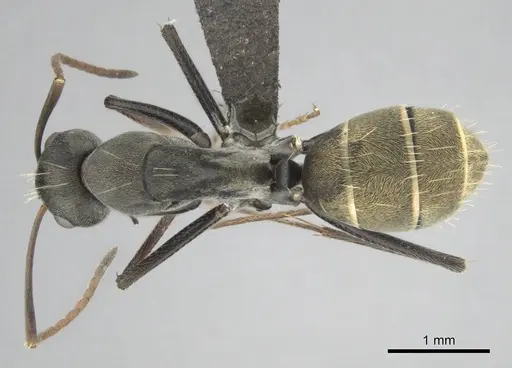
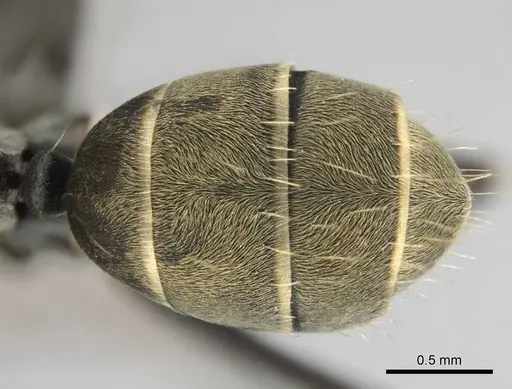
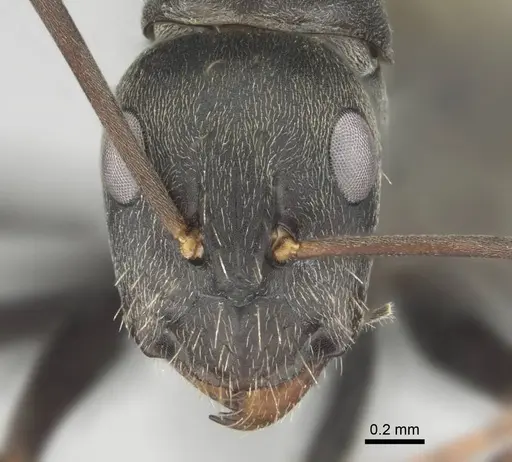
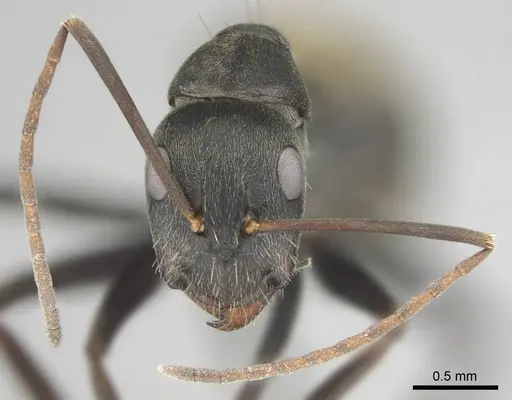
CASENT0253919
View on AntWeb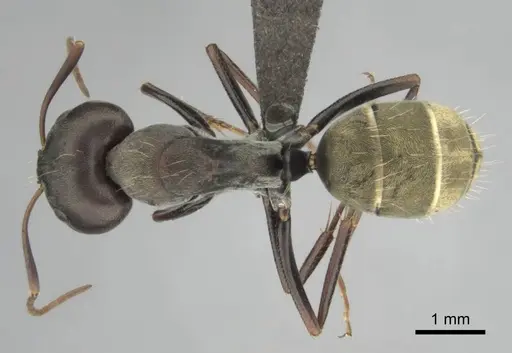
CASENT0254032
View on AntWeb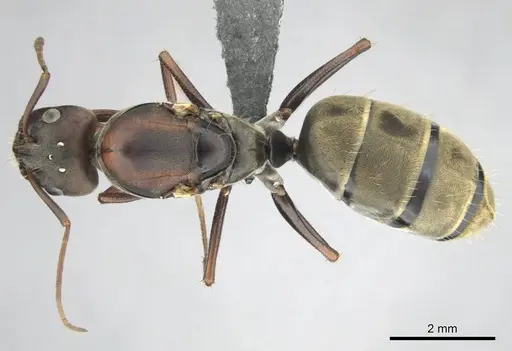
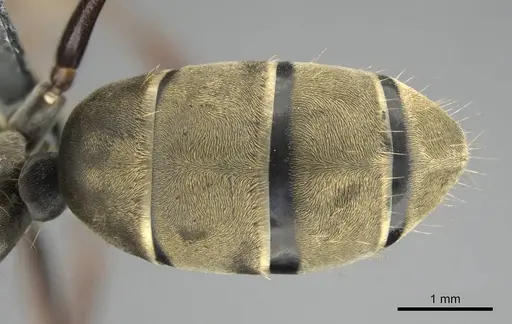
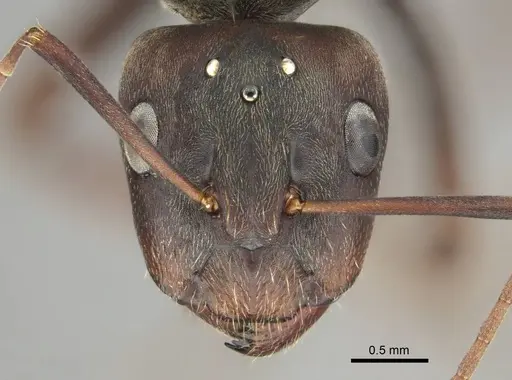
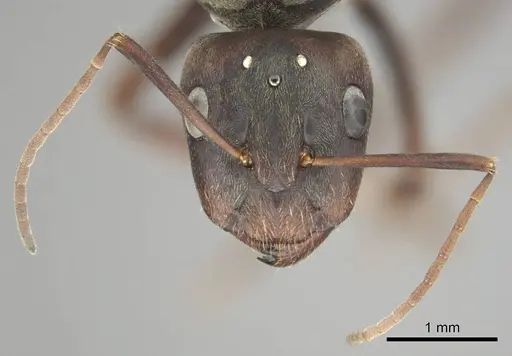
CASENT0254183
View on AntWeb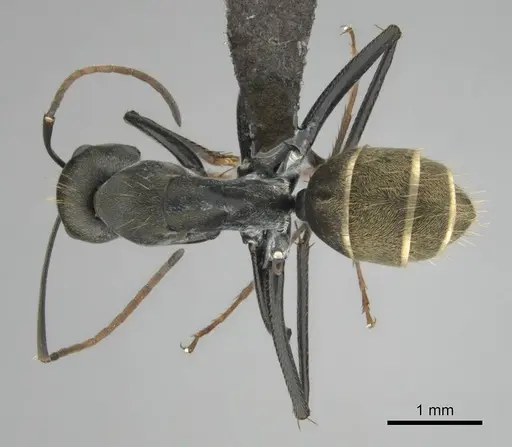
CASENT0255996
View on AntWeb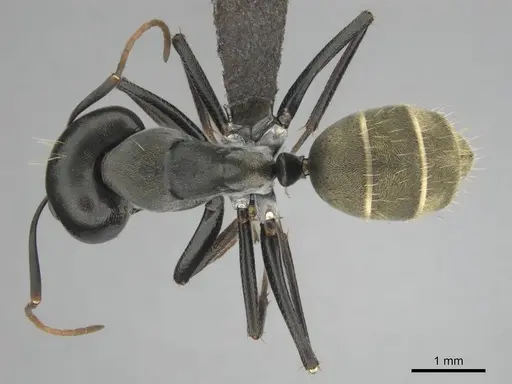
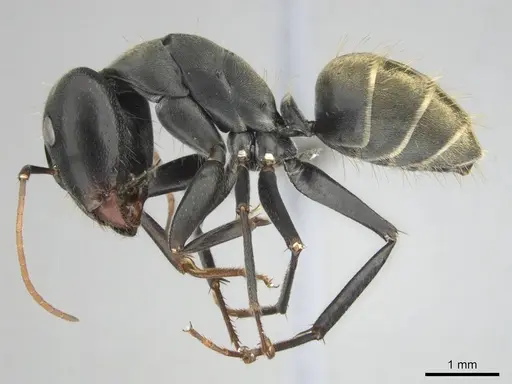
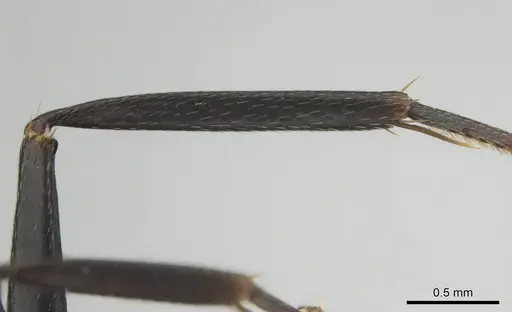
CASENT0280311
View on AntWeb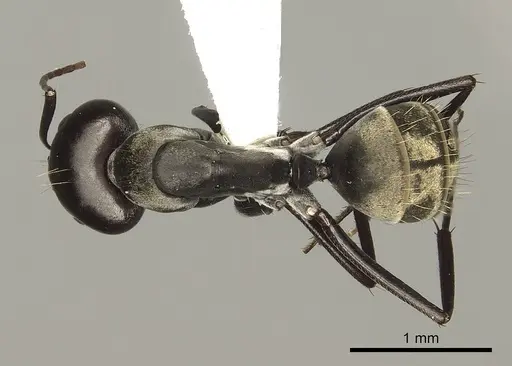
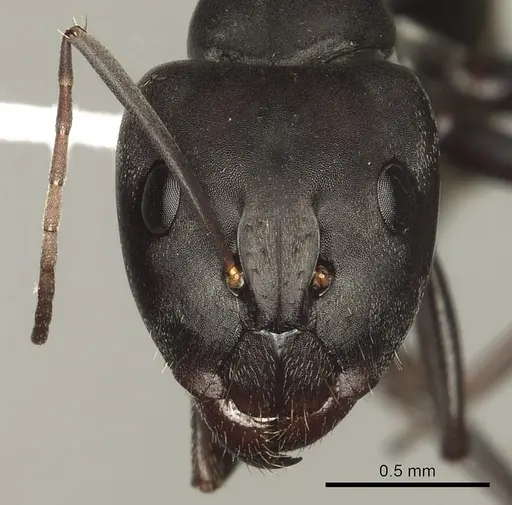
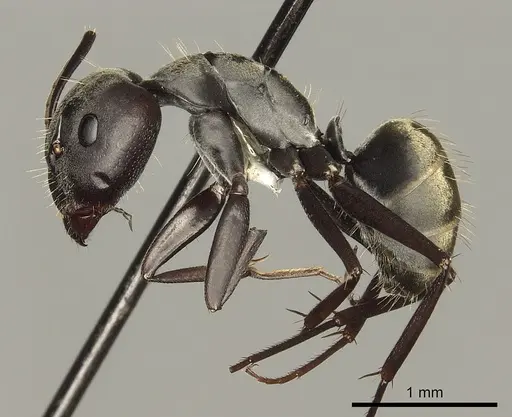
CASENT0280312
View on AntWeb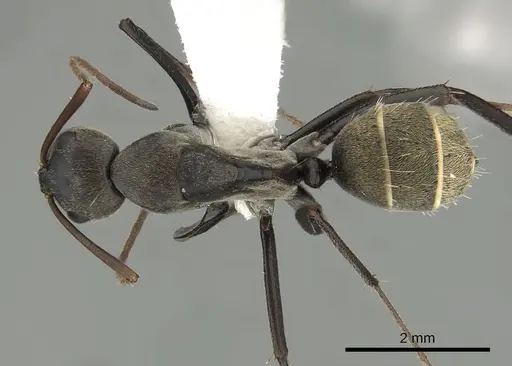
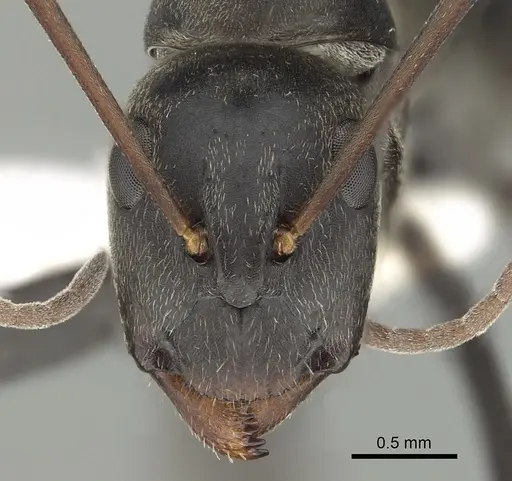
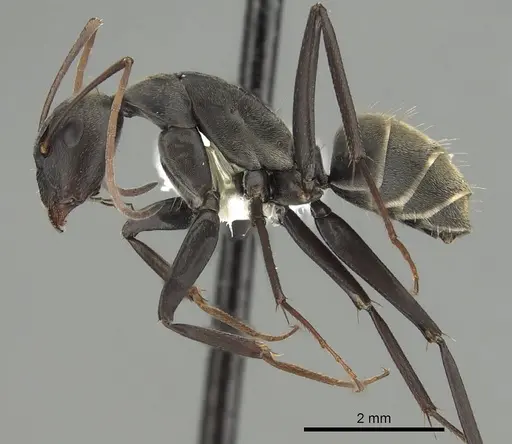
CASENT0280313
View on AntWeb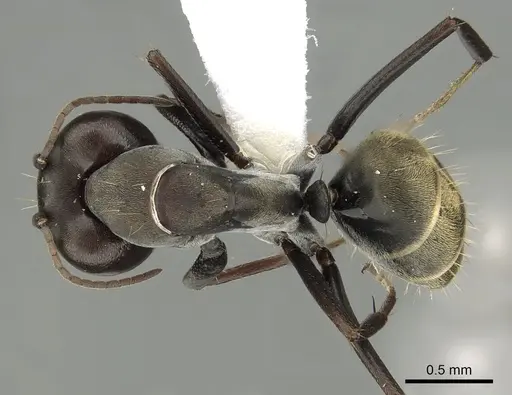
CASENT0280314
View on AntWeb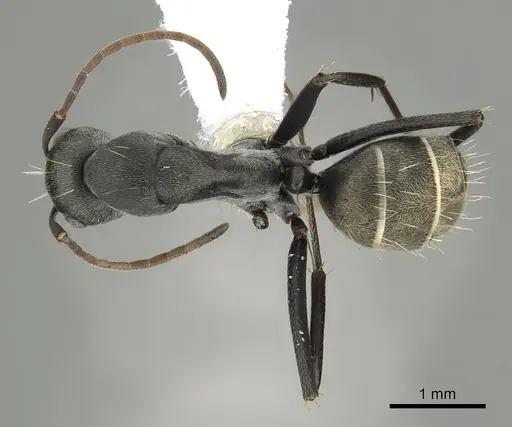
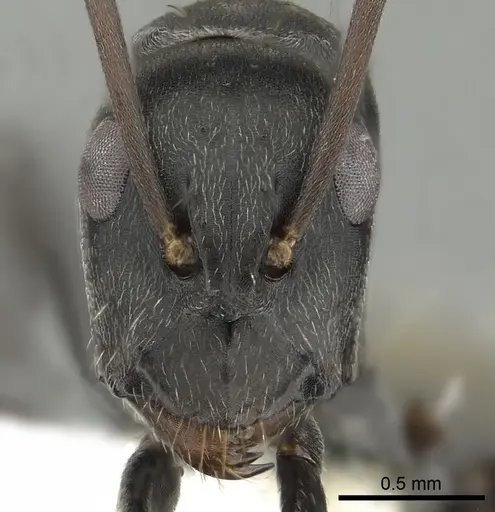
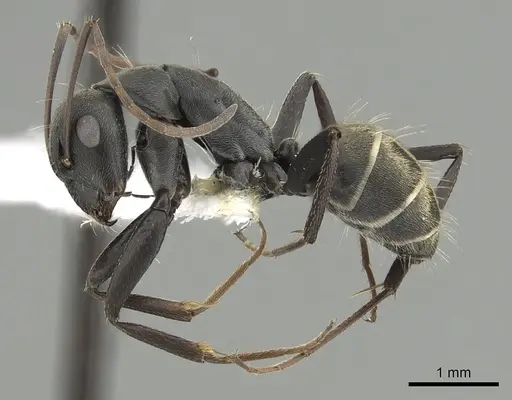
CASENT0778493
View on AntWeb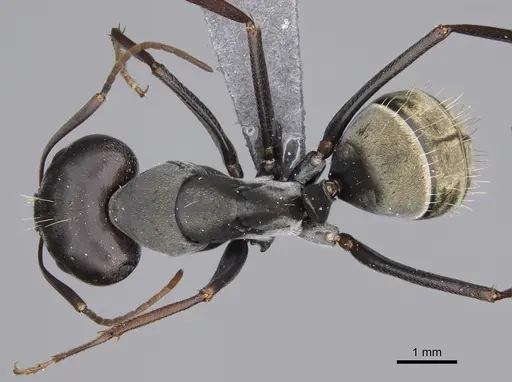
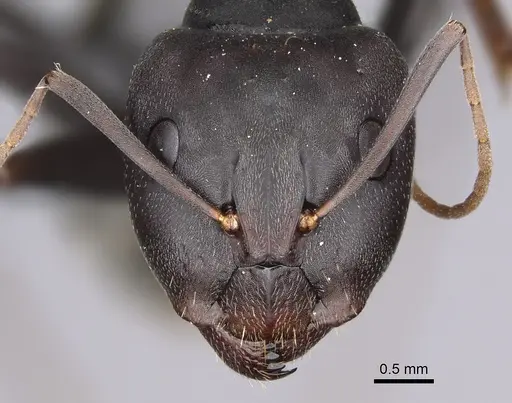
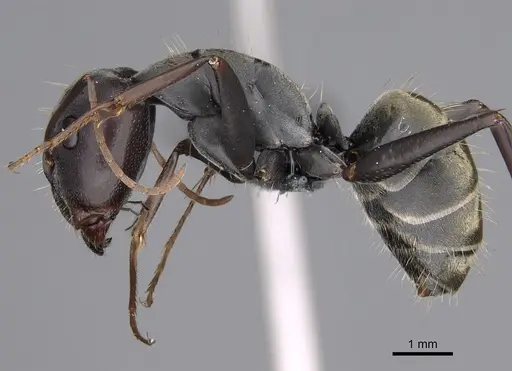
CASENT0778494
View on AntWeb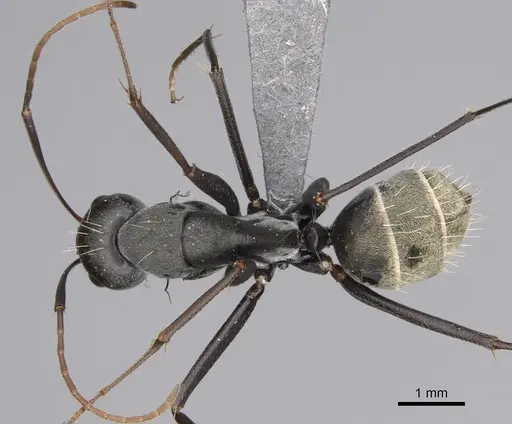
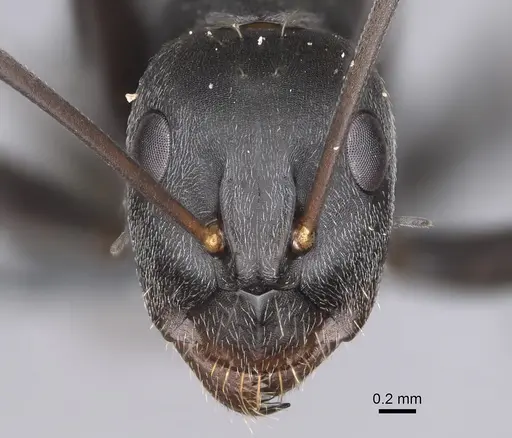
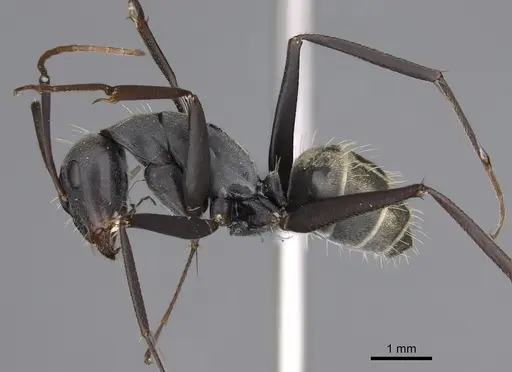
CASENT0822204
View on AntWeb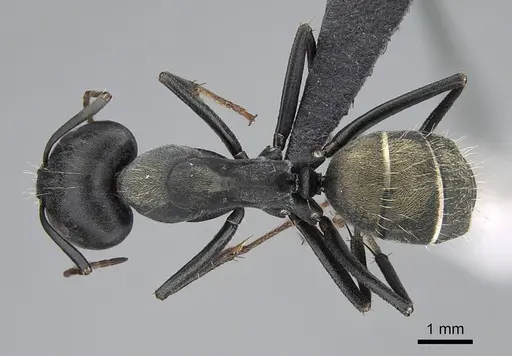
CASENT0903509
View on AntWeb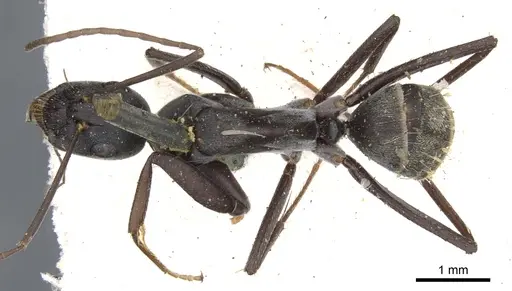
CASENT0903510
View on AntWeb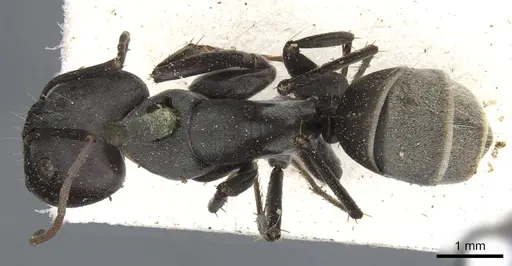
Literature
Loading...Loading products...