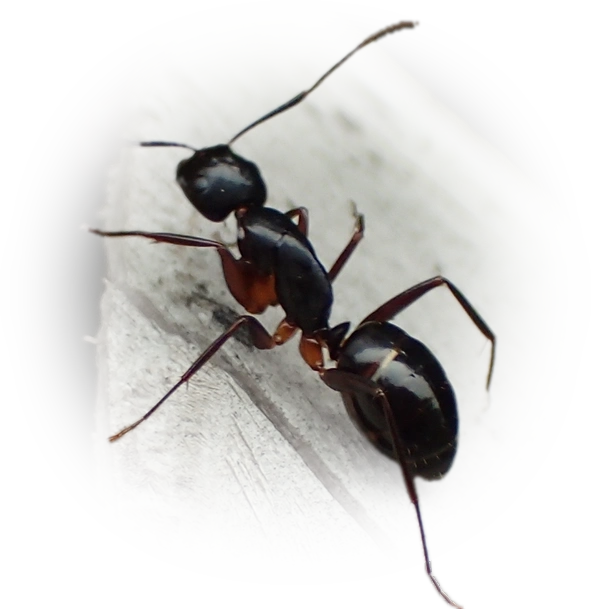

Camponotus kiusiuensis
- Scientific Name
- Camponotus kiusiuensis
- Subgenus
- Paramyrmamblys
- Tribe
- Camponotini
- Subfamily
- Formicinae
- Author
- Santschi, 1937
- Distribution
- Found in 2 countries
Camponotus kiusiuensis Overview
Camponotus kiusiuensis is an ant species of the genus Camponotus. It is primarily documented in 2 countries , including Japan, Korea, Republic of. Detailed taxonomic data and occurrence records can be further explored via authoritative databases such as AntWeb or the Global Biodiversity Information Facility (GBIF).
Camponotus kiusiuensis
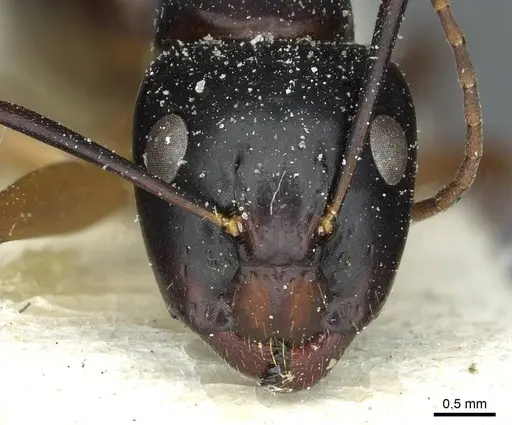
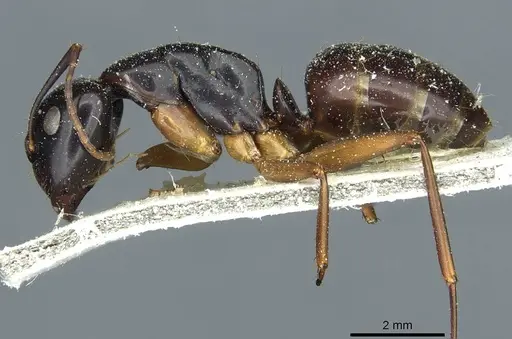
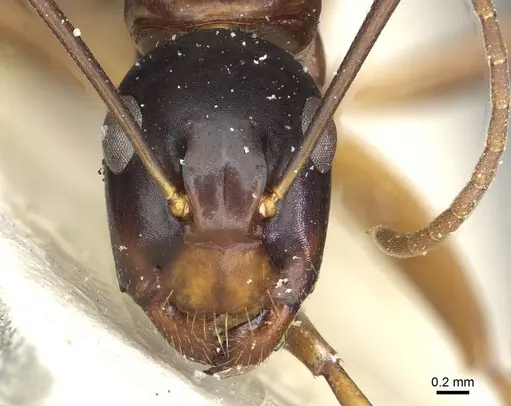
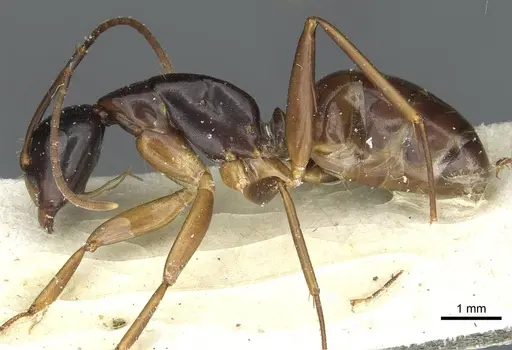
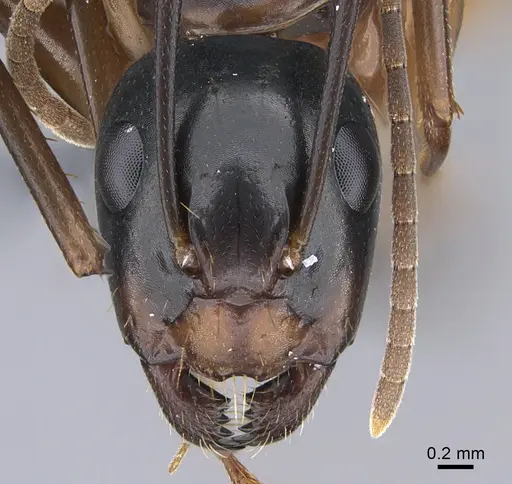
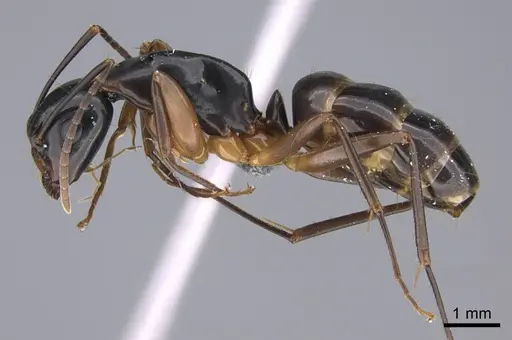
Camponotus kiusiuensis is a medium-to-large carpenter ant native to East Asia, with workers measuring 8-11mm [1]. Their body is predominantly black (sometimes slightly brownish) with brown legs, and they have a distinctive concave notch on the front of the clypeus (the shield-shaped plate above their mouth) [1]. This species is arboreal by nature, nesting exclusively in dead bamboo stems or hollow trees rather than in soil [1].
What makes C. kiusiuensis unusual is their polydomous colony structure, they don't live in one large nest but spread across multiple smaller nests, each housing fewer than 300 workers [1]. Queens are rarely found inside established nests, suggesting the colony maintains several satellite locations. They are primarily nocturnal foragers, though they will actively search for food during daylight hours in darker forest areas [1]. This species serves as a potential host for the temporary social parasite Polyrhachis lamellidens, a spiny ant that invades their colonies [2].
Quick Summary
- Difficulty: Medium
- Origin & Habitat: Native to Japan (Hokkaido, Honshu, Shikoku, Kyushu, Yakushima Island) and the Korean Peninsula [1]. They are rare on Hokkaido but common in warmer southern regions. This is an arboreal species that nests in dead bamboo stems, hollow trees, and near tree roots [1].
- Colony Type: Polydomous, colonies consist of multiple small nests spread across different locations, each with less than 300 workers [1]. Queens are seldom found in nests, suggesting the colony maintains several satellite nesting sites. This differs from typical single-queen colonies.
- Founding: Claustral
- Size & Growth:
- Queen: Estimated 12-15mm based on genus Camponotus patterns
- Worker: 8-11mm [1]
- Colony: Up to several hundred workers per nest, with multiple nests making up a full colony [1]
- Growth: Moderate, typical Camponotus development timeline
- Development: Estimated 6-8 weeks at optimal temperature based on genus patterns (Development time is typical for Camponotus species, queens seal themselves in during founding and raise first workers alone)
- Antkeeping:
- Temperature: Keep at room temperature around 20-24°C. They tolerate a range from cool (15°C) to warm (28°C) conditions, reflecting their broad distribution from Hokkaido to Kyushu [1]. A gentle temperature gradient allows workers to choose their preferred zone.
- Humidity: Moderate humidity around 50-70%. As an arboreal species nesting in dead wood, they prefer drier conditions compared to soil-nesting ants. Provide a water tube but avoid overly damp substrates.
- Diapause: Yes, given their distribution across temperate Japan, colonies require a winter rest period. Reduce temperature to around 10-15°C for 2-3 months during winter.
- Nesting: Arboreal setup works best, dead bamboo sections, cork bark, or wood-based formicaria. They will also accept test tube setups but provide wood or bark pieces for them to explore. Avoid soil-based nests.
- Behavior: These ants are primarily nocturnal, though they forage during the day in darker forest environments [1]. Workers are moderate in size (8-11mm) and can defend themselves if threatened. They are not particularly aggressive toward keepers but will alert the colony if the nest is disturbed. Escape risk is moderate, their size makes them visible but they can squeeze through small gaps. They are arboreal and will readily climb vertical surfaces.
- Common Issues: polydomous colonies can be difficult to keep together, workers may split between multiple nest areas, queens are rarely found in established nests, making colony verification challenging, nocturnal activity means you may not see much during daytime hours, as an arboreal species, they need proper climbing surfaces and may not thrive in soil-based setups, winter diapause is essential for long-term colony health, skipping hibernation can weaken colonies
Nest Preferences and Housing
Camponotus kiusiuensis is an arboreal species that naturally nests in dead bamboo stems, hollow trees, and around tree roots [1]. In captivity, they do best in setups that mimic these conditions. Bamboo sections, cork bark, or wooden formicaria work well. You can also keep them in a test tube setup with added wood pieces or bark for them to explore.
Avoid fully soil-based nests, these ants prefer drier conditions and will do better in wood-based or acrylic nests with minimal substrate. If using a hybrid setup, keep the substrate relatively dry. Provide multiple connected chambers or allow them to spread across several nest areas, since polydomous colonies naturally maintain multiple small nesting sites.
Escape prevention is straightforward for this medium-sized ant. Standard barrier methods work well, though they can climb glass so ensure your setup has a secure lid.
Feeding and Diet
Like other Camponotus species, C. kiusiuensis is omnivorous. They will readily accept sugar sources (honey, sugar water) and protein foods (insects, small crickets, mealworms). Their moderate size means they can handle prey items that smaller ants cannot.
Feed them a varied diet: offer sugar water or honey regularly, and provide protein sources (live or frozen insects) 2-3 times per week. Remove uneaten prey after 24 hours to prevent mold. Since they are nocturnal, you may notice more feeding activity in the evening hours, try offering food at night to observe their natural foraging behavior.
Their gut bacteria produce compounds called camporidines that have anti-inflammatory and anti-metastatic properties [3][4], but this is a natural phenomenon you don't need to replicate in captivity.
Temperature and Seasonal Care
This species tolerates a wide temperature range, reflecting its distribution from cool Hokkaido to warm Kyushu. Room temperature (20-24°C) is ideal for keeping and breeding. They can tolerate temperatures as low as 15°C and as high as 28°C, but avoid extremes.
Winter diapause is important for this species. During winter months (roughly November-February in the Northern Hemisphere), reduce temperatures to 10-15°C to allow the colony to rest. This mimics their natural seasonal cycle and helps maintain colony health long-term. Do not skip hibernation, it can weaken the colony and reduce queen longevity.
A temperature gradient is beneficial. Place a heating cable on one side of the nest at very low setting, allowing workers to move between warmer and cooler zones as they prefer. [1]
Behavior and Activity Patterns
Camponotus kiusiuensis is primarily nocturnal, workers do most of their foraging after dark [1][5]. However, in darker forest environments they will also forage during daylight hours. In captivity, you may see more activity in the evening and night, so don't be concerned if your colony seems quiet during the day.
These ants are not particularly aggressive but will defend their nest if threatened. Their moderate size (8-11mm workers) makes them easy to handle and observe. They are good climbers and will explore vertical surfaces, so provide enrichment like branches or cork bark pieces.
The polydomous nature of their colonies means workers may establish satellite nests or exploration zones away from the main nest area. This is normal behavior, don't be alarmed if you see workers clustering in unexpected areas of their enclosure.
Colony Structure and Growth
One of the most interesting aspects of C. kiusiuensis is their polydomous colony structure. Unlike most ant species that maintain a single nest, these ants spread across multiple smaller nests, each containing fewer than 300 workers [1]. Queens are rarely found inside established nests, which is unusual compared to typical Camponotus colonies.
This likely means the colony operates as a network of interconnected nests rather than one central location. In captivity, you might provide multiple small nest areas connected together to mimic this natural arrangement. Growth is moderate, expect 6-12 months from founding to first workers, then gradual expansion over several years.
Colony size remains moderate compared to some other Camponotus species. Each nest typically maxes out around 300 workers, but a healthy colony may have several of these nest groups working together.
Frequently Asked Questions
Can I keep Camponotus kiusiuensis in a test tube?
Yes, test tubes work well for founding colonies. However, since they are an arboreal species that naturally nests in wood, consider adding cork bark or wood pieces inside the test tube setup. As the colony grows, you may want to provide a more naturalistic setup with bamboo sections or a wooden formicarium.
How long does it take for Camponotus kiusiuensis to produce first workers?
Based on typical Camponotus development, expect 6-8 weeks from egg to first worker at room temperature (20-24°C). The queen will seal herself in a chamber and raise the first brood alone. These first workers (nanitics) will be smaller than normal workers.
Are Camponotus kiusiuensis good for beginners?
This species is rated as medium difficulty. They are more challenging than beginner species like Lasius niger because of their specific arboreal nesting preferences and the need for winter diapause. However, they are not as difficult as some exotic tropical species. If you have experience with one or two other Camponotus species, this is a good choice.
What do I feed Camponotus kiusiuensis?
Offer a varied diet: sugar water or honey as a constant energy source, and protein foods like small insects, mealworms, or crickets 2-3 times per week. Since they are nocturnal, you may have better success offering food in the evening.
Do Camponotus kiusiuensis need hibernation?
Yes, they require a winter rest period. Reduce temperatures to 10-15°C for 2-3 months during winter (typically November-February). This is essential for colony health and queen longevity, reflecting their natural seasonal cycle in temperate Japan.
Why are there no queens in my established colony?
This is normal for C. kiusiuensis, they are a polydomous species where queens are rarely found inside established nests [1]. The colony may have multiple reproductive queens spread across different nest areas, or the queen may be hidden in a hard-to-reach chamber. Don't assume your colony is queenless just because you haven't seen her.
Can I keep multiple queens together?
The natural colony structure involves multiple small nests, but this is different from combining unrelated foundress queens. Pleometrosis (multiple queens founding together) has not been documented for this species. It is not recommended to combine unrelated queens, they may fight. Let a single queen found your colony.
When should I move my colony to a formicarium?
Move to a larger setup when the test tube becomes crowded (typically 30-50 workers for this species). Since they prefer arboreal nesting, provide a wooden formicarium, bamboo setup, or add cork bark to an acrylic nest. They do not need soil-based nests.
How big do Camponotus kiusiuensis colonies get?
Each nest typically reaches up to 300 workers, but since they are polydomous, a full colony may have several of these nest groups working together. Expect a mature colony to reach several hundred to perhaps over 1000 workers total.
References

This caresheet is licensed under CC BY-SA 4.0 .
CASENT0882044
View on AntWeb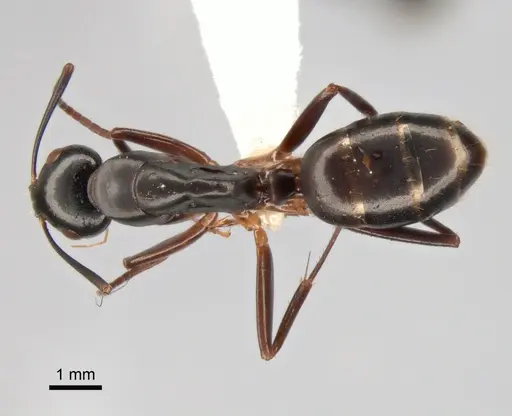
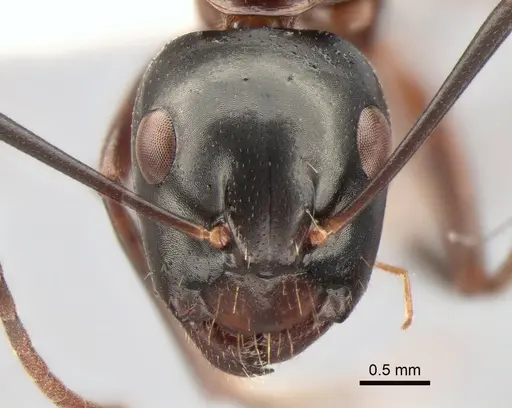
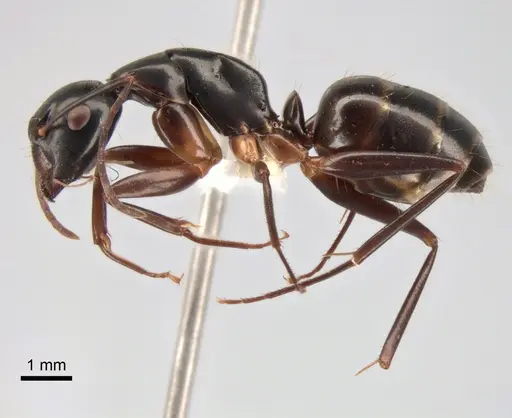
CASENT0911870
View on AntWeb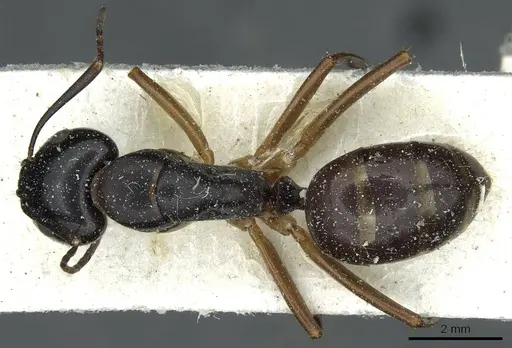
CASENT0911871
View on AntWeb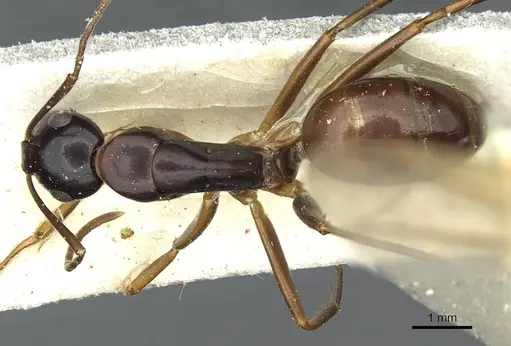
CASENT0923678
View on AntWeb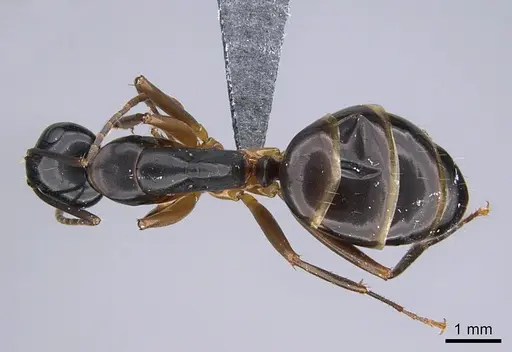
Literature
Loading...Loading products...