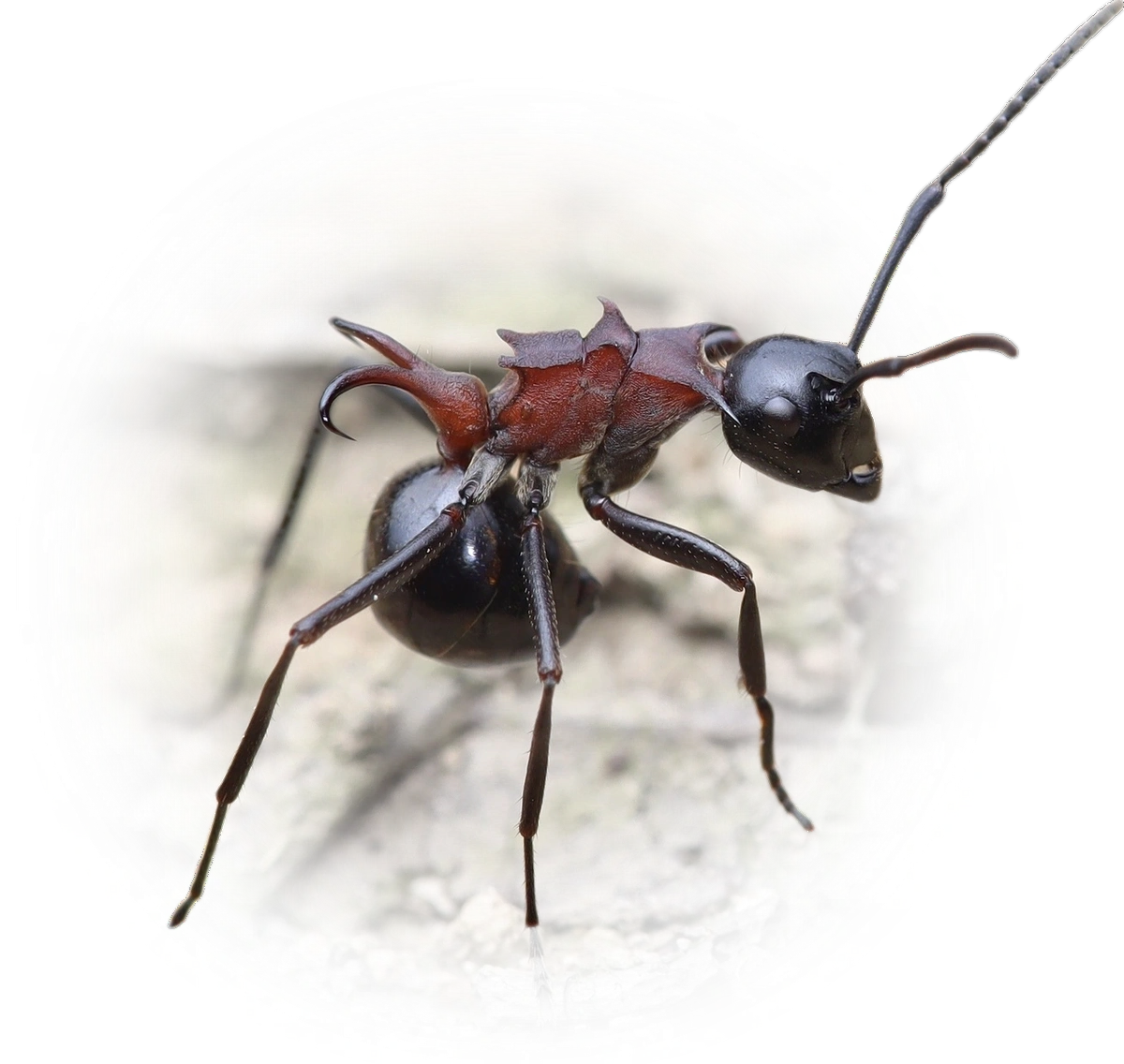

Polyrhachis lamellidens
- Scientific Name
- Polyrhachis lamellidens
- Tribe
- Camponotini
- Subfamily
- Formicinae
- Author
- Smith, 1874
- Distribution
- Found in 4 countries
Polyrhachis lamellidens Overview
Polyrhachis lamellidens is an ant species of the genus Polyrhachis. It is primarily documented in 4 countries , including China, Japan, Korea. Detailed taxonomic data and occurrence records can be further explored via authoritative databases such as AntWeb or the Global Biodiversity Information Facility (GBIF).
Polyrhachis lamellidens
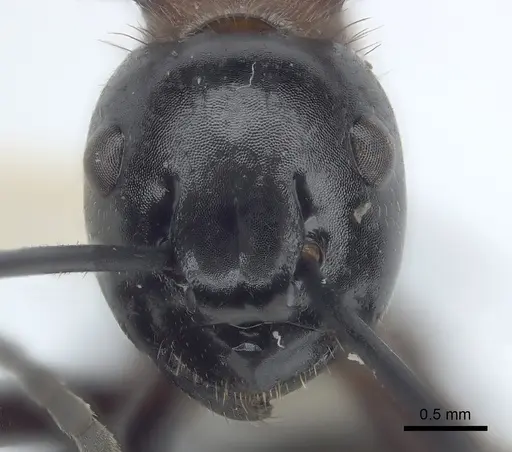
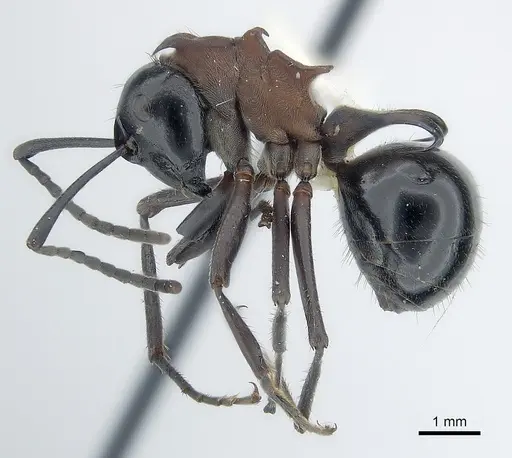
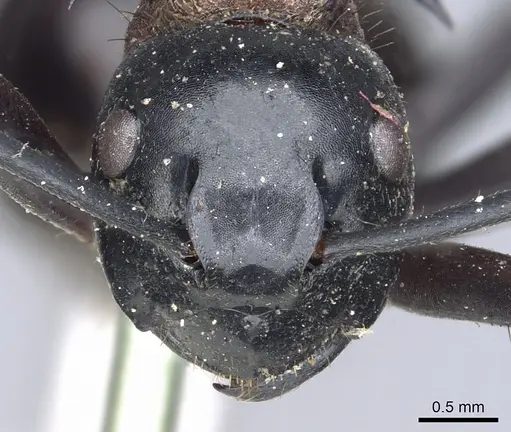
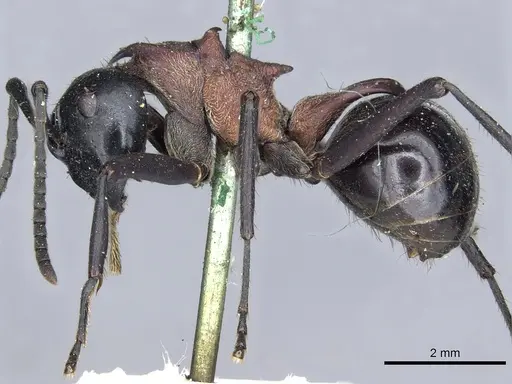
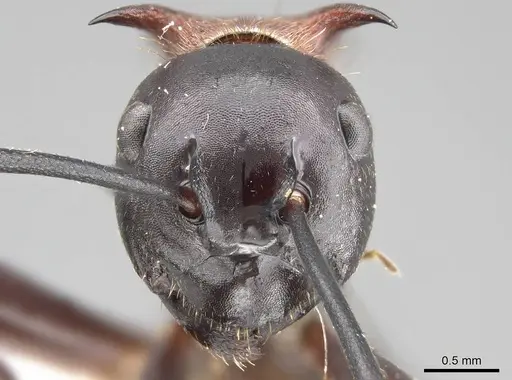
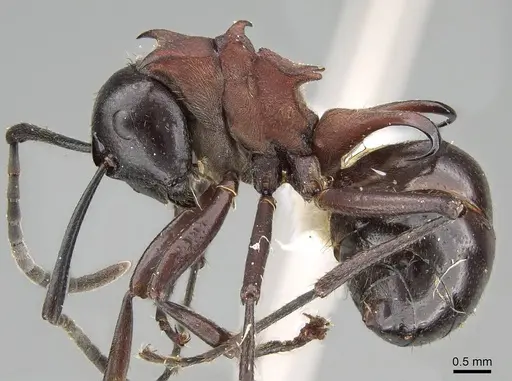
Polyrhachis lamellidens is a distinctive medium-sized ant known for its impressive array of spines. Workers measure 7-9mm with large hook-like spines on their petiole (the narrow waist section), pronotum spines pointing forward, and shorter propodeal spines. Their body is black with reddish-brown mesosoma and petiole. Queens are larger at 10-11mm and have much smaller, less prominent spines. This species is native to East Asia, found throughout Japan, Korea, Taiwan, and China including Hong Kong [1].
What makes P. lamellidens truly remarkable is its temporary social parasitic lifestyle. Queens invade nests of Camponotus japonicus and C. obscuripes, kill the host queen, and have host workers raise their brood. Over time, the host workers are gradually replaced by P. lamellidens workers until the colony becomes pure lamellidens [2]. This is one of the few ant species where you can observe social parasitism in action, though it makes captive establishment challenging.
Quick Summary
- Difficulty: Expert
- Origin & Habitat: Native to East Asia: Japan, Korea, Taiwan, and China. Found in rotten logs, tree stumps, and occasionally underground in woodland habitats [1][3].
- Colony Type: Facultatively polygynous, both single-queen and multi-queen colonies exist in the wild. Queens are temporary social parasites of Camponotus japonicus and C. obscuripes [2][4].
- Colony: Optionally polygyne
- Queen: Temporary parasitic
- Size & Growth:
- Antkeeping:
- Temperature: Keep at room temperature, roughly 20-25°C. This is a temperate species from Japan and Korea that likely tolerates cooler conditions than tropical ants. A gentle gradient is recommended.
- Humidity: Moderate to high. In nature, they nest in rotting wood which maintains damp conditions. Keep the nest substrate moist but not waterlogged.
- Diapause: Yes, this species is native to temperate regions with cold winters. Expect reduced activity in winter months. Nuptial flights occur in October-November, indicating seasonal dormancy patterns [2].
- Nesting: Rotten wood nesting species. In captivity, they do well in wood-based or plaster nests that can hold moisture. They also accept test tubes with added humidity. Avoid completely dry setups.
- Behavior: Workers are defensive due to their prominent spines, which make them unpalatable to predators like tree frogs [2]. They are omnivorous, feeding on honeydew, sap, and dead insects. Workers will recruit in large numbers to protein baits. They are not aggressive stingers but may bite. Escape prevention is moderate, they are medium-sized ants but can climb smooth surfaces. They are primarily nocturnal or crepuscular in activity.
- Common Issues: temporary social parasitism makes founding extremely difficult, queens need a host Camponotus colony to establish, vulnerable status in Japan means wild collection may be restricted or unethical, slow colony growth during the transition period when host workers are being replaced, mites can attach to the petiole area, check for parasitic mites during maintenance, requires specific host species (Camponotus) for natural colony founding, difficult to replicate in captivity
Colony Founding and Social Parasitism
This is the most challenging aspect of keeping P. lamellidens. In the wild, a newly mated queen must locate a nest of Camponotus japonicus or C. obscuripes. She captures a host worker, transfers scent from the worker to her body using her fore legs, then enters the host nest. The queen attaches herself to the host queen's neck and they stay in close contact for up to 2 weeks, transferring scent. Host workers cannot distinguish between the two queens and feed both. Eventually the P. lamellidens queen kills the host queen. Host workers then feed the parasite queen through winter while her ovaries develop. In spring, egg-laying begins with host workers tending the brood. Over time, host workers die and are replaced with P. lamellidens workers until the colony becomes pure lamellidens [4].
For antkeepers, this means you cannot establish a colony the normal way. You need an established Camponotus colony (preferably C. japonicus or C. obscuripes) to introduce the P. lamellidens queen to. Even then, success is not guaranteed, in laboratory trials, only 5 of 8 queens survived initial contact with host workers [4]. This is not a species for beginners.
Housing and Nest Preferences
In the wild, P. lamellidens nests in rotten logs, tree stumps, and sometimes underground [1]. They prefer damp, decaying wood in woodland areas. Nests are typically in large hollow sections of standing trees [2].
For captive housing, provide a setup that mimics rotting wood conditions. Wood-based formicaria or plaster nests that can hold moisture work well. You can also use test tubes with a water reservoir, but add some damp substrate like peat or wood chips to maintain humidity. They do not need arboreal setups, terrestrial or subterranean arrangements suit them fine. Ensure the nest material can absorb and hold moisture without becoming waterlogged.
Feeding and Diet
P. lamellidens are omnivorous and will accept a wide variety of foods. In nature, they feed on plant sap, aphid honeydew, and dead insects and other arthropods [5]. They are attracted to protein baits, and when food is placed near the nest entrance, large numbers of workers will recruit to the source.
In captivity, offer sugar water or honey as a constant energy source. For protein, provide dead insects (fruit flies, small crickets, mealworms) and other small arthropods. They are not strong hunters, they lack a sting and are more likely to scavenge than actively hunt live prey [5]. Feed protein 2-3 times per week and keep sugar sources available constantly. Remove uneaten prey after 24-48 hours to prevent mold.
Defense and Unique Adaptations
One of the most fascinating aspects of P. lamellidens is their defensive spines. Workers have large hook-like spines on their petiole that serve as effective defense against predators. Research using Japanese tree frogs (Hyla japonica) showed that intact workers are unpalatable, 27 out of 30 frogs that put an intact worker in their mouth spat it out. Workers without spines, however, were readily eaten (13 out of 14 frogs fed on them). The spines physically stick into the frog's mouth, making the ants difficult to swallow [2].
Interestingly, queen spines are much smaller and less effective. Intact queens were palatable to frogs, all 8 frogs that took an intact queen in their mouth ate it without vomiting. This difference makes sense evolutionarily: workers need defense while the queen is protected inside the nest and later within the host colony [2].
Seasonal Care and Overwintering
As a species native to temperate regions (Japan, Korea), P. lamellidens experiences cold winters and requires a diapause period. Nuptial flights occur in October to November [2], after which mated queens either enter host ant nests or hibernate in dead wood before entering a host nest the following spring.
In captivity, reduce temperatures in winter to simulate natural conditions. A cool basement or unheated room around 10-15°C works well for 2-3 months. Reduce feeding during this period and minimize disturbance. Do not feed heavily during diapause. Resume normal temperatures and feeding in spring when the colony becomes active again.
Conservation and Ethical Considerations
P. lamellidens is designated as Vulnerable (VU) in Japan and Endangered Category II in the Japanese Ministry of Environment Red List [6][2]. Their habitat is decreasing due to residential and industrial development [7].
Before acquiring this species, consider whether the colony was ethically sourced. Wild collection may be restricted in Japan. Captive-bred colonies are preferable. If you do keep this species, avoid releasing any ants outside their native range (Japan, Korea, Taiwan, China). They could become invasive or disrupt local ecosystems.
Frequently Asked Questions
How do I start a Polyrhachis lamellidens colony?
You cannot establish this species like normal ants. P. lamellidens is a temporary social parasite, queens need to invade and take over a Camponotus colony (preferably C. japonicus or C. obscuripes). You will need an established host colony, then introduce a mated P. lamellidens queen. Even with a host colony, success is not guaranteed, only about 62% of queens survived initial contact in laboratory tests. This is an expert-level species.
Can I keep Polyrhachis lamellidens in a test tube?
Yes, test tubes can work, but add damp substrate (peat, wood chips) to maintain humidity since they naturally nest in rotting wood. However, the bigger challenge is establishing the colony in the first place due to their parasitic founding requirements.
What do Polyrhachis lamellidens eat?
They are omnivorous. Offer sugar water or honey constantly for energy, and protein sources like dead insects (fruit flies, small crickets, mealworms) 2-3 times per week. They are scavengers rather than active hunters.
How long does it take for Polyrhachis lamellidens to produce workers?
The exact development timeline has not been scientifically documented for this species. Based on related Formicine ants, expect approximately 6-10 weeks from egg to worker at optimal temperature. The transition period where host workers are being replaced can take many months.
Do Polyrhachis lamellidens need hibernation?
Yes, as a temperate species from Japan and Korea, they require a winter rest period. Reduce temperatures to around 10-15°C for 2-3 months during winter. Nuptial flights occur in October-November, indicating they have strong seasonal patterns.
Are Polyrhachis lamellidens good for beginners?
No. This is an expert-level species due to their temporary social parasitic founding method. You cannot establish a colony the normal way, you need a host Camponotus colony. Even experienced antkeepers find this challenging. We recommend starting with easier species like Lasius, Camponotus, or Tetramorium before attempting P. lamellidens.
How big do Polyrhachis lamellidens colonies get?
Mature colonies can reach over 10,000 workers [2]. However, reaching this size takes many years, especially considering the slow transition period when host workers are being replaced by parasite workers.
Why are Polyrhachis lamellidens called 'spiny ants'?
Workers have prominent spines: a pair of large hook-like spines on the petiole (waist), forward-pointing spines on the pronotum, and shorter spines on the propodeum. These spines serve as defense, they make workers unpalatable to predators like tree frogs and physically stick into predators' mouths [2].
References

This caresheet is licensed under CC BY-SA 4.0 .
CASENT0217778
View on AntWeb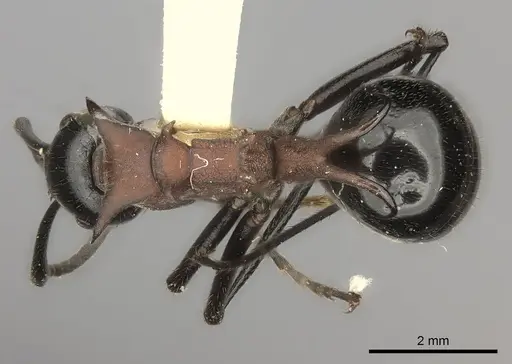
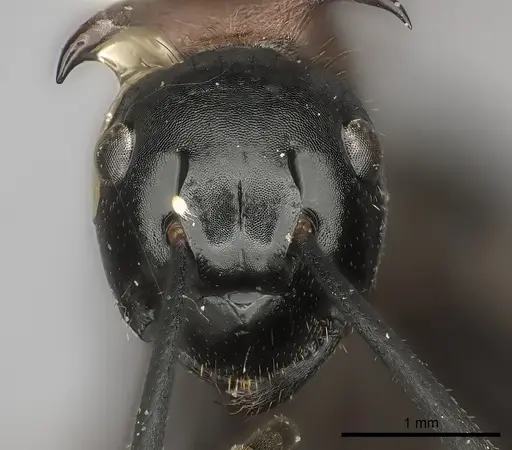
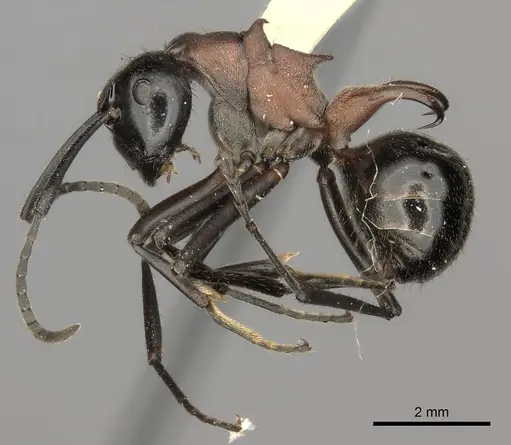
CASENT0227575
View on AntWeb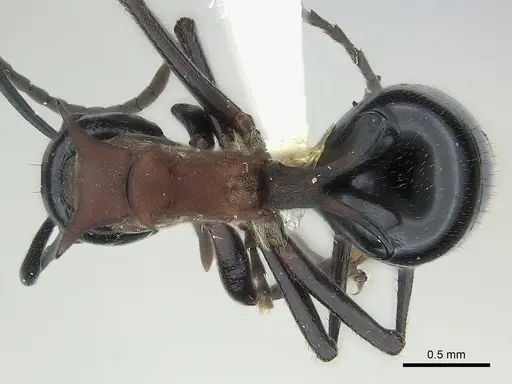
CASENT0903297
View on AntWeb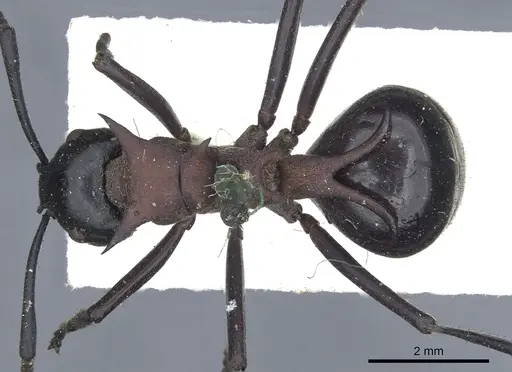
CASENT0919910
View on AntWeb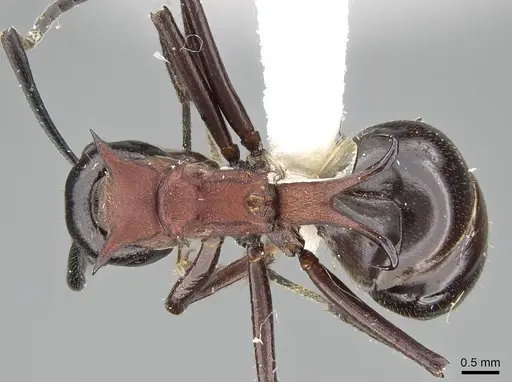
Literature
Loading...Loading products...