Camponotus japonicus shows a April to June flight window. Peak activity occurs in May, with nuptial flights distributed across 3 months.
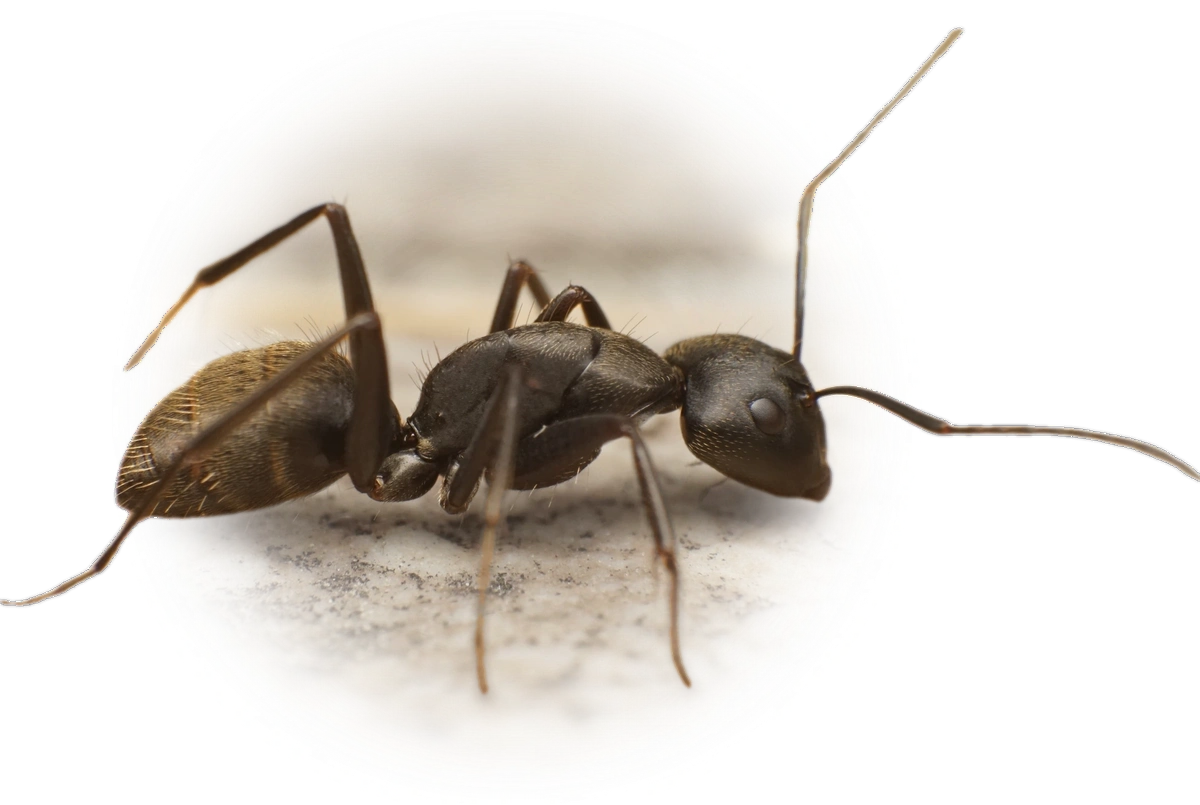
Camponotus japonicus
- Scientific Name
- Camponotus japonicus
- Tribe
- Camponotini
- Subfamily
- Formicinae
- Author
- Mayr, 1866
- Common Name
- Japanese Carpenter Ant
- Distribution
- Found in 3 countries
- Nuptial Flight
- from April to June, peaking in May
AI Identifiable
try →
Camponotus japonicus Overview
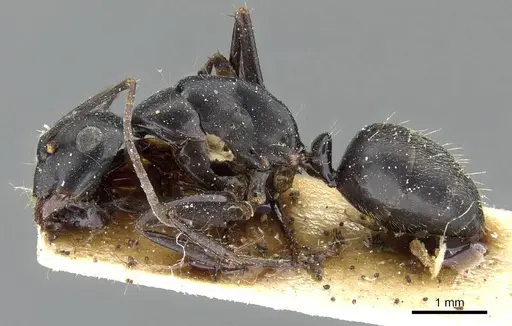
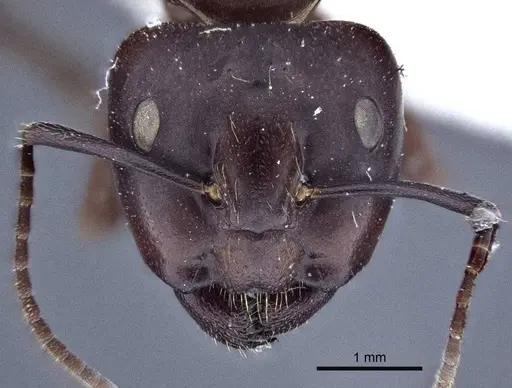
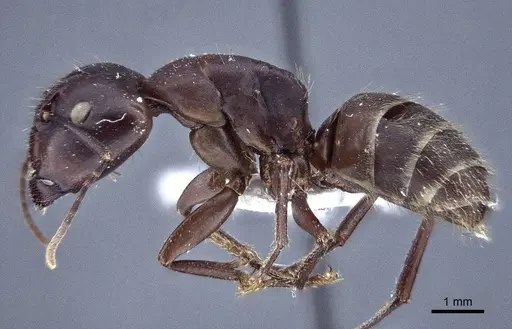
Camponotus japonicus (commonly known as the Japanese Carpenter Ant) is an ant species of the genus Camponotus. It is primarily documented in 3 countries , including China, Japan, Korea. Detailed taxonomic data and occurrence records can be further explored via authoritative databases such as AntWeb or the Global Biodiversity Information Facility (GBIF).
The nuptial flight of Camponotus japonicus is a significant biological event, typically occurring from April to June, peaking in May. During this time, winged queens and males leave the nest to mate and establish new colonies.
Camponotus japonicus - "Japanese Carpenter Ant"
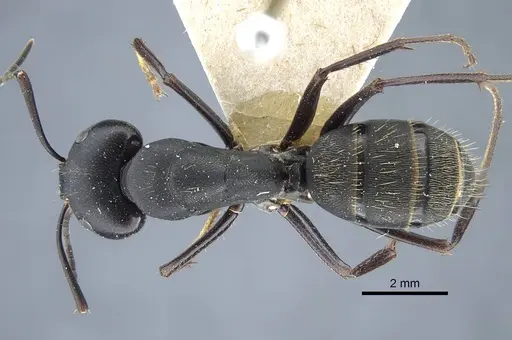
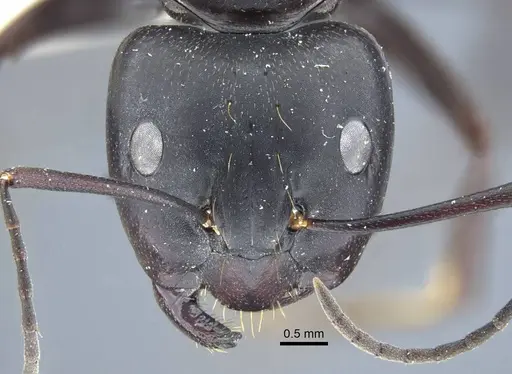
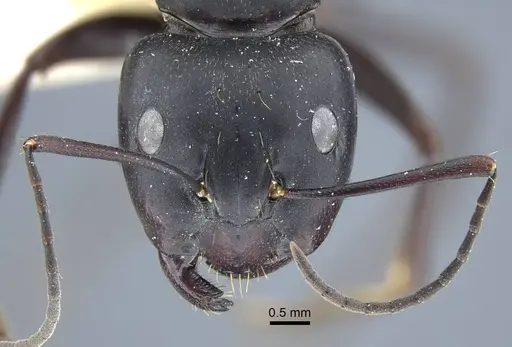
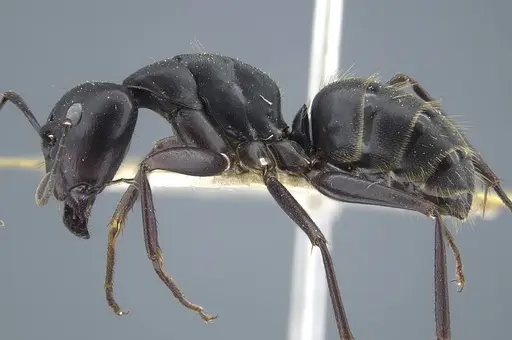
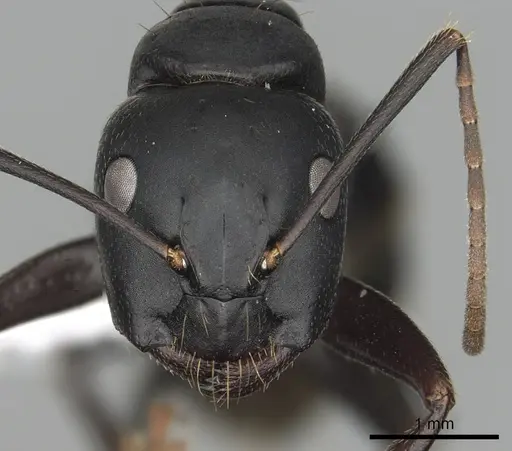
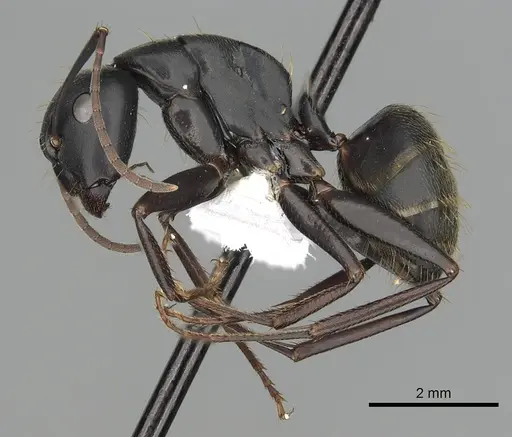
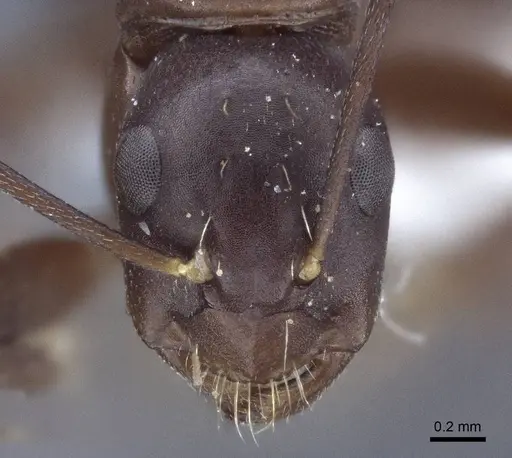
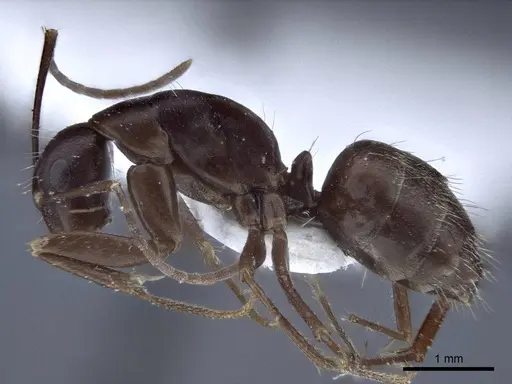
Camponotus japonicus is a large carpenter ant native to East Asia, found throughout Japan, China, Korea, Mongolia, and the Russian Far East. Workers measure 7-14mm in total length and display a distinctive black coloration. The colony contains both major workers with large heads and minor workers that cooperate in tasks. This species nests in soil in open habitats, building simple nests without mounds. They use sophisticated cuticular hydrocarbon blends to identify colony members and aggressively reject non-nestmates. They also serve as host ants for lycaenid butterflies, whose caterpillars sometimes pupate directly inside their nests.
Quick Summary
- Difficulty: Easy
- Origin & Habitat: Native to East Asia including Japan, China, Korean Peninsula, Mongolia, and Russia (Far East). Found across Hokkaido, Honshu, Shikoku, and Kyushu in Japan. Nests in soil in open habitats like grasslands and bare land areas, with nest entrances opening directly without surrounding mounds [1][2].
- Colony Type: Mostly monogynous (single queen colonies), but can have up to 3 queens in large colonies. Colony size can reach over 4000 workers [3][2].
- Size & Growth:
- Antkeeping:
- Temperature: Room temperature (20-25°C) works well. Keep nest area around 22-24°C for optimal brood development. Can tolerate cooler temperatures during hibernation.
- Humidity: Moderate humidity preferred. Keep nest substrate moist but not waterlogged. A humidity gradient allows ants to choose their preferred zone.
- Diapause: Yes, this temperate species requires a winter rest period. Reduce temperature to 10-15°C for 3-4 months (typically November-February) to simulate natural seasonal cycle [1][6].
- Nesting: Soil-nesting species. Works well with test tube setups for founding colonies, then transition to naturalistic or Y-tong nests with soil chambers. Provide damp substrate for nest building.
- Behavior: Generally calm and non-aggressive toward keepers, but will defend the nest vigorously against intruders. Workers use sophisticated chemical recognition to identify nestmates, they will attack ants from other colonies. Foraging primarily occurs at night in some populations. Workers are polymorphic with distinct major and minor castes that cooperate on tasks. They maintain clean nests and have designated waste areas. Escape prevention is important as they can climb smooth surfaces.
- Common Issues: colonies often fail during hibernation if kept too wet or at incorrect temperatures, overfeeding can lead to mold problems in nest setups, queen death during founding stage is common, ensure founding chamber is dark and undisturbed, wild-caught colonies may carry parasites that can decimate captive colonies, test tube setups can flood if water reservoirs are overfilled
Nuptial Flight Activity Analysis 112 observations
Flight Activity by Hour 112 observations
Camponotus japonicus nuptial flight activity peaks around 15:00 during the afternoon. Activity is spread across a 15-hour window (07:00–21:00). A secondary activity peak occurs around 17:00. Times may be influenced by human observation patterns.
Housing and Nest Setup
Camponotus japonicus is a soil-nesting species that adapts well to captivity. For founding colonies, use a simple test tube setup with a water reservoir separated by a cotton plug. Place the tube in a dark, quiet location and avoid disturbing the queen until workers emerge (typically 4-8 weeks). Once the colony reaches 20-30 workers, you can transition to a larger formicarium. Y-tong nests with soil chambers work exceptionally well, as do naturalistic setups with damp soil. Ensure the nest material stays moist but never waterlogged, these ants prefer moderate humidity with some drier areas available. A small outworld for foraging allows workers to hunt and collect food. This species is an openland type species with a home range of about 13.6 square meters [7][8].
Feeding and Diet
In the wild, Camponotus japonicus primarily feeds on honeydew collected from aphids and small arthropod prey [3][2]. In captivity, offer a varied diet including sugar water (1:3 honey to water ratio works well), dead insects (mealworms, fruit flies, small crickets), and occasional protein sources. Feed protein 2-3 times per week and keep sugar water available constantly. Remove uneaten prey after 24 hours to prevent mold. These ants are nocturnal foragers in some populations, so place food in the evening and check the next morning. They also attend aphids including Macrosiphoniella yomogicola and Macrosiphoniella hikozanensis [9].
Temperature and Seasonal Care
Keep your colony at room temperature (20-25°C) year-round, with the nest area ideally around 22-24°C for active brood development. As a temperate species, C. japonicus requires an annual hibernation period. From late autumn through winter (roughly November to February), gradually reduce temperature to 10-15°C and reduce feeding. This rest period is essential for colony health and triggers reproductive behavior in spring. Do not feed during hibernation but ensure water is available. Resume normal temperatures and feeding gradually in early spring. Nuptial flights occur from May to June in their native range [1][6].
Behavior and Colony Dynamics
This species exhibits complex social organization with polymorphic workers, major workers have enlarged heads for defense and seed processing, while minor workers handle most tasks including foraging and brood care. Workers use cuticular hydrocarbons (CHCs) as colony-specific identification markers. Each colony has a unique blend of 18 chemical compounds, and workers aggressively reject non-nestmates while accepting colony members [10]. Research shows antenna cleaning is essential for this discrimination, when grooming is limited, ants lose the ability to distinguish nestmates from non-nestmates [11]. Colonies also maintain designated waste areas where they deposit unwanted food, demonstrating sophisticated hygiene behaviors. Workers from different colonies within 200 meters exhibit aggressive behavior toward each other [10].
Growth and Development
Colony development follows typical Camponotus patterns. After mating in spring (May-June), the claustral queen seals herself in a chamber and lays eggs after 1-2 weeks. Eggs hatch into larvae that develop over 3-4 weeks before pupating. First workers (nanitics) emerge smaller than normal workers and begin foraging while the queen continues laying. Growth rate is moderate, established colonies can reach several hundred workers within 1-2 years under good conditions. Maximum colony size reaches 4000+ workers in mature colonies [3]. The queen can live for 15-20 years while workers live several months to a year. Males are produced in autumn and only mate after hibernation the next spring [3].
Frequently Asked Questions
How long does it take for Camponotus japonicus to produce first workers?
First workers typically emerge 6-8 weeks after the queen lays eggs, assuming temperatures around 22-24°C. The exact timing depends on temperature, warmer conditions speed development while cooler temperatures slow it down.
Can I keep multiple queens together?
This species is primarily monogynous (single queen) but can have up to 3 queens in large, mature colonies [3]. Combining unrelated foundress queens is not recommended as they typically fight. If you want multiple queens, wait until a colony is well-established (2+ years) and the colony has naturally produced additional queens.
What temperature do Camponotus japonicus need?
Keep the nest at 22-24°C for optimal brood development. Room temperature (20-25°C) is generally suitable. During hibernation (winter), reduce to 10-15°C for 3-4 months.
Are Camponotus japonicus good for beginners?
Yes, this species is considered beginner-friendly. They are relatively docile, adapt well to various nest setups, and have straightforward dietary needs. The main challenges are providing proper hibernation and maintaining appropriate humidity levels.
Do they need hibernation?
Yes, as a temperate species from northern Asia, they require an annual hibernation period. Without this winter rest, colony health deteriorates and reproduction may not occur. Reduce temperature to 10-15°C for 3-4 months during winter.
How big do Camponotus japonicus colonies get?
Mature colonies can reach 4000+ workers [3]. Growth is moderate, expect 50-100 workers in the first year, several hundred by year two, and potentially thousands in established colonies after several years.
What do Camponotus japonicus eat?
They primarily eat honeydew from aphids and small insects. In captivity, offer sugar water (honey or sugar dissolved in water), dead insects like mealworms or fruit flies, and occasional protein sources. Keep sugar water available constantly and provide protein 2-3 times weekly.
Why are my ants fighting?
If workers from the same colony are fighting, it may indicate a disease or parasite affecting their chemical recognition system. If ants from different colonies are together, aggressive behavior is normal, they use cuticular hydrocarbons to identify nestmates and will attack non-nestmates. Each colony has a unique blend of 18 CHCs that serves as a colony fingerprint [10][11].
When do nuptial flights occur?
Nuptial flights occur from May to June in their native range [1][6]. In captivity, you can simulate this by providing a hibernation period followed by warming the colony in spring, which often triggers reproductive behavior.
Report an Issue
The current care sheet is based fully on literature. See inconsistencies, or something that's incorrect? Please , it will be resolved after review from an admin. Contributing to the blogs tab also helps providing information, to make us be able to further improve the caresheets. Thank you for your support!
References

This caresheet is licensed under CC BY-SA 4.0 .
CASENT0249983
View on AntWeb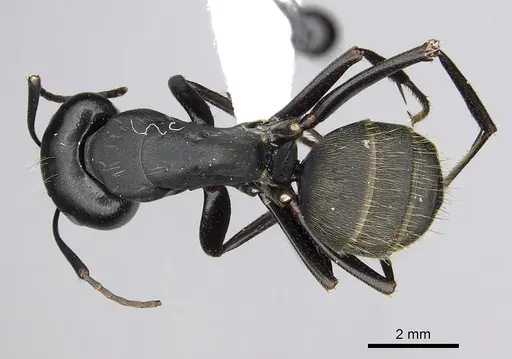
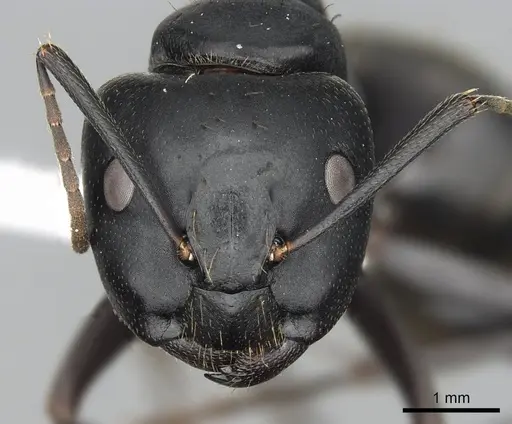
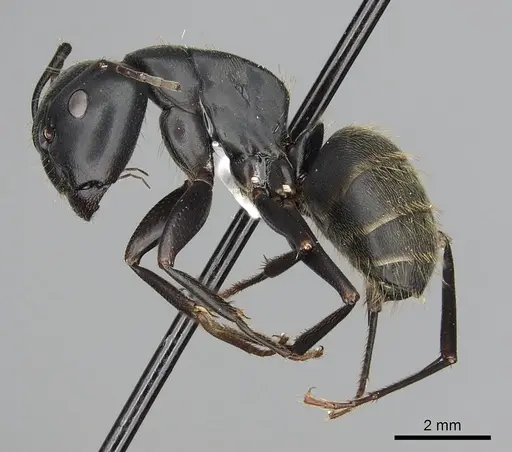
CASENT0249984
View on AntWeb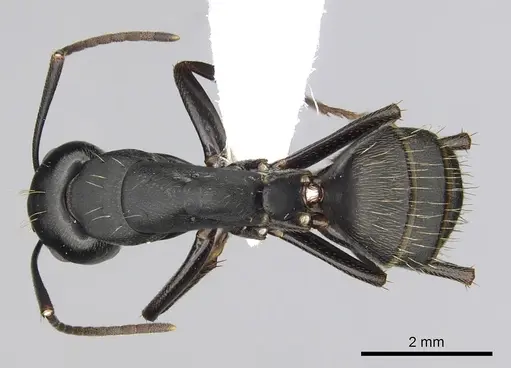
CASENT0905190
View on AntWeb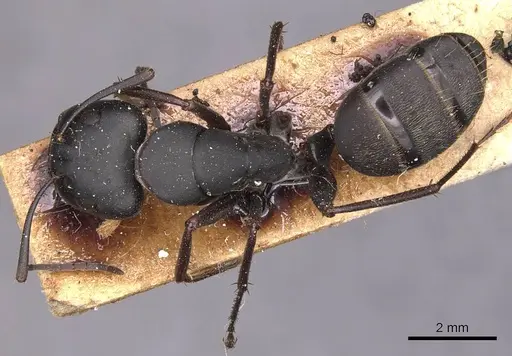
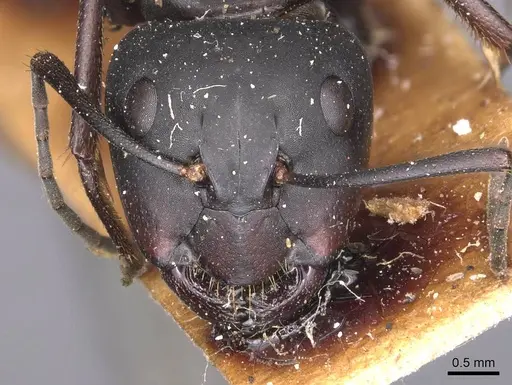
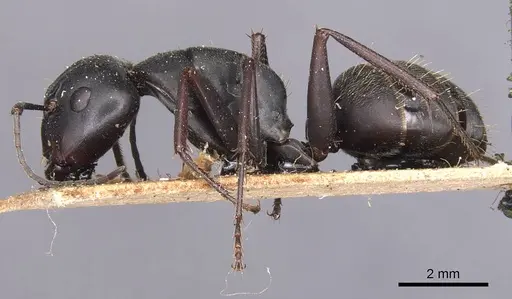
CASENT0905191
View on AntWeb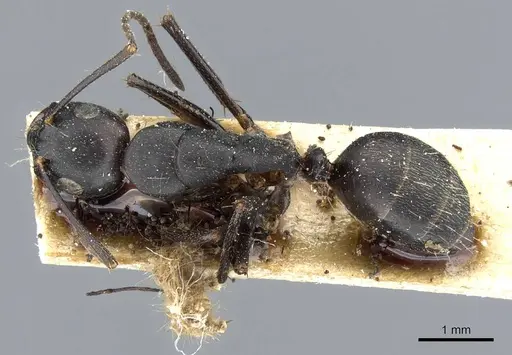
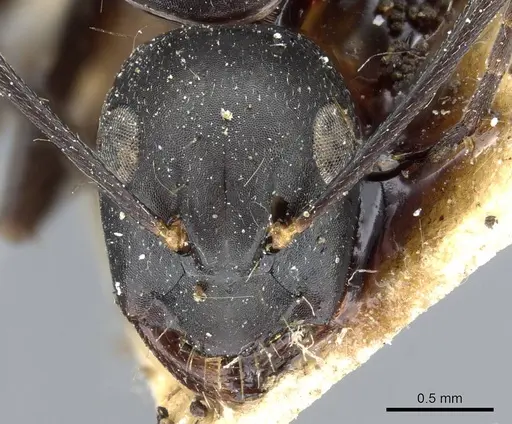
CASENT0916763
View on AntWeb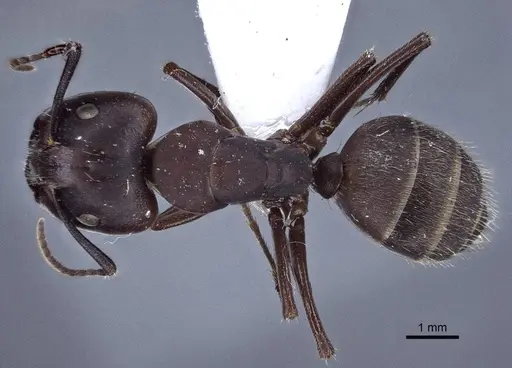
CASENT0916764
View on AntWeb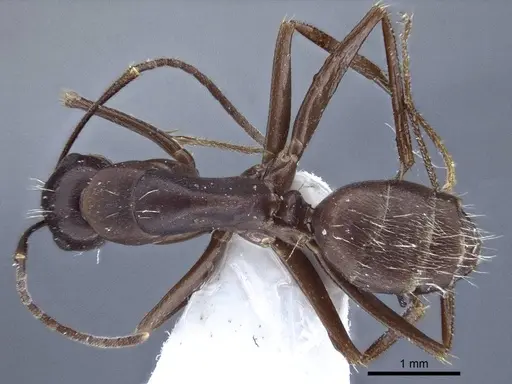
CASENT0917145
View on AntWeb