

Camponotus inverallensis
- Scientific Name
- Camponotus inverallensis
- Subgenus
- Myrmophyma
- Tribe
- Camponotini
- Subfamily
- Formicinae
- Author
- Forel, 1910
- Distribution
- Found in 1 countries
Camponotus inverallensis Overview
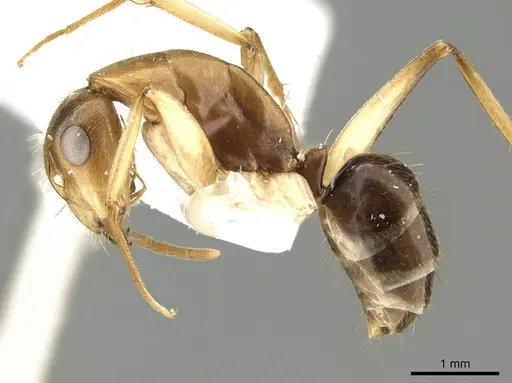
Camponotus inverallensis is an ant species of the genus Camponotus. It is primarily documented in 1 countries , including Australia. Detailed taxonomic data and occurrence records can be further explored via authoritative databases such as AntWeb or the Global Biodiversity Information Facility (GBIF).
Camponotus inverallensis
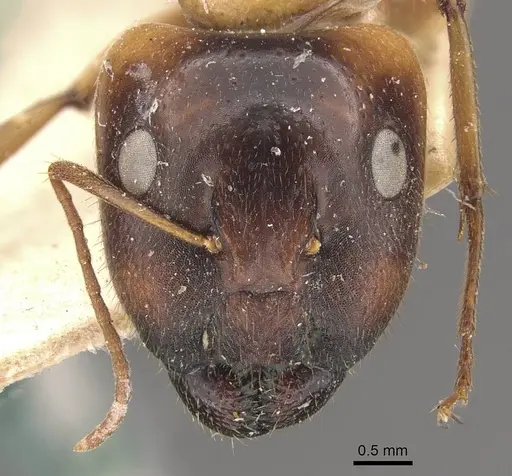
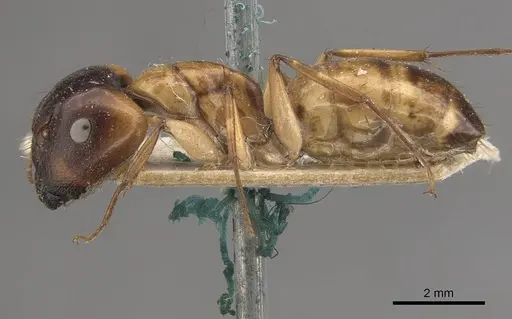
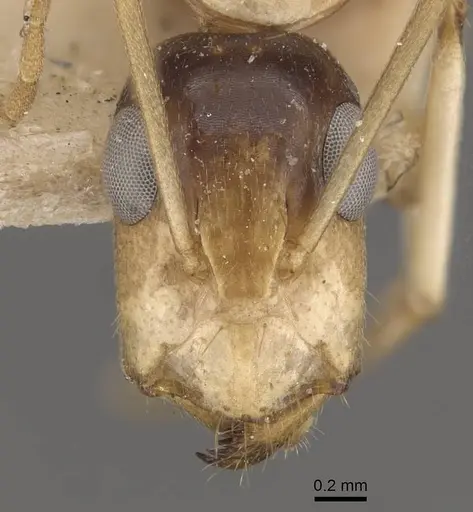
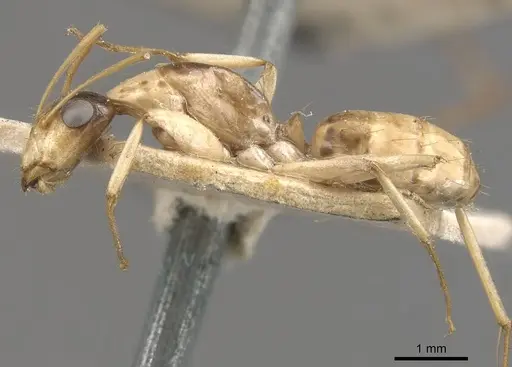
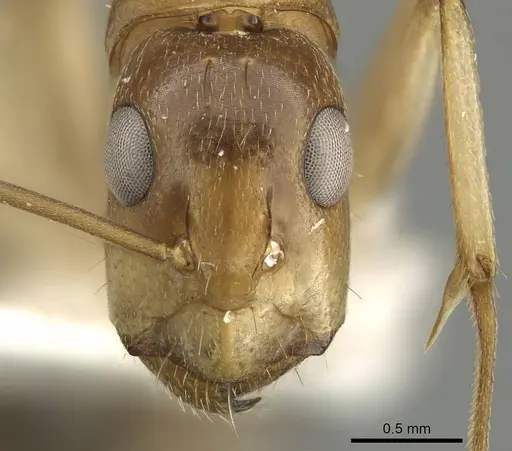
Camponotus inverallensis is an Australian carpenter ant species formerly known as Camponotus inverallensis before being synonymized in 2021. Workers measure 6-10mm, with major workers showing a distinctive yellow body and brownish head, while minor workers are entirely yellowish. This species belongs to the Camponotus maculatus group, characterized by minor workers having an occipital carina (a ridge at the back of the head) and sides that slightly taper toward the rear. They are ground-nesting ants found across arid and semi-arid regions of Australia, particularly in New South Wales, South Australia, and the Northern Territory. Their closest relative is Camponotus tricoloratus, which differs in having a longer node and a straighter clypeal margin in minor workers [1].
Quick Summary
- Difficulty: Easy
- Origin & Habitat: Australia, primarily New South Wales, with records from South Australia and Northern Territory. Found in arid and semi-arid regions including locations like Mootwingee Historical Site, Finke, various conservation parks, and Kangaroo Island. Ground-nesting species [1].
- Colony Type: Single-queen (monogyne) colonies typical for Camponotus species. Colony size likely reaches several thousand workers at maturity.
- Colony: Monogyne
- Founding: Claustral
- Size & Growth:
- Queen: Estimated 12-16mm based on genus patterns (Camponotus queens are typically larger than workers)
- Worker: 6-10mm [1]
- Colony: Likely several thousand workers based on typical Camponotus maculatus group patterns
- Growth: Moderate
- Development: Estimated 6-8 weeks at optimal temperature based on typical Camponotus development [2] (Development time is temperature-dependent, warmer conditions within safe range accelerate development)
- Antkeeping:
- Temperature: Keep at 22-26°C. A heating cable on one side of the nest creates a gentle gradient allowing ants to self-regulate. Australian species can tolerate warmer conditions but avoid extreme heat above 35°C [2].
- Humidity: Moderate humidity around 50-60%. Provide a water tube for drinking and ensure nest substrate doesn't dry out completely. Being a ground-nesting species, they appreciate some moisture but not saturated conditions.
- Diapause: Yes, Australian temperate populations require a winter rest period. Reduce temperature to 15-18°C for 2-3 months during winter months (June-August in Southern Hemisphere).
- Nesting: Ground-nesting species. Y-tong (AAC) nests or plaster nests work well. Provide a nesting chamber sized appropriately for the colony. They do not require wood for nesting (not a wood-boring species) but will accept various nest materials.
- Behavior: Generally calm and non-aggressive for a Camponotus species. Workers are active foragers but not particularly aggressive toward keepers. They are moderate escape artists, use standard barrier methods like Fluon on test tube rims. Major workers can deliver a mild sting if handled roughly, though Camponotus stings are typically mild. They are primarily nocturnal or crepuscular foragers.
- Common Issues: colonies may fail if kept too cold, maintain warm conditions during active season, overfeeding can lead to mold in nest, remove uneaten food promptly, escape prevention needed though not extreme, standard barriers sufficient, winter die-off is common if diapause conditions aren't provided for temperate populations, founding colonies are fragile, ensure queen has quiet, dark, undisturbed location
Housing and Nest Setup
Camponotus inverallensis is a ground-nesting species that adapts well to various captive setups. Y-tong (acrylic) nests work excellently, the smooth walls mimic their natural underground chambers and allow easy observation. Plaster nests are also suitable and help maintain stable humidity. For founding colonies, a simple test tube setup works well: fill a test tube one-third with water, plug with cotton, then place the queen in a dark container with the tube. The queen will seal herself into a chamber and remain there until her first workers emerge. Once the colony reaches 20-30 workers, you can consider moving them to a formicarium with an outworld for foraging. The nesting chamber should be appropriately sized, too large and the ants may feel insecure, too small and they will outgrow it quickly. A single chamber connected to a foraging area is sufficient for colonies under 100 workers. [1][2]
Feeding and Diet
Like most Camponotus species, C. inverallensis is omnivorous and will accept a variety of foods. Their diet in captivity should include protein sources (for brood development) and carbohydrates (for worker energy). Offer protein foods like small crickets, mealworms, or other insects 2-3 times per week. For carbohydrates, provide sugar water, honey, or diluted honey water, Camponotus readily accept sweet liquids. Fresh fruit can also be offered occasionally. Remove uneaten food within 24-48 hours to prevent mold growth. During founding, the queen does not need food, she survives entirely on her stored fat reserves. Once workers emerge, they will begin foraging and can be offered food in the outworld. A constant supply of sugar water is recommended once workers are active. [2]
Temperature and Seasonal Care
Maintain temperatures between 22-26°C for optimal colony growth and brood development. These ants come from arid Australian regions, so they can tolerate warmer conditions but should be kept away from direct heat sources that could cause drying. A heating cable placed on one side of the nest creates a temperature gradient, the ants will move to their preferred temperature zone. During the Australian winter (roughly June-August), reduce temperatures to 15-18°C to provide a diapause period. This winter rest is important for colony health and may trigger reproductive behavior in spring. If your colony was caught in a temperate region of Australia, proper diapause is essential, skipping it can weaken or kill the colony over time. [1][2]
Colony Development and Growth
C. inverallensis follows typical Camponotus development patterns. After mating, the claustral queen finds a suitable nesting spot and seals herself in a chamber. She lays eggs and tends them alone, surviving on her fat reserves and possibly consuming non-viable eggs for nutrition. The first brood develops through larval and pupal stages before emerging as nanitic (first) workers, typically smaller than normal workers due to limited resources. These nanitics then take over foraging and brood care, allowing the queen to focus solely on egg production. Colony growth is moderate, expect 6-8 weeks from egg to first worker at optimal temperature. Growth accelerates as more workers emerge. A mature colony may contain several thousand workers over several years of development. [2]
Behavior and Handling
Camponotus inverallensis is generally docile and suitable for antkeeping. Workers are active foragers, typically emerging at dusk or during cooler parts of the day, this crepuscular activity pattern is common in desert and arid-region ants. They are not aggressive toward humans and will generally flee rather than attack when disturbed. However, major workers have the ability to sting, and while their sting is mild compared to many ants, it can cause discomfort for sensitive individuals. They are moderate escape artists, while not as small as some species, they can still squeeze through small gaps. Use standard barrier methods like Fluon on test tube rims and ensure any connections between nest and outworld are secure. These ants do not exhibit unusual behaviors like slave-making or temporary parasitism, they are straightforward, rewarding ants to keep. [1][2]
Frequently Asked Questions
How long does it take for Camponotus inverallensis to have first workers?
Expect first workers (nanitics) to emerge in 6-8 weeks after the queen lays eggs, assuming optimal temperature around 24°C. This timeline varies based on temperature, cooler conditions slow development while warmer conditions within safe range speed it up.
What do Camponotus inverallensis ants eat?
They are omnivorous. Feed protein (insects like crickets or mealworms) 2-3 times weekly and provide constant access to sugar water or honey. They will also accept fruit occasionally. Remove uneaten food promptly to prevent mold.
What temperature do Camponotus inverallensis need?
Keep them at 22-26°C. A heating cable on one side of the nest creates a gradient. They can tolerate warmer conditions but avoid temperatures above 35°C.
Do Camponotus inverallensis need hibernation?
Yes, they benefit from a winter rest period. Reduce temperature to 15-18°C for 2-3 months during winter (June-August in Southern Hemisphere). This helps maintain colony health.
Are Camponotus inverallensis good for beginners?
Yes, they are considered easy to keep. They are docile, adapt well to captive setups, and have straightforward care requirements. Their larger size makes them easier to observe than tiny ant species.
How big do Camponotus inverallensis colonies get?
Mature colonies can reach several thousand workers over 2-4 years. They are a moderately fast-growing Camponotus species.
Can I keep multiple Camponotus inverallensis queens together?
No, this species is monogyne (single-queen). Unlike some ants that can form multi-queen colonies, C. inverallensis colonies will typically have only one reproductive queen.
When should I move Camponotus inverallensis to a formicarium?
Move them once the colony reaches 20-30 workers and the test tube is becoming cramped. Ensure the formicarium has appropriately sized chambers, too large can stress the colony.
Why is my Camponotus inverallensis colony dying?
Common causes include: temperatures too cold (below 20°C), improper humidity (too dry or waterlogged), disturbance during founding, or lack of proper diapause in subsequent winters. Check that conditions match their warm, moderate-humidity requirements.
References

This caresheet is licensed under CC BY-SA 4.0 .
ANTWEB1008600
View on AntWeb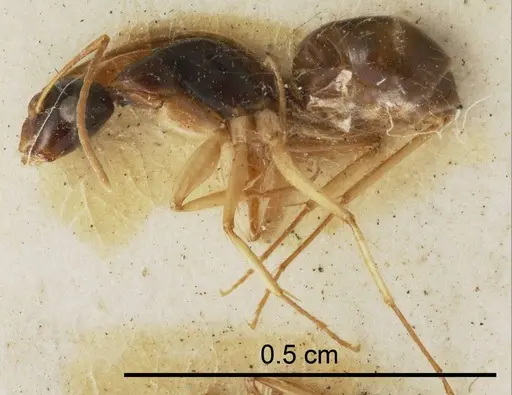
CASENT0887707
View on AntWeb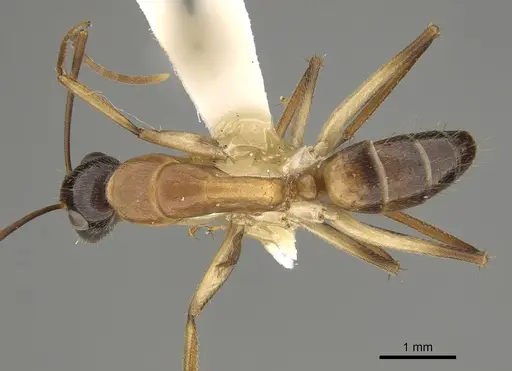
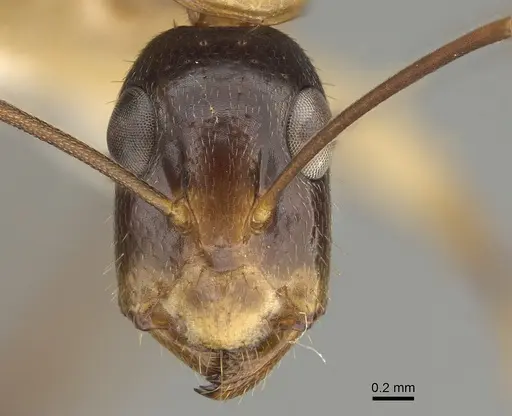
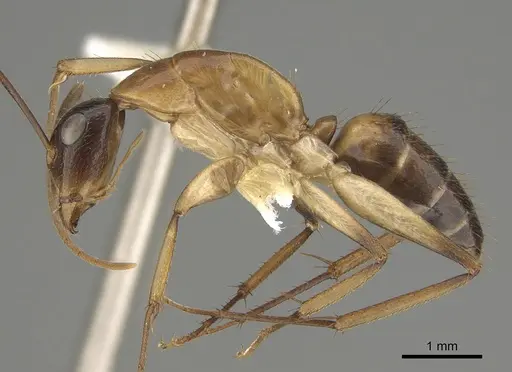
CASENT0910368
View on AntWeb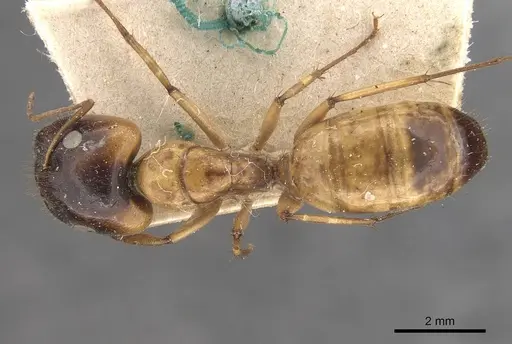
CASENT0910369
View on AntWeb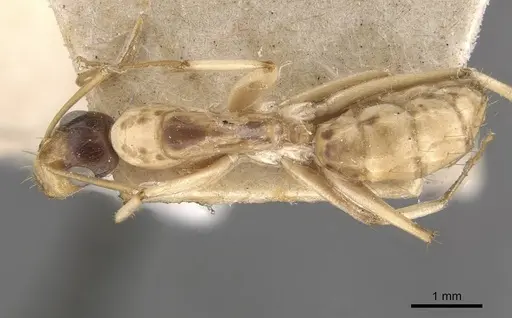
CASENT0915749
View on AntWeb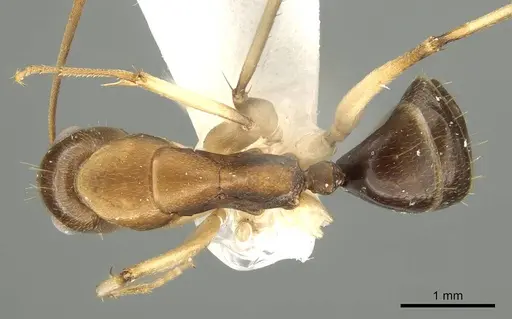
Literature
Loading...Loading products...