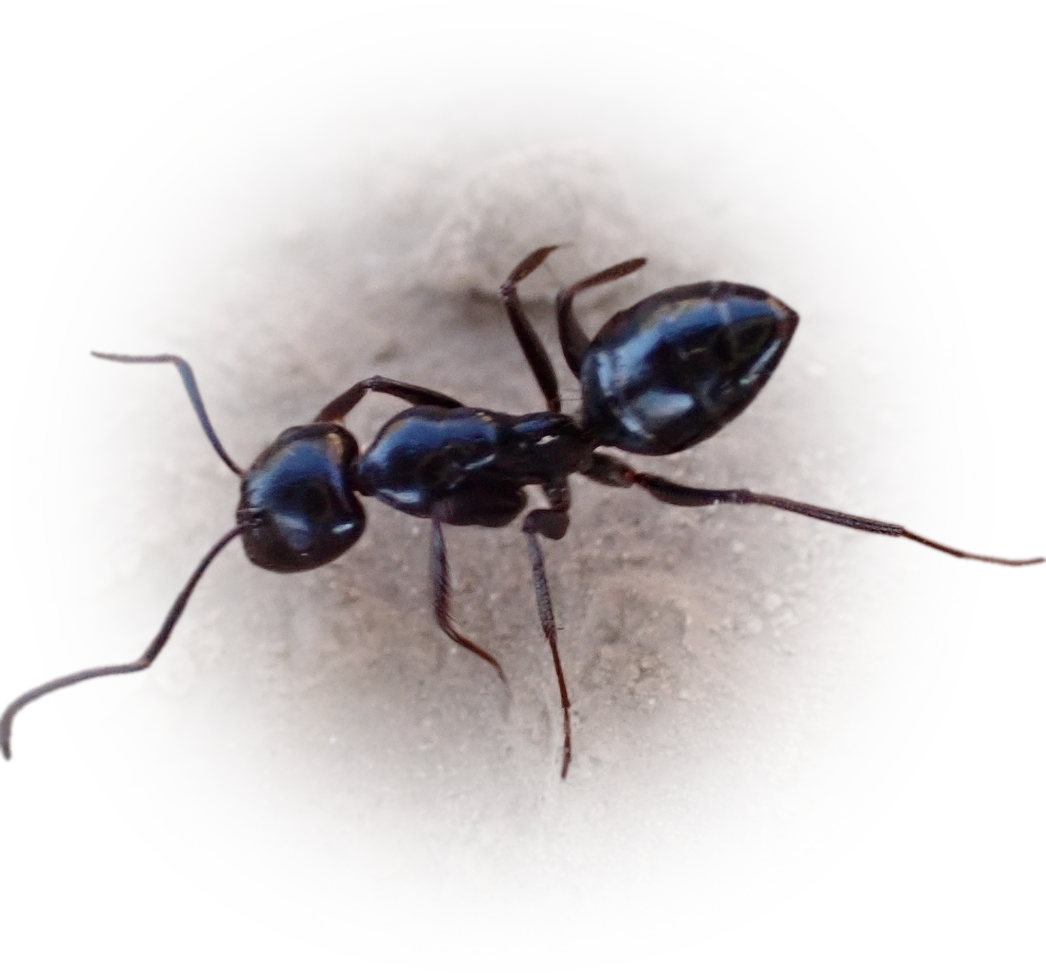

Camponotus foreli
- Scientific Name
- Camponotus foreli
- Subgenus
- Tanaemyrmex
- Tribe
- Camponotini
- Subfamily
- Formicinae
- Author
- Emery, 1881
- Distribution
- Found in 5 countries
Camponotus foreli Overview
Camponotus foreli is an ant species of the genus Camponotus. It is primarily documented in 5 countries , including Algeria, Spain, France. Detailed taxonomic data and occurrence records can be further explored via authoritative databases such as AntWeb or the Global Biodiversity Information Facility (GBIF).
Camponotus foreli
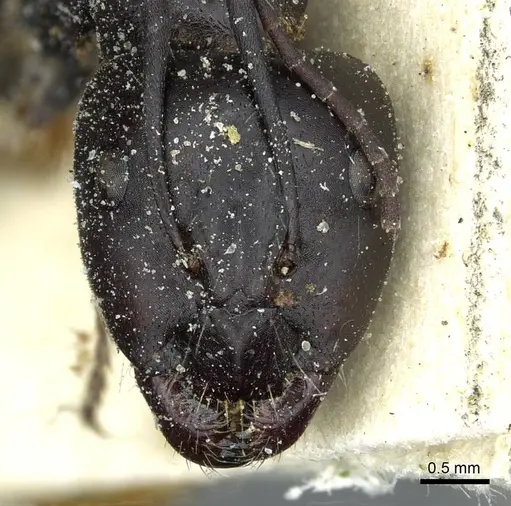
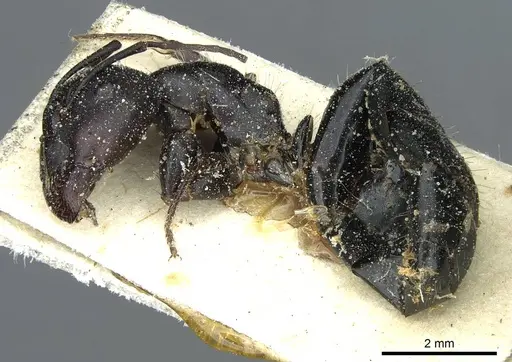
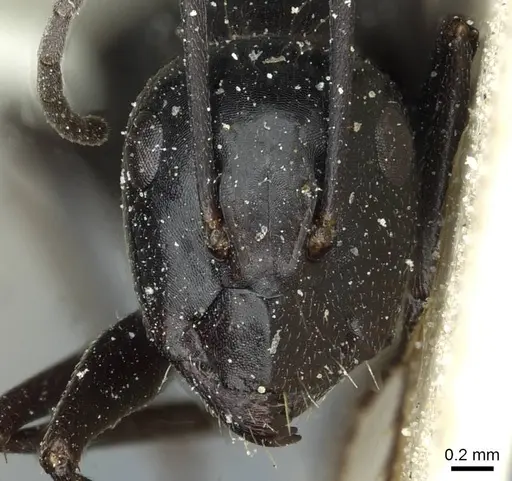
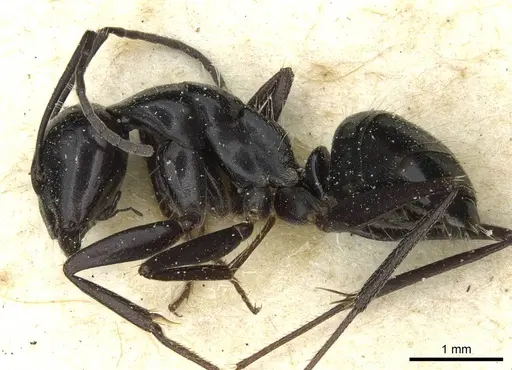
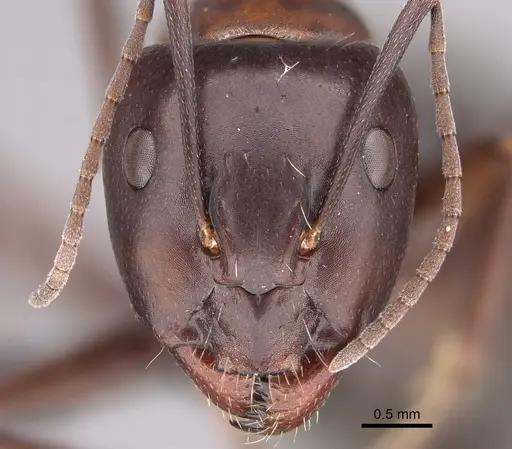
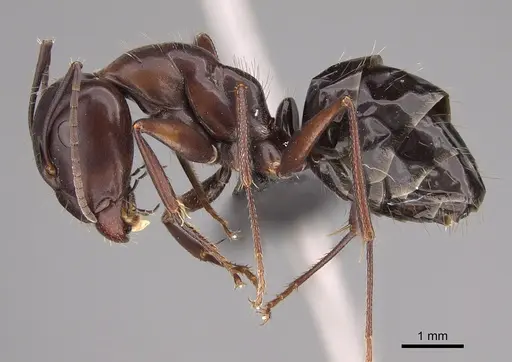
Camponotus foreli is a medium-sized ant native to the western Mediterranean region, found in Algeria, France, Morocco, Portugal, and Spain [1]. Workers measure 4.0-9.9mm and show high polymorphism, meaning they come in different sizes within the same colony [2][3]. The species has a distinctive reddish-brown coloration typical of many Camponotus ants, with the larger major workers having notably developed heads.
This ant is notable for its unusual nesting behavior, it is one of the few ant species that actively attacks and usurps nests of another species (Cataglyphis iberica), taking over their abandoned nests [4][5]. It is also one of the most nectarivorous ants in its range, feeding primarily on flower nectar and aphid honeydew rather than hunting insects [6]. These traits make C. foreli a fascinating species for antkeepers interested in Mediterranean ant behavior.
Quick Summary
- Difficulty: Medium
- Origin & Habitat: Western Mediterranean region (Algeria, France, Morocco, Portugal, Spain). Inhabits dry areas with sparse vegetation, typically found in abandoned cultivated lands, dehesa woodland pasture zones, and warm sunny terrain at elevations up to 1,280m [7][8][9][10].
- Colony Type: Monogynous (single-queen) colonies with polydomous structure, colonies maintain multiple nest sites [11][2]. Colony size reaches 250-1000 workers [12].
- Colony: Monogyne
- Founding: Claustral
- Size & Growth:
- Queen: Estimated 12-15mm based on genus typical size (Camponotus queens are typically larger than workers)
- Worker: 4.0-9.9mm [2][3][12]
- Colony: 250-1000 workers [12]
- Growth: Moderate
- Development: 6-8 weeks (estimated based on typical Camponotus development) (Based on genus-level patterns for Camponotus species, specific timing for C. foreli not directly studied)
- Antkeeping:
- Temperature: Keep nest area at 24-30°C. This species is highly thermophilic, activity drops below 19-20°C and they thrive at temperatures between 25-50°C on the ground surface [6]. Provide a thermal gradient allowing workers to choose their preferred warmth.
- Humidity: Low to moderate. Naturally inhabits dry Mediterranean areas with sparse vegetation. Keep nest substrate moderately dry, not waterlogged. Provide a small water source but avoid excessive moisture.
- Diapause: Yes, winter rest period recommended. Activity observed from March to November in the wild, with minimal activity from December through February [6]. Provide a cool period around 10-15°C during winter months.
- Nesting: Y-tong (acrylic) nests work well for this species. They naturally nest in soil and can adapt to various nest types. Provide moderate-sized chambers scaled to their polymorphic worker sizes. Avoid very humid conditions.
- Behavior: Camponotus foreli is a subordinate species in the ant dominance hierarchy, non-aggressive toward other ants at food sources but can be aggressive in group confrontations [2]. Workers are diurnal and exclusively daytime active [13]. They are not aggressive toward humans and rarely bite. Escape risk is moderate, use standard barrier methods. The species is known for its unique nest-usurpation behavior, actively attacking Cataglyphis iberica nests and taking over their abandoned chambers [4][5]. This is a fascinating behavior to observe but does not affect captive care.
- Common Issues: temperature sensitivity, activity ceases below 19-20°C, colony may become sluggish in cool rooms, small colony size means slower population growth than larger Camponotus species, highly nectarivorous diet, may not accept protein-rich foods as readily as other ants, polydomous colonies may be prone to splitting if stressed, keep in stable conditions, winter dormancy is essential, colonies that are kept active year-round may decline
Temperature and Heating Requirements
Camponotus foreli is one of the most heat-tolerant ant species in the Mediterranean, making temperature management crucial for successful captivity. In the wild, workers remain active at ground temperatures up to 50°C and show maximum activity at temperatures between 25-50°C on sun-exposed surfaces [6]. Their critical thermal maximum (CTM) is 48°C, and they become inactive when temperatures drop below 19-20°C [3][6].
For captive care, maintain nest temperatures between 24-30°C. A heating cable or heating mat on one side of the nest creates a thermal gradient that allows workers to regulate their body temperature by moving between warmer and cooler areas. This mimics their natural behavior where they forage on hot ground but retreat to cooler nest chambers. During summer months, room temperature in most homes is often adequate, but supplemental heating may be needed in cooler climates. In winter, allow the colony to cool to around 10-15°C for their dormancy period.
Feeding and Diet
This species is notably nectarivorous, in fact, it is one of the most exclusively nectar-feeding ants in its Mediterranean range [6]. The vast majority of their diet comes from flower nectar and honeydew from aphids. Studies show that 85% of workers returning to the nest carry liquid food in their crop, while solid prey makes up only 3.7% of foraged items [6].
For captive care, provide a constant sugar source such as sugar water, honey, or diluted maple syrup. Change these daily as they ferment quickly. For protein, offer small amounts of insects occasionally, but do not expect enthusiastic acceptance, they prefer liquid carbohydrates. The colony may store energetic reserves in the fat bodies of larger workers, a behavior called adipogastry that helps them survive periods of food scarcity [6]. Feed sugar sources every 2-3 days and offer protein (small insects like fruit flies or cricket pieces) once or twice weekly. Remove uneaten food promptly to prevent mold.
Colony Structure and Growth
Camponotus foreli forms monogynous colonies with a single queen, but the colony structure is polydomous, meaning they maintain multiple nest sites that are connected and function as one colony [11]. This is unusual among Camponotus species and likely relates to their competitive behavior where they may take over abandoned nests of other species.
Colony size reaches 250-1000 workers at maturity [12], which is relatively small compared to many other Camponotus species that can reach thousands. Growth is moderate, expect several months from founding to first workers (nanitics), and a year or more to reach a established colony of 100+ workers. The species is highly polymorphic, meaning workers come in different sizes, major workers can be more than double the size of minors. This polymorphism increases as the colony grows. Be patient with this species, small colony size is normal and does not indicate problems.
Seasonal Activity and Diapause
In the wild, C. foreli shows strong seasonal patterns tied to Mediterranean climate. Workers are active from March through November, with peak foraging activity in July and August [6][13]. Activity is minimal during the winter months (December-February) when temperatures drop.
For captive care, simulate this natural cycle by providing a winter rest period. From November to February, move the colony to a cool location around 10-15°C. This does not need to be exactly controlled, a cool closet, unheated room, or garage works well. Do not feed during this period, but ensure a small water source is available. The cool period is essential for colony health, colonies kept constantly warm year-round may show decreased longevity and vigor. Activity resumes in March as temperatures rise, coinciding with increased flower nectar availability in their natural habitat.
Unique Behavior: Nest Usurpation
One of the most fascinating aspects of C. foreli biology is their aggressive nest usurpation behavior toward Cataglyphis iberica. In laboratory studies,87.5% of C. iberica nests were attacked and destroyed by C. foreli, with elimination taking 1-20 days [4]. The attacks result in nest abandonment by C. iberica, after which C. foreli occupies the abandoned nest.
This behavior is specific to C. iberica, attacks against other species like Aphaenogaster senilis or Proformica nasuta were never observed [4]. The behavior appears to be triggered by competition for nest sites in areas where both species occur. In captivity, this behavior is not directly relevant since C. iberica is not typically kept, but it explains why this species is successful in dry Mediterranean habitats where nesting sites may be limited. The species has larger workers and more aggressive behavior than C. iberica, making rapid nest evacuation less cost-effective for the defender than resistance [5].
Natural Habitat and Distribution
Camponotus foreli is native to the western Mediterranean region, specifically found in Algeria, France (mainland), Morocco, Portugal, and Spain [1]. Within the Iberian Peninsula, it occurs across multiple regions including Andalusia, Catalonia, Valencia, and southern Portugal [8][14]. The species is considered an Ibero-Maghrebian zoogeographic element [9].
In its natural habitat, C. foreli prefers dry areas with sparse vegetation, often found in abandoned cultivated lands, dehesa (woodland pasture) zones, and warm sunny terrain [7][10]. It has been recorded at elevations from sea level up to 1,280 meters [9]. The species is thermophilic and shows preference for uncovered, sunny, warm areas, it is rarely found in shaded or humid microhabitats. This preference for hot, dry conditions explains its absence from higher elevation vegetation zones like Montane, Subalpine, and Alpine areas in mountain ranges like Sierra de Guadarrama [15].
Escape Prevention and Housing
Camponotus foreli workers measure 4-10mm depending on their caste (major vs minor workers) [2]. While not the smallest ants, they are agile and capable climbers. Use standard ant-keeping escape prevention methods: apply Fluon or similar barrier to the rim of the outworld, ensure container lids fit tightly, and use test tube adapters with proper sealing.
For housing, a Y-tong (acrylic) nest works well for this species. The chambers should be appropriately sized, not too large for small colonies but able to accommodate the polymorphic worker sizes as the colony grows. A small outworld (foraging area) connected to the nest allows for feeding and waste management. Provide a water test tube with a cotton plug as a constant water source. Because they are heat-loving, placing the nest near (but not directly on) a heat source helps maintain activity. Avoid overly humid conditions, this species naturally inhabits dry Mediterranean environments.
Frequently Asked Questions
How long does it take for Camponotus foreli to produce first workers?
Based on typical Camponotus development patterns, expect 6-8 weeks from egg to first worker (nanitics) at optimal temperatures around 24-28°C. The exact timing has not been specifically studied for this species but genus-level data supports this estimate.
What do Camponotus foreli eat?
They are highly nectarivorous, primarily feed on flower nectar and honeydew from aphids. In captivity, provide constant sugar sources (sugar water, honey, maple syrup) and offer small insects occasionally. They show very low interest in solid protein compared to other ant species [6].
Do Camponotus foreli need hibernation?
Yes, a winter rest period is recommended. In the wild, they are active from March to November and become inactive during winter months [6]. Keep them cool (10-15°C) from November to February. This rest period is essential for colony health.
How big do Camponotus foreli colonies get?
Colony size reaches 250-1000 workers at maturity [12]. This is relatively small compared to many other Camponotus species. They are a small-colony species even when fully established.
What temperature do Camponotus foreli need?
Keep nest temperatures between 24-30°C. This is a highly thermophilic species, they become inactive below 19-20°C and thrive at high temperatures up to 50°C on ground surfaces [6][3]. Provide a thermal gradient.
Are Camponotus foreli good for beginners?
They are rated as medium difficulty. The main challenges are providing adequate warmth, managing their winter dormancy period, and understanding their nectarivorous diet (they prefer sugar sources over protein). They are docile and fascinating to watch, but require attention to temperature and seasonal cycles.
Can I keep multiple Camponotus foreli queens together?
No. This species is monogynous, colonies have a single queen. Combining unrelated queens has not been documented and is not recommended. If you obtain multiple founding queens, house them separately.
Why do Camponotus foreli attack other ant nests?
This species is known for nest usurpation behavior, they actively attack and take over nests of Cataglyphis iberica [4][5]. This is a competitive strategy to acquire ready-made nest sites in their dry Mediterranean habitat. In captivity with other species, this behavior is not typically observed unless C. iberica is present.
When is Camponotus foreli most active?
They are diurnal (daytime-only) ants with peak activity in July and August [13][3]. Activity follows a bimodal pattern in summer due to high temperatures, they reduce activity during the hottest midday hours and resume in the late afternoon. In spring and autumn, activity is unimodal with a single peak during the warmest part of the day.
References

This caresheet is licensed under CC BY-SA 4.0 .
CASENT0249979
View on AntWeb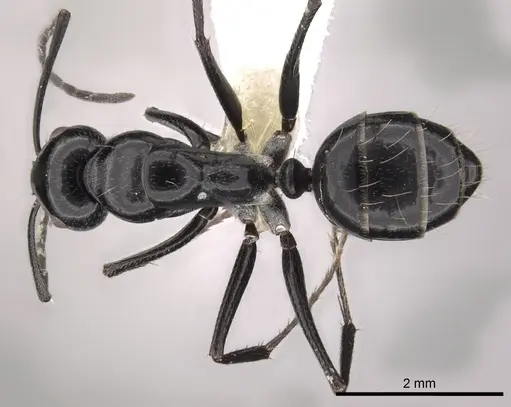
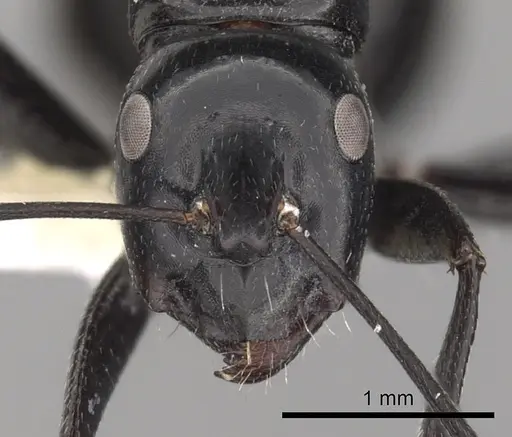
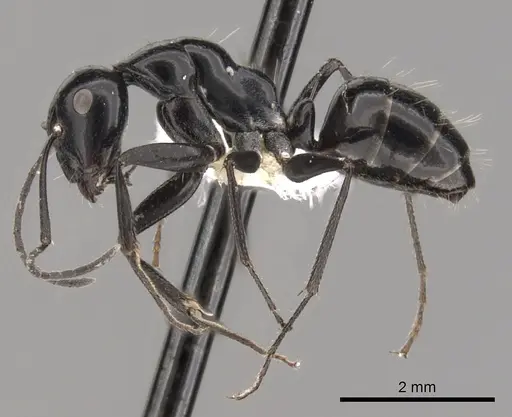
CASENT0905348
View on AntWeb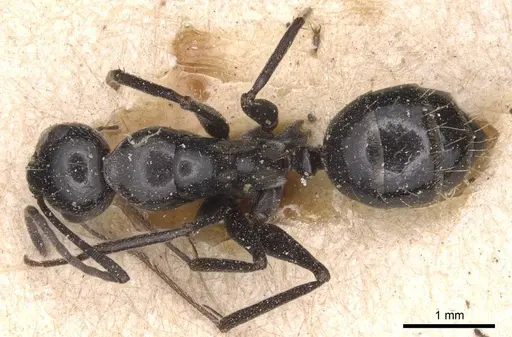
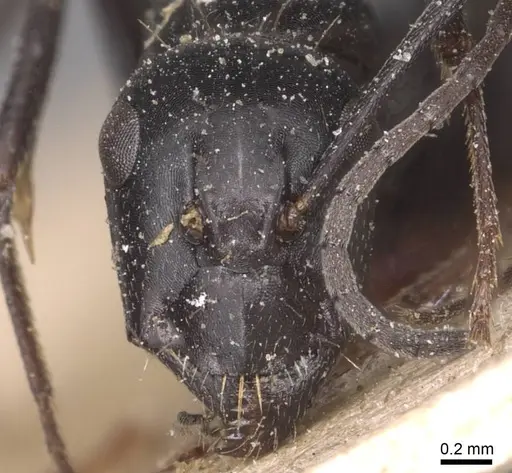
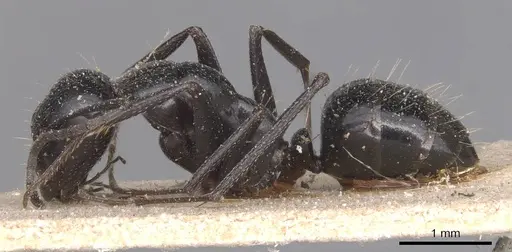
CASENT0911942
View on AntWeb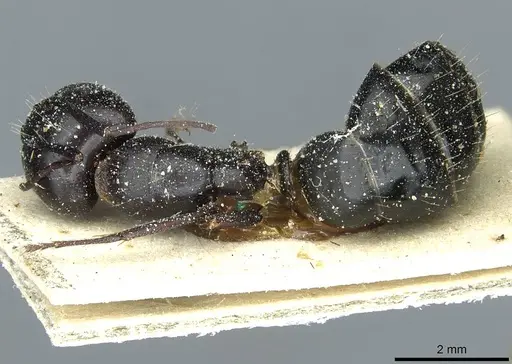
CASENT0911943
View on AntWeb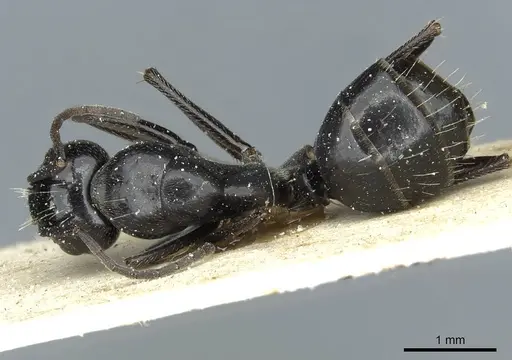
KG01522-2
View on AntWeb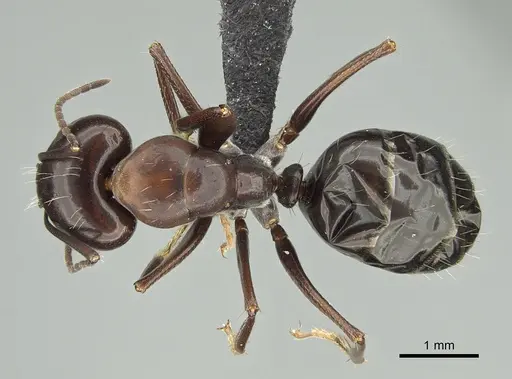
Literature
Loading...Loading products...