

Proformica nasuta
- Scientific Name
- Proformica nasuta
- Tribe
- Formicini
- Subfamily
- Formicinae
- Author
- Nylander, 1856
- Distribution
- Found in 3 countries
Proformica nasuta Overview
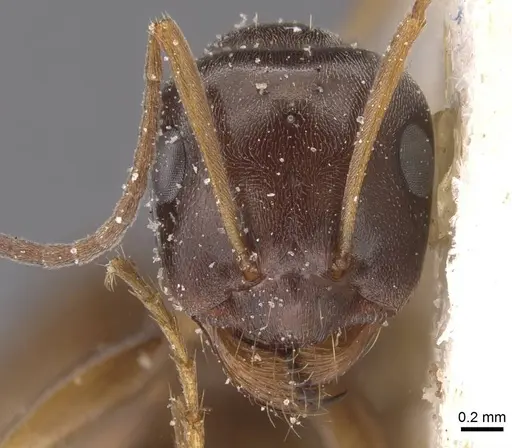
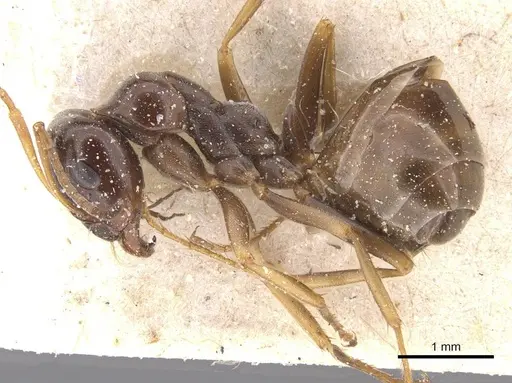
Proformica nasuta is an ant species of the genus Proformica. It is primarily documented in 3 countries , including Spain, France, Portugal. Detailed taxonomic data and occurrence records can be further explored via authoritative databases such as AntWeb or the Global Biodiversity Information Facility (GBIF).
Proformica nasuta
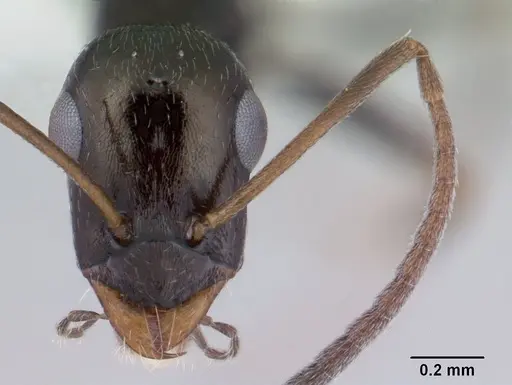
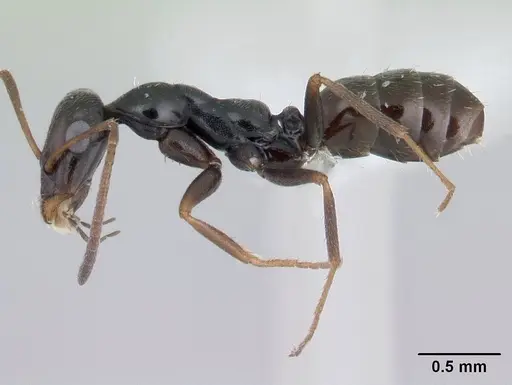
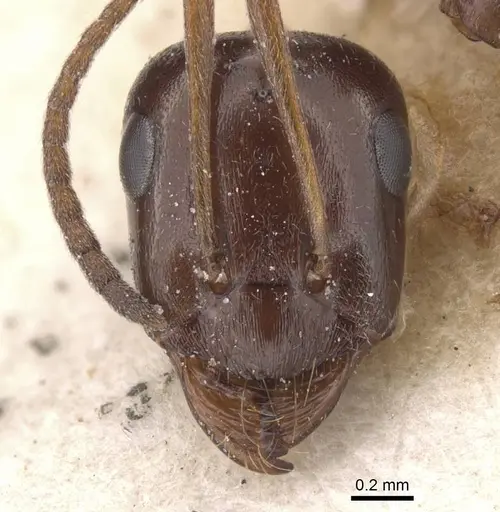
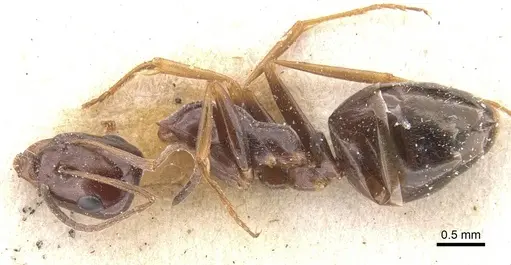
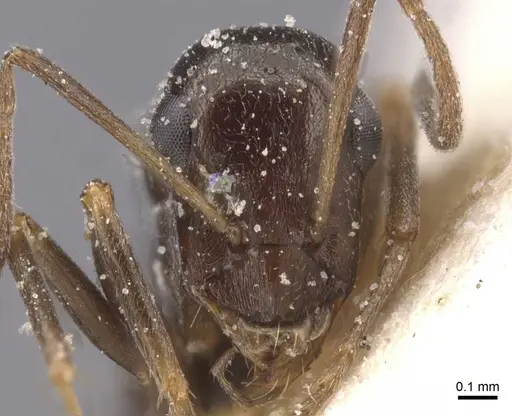
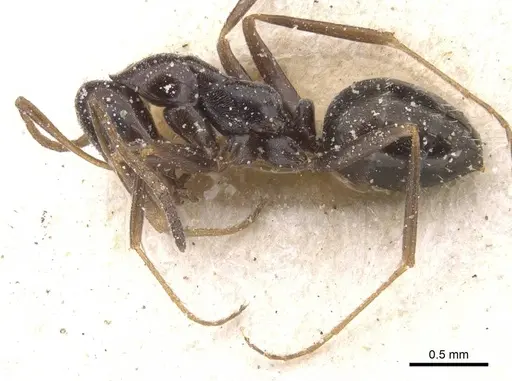
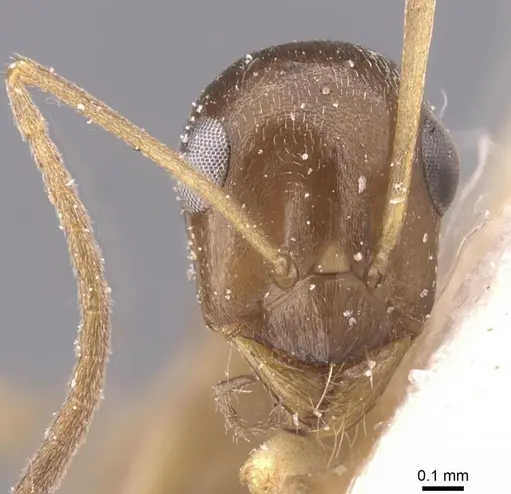
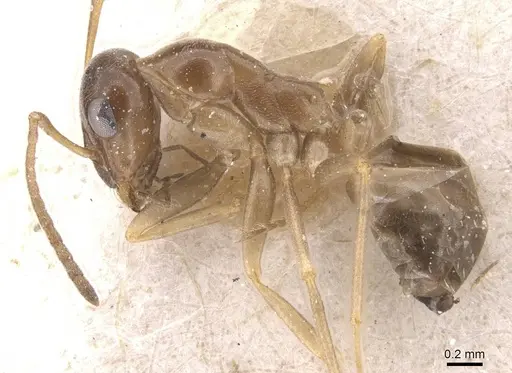
Proformica nasuta is a small, dark brown to black ant native to the western Mediterranean region, primarily southern France. Workers measure just 0.5-1.2mm, making them one of the smaller ant species you'll encounter. They have a distinctive elongated head in minor workers and dense pubescence on their gaster. This species is polygynous, meaning colonies have multiple queens, and some workers develop into repletes, living food storage tanks with inflated abdomens that hold nectar and liquid food for the colony [1].
What makes P. nasuta particularly interesting is their role as a host species for the slave-making ant Rossomyrmex. They are a subordinate species in Mediterranean ant communities, meaning they avoid competition with more aggressive ants by foraging at different times and places. These ants are heat specialists, active in the hottest parts of the day and tolerating temperatures up to 46°C [2][3].
Quick Summary
- Difficulty: Medium
- Origin & Habitat: Southern France and western Mediterranean basin. In nature, they nest in the ground under stones or in burrows, with nests reaching about 50cm deep. They prefer lowland areas below 200m elevation in the Rhône valley and Languedoc region, though some mountain populations exist above 800m [1][4].
- Colony Type: Polygynous, colonies contain multiple queens. Ergatoid (wingless) queens have been collected, meaning queens are born without wings. Workers can become repletes, specialized individuals that store liquid food in their expanded abdomens [1].
- Colony: Polygyne
- Size & Growth:
- Queen: 1.5-1.7mm (ergatoid queens) [1]
- Worker: 0.5-1.2mm (minor to major workers) [1]
- Colony: Hundreds of workers, typical colony population in the hundreds [2]
- Growth: Moderate, estimated 6-10 weeks from egg to worker based on related Formicini species
- Development: 6-10 weeks (estimated based on genus patterns) (Direct development data not available for this species, estimate based on related Formicini ants at optimal Mediterranean temperatures)
- Antkeeping:
- Temperature: Keep around 22-26°C. As a Mediterranean heat specialist, they tolerate high temperatures up to 46°C in the wild but prefer the mid-to-high 20s°C range for active foraging and brood development [3]. A gentle gradient allowing them to choose their preferred temperature works best.
- Humidity: Moderate, they naturally nest in underground chambers that maintain stable humidity. Keep the nest substrate slightly moist but not waterlogged. Provide a water tube for drinking water.
- Diapause: Likely, as a Mediterranean species adapted to seasonal temperature changes, they probably benefit from a mild winter rest period around 10-15°C for 2-3 months. However, specific diapause requirements are not documented.
- Nesting: Small, shallow nest chambers work best. In the wild they nest under stones or in shallow burrows reaching 50cm deep. For captivity, a small test tube setup or acrylic nest with narrow chambers scaled to their tiny size is appropriate. They do best with some soil or substrate they can burrow into.
- Behavior: These are diurnal, heat-loving ants that forage individually for insects and nectar. They are subordinate species, they avoid competition by being active at different times and places rather than fighting for resources. Workers are not aggressive and rarely sting. Their small size (under 1.2mm) makes them excellent escape artists, so fine mesh barriers are essential. Replete workers may store significant quantities of liquid food, so sugar water or honey water is likely well-accepted. They are calm-natured and suitable for observation but may be overlooked in larger setups due to their tiny size [2][3].
- Common Issues: escape prevention is critical, their tiny size means they squeeze through standard barriers easily, slow colony growth compared to larger ants may frustrate beginners, as a lesser-kept species, specific care requirements are not well-established in captivity, being a host to Rossomyrmex parasites means wild colonies may carry these social parasites, their small size makes them vulnerable to drowning in water tubes, use cotton plugs properly
Housing and Nest Setup
Proformica nasuta is a tiny ant, so your setup must be scaled accordingly. Test tubes work well for founding colonies, use a small diameter tube with a water reservoir sealed with a cotton plug. For established colonies, a small acrylic nest or a naturalistic setup with a thin layer of soil works well. The key requirement is escape prevention: these ants are under 1.2mm and can squeeze through gaps that seem impossible. Use fine mesh (at least 0.5mm) on any ventilation holes and apply fluon or barrier tape to all edges. A shallow nest depth of 1-2cm is appropriate since they naturally nest in relatively shallow underground chambers. Provide a small outworld for foraging, a simple plastic container connected to the nest works fine [1].
Feeding and Diet
In the wild, P. nasuta feeds primarily on insects (they are scavengers) and nectar. Workers forage individually and will collect small arthropod corpses. They also tend aphids for honeydew and will drink nectar from flowers. In captivity, offer small protein sources like fruit flies, pinhead crickets, or small mealworm pieces. Since they have repletes (workers with inflated abdomens that store liquid food), they likely accept sugar water or honey water readily, offer this 2-3 times per week. Fresh water should always be available. Feed small amounts every 2-3 days and remove any uneaten prey to prevent mold [2][3][5].
Temperature and Seasonal Care
As a Mediterranean species and heat specialist, P. nasuta thrives at temperatures between 22-26°C. They can tolerate temperatures up to 46°C in the wild (their critical thermal maximum), but optimal activity occurs around 36°C maximum activity temperature. For captive care, room temperature in the low-to-mid 20s°C is ideal. A small heating cable on one side of the nest can create a gradient if your room runs cool. They are diurnal with peak activity in June, so summer months see the most activity. For winter, a mild diapause at 10-15°C for 2-3 months is likely beneficial, though specific requirements are not documented for this species [3][2].
Colony Structure and Social Organization
P. nasuta is polygynous, colonies naturally have multiple queens working together. This is unusual compared to many ant species and means your colony may accept multiple egg-laying queens. The species also produces ergatoid queens, females born without wings rather than the typical winged reproductive females. Workers can develop into repletes, specialized individuals whose abdomens expand dramatically to store liquid food (nectar, honeydew, sugar water). These repletes serve as living food storage and can regurgitate food to share with nestmates. Colonies grow to hundreds of workers, with new colonies forming through colony budding rather than nuptial flights, mated females return to the natal nest rather than dispersing far [1][6].
Behavior and Foraging
These ants use an individual foraging strategy rather than coordinated group foraging. Workers search alone for food items and bring them back to the nest. They are subordinate species in Mediterranean communities, meaning they avoid competition with dominant ants like Cataglyphis by being active at different times and places. Workers are not aggressive and do not defend food resources outside the nest, their defense is limited to the nest itself. They are diurnal with peak activity during the hottest parts of the day in summer months. Males emerge from nests about 30-60 minutes after worker activity begins and mate with multiple queens in succession [6][3].
Legal and Ethical Considerations
Proformica nasuta has a confusing taxonomic history, many records outside southern France (Bulgaria, Georgia, Romania, Azerbaijan) are now thought to be misidentifications of other species. The true P. nasuta appears restricted to the western Mediterranean. If you obtain this species, ensure your source is reputable and the ants were legally collected. Never release this species outside its confirmed range in southern France, it is not established in most countries where older records exist, and releasing it could cause ecological problems. Always check your local regulations regarding ant keeping [1][7].
Frequently Asked Questions
How long does it take for Proformica nasuta to produce first workers?
Based on related Formicini species, expect 6-10 weeks from egg to first worker at optimal temperatures (around 24-26°C). This is an estimate since specific development data for P. nasuta is not available.
Can I keep multiple Proformica nasuta queens together?
Yes, P. nasuta is naturally polygynous, meaning colonies have multiple queens. Unlike many species where multiple queens fight, these queens coexist peacefully. You can keep multiple foundresses together when starting a colony.
What do Proformica nasuta eat?
They are scavengers and nectar-feeders. Offer small insects (fruit flies, small mealworms) for protein and sugar water or honey water for carbohydrates. They also likely accept honeydew from aphids if you keep them.
Are Proformica nasuta good for beginners?
They are moderate difficulty. Their small size makes escape prevention challenging, but their polygynous structure and repletes make them relatively resilient. They are not as well-documented in the hobby as species like Lasius or Camponotus.
Do Proformica nasuta need hibernation?
As a Mediterranean species, they likely benefit from a mild winter rest period of 2-3 months at 10-15°C. This mimics their natural seasonal cycle but is not absolutely required for survival.
Why are my Proformica nasuta escaping?
Their tiny size (under 1.2mm) makes them excellent escape artists. Use fine mesh (0.5mm or smaller), apply fluon to all edges, and check lid seals regularly. Even tiny gaps that seem too small are exploitable.
What is a replete ant?
Repletes are specialized workers that store liquid food in their expanded abdomens. P. nasuta produces these, they function as living pantries for the colony, storing nectar and sugar water to share with nestmates. You'll see some workers with noticeably bloated abdomens.
When should I move Proformica nasuta to a formicarium?
Wait until the colony has 20-30 workers. Before that, a simple test tube setup is sufficient. When moving, connect the test tube to the formicarium and let them move at their own pace, don't force them.
References

This caresheet is licensed under CC BY-SA 4.0 .
CASENT0101912
View on AntWeb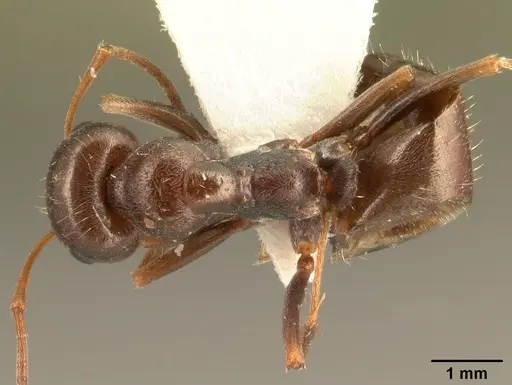
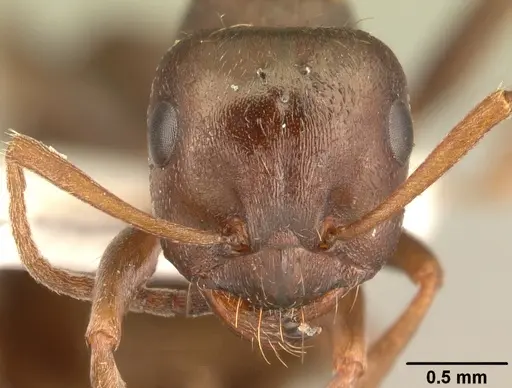
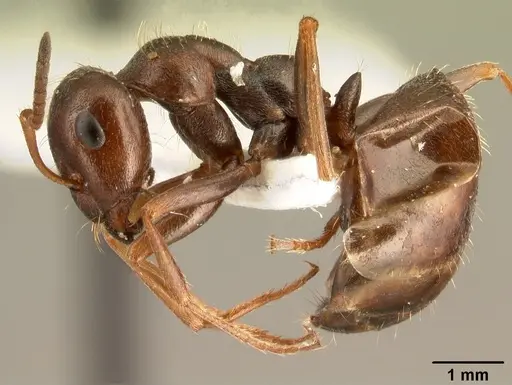
CASENT0178841
View on AntWeb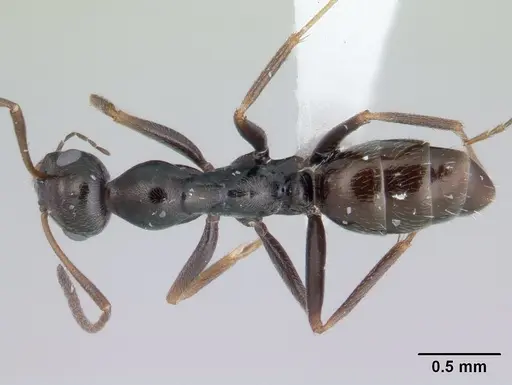
CASENT0912275
View on AntWeb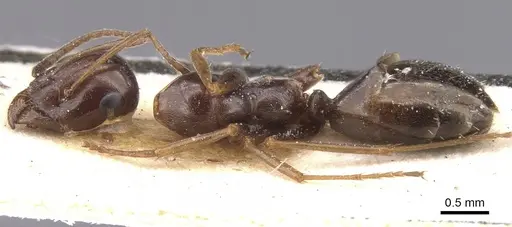
CASENT0912276
View on AntWeb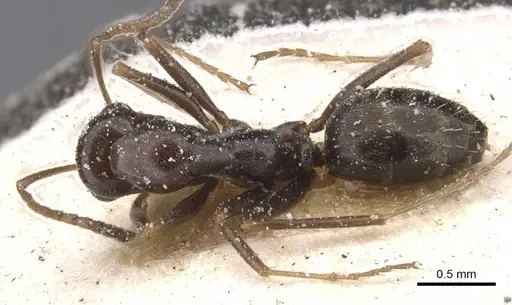
CASENT0912277
View on AntWeb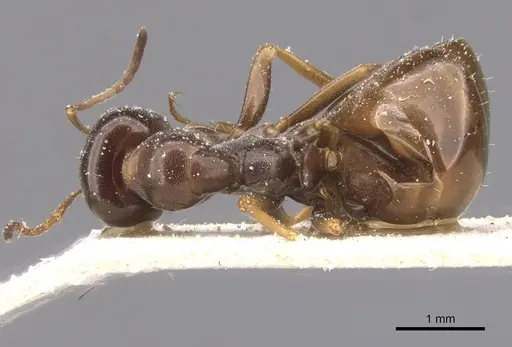
CASENT0912278
View on AntWeb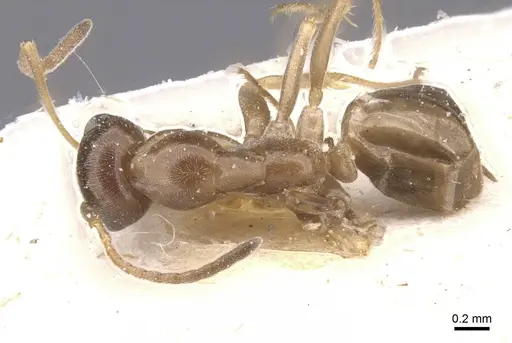
Literature
Loading...Loading products...