

Camponotus foraminosus
- Scientific Name
- Camponotus foraminosus
- Subgenus
- Myrmotrema
- Tribe
- Camponotini
- Subfamily
- Formicinae
- Author
- Forel, 1879
- Distribution
- Found in 10 countries
Camponotus foraminosus Overview
Camponotus foraminosus is an ant species of the genus Camponotus. It is primarily documented in 10 countries , including Benin, Congo, Democratic Republic of the. Detailed taxonomic data and occurrence records can be further explored via authoritative databases such as AntWeb or the Global Biodiversity Information Facility (GBIF).
Camponotus foraminosus
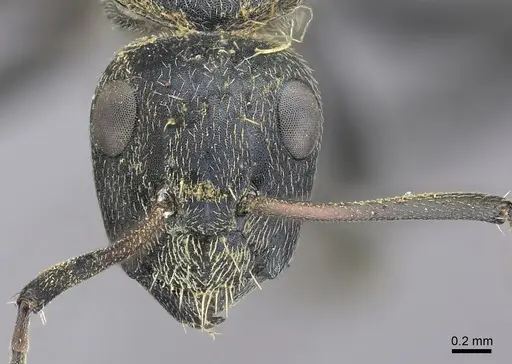
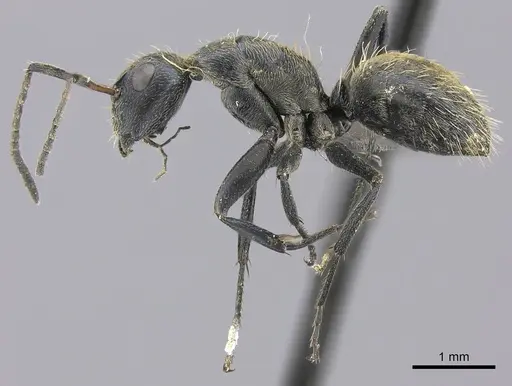
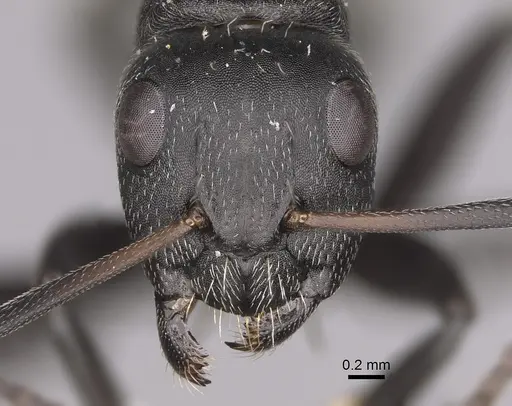
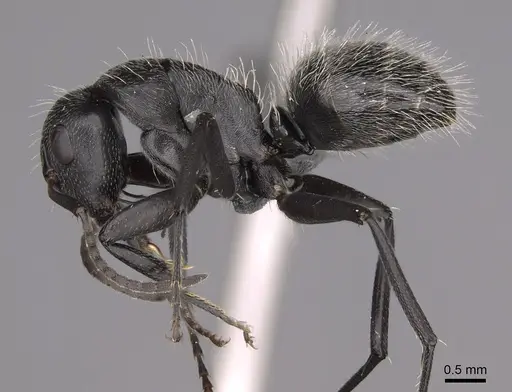
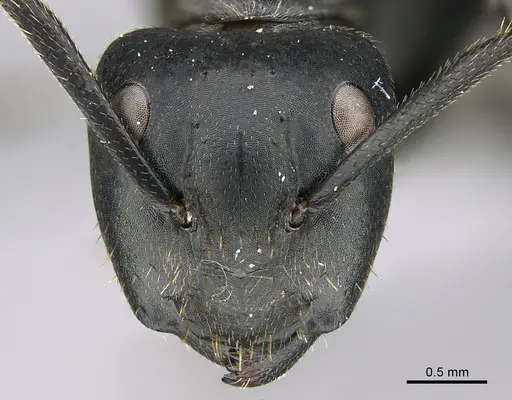
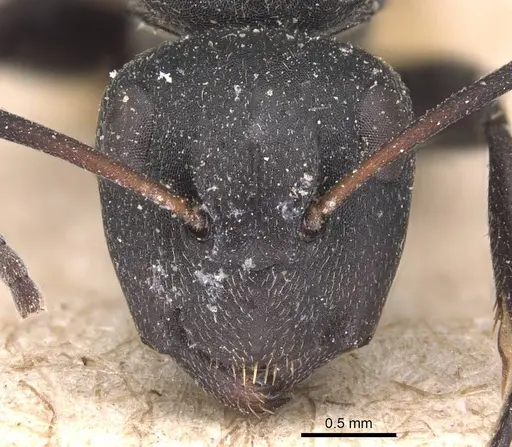
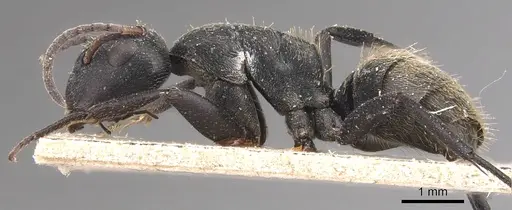
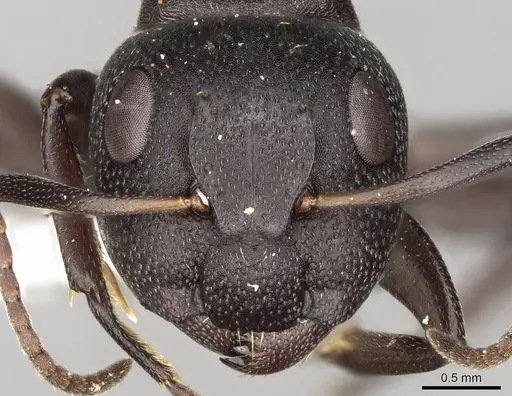
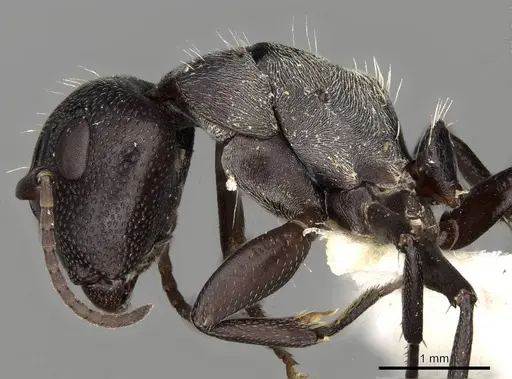
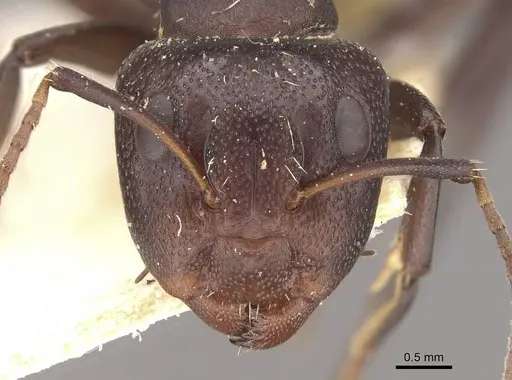
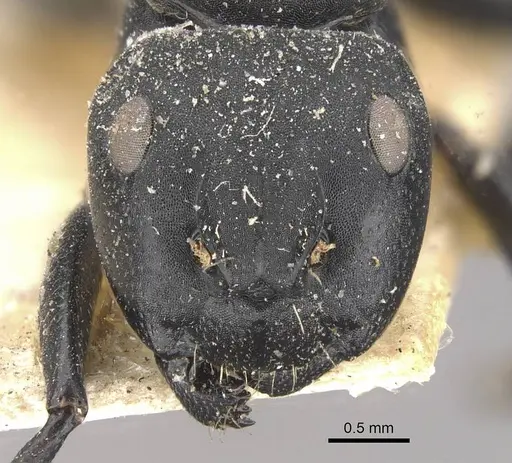
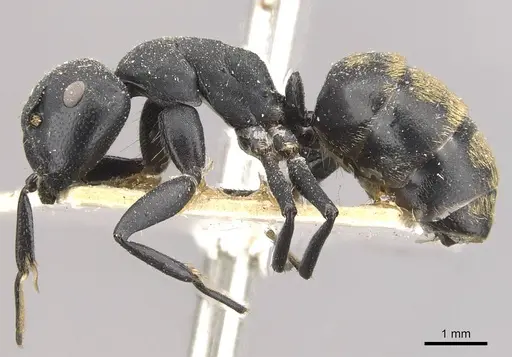
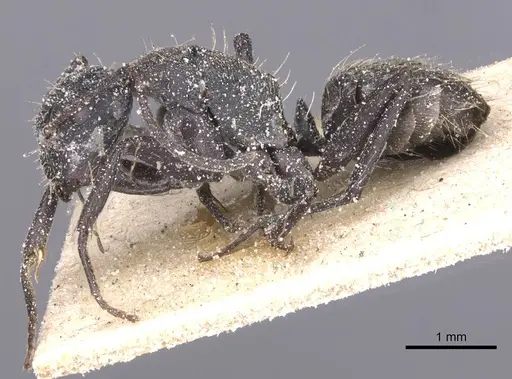
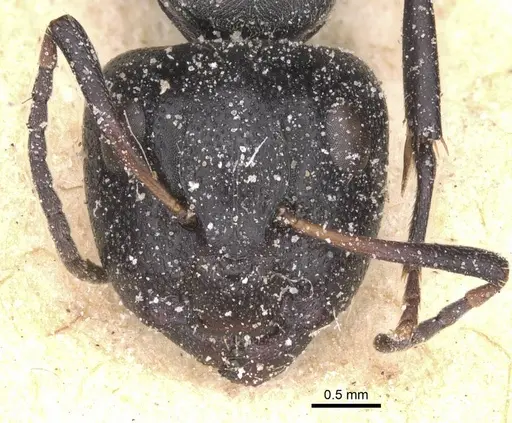
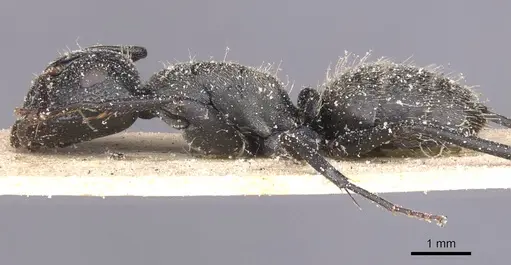
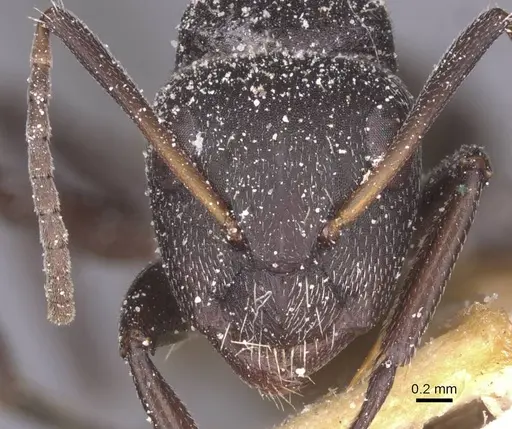
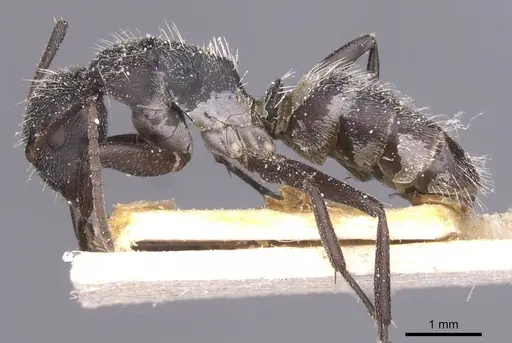
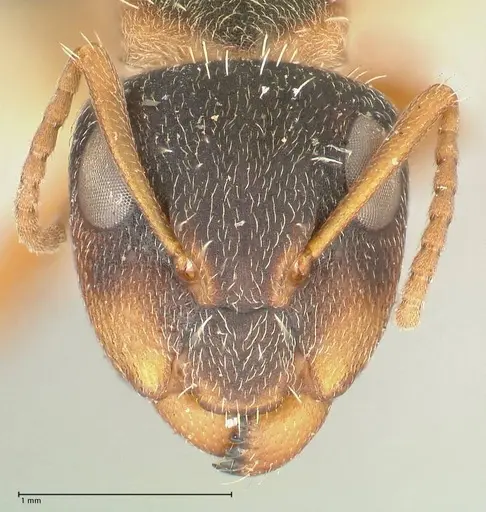
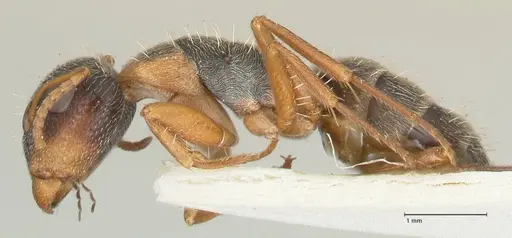
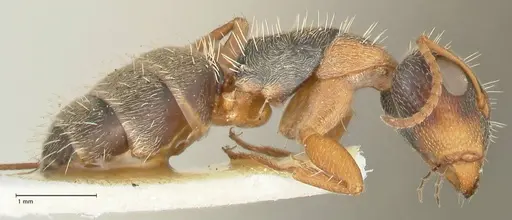
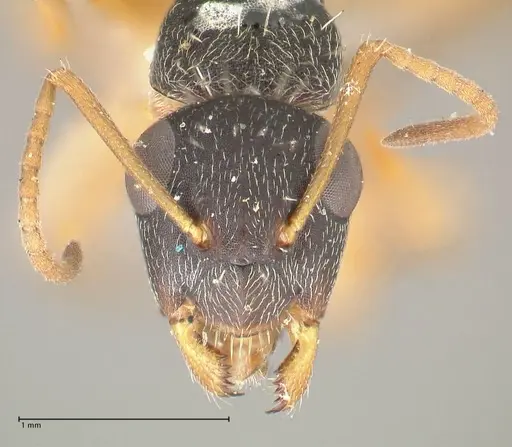
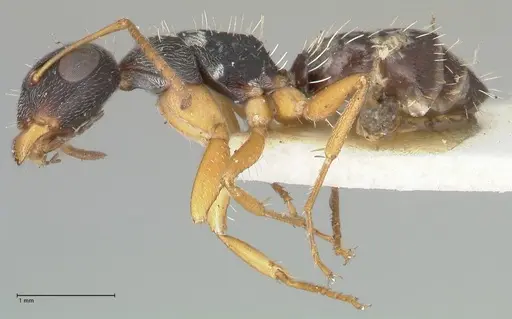
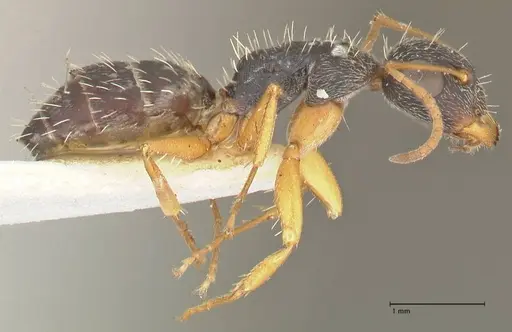
Camponotus foraminosus is a widely distributed arboreal ant species found across pan-African forests, from West Africa to East Africa and into southern regions. These ants are medium-sized with the characteristic Camponotus body shape, a rounded thorax and a distinctively shaped gaster. Workers vary in size with major workers being noticeably larger than minors. The species is arboreal, meaning it nests in elevated locations rather than on the ground. In nature, they have been documented nesting in the domatia (hollow structures) of the plant Randia myrmecophyla, which provides natural shelter. This species has been recorded across numerous African countries including Nigeria, Kenya, Democratic Republic of Congo, Ghana, Senegal, and as far as Saudi Arabia and Oman in the Middle East [1][2].
One notable aspect of this species is its ecological relationships. C. foraminosus has been documented as prey of the weaver ant Oecophylla longinoda, demonstrating its position in the African forest ecosystem. The species shows typical Camponotus traits: they are generally less aggressive than some other ant genera, and workers forage for honeydew and small prey. The taxonomic status has been subject to revision, with some sources treating it as a synonym of Camponotus auropubens [3].
Quick Summary
- Difficulty: Medium
- Origin & Habitat: Pan-African arboreal ant found in forest habitats across West Africa (Nigeria, Ghana, Senegal, Guinea), East Africa (Kenya), Central Africa (Democratic Republic of Congo, Cameroon, Congo), and the Middle East (Saudi Arabia, Oman). Nests in tree hollows and plant domatia [1][2].
- Colony Type: Single-queen (monogyne) colonies based on typical Camponotus structure. Colonies reach moderate sizes of several hundred workers.
- Colony: Monogyne
- Founding: Claustral
- Size & Growth:
- Queen: Estimated 12-15mm based on genus patterns
- Worker: Major workers 8-12mm, minor workers 5-7mm [4]
- Colony: Estimated 300-500 workers based on typical Camponotus colony development
- Growth: Moderate, typical Camponotus development timeline
- Development: 6-8 weeks estimated based on typical Camponotus development at warm temperatures (Development time depends on temperature, warmer conditions accelerate development)
- Antkeeping:
- Temperature: Keep nest area at 24-28°C with a slight gradient. As a tropical/subtropical African species, they prefer warm conditions. Room temperature may suffice if within this range, otherwise use a heating cable on one side of the nest [5].
- Humidity: Moderate humidity around 50-60%. Being arboreal, they tolerate drier conditions than ground-nesting ants. Provide a water tube but avoid oversaturation. Mist occasionally and allow drying between waterings [5].
- Diapause: No, as a tropical species, they do not require hibernation. Keep temperatures stable year-round [5].
- Nesting: Arboreal species, they prefer elevated nests. In captivity, Y-tong (AAC) nests work well, or a formicarium with chambers scaled to their size. Avoid ground-level setups. Provide climbing structures and vertical space [5].
- Behavior: Generally calm temperament with moderate foraging activity. Workers search for honeydew, nectar, and small insects. They are not particularly aggressive but will defend the colony if threatened. Major workers serve as defenders and help process larger food items. Escape risk is moderate, use standard Camponotus escape prevention (fluon on edges, tight-fitting lids). They are primarily nocturnal or crepuscular foragers in nature [5].
- Common Issues: queen mortality during founding is common, ensure quiet, dark location and minimal disturbance, mold from overwatering, arboreal species prefer drier conditions than ground-nesters, slow initial growth can cause keepers to overfeed, resist the urge, excess food harms colonies, escape through small gaps, despite moderate size, they can squeeze through surprisingly small openings, temperature drops below 20°C can slow or stop brood development, maintain warmth
Nest Preferences and Housing
Camponotus foraminosus is an arboreal species, meaning it naturally nests in elevated locations like tree hollows, under bark, and in plant structures. In captivity, they do well in Y-tong (acrylic) nests or formicariums with appropriately sized chambers. The chambers should be scaled to their worker size, major workers need passages wide enough to move comfortably. Avoid setups that place the nest at ground level, instead, provide some elevation or vertical climbing space within the outworld. A test tube setup works for founding colonies, but transfer to a proper nest once the colony reaches 20-30 workers. Ensure the nest has some darkness, these ants prefer dim conditions and will seal chambers if too exposed. Escape prevention is important: apply fluon to nest edges and use tight-fitting lids [5].
Feeding and Diet
Like other Camponotus species, C. foraminosus is omnivorous with a preference for sugar sources. Workers collect honeydew from aphids and scale insects in nature, so offer sugar water (1:1 ratio) or honey as a constant energy source. For protein, provide small insects like fruit flies, small crickets, mealworms, or other arthropods. Feed protein 2-3 times per week, adjusting based on colony size. Remove uneaten prey after 24-48 hours to prevent mold. Major workers help process larger food items and can tackle prey that minors cannot. Fresh fruit slices (like melon or apple) can supplement their diet. Avoid overfeeding, excess food decays and causes mold problems that can kill colonies, especially in the humid conditions developing brood requires [5].
Temperature and Seasonal Care
As a tropical African species, Camponotus foraminosus requires warm conditions year-round. Keep the nest area at 24-28°C for optimal brood development. Temperatures below 20°C can significantly slow or halt brood development, and prolonged cold periods can be fatal. Use a heating cable or heating mat on one side of the nest to create a temperature gradient, allowing workers to self-regulate by moving between warmer and cooler areas. Place the heating element on top of the nest rather than underneath to avoid evaporating water too quickly. Unlike temperate species, they do not require diapause or winter cooling, maintain consistent temperatures throughout the year. Room temperature is often sufficient if your home stays in the mid-70s°F (around 24°C), otherwise provide supplemental heating [5].
Colony Founding and Early Development
Camponotus foraminosus follows typical claustral founding. The queen seals herself in a small chamber and raises her first workers entirely on stored fat reserves, she does not leave to forage during this period. This means you should not offer food to a founding queen, she has everything she needs internally. Place the founding setup in a dark, quiet location and avoid disturbing it for 4-8 weeks. After the first workers (nanitics) emerge, the colony begins foraging for food. Nanitics are typically smaller than normal workers but will grow in size with subsequent broods. Growth is moderate, expect several months to reach 30-50 workers, then faster expansion as the colony establishes. Be patient during founding, many colony losses occur when keepers disturb the queen too frequently or try to feed too early [5].
Behavior and Temperament
This species has a generally calm temperament compared to many ants. Workers are not particularly aggressive and will typically flee rather than attack when threatened. However, they will defend the colony vigorously if the nest is directly attacked. Major workers serve as defenders and can deliver a painful bite, though they rarely sting. Foraging occurs primarily at night or during cooler crepuscular hours in nature, so you may see more activity in the evening. Workers communicate using chemical trails to guide others to food sources, you may observe them forming lines to good feeding sites. The species shows typical Camponotus foraging patterns: scouts search for food, then recruit workers to rich sources. They are not prone to biting unless provoked, making them manageable for antkeepers. Their moderate size and calm nature make them suitable for observation [5].
Frequently Asked Questions
How long does it take for Camponotus foraminosus to produce first workers?
Expect first workers (nanitics) to emerge in 6-8 weeks after the queen lays eggs, assuming temperatures are maintained at 24-28°C. Cooler temperatures will significantly slow development. The queen seals herself in during claustral founding and raises her first brood alone without foraging.
What do Camponotus foraminosus ants eat?
They are omnivorous with a strong preference for sugar. Offer sugar water or honey constantly, and provide small insects (fruit flies, small crickets, mealworms) as protein 2-3 times weekly. They will also accept fruit slices and other sweet substances.
Do Camponotus foraminosus ants need hibernation?
No. As a tropical African species, they do not require diapause or winter cooling. Keep temperatures stable year-round at 24-28°C. Prolonged cold can be harmful or fatal to this species.
What is the best nest type for Camponotus foraminosus?
Y-tong (acrylic) nests or formicariums work well. As an arboreal species, they prefer elevated nest positions and darker conditions. Avoid ground-level setups. Scale chambers to worker size, major workers need wider passages.
Are Camponotus foraminosus good for beginners?
They are intermediate in difficulty. The claustral founding process requires patience and minimal disturbance. Once established, they are relatively forgiving and have calm temperament. However, their tropical temperature requirements may require supplemental heating in cooler climates.
How big do Camponotus foraminosus colonies get?
Colonies typically reach 300-500 workers over several years. Growth is moderate, faster than some slow-growing Camponotus but not as rapid as tropical species. Major workers appear as the colony grows, serving as defenders and food processors.
Can I keep multiple Camponotus foraminosus queens together?
No. This is a monogyne (single-queen) species. Multiple unrelated queens will fight until only one remains. Only keep one queen per colony setup.
Why is my Camponotus foraminosus colony not growing?
Common causes include: temperatures below 20°C slowing development, overfeeding causing mold, disturbance during founding, or insufficient protein. Check temperature with a thermometer, reduce feeding if mold appears, and ensure the queen has been left undisturbed during claustral founding.
What temperature range is ideal for Camponotus foraminosus?
Keep nest areas at 24-28°C. Use a heating cable on one side to create a gradient, allowing workers to self-regulate. Temperatures below 20°C stop brood development, temperatures above 32°C can stress the colony.
References

This caresheet is licensed under CC BY-SA 4.0 .
CASENT0235413
View on AntWeb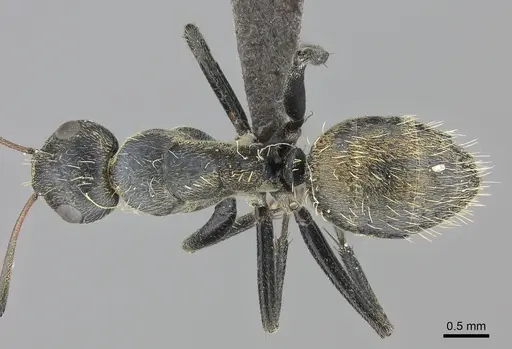
CASENT0779602
View on AntWeb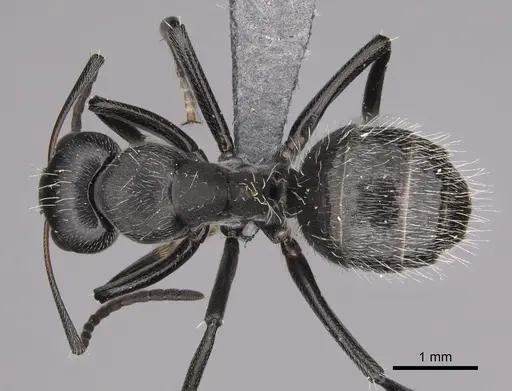
CASENT0824766
View on AntWeb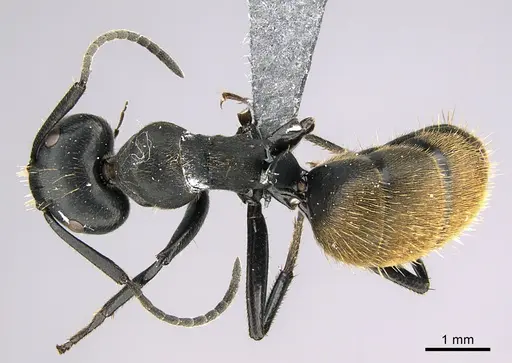
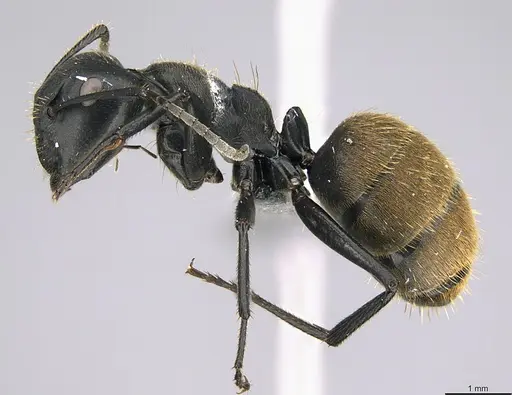
CASENT0882209
View on AntWeb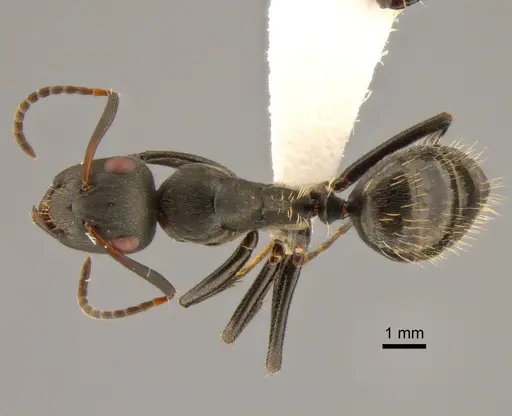
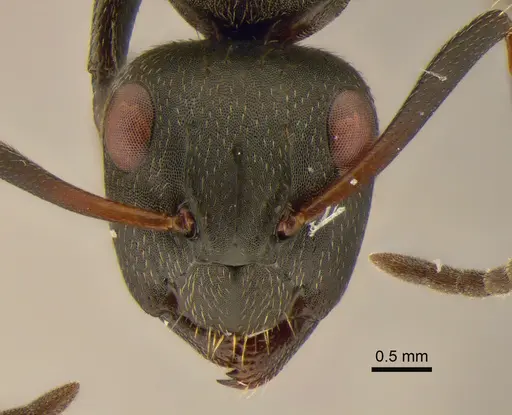
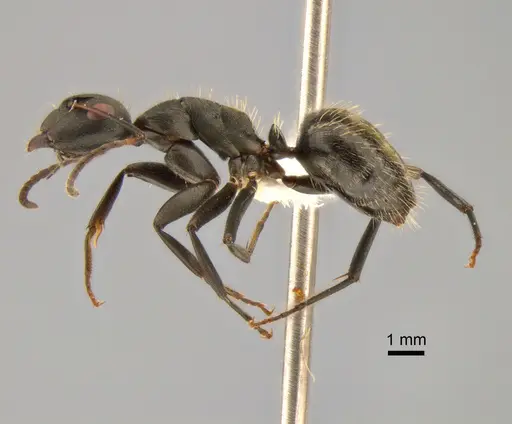
CASENT0905422
View on AntWeb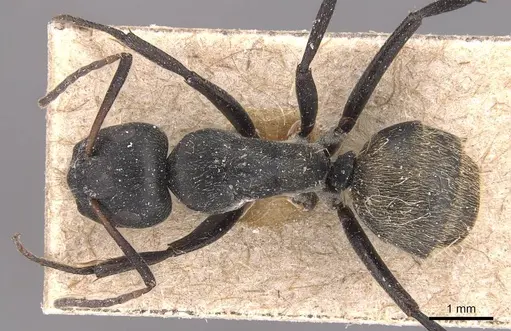
CASENT0906878
View on AntWeb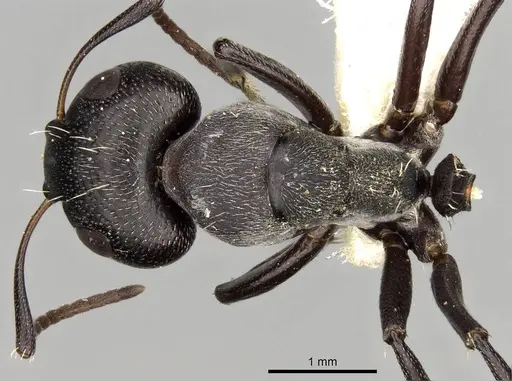
CASENT0910477
View on AntWeb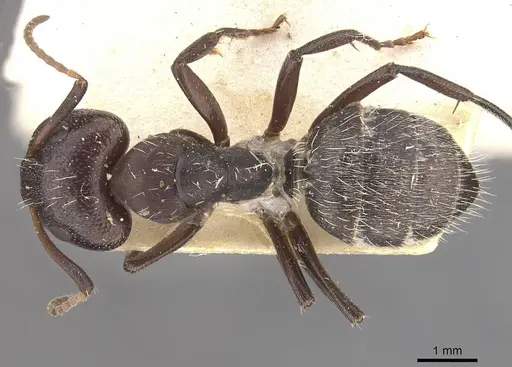
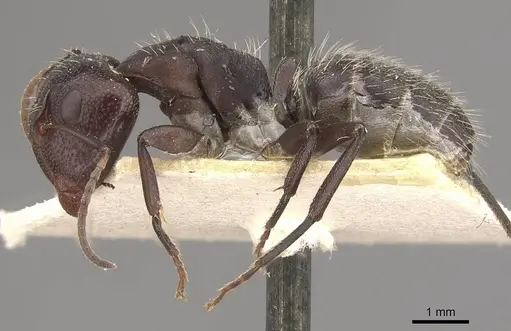
CASENT0910478
View on AntWeb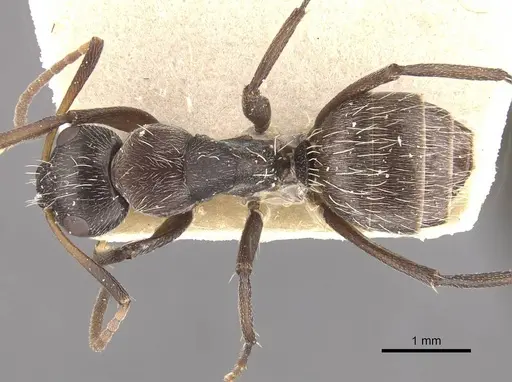
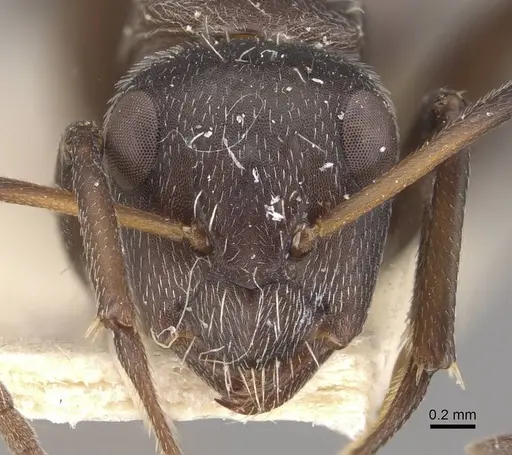
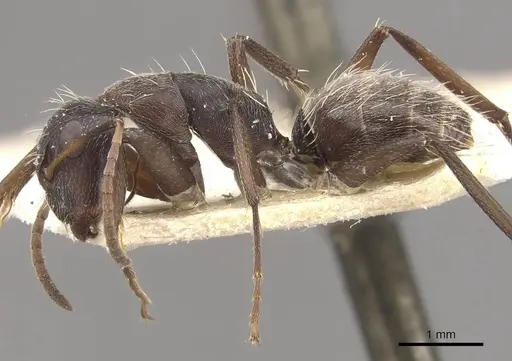
CASENT0910479
View on AntWeb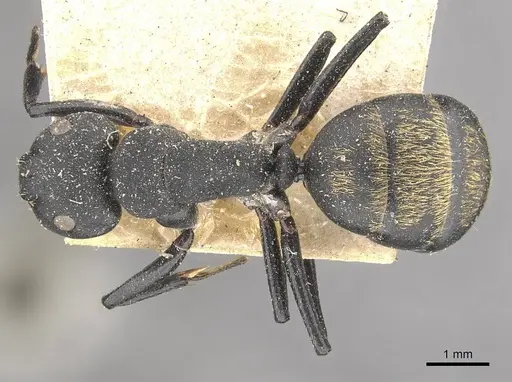
CASENT0910501
View on AntWeb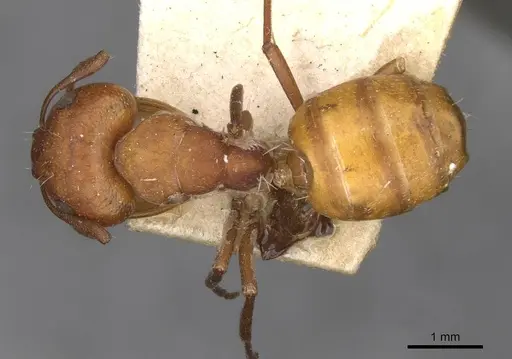
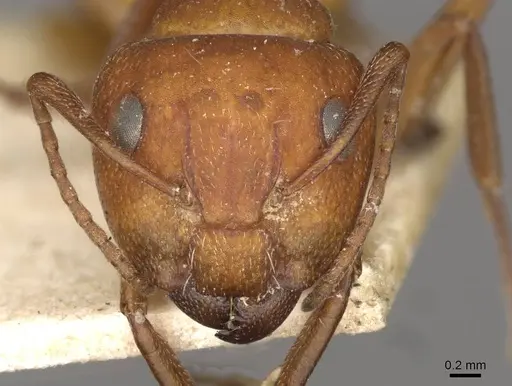
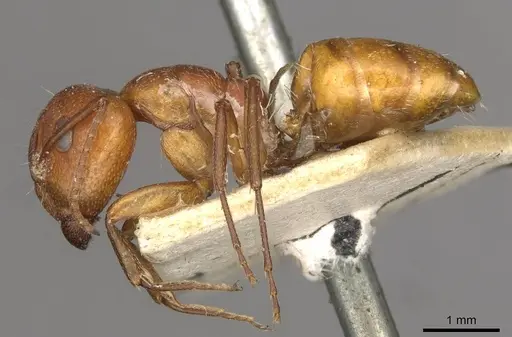
CASENT0911835
View on AntWeb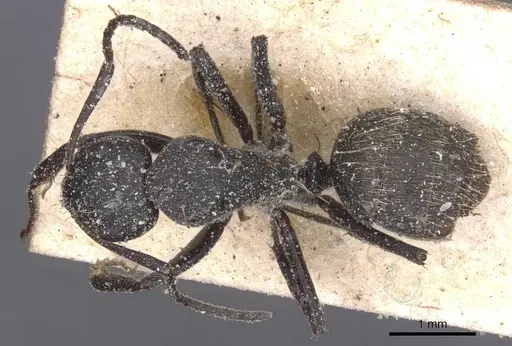
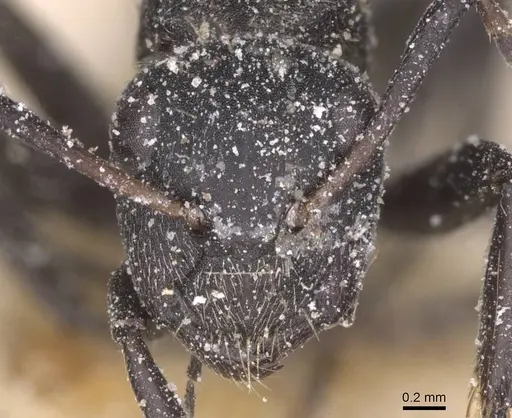
CASENT0911836
View on AntWeb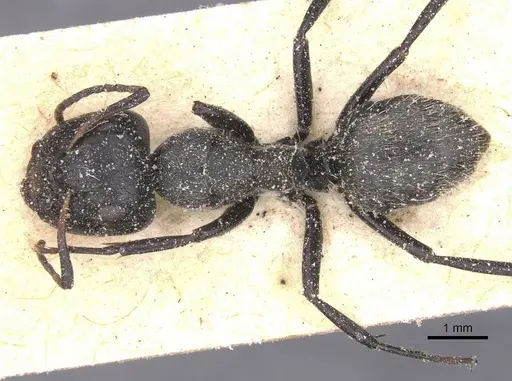
CASENT0911837
View on AntWeb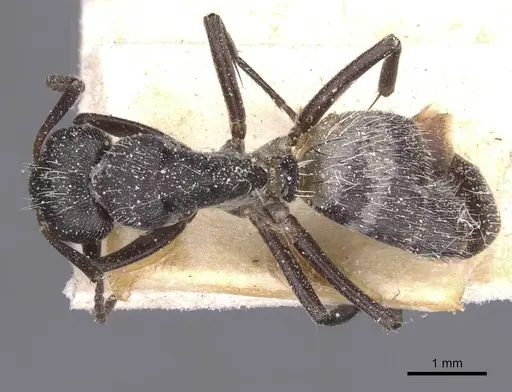
FOCOL2316
View on AntWeb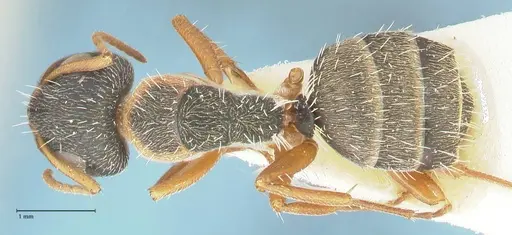
FOCOL2317
View on AntWeb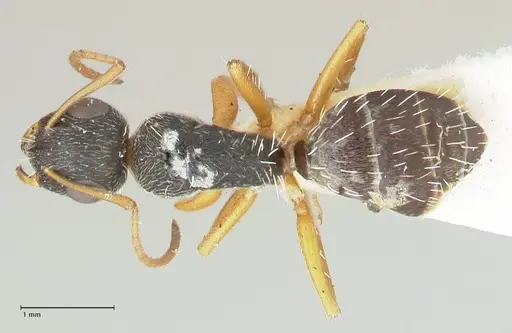
Literature
Loading...Loading products...