

Camponotus auropubens
- Scientific Name
- Camponotus auropubens
- Subgenus
- Myrmosericus
- Tribe
- Camponotini
- Subfamily
- Formicinae
- Author
- Forel, 1894
- Common Name
- Gold-haired Sugar Ant
- Distribution
- Found in 6 countries
Camponotus auropubens Overview
Camponotus auropubens (commonly known as the Gold-haired Sugar Ant) is an ant species of the genus Camponotus. It is primarily documented in 6 countries , including Comoros, Madagascar, Mozambique. Detailed taxonomic data and occurrence records can be further explored via authoritative databases such as AntWeb or the Global Biodiversity Information Facility (GBIF).
Camponotus auropubens - "Gold-haired Sugar Ant"
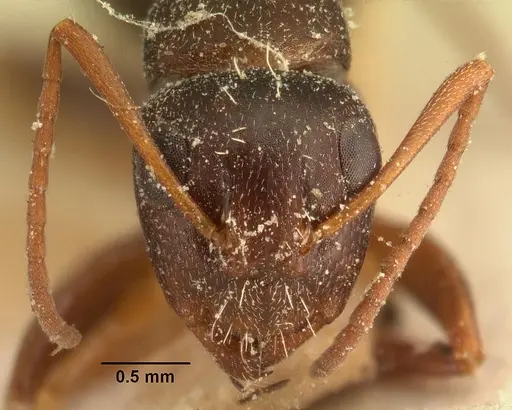
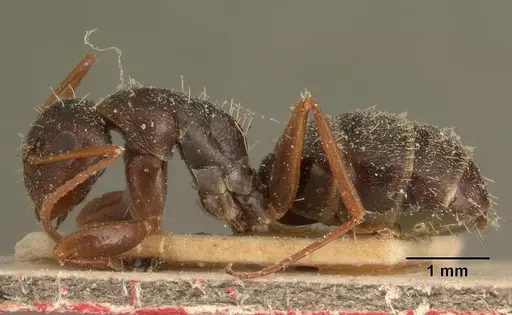
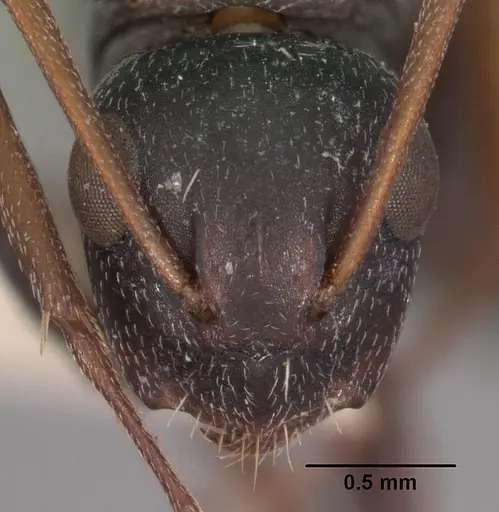
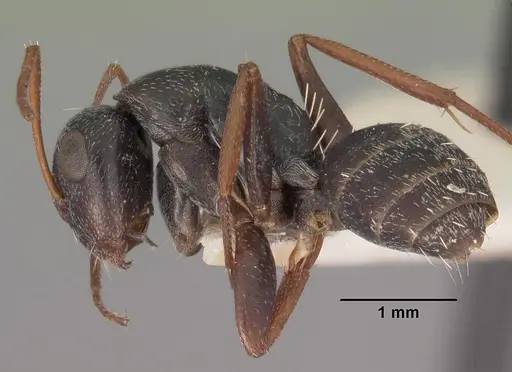
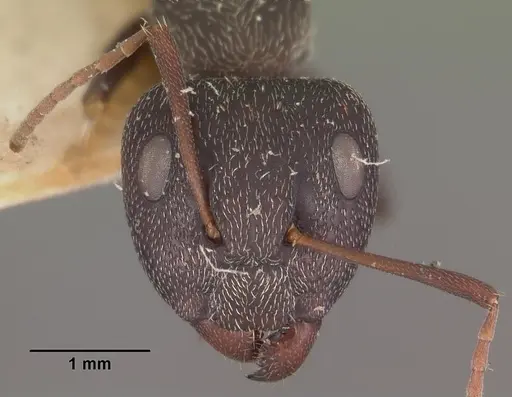
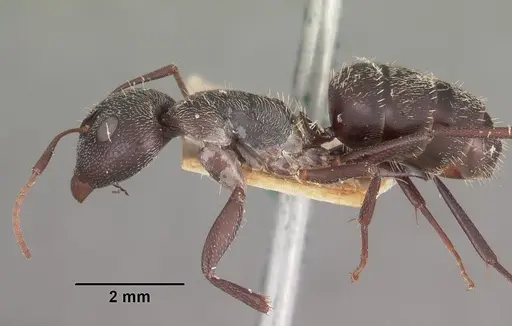
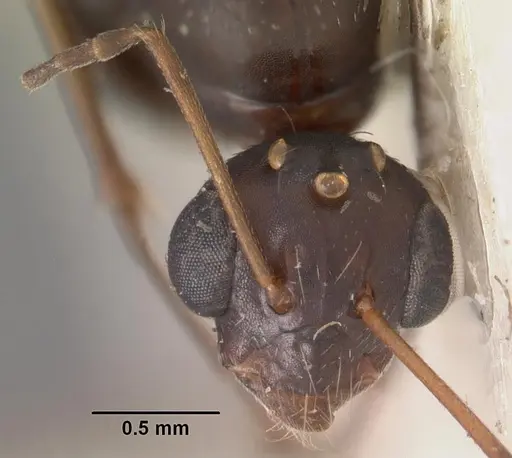
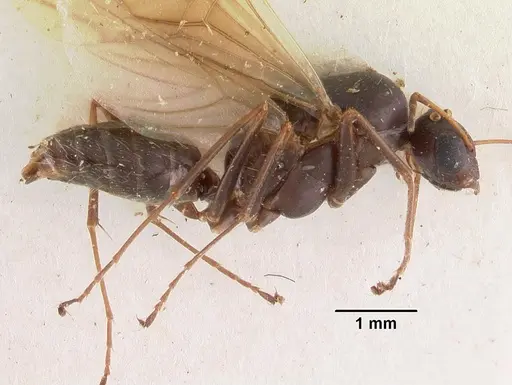
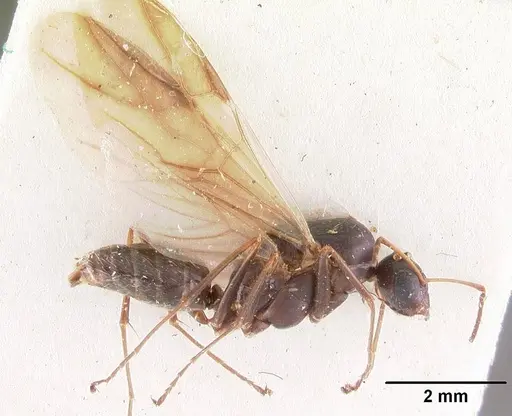
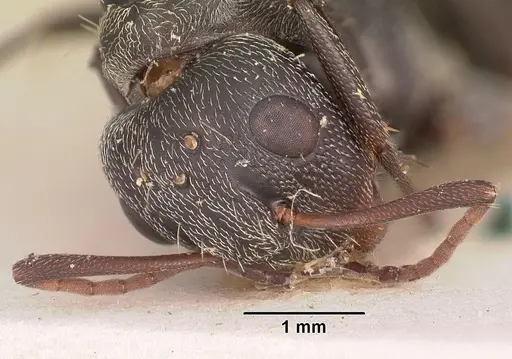
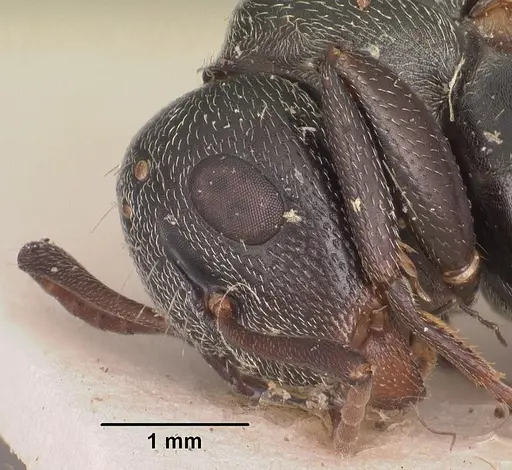
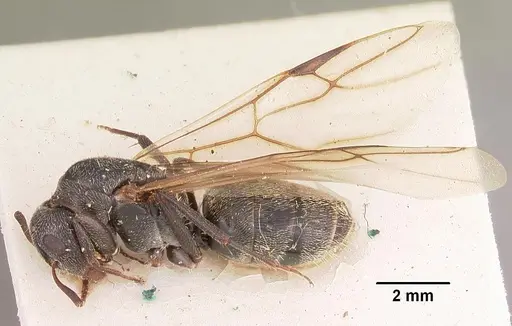
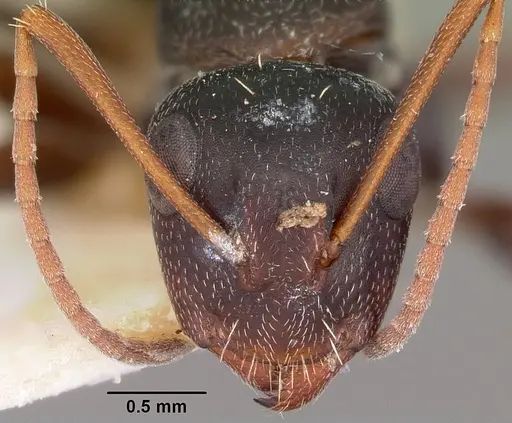
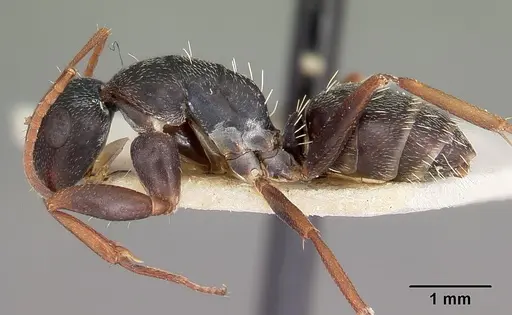
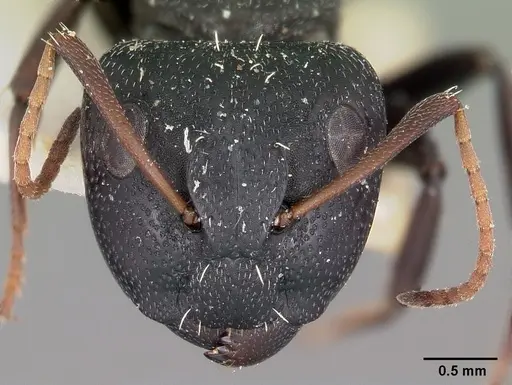
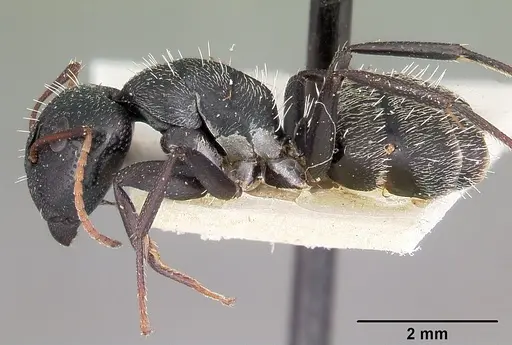
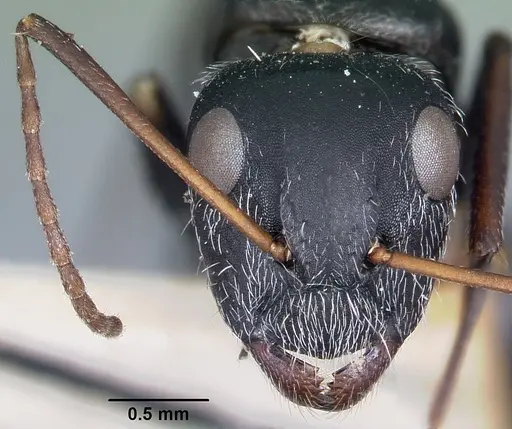
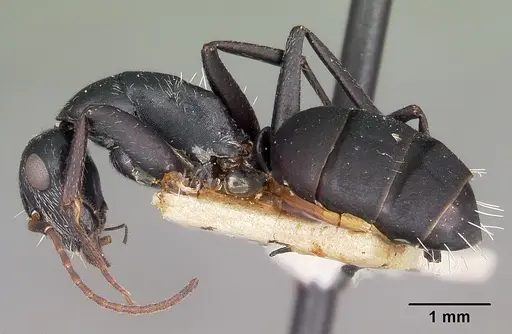
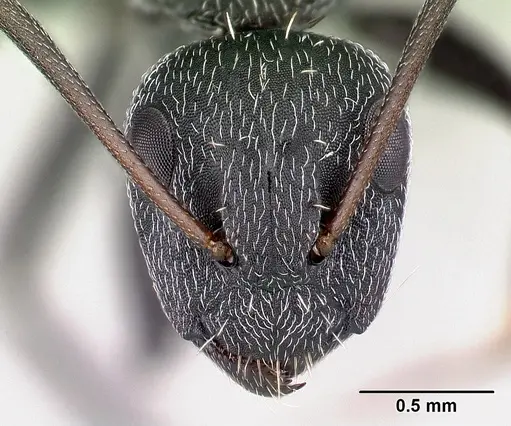
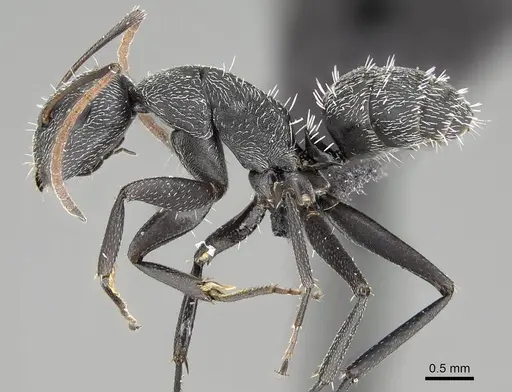
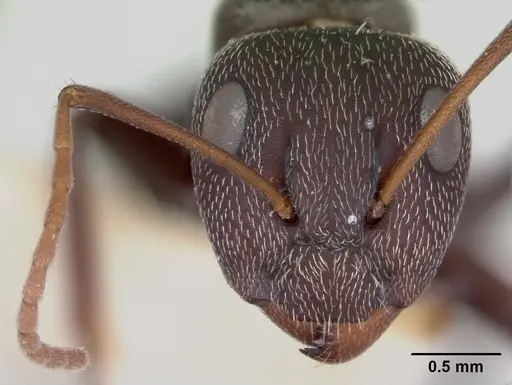
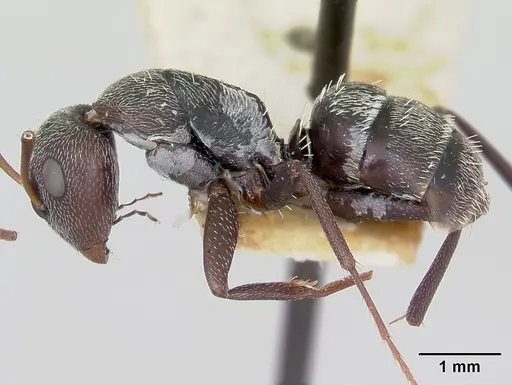
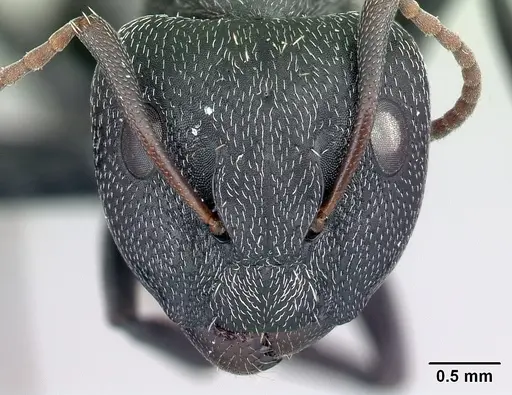
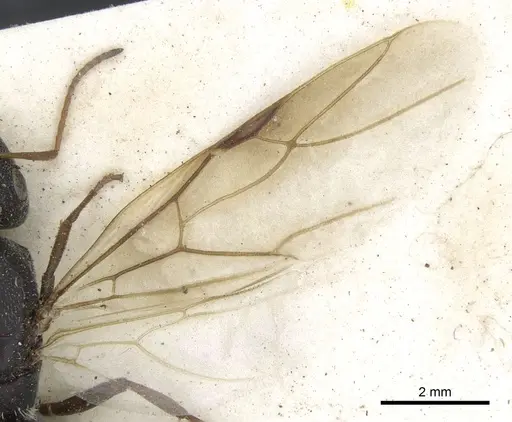
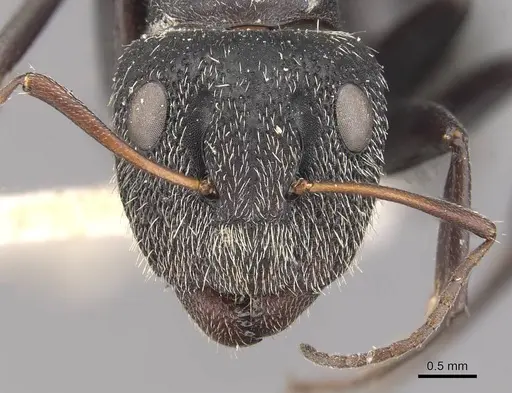
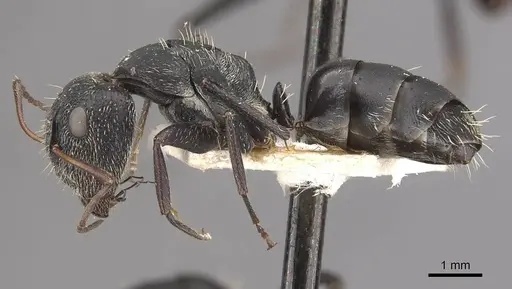
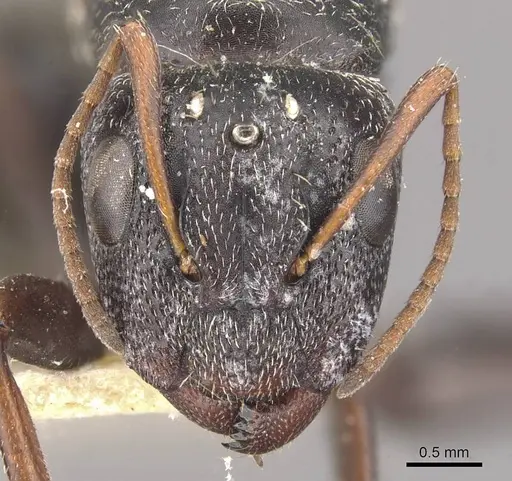
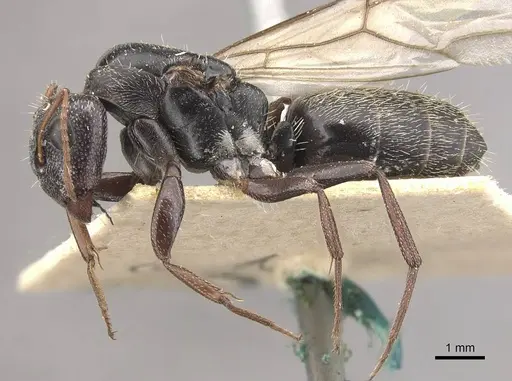
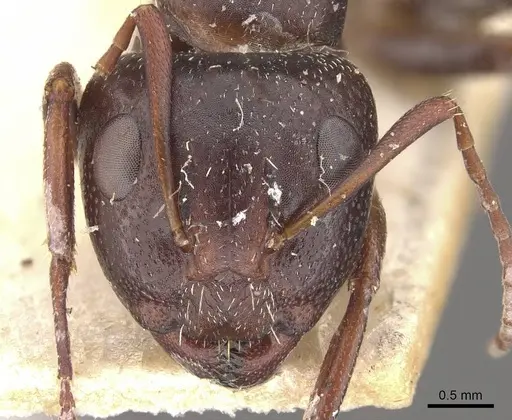
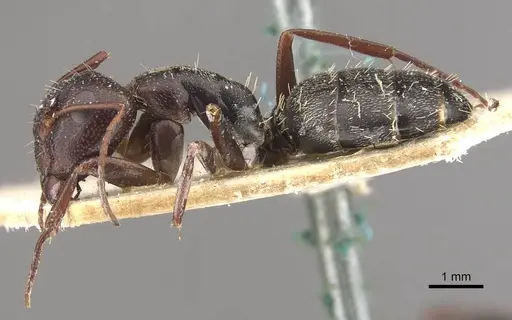
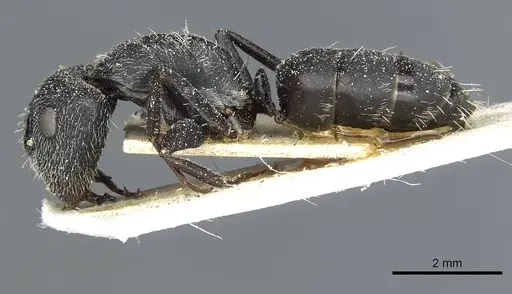
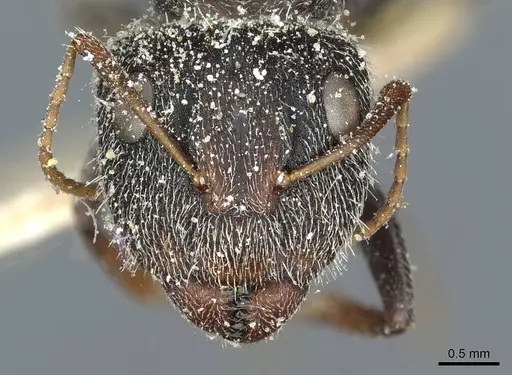
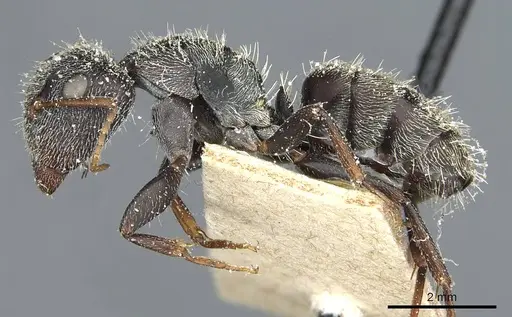
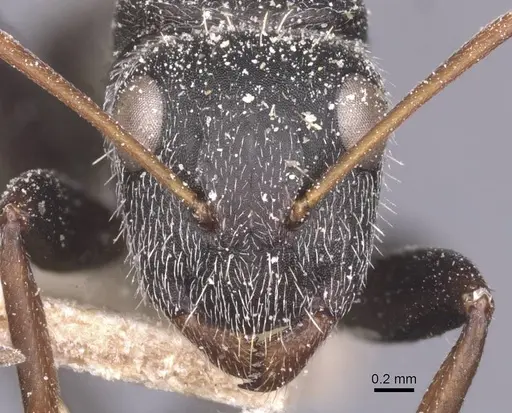
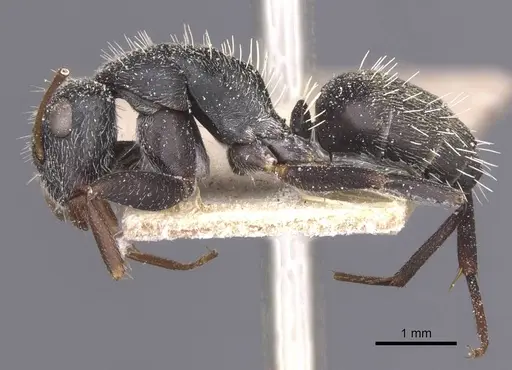
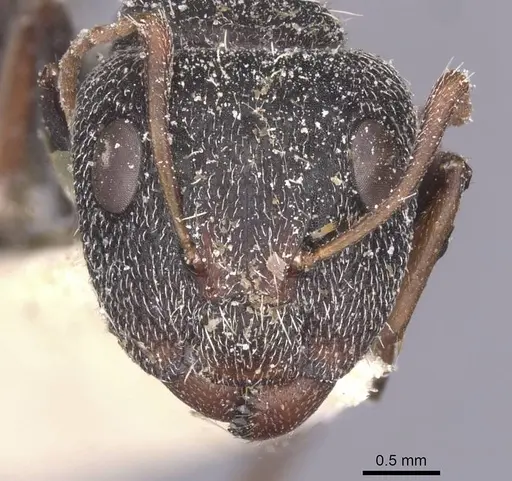
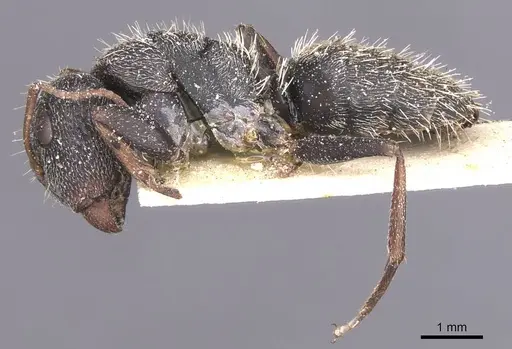
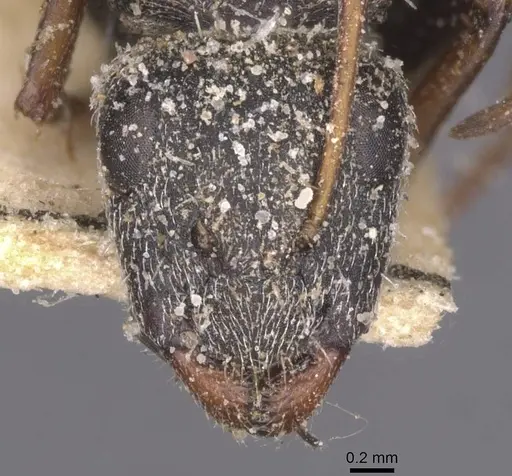
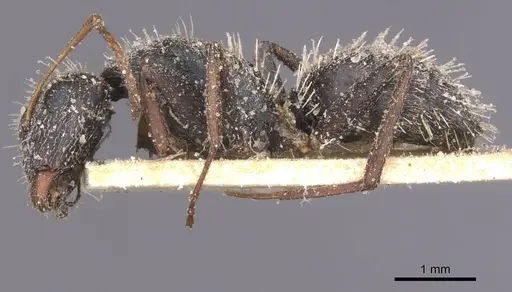
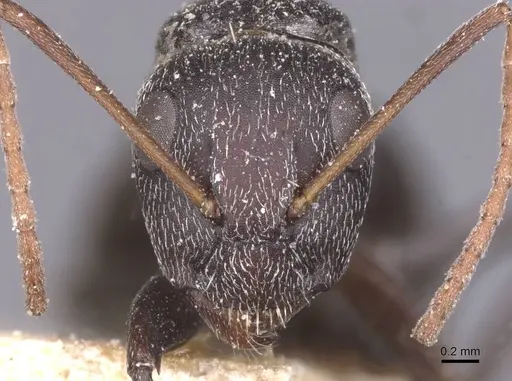
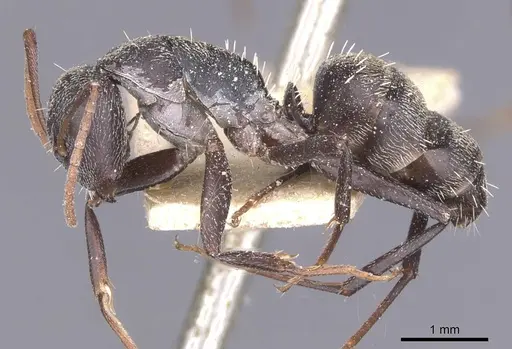
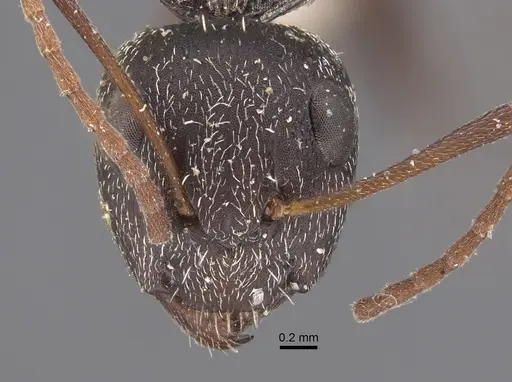
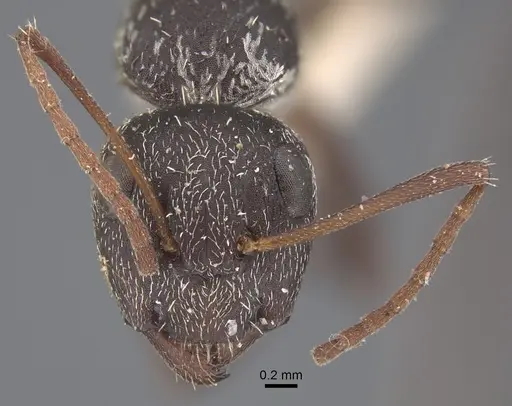
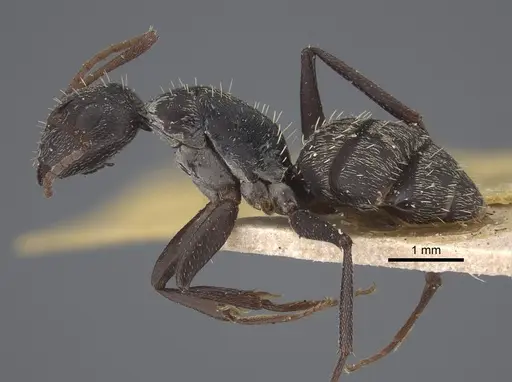
Camponotus auropubens is a medium-sized ant species belonging to the Camponotus grandidieri group. Workers are black with a few pairs of distinctive whitish erect hairs on the head and body, giving them a subtle but striking appearance. Minor workers measure around 1.2-1.7mm in head length, while major workers are larger at 1.5-2.4mm, with significantly larger heads. The species is widespread across the Afrotropics, found in Democratic Republic of Congo, Mozambique, Zimbabwe, Madagascar, and Seychelles. In Madagascar, they inhabit the northern coastal scrub and dry forests, while in Seychelles they live in casuarina forests and coastal areas. They nest in rotten logs and forage on the ground in these tropical and subtropical habitats.
Quick Summary
- Difficulty: Medium
- Origin & Habitat: Afrotropical and Malagasy regions, Democratic Republic of Congo, Mozambique, Zimbabwe, Madagascar, and Seychelles. Found in coastal scrub, dry forests, and casuarina forests. Nests in rotten logs and forages on the ground [1][2].
- Colony Type: Single-queen (monogyne) colonies based on typical Camponotus colony structure. Colony size reaches up to several hundred workers.
- Colony: Monogyne
- Founding: Claustral
- Size & Growth:
- Queen: Estimated 12-15mm based on genus Camponotus patterns
- Worker: Minor workers: 1.19-1.70mm head length (CS 1.36±0.14). Major workers: 1.54-2.41mm head length (CS 1.98±0.32) [1].
- Colony: Estimated several hundred workers based on typical Camponotus colony development
- Growth: Moderate, typical for Camponotus species
- Development: 6-10 weeks based on typical Camponotus development at warm temperatures (Development time depends on temperature, warmer conditions accelerate growth)
- Antkeeping:
- Temperature: Keep at 24-28°C. As a tropical species, they need warm conditions. A heating cable on one side of the nest creates a suitable gradient [1].
- Humidity: Moderate humidity around 50-70%. Their natural habitat includes coastal scrub and dry forests, so avoid overly damp conditions. Keep nest substrate slightly moist but not waterlogged.
- Diapause: No, being a tropical species, they do not require hibernation. Maintain warm temperatures year-round.
- Nesting: In nature they nest in rotten logs. In captivity, a Y-tong (AAC) nest or plaster nest works well. The chambers should be appropriately sized for their medium size. Avoid overly humid conditions that could cause mold.
- Behavior: Typical Camponotus temperament, generally calm and not aggressive. Workers are ground-foragers, searching for honeydew and small insects. They are medium-sized ants, so escape prevention should be moderate, they cannot squeeze through the smallest gaps but still require standard barriers. Major workers have significantly larger heads and may specialize in seed-processing or defense.
- Common Issues: tropical species may struggle in cool rooms, maintain warmth year-round, overheating can be as dangerous as cold, avoid temperatures above 32°C, wild-caught colonies may carry parasites that affect captive survival, colonies grow slowly during the first few months, avoid overfeeding and maintain patience, major workers may need slightly larger foraging areas as the colony develops
Nest Preferences and Housing
Camponotus auropubens naturally nests in rotten logs in tropical forests and coastal areas. In captivity, they adapt well to various nest types. Y-tong (acrylic) nests work excellently, the smooth walls help maintain clean conditions and allow you to easily observe colony development. Plaster nests are also suitable, providing good humidity control. Avoid setups that stay constantly damp, as this species prefers moderately dry conditions. The nest chambers should be appropriately sized for medium-sized Camponotus, not too tight, but with passages narrow enough that workers feel secure. A small outworld for foraging allows you to feed and observe your colony without disturbing the nest area. [1]
Feeding and Diet
Like most Camponotus species, C. auropubens is omnivorous with a preference for sugary liquids. Offer a constant supply of sugar water or honey diluted with water. They also need protein, small insects like fruit flies, small crickets, or mealworms work well. Feed protein prey 2-3 times per week, adjusting based on colony size. Major workers may be better equipped to handle larger prey items or seeds. Remove any uneaten prey after 24-48 hours to prevent mold. Fresh water should always be available, especially if you're offering dry sugar water.
Temperature and Seasonal Care
As a tropical species from Madagascar and Seychelles, C. auropubens requires warm temperatures year-round. Keep the nest area at 24-28°C for optimal brood development. A heating cable placed on one side of the nest creates a temperature gradient, allowing ants to self-regulate. Room temperature alone may be too cool, especially in winter or air-conditioned spaces. Avoid temperatures above 32°C as this can stress or kill the colony. Unlike temperate species, they do not require hibernation or diapause. Maintaining consistent warmth is more important than seasonal temperature swings. Monitor colony activity, workers clustering near heat sources indicate they need more warmth, while avoiding heated areas suggests the temperature is too high. [1]
Behavior and Colony Development
C. auropubens has typical Camponotus temperament, generally peaceful and not prone to aggressive swarming. Workers forage on the ground in nature, searching for honeydew, nectar, and small invertebrates. The colony will establish a clear division of labor, with minor workers handling most tasks inside the nest and major workers specializing in defense and processing larger food items. Major workers have notably larger heads compared to minors, which is characteristic of the grandidieri species group. Colonies develop moderately, expect the first nanitic workers (smaller initial workers) within 6-10 weeks under warm conditions, then gradual growth over the following months. Patience is key during the founding stage. [1]
Frequently Asked Questions
Is Camponotus auropubens good for beginners?
This species is rated as medium difficulty. While not as challenging as some exotic species, they do require consistent warm temperatures year-round since they're tropical. If you can maintain 24-28°C reliably and provide proper housing, they're a rewarding species to keep.
How long does it take for first workers to emerge?
Expect first workers (nanitics) to emerge in 6-10 weeks after the queen lays eggs, assuming temperatures are maintained at 24-28°C. Cooler temperatures will slow development significantly.
What do I feed Camponotus auropubens?
Offer sugar water or honey as a constant energy source. For protein, provide small insects like fruit flies, small crickets, or mealworms 2-3 times per week. Remove uneaten prey after a day to prevent mold.
Do they need hibernation?
No, they do not require hibernation. As a tropical species from Madagascar and Seychelles, they need warm conditions year-round. Maintain temperatures between 24-28°C throughout the year.
Can I keep multiple queens together?
No, Camponotus auropubens is monogyne, they form single-queen colonies. Combining unrelated queens is not recommended and would likely result in fighting.
When should I move them to a formicarium?
Keep newly caught or purchased colonies in a test tube setup until they have 20-30 workers. Moving them too early can stress the colony. Once established, they can be moved to a Y-tong or plaster formicarium.
How big do colonies get?
Based on typical Camponotus development, colonies can reach several hundred workers over 2-3 years. The larger major workers become more prominent as the colony grows.
What makes Camponotus auropubens different from other Camponotus?
They belong to the grandidieri species group, characterized by their black coloration and distinctive whitish erect hairs. Major workers have notably enlarged heads. They're found across diverse habitats from mainland Africa to island environments.
Why are my ants not growing?
Check temperature first, they need 24-28°C for proper development. Also ensure the queen is healthy and laying eggs. Overfeeding can cause mold issues. Patience is essential during the founding phase.
References

This caresheet is licensed under CC BY-SA 4.0 .
CASENT0101126
View on AntWeb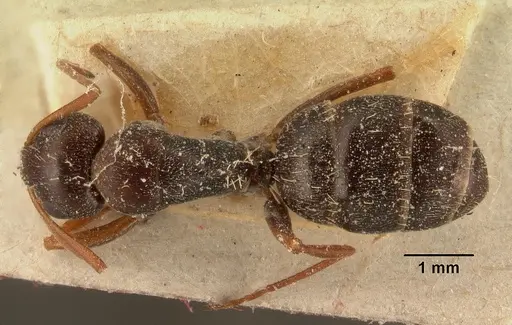
CASENT0102314
View on AntWeb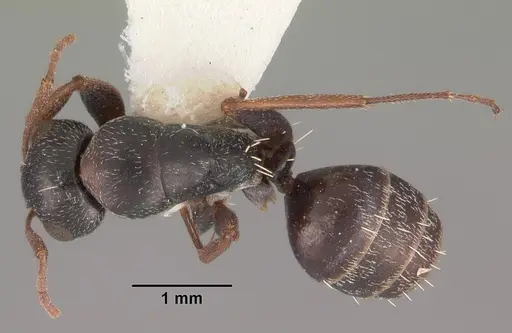
CASENT0102315
View on AntWeb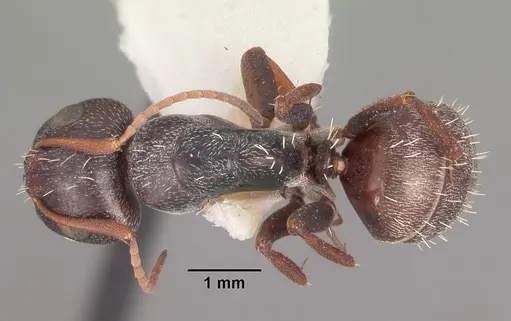
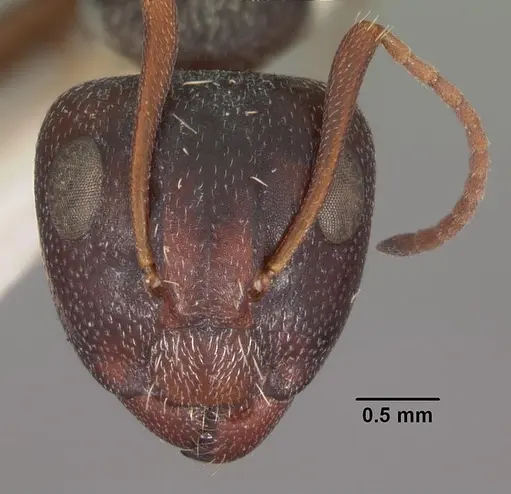
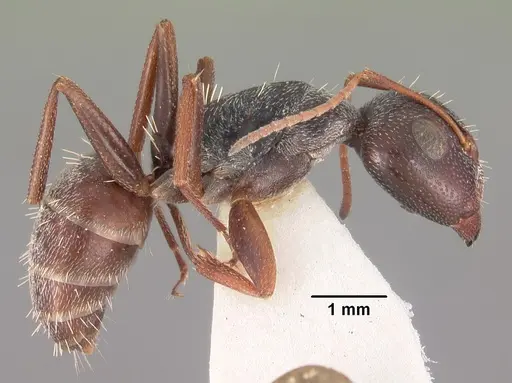
CASENT0102316
View on AntWeb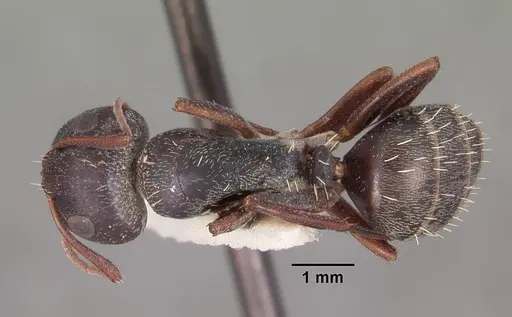
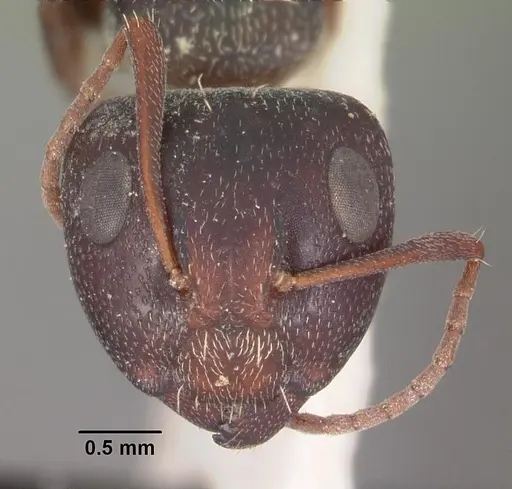
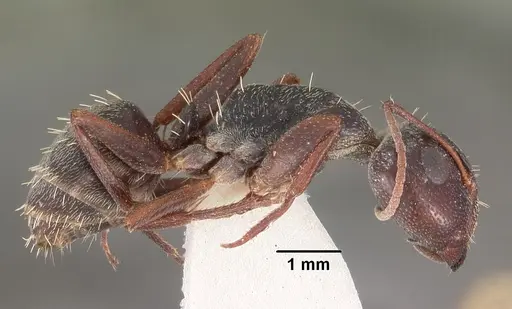
CASENT0102447
View on AntWeb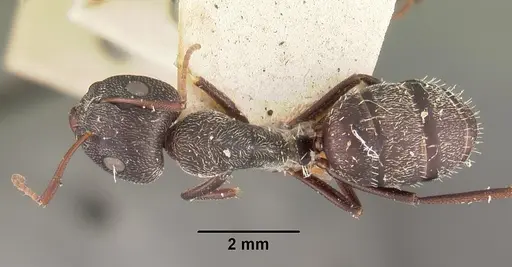
CASENT0102448
View on AntWeb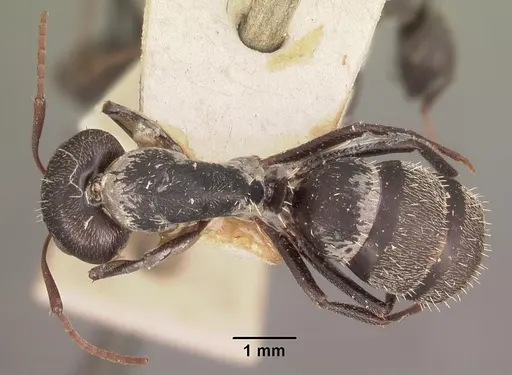
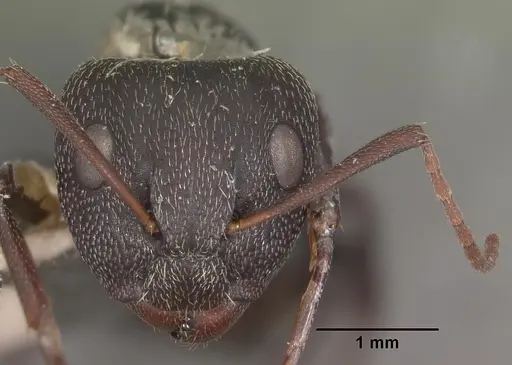
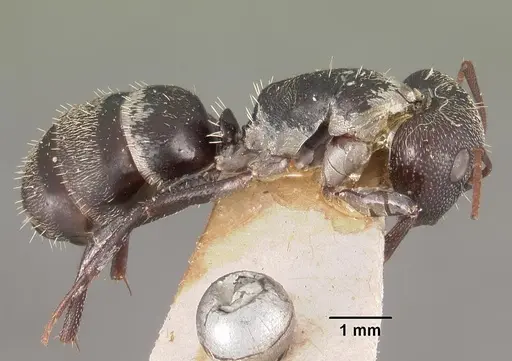
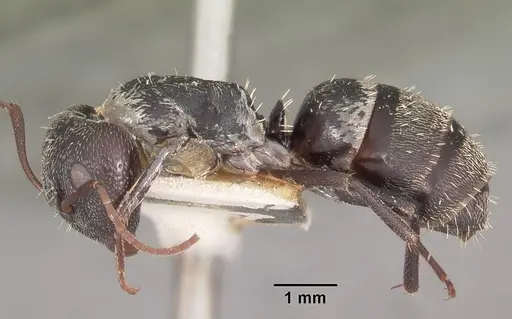
CASENT0102449
View on AntWeb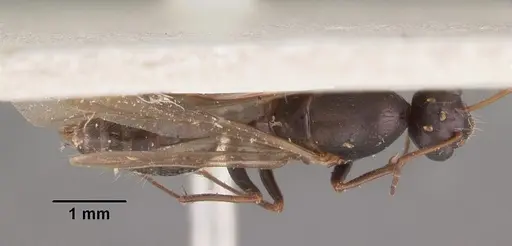
CASENT0102450
View on AntWeb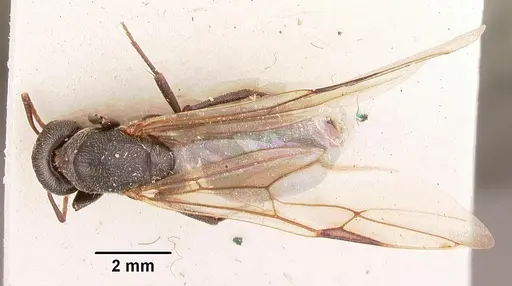
CASENT0104617
View on AntWeb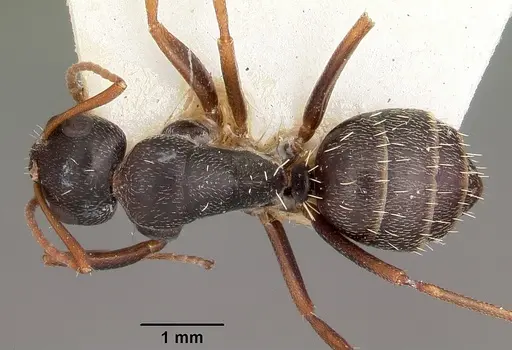
CASENT0104618
View on AntWeb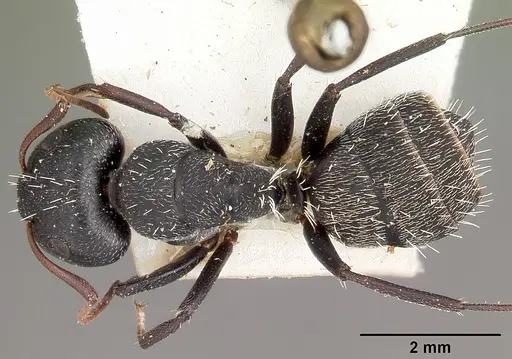
CASENT0104619
View on AntWeb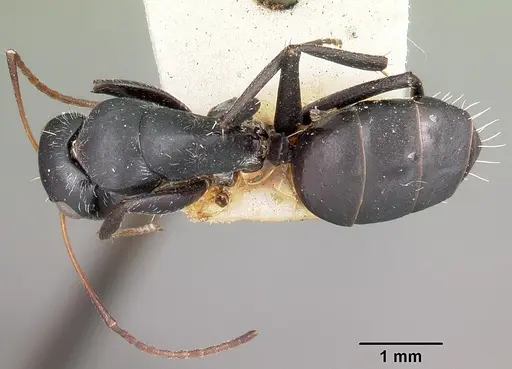
CASENT0133774
View on AntWeb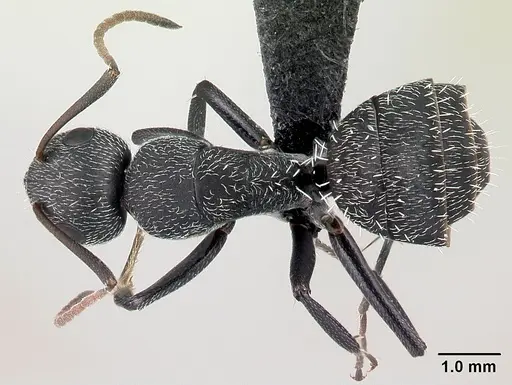
CASENT0133775
View on AntWeb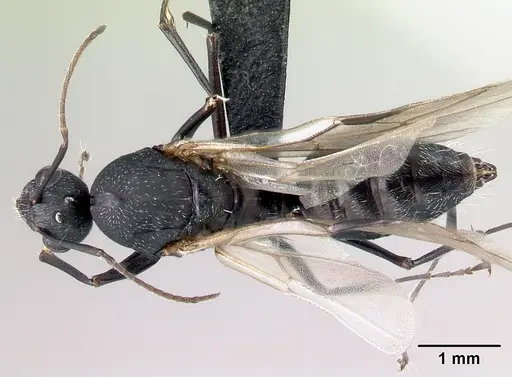
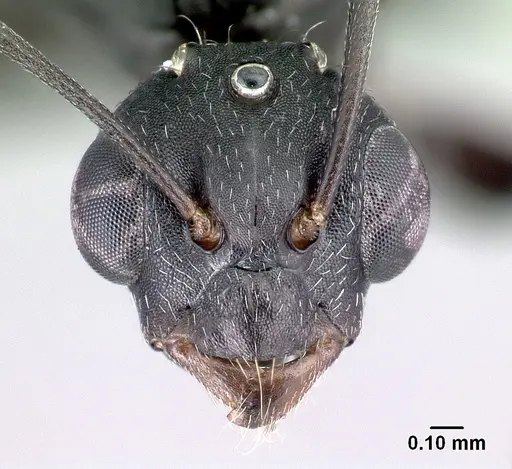
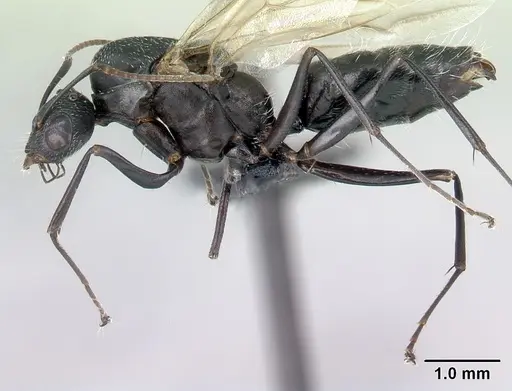
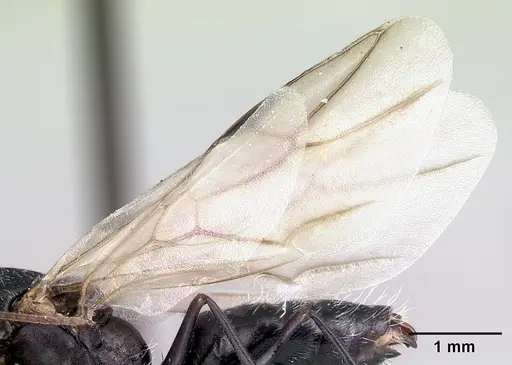
CASENT0133776
View on AntWeb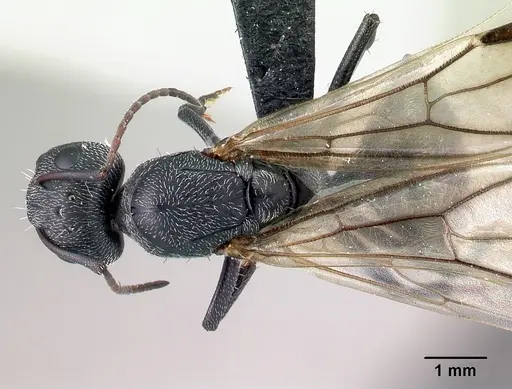
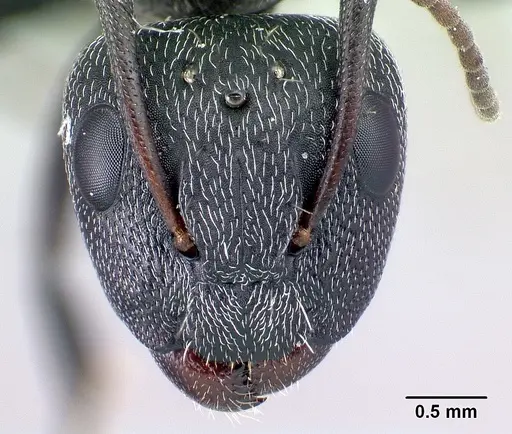
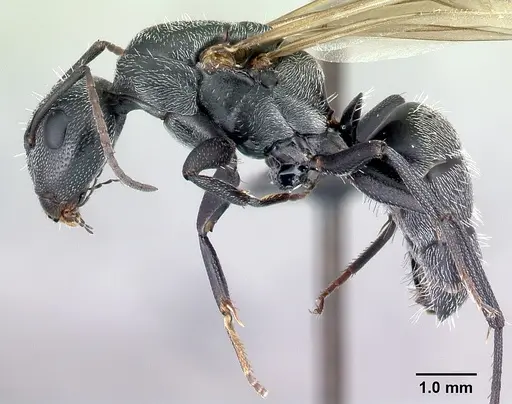
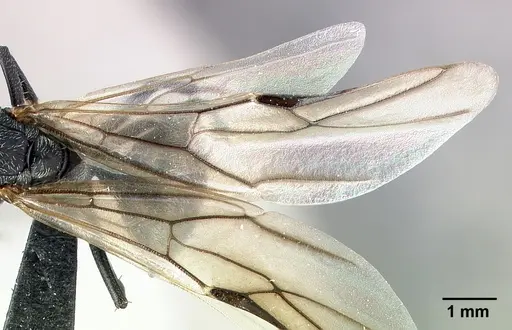
CASENT0172791
View on AntWeb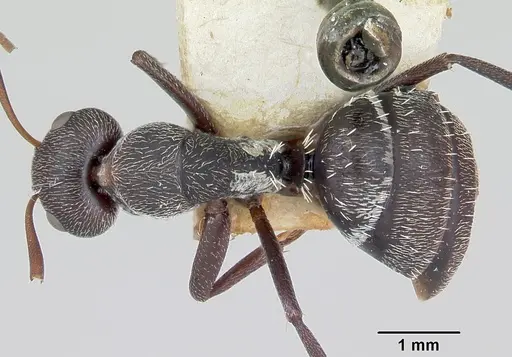
CASENT0217287
View on AntWeb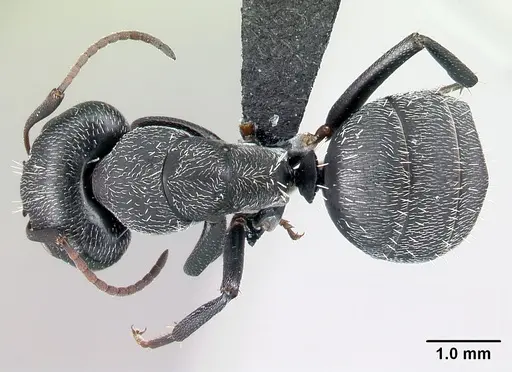
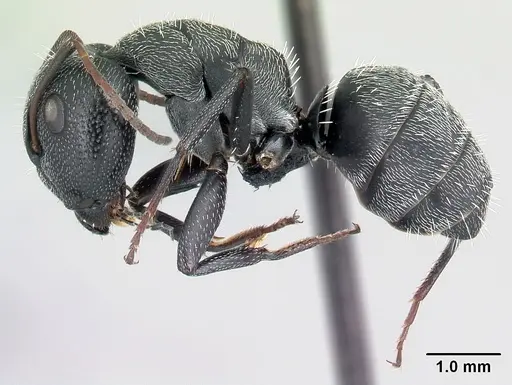
CASENT0903488
View on AntWeb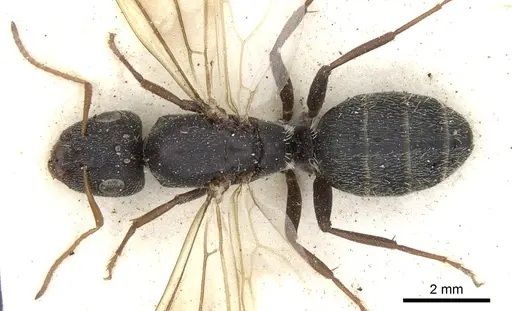
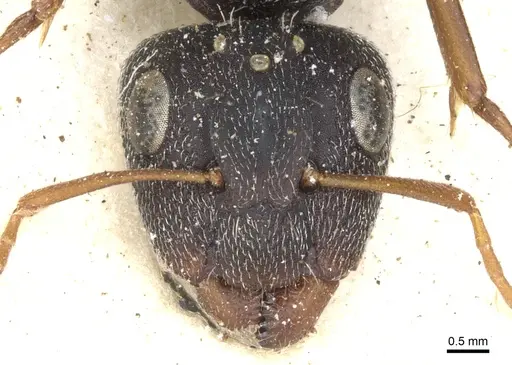
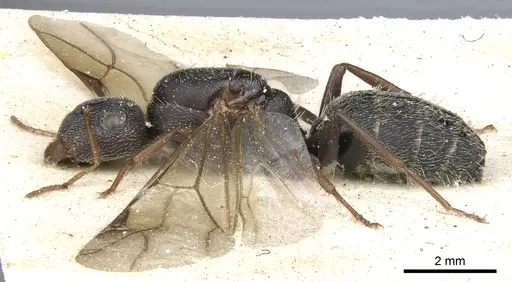
CASENT0910475
View on AntWeb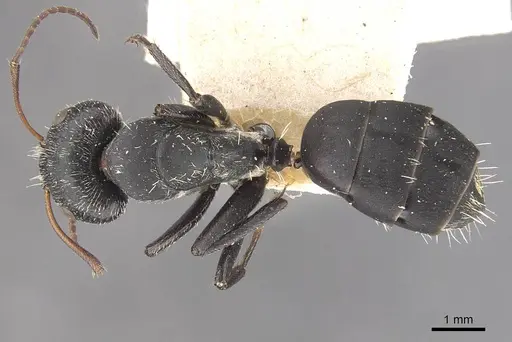
CASENT0910476
View on AntWeb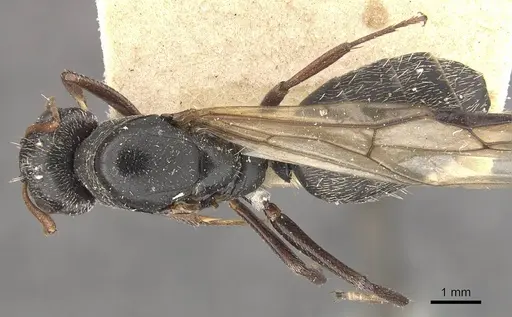
CASENT0910489
View on AntWeb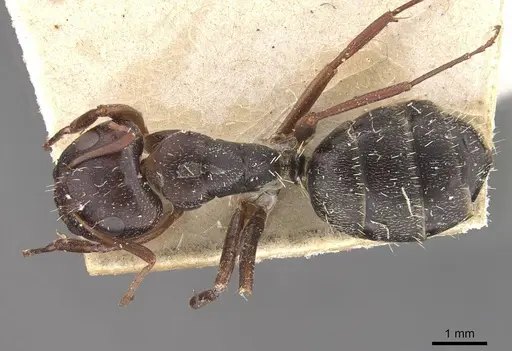
CASENT0910490
View on AntWeb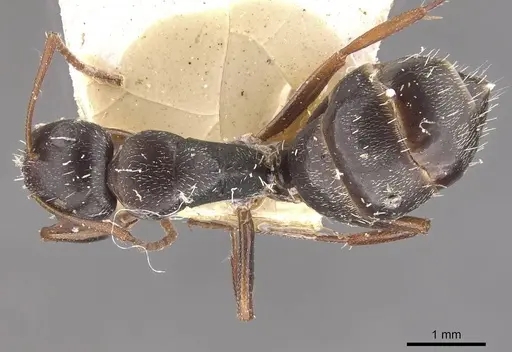
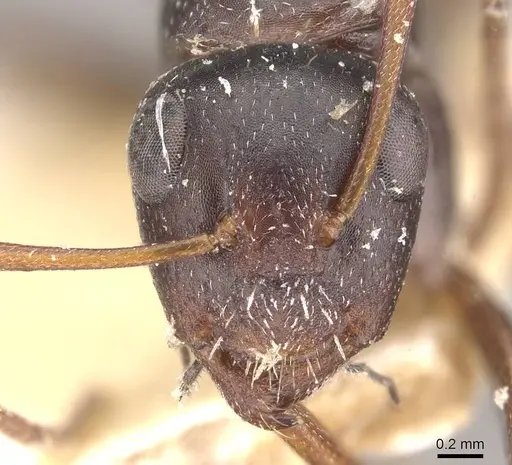
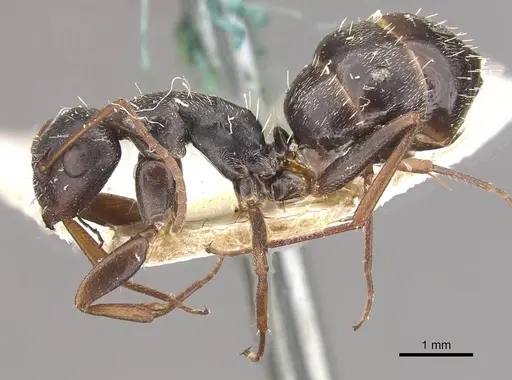
CASENT0911819
View on AntWeb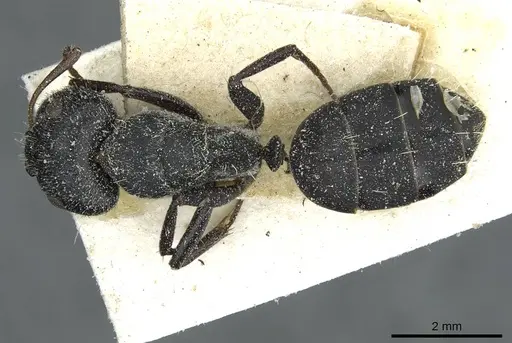
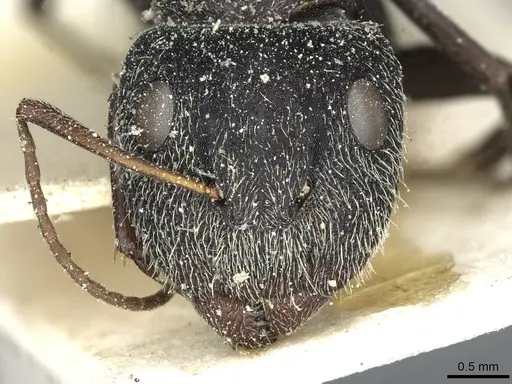
CASENT0911820
View on AntWeb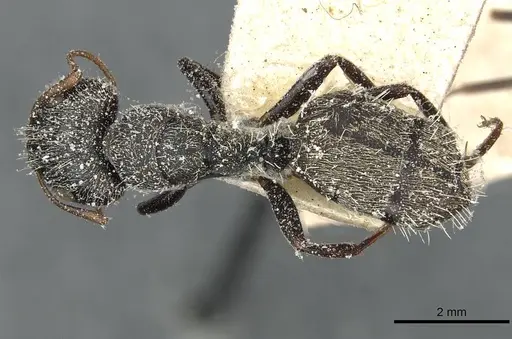
CASENT0911821
View on AntWeb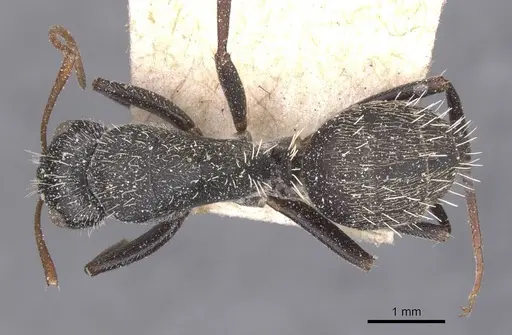
CASENT0911822
View on AntWeb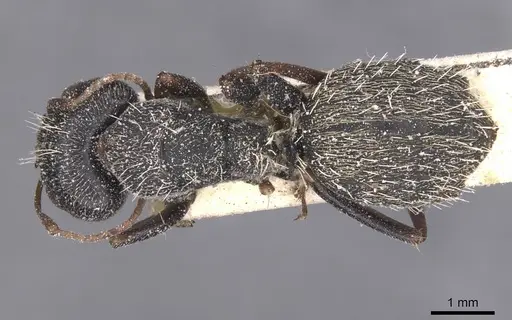
CASENT0911823
View on AntWeb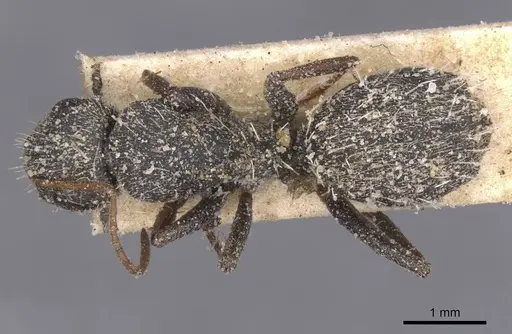
CASENT0911834
View on AntWeb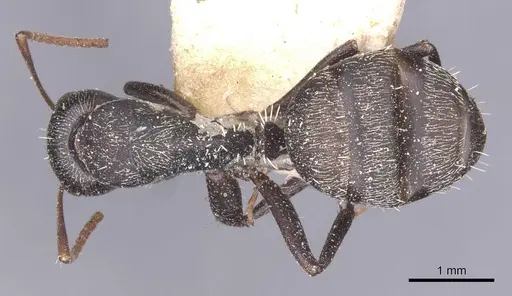
CASENT0917860
View on AntWeb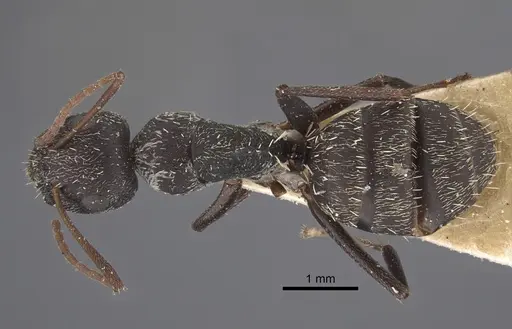
Literature
Loading...Loading products...