

Camponotus grandidieri
- Scientific Name
- Camponotus grandidieri
- Subgenus
- Myrmotrema
- Tribe
- Camponotini
- Subfamily
- Formicinae
- Author
- Forel, 1886
- Distribution
- Found in 8 countries
Camponotus grandidieri Overview
Camponotus grandidieri is an ant species of the genus Camponotus. It is primarily documented in 8 countries , including Comoros, Madagascar, Mauritius. Detailed taxonomic data and occurrence records can be further explored via authoritative databases such as AntWeb or the Global Biodiversity Information Facility (GBIF).
Camponotus grandidieri
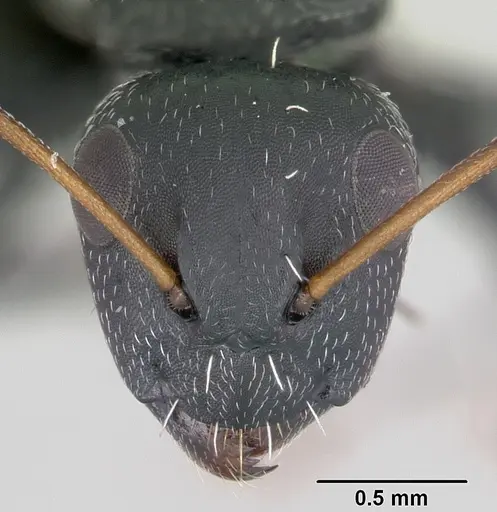
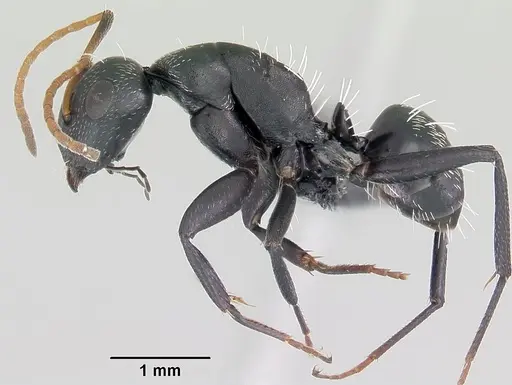
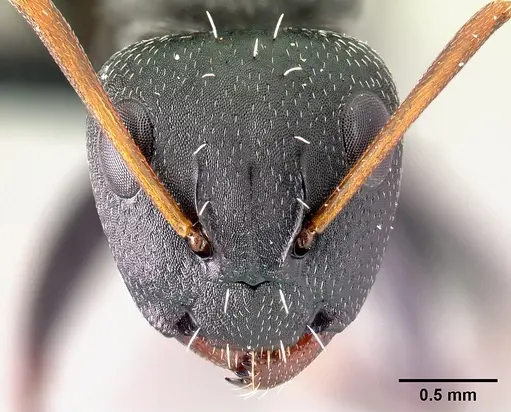
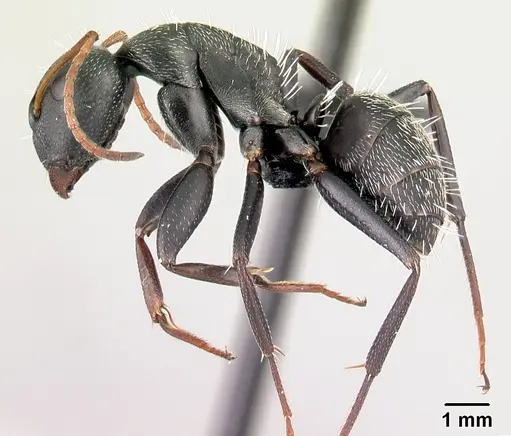
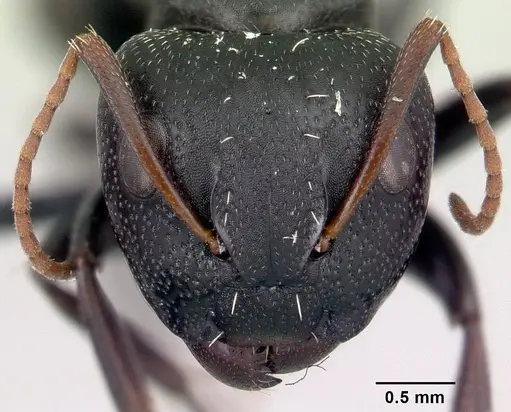
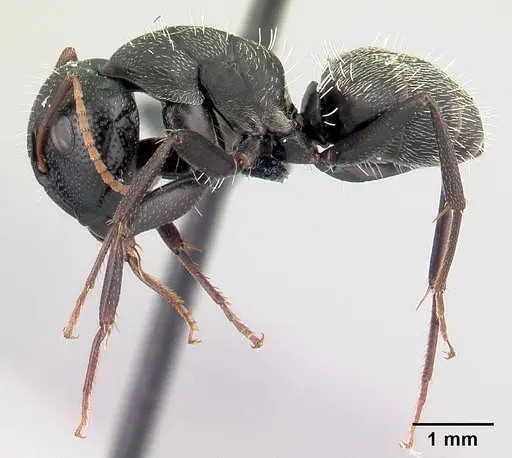
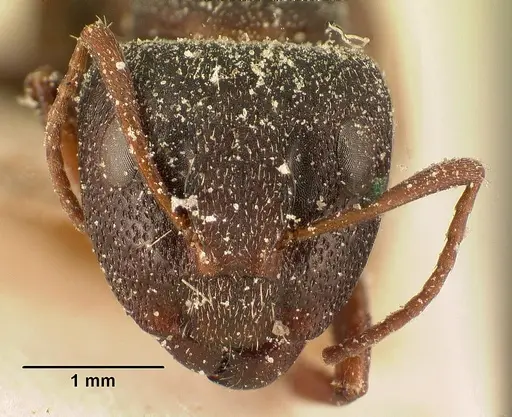
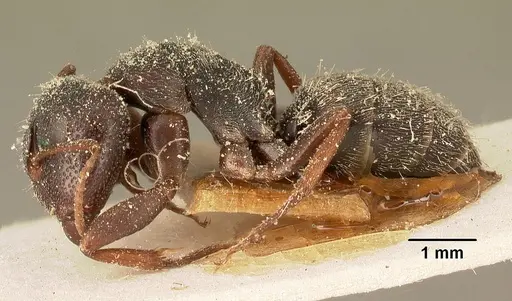
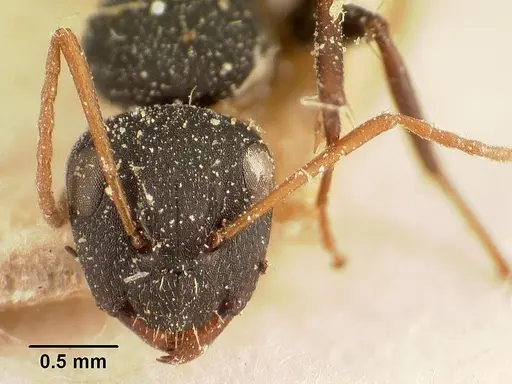
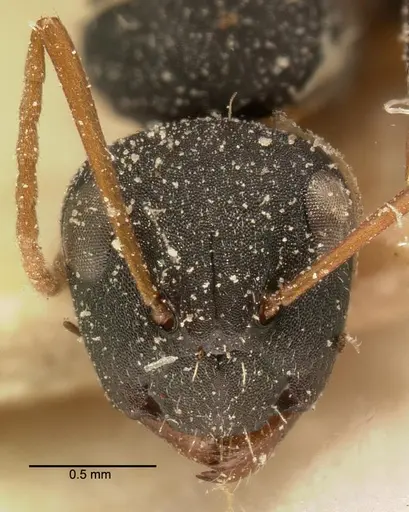
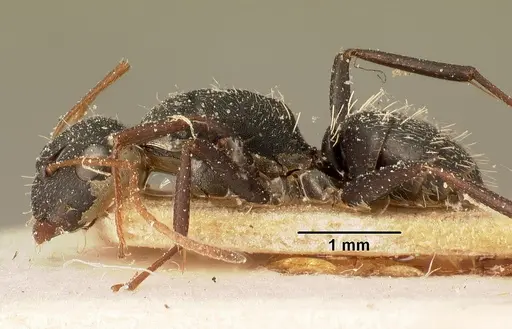
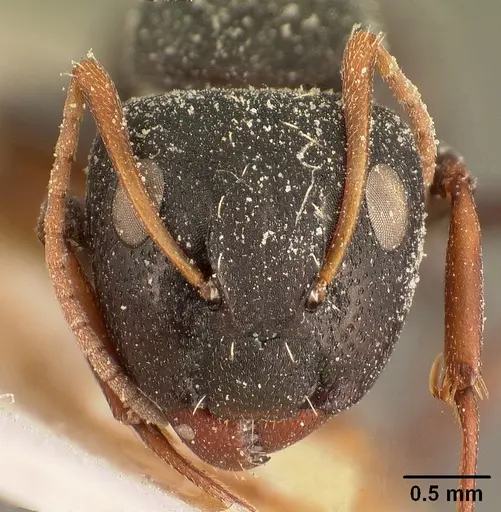
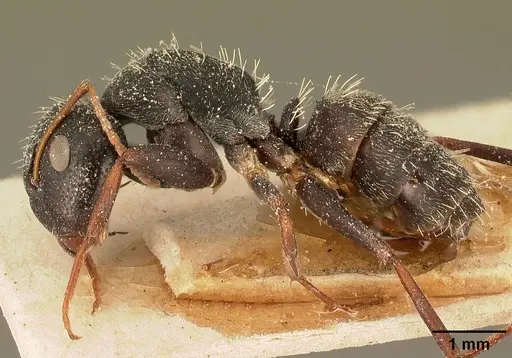
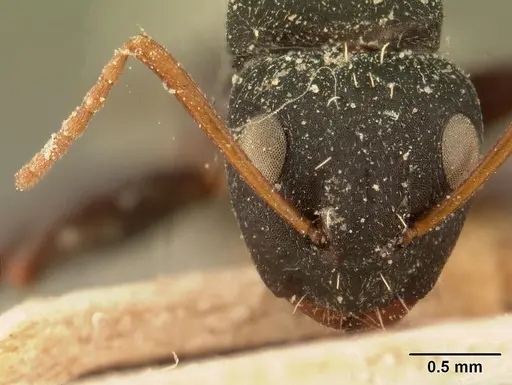
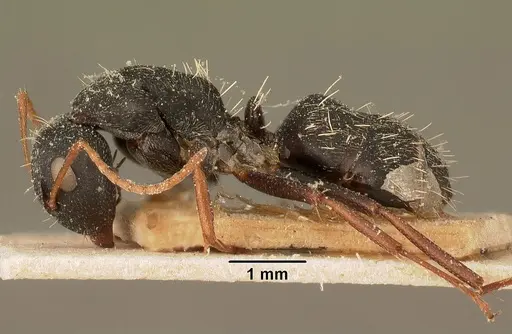
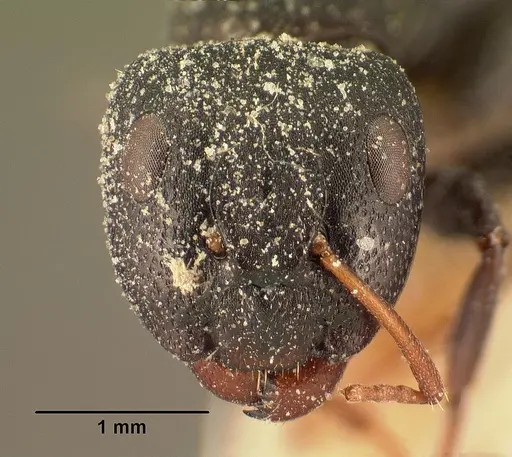
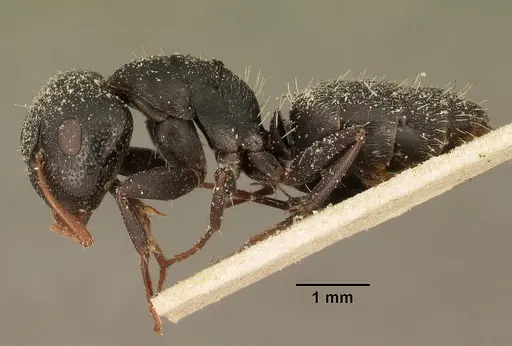
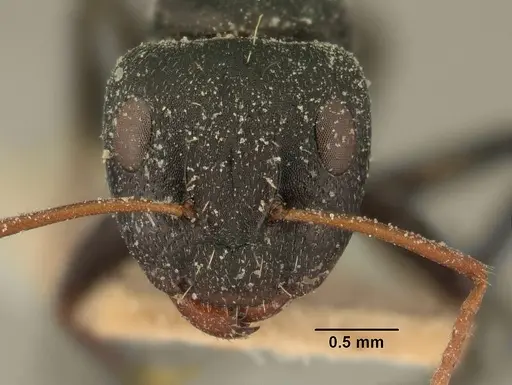
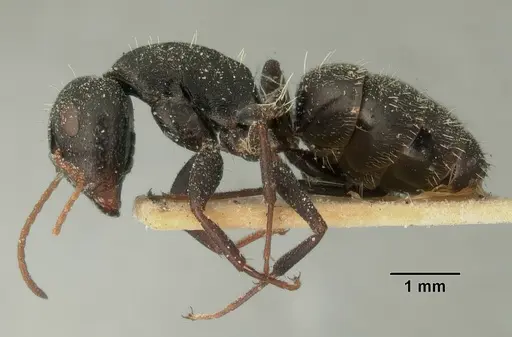
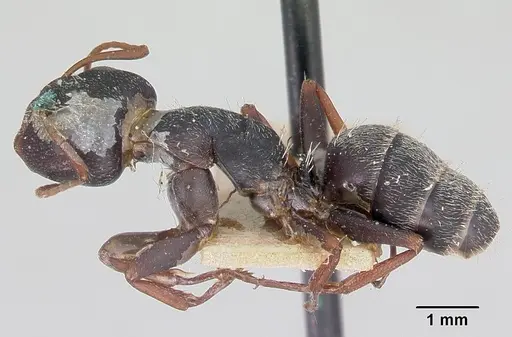
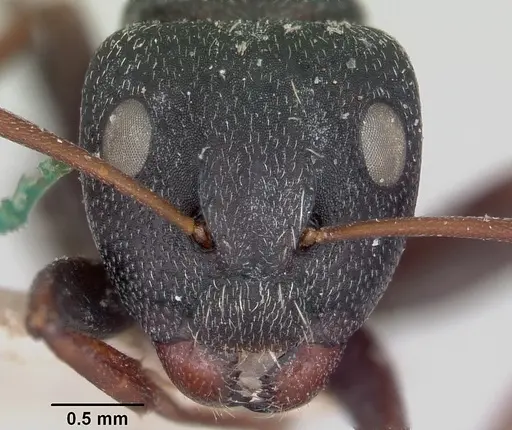
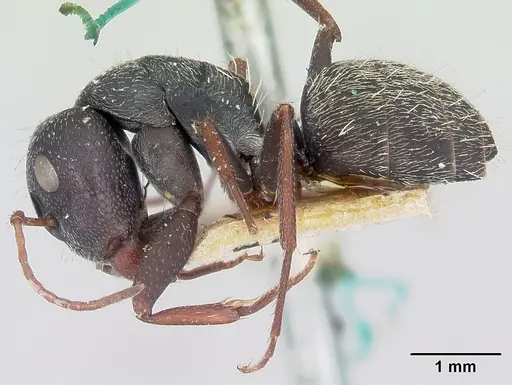
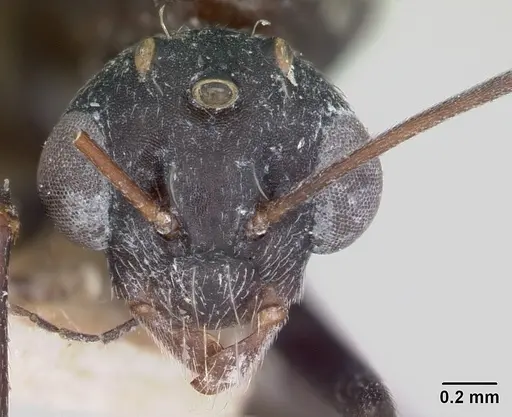
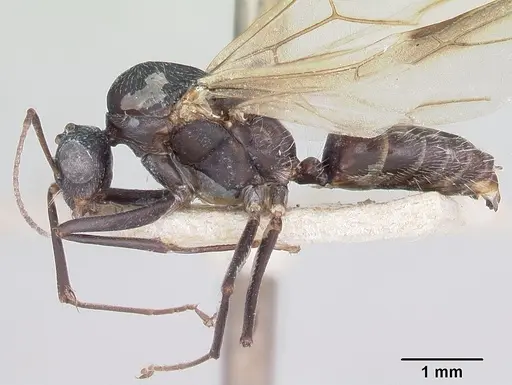
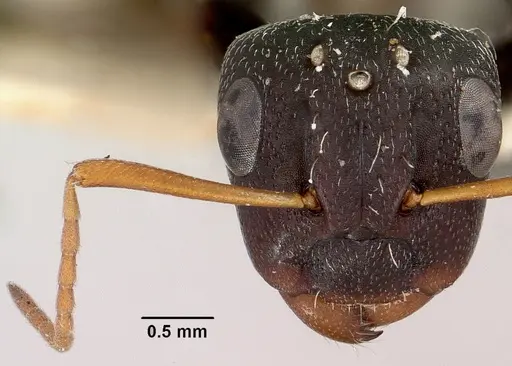
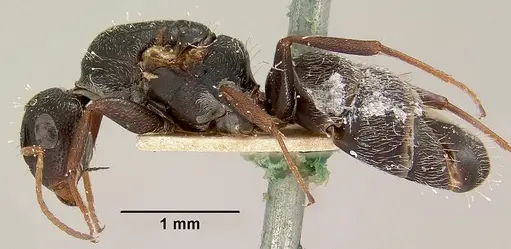
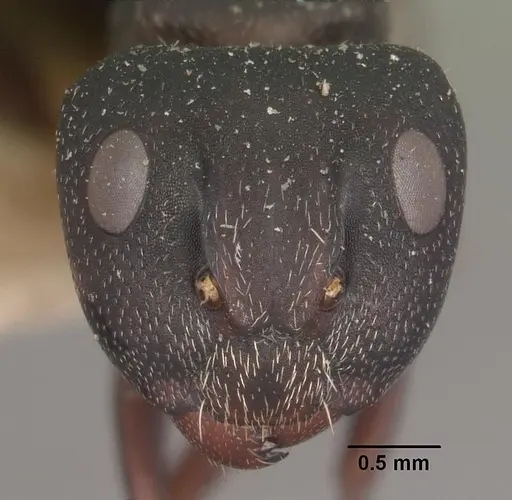
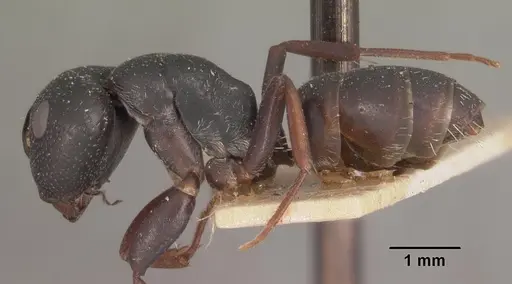
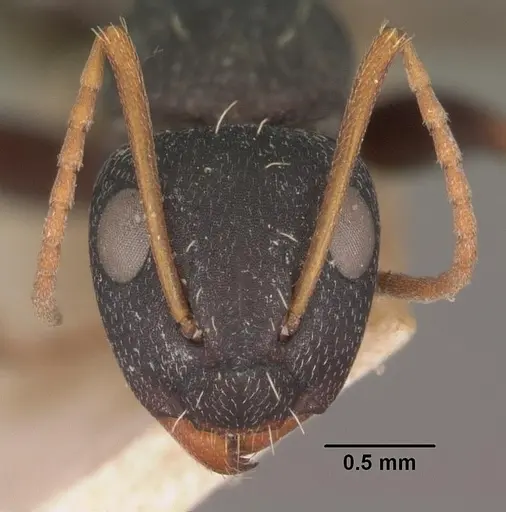
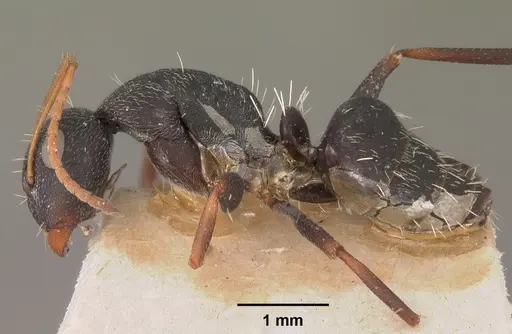
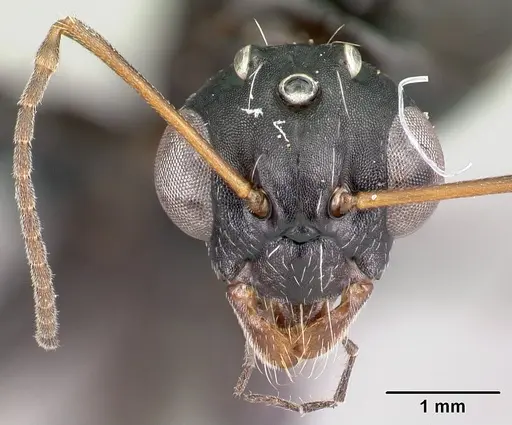
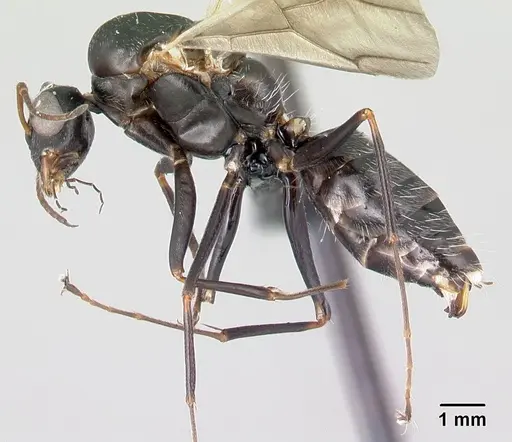
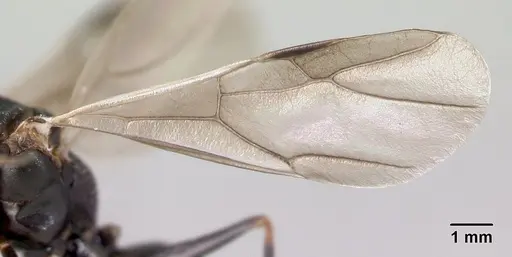
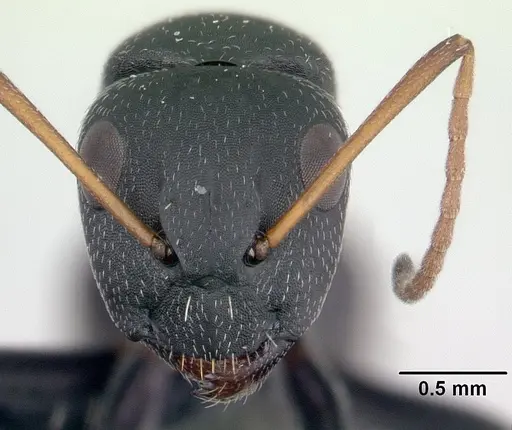
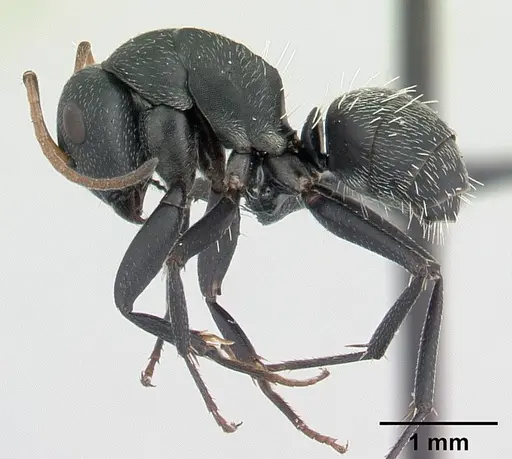
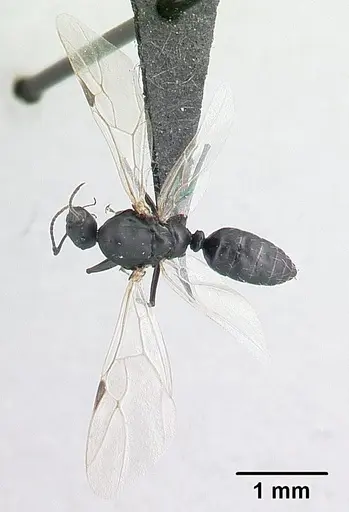
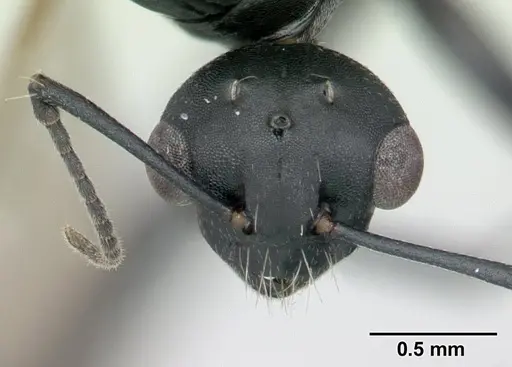
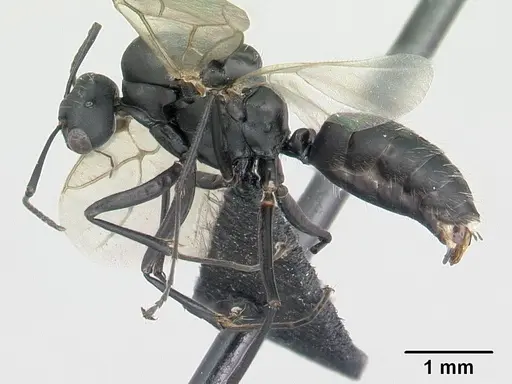
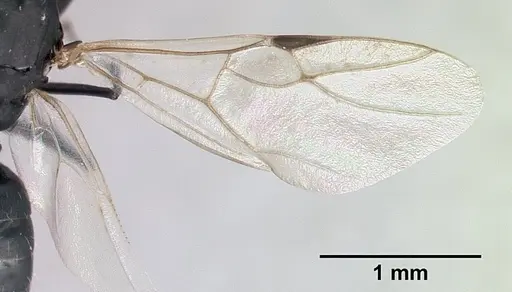
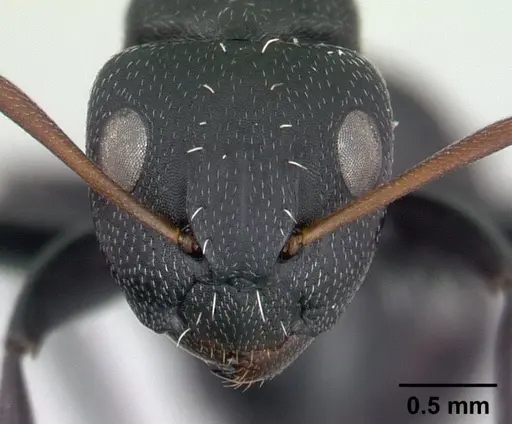
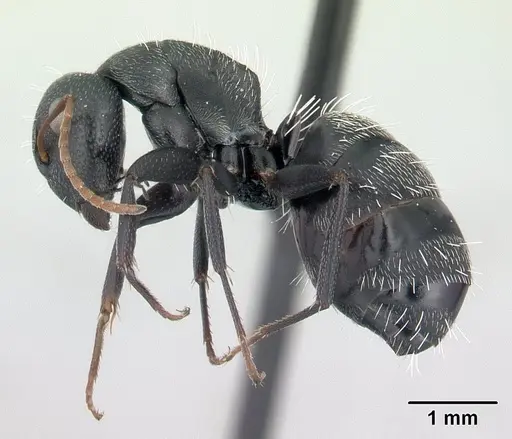
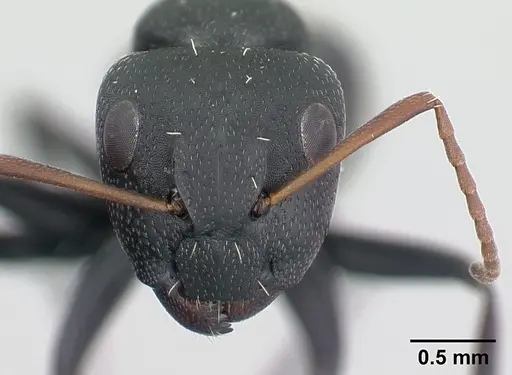
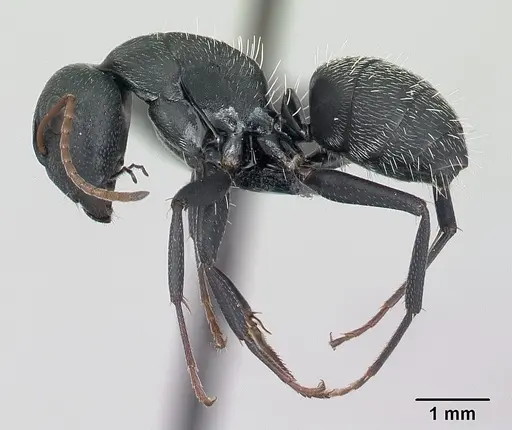
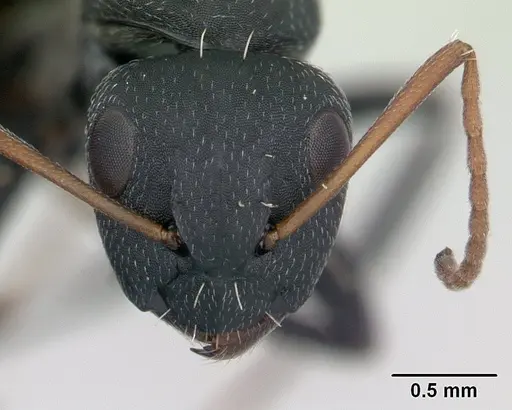
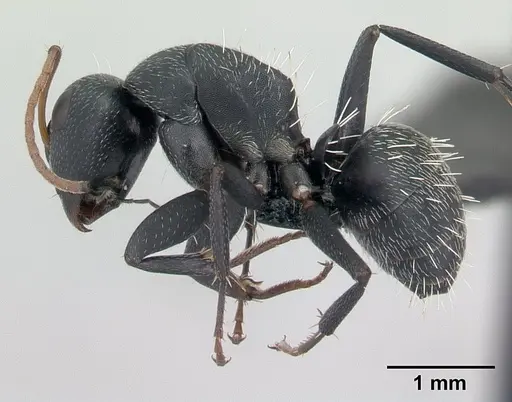
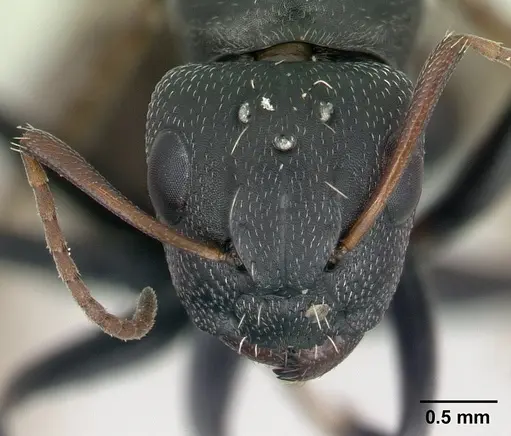
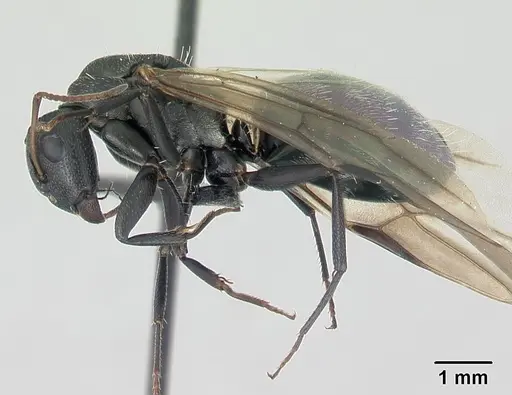
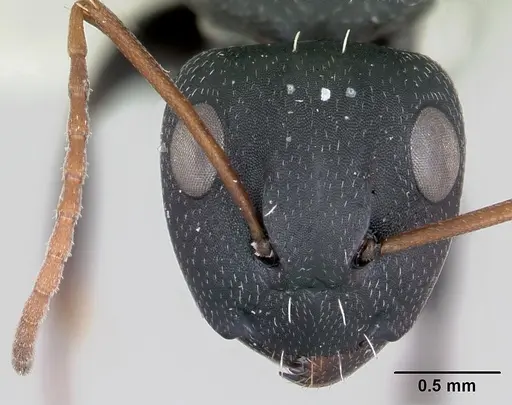
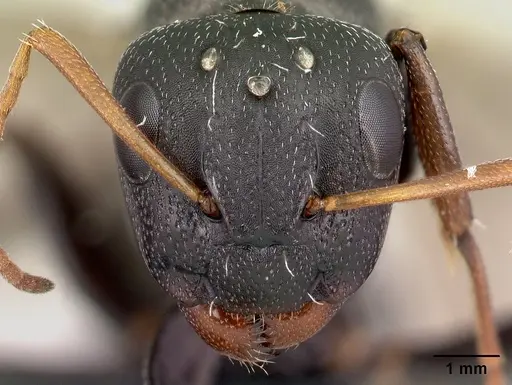
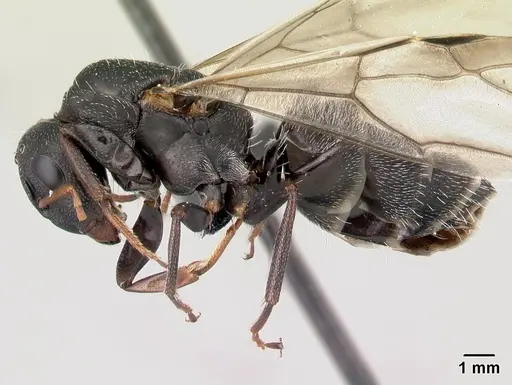
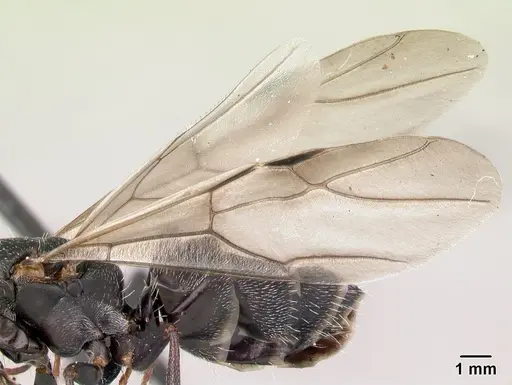
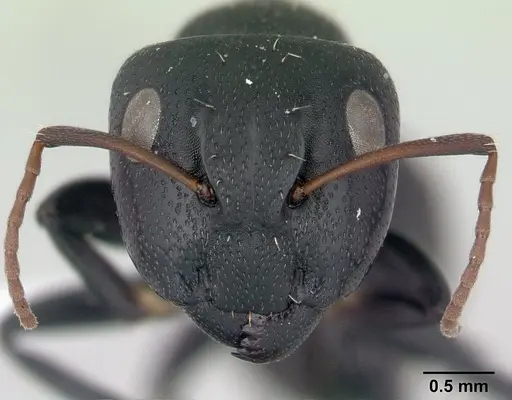
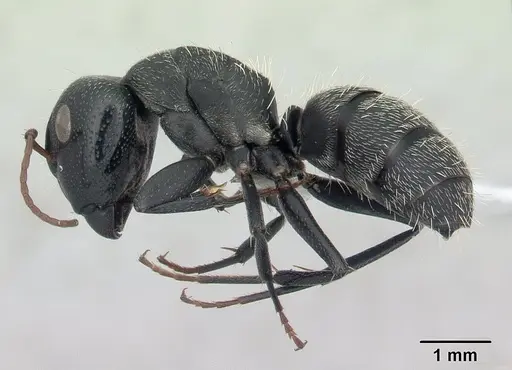
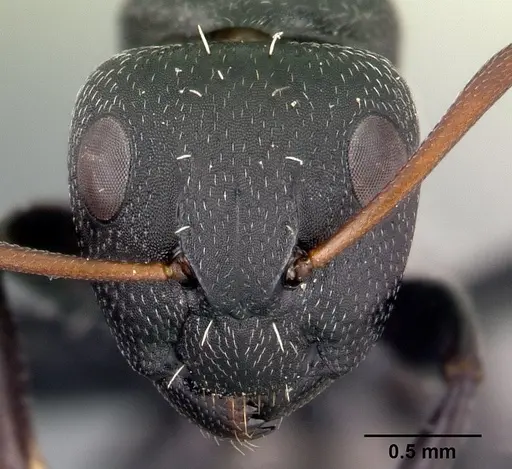
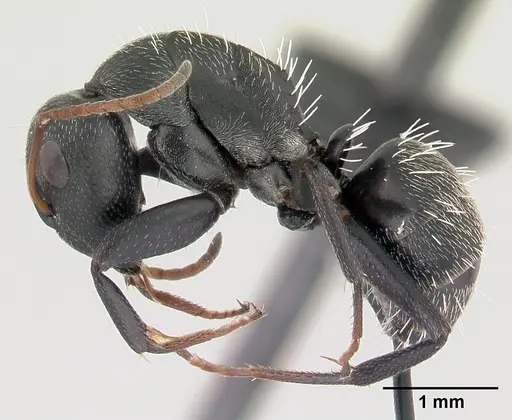
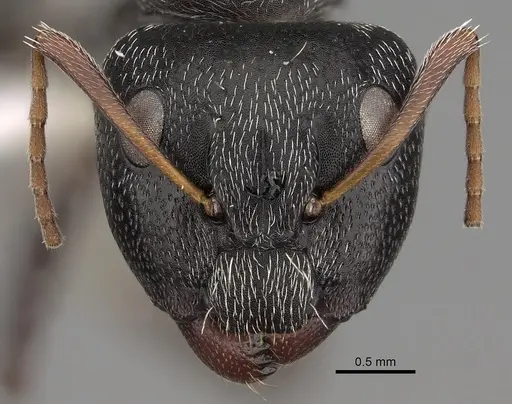
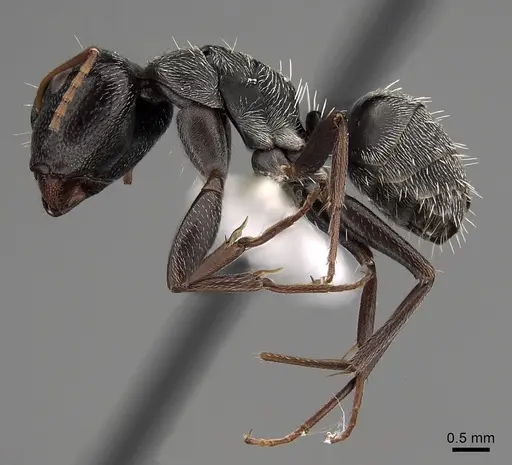
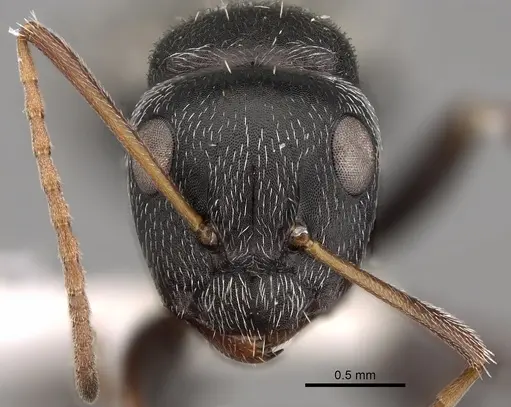
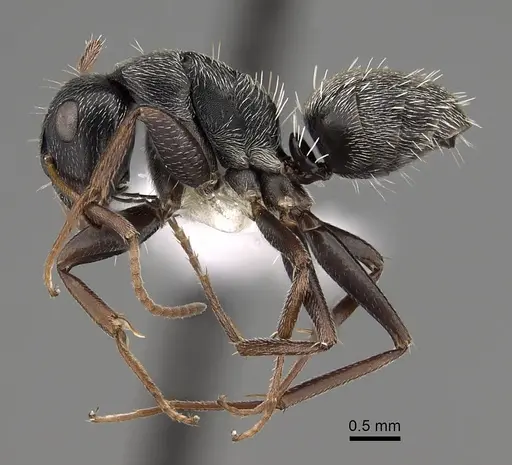
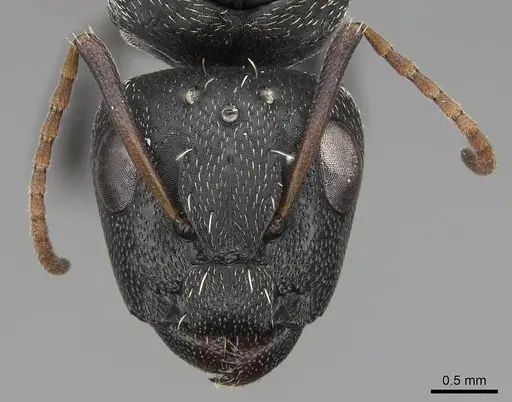
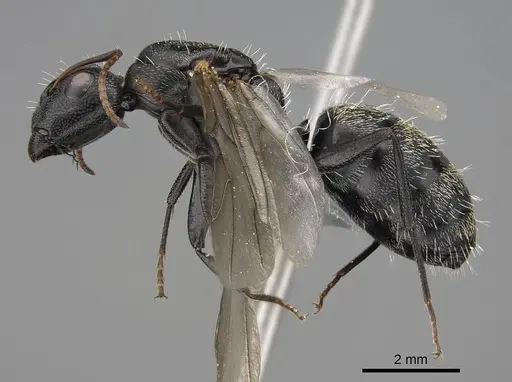
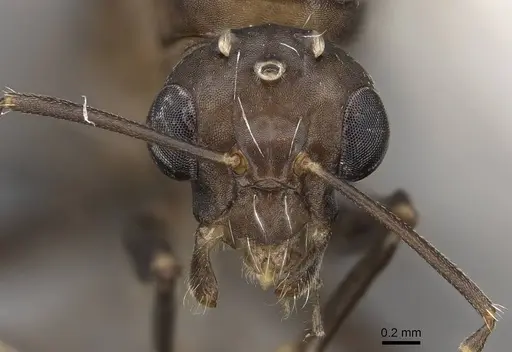
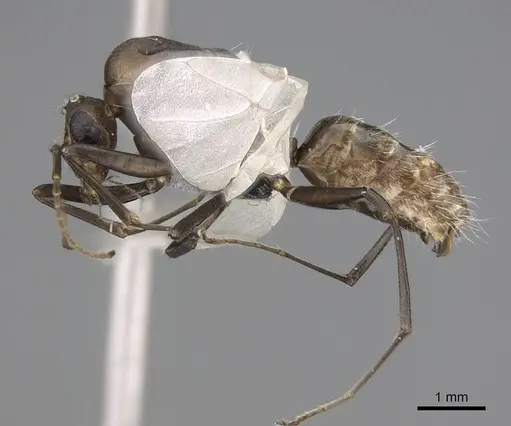
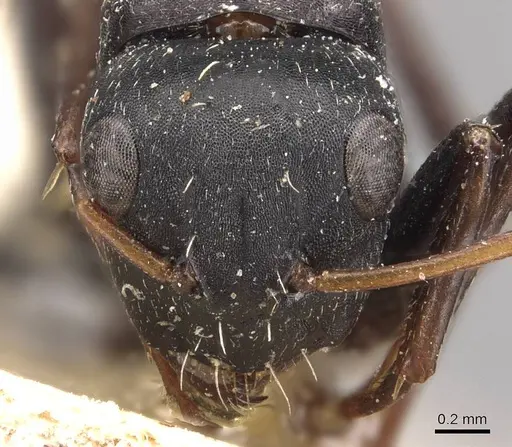
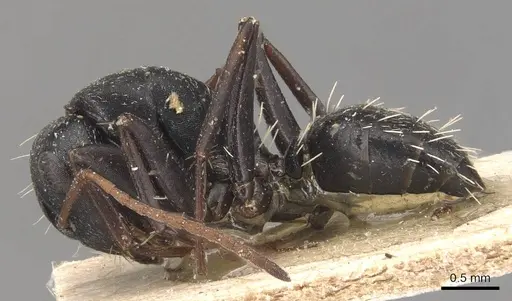
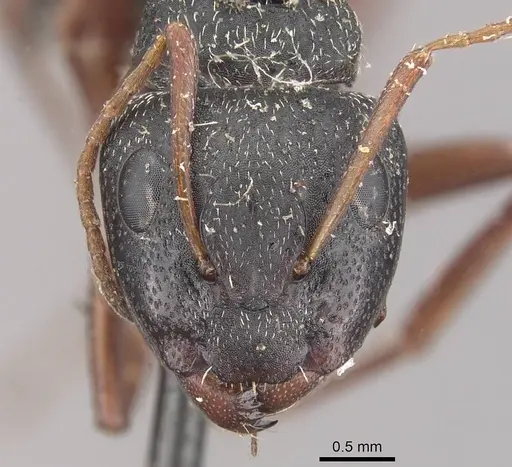
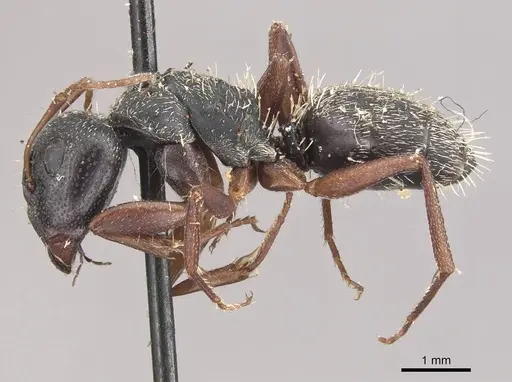
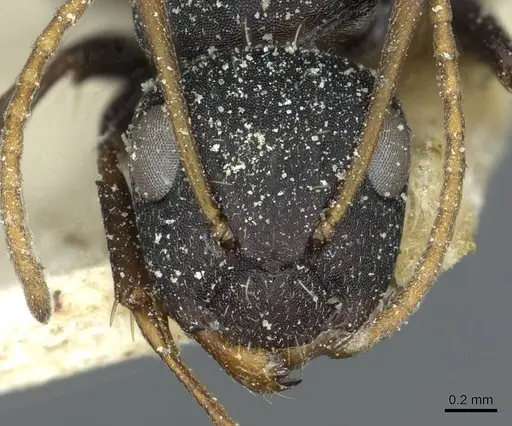
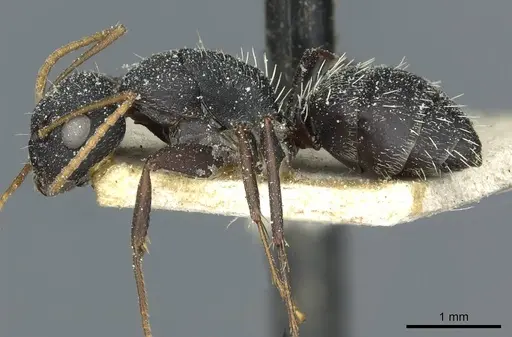
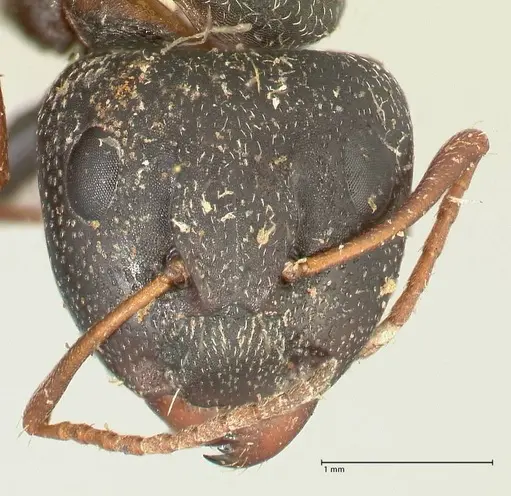
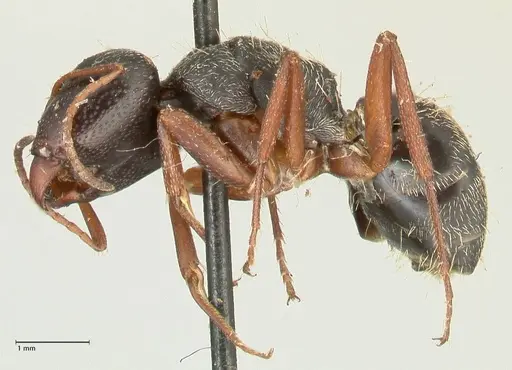
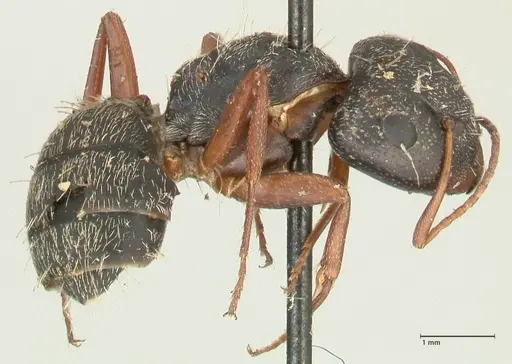
Camponotus grandidieri is a medium-sized black ant belonging to the Formicinae subfamily. Workers are dimorphic, with minor workers measuring 1.05-1.64mm and major workers (soldiers) reaching 1.56-2.21mm in head length [1]. The body is entirely black with distinctive whitish erect hairs concentrated on the head and mesosoma, making them relatively easy to identify within their range [1]. This species is widespread across the Afrotropical region and Madagascar, where it occupies diverse habitats from coastal scrub and littoral forest to montane rainforest and urban gardens [1][2].
These ants are arboreal nesters in the wild, typically founding colonies in dead branches above ground, rotten logs, and tree stumps [1]. They foragers on the ground and lower vegetation, and they have been documented nesting in abandoned carpenter bee (Xylocopa) cavities in wooden structures [3]. This species is not considered invasive and is an indicator species for secondary forest ecosystems [2].
Quick Summary
- Difficulty: Medium
- Origin & Habitat: Widespread in Africa and the Malagasy region including Madagascar, Comoros, Mauritius, Mayotte, Seychelles, Kenya, Mozambique, Namibia, and Zimbabwe. Found in diverse habitats from coastal scrub and littoral forest to spiny forest, tropical dry forest, montane rainforest, savannah woodland, mangrove forest, and urban gardens [1][2].
- Colony Type: Monogyne (single-queen colonies) based on typical Camponotus patterns. Queens are claustral founders that seal themselves in to raise the first workers.
- Colony: Monogyne
- Founding: Claustral
- Size & Growth:
- Queen: Approximately 12-15mm (estimated from genus patterns)
- Worker: Minor workers: 1.05-1.64mm head length, Major workers: 1.56-2.21mm head length [1]
- Colony: Likely several thousand workers at maturity based on typical Camponotus colony development
- Growth: Moderate, typical for Camponotus species
- Development: Approximately 6-8 weeks at optimal temperature based on genus-level Camponotus development patterns (Development time depends on temperature, warmer conditions (24-28°C) accelerate development while cooler temperatures slow it down)
- Antkeeping:
- Temperature: Keep at 24-28°C. As a tropical species from Madagascar and East Africa, they need warm conditions year-round. A heating cable on one side of the nest creates a temperature gradient allowing ants to regulate their own temperature [1].
- Humidity: Moderate to high humidity (60-80%). These ants naturally nest in rotting wood which maintains consistent moisture. Keep the nest substrate damp but not waterlogged, and provide a water tube for drinking [1].
- Diapause: No, as a tropical species, they do not require hibernation. Maintain warm temperatures year-round [1].
- Nesting: In captivity, they do well in Y-tong (acrylic) nests or wooden formicaria that mimic their natural dead-wood nesting preferences. They can also adapt to test tube setups for founding colonies. Provide a dark nesting area as they prefer enclosed spaces [1][3].
- Behavior: Generally docile and non-aggressive compared to many ant species. Workers are slow-moving and primarily forage for sugar sources and small insects. They are not known to be escape artists, but use standard escape prevention (Fluon on container edges) as a precaution. Major workers have larger mandibles but rarely bite unless threatened. They are primarily nocturnal foragers in the wild but will adjust to your feeding schedule in captivity.
- Common Issues: moisture management in wooden nests, too wet causes mold, too dry causes desiccation, temperature drops below 22°C can slow or stop brood development, colonies may abandon nests if disturbed too frequently during founding, major workers may block nest entrances, ensure chambers are appropriately sized
Nest Preferences and Housing
Camponotus grandidieri naturally nests in dead wood above ground, including dead branches, rotten logs, and tree stumps [1]. In captivity, they adapt well to several nest types. For founding colonies, a simple test tube setup works well, fill it partially with water reservoir cotton-sealed at one end, and place the queen in the dry portion. Once workers establish (after 3-6 months), you can transfer them to a more elaborate setup.
For established colonies, Y-tong (acrylic) nests or wooden formicaria mimic their natural preferences best. These provide the dark, enclosed spaces they prefer while allowing you to observe colony activity. If using acrylic, ensure humidity is maintained through a water reservoir or moist substrate. Wooden nests are ideal because they can absorb and hold moisture, creating the damp conditions these ants prefer [1][3].
Keep the nest in a quiet location with minimal vibration. Camponotus grandidieri is less sensitive to disturbance than some species, but founding colonies especially can be prone to abandonment if stressed.
Feeding and Diet
Like all Camponotus species, C. grandidieri is omnivorous with a strong preference for sugar sources. In captivity, provide a constant supply of sugar water (1:3 sugar to water ratio) or honey diluted with water. Change sugar water every 2-3 days to prevent fermentation.
For protein, offer small insects like fruit flies, small crickets, mealworms, or waxworms. Feed protein 2-3 times per week, adjusting based on colony size. Remove uneaten prey after 24 hours to prevent mold. As the colony grows, you can offer larger prey items.
These ants are not particularly aggressive hunters, they prefer scavenging to active predation. In the wild, they consume honeydew from aphids and scale insects, so sugar sources are particularly important for their diet [1].
Temperature and Seasonal Care
As a tropical species from Madagascar and East Africa, Camponotus grandidieri requires warm temperatures year-round. Keep the nest area at 24-28°C (75-82°F) for optimal brood development. Temperatures below 22°C can significantly slow or halt brood development, while temperatures above 32°C may cause stress.
A heating cable placed on one side of the nest creates a temperature gradient, allowing ants to move between warmer and cooler areas as needed. Always place heating elements on top of the nest, not underneath, to prevent moisture loss and condensation issues.
Since they do not require hibernation (diapause), maintain consistent temperatures throughout the year. Avoid placing the nest near air conditioning vents or drafty windows that could cause temperature fluctuations. Room temperature (22-25°C) is acceptable if your home stays in this range, but you may need supplemental heating in cooler climates. [1]
Colony Founding and Development
Camponotus grandidieri is a claustral founder, the queen seals herself in a small chamber and raises her first brood without leaving to forage. She relies entirely on stored fat reserves and wing muscles for energy. This process typically takes 4-8 weeks until the first workers (nanitics) emerge.
Nanitics are smaller than normal workers but the colony quickly produces larger workers as resources become available. Major workers (soldiers) appear as the colony grows and are typically produced when the colony reaches several hundred workers. The colony grows moderately, expect 6-12 months to reach 50-100 workers, and several years to reach maturity.
During founding, keep the queen in complete darkness and avoid disturbing her. Place the test tube in a warm (24-26°C), quiet location and wait. Do not check on the colony daily, weekly checks are sufficient to ensure the water reservoir hasn't dried out.
Behavior and Temperament
Camponotus grandidieri is one of the more docile Camponotus species, making them suitable for antkeepers who want larger ants without the aggression of species like Camponotus pennsylvanicus. Workers are relatively slow-moving and will typically flee rather than engage when threatened. Major workers have larger mandibles and may deliver a bite if provoked, but they rarely do so.
Workers forage individually rather than in large raiding parties. They are crepuscular to nocturnal in the wild but will adjust their activity patterns to match feeding times in captivity. They are not particularly territorial and do not display aggressive swarming behavior.
Escape prevention is straightforward, while they are not tiny ants, they can still squeeze through small gaps. Use standard barrier methods (Fluon) on container edges. They are not strong climbers like some Formica species, so basic containment is usually sufficient. [1]
Frequently Asked Questions
How long does it take for Camponotus grandidieri to produce first workers?
First workers (nanitics) typically emerge in 6-8 weeks at optimal temperature (24-28°C). This is typical for Camponotus species. Cooler temperatures will slow development significantly.
Can I keep Camponotus grandidieri in a test tube setup?
Yes, test tubes work well for founding colonies. Use a standard test tube with a water reservoir sealed with cotton, providing a dark enclosure for the queen. Once the colony reaches 30-50 workers, consider moving them to a larger nest like a Y-tong or wooden formicarium.
What temperature do Camponotus grandidieri need?
Keep them at 24-28°C (75-82°F). As a tropical species from Madagascar, they need warm conditions year-round. Room temperature is acceptable, but temperatures below 22°C will slow brood development.
How big do Camponotus grandidieri colonies get?
Based on typical Camponotus patterns, colonies can reach several thousand workers at maturity. Major workers appear when the colony grows large, serving as defenders and helping process larger food items.
Is Camponotus grandidieri good for beginners?
Yes, with a Medium difficulty rating. They are more docile than many Camponotus species, tolerate some handling, and have straightforward care requirements. The main challenges are maintaining proper temperature and humidity, which are easily managed with basic equipment.
What do Camponotus grandidieri eat?
They need a balanced diet of sugar (honey water or sugar water offered constantly) and protein (small insects like fruit flies, crickets, or mealworms 2-3 times weekly). Remove uneaten prey after 24 hours to prevent mold.
Do Camponotus grandidieri need hibernation?
No, they do not require hibernation. As a tropical species from Madagascar and East Africa, they need warm temperatures year-round. Maintain 24-28°C consistently.
When should I move my colony to a formicarium?
Move from test tube to a proper nest (Y-tong or wooden formicarium) when the colony reaches 30-50 workers or when the test tube becomes cramped. Make sure the new nest is already humidified before the transfer.
Are Camponotus grandidieri aggressive?
No, they are relatively docile. Workers will typically flee rather than fight when threatened. Major workers may bite if handled roughly or their nest is attacked, but they are not aggressive toward keepers.
References

This caresheet is licensed under CC BY-SA 4.0 .
CASENT0055919
View on AntWeb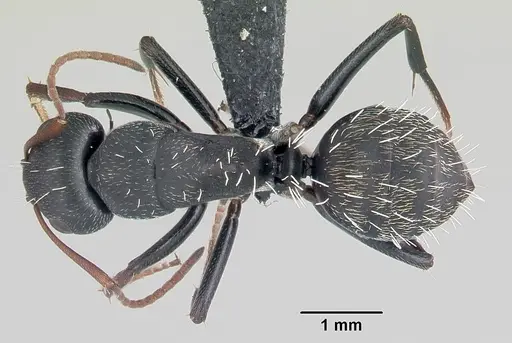
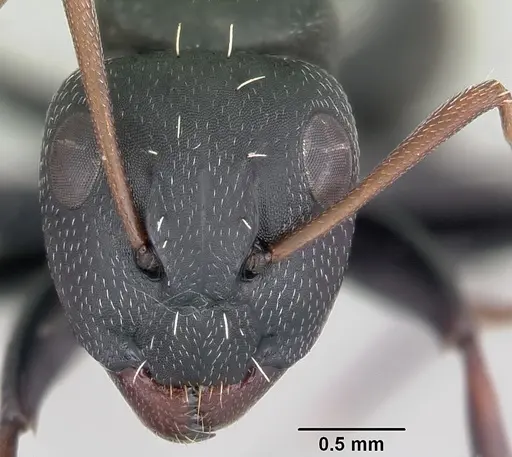
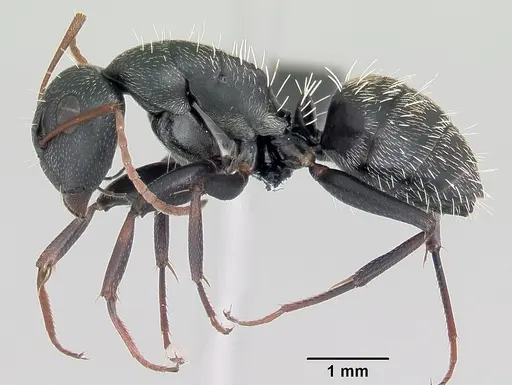
CASENT0060136
View on AntWeb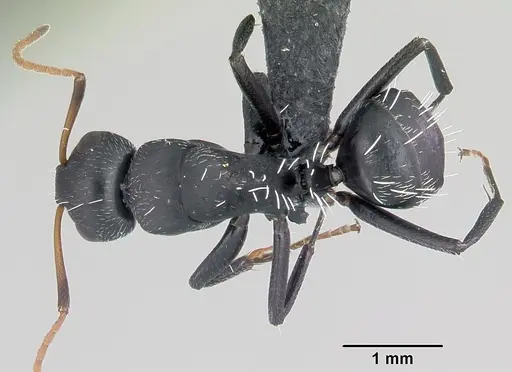
CASENT0066758
View on AntWeb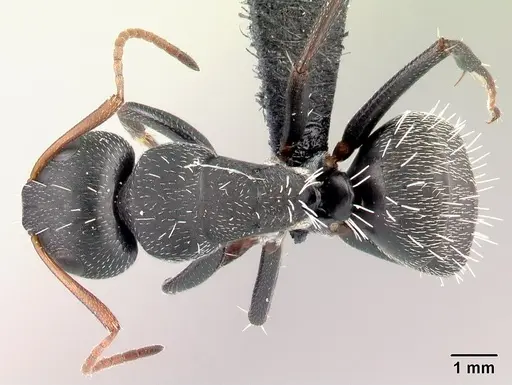
CASENT0066759
View on AntWeb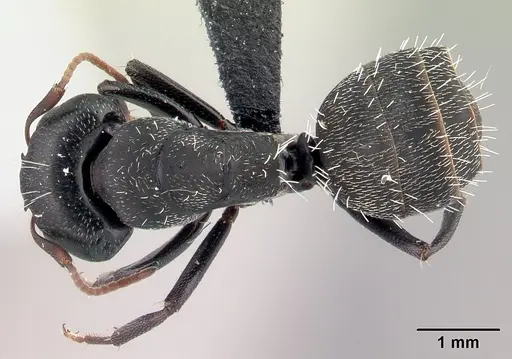
CASENT0101120
View on AntWeb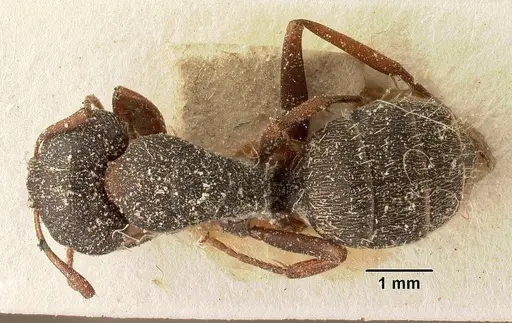
CASENT0101121
View on AntWeb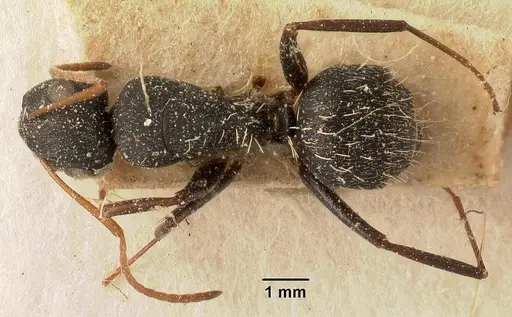
CASENT0101122
View on AntWeb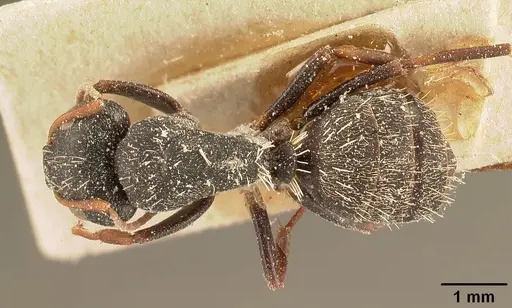
CASENT0101123
View on AntWeb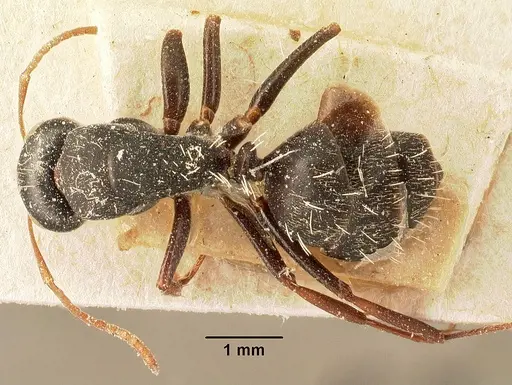
CASENT0101124
View on AntWeb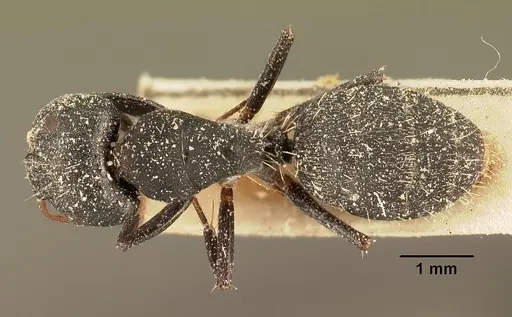
CASENT0101125
View on AntWeb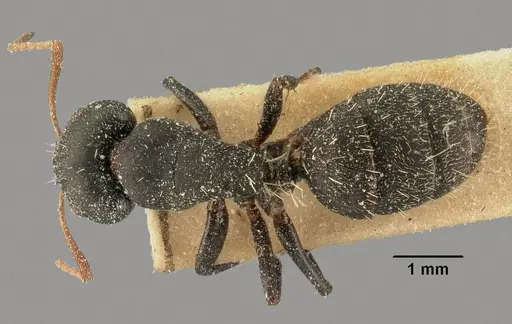
CASENT0101368
View on AntWeb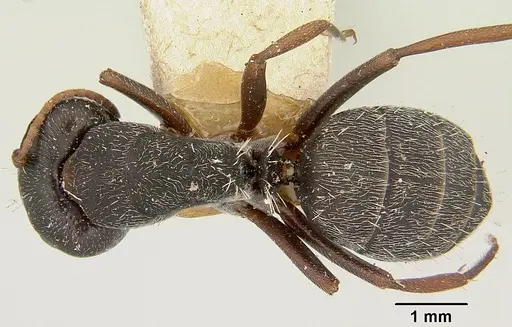
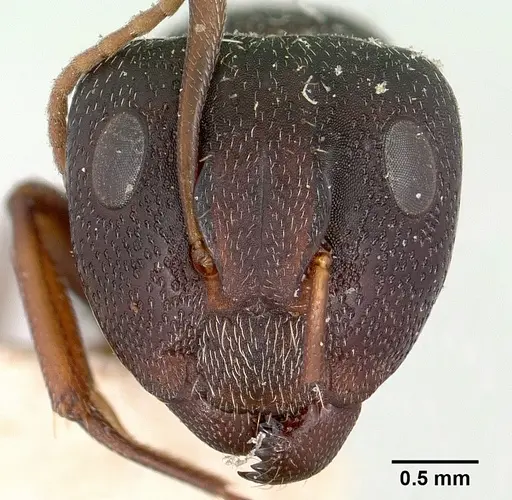
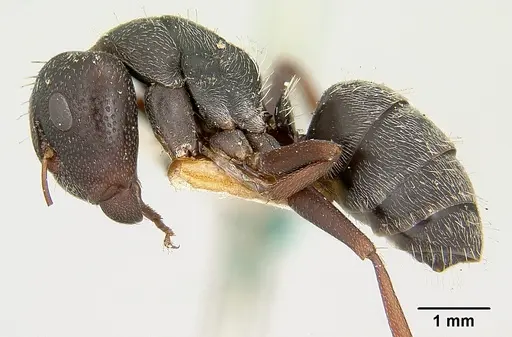
CASENT0101369
View on AntWeb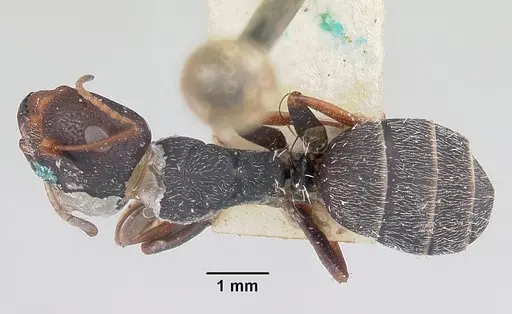
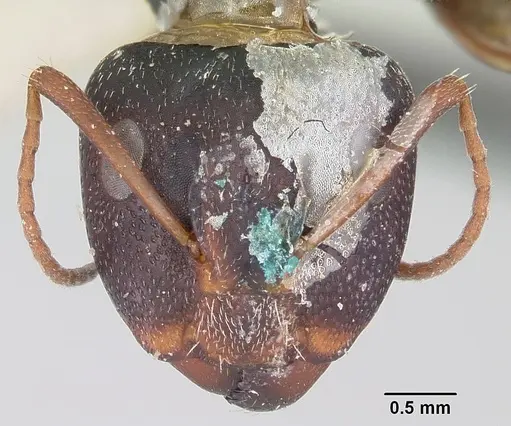
CASENT0101370
View on AntWeb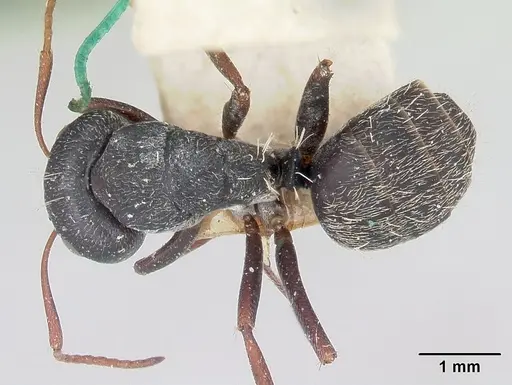
CASENT0101371
View on AntWeb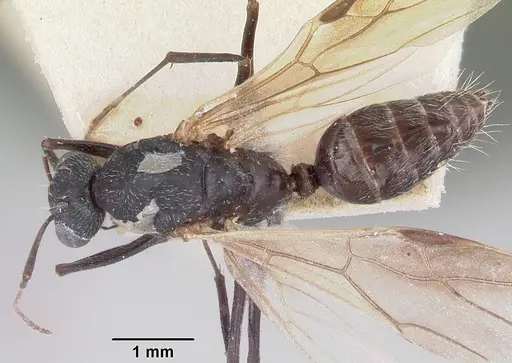
CASENT0101372
View on AntWeb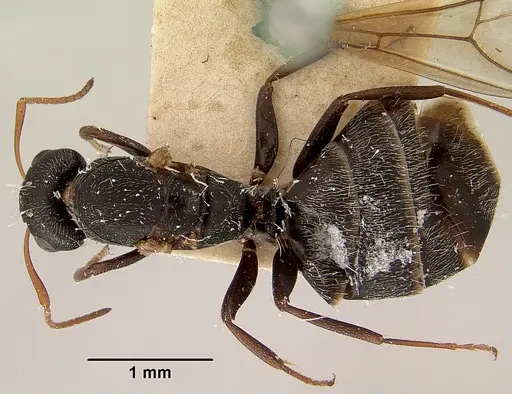
CASENT0102451
View on AntWeb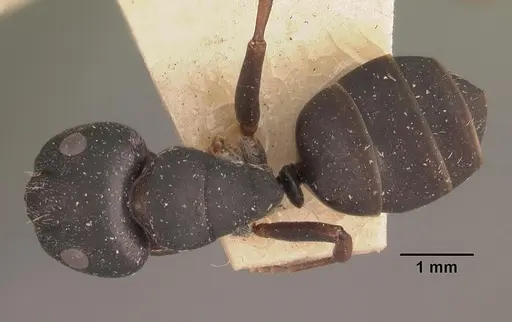
CASENT0102452
View on AntWeb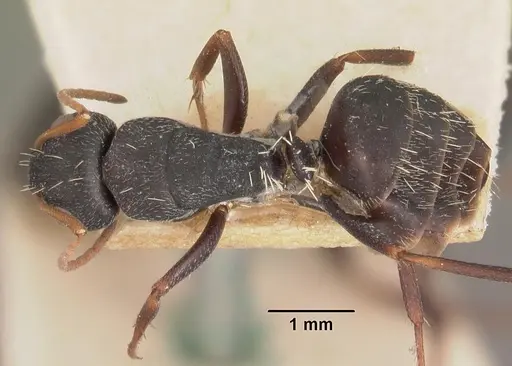
CASENT0122282
View on AntWeb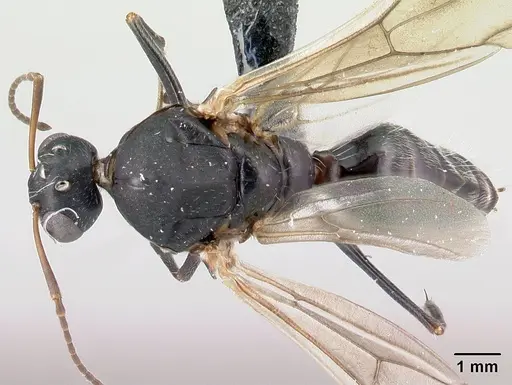
CASENT0125656
View on AntWeb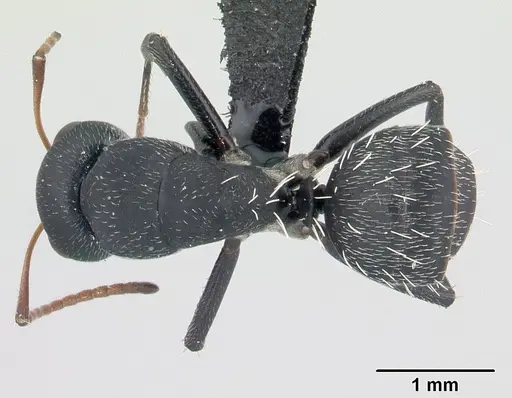
CASENT0132248
View on AntWeb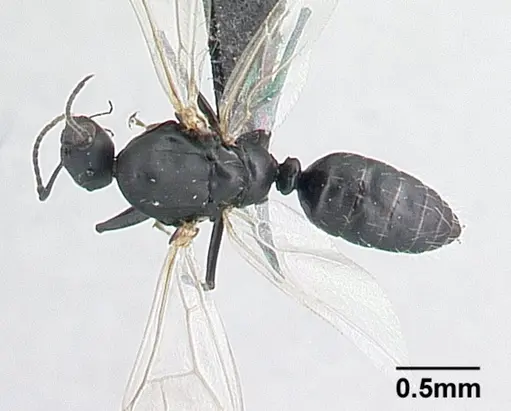
CASENT0132774
View on AntWeb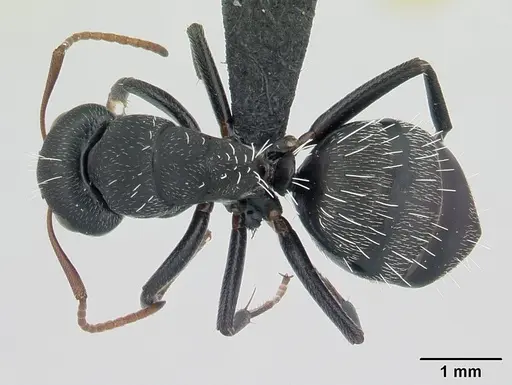
CASENT0134832
View on AntWeb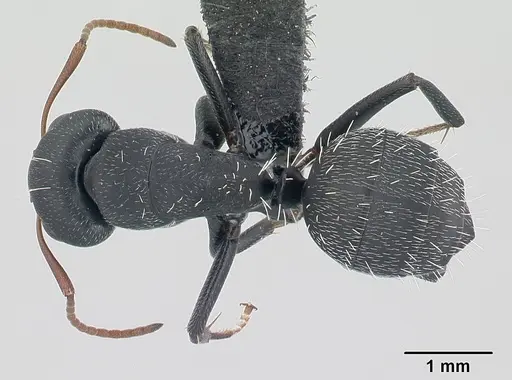
CASENT0134842
View on AntWeb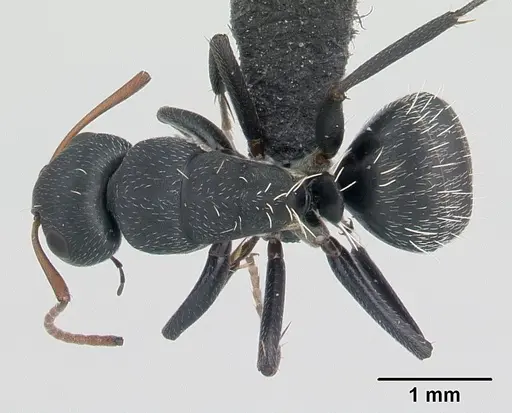
CASENT0137355
View on AntWeb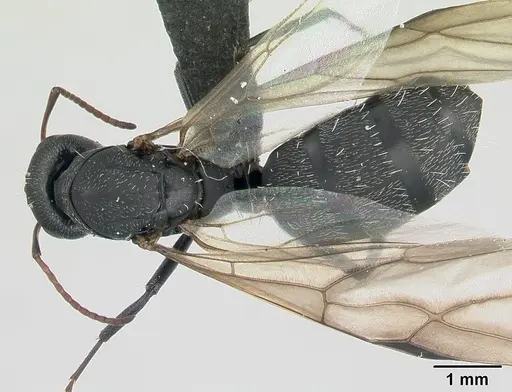
CASENT0172793
View on AntWeb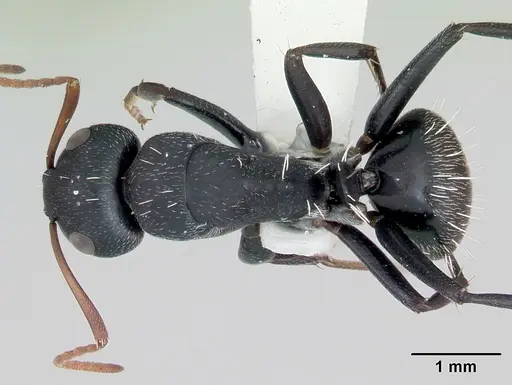
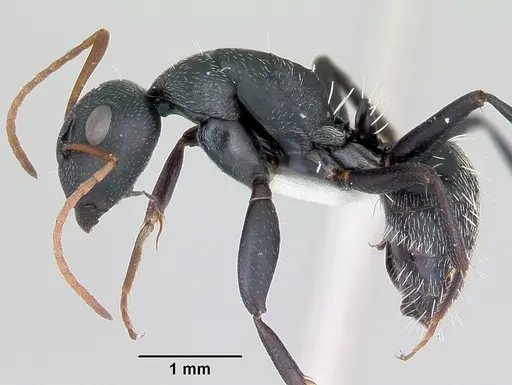
CASENT0178199
View on AntWeb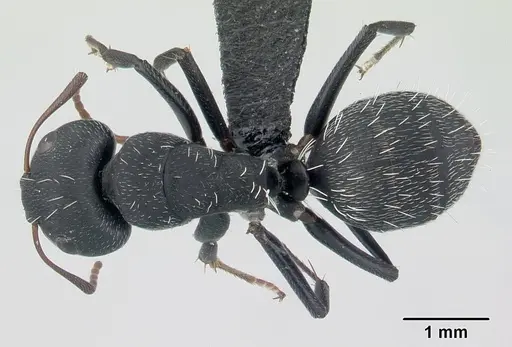
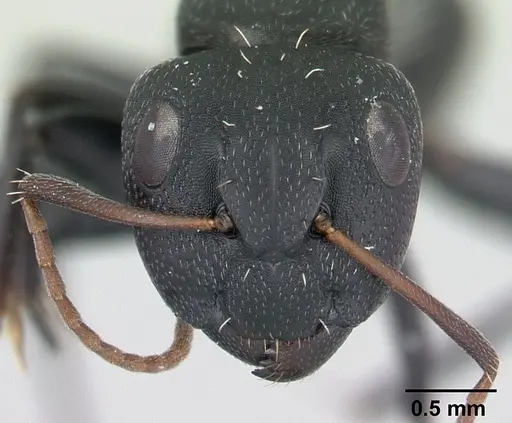
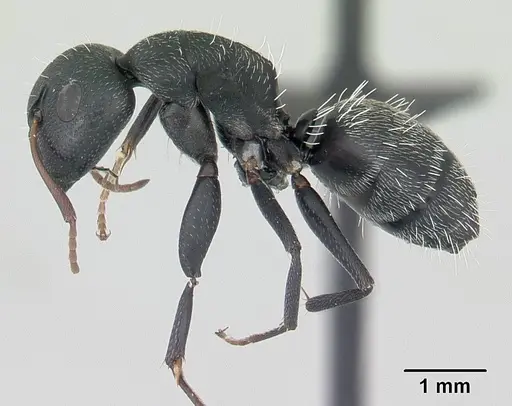
CASENT0179457
View on AntWeb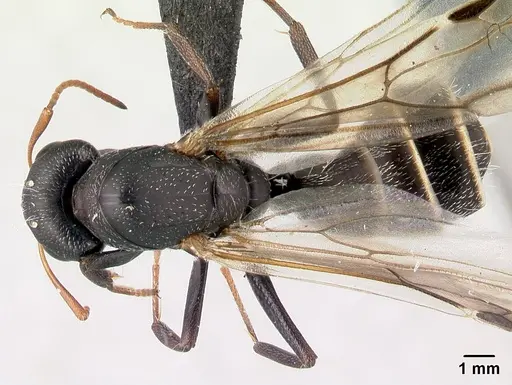
CASENT0188200
View on AntWeb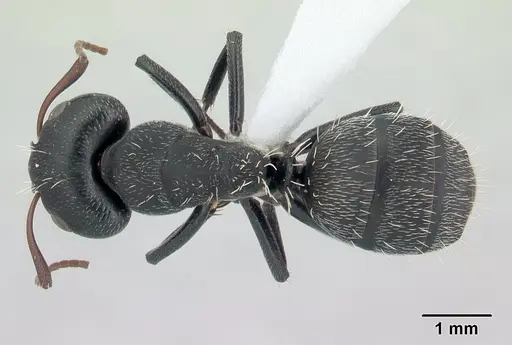
CASENT0188529
View on AntWeb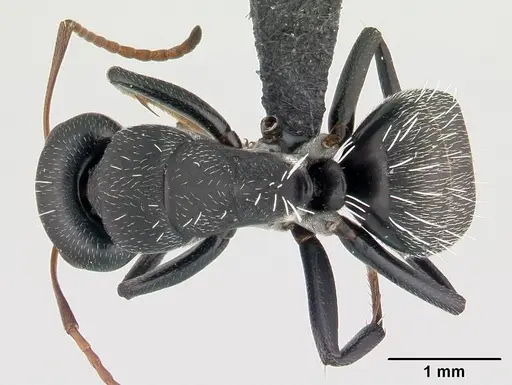
CASENT0280292
View on AntWeb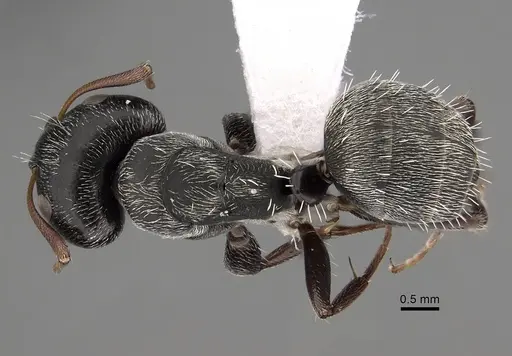
CASENT0280293
View on AntWeb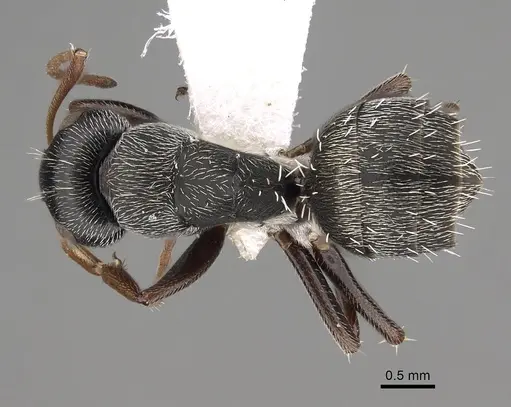
CASENT0776769
View on AntWeb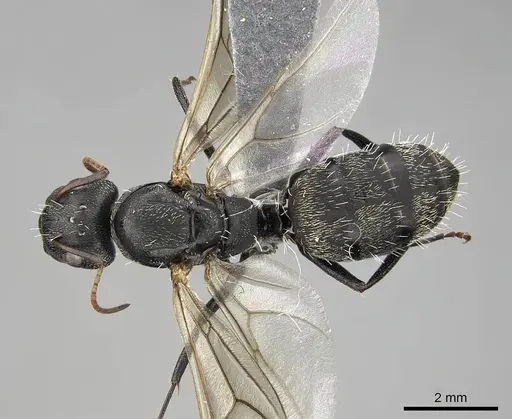
CASENT0778469
View on AntWeb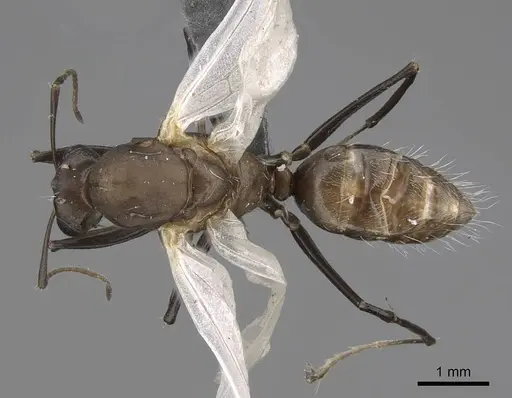
CASENT0785526
View on AntWeb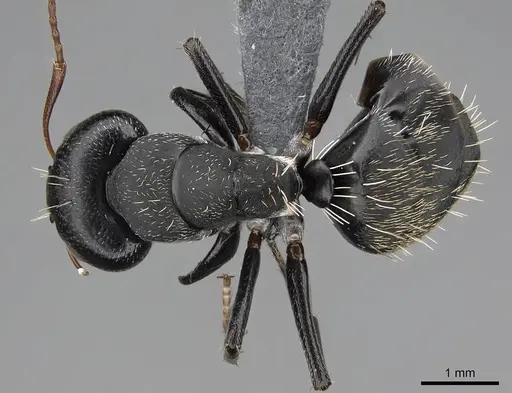
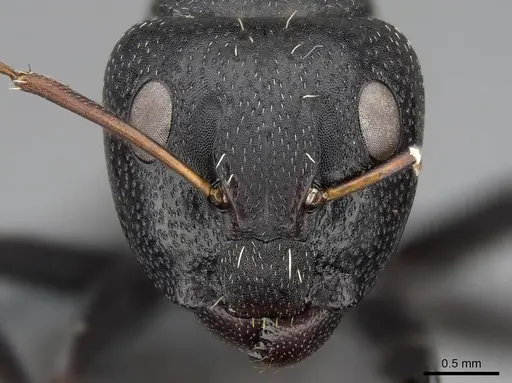
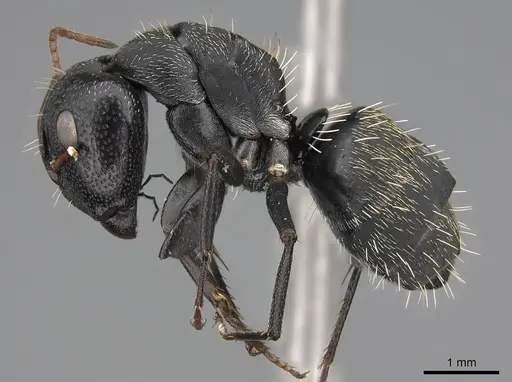
CASENT0905423
View on AntWeb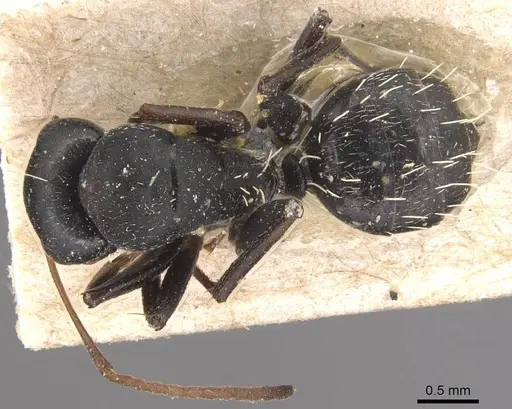
CASENT0910481
View on AntWeb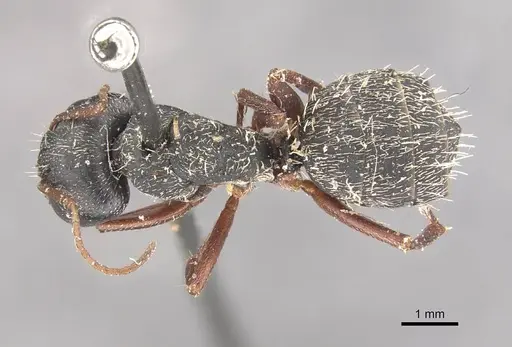
CASENT0911862
View on AntWeb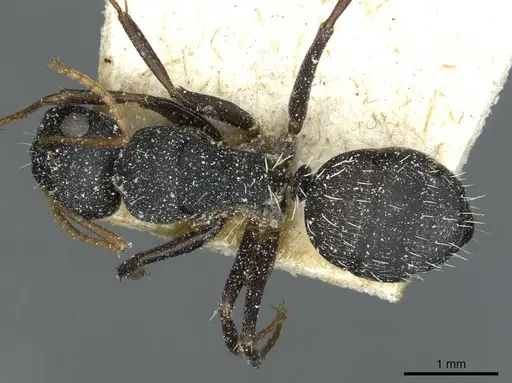
FOCOL2319
View on AntWeb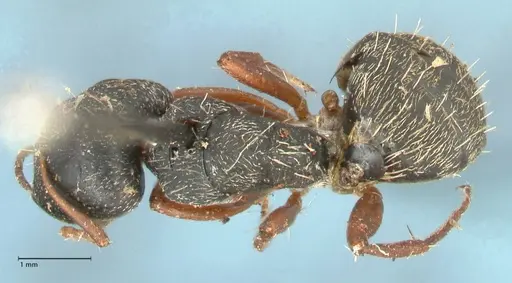
Literature
Loading...Loading products...