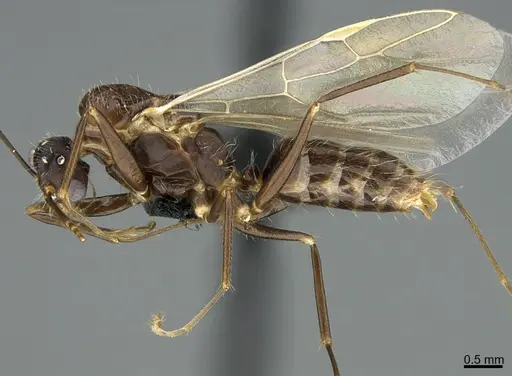
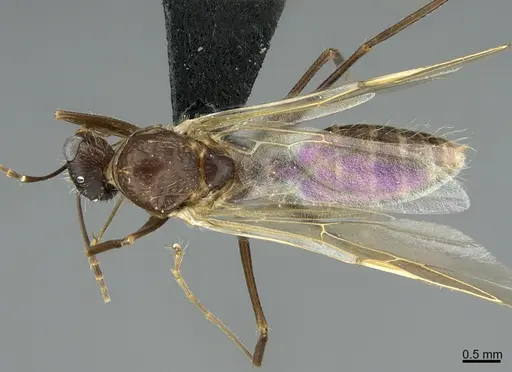
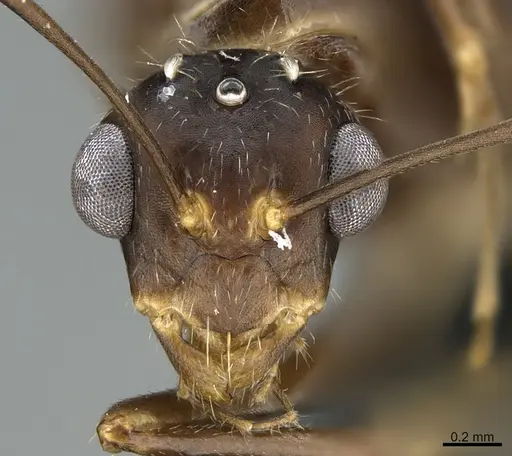
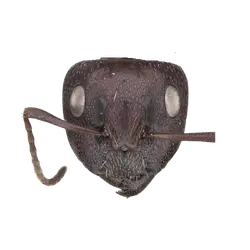
Camponotus integellus - "Carpenter Ant"
Camponotus integellus is a species of carpenter ant, part of the large and diverse Camponotus genus. Like other carpenter ants, they are known for their ability to excavate nests in wood, though they don't actually eat it; instead, they chew out galleries and discard the wood fibers. They are polymorphic, meaning workers come in various sizes (minors, majors, and sometimes super majors), allowing for a division of labor within the colony. While specific details on the physical characteristics of C. integellus are limited, general Camponotus species can range in color from black to various shades of red and brown. These ants are generally active foragers and can be fascinating to observe in a captive setup.
- Difficulty: Medium
- Origin & Habitat: Neotropical Region (Belize, Brazil, Colombia, Costa Rica, Ecuador, Guatemala, Honduras, Mexico, Peru, Venezuela) in Forests, often nesting in dead or decaying wood, or occasionally in the ground..
- Colony Type: Monogyne (single queen), claustral (queen seals herself in) founding.
- Size & Growth:
- Queen: Not specified
- Worker: Not specified
- Colony: Medium (thousands), with some Camponotus species reaching tens of thousands.. Slow to Medium; Camponotus colonies typically grow slowly in their first year. It can take up to a year to see the first significant worker count. growth.
- Antkeeping:
- Temperature: Maintain a temperature range of 21-27°C (70-80°F). A heating gradient within the nest is beneficial, allowing the ants to choose their preferred temperature. Heating one side of the nest with a heat mat or cable can speed up brood development..
- Humidity: Camponotus ants generally prefer a moderately dry environment with a humidity gradient. Aim for areas with around 60-70% humidity in parts of the nest, but ensure other areas are drier to prevent mold..
- Diapause: Required. 2-5 months at 4-18°C.
- Nesting: Prefers nests made of wood, cork, or acrylic with pre-made tunnels. They can also be housed in sand-clay or Ytong setups. They do not eat wood but excavate it for nests..
- Behavior: Medium (towards other ants, defensive towards handler if provoked) aggressiveness.
- Common Issues: Mold in nest, Mites, Colony stalling (due to lack of heat or improper diet), Overfeeding leading to waste, Humidity fluctuations, Queen stress (from too much disturbance or premature nest transfer).
One fascinating aspect of Camponotus integellus, and indeed many Camponotus species, is their diet. These ants are true omnivores, eagerly consuming both sugary liquids and protein sources. For a thriving colony, it's essential to offer a diverse diet. Think about providing sweet treats like sugar water, honey, or even fruit, alongside a variety of protein such as freshly killed mealworms, superworms, crickets, or feeder roaches. Remember, young colonies especially benefit from easily digestible protein like fruit flies. Don't forget a constant supply of fresh water in their outworld!
When setting up a formicarium for Camponotus integellus, consider their natural nesting habits. While they are known as 'carpenter ants' for their wood-excavating tendencies, they don't actually consume the wood. They prefer to create galleries in decaying or moist wood. In captivity, this translates to nests with pre-made tunnels in materials like acrylic, Ytong, or even some wooden setups. Providing a large outworld is also a good idea, as these ants are keen foragers and love to explore to find food. A proper escape barrier, like a Fluon or talc-alcohol mixture, is crucial for these larger ants.
Patience is definitely a virtue when keeping Camponotus integellus. While they can grow into impressive colonies, their initial founding stage and early growth can be quite slow. A queen might take several months to produce her first handful of workers, and it could be a year or more before you have a truly established colony ready for a larger formicarium. Providing a consistent heat source, especially for one side of the nest, can help accelerate brood development. However, resist the urge to move them into a bigger nest too soon; small colonies thrive best in confined spaces like test tube setups until they reach a good worker count (20-50 workers).
Diapause, a period of dormancy, is a critical requirement for many Camponotus species, including likely Camponotus integellus, especially if your queen originates from a region with distinct seasons. This cool, inactive period helps the queen rest and ensures the long-term health and productivity of the colony. Typically, a diapause period of 2-5 months at cooler temperatures (around 4-13°C) is recommended. Gradually lowering the temperature and reducing feeding before inducing diapause is essential for a smooth transition.
Regarding colony aggression, Camponotus species are generally not aggressive towards handlers unless provoked or their nest is disturbed. However, within the ant world, they can exhibit aggression towards non-nestmates, especially other ant species. This means careful consideration is needed if you're keeping multiple ant colonies to prevent escapes and potential conflicts. Maintaining a clean outworld and removing uneaten food regularly is important for the overall health of the colony and to deter pests like mites or mold.
Frequently Asked Questions
How long does it take for a Camponotus integellus colony to get big?
Patience is key with these carpenter ants! While some smaller ant species grow incredibly fast, Camponotus integellus colonies typically have a slower start. You might only see a handful of nanitics (first workers) in the first few months, and it can take up to a year to reach a worker count of around 20-50 before they truly begin to boom. Don't worry, it's normal for Camponotus to take their time, but once established, their growth picks up, eventually forming impressive colonies.
What do Camponotus integellus queens eat during founding?
Camponotus integellus queens are fully claustral, meaning they seal themselves off in a founding chamber and rely on their stored fat reserves to raise their first batch of nanitics. You generally don't need to offer them any food during this initial stage. Just provide a quiet, undisturbed environment, typically in a test tube setup, until the first workers emerge.
Do Camponotus integellus need to hibernate?
Yes, if your Camponotus integellus originates from a region with distinct seasonal changes, a diapause (hibernation) period is crucial for their long-term health and colony development. This typically involves cooling them down to around 4-13°C (39-55°F) for 2-5 months during the colder parts of the year. This resting phase helps the queen recover and prepares the colony for active growth in the spring.
What kind of nest is best for Camponotus integellus?
For Camponotus integellus, you'll want a formicarium that reflects their natural nesting preferences. They are known for excavating wood, so nests made of wood, cork, or even acrylic with pre-designed tunnels work well. Some ant keepers also have success with sand-clay or Ytong setups. The key is to provide a nest with varying humidity levels, offering a gradient so the ants can choose the ideal spot for their brood.
Are Camponotus integellus aggressive?
Towards humans, Camponotus integellus are generally quite docile and won't sting. They might bite defensively if their nest is disturbed, but it's usually minor and causes little discomfort. However, within the ant world, they can be aggressive towards rival ant colonies, especially other species. It's always a good idea to handle them with care and ensure their formicarium is escape-proof to prevent inter-colony conflicts.
What should I feed my Camponotus integellus colony?
Camponotus integellus thrives on a varied diet! For carbohydrates, offer sugar water, honey, or even pieces of fruit. For essential protein, which fuels queen egg-laying and larval growth, provide freshly killed feeder insects like mealworms, crickets, or dubia roaches. Smaller insects like fruit flies are excellent for newly established colonies. Remember to provide a constant supply of fresh water as well.
How do I maintain humidity for Camponotus integellus?
These carpenter ants prefer a moderate humidity, so a gradient within their nest is ideal. You want some areas to be around 60-70% humidity for their brood, while other parts of the nest remain drier to prevent mold. Many modern formicariums are designed with hydration systems that help achieve this. Avoid overly wet conditions, as this can lead to issues like mold.
What temperature do Camponotus integellus need?
Camponotus integellus will do best with a consistent temperature range between 21-27°C (70-80°F). Providing a heating cable or mat on one side of their nest can significantly boost brood development, as they will move their larvae and pupae to the warmer spots. Just make sure there's a cooler area they can retreat to if needed.
Can I keep multiple queens of Camponotus integellus together?
Camponotus integellus is typically a monogyne species, meaning colonies naturally have only one queen. While some ant species can be polygynous (multiple queens), it's generally not recommended to attempt keeping multiple queens of monogyne species together, as they will often fight until only one remains.
Why is my Camponotus integellus colony growing so slowly?
Slow growth in Camponotus integellus is quite common, especially in the first year. Several factors can contribute: they are naturally slower developers compared to smaller ant species, queens often lay eggs in batches with breaks, and insufficient heating or an inadequate diet can also slow things down. Ensuring a consistent warm spot in the nest and a diverse diet of both sugars and proteins can help optimize their growth rate.
What are majors/super majors in a Camponotus integellus colony?
Like many Camponotus species, Camponotus integellus exhibits polymorphism among its workers. This means there are different sizes of workers. Minors are the smallest and typically handle basic tasks. Majors are larger workers with noticeably bigger heads and stronger mandibles, often acting as soldiers or processing tougher foods. Some species even have 'super majors' which are exceptionally large and robust, though their specific role can vary by species.
How do Camponotus integellus nests look in the wild?
In their natural habitat, Camponotus integellus are true 'carpenter ants' and primarily excavate their nests within wood. This can be in dead or decaying logs, stumps, or even living trees. Unlike termites, they don't consume the wood; they simply chew it out to create intricate galleries and tunnels for their colony. Sometimes, they might also nest under rocks or in the ground, particularly in wooded areas.
Are Camponotus integellus prone to mold?
Yes, like many ant species, Camponotus integellus can be susceptible to mold growth in their nest, especially if humidity levels are too high or if uneaten food is left to decay. It's crucial to maintain proper ventilation, offer a humidity gradient (not uniformly wet), and regularly clean the outworld of any food scraps or dead ants to prevent mold and other issues.
What is the lifespan of a Camponotus integellus queen and workers?
Camponotus queens, including likely Camponotus integellus, are known for their impressive longevity. A healthy queen can live for 10 to 20 years under ideal conditions, tirelessly laying eggs to grow her colony. Workers, on the other hand, have shorter lifespans, typically ranging from a few months to a couple of years, depending on their caste and the demands of the colony.
What is diapause and why is it important for Camponotus integellus?
Diapause is a period of dormancy, similar to hibernation, that many ant species from temperate or subtropical regions undergo during colder months. For Camponotus integellus, inducing diapause is vital for the queen's health and the long-term vitality of the colony. It allows the queen to rest, conserve energy, and prepares the colony for a productive next season of growth and egg-laying. Without it, the queen's lifespan might be shortened, and colony growth could stall permanently.