
Camponotus decipiens exhibits a clear seasonal flight window. Peak flight activity is concentrated in March, with the overall period spanning February to April.
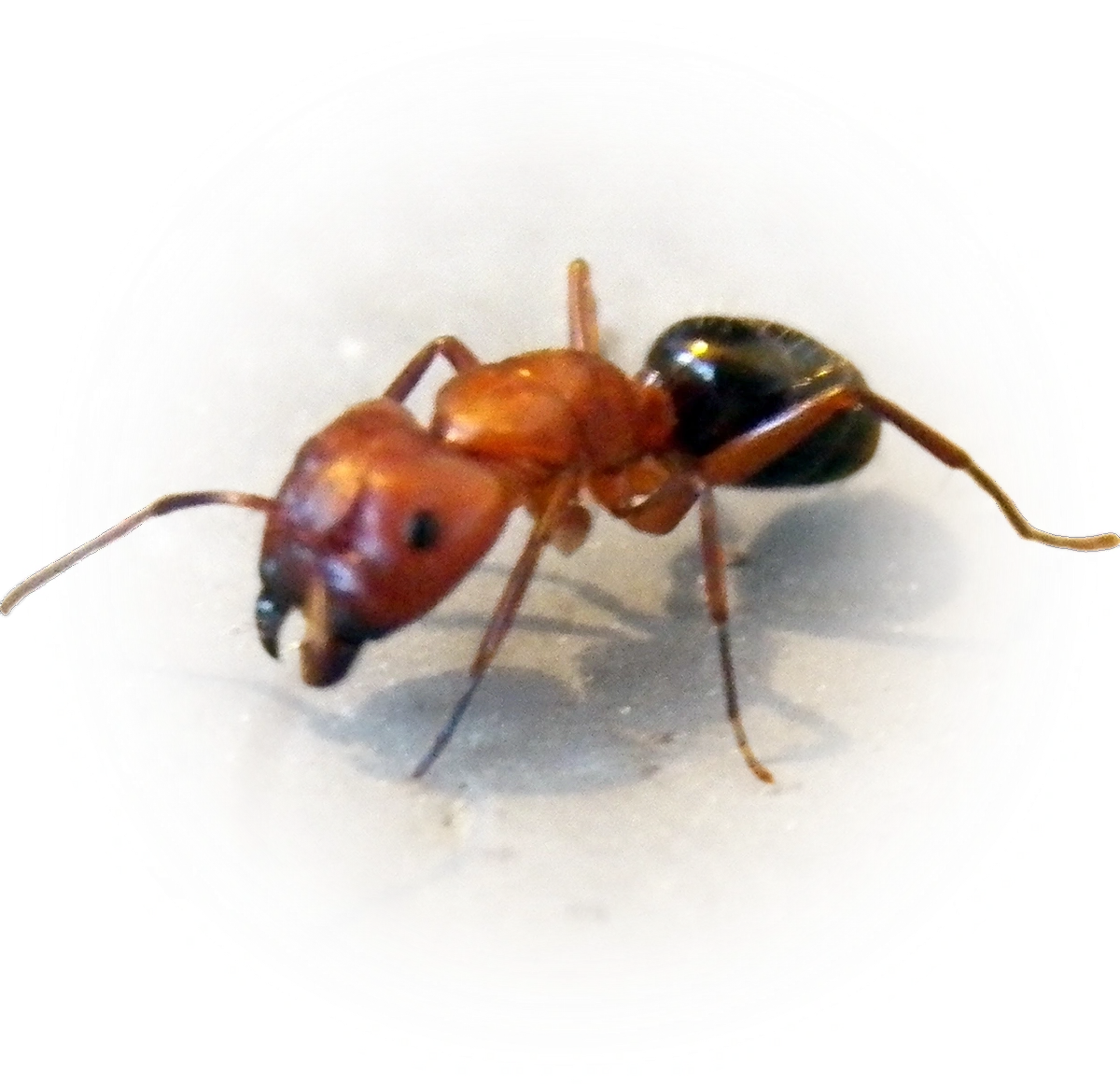
Camponotus decipiens
- Scientific Name
- Camponotus decipiens
- Subgenus
- Myrmentoma
- Tribe
- Camponotini
- Subfamily
- Formicinae
- Author
- Emery, 1893
- Common Name
- Deceptive Carpenter Ant
- Distribution
- Found in 1 countries
- Nuptial Flight
- from February to April, peaking in March
AI Identifiable
try →
Camponotus decipiens Overview
Camponotus decipiens (commonly known as the Deceptive Carpenter Ant) is an ant species of the genus Camponotus. It is primarily documented in 1 countries , including United States of America. Detailed taxonomic data and occurrence records can be further explored via authoritative databases such as AntWeb or the Global Biodiversity Information Facility (GBIF).
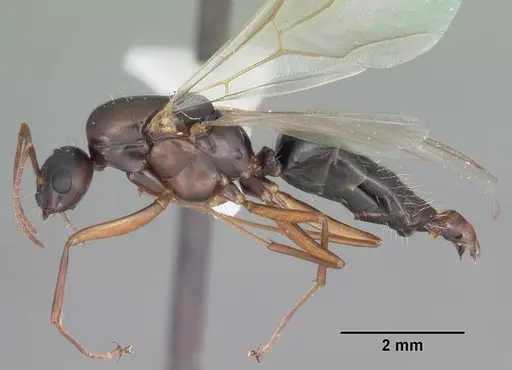
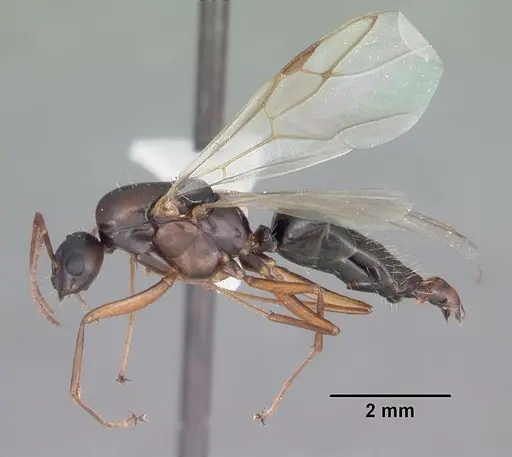
The nuptial flight of Camponotus decipiens is a significant biological event, typically occurring from February to April, peaking in March. During this time, winged queens and males leave the nest to mate and establish new colonies.
Camponotus decipiens - "Deceptive Carpenter Ant"
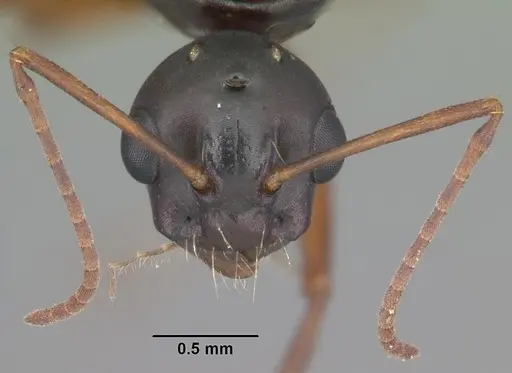
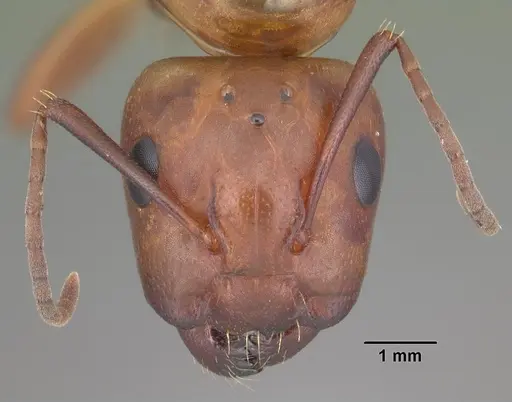
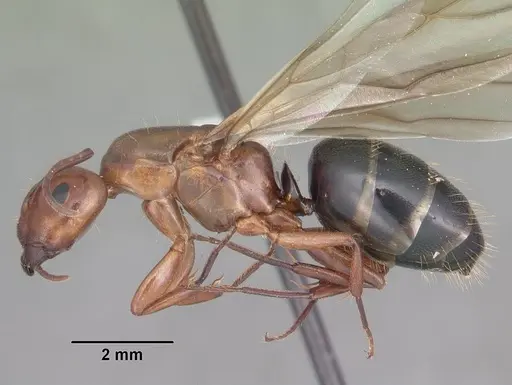
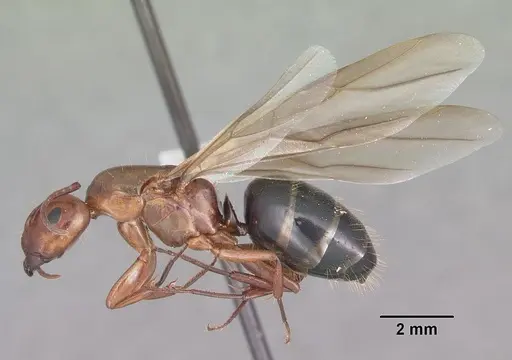
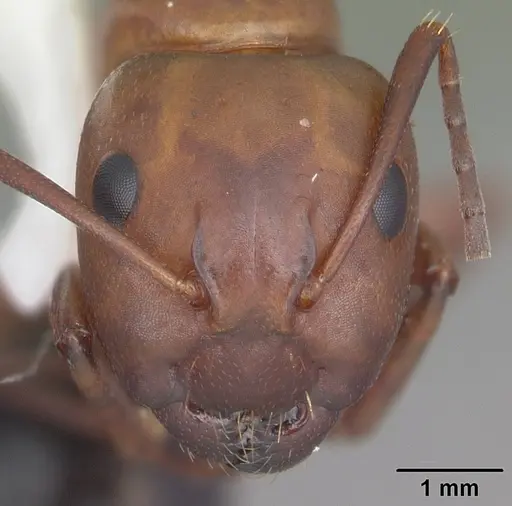
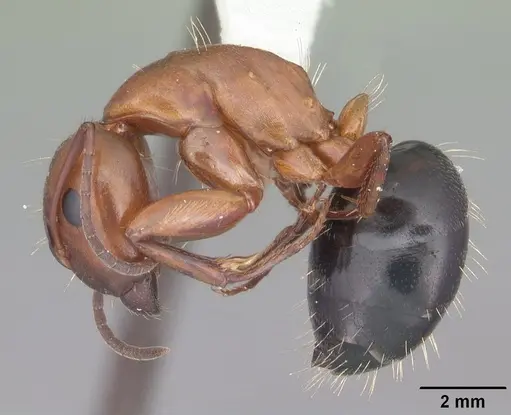
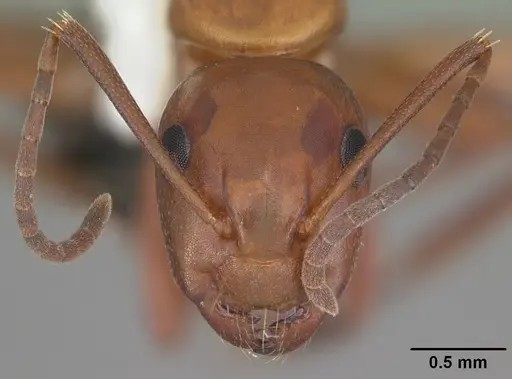
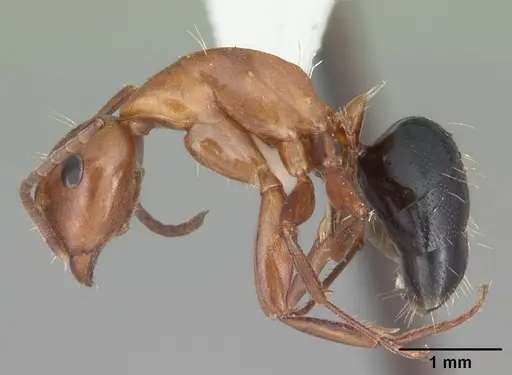
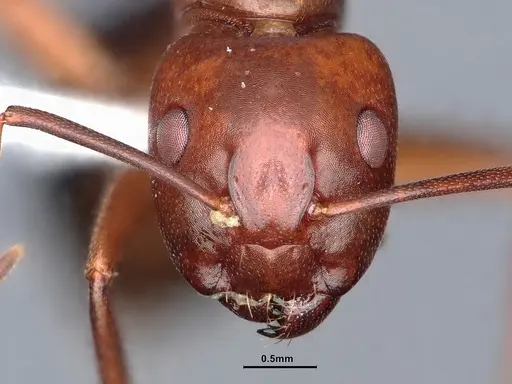
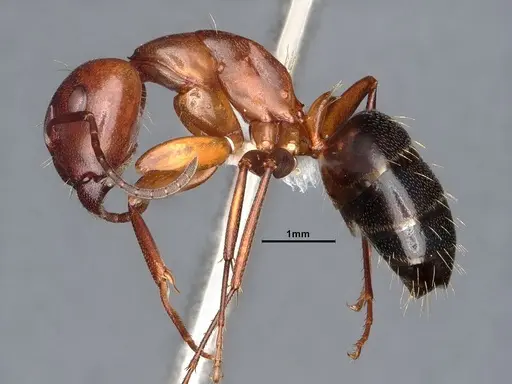
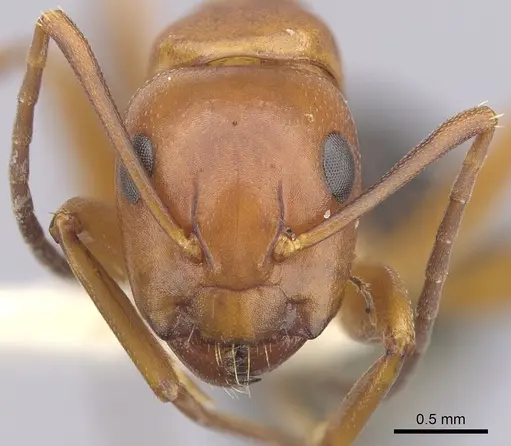
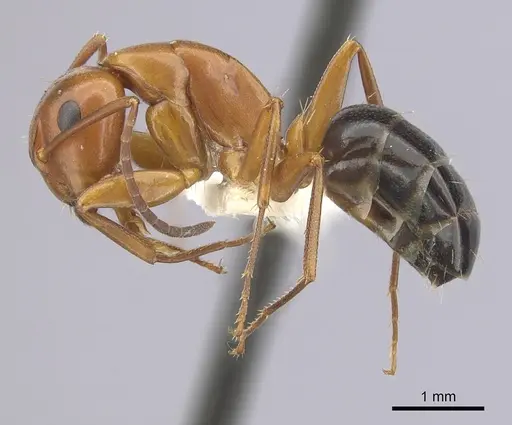
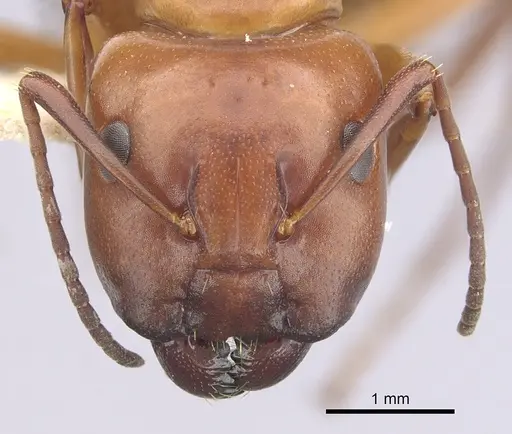
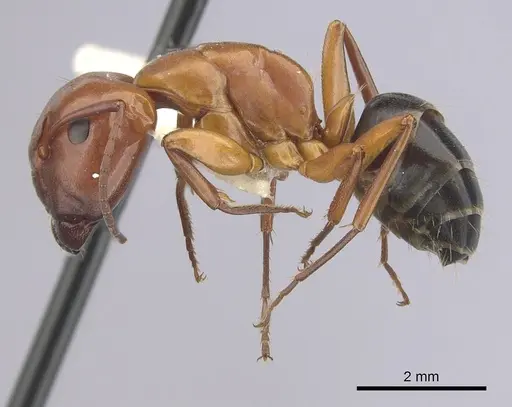
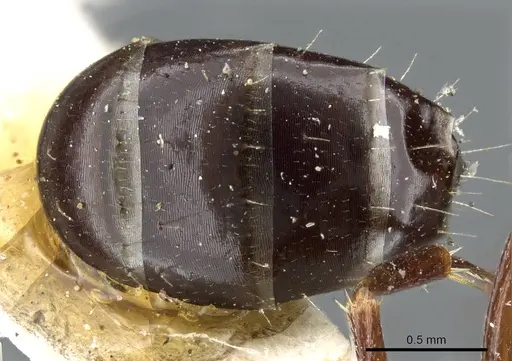
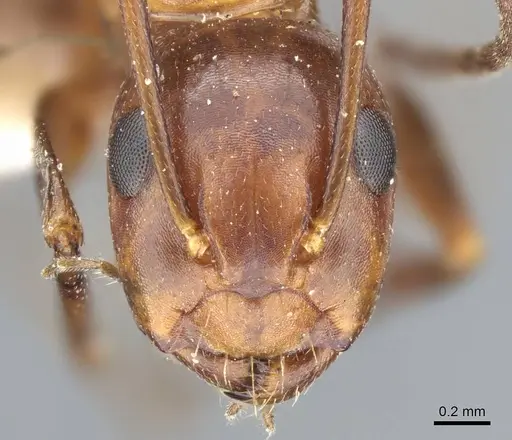
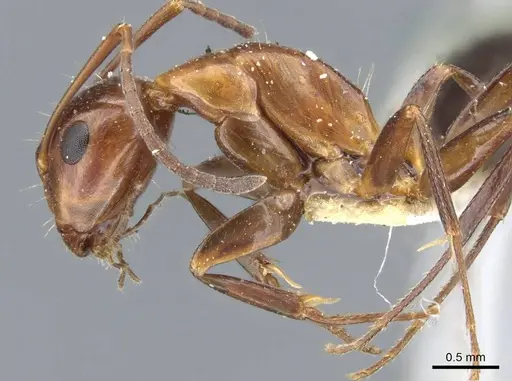
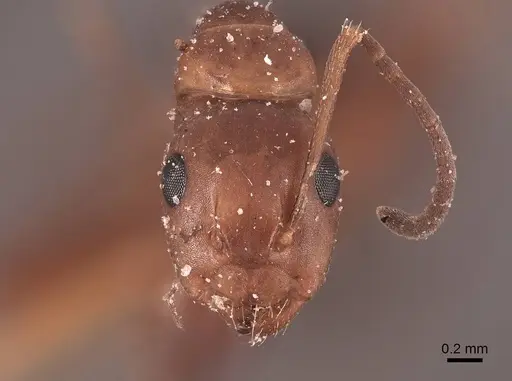
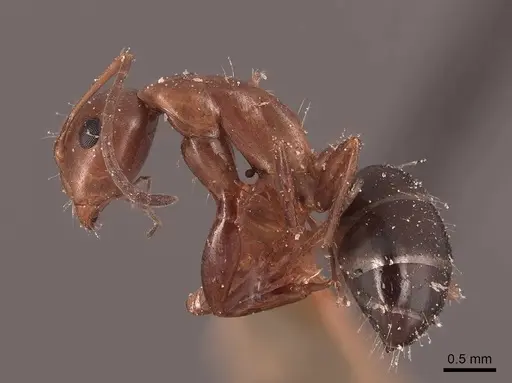
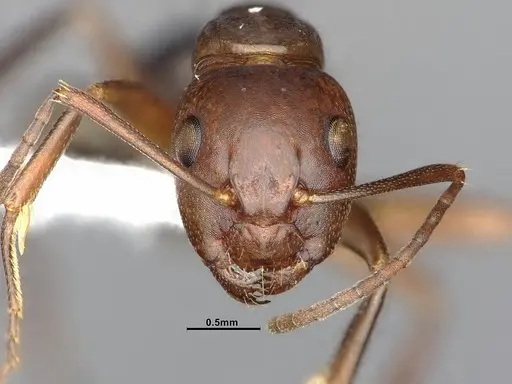
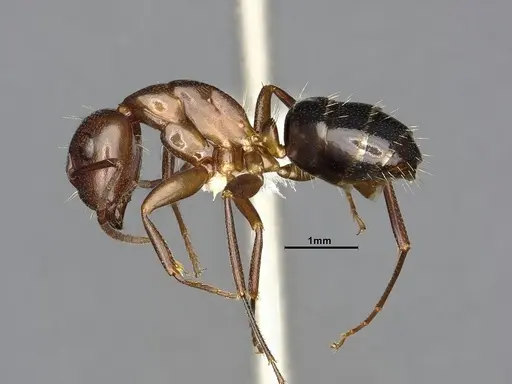
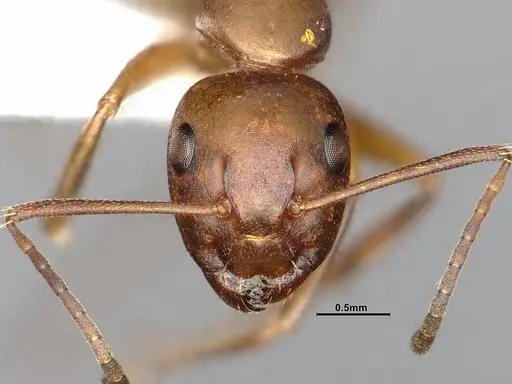
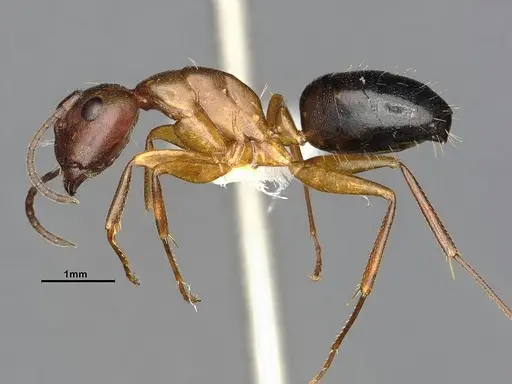
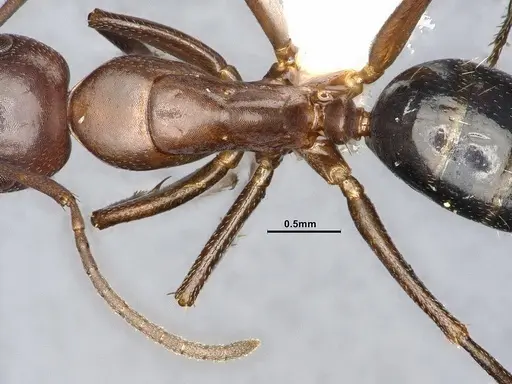
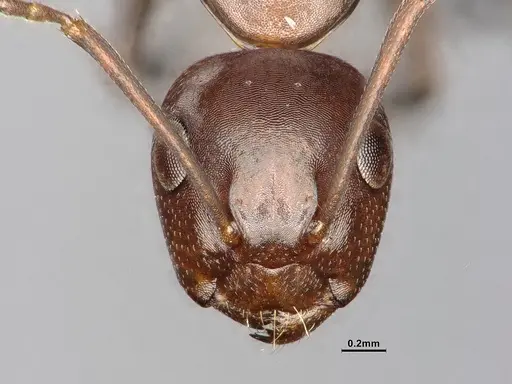
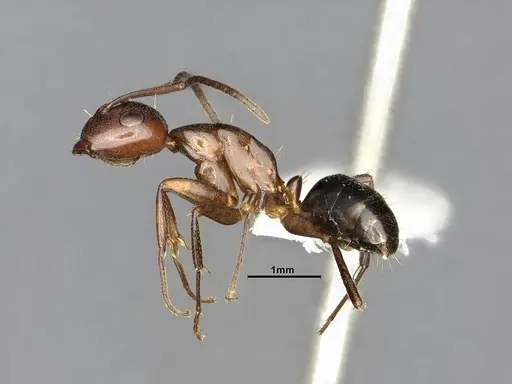
Camponotus decipiens is a small carpenter ant native to the southeastern and south-central United States and northern Mexico. Workers measure 3.5-7.5mm with a distinctive appearance: reddish head, alitrunk, legs, and petiole contrasting with a black to blackish gaster that is notably shiny. The gaster has a smooth, glossy appearance while the alitrunk appears somewhat matte with fine sculpturing. This species belongs to the subgenus Myrmentoma, a group of smaller carpenter ants that nest in pre-existing cavities rather than excavating wood [1].
What makes C. decipiens interesting is its flexible nesting habits, these ants are opportunistic and will use almost any suitable cavity: hollow twigs, plant stalk cavities, insect galls, seed pods, and even abandoned nests of other carpenter ants. Colonies remain small, typically under 100 workers, making them one of the more manageable Camponotus species for captivity. They feed primarily on honeydew from aphids and scale insects, supplemented with dead insects and household sweets [1].
Quick Summary
- Difficulty: Easy
- Origin & Habitat: Eastern and southern United States from Georgia and Florida west to Texas and north into North Dakota, also found in northern Mexico. In the US, they range from the Atlantic coast through the Midwest. They inhabit wooded areas and are commonly found in cavities within trees, under bark, in logs, stumps, and occasionally in structures [1][2].
- Colony Type: Single-queen colonies (monogyne). Colonies are small, typically containing fewer than 100 workers, though they may occasionally reach a few hundred. Queens are relatively small compared to other Camponotus species [1][2].
- Colony: Monogyne
- Founding: Claustral
- Size & Growth:
- Queen: Estimated 9-12mm based on genus patterns
- Worker: 3.5-7.5mm (majors and minors) [1]
- Colony: Typically under 100 workers, occasionally up to a few hundred [1]
- Growth: Moderate, typical for small Camponotus species
- Development: Estimated 6-8 weeks based on typical Camponotus development at warm temperatures (Development time follows standard Camponotus patterns, faster at warmer temperatures within the acceptable range)
- Antkeeping:
- Temperature: Keep at room temperature, ideally 20-24°C. They tolerate a range from roughly 18-26°C. A slight temperature gradient allows workers to choose their preferred zone [1].
- Humidity: Moderate humidity around 50-60%. These ants are not as moisture-dependent as some species but do need some dampness in the nest substrate. A water tube attached to the nest provides drinking water and helps maintain humidity [1].
- Diapause: Yes, they are a temperate species requiring winter dormancy. Reduce temperature to roughly 10-15°C for 2-3 months during winter, mimicking natural seasonal cycles. Alates have been collected in fall and spring, suggesting overwintering behavior [2].
- Nesting: Use a test tube setup for founding colonies. For established colonies, Y-tong (AAC) nests or plaster nests work well, they prefer tight-fitting chambers. Avoid large, open spaces. These ants naturally nest in pre-existing cavities, so provide appropriately sized chambers scaled to their small colony size. Avoid wood nests as they don't excavate, they use ready-made cavities [1].
- Behavior: Workers are active foragers both on tree trunks and on the ground. They are not particularly aggressive but will defend the nest if threatened. Workers are small enough to be potential escape artists, use standard barrier methods. They are primarily nocturnal or crepuscular foragers in the wild but will adjust to captive schedules. They readily accept sugar water, honey, and protein sources like dead insects. Their small colony size makes them less overwhelming than larger carpenter ants [1].
- Common Issues: small colony size means slower population growth, don't expect rapid expansion, escape prevention is important despite their small size, they can fit through tiny gaps, overfeeding can lead to mold in small colonies, remove uneaten food promptly, too large a nest can stress small colonies, use appropriately sized chambers, winter dormancy is required for long-term health, don't skip hibernation
Nuptial Flight Activity Analysis 287 observations
Flight Activity by Hour 287 observations
Camponotus decipiens nuptial flight activity peaks around 17:00 during the afternoon. Activity is spread across a 24-hour window (00:00–23:00). A secondary activity peak occurs around 12:00. Times may be influenced by human observation patterns.
Housing and Setup
Camponotus decipiens is well-suited to test tube setups for founding colonies. The queen can be housed in a standard test tube with a water reservoir, fill roughly one-third with water and plug with a cotton ball, leaving an air gap. Cover the setup with a dark cloth for the first few weeks to reduce stress. Once the colony reaches 15-20 workers, you can move them to a formicarium. Y-tong (AAC) nests work exceptionally well for this species because they provide the tight chambers these ants prefer. Plaster nests are another good option. Avoid wooden formicaria or nests designed for excavating species, C. decipiens doesn't excavate but uses pre-existing cavities. The outworld can be simple: a plastic container with a secure lid, using fluon or petroleum jelly on the rim for barrier protection. Because workers are only 3.5-7.5mm, ensure any connections between nest and outworld have no gaps [1].
Feeding and Diet
In the wild, Camponotus decipiens feeds primarily on honeydew secreted by scale insects and aphids, supplemented with dead insects. In captivity, they readily accept sugar water, honey, or diluted maple syrup as a constant carbohydrate source. For protein, offer small pieces of dead insects (fruit flies, small crickets, mealworms) or commercially available ant food. They are not picky eaters but prefer fresh prey over old or dried options. Feed protein roughly twice per week for established colonies, and remove any uneaten food within 24 hours to prevent mold. A constant sugar source should always be available. Because colonies stay small, be careful not to overfeed, small portions are key [1].
Temperature and Seasonal Care
Keep your colony at room temperature, ideally between 20-24°C. They can tolerate temperatures as low as 18°C and as high as 26°C, but growth is optimal in the middle of this range. A heating cable on one side of the nest can create a gradient if your room runs cool, but most indoor temperatures are suitable. During winter (roughly November through February in the Northern Hemisphere), reduce temperatures to 10-15°C to allow dormancy. This mimics their natural seasonal cycle and is important for colony health long-term. Do not feed during hibernation, the colony will be largely inactive. Return them to warm temperatures gradually in spring. If you live in a region with natural seasonal variation, the colony may naturally slow down in winter without explicit cooling [2].
Colony Growth and Development
Camponotus decipiens colonies grow more slowly than many common ant species. A newly mated queen will lay her first eggs within a week or two of being housed. Eggs develop through larval and pupal stages to produce workers (nanitics) in approximately 6-8 weeks at optimal temperature. The first workers are smaller than mature workers and are called nanitics, they help the queen with colony maintenance while the colony expands. Because colonies typically max out around 100 workers (sometimes fewer), growth is modest but steady. The key to successful keeping is patience, don't disturb the colony unnecessarily during the founding phase. Avoid checking the test tube too frequently in the first month. Once workers are present, occasional feeding and observation is fine. The small colony size is a feature, not a problem, it makes these ants manageable and less prone to the space issues that plague larger carpenter ant species [1].
Behavior and Observation
Workers of C. decipiens are active foragers that will explore both the nest and outworld regularly. They are not particularly aggressive and will typically flee rather than attack when threatened. However, they will defend the nest if directly provoked. Workers are small but determined, and they can climb smooth surfaces, use appropriate barriers. In the wild, they forage on tree trunks, logs, and through leaf litter, so they are comfortable navigating complex terrain. Observing them is part of the appeal, watch workers carry food back to the nest, tend to the queen and brood, and explore their territory. Their small colony size means you can observe individual ants and their behaviors more easily than in large colonies. They are primarily nocturnal in the wild but will adjust their activity patterns to match feeding schedules in captivity [1][2].
Frequently Asked Questions
How long does it take for Camponotus decipiens to produce first workers?
Expect first workers (nanitics) in approximately 6-8 weeks after the queen lays eggs, assuming temperatures around 20-24°C. This is typical for Camponotus species. Be patient during the founding phase, the queen needs time to raise her first brood without disturbance.
How big do Camponotus decipiens colonies get?
Colonies remain small compared to other carpenter ants, typically under 100 workers, occasionally reaching a few hundred at most. This makes them one of the more manageable Camponotus species for antkeepers.
What do Camponotus decipiens eat?
They primarily eat honeydew from aphids and scale insects in the wild. In captivity, offer constant sugar water, honey, or diluted maple syrup. For protein, provide small dead insects like fruit flies, small crickets, or mealworms. They readily accept most standard ant foods.
Do Camponotus decipiens need hibernation?
Yes, they require a winter dormancy period. Reduce temperatures to roughly 10-15°C for 2-3 months during winter. This mimics their natural seasonal cycle in the temperate US and is important for colony health. Skip feeding during this period.
What is the best nest type for Camponotus decipiens?
Y-tong (AAC) nests or plaster nests work best. They prefer tight-fitting chambers in pre-existing cavities, they don't excavate wood. Test tubes work fine for founding colonies. Avoid large, open spaces that would overwhelm their small colony size.
Are Camponotus decipiens good for beginners?
Yes, they are considered easy to keep. Their small colony size, moderate temperature requirements, and straightforward diet make them beginner-friendly. The main requirements are patience (slow growth), proper escape prevention, and providing winter dormancy.
How do I house a founding Camponotus decipiens queen?
Use a standard test tube setup. Fill a test tube one-third with water, insert a cotton ball to create a water reservoir with an air gap, then introduce the queen. Place the tube in a dark, quiet location and avoid disturbing for 2-3 weeks. Check briefly once a week for progress, then leave them alone once eggs appear.
Why is my Camponotus decipiens colony dying?
Common causes include: too much disturbance during founding, overfeeding leading to mold, temperatures too cold or too hot, lack of winter dormancy, or escape due to inadequate barriers. Small colonies are sensitive, keep conditions stable and avoid overfeeding. Also ensure they have access to water.
Can I keep multiple Camponotus decipiens queens together?
No, this species is monogyne (single-queen). Multiple unrelated queens will fight. Only keep one queen per colony. If you catch multiple dealate queens during nuptial flights, house each in her own setup.
References

This caresheet is licensed under CC BY-SA 4.0 .
CASENT0103658
View on AntWeb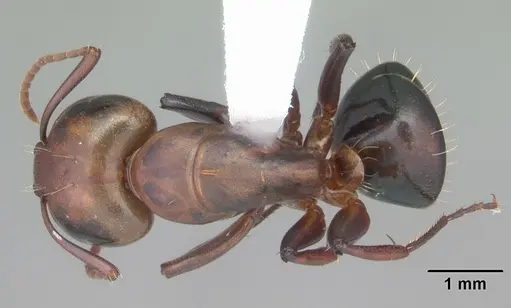
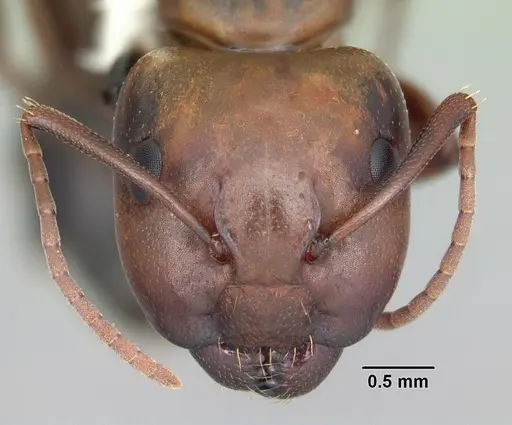
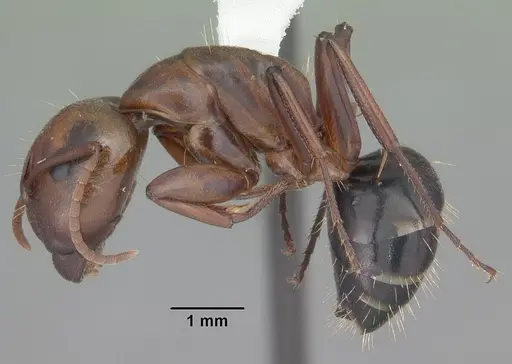
CASENT0103662
View on AntWeb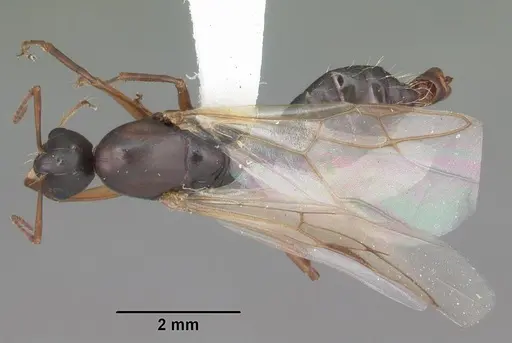
CASENT0103665
View on AntWeb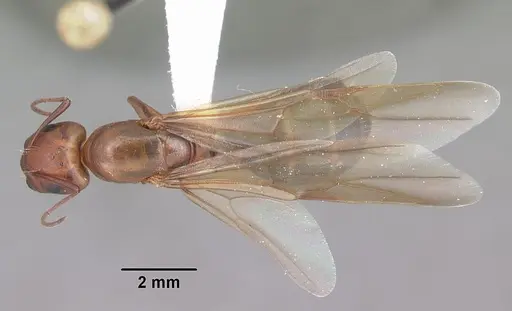
CASENT0103666
View on AntWeb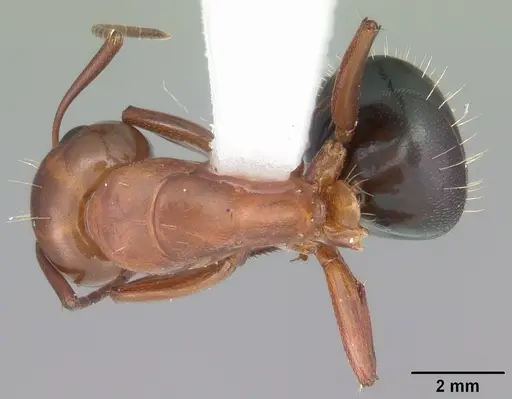
CASENT0103667
View on AntWeb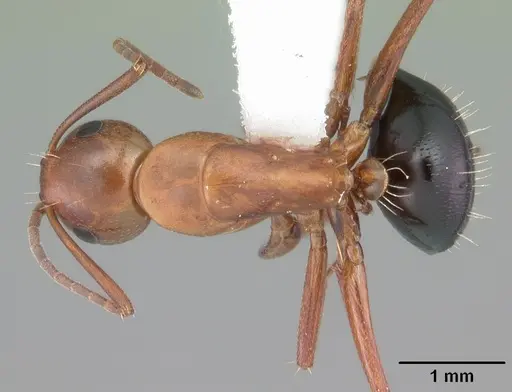
CASENT0220424
View on AntWeb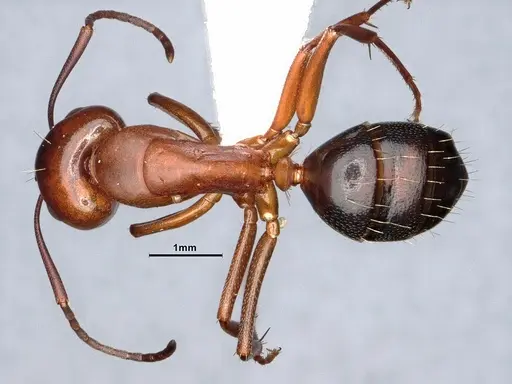
CASENT0249367
View on AntWeb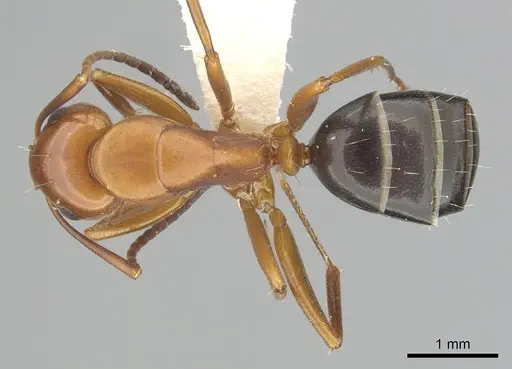
CASENT0249368
View on AntWeb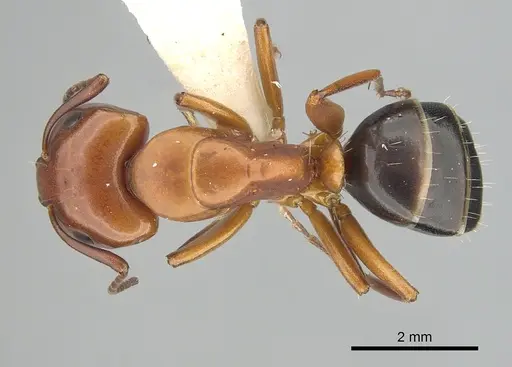
CASENT0905404
View on AntWeb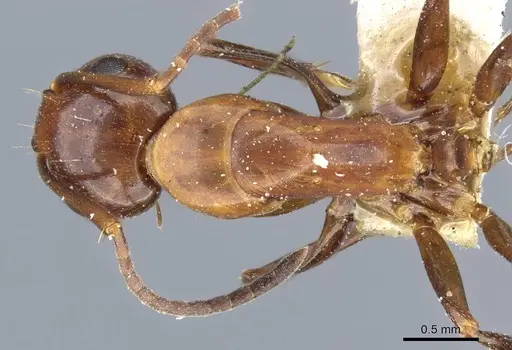
FMNHINS0000045842
View on AntWeb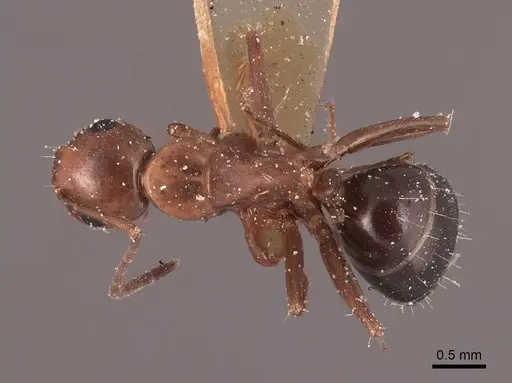
MEM290584
View on AntWeb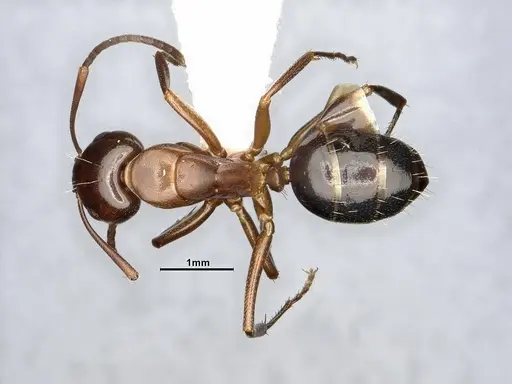
MEM290589
View on AntWeb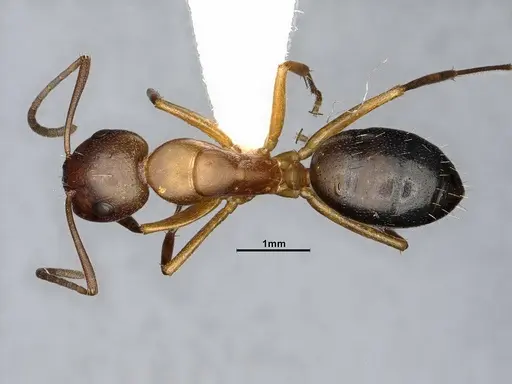
MEM302180
View on AntWeb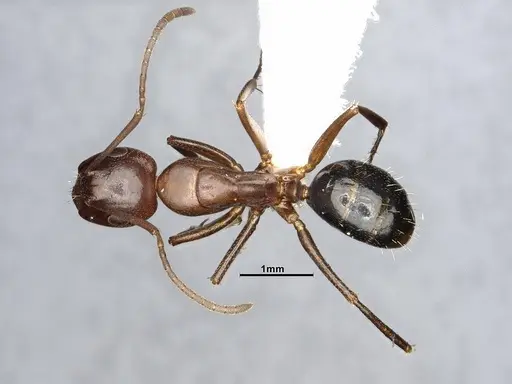
Literature
Loading...Loading products...