

Camponotus festai
- Scientific Name
- Camponotus festai
- Subgenus
- Tanaemyrmex
- Tribe
- Camponotini
- Subfamily
- Formicinae
- Author
- Emery, 1894
- Distribution
- Found in 3 countries
Camponotus festai Overview
Camponotus festai is an ant species of the genus Camponotus. It is primarily documented in 3 countries , including Lebanon, Syrian Arab Republic, Türkiye. Detailed taxonomic data and occurrence records can be further explored via authoritative databases such as AntWeb or the Global Biodiversity Information Facility (GBIF).
Camponotus festai
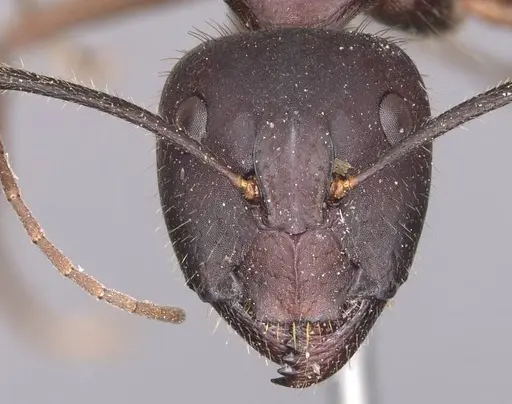
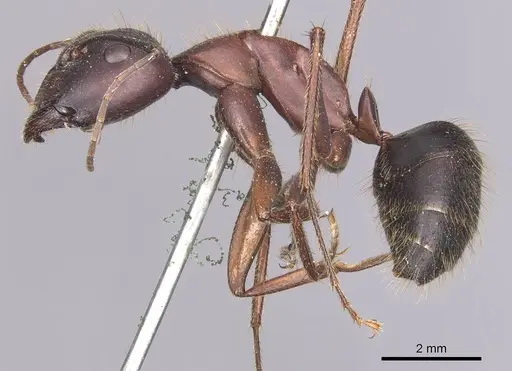
Camponotus festai is a medium-to-large carpenter ant belonging to the Camponotus samius species complex. Workers range from 6.9-13.4mm in total length, with major workers developing notably broad heads. The species has a striking color pattern: the head and gaster are black to dark brown, while the mesosoma (middle body section) and legs are uniformly reddish-brown, always noticeably brighter than the darker anterior regions. They are covered in abundant pilosity (hairs) on their antennae scapes, hind tibiae, and gaster. This thermophile species inhabits the eastern Mediterranean region, including Greece, Israel, Lebanon, Syria, and Turkey, where it thrives in open, arid environments on hills with pastures and shrubs [1][2]. What makes C. festai stand out is its preference for warm, dry habitats and its distinctive hairy appearance compared to other Camponotus species in the region.
Quick Summary
- Difficulty: Medium
- Origin & Habitat: Eastern Mediterranean region, found in Greece (Aegean Islands), Israel (Upper Galilee, Golan Heights, Mount Hermon), Lebanon, Syria, and Turkey. This thermophile species lives in open, arid environments, typically on hills with pastures and shrubs. In Lebanon, they inhabit olive groves and pine forests from coastal areas up to 1100m altitude [1][2][3].
- Colony Type: Colony structure is not directly documented in scientific literature. Based on typical Camponotus patterns, likely single-queen (monogyne) colonies. Ergatoid (wingless replacement queen) presence is unknown for this species.
- Colony: Monogyne
- Founding: Claustral
- Size & Growth:
- Queen: Not directly measured, estimated 12-16mm based on genus patterns for large Camponotus species
- Worker: 6.9-13.4mm total length (major workers at the larger end, minor workers smaller)
- Colony: Likely several hundred workers based on typical Camponotus colony development, exact maximum unknown
- Growth: Moderate, typical for medium-to-large Camponotus species
- Development: Estimated 8-12 weeks at optimal temperature based on genus-level Camponotus development data (Development time is temperature-dependent. As a thermophile species from warm climates, warmer temperatures within the optimal range may accelerate development.)
- Antkeeping:
- Temperature: Keep nest area at 24-28°C. As a thermophile species from the eastern Mediterranean, they prefer warm conditions. A heating cable on one side of the nest creates a temperature gradient allowing workers to self-regulate [1].
- Humidity: Low to moderate, this species prefers arid conditions. Keep nest substrate moderately dry, with a small water reservoir for drinking. Avoid excessive moisture that could cause mold in their dry-adapted environment [1].
- Diapause: Likely requires a mild winter rest period (diapause) of 2-3 months at 10-15°C, consistent with other Mediterranean Camponotus species. Reduce feeding and keep them in a cool, dark location during this period.
- Nesting: In nature, they nest in soil under stones and in rotting wood in dry, warm habitats. In captivity, a Y-tong (acrylic) nest or plaster nest works well. Provide a dry nest chamber with minimal moisture. An outworld with sandy substrate allows for foraging.
- Behavior: Workers are typically moderate in temperament, not particularly aggressive but will defend the colony if threatened. They are primarily nocturnal foragers in the wild, though they may show activity during cooler parts of the day in captivity. Major workers have powerful mandibles for咬 (biting) but their sting is mild. Escape risk is moderate, use standard barrier methods (Fluon on container edges). Their small size (under 15mm) means they can squeeze through small gaps if not properly contained.
- Common Issues: mold from excessive humidity, these dry-adapted ants suffer in damp conditions, colonies may struggle if kept too cool, maintain warm temperatures, slow founding phase, claustral queens can take months to raise first workers, escape prevention needed, workers can squeeze through small gaps, winter mortality if not provided proper diapause conditions
Housing and Nest Setup
Camponotus festai does well in Y-tong (acrylic) nests or plaster nests that provide dry, warm conditions. These ants are adapted to arid environments, so avoid setups that retain excessive moisture. A test tube setup works for founding colonies, use a small water reservoir (not too large to avoid flooding) and keep it in a warm, dark location. Once the colony reaches 20+ workers, you can transition to a small formicarium with connected outworld. The nest chamber should be relatively dry, think Mediterranean hillside rather than damp forest floor. Provide a shallow water dish in the outworld for drinking water. [1][3]
Feeding and Diet
Like other Camponotus species, C. festai is omnivorous. They accept sugar sources (honey water, sugar water) and protein foods. Feed them protein-rich foods like mealworms, crickets, or other small insects 2-3 times per week. Major workers can tackle larger prey items than minor workers. Keep a constant supply of sugar water available, replace every 2-3 days to prevent fermentation. Remove uneaten prey after 24 hours to prevent mold. In the wild, they likely forage for honeydew from aphids and tend scale insects, so sugar sources are important for their diet.
Temperature and Seasonal Care
As a thermophile species from the eastern Mediterranean, C. festai requires warm conditions. Keep the nest area at 24-28°C during the active season. A heating cable placed on top of the nest (never underneath where it could dry out the water reservoir too quickly) helps maintain warmth. During winter, provide a mild diapause, reduce temperature to 10-15°C for 2-3 months. This mimics their natural seasonal cycle in the Mediterranean. Reduce feeding during diapause but ensure water is always available. Do not feed during the deepest part of winter rest. [1]
Colony Founding
The founding phase follows typical Camponotus patterns. The queen seals herself in a small chamber and does not leave to forage, she survives entirely on stored fat reserves (claustral founding). She will lay eggs and raise the first brood alone. This phase can take 2-4 months or longer, depending on temperature. Do not disturb the founding chamber during this time. Once the first workers (nanitics) emerge, they will be smaller than normal workers but will immediately begin foraging for food to feed the developing brood. The colony grows slowly at first, be patient during the founding phase.
Behavior and Handling
C. festai workers are moderately active and not particularly aggressive toward keepers. They are primarily nocturnal foragers in the wild, so you may see most activity in the evening and night. Major workers have strong mandibles and can deliver a painful bite if handled roughly, but they are not prone to attacking. They use chemical communication through pheromones to coordinate foraging and colony defense. Workers will lay pheromone trails to food sources. The colony will establish clear foraging routes once they establish a routine. Provide enrichment in the outworld with varied terrain to encourage natural foraging behavior.
Frequently Asked Questions
How long does it take for Camponotus festai to raise first workers?
The founding phase typically takes 2-4 months from when the queen lays eggs until first workers (nanitics) emerge. This timeline depends on temperature, warmer conditions (around 26-28°C) speed up development. Be patient and avoid disturbing the queen during this critical period.
What temperature do Camponotus festai ants need?
Keep them at 24-28°C during the active season. As a thermophile species from the Mediterranean, they prefer warm conditions. A heating cable on the nest helps maintain optimal temperatures. During winter, provide a mild diapause at 10-15°C.
Are Camponotus festai ants good for beginners?
This species is rated as medium difficulty. They are more challenging than beginner species like Lasius niger because they require warmer temperatures and specific humidity conditions. However, they are not as difficult as some exotic tropical species. They are a good intermediate project for antkeepers who have successfully kept a founding colony to maturity.
How big do Camponotus festai colonies get?
Colony size is not well documented in scientific literature, but based on typical Camponotus patterns, colonies likely reach several hundred workers. The largest major workers can reach 13+mm in total length.
What do Camponotus festai ants eat?
They are omnivorous. Offer sugar water or honey water constantly, and protein foods (mealworms, crickets, other insects) 2-3 times per week. Remove uneaten prey after 24 hours to prevent mold.
Do Camponotus festai need hibernation?
Yes, they likely require a mild winter rest (diapause) of 2-3 months at 10-15°C. This is consistent with their Mediterranean origin and matches their natural seasonal cycle. Reduce feeding during this period but always provide water.
Can I keep multiple Camponotus festai queens together?
Not recommended. Unlike some social parasites, Camponotus festai queens do not found colonies together. Combining unrelated queens will likely result in fighting. Only keep one queen per colony.
When should I move Camponotus festai to a formicarium?
Keep founding colonies in a test tube setup until they have 15-25 workers. At this point, you can connect a small formicarium or outworld. Make sure any transition is done smoothly, connect the test tube to the new setup and let workers explore before moving them.
Why is my Camponotus festai colony dying?
Common causes include: too much humidity (they prefer dry conditions), temperatures below 20°C, disturbance during founding phase, or mold from uneaten food. Review your setup and ensure the nest is warm and dry with proper ventilation.
References

This caresheet is licensed under CC BY-SA 4.0 .
CASENT0905286
View on AntWeb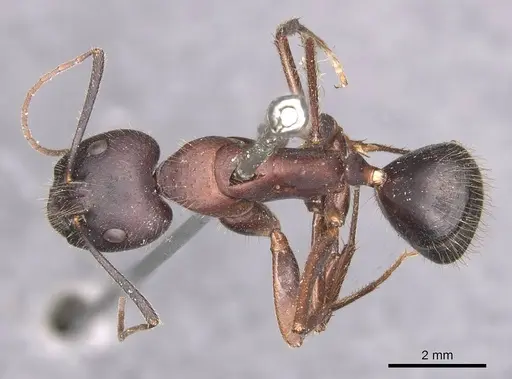
Literature
Loading...Loading products...