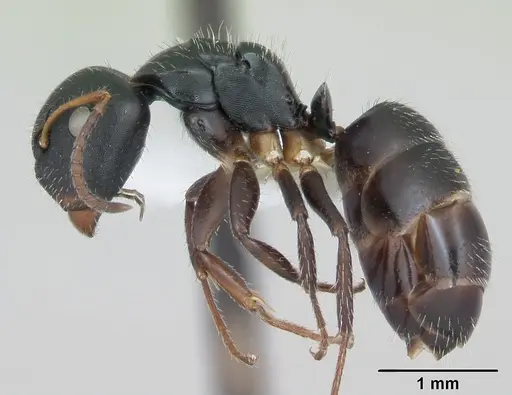
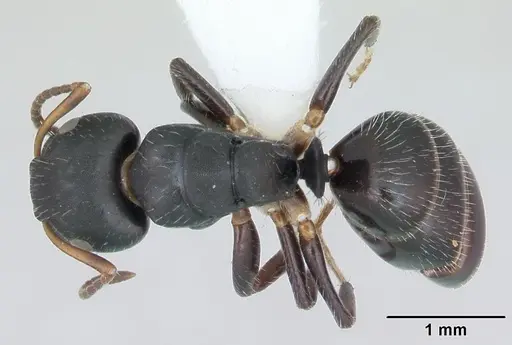
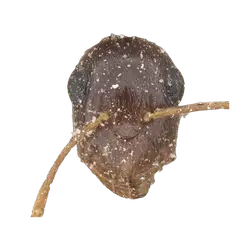
Camponotus iheringi - "Ihering's Carpenter Ant"
Camponotus iheringi, often referred to as Ihering's Carpenter Ant, is a medium to large-sized ant species belonging to the widespread Camponotus genus. Like many 'carpenter ants,' they are known for their robust bodies and polymorphic worker castes, meaning workers come in various sizes, from smaller minors to larger majors, sometimes called 'soldiers.' Their coloration can vary, but typically involves a dark body, often with a reddish tint, especially on the gaster. These ants are active foragers and, while shy when founding, become more confident and territorial as their colony grows. They are a fascinating species to observe due to their diverse worker sizes and active behavior.
- Difficulty: Medium
- Origin & Habitat: South America (Argentina, Brazil, Paraguay, Peru) in Tropical and subtropical regions; found in diverse habitats, including forests, with a preference for nesting in dead wood, hollow logs, and sometimes in the ground..
- Colony Type: Monogyne (single queen), claustral (queen seals herself in) founding.
- Size & Growth:
- Queen: 15-18mm
- Worker: 6-14mm
- Colony: Large (tens of thousands). Slow to Medium (especially in the initial stages, but picks up with proper care) growth.
- Antkeeping:
- Temperature: Camponotus iheringi thrives in warmer conditions. A temperature range of 24-27°C (75-80°F) is generally ideal for optimal larval development and overall colony activity. Providing a slight temperature gradient within the nest can allow the ants to choose their preferred spot, often congregating brood in the warmer sections. Avoid temperatures below 20°C for extended periods, as this can slow down development considerably..
- Humidity: These ants generally prefer a moderate to lower humidity in their nesting areas, around 50-70%. While they need access to a water source in their outworld, the nest itself should not be overly damp, as too much humidity can lead to mold and stress. A drier nest with a consistently available water source is best..
- Diapause: Required. 3-4 months at 8-13°C.
- Nesting: In the wild, Camponotus iheringi often nests in dead wood and hollow logs, though they can also be found in the ground. For captivity, setups mimicking these conditions are ideal. Natural wood nests, cork nests, or even acrylic nests with wood inserts can work well. They also do well in ytong (aerated concrete) or plaster nests that allow for a humidity gradient. Ensure the nest has adequate space as the colony grows and is designed to prevent escape, as they can chew through soft materials..
- Behavior: Medium (towards prey or perceived threats) aggressiveness.
- Common Issues: Colony stalling (especially in early stages due to lack of patience or improper conditions), Mold in nest (due to excessive humidity), Mites (if not properly sourced or due to poor hygiene), Humidity fluctuations (can stress the colony), Overfeeding leading to waste and pests.
One key aspect of keeping Camponotus iheringi is understanding their polymorphic nature. This means you’ll observe different sizes of workers, from small minors handling the delicate brood care to impressive majors, sometimes called soldiers, with larger heads and stronger mandibles. These majors are not just for show; they play crucial roles in nest defense and processing larger food items. Witnessing the development of these varied castes within your colony adds a unique dimension to the antkeeping experience, showcasing the incredible specialization within an ant society.
Colony growth, particularly in the early stages, can be quite slow for Camponotus species, including Camponotus iheringi. New keepers should exercise patience during the founding phase, as it can take a few months for the queen to produce her first nanitics. However, once the colony becomes established and reaches a few dozen workers, the growth rate tends to accelerate, and you'll begin to see the colony flourish. Providing consistent warmth and a steady food supply are crucial for encouraging this growth.
Camponotus iheringi, originating from tropical and subtropical regions, does require a period of diapause, sometimes mistakenly referred to as hibernation, despite their warm native climate. While they might not need the extreme cold of temperate species, a cool down period is essential for their long-term health and reproductive cycle. Typically, a diapause of 3-4 months at temperatures between 8-13°C is recommended. During this time, they will be less active and consume less food, so it's important to prepare them by feeding them well beforehand and ensuring access to water.
Feeding Camponotus iheringi requires a balanced diet of both sugars and proteins. For sugar sources, honey water, sugar water, or hummingbird nectar are excellent choices and are vital for the adult workers' energy. For protein, which is essential for queen egg-laying and larval development, offer various insects such as fruit flies, mealworms, crickets, or small roaches. Experiment with different protein sources, as individual colonies can have specific preferences. Always remove any uneaten food promptly to prevent mold and pests in the outworld.
When selecting a nest for your Camponotus iheringi colony, consider their natural tendency to nest in wood. A formicarium designed with wood or cork inserts can provide a more natural and comfortable environment. However, be mindful that these ants can chew through softer wood or plaster if not properly sealed or if there are imperfections. Ensure any artificial nest has good ventilation and a way to provide a humidity gradient without creating overly damp conditions, which can be detrimental to their health.
Frequently Asked Questions
How fast do Camponotus iheringi colonies grow?
Camponotus iheringi colonies start out quite slow, especially during the founding stage with just the queen. It can feel like forever waiting for those first nanitics to appear. But don't fret! Once the first workers eclose and the colony gets established, their growth picks up, transitioning to a medium pace. Providing consistent warmth and a good diet really helps to get them thriving.
Do Camponotus iheringi need to hibernate?
Yes, even though they come from warmer regions of South America, Camponotus iheringi do require a period of diapause, which is similar to hibernation for other species. This cool-down period is crucial for their long-term health and helps reset their biological clock. Aim for about 3-4 months between 8-13°C. Make sure they have access to water during this time, even if they're less active.
What should I feed my Camponotus iheringi ants?
These carpenter ants need a balanced diet of sugars and proteins to flourish. For their sweet fix, offer honey water or sugar water – adult workers love it for energy. For essential protein, especially for the queen's egg-laying and larval growth, provide small insects like fruit flies, mealworms, or small crickets. Don't be afraid to try different protein sources to see what your colony prefers!
What's the ideal temperature for Camponotus iheringi?
Camponotus iheringi are heat-loving ants! They do best in a temperature range of 24-27°C (75-80°F). Maintaining this warmth will encourage faster brood development and higher activity levels. If you can provide a slight temperature gradient in their formicarium, even better – they'll often move their brood to the warmest spot they find most comfortable.
What type of nest is best for Camponotus iheringi?
Given their natural preference for nesting in wood, a formicarium made with wood or cork inserts can be a fantastic choice for Camponotus iheringi. Acrylic nests with wooden elements or even ytong/plaster setups that allow for a humidity gradient are also suitable. The main thing is to ensure the nest provides enough space for growth, good ventilation, and isn't overly damp, which can lead to mold.
Are Camponotus iheringi aggressive?
While they might appear shy when a colony is small, Camponotus iheringi become quite confident and can display medium aggressiveness as their numbers grow. This aggression is usually directed towards prey or perceived threats to their territory. You'll see their larger major workers, or 'soldiers,' actively defending the nest, which is quite a sight for an antkeeper!
How big do Camponotus iheringi workers get?
Camponotus iheringi exhibit polymorphism, meaning their workers come in a range of sizes. Minor workers are typically 6-10mm, while the larger major workers (often called 'soldiers') can reach an impressive 11-14mm. This size diversity within the colony adds to their appeal and highlights the different roles each caste plays in the colony's daily life.
How long does it take for Camponotus iheringi eggs to become workers?
From egg to a fully-fledged worker, the development time for Camponotus iheringi can range from 7 to 12 weeks. This period is highly dependent on consistent temperature and proper nutrition. Providing a stable, warm environment around 24-27°C will help optimize their development speed and get those new workers joining the colony sooner.
Can Camponotus iheringi chew through their nest?
Yes, as 'carpenter ants,' Camponotus species are known for their ability to chew through wood. While they prefer pre-existing cavities in the wild, in captivity, if you're using a nest made of softer wood or even some plaster setups, there's a risk they might try to excavate further or escape. It’s always wise to ensure your formicarium is secure and made of durable materials to prevent any unexpected breakouts.
What humidity levels are best for Camponotus iheringi?
Camponotus iheringi prefer a moderate to slightly drier humidity in their nesting chambers, generally in the range of 50-70%. While they definitely need access to a water source in their outworld, it's important to avoid overly damp conditions inside the nest itself. Too much moisture can encourage mold growth, which is a common issue for many ant species and can harm your colony's health.