

Camponotus declivus
- Scientific Name
- Camponotus declivus
- Subgenus
- Myrmaphaenus
- Tribe
- Camponotini
- Subfamily
- Formicinae
- Author
- Santschi, 1922
- Distribution
- Found in 1 countries
Camponotus declivus Overview
Camponotus declivus is an ant species of the genus Camponotus. It is primarily documented in 1 countries , including Mexico. Detailed taxonomic data and occurrence records can be further explored via authoritative databases such as AntWeb or the Global Biodiversity Information Facility (GBIF).
Camponotus declivus
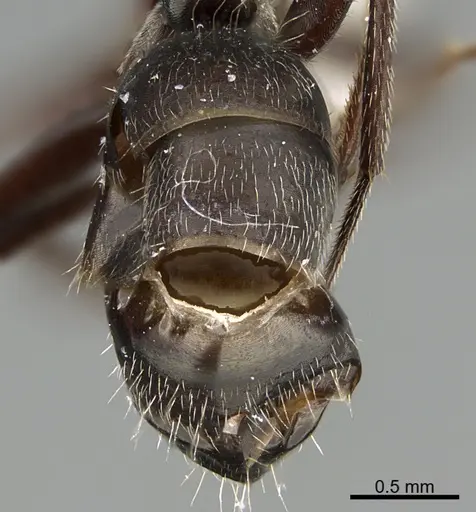
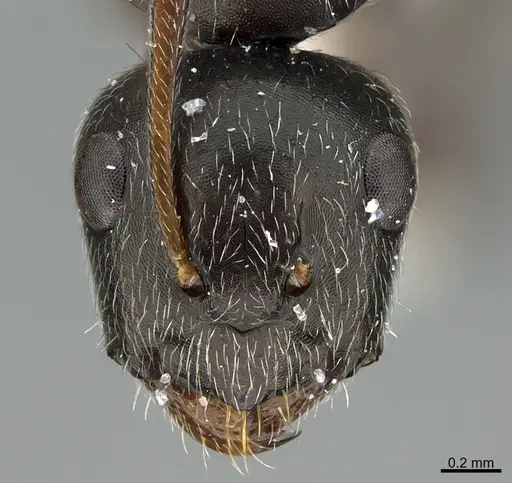
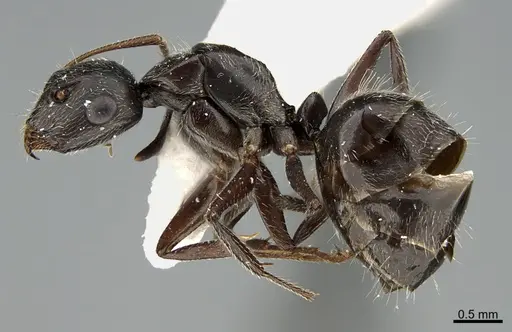
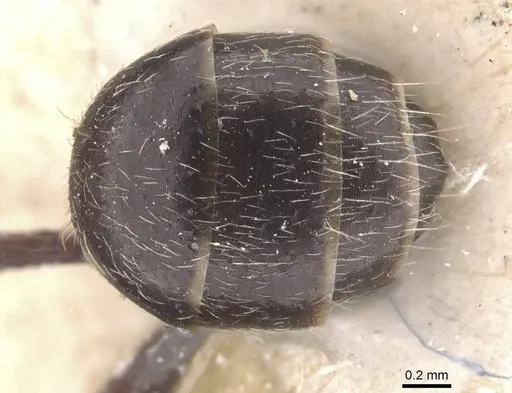
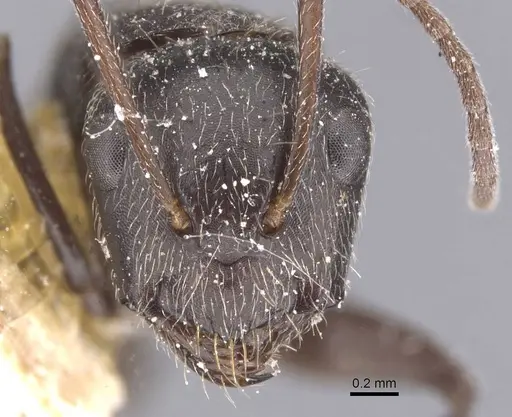
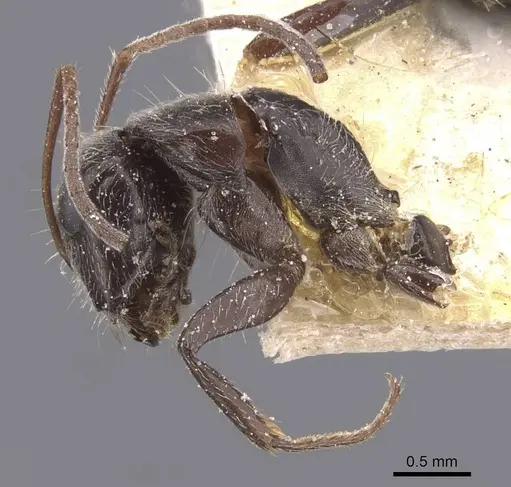
Camponotus declivus is a small carpenter ant species native to Mexico, specifically documented in Puebla state and the Valley of Zapotitlán de las Salinas [1][2]. Workers are typical of the genus Camponotus with a robust body and relatively large head. The species belongs to the subgenus Myrmaphaenus. This ant is a generalist forager, meaning it forages for a wide variety of food sources rather than specializing in one particular resource [2]. In the wild, it inhabits Llano (plain) areas and has been captured only during the rainy season, suggesting it is most active during wet summer months [2]. The species has low relative abundance in its natural habitat, making up less than 2% of ant communities sampled [2].
Quick Summary
- Difficulty: Medium
- Origin & Habitat: Camponotus declivus is found in central Mexico, particularly Puebla state in the Neotropical region [1]. Its known habitat is the Valley of Zapotitlán de las Salinas, where it lives in Llano (plain) areas [2]. This is a semi-arid to subtropical region with distinct wet and dry seasons. The species is a generalist forager found in these plain ecosystems [2].
- Colony Type: Colony structure is unconfirmed for this species. Based on typical Camponotus patterns, it likely forms single-queen colonies (monogyne), though multi-queen colonies have been documented in some related Mexican Camponotus species. More research is needed to confirm the exact colony structure.
- Colony: Monogyne
- Founding: Claustral
- Size & Growth:
- Queen: Estimated 12-15mm based on genus Camponotus patterns for Myrmaphaenus subgenus
- Worker: Estimated 6-10mm based on genus patterns
- Colony: Estimated 500-2000 workers at maturity based on typical Camponotus colony sizes
- Growth: Moderate
- Development: Estimated 6-8 weeks at optimal temperature based on typical Camponotus development [3] (Development time is inferred from genus-level data since species-specific studies are unavailable. Warmer temperatures within the safe range accelerate development.)
- Antkeeping:
- Temperature: Keep nest area at 22-26°C. This species comes from central Mexico where temperatures are warm but not extreme. A gentle temperature gradient allows ants to regulate their own conditions [3].
- Humidity: Moderate humidity around 50-60% is appropriate. The natural habitat in Puebla has distinct wet and dry seasons, so the species likely tolerates some variation. Keep nest substrate slightly moist but allow drying between waterings.
- Diapause: Likely required. Based on related Mexican Camponotus species and the seasonal activity pattern (active only during rainy season), this species benefits from a winter rest period of 2-3 months at 10-15°C.
- Nesting: In captivity, they do well in Y-tong (AAC) nests, plaster nests, or naturalistic setups with soil. As carpenter ants, they can chew through soft materials but do not require wood like some Camponotus. Provide dark, quiet nesting areas.
- Behavior: This is a generalist forager that actively searches for both sugar sources and protein. Workers are moderate in size and not particularly aggressive, though they can defend the nest if threatened. They are primarily nocturnal or crepuscular foragers in the wild. Escape risk is moderate, use standard barrier methods but no special fine mesh is required for this size class. They are not known to be escape artists like some smaller species.
- Common Issues: colonies often fail if humidity is too high or too low, aim for balanced moisture, slow growth during the first few months can lead to overfeeding or disturbance by impatient keepers, winter dormancy is often misunderstood, this species needs a rest period, limited natural history data means keepers must adapt care based on colony behavior, wild-caught colonies may have parasites or disease that can wipe out captive colonies
Housing and Nest Setup
Camponotus declivus adapts well to various captive setups. Y-tong (AAC) nests work excellently because they provide darkness, humidity control, and proper tunneling space. Plaster nests are also suitable and allow you to monitor humidity levels easily. Naturalistic setups with a soil chamber and outworld give the colony room to forage naturally. The colony will need an outworld (foraging area) connected to the nest. Use a test tube setup for founding colonies, queens seal themselves into a small chamber and raise their first brood there. Once the first workers (nanitics) emerge, you can move them to a larger formicarium if needed. Ensure the nest has chambers large enough for the colony to expand as it grows. [3]
Feeding and Diet
As generalist foragers, these ants accept a varied diet. Offer sugar water, honey, or diluted maple syrup as a constant carbohydrate source. For protein, provide small insects like fruit flies, mealworms, small crickets, or other appropriately sized prey. In the wild, this species forages for both sweet substances (honeydew from aphids, nectar) and protein sources (small insects). Feed protein prey 2-3 times per week, removing any uneaten prey after 24 hours. Sugar water should always be available. Adjust feeding frequency based on colony size and consumption rates, larger colonies consume more and can handle larger prey items. [3]
Temperature and Seasonal Care
Maintain temperatures between 22-26°C in the nest area. This species originates from central Mexico where conditions are warm year-round with seasonal variation. Room temperature in most homes falls within this range, but you may need a heating cable or mat during colder months. A temperature gradient is beneficial, warm on one end, cooler on the other, so ants can self-regulate. During winter (roughly November-February in the Northern Hemisphere), reduce temperature to 10-15°C to allow dormancy. This rest period mimics the dry season in their native habitat when activity naturally decreases. Do not feed during deep dormancy but ensure water is available. [3]
Colony Development and Growth
A newly mated queen will seal herself in a chamber and lay eggs. She feeds the first brood from her stored fat reserves (claustral founding). The first workers, called nanitics, are typically smaller than normal workers and help expand the colony. Expect 6-8 weeks from egg to first worker at optimal temperature. After nanitics emerge, the colony grows as the queen produces more eggs and workers hunt for food. Growth is moderate, a healthy colony reaches 50-100 workers within the first year. Colony growth accelerates in subsequent years as the queen's egg-laying rate increases. Patience is key with Camponotus species, they are long-lived and can thrive for many years. [3]
Behavior and Temperament
These ants are generally calm and not overly aggressive. Workers go about their foraging activities without excessive disturbance to the nest. They are primarily crepuscular or nocturnal foragers in the wild, so you may see more activity in the evening hours. When threatened, they can defend the nest but are not known for aggressive swarming. Workers communicate using chemical pheromones and may use tandem running (one worker leads another to food sources). Escape prevention is important but not extreme, standard barriers work well for this size class. They do not spray formic acid like some related Formicinae. [3]
Frequently Asked Questions
How long does it take for Camponotus declivus to have first workers?
Expect 6-8 weeks from egg to first worker at optimal temperature (22-26°C). This is typical for Camponotus species. The first workers (nanitics) are usually smaller than mature workers and appear within 1.5-2 months after the queen lays her eggs.
What do Camponotus declivus ants eat?
They are generalist feeders. Offer constant sugar water or honey for carbohydrates, and protein sources like small insects (fruit flies, mealworms, small crickets) 2-3 times per week. Remove uneaten prey after 24 hours.
Do Camponotus declivus ants need hibernation?
Yes, a winter rest period is recommended. Reduce temperatures to 10-15°C for 2-3 months during winter. This mimics their natural seasonal cycle in central Mexico where they experience a dry season with reduced activity.
What temperature is best for Camponotus declivus?
Keep the nest at 22-26°C. A slight temperature gradient is beneficial so ants can move between warmer and cooler areas. Room temperature often falls within this range.
Are Camponotus declivus good for beginners?
This species is rated as medium difficulty. They are more forgiving than some exotic species but require understanding of basic ant keeping including proper feeding, humidity management, and seasonal dormancy. They are not the easiest species but are manageable for committed beginners.
How big do Camponotus declivus colonies get?
Mature colonies likely reach 500-2000 workers based on typical Camponotus patterns. The exact maximum is unknown for this specific species, but related Mexican Camponotus species reach these sizes.
Can I keep multiple queens together in one colony?
This is not recommended for this species. While some Camponotus can be polygyne, there is no data on Camponotus declivus colony structure. It is safest to start with one queen per setup.
When should I move my colony to a formicarium?
Move to a larger nest when the test tube becomes crowded or the colony reaches 20-30 workers. Camponotus declivus can be moved to Y-tong, plaster, or naturalistic setups once they outgrow their founding setup.
Why are my Camponotus declivus dying?
Common causes include improper humidity (too wet or too dry), temperature extremes, overfeeding leading to mold, disturbing the nest too often, or parasites from wild-caught colonies. Ensure proper conditions and minimize disturbance during the founding stage.
References

This caresheet is licensed under CC BY-SA 4.0 .
ANTWEB1041563
View on AntWeb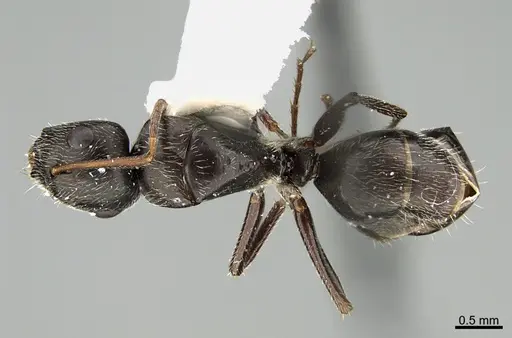
CASENT0911681
View on AntWeb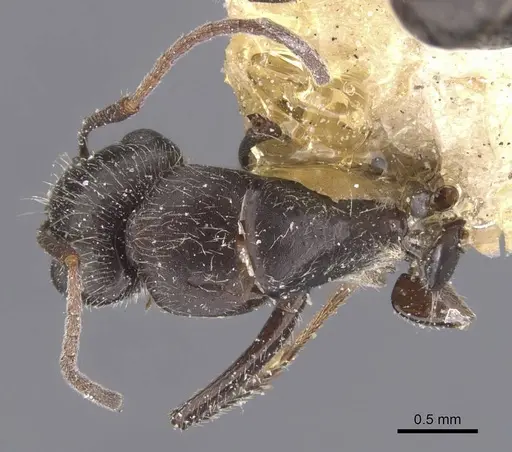
Literature
Loading...Loading products...