

Camponotus constructor
- Scientific Name
- Camponotus constructor
- Subgenus
- Myrmosphincta
- Tribe
- Camponotini
- Subfamily
- Formicinae
- Author
- Forel, 1899
- Distribution
- Found in 2 countries
Camponotus constructor Overview
Camponotus constructor is an ant species of the genus Camponotus. It is primarily documented in 2 countries , including Costa Rica, Ecuador. Detailed taxonomic data and occurrence records can be further explored via authoritative databases such as AntWeb or the Global Biodiversity Information Facility (GBIF).
Camponotus constructor
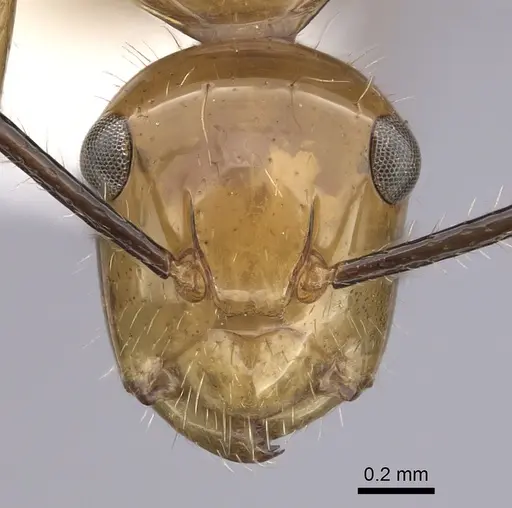
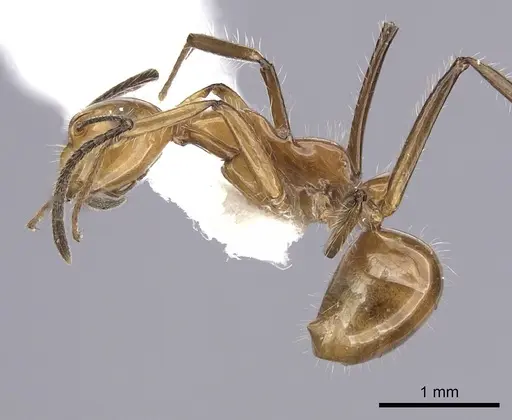
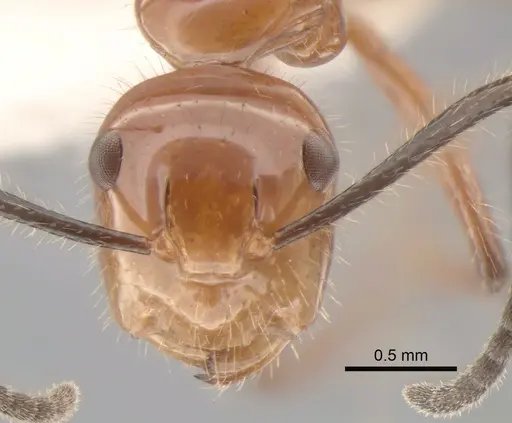
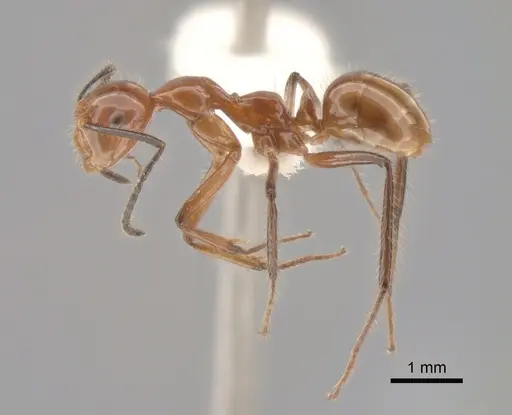
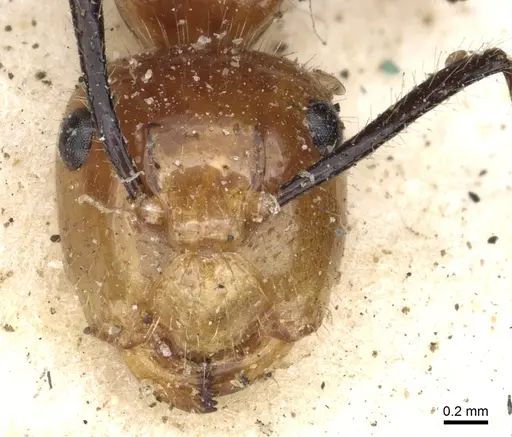
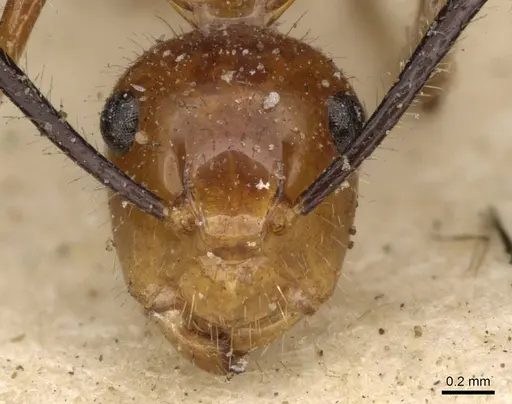
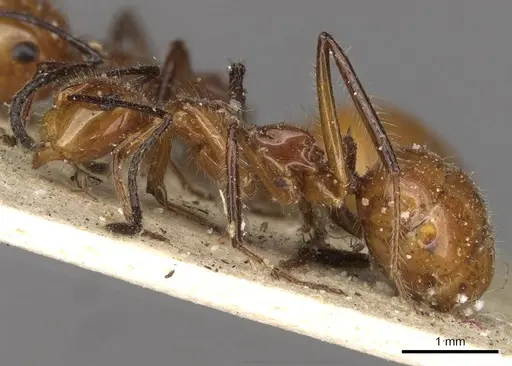
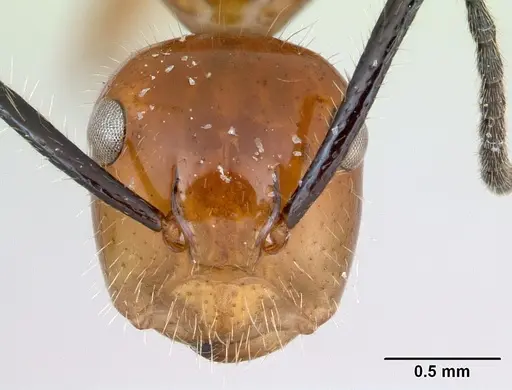
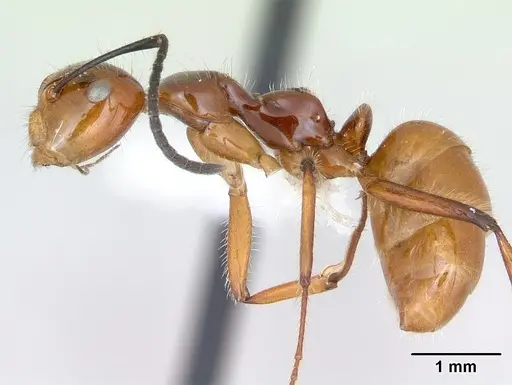
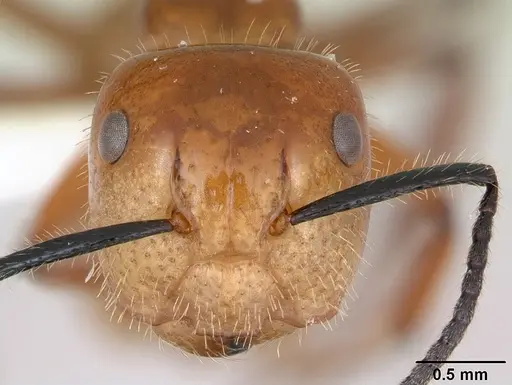
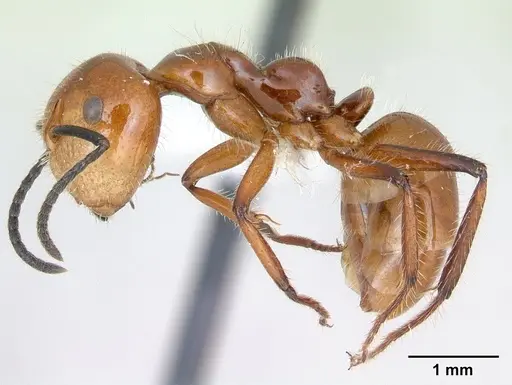
Camponotus constructor is a Neotropical arboreal ant species found throughout Panama, Costa Rica, and Ecuador. Workers measure 5.3-6.5mm with a distinct reddish-yellow coloration, the front of the head is pale yellow while the abdomen is darker. Queens are larger at 7.7mm. This species builds characteristic carton nests, papery structures made from chewed plant fibers that they suspend from tree branches in the rainforest canopy. Their mandibles are narrow with 6 teeth, and they have fine yellowish pilosity covering their body [1][2].
What makes C. constructor interesting is their arboreal lifestyle, unlike many Camponotus species that nest in soil or rotting wood on the ground, these ants live high in the rainforest canopy. They belong to the subgenus Myrmosphincta, a group known for their arboreal nesting habits. In the wild, they construct distinctive papery nests that hang from branches, making them a fascinating species for keepers interested in observing natural arboreal ant behavior [1].
Quick Summary
- Difficulty: Medium
- Origin & Habitat: Neotropical rainforests of Panama, Costa Rica, and Ecuador. They are arboreal ants that build carton nests suspended from tree branches in the canopy [1][2].
- Colony Type: Likely single-queen colonies (monogyne) based on typical Camponotus patterns. Colony size in the wild is not well documented but likely reaches several hundred workers given typical genus growth patterns.
- Colony: Monogyne
- Founding: Claustral
- Size & Growth:
- Queen: 7.7 mm [1]
- Worker: 5.3-6.5 mm [1]
- Colony: Unknown, estimated several hundred workers based on typical Camponotus growth patterns
- Growth: Moderate
- Development: 6-10 weeks at optimal temperature (estimated based on typical Camponotus development) (Development time is inferred from related Camponotus species, actual timing may vary based on temperature and conditions)
- Antkeeping:
- Temperature: Keep at 24-28°C. As a tropical species, they need consistently warm conditions. A heating cable on one side of the nest creates a gentle gradient [1].
- Humidity: Moderate to high, arboreal ants prefer humid conditions. Keep nest substrate lightly moist but allow some drying areas. Mist occasionally and provide a water tube.
- Diapause: Unlikely, as a tropical species, they probably don't require true hibernation. They may have reduced activity during cooler or drier seasons but no formal diapause is needed.
- Nesting: In captivity, they adapt well to acrylic or plaster nests. Provide chambers scaled to their size with some vertical space since they're arboreal. They may accept a Y-tong nest or custom acrylic setup. Avoid completely horizontal layouts, they prefer some vertical orientation.
- Behavior: These ants are generally docile and not aggressive toward keepers. They are arboreal by nature, so they climb well and may be more active on vertical surfaces. Workers are moderately sized and can escape through small gaps, use standard escape prevention. They are primarily nocturnal or crepuscular foragers in the wild. They may be slower to establish than ground-nesting species but become hardy colonies once established.
- Common Issues: escape prevention matters, they can climb and will explore gaps, use fluon on container rims, humidity control is important, too dry and brood dies, too wet and mold becomes a problem, arboreal species may be slower to accept new nests, give them time to adapt, tropical warmth is essential, temperatures below 22°C can slow or stop brood development, colonies may take longer to establish than ground-nesting species, patience is key
Nest Preferences and Housing
In the wild, Camponotus constructor builds carton nests, papery structures made from chewed plant fibers that they suspend from tree branches in the rainforest canopy. This arboreal nesting behavior is distinctive and differs from most ground-nesting Camponotus species [1].
For captive care, they adapt well to standard formicarium setups. Acrylic nests work particularly well because you can observe their behavior and control humidity easily. Plaster nests are also suitable and help maintain stable humidity. Since they're arboreal, they appreciate some vertical space in their nest, avoid completely horizontal layouts. Provide chambers sized appropriately for 5-6mm workers.
When setting up their outworld (foraging area), ensure it's escape-proof. These ants are good climbers and will explore any gaps. Apply fluon or similar barrier to container rims. They do well with a simple setup: nest area connected to a foraging container with a water tube.
Feeding and Diet
Like other Camponotus species, C. constructor is omnivorous. They primarily consume honeydew from aphids and scale insects in the wild, along with small insects and other protein sources. In captivity, offer a varied diet.
Sugar sources are important: provide sugar water, honey, or diluted maple syrup regularly. For protein, offer small insects like fruit flies, small crickets, mealworms, or waxworms. They generally accept most standard ant foods. Feed them a few times per week, protein every 2-3 days and sugar water constantly available.
Since they're arboreal and likely forage more actively at night, you might notice more activity in the evening hours. Remove uneaten prey after 24-48 hours to prevent mold issues.
Temperature and Seasonal Care
As a tropical species from Central and South America, Camponotus constructor needs warm conditions. Keep the nest area at 24-28°C for optimal brood development. Temperatures below 22°C can slow their metabolism and stop brood development entirely.
Use a heating cable or heating mat on one side of the nest to create a temperature gradient. This allows the ants to choose their preferred temperature. Place the heating element on top of the nest, not underneath, to avoid drying out the substrate too quickly.
Unlike temperate species, they don't require a true hibernation period. However, they may naturally reduce activity during the dry season in their native range. In captivity, maintaining consistent warmth year-round is best. If your room temperature drops significantly in winter, consider using a small heater or heating cable. [1]
Behavior and Colony Dynamics
Camponotus constructor workers are moderately sized at 5.3-6.5mm and have a distinctive yellowish-red coloration with darker abdomen. They're generally docile and not prone to biting or stinging. Queens are significantly larger at 7.7mm.
This species is arboreal, meaning they're naturally comfortable climbing and spending time off the ground. In captivity, you'll notice they readily climb vertical surfaces and may explore the edges of their enclosure. This climbing ability also means they're capable of escaping if given the chance, always use proper escape prevention.
Colony growth is moderate. A newly mated queen will take several months to produce her first workers (nanitics), and the colony will grow gradually over the first year or two. Once established, colonies can live for many years, Camponotus queens can live 15-25 years in ideal conditions. [1][2]
Frequently Asked Questions
Can I keep Camponotus constructor in a test tube?
Yes, you can start them in a test tube setup for founding. Use a standard test tube with a water reservoir sealed with cotton. Keep it humid and warm. Once the colony reaches 15-20 workers, consider moving them to a proper formicarium with more space.
When should I move my Camponotus constructor colony to a formicarium?
Move them when the colony reaches 15-30 workers or when the test tube becomes crowded. Signs include workers clustering near the cotton (seeking more space) or the water reservoir running low quickly. Make sure the new nest is appropriately sized, too large a nest can stress small colonies.
How long does it take for Camponotus constructor to produce first workers?
Expect 6-10 weeks from egg to worker at optimal temperature (24-28°C). The first workers (nanitics) will be smaller than normal workers. After that, growth continues gradually, a mature colony of several hundred workers may take 1-2 years to develop.
Can I keep multiple Camponotus constructor queens together?
Not recommended. Like most Camponotus, they are likely single-queen species (monogyne). Combining unrelated queens typically results in fighting. If you catch multiple founding queens, house them separately.
What temperature do Camponotus constructor ants need?
Keep them at 24-28°C. As a tropical species, they need consistent warmth. Use a heating cable on one side of the nest to create a gradient. Avoid temperatures below 22°C for extended periods.
Are Camponotus constructor ants good for beginners?
They are rated as medium difficulty. They require more specific conditions than temperate species (warmth, humidity) but are generally hardy once established. They're more challenging than common species like Lasius or Messor but easier than some exotic arboreal ants.
Do Camponotus constructor ants need hibernation?
No, they don't require hibernation. As a tropical species, they don't enter diapause. Simply maintain warm temperatures year-round. They may have reduced activity during certain seasons in the wild, but captive colonies do best with consistent conditions.
Why are my Camponotus constructor ants dying?
Common causes include: temperature too cold (below 22°C), humidity wrong (too dry or too wet/moldy), stress from moving too often, or poor escape prevention allowing escapes. Check these parameters first. Also ensure you're not overfeeding, uneaten food mold kills colonies.
What do Camponotus constructor ants eat?
They eat sugar (honey, sugar water, maple syrup) and protein (small insects like fruit flies, mealworms, crickets). Offer sugar water constantly and protein prey 2-3 times per week. Remove uneaten prey after 24 hours.
References

This caresheet is licensed under CC BY-SA 4.0 .
CASENT0249402
View on AntWeb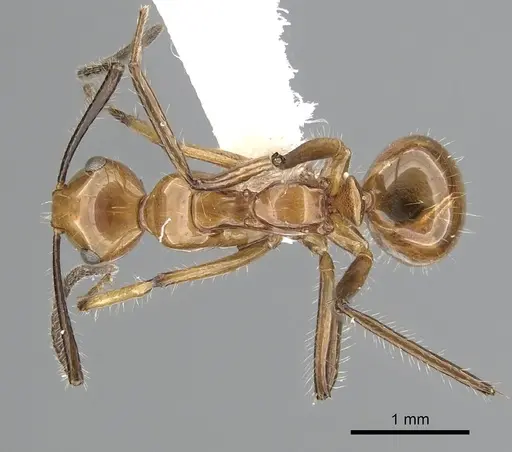
CASENT0843418
View on AntWeb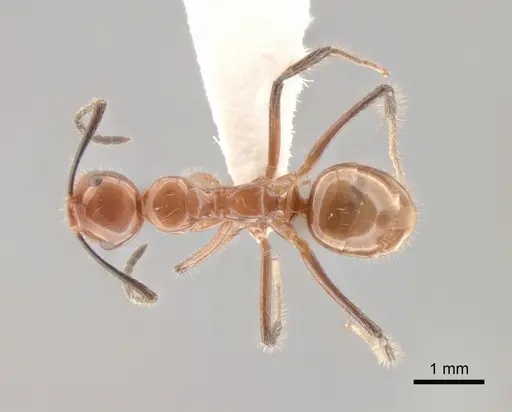
CASENT0903634
View on AntWeb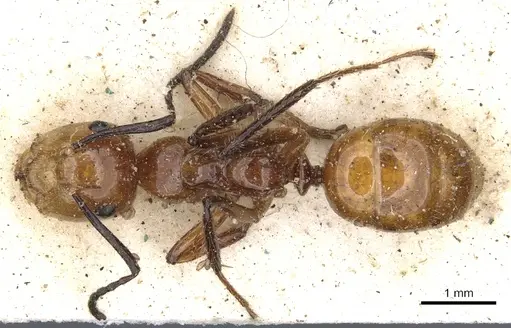
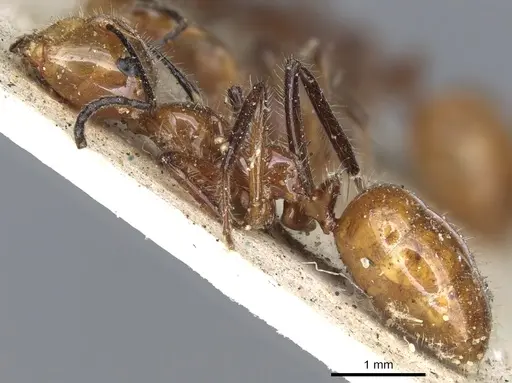
CASENT0910614
View on AntWeb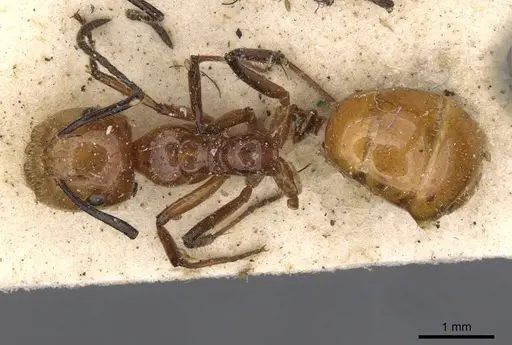
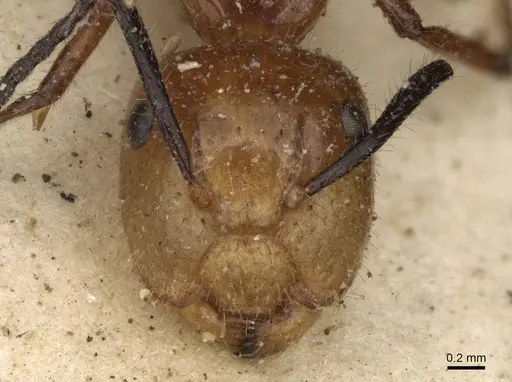
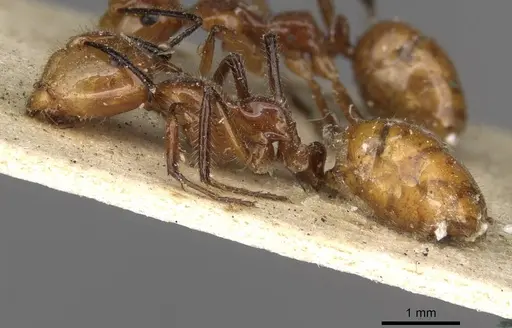
CASENT0910615
View on AntWeb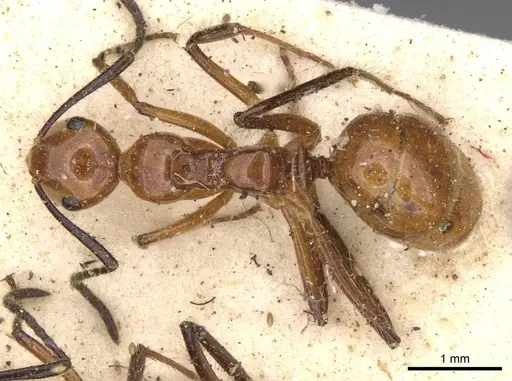
INB0003662435
View on AntWeb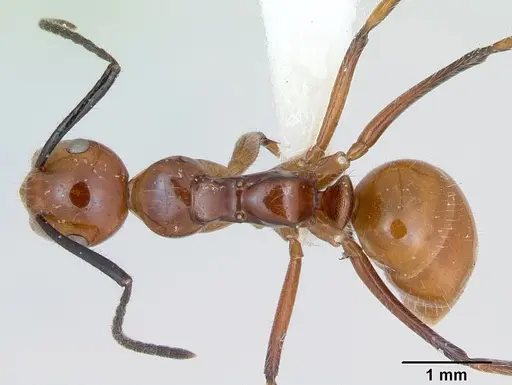
INB0003662437
View on AntWeb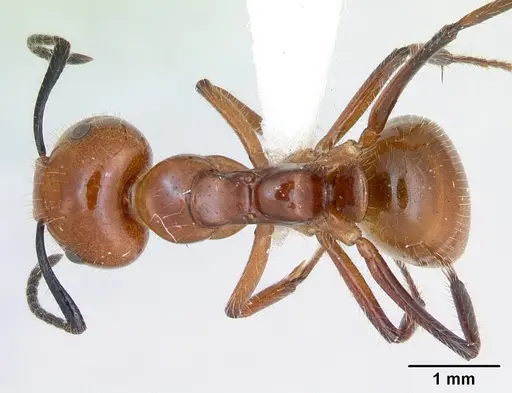
Literature
Loading...Loading products...