

Camponotus andrianjaka
- Scientific Name
- Camponotus andrianjaka
- Subgenus
- Mayria
- Tribe
- Camponotini
- Subfamily
- Formicinae
- Author
- Rasoamanana & Fisher, 2022
- Distribution
- Found in 1 countries
Camponotus andrianjaka Overview
Camponotus andrianjaka is an ant species of the genus Camponotus. It is primarily documented in 1 countries , including Madagascar. Detailed taxonomic data and occurrence records can be further explored via authoritative databases such as AntWeb or the Global Biodiversity Information Facility (GBIF).
Camponotus andrianjaka
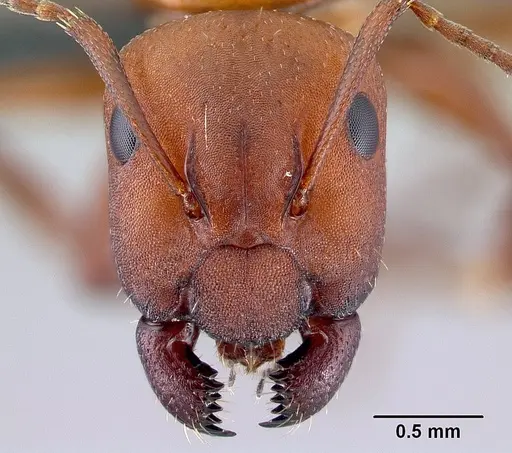
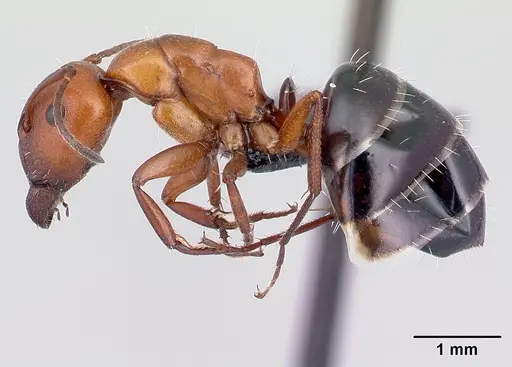
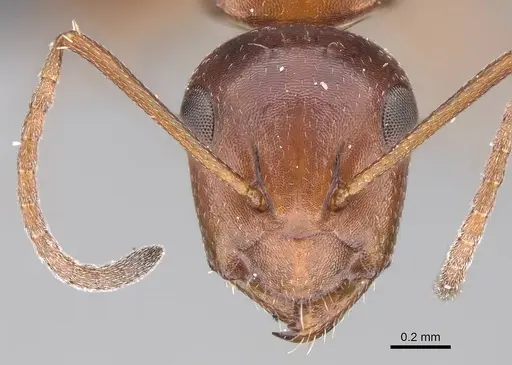
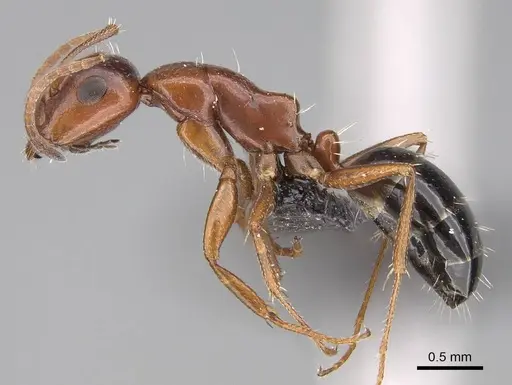
Camponotus andrianjaka is a medium-sized ant species endemic to the woodlands and savannahs of southern Madagascar. Workers display a distinctive bicolored pattern: the head and mesosoma are reddish-brown while the gaster is dark brown to black. Minor workers measure around 0.84mm in cephalic size, while major workers are larger at approximately 1.15mm. The species belongs to the Camponotus ellioti species group and was only formally described in 2022,making it one of the newer additions to the ant-keeping hobby. These ants are found at elevations between 1300-1987m in Bismarckia woodland, Uapaca woodland, and savannah habitats, as well as eucalyptus plantations and grassland areas [1].
This species is notable for being a recently described Malagasy endemic in the Mayria subgenus. The combination of their attractive coloration, manageable size, and the challenge of keeping a newly described species makes them an interesting choice for antkeepers looking to work with something less common than the typical Camponotus species found in the hobby.
Quick Summary
- Difficulty: Medium
- Origin & Habitat: Endemic to southern Madagascar, specifically Bismarckia woodland, shrubland, Uapaca woodland, and savannah woodland at elevations of 1300-1987m. Also found in eucalyptus plantations and grassland [1].
- Colony Type: Colony structure is unconfirmed. Based on typical Camponotus patterns, likely single-queen (monogyne) colonies with claustral founding.
- Colony: Monogyne
- Founding: Claustral
- Size & Growth:
- Queen: Unconfirmed, likely 12-15mm based on genus patterns for Mayria subgenus species
- Worker: Minor workers: 0.81-0.88mm cephalic size (approximately 4-6mm body length). Major workers: 1.12-1.20mm cephalic size (approximately 7-9mm body length) [1].
- Colony: Maximum colony size is unconfirmed. Based on similar Malagasy Camponotus species, likely several hundred workers.
- Growth: Moderate, based on typical Camponotus development patterns
- Development: 6-10 weeks at optimal temperature (estimated from genus-level Camponotus data) (Development time is estimated from related Camponotus species, specific data for C. andrianjaka is not available. Expect 6-10 weeks from egg to first nanitic workers at around 24°C.)
- Antkeeping:
- Temperature: Keep nest area at 22-26°C. These ants come from high-elevation Madagascar woodlands, so they prefer warm but not extreme conditions. A heating cable on one side of the nest creates a suitable gradient. Room temperature in the low-to-mid 20s°C is often appropriate.
- Humidity: Moderate humidity around 50-70%. The natural habitat includes seasonal干燥 (dry) woodland areas, so avoid overly damp conditions. Keep the nest substrate slightly moist but allow some drying between waterings.
- Diapause: Likely required, Madagascar experiences seasonal temperature changes. Provide a winter rest period of 8-12 weeks at 15-18°C during the cooler months.
- Nesting: In nature they nest in soil and rotting wood in woodland habitats. In captivity, a Y-tong (AAC) nest or plaster nest works well. Provide a test tube setup for founding colonies. The nest should have chambers scaled to their medium size.
- Behavior: Temperament is typical of Camponotus, generally docile and not aggressive toward keepers. Workers are active foragers but not particularly aggressive toward other ants. Major workers can deliver a mild sting if provoked, though Camponotus stings are typically mild. Escape risk is moderate, use standard barrier methods (Fluon) on the outworld. They are primarily nocturnal foragers in their natural habitat.
- Common Issues: newly described species means limited husbandry information, be prepared to experiment with conditions, high elevation origin means they may be sensitive to overheating, avoid temperatures above 30°C, claustral founding can fail if the queen is disturbed during the sealing process, wild-caught colonies may carry parasites or diseases specific to Malagasy ants, limited availability as a newly described species may make obtaining a colony challenging
Housing and Nest Setup
For founding colonies, a standard test tube setup works well. Fill a test tube with water and plug the open end with cotton, this provides humidity while giving the queen a dark, secure chamber to seal herself in. Place the test tube in a dark, quiet location and avoid disturbing the queen for 4-6 weeks until the first workers emerge. Once the colony reaches 20-30 workers, you can transition to a formicarium. A Y-tong (AAC) nest or plaster nest with medium-sized chambers works well for this species. The nest material should retain slight moisture but not stay wet. Provide an outworld (foraging area) connected to the nest via tubing. The outworld should be escape-proof, apply Fluon or similar barrier to the edges. Because they come from high elevations in Madagascar, avoid placing the setup in direct sunlight or near heat sources that could cause overheating. [1]
Feeding and Diet
Camponotus andrianjaka will likely accept the standard ant diet. Offer protein sources such as small insects (fruit flies, small crickets, mealworms) and sugar sources (honey water, sugar water). In their natural woodland habitat, they likely tend aphids and collect honeydew, so sugar sources are important for energy. Feed protein 2-3 times per week, and keep a constant supply of sugar water in the outworld. Remove uneaten prey after 24-48 hours to prevent mold. Fresh killed insects are generally more readily accepted than live prey, though both can work. Observe your colony's preferences and adjust feeding frequency accordingly. A well-fed colony will show active workers and brood development.
Temperature and Seasonal Care
Maintain nest temperatures between 22-26°C. These ants come from elevations of 1300-1987m in southern Madagascar, so they prefer warm but not hot conditions. A heating cable placed on one side of the nest can create a temperature gradient, allowing workers to choose their preferred zone. During the cooler months (roughly November-February, mimicking Madagascar's winter), reduce temperatures to 15-18°C for a diapause period. This rest period helps maintain colony health and may trigger reproductive behavior. Do not allow temperatures to drop below 10°C or rise above 30°C. If your room temperature stays in the low 20s year-round, the colony may not require a formal diapause, but a slight seasonal temperature reduction is beneficial. [1]
Colony Development and Growth
As a newly described species (2022), specific development data for C. andrianjaka is not available. Based on typical Camponotus patterns, expect the following timeline: after the queen seals herself in (claustral founding), she will lay eggs within 1-2 weeks. Eggs develop through larval and pupal stages over the following 4-8 weeks, depending on temperature. First workers (nanitics) are typically smaller than mature workers and appear around 6-10 weeks after founding. The colony will grow slowly at first, then accelerate once the first batch of workers is established. Major workers (larger soldiers) typically appear once the colony reaches 50-100 workers. A mature colony may contain several hundred workers. Be patient, Camponotus colonies take time to establish, but once they reach critical mass, growth can be rapid. [1]
Behavior and Observation
Camponotus andrianjaka displays typical Camponotus behavior, workers are active foragers, primarily nocturnal in their natural habitat. They will explore the outworld in search of food and can be observed carrying prey back to the nest. The species is not particularly aggressive and will typically flee rather than engage when threatened. However, major workers can deliver a mild sting if the colony feels directly threatened. In the nest, you may observe the characteristic nodiform petiole (the narrow waist section) with whitish hairs on the posterior margin, this is a key identification feature. Workers communicate through chemical signals and will recruit nestmates to food sources through tandem running or chemical trails. Watching the interaction between minor and major workers can be particularly interesting, as the size difference is pronounced. [1]
Frequently Asked Questions
How long does it take for Camponotus andrianjaka to produce first workers?
Based on typical Camponotus development, expect first workers (nanitics) to emerge around 6-10 weeks after the queen lays her eggs, assuming temperatures around 24°C. The exact timeline for this specific species has not been documented, so be patient during the founding phase.
What do Camponotus andrianjaka ants eat?
They likely accept standard ant foods: protein (small insects like fruit flies, crickets, mealworms) and sugar sources (honey water, sugar water). Feed protein 2-3 times per week and keep sugar water constantly available. Remove uneaten prey after 24 hours.
What temperature do Camponotus andrianjaka need?
Keep the nest at 22-26°C. They come from high-elevation Madagascar and prefer warm but not hot conditions. Avoid temperatures above 30°C. A slight temperature gradient allows workers to regulate their own exposure.
Do Camponotus andrianjaka need hibernation?
Likely yes, provide a winter rest period of 8-12 weeks at 15-18°C during the cooler months. This mimics their natural seasonal conditions in Madagascar. If kept at room temperature year-round, a slight temperature reduction in winter is still beneficial.
Is Camponotus andrianjaka good for beginners?
This species is rated as Medium difficulty. While general Camponotus care is straightforward, this is a newly described species with limited documented husbandry information. Be prepared to adapt and observe your colony closely. If you want a more established option, consider starting with species like Camponotus floridanus or Camponotus pennsylvanicus.
How big do Camponotus andrianjaka colonies get?
Maximum colony size is not documented for this species. Based on related Malagasy Camponotus species, expect several hundred workers at maturity. Growth is moderate, expect 1-2 years to reach 100 workers.
Can I keep multiple Camponotus andrianjaka queens together?
Colony structure is unconfirmed for this species. Based on typical Camponotus patterns, they likely form single-queen colonies. Combining unrelated queens (pleometrosis) has not been documented and is not recommended.
Where is Camponotus andrianjaka native to?
This species is endemic to southern Madagascar. It is found in Bismarckia woodland, Uapaca woodland, savannah woodland, shrubland, and grasslands at elevations of 1300-1987m. It has also been recorded in eucalyptus plantations.
How do I start a Camponotus andrianjaka colony?
Begin with a mated queen (preferably claustral, already sealed in) or a small colony with queen and workers. Place her in a test tube setup with water reservoir. Keep the setup dark and quiet, and do not disturb her for 4-6 weeks. Once workers emerge, you can gradually introduce a small outworld.
Why is my Camponotus andrianjaka colony not growing?
Possible causes include: temperatures too low (below 20°C), insufficient protein feeding, too much or too little humidity, or the queen may have died during founding. Review your conditions and make incremental adjustments. Also ensure the queen is alive and laying eggs, without a fertile queen, the colony cannot grow.
References

This caresheet is licensed under CC BY-SA 4.0 .
CASENT0159208
View on AntWeb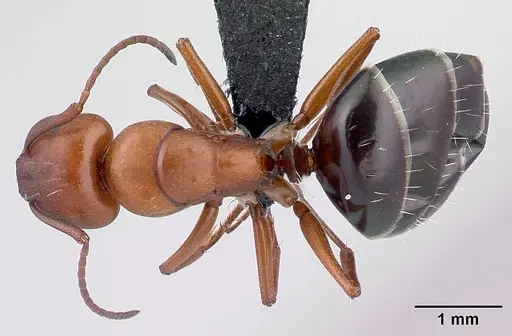
CASENT0243690
View on AntWeb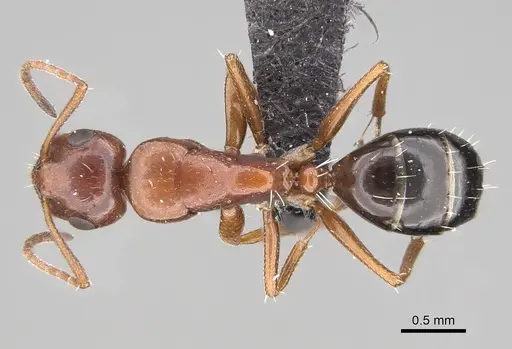
Literature
Loading...Loading products...