

Camponotus ellioti
- Scientific Name
- Camponotus ellioti
- Subgenus
- Mayria
- Tribe
- Camponotini
- Subfamily
- Formicinae
- Author
- Forel, 1891
- Distribution
- Found in 1 countries
Camponotus ellioti Overview
Camponotus ellioti is an ant species of the genus Camponotus. It is primarily documented in 1 countries , including Madagascar. Detailed taxonomic data and occurrence records can be further explored via authoritative databases such as AntWeb or the Global Biodiversity Information Facility (GBIF).
Camponotus ellioti
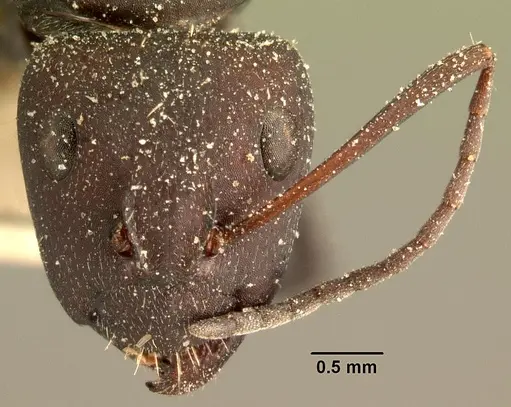
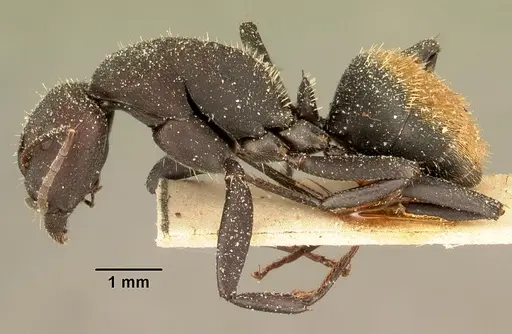
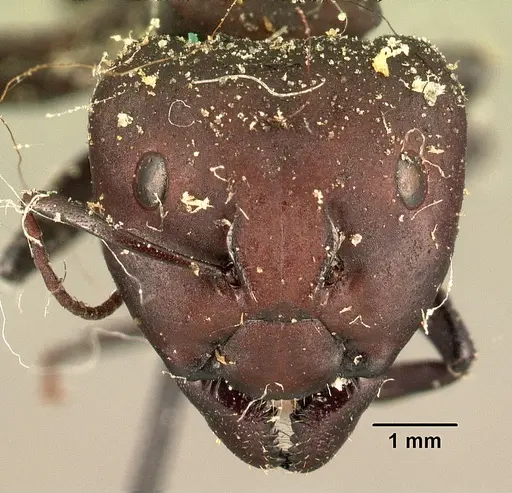
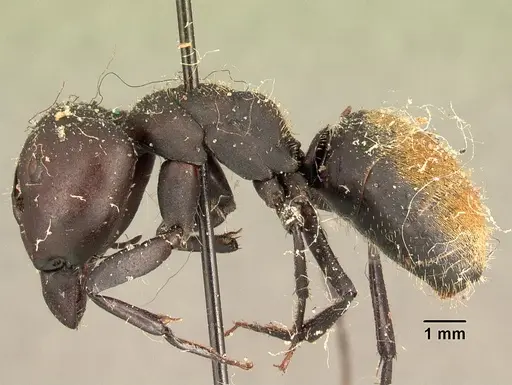
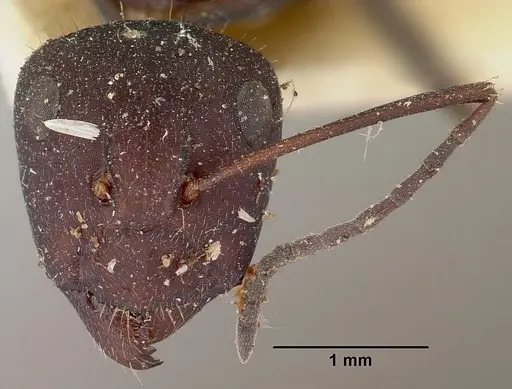
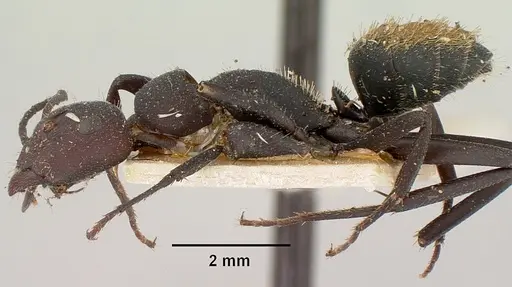
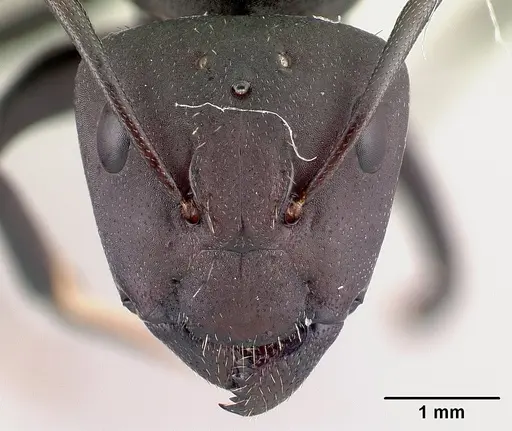
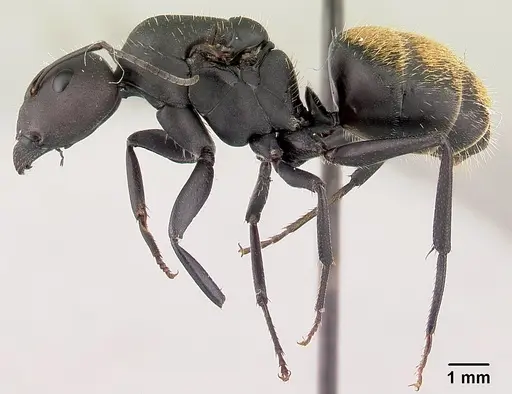
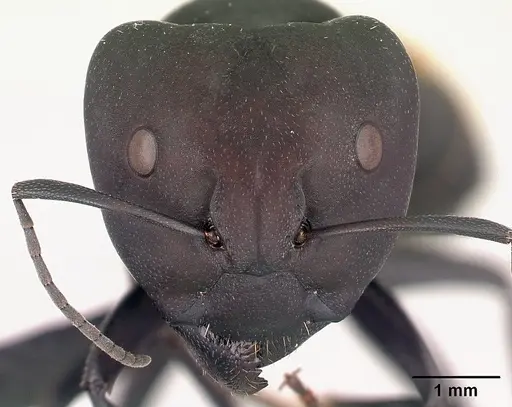
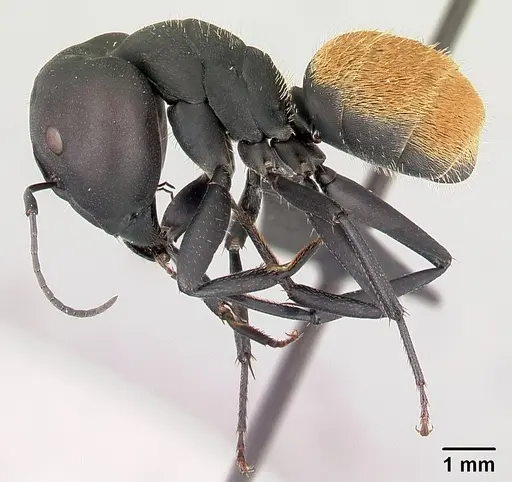
Camponotus ellioti is a large, striking ant species endemic to the dry forest regions of southeast Madagascar. Workers are distinctive with reddish-brown to dark brown heads and mesosoma, while the gaster is always dark colored. The species is recognizable by its short, rectangular clypeal lobe and the distinctive covering of thick, blunt, rust-colored hairs on the gaster. Minor workers are relatively small at around 5-7mm, while major workers develop large, powerful heads reaching 10-12mm. This species belongs to the Camponotus subgenus Mayria, a group endemic to Madagascar [1][2].
What makes C. ellioti special is its adaptation to Madagascar's harsh dry environments. Found in habitats ranging from coastal scrub to gallery forest, these ants have evolved to thrive in conditions that would challenge many other ant species. Their rust-colored gastral hairs are not just decorative, they likely help with temperature regulation andCamouflage in the dusty forest floor of their native habitat [1].
Quick Summary
- Difficulty: Medium
- Origin & Habitat: Southeast Madagascar, specifically the dry forest regions. They inhabit bush, coastal scrub, coastal spiny bush on sandy soil, Euphorbia forest, spiny bush and thicket, gallery forest, and riparian scrub at elevations of 5 to 230 meters [1][2]. This is a completely tropical species from Madagascar's unique ecosystems.
- Colony Type: Likely single-queen colonies (monogyne), following typical Camponotus patterns. The colony structure of this specific species has not been directly studied, but related Malagasy Camponotus species typically establish single-queen nests [1].
- Colony: Monogyne
- Founding: Claustral
- Size & Growth:
- Queen: Estimated 12-16mm based on genus patterns, direct measurements not available
- Worker: Minor workers: 5-7mm, Major workers: 10-12mm. Minor worker cephalic size (CS) averages 1.85mm, majors average 4.13mm [1].
- Colony: Unknown for this specific species. Based on typical Camponotus patterns, colonies likely reach several hundred to a few thousand workers.
- Growth: Moderate, Camponotus species typically take 6-10 weeks from egg to first worker at optimal temperature.
- Development: Estimated 6-10 weeks at 24-28°C based on typical Camponotus development patterns. No specific study exists for this species. (Development time is estimated from genus-level data. Tropical species like C. ellioti typically develop faster than temperate species due to year-round warm conditions in their native habitat.)
- Antkeeping:
- Temperature: Keep at 24-28°C. As a tropical species from Madagascar, they need consistently warm conditions. A heating cable on one side of the nest creates a temperature gradient that allows ants to regulate their own temperature [1]. Room temperature may suffice if your home stays in this range.
- Humidity: Moderate humidity of 50-70%. These ants come from dry forest and coastal scrub habitats, so they prefer conditions that are drier than typical rainforest species. Allow the nest to partially dry out between waterings rather than keeping it constantly moist.
- Diapause: No true diapause required. Being from tropical Madagascar, this species does not experience cold winters. However, they may show reduced activity during cooler periods or if temperatures drop below their preferred range.
- Nesting: Y-tong (AAC) nests work well for this species. The chambers should be appropriately sized, not too large for founding colonies, but spacious enough for majors with their large heads. Naturalistic setups with soil or sand substrates also mimic their natural habitat. Avoid overly humid conditions that can cause mold in their dry-adapted nest.
- Behavior: Camponotus ellioti is generally calm and not overly aggressive. Like most Camponotus species, they are primarily nocturnal or crepuscular foragers, with workers emerging to search for sugar sources and protein at night. Major workers with their large heads can defend the nest and crush tougher food items. They are moderate escape artists, their size means they cannot squeeze through tiny gaps like some tiny ants, but standard escape prevention (Fluon, tight-fitting lids) should still be used. Workers are relatively long-lived compared to many ant species, which is typical of the genus Camponotus.
- Common Issues: tropical temperature requirements mean colonies can struggle in cool rooms or during winter if not heated properly, dry habitat preference means overwatering can cause mold problems that kill colonies, slow founding phase, claustral queens seal themselves in and may take months before first workers emerge, leading some keepers to give up too early, major workers' large heads can get stuck in improperly sized formicarium chambers, wild-caught colonies may carry parasites or diseases that are difficult to treat in captivity
Housing and Nest Setup
Camponotus ellioti does well in Y-tong (AAC) nests, which provide the dark, secure environment these ants prefer. The chambers should be appropriately sized, too large a space can stress founding colonies, while too small will cramp major workers whose large heads need room. A typical starting setup for a founding queen is a test tube setup with a water reservoir, transitioning to a small formicarium once the colony reaches 20-30 workers. For larger colonies, ensure chambers are at least 10-15mm tall to accommodate major workers comfortably. These ants prefer drier conditions than many tropical species, so avoid setups that retain excessive moisture. A small water chamber for humidity is sufficient, you do not need high humidity setups typical of rainforest ants [1].
Feeding and Diet
Like all Camponotus species, C. ellioti is omnivorous and needs both sugar and protein. For sugar sources, offer sugar water, honey, or diluted maple syrup, these ants will readily consume sweet liquids. For protein, provide small insects such as fruit flies, small crickets, mealworms, or waxworms. Feed protein 2-3 times per week, removing any uneaten prey after 24 hours to prevent mold. Sugar water should be available constantly, a small dropper bottle or cotton ball soaked in sugar water works well. Unlike some specialized predators, these ants are not picky eaters and will accept most standard ant foods. Fresh killed insects are preferred over dried ones. As the colony grows, increase food portions accordingly, a healthy colony of 100+ workers can consume several insects per feeding. [2]
Temperature and Heating
Being from tropical Madagascar, C. ellioti requires warm conditions to thrive. Keep the nest area at 24-28°C consistently. Below 22°C, colony activity noticeably decreases, and prolonged cool temperatures can slow or stop brood development entirely. A heating cable placed on one side of the nest creates a temperature gradient that lets ants choose their preferred temperature. Place the heating element on top of the nest material, not underneath, to avoid evaporating moisture too quickly. If your room temperature naturally stays in this range, no additional heating may be necessary. However, during winter in cooler climates, a small heat mat or cable becomes essential. Avoid temperature fluctuations, these ants prefer stable, warm conditions year-round. [1]
Colony Founding and Early Growth
A newly mated queen will seal herself in a small chamber and lay eggs without leaving to forage, this is called claustral founding. She relies entirely on her stored fat reserves to survive and feed her first brood. Do not disturb a founding queen during this phase, checking too frequently can cause her to abandon or consume her brood. First workers, called nanitics, typically emerge smaller than normal workers and may take several months to appear. Be patient, the wait can be 2-4 months or longer depending on temperature. Once nanitics emerge, the queen stops foraging and focuses on egg-laying while workers take over all colony tasks. Gradually increase food offerings as the colony grows, but avoid overfeeding which causes mold in the relatively dry nest environment these ants prefer. [2]
Behavior and Temperament
Camponotus ellioti is a relatively calm species that is a good choice for antkeepers who want to observe interesting behavior without aggressive defenders. Workers are primarily nocturnal, becoming most active in the evening and night hours when they forage for food. Major workers, with their impressively large heads, serve as soldiers and defenders, they can crush larger prey items and protect the colony from threats. Unlike some ants that form supercolonies or are constantly aggressive, C. ellioti maintains typical colony boundaries and is not particularly territorial beyond its nest. Workers communicate using chemical trails, and you may observe them establishing foraging paths to food sources. Their rust-colored gastral pilosity is not just for show, these ants may use their distinctive appearance in species recognition within their native habitat. [1]
Frequently Asked Questions
How long does it take for Camponotus ellioti to produce first workers?
From egg to first worker (nanitic), expect 6-10 weeks at optimal temperature (24-28°C). However, this is an estimate based on typical Camponotus development, actual timing for this species has not been directly studied. The claustral founding phase means the queen seals herself in and may take 2-4 months before nanitics emerge, especially if temperatures run cooler than ideal.
What temperature do Camponotus ellioti need?
Keep them at 24-28°C consistently. This tropical species from Madagascar requires warm conditions year-round. A heating cable or small heat mat on one side of the nest creates a gradient. Room temperature within this range is ideal, below 22°C activity decreases significantly.
Are Camponotus ellioti good for beginners?
This species is rated as medium difficulty. They are more forgiving than some tropical species because they prefer drier conditions, but they do require consistent warmth. The main challenges are the slow founding phase and temperature requirements during cooler months. If you can maintain warm conditions and are patient through the founding stage, they make rewarding pets.
How big do Camponotus ellioti colonies get?
Colony size is not directly documented for this species, but based on typical Camponotus patterns, expect several hundred to a few thousand workers at maturity. Major workers develop as the colony grows, serving as defenders and food processors.
Can I keep multiple Camponotus ellioti queens together?
This species is likely monogyne (single-queen) based on typical Camponotus patterns. Combining unrelated foundress queens is not recommended as they would likely fight. If you obtain multiple queens, house them separately until you confirm colony structure.
Do Camponotus ellioti need hibernation?
No. Being from tropical Madagascar, this species does not require a diapause or hibernation period. They prefer consistent warm temperatures year-round. However, they may show reduced activity during cooler periods.
What do Camponotus ellioti eat?
They are omnivorous. Offer sugar water, honey, or maple syrup constantly for energy. For protein, feed small insects like fruit flies, small crickets, or mealworms 2-3 times per week. Remove uneaten prey after 24 hours to prevent mold.
When should I move Camponotus ellioti to a formicarium?
Move from test tube to a small formicarium once the colony reaches 20-30 workers. The transition should be gradual, connect the test tube to the formicarium and allow workers to explore before moving the queen. Ensure the new setup maintains appropriate temperature and humidity.
Why are my Camponotus ellioti dying?
Common causes include: temperatures below 22°C (tropical species suffer in cool conditions), excessive humidity (they prefer drier habitats and mold can kill colonies), overfeeding leading to mold, or disturbance during the claustral founding phase. Check your temperature and humidity levels first. Also ensure the nest has proper ventilation to prevent stagnant air.
References

This caresheet is licensed under CC BY-SA 4.0 .
CASENT0101196
View on AntWeb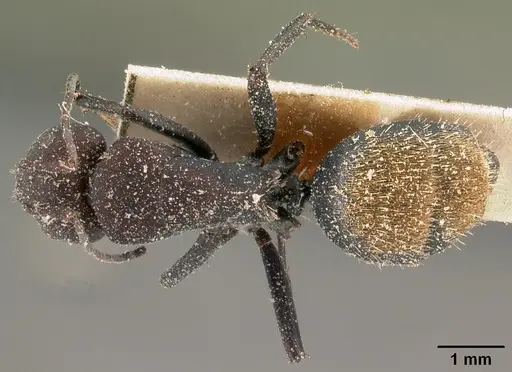
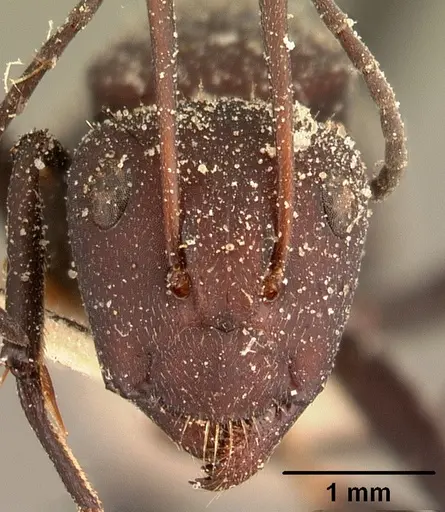
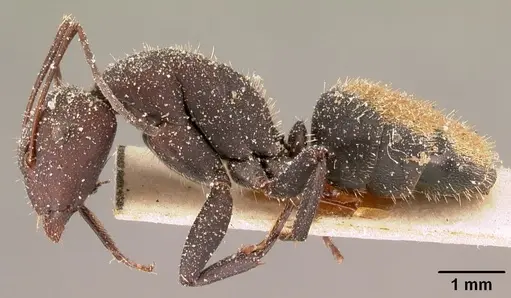
CASENT0101197
View on AntWeb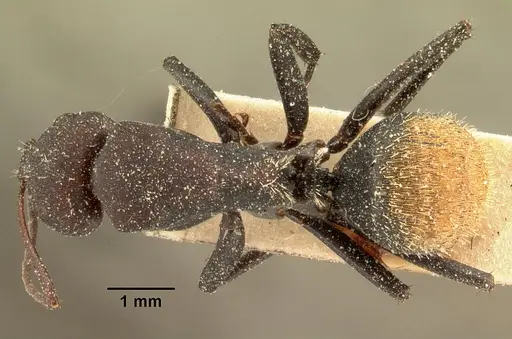
CASENT0101198
View on AntWeb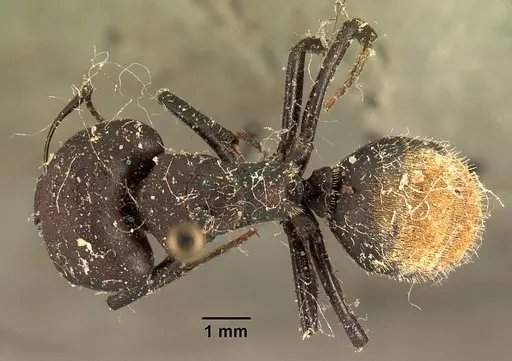
CASENT0101382
View on AntWeb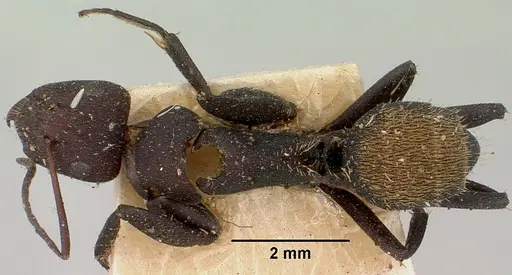
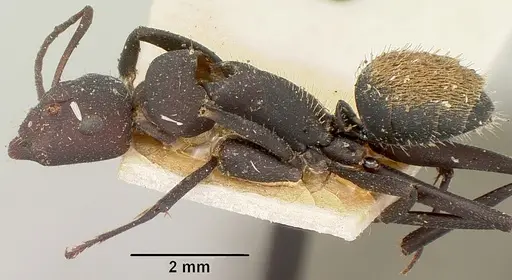
CASENT0102440
View on AntWeb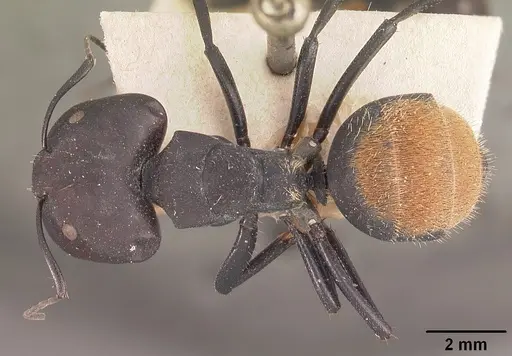
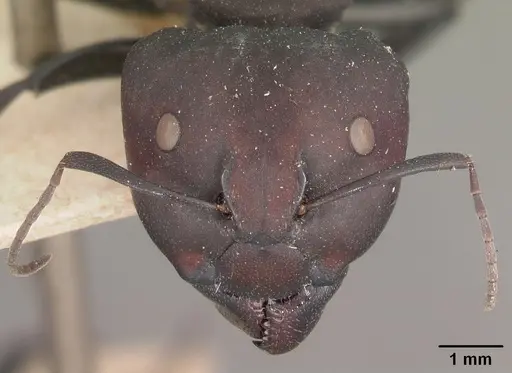
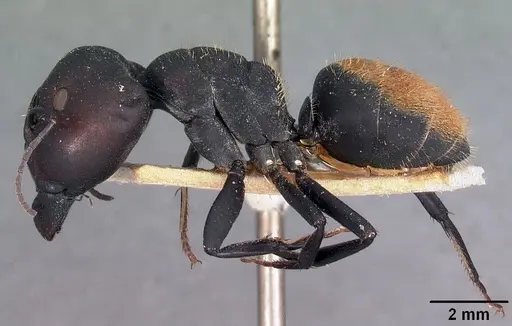
CASENT0450887
View on AntWeb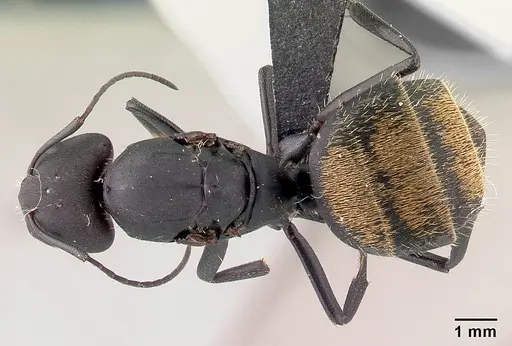
CASENT0450893
View on AntWeb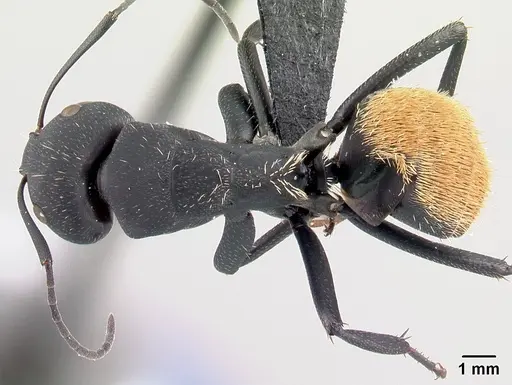
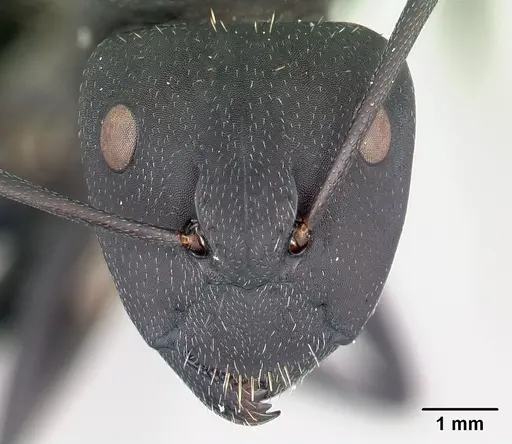
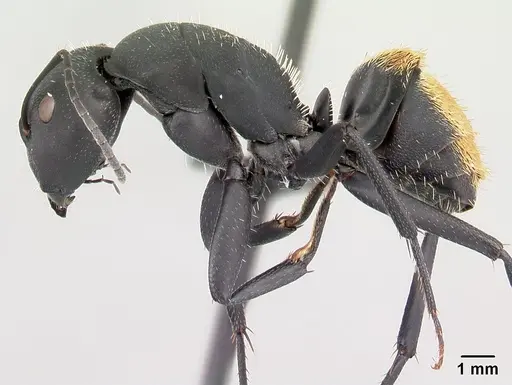
CASENT0450896
View on AntWeb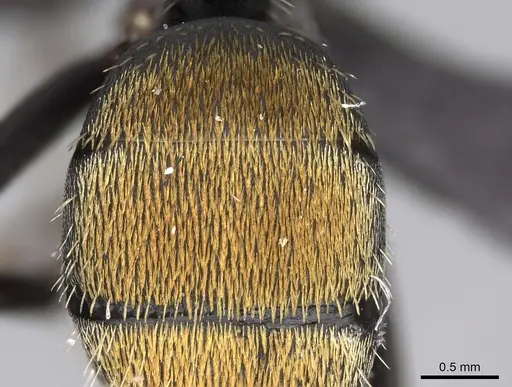
CASENT0450899
View on AntWeb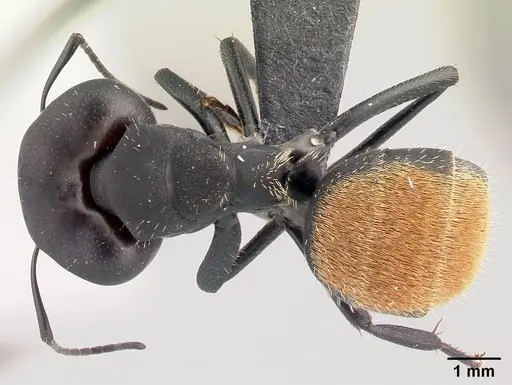
Literature
Loading...Loading products...