

Camponotus aegaeus
- Scientific Name
- Camponotus aegaeus
- Subgenus
- Myrmentoma
- Tribe
- Camponotini
- Subfamily
- Formicinae
- Author
- Emery, 1915
- Common Name
- Aegean Carpenter Ant
- Distribution
- Found in 3 countries
Camponotus aegaeus Overview
Camponotus aegaeus (commonly known as the Aegean Carpenter Ant) is an ant species of the genus Camponotus. It is primarily documented in 3 countries , including Bulgaria, Greece, Türkiye. Detailed taxonomic data and occurrence records can be further explored via authoritative databases such as AntWeb or the Global Biodiversity Information Facility (GBIF).
Camponotus aegaeus - "Aegean Carpenter Ant"
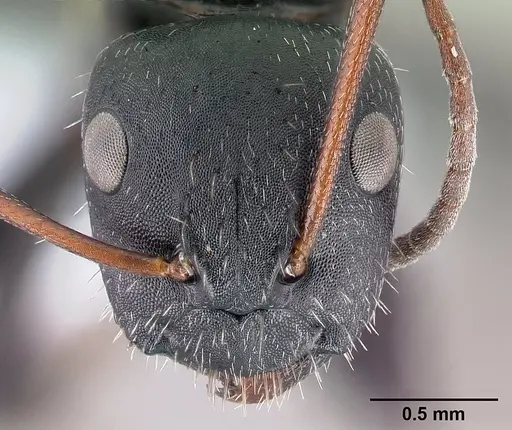
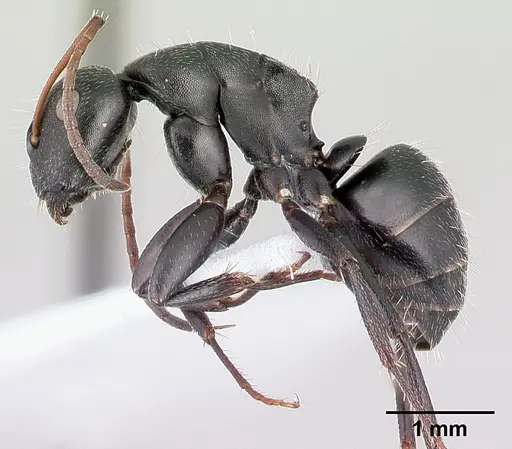
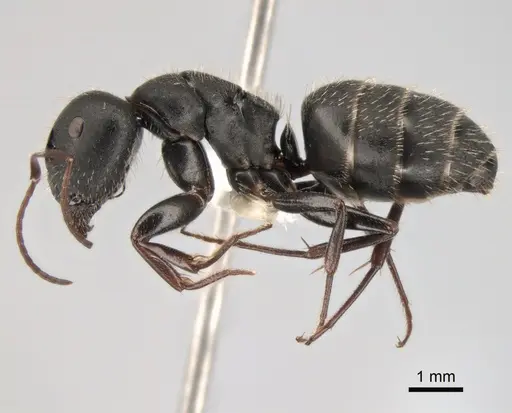
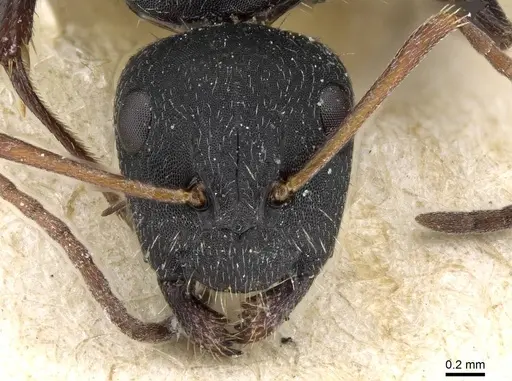
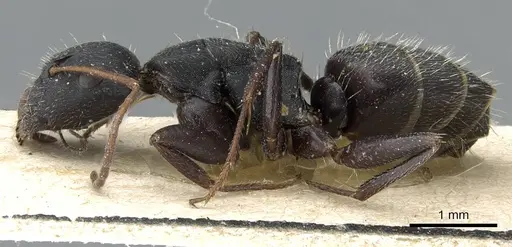
Camponotus aegaeus is a large, polymorphic ant species belonging to the Camponotus kiesenwetteri species group. Workers are uniformly blackish-brown to black with a distinctive covering of long, thick, pale erect setae that give them a noticeably hairy appearance. Minor workers measure 1.17-1.30mm in head length, while major workers are substantially larger at 2.04-2.20mm, showing significant caste dimorphism. The species is native to the eastern Mediterranean, found across Greece (including Crete and the Dodecanese), Bulgaria, North Macedonia, and Turkey, where it inhabits warm, luminous pine forests and Mediterranean shrub habitats below 500m elevation [1][2].
This species is closely related to Camponotus libanicus and was once classified as a subspecies. The easiest way to tell them apart is the petiolar scale: C. aegaeus has a thin scale while C. libanicus has a thick one. Workers are most active at dusk and forage on pine tree trunks, fig leaves (especially those infested with honeydew-producing insects), and Apiaceae flowers [1][2].
Quick Summary
- Difficulty: Medium
- Origin & Habitat: Eastern Mediterranean species found in Greece, Bulgaria, North Macedonia, and Turkey. Inhabits warm, luminous pine forests and Mediterranean shrub habitats, typically below 500m elevation. Nests in soil under stones, often between roots of trees [1][2].
- Colony Type: Colony structure is unconfirmed, no direct studies on queen number have been published. Based on typical Camponotus patterns, likely single-queen colonies, but this needs confirmation.
- Founding: Claustral
- Size & Growth:
- Queen: Unconfirmed, no documented queen measurements found in available research
- Worker: Minor workers: 1.17-1.30mm head length, Major workers: 2.04-2.20mm head length [1]
- Colony: Unconfirmed, no colony size data available
- Growth: Moderate, inferred from typical Camponotus development patterns
- Development: 6-10 weeks, estimate based on typical Camponotus genus development at warm temperatures (Development time is inferred from related Camponotus species. As a Mediterranean species, they likely develop faster at warmer temperatures (25-28°C) and slower at cooler temperatures.)
- Antkeeping:
- Temperature: Keep nest area at 24-28°C. This is a Mediterranean warmth-loving species that thrives in warm conditions. A heating cable on one side of the nest creates a gradient allowing workers to regulate their temperature [1].
- Humidity: Moderate humidity. Keep nest substrate slightly moist but not waterlogged. Provide a water tube for drinking water. These ants naturally nest under stones in sandy soil, which suggests they prefer well-drained but not dry conditions [2].
- Diapause: Yes, as a species from temperate regions, they require a winter rest period. Reduce temperature to 10-15°C for 2-3 months during winter. Do not feed during diapause but ensure water is available.
- Nesting: Y-tong (acrylic) nests work well for this medium-to-large Camponotus species. They naturally nest in soil under stones, so a naturalistic setup with a dirt chamber and stones on top also works. Avoid overly humid setups as they prefer well-drained nesting areas [2].
- Behavior: Generally calm and non-aggressive for a Camponotus species. Workers are active foragers, primarily during dusk but can be active throughout the day. They are polymorphic with distinct minor and major workers. Major workers can deliver a mild sting if provoked, though Camponotus stings are typically mild. They are moderate escape artists, ensure formicarium connections are secure but their larger size makes them easier to contain than tiny ants [1].
- Common Issues: colonies may fail if kept too cold, maintain warm temperatures year-round except during diapause, overfeeding can lead to mold in the nest, remove uneaten protein promptly, wild-caught colonies may have parasites, quarantine and observe new colonies carefully, diapause failure is common, ensure proper cooling period and avoid disturbing the colony during winter rest, major workers are slow-moving and can be bullied by faster ants if housed in a shared setup
Housing and Nest Setup
Camponotus aegaeus adapts well to various nest types in captivity. Y-tong (acrylic) nests are popular because they allow you to observe the colony easily. They also do well in naturalistic setups with dirt chambers, which better mimic their natural habitat of nesting in soil under stones. If using a test tube setup for founding colonies, transition to a proper formicarium once the colony reaches 15-20 workers. The nest should have chambers large enough for the polymorphic workers, major workers are significantly larger than minors and need adequate space. Provide an outworld (foraging area) connected to the nest where you can offer food. Use escape prevention like fluon on the rim of the outworld, though this species is not particularly prone to escaping like tiny ants might be. [2][1]
Feeding and Diet
In the wild, workers forage on Apiaceae flowers, pine tree trunks, and fig tree leaves, especially fig trees infected with honeydew-producing insects. This indicates they are omnivorous with a preference for sugary honeydew and plant-based foods. In captivity, offer sugar water or honey as a constant energy source. For protein, provide small insects like fruit flies, small crickets, or mealworms. They will also accept other protein sources like bloodworms or boiled egg. Feed protein 2-3 times per week, and keep sugar water available at all times. Remove uneaten food after 24-48 hours to prevent mold. Major workers may take longer to accept new foods compared to smaller workers, be patient when introducing new food types. [1]
Temperature and Seasonal Care
This is a thermophilous (warmth-loving) species from the Mediterranean region. Keep the nest area at 24-28°C for optimal brood development. You can use a heating cable placed on top of the nest (never underneath as it can dry out the nest too quickly) to maintain warmth. During winter, they require a diapause (hibernation) period. Reduce temperatures to 10-15°C for 2-3 months, typically from late autumn through early spring in temperate climates. Do not feed during diapause but ensure water is available, a damp cotton ball in the outworld works well. Avoid disturbing the colony during this rest period. After diapause, gradually warm them back up to room temperature over several days before resuming normal feeding. [1][2]
Behavior and Handling
Camponotus aegaeus is generally calm and less aggressive compared to some other Camponotus species. Workers are active foragers, with peak activity at dusk but they can be active throughout the day. The species is polymorphic, you will see both small minor workers and large major workers in the same colony. Major workers can deliver a mild sting if the colony feels threatened, though their sting is not particularly painful for humans. They are not known for being aggressive toward keepers. When observing the colony, you will see division of labor: minor workers typically handle nursing and foraging, while major workers may defend the nest or help with larger prey items. Their larger size makes them easier to observe than tiny ant species. [1]
Growth and Development
As a Camponotus species, founding queens seal themselves in a chamber and raise their first brood alone without foraging. The queen uses stored fat reserves to survive and feed the larvae until the first workers (nanitics) emerge. This is called claustral founding. After the first workers emerge, the colony grows as the queen continues laying eggs and workers take over foraging duties. Based on typical Camponotus development, expect 6-10 weeks from egg to first worker at optimal temperatures (around 25-28°C). Growth rate is moderate, faster than some slow-growing tropical species but slower than fast-developing species like some Lasius. The polymorphic nature means major workers appear as the colony grows, typically when the colony reaches several dozen workers. Patience is key with this species, as significant colony growth takes months to years.
Differentiating from Similar Species
1.50) while C. libanicus has a thick scale (PI [2]
Frequently Asked Questions
How long does it take for Camponotus aegaeus to produce first workers?
Expect 6-10 weeks from egg to first worker at optimal temperatures (around 25-28°C). This is typical for Camponotus species. The queen seals herself in during founding and raises the first brood alone using stored fat reserves.
What temperature do Camponotus aegaeus ants need?
Keep nest temperatures between 24-28°C. This is a Mediterranean warmth-loving species that thrives in warm conditions. A heating cable on top of the nest can help maintain warmth, especially during cooler months.
Do Camponotus aegaeus ants need hibernation?
Yes, they require a winter diapause. Reduce temperatures to 10-15°C for 2-3 months during winter. Do not feed during this period but ensure water is available. This mimics their natural seasonal cycle in the Mediterranean region.
What do Camponotus aegaeus ants eat?
They are omnivorous. Offer sugar water or honey constantly for energy, and protein sources like small insects (fruit flies, small crickets, mealworms) 2-3 times per week. In the wild, they forage on plant materials like honeydew and flower nectar.
Are Camponotus aegaeus good for beginners?
They are rated as medium difficulty. They are more forgiving than some exotic species but require proper temperature management and winter diapause. They are calmer than many Camponotus species, making them suitable for keepers who want a larger ant without the aggression.
How big do Camponotus aegaeus colonies get?
Colony size data is not available in scientific literature, but based on related Camponotus species, colonies likely reach several hundred workers over several years. They are polymorphic with distinct minor and major workers.
What is the best nest type for Camponotus aegaeus?
Y-tong (acrylic) nests work well for observation, or naturalistic setups with dirt chambers to mimic their natural soil-nesting behavior. They naturally nest under stones in sandy soil, so avoid overly humid setups.
How do I tell Camponotus aegaeus apart from Camponotus libanicus?
Examine the petiolar scale (the waist segment). C. aegaeus has a thin scale while C. libanicus has a thick scale. This is the primary distinguishing feature between these two closely related species.
Can I keep multiple Camponotus aegaeus queens together?
Colony structure is unconfirmed, no studies have documented whether they are single-queen or multi-queen colonies. Based on typical Camponotus behavior, it is safest to house only one queen per colony unless you have specific evidence they accept multiple queens.
Where is Camponotus aegaeus found in the wild?
They are native to the eastern Mediterranean: Greece (including Crete and Dodecanese), Bulgaria, North Macedonia, and Turkey. They prefer luminous pine forests and Mediterranean shrub habitats below 500m elevation.
Why is my Camponotus aegaeus colony not growing?
Common causes include: temperatures too low (below 24°C), improper diapause, overfeeding causing mold stress, or insufficient protein. Ensure proper warm temperatures, correct winter diapause, and offer varied protein sources. Also ensure the queen is healthy and laying eggs.
References

This caresheet is licensed under CC BY-SA 4.0 .
CASENT0179874
View on AntWeb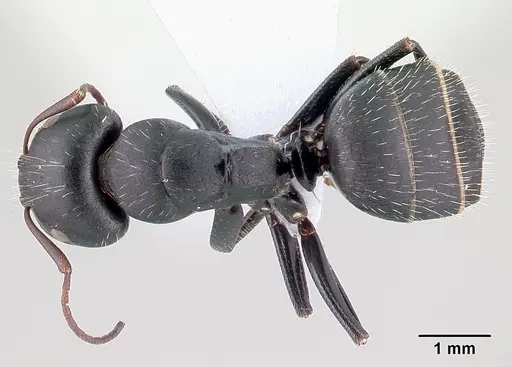
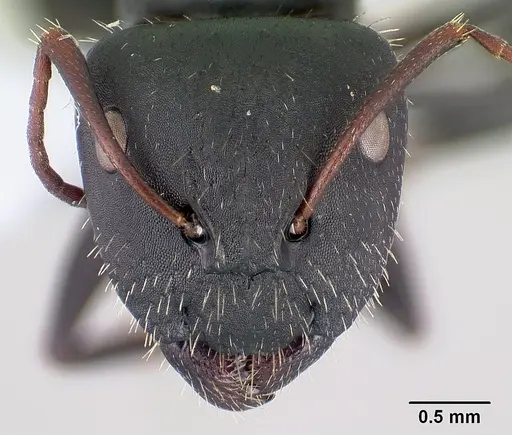
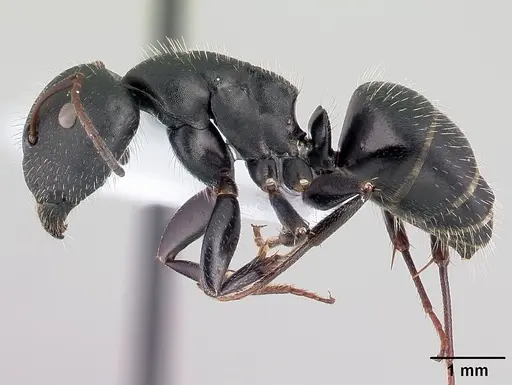
CASENT0179875
View on AntWeb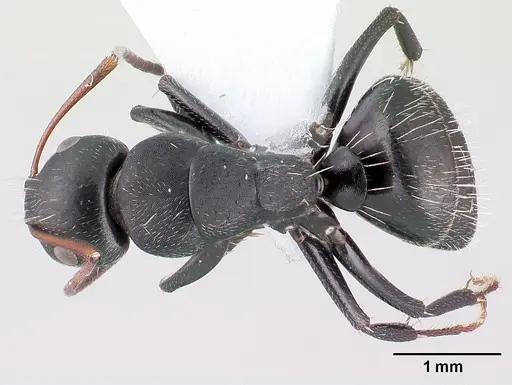
CASENT0882035
View on AntWeb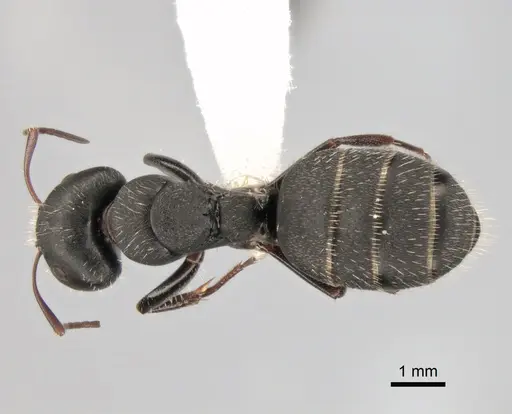
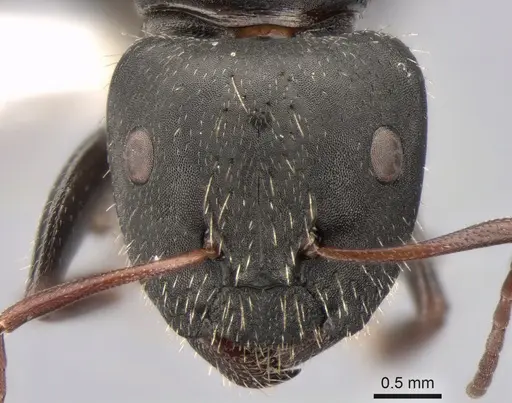
CASENT0905395
View on AntWeb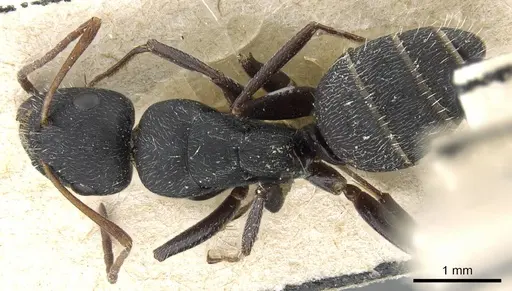
Literature
Loading...Loading products...