

Camponotus kiesenwetteri
- Scientific Name
- Camponotus kiesenwetteri
- Subgenus
- Myrmentoma
- Tribe
- Camponotini
- Subfamily
- Formicinae
- Author
- Roger, 1859
- Common Name
- Kiesenwetter's Carpenter Ant
- Distribution
- Found in 3 countries
Camponotus kiesenwetteri Overview
Camponotus kiesenwetteri (commonly known as the Kiesenwetter's Carpenter Ant) is an ant species of the genus Camponotus. It is primarily documented in 3 countries , including Cyprus, Greece, Türkiye. Detailed taxonomic data and occurrence records can be further explored via authoritative databases such as AntWeb or the Global Biodiversity Information Facility (GBIF).
Camponotus kiesenwetteri - "Kiesenwetter's Carpenter Ant"
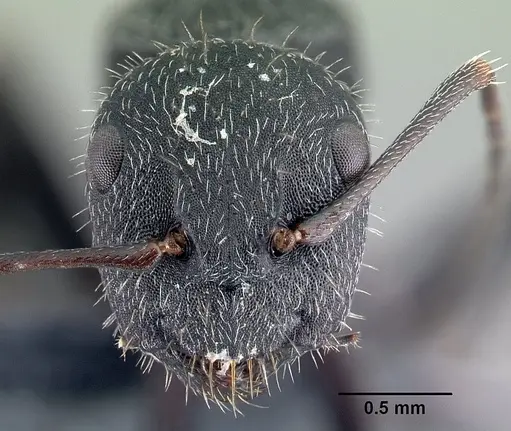
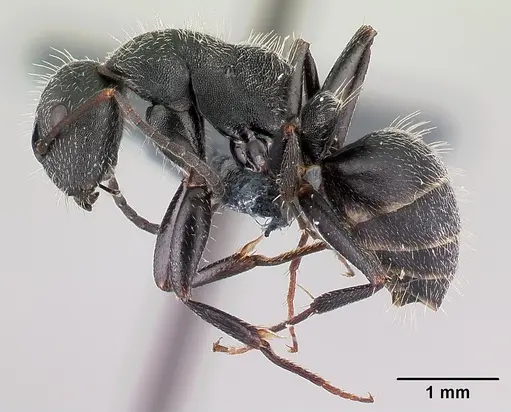
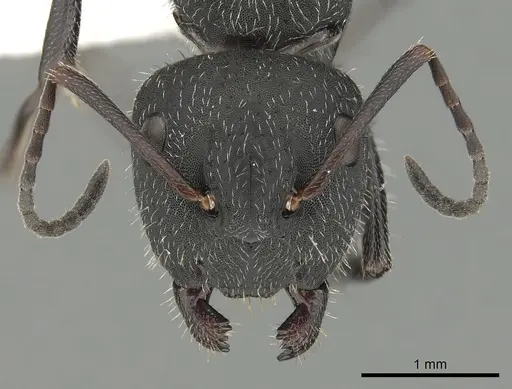
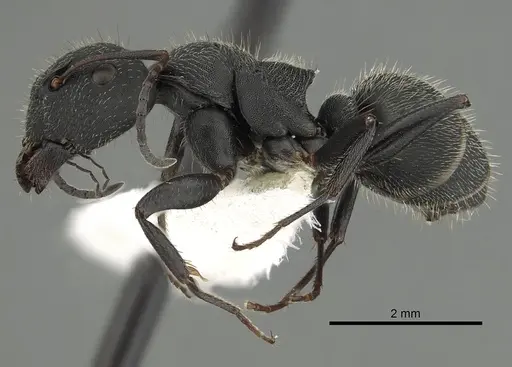
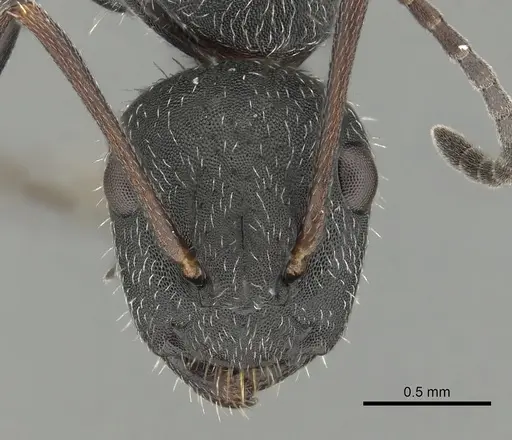
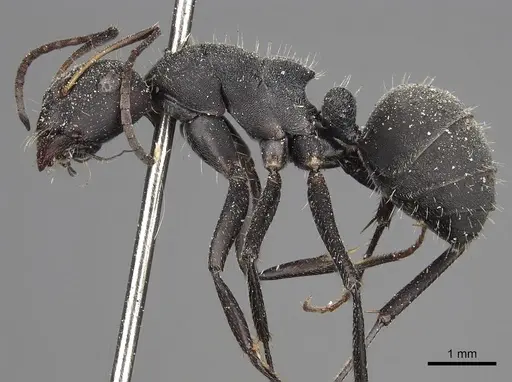
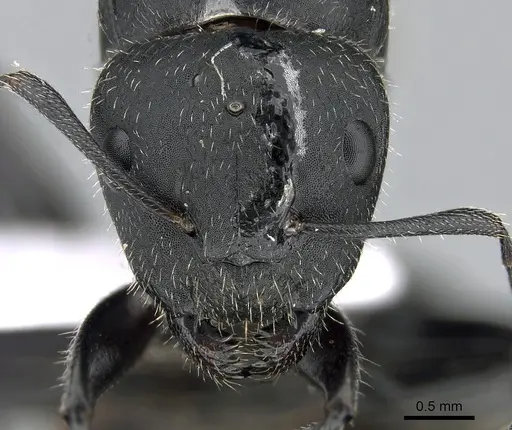
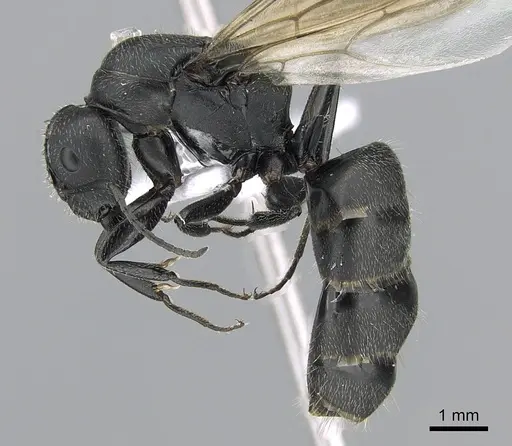
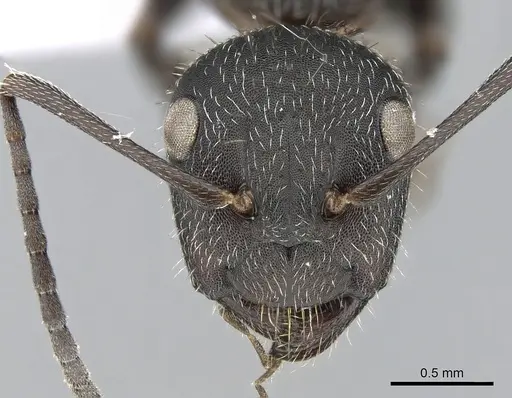
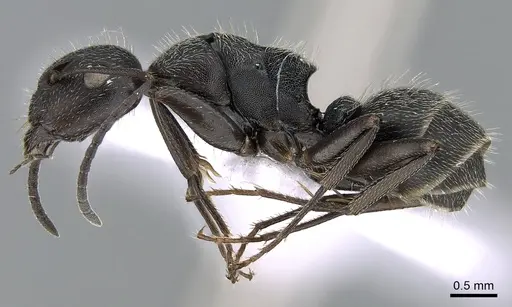
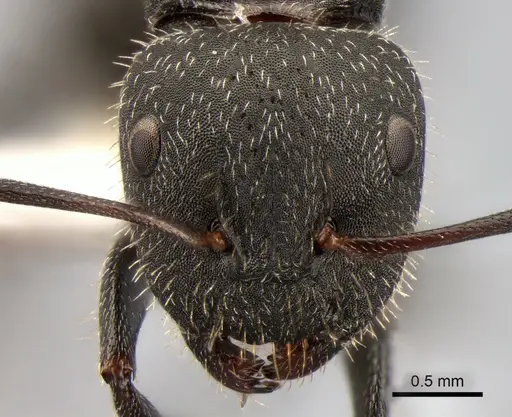
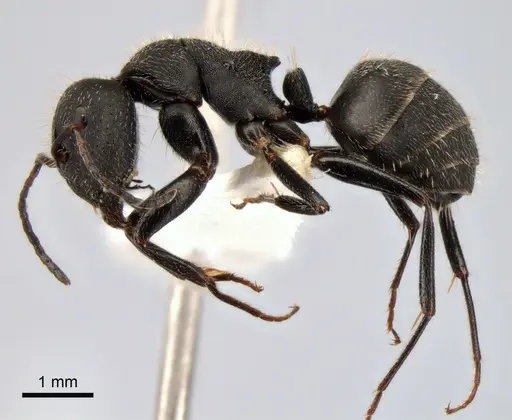
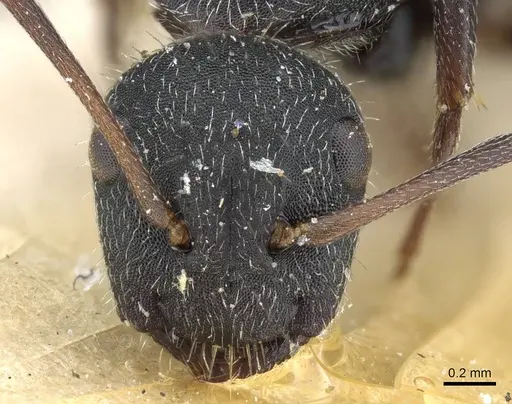
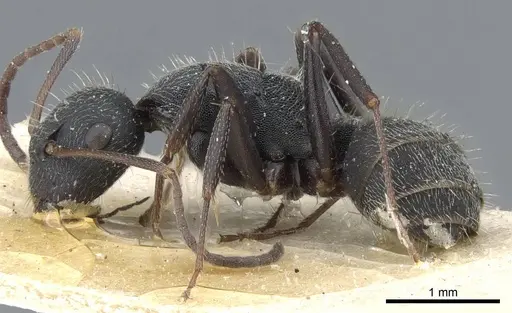
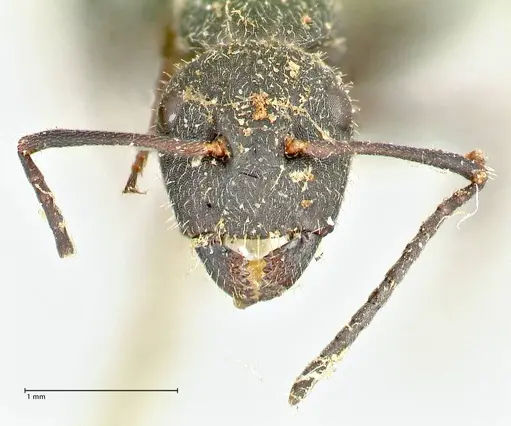
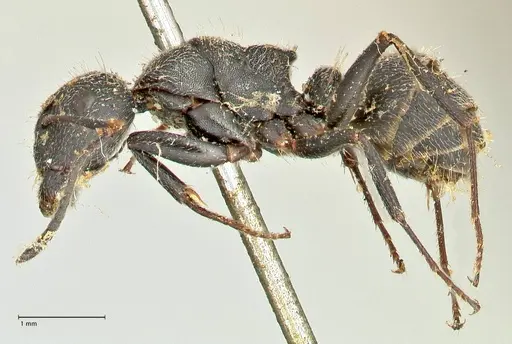
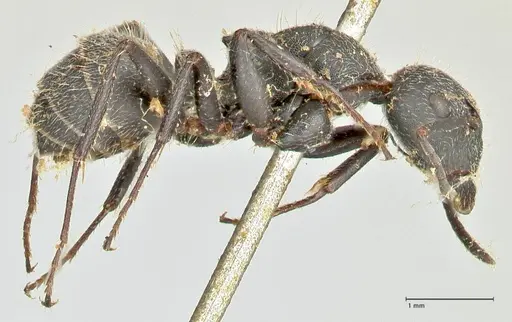
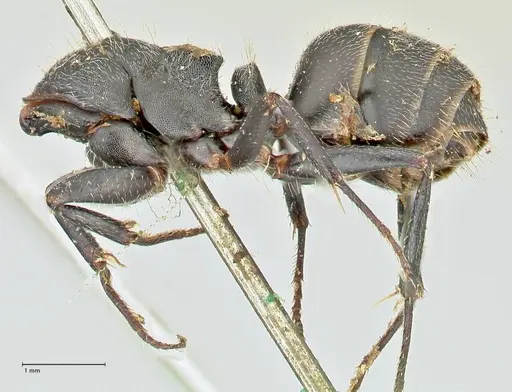
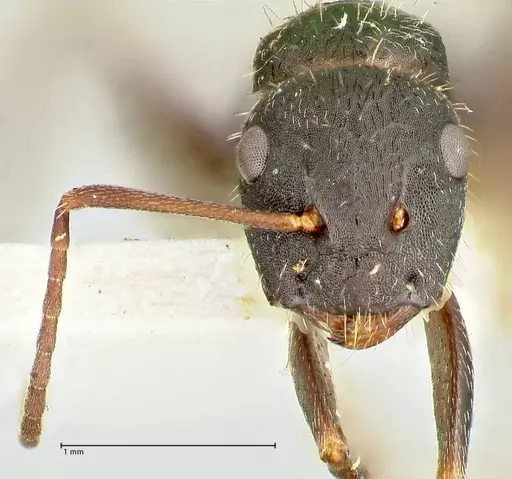
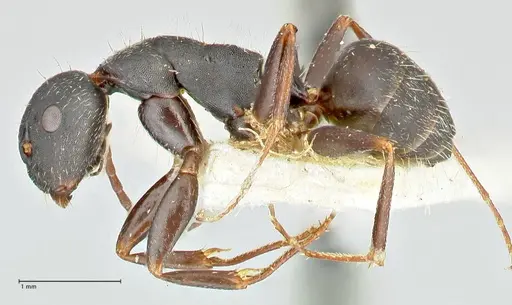
Camponotus kiesenwetteri is a polymorphic carpenter ant native to the eastern Mediterranean, found throughout Greece, Cyprus, and western Turkey. Workers are moderately large and polymorphic. The species is easily identified by its uniformly black body, dense punctures giving a dull matte appearance, and distinctive propodeum with tooth-like protrusions. Long pale erect setae cover the entire body, and the antennae have a unique basal extension on the scape [1]. This ant belongs to the subgenus Myrmentoma and is a member of the Camponotus kiesenwetteri species group [2].
This species is strongly associated with pine forests and other coniferous habitats across the Mediterranean. Workers are active throughout the day but show peak activity at dusk, foraging on tree trunks, branches, and occasionally on ground vegetation. Nests are built in sandy soil, typically under stones or between tree roots. A particularly interesting behavior is their association with Crematogaster ants, they sometimes follow Crematogaster trails to access food resources, a form of social mimicry that helps them steal food [3]. Colonies are monogynous with a single queen [4].
Quick Summary
- Difficulty: Medium
- Origin & Habitat: Eastern Mediterranean species found throughout Greece (most provinces except Epirus and Thessaly), Cyprus, and western Turkey. Inhabits dry grassy areas, thin forests, and pine forests. Nests in soil, often under rocks or between roots [2][1].
- Colony Type: Monogyne, single queen colonies with documented monogynous structure [4].
- Size & Growth:
- Queen:{.size-link} ~12-15mm, inferred from Camponotus genus patterns
- Worker:{.size-link} ~4-12mm, inferred from Camponotus genus patterns (no specific total length data available)
- Colony: Colony size data unavailable, typical for Camponotus species likely reaches several hundred to a few thousand workers
- Growth: Moderate
- Development: Development time unconfirmed for this species (Based on typical Camponotus patterns, expect several months to first workers at warm temperatures)
- Antkeeping:
- Temperature: Keep at 22-28°C. This is a Mediterranean species adapted to warm conditions, minimum temperature of coldest month strongly influences their distribution [1]. Room temperature is often suitable, or use a heating cable on one side of the nest for a gentle gradient.
- Humidity: Moderate, prefer dry to slightly moist conditions. Keep nest substrate lightly moist but allow some drying between waterings. Avoid overly damp conditions as this species naturally inhabits drier Mediterranean habitats.
- Diapause: Yes, recommend a winter rest period of 8-12 weeks at 10-15°C. This is a temperate Mediterranean species that experiences cooler winters in its range. Reduce feeding and activity during this period.
- Nesting: Y-tong (AAC) nests work well for this species. They prefer tight chambers scaled to their size. Can also use plaster nests or naturalistic setups with soil and stones. Provide a gradient with some drier areas for workers to regulate moisture.
- Behavior: Workers are moderately aggressive and will defend the nest. This species belongs to the Formicinae subfamily and lacks a functional sting, instead, they bite and spray formic acid from their acidopore into the wound, similar to other carpenter ants. This species is polymorphic with distinct minor and major workers. Major workers are larger and have proportionally larger heads. Workers are active throughout the day with peak foraging at dusk [1]. They show interesting trail-following behavior with Crematogaster species [3]. Escape risk is moderate, use standard barrier methods.
- Common Issues: colonies may fail if kept too humid, this species prefers drier Mediterranean conditions, slow founding phase means beginners may lose patience and disturb the queen prematurely, major workers are powerful and can chew through cotton plugs if not secured properly, winter diapause is essential, skipping hibernation can weaken colonies over time, wild-caught colonies may have parasites that kill them in captivity
Nest Preferences and Housing
Camponotus kiesenwetteri nests naturally in sandy soil, typically under small stones or between tree roots, often in warm locations near pine trees [1]. In captivity, Y-tong (AAC) nests work excellently, the tight chambers mimic their natural soil nests and allow you to easily monitor the colony. Plaster nests are also suitable but monitor moisture levels carefully. This species does well in formicariums with a connected outworld for foraging. Provide a water test tube as a hydration source. Because they naturally nest under stones in the wild, a naturalistic setup with a soil layer and flat stones on top can also work well, just ensure you can observe the colony. The key is providing a warm, relatively dry nesting area with access to moisture.
Feeding and Diet
Like most Camponotus species, C. kiesenwetteri is omnivorous. They accept sugar sources readily (honey water, sugar water, ripe fruit) and protein foods like mealworms, crickets, and other small insects. In the wild, workers forage on pine tree trunks and branches, likely collecting honeydew from aphids and scale insects [1]. Feed them a drop of honey water or sugar water 2-3 times per week, and offer a protein food source (like a small piece of mealworm or cricket) once or twice weekly. Remove uneaten protein after 24-48 hours to prevent mold. They are moderately active foragers, so a consistent food schedule helps growth. Major workers can tackle larger prey items than minors.
Temperature and Seasonal Care
This is a warm-adapted Mediterranean species. Keep nesting temperatures between 22-28°C, with 24-26°C being ideal for brood development. They can tolerate slightly higher temperatures but avoid overheating. A heating cable on one side of the nest creates a temperature gradient that lets ants choose their preferred zone. During winter, provide an 8-12 week diapause period at 10-15°C, this is essential for colony health and mimics the natural seasonal cycle they experience in Greece and Turkey. Reduce feeding during diapause and keep the nest slightly cooler. The minimum temperature of the coldest month strongly influences their natural distribution [1], so proper hibernation is important for long-term colony success.
Behavior and Colony Dynamics
Camponotus kiesenwetteri colonies are monogynous, meaning they have a single queen that lays all the eggs [4]. Workers are polymorphic with distinct minor and major castes. Major workers develop larger heads and are better suited for defense and processing tough food items. This species shows interesting trail-following behavior with Crematogaster ants, workers sometimes follow Crematogaster trails to access food resources, a form of social mimicry that may help them steal food [3]. Workers are active throughout the day but peak at dusk. They are moderately defensive and will attack threats to the nest. As Formicinae ants, they lack a functional sting but can bite and spray formic acid from their acidopore as a defense mechanism.
Growth and Development
As a typical Camponotus species, C. kiesenwetteri goes through complete metamorphosis: egg to larva to pupa to worker. The queen lays eggs after mating during nuptial flights. Once the first workers (nanitics) emerge, they are smaller than subsequent workers but can already tend brood and forage for food. The colony growth rate is moderate. Major workers typically appear once the colony has reached a certain size threshold. Development time from egg to worker is unconfirmed for this specific species, based on typical Camponotus patterns, expect several months to first workers at optimal temperatures. Cooler temperatures will slow development significantly.
Common Keeping Problems
The main issues keepers face with this species relate to humidity management, they naturally inhabit drier Mediterranean habitats and can suffer if kept too damp. Always allow parts of the nest to dry out between waterings. During founding, the queen seals herself in and should not be disturbed, many beginners accidentally kill queens by checking on them too frequently. Wait at least 4-6 weeks before checking for eggs or larvae. Wild-caught colonies may carry parasites that can decimate colonies in captivity, quarantine and observe new colonies carefully. Major workers can be surprisingly strong and may push through loose cotton plugs, so ensure all connections are secure. Finally, skipping winter diapause weakens colonies over time, this is not optional for this temperate species.
Frequently Asked Questions
How long does it take for Camponotus kiesenwetteri to have first workers?
Development time is unconfirmed for this species. Based on typical Camponotus patterns, expect first workers to emerge several months after the queen lays eggs, assuming temperatures around 24-26°C. Cooler temperatures will slow development significantly.
Can I keep multiple Camponotus kiesenwetteri queens together?
No, this species is monogynous with single queen colonies. Multiple unrelated queens will fight. Only keep one queen per colony.
What temperature do Camponotus kiesenwetteri ants need?
Keep them at 22-28°C, with 24-26°C being ideal. A heating cable on one side of the nest creates a gradient. Room temperature often works if your home is in this range.
How big do Camponotus kiesenwetteri colonies get?
Colony size data is unavailable for this specific species. Based on typical Camponotus patterns, colonies likely reach several hundred to a few thousand workers. Growth is moderate.
Do Camponotus kiesenwetteri need hibernation?
Yes, provide an 8-12 week winter rest at 10-15°C. This is essential for colony health and mimics their natural seasonal cycle in the Mediterranean.
What do Camponotus kiesenwetteri eat?
They are omnivorous. Offer sugar water or honey 2-3 times weekly, and protein (mealworms, crickets, insects) once or twice weekly. They also collect honeydew in the wild.
Is Camponotus kiesenwetteri good for beginners?
Difficulty is medium. They are harder than some species because they need proper humidity management (not too damp) and require winter diapause. Experienced antkeepers will have more success.
When should I move Camponotus kiesenwetteri to a formicarium?
Wait until the colony has at least 20-30 workers and is actively foraging. A test tube setup works well for founding colonies. Move to a larger nest when the colony reaches 50+ workers or the test tube becomes crowded.
Why is my Camponotus kiesenwetteri colony dying?
Common causes: too much humidity (this species prefers drier conditions), disturbing the queen during founding, skipping winter diapause, or parasites from wild-caught colonies. Check humidity levels and ensure proper seasonal care.
Report an Issue
The current care sheet is based fully on literature. See inconsistencies, or something that's incorrect? Please , it will be resolved after review from an admin. Contributing to the blogs tab also helps providing information, to make us be able to further improve the caresheets. Thank you for your support!
References

This caresheet is licensed under CC BY-SA 4.0 .
CASENT0179872
View on AntWeb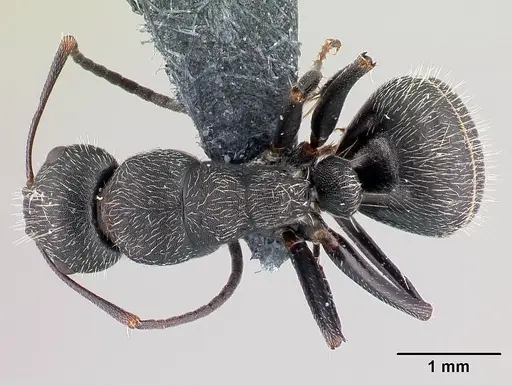
CASENT0249985
View on AntWeb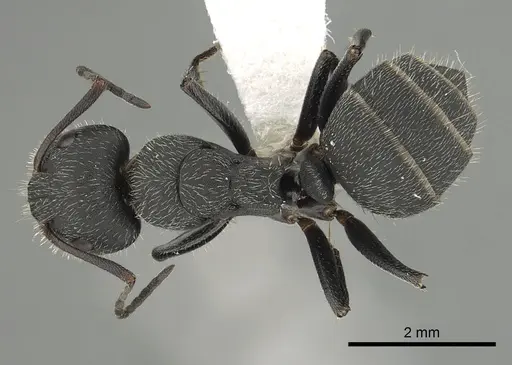
CASENT0249986
View on AntWeb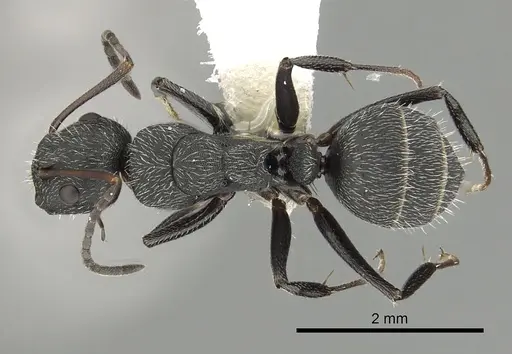
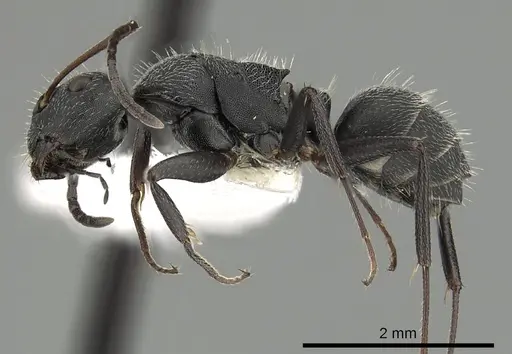
CASENT0280606
View on AntWeb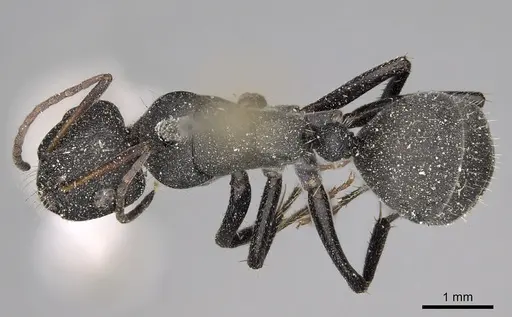
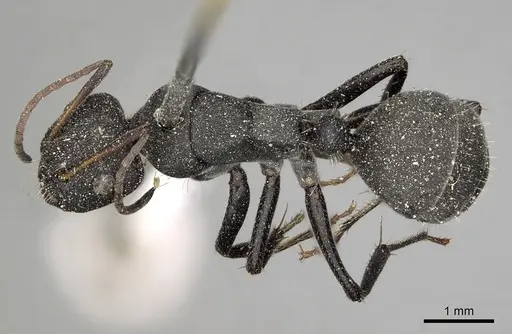
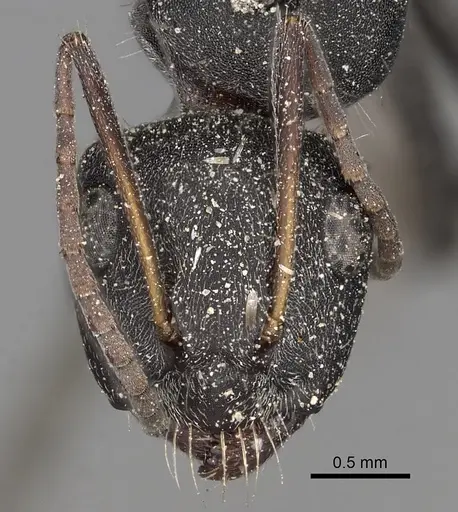
CASENT0281580
View on AntWeb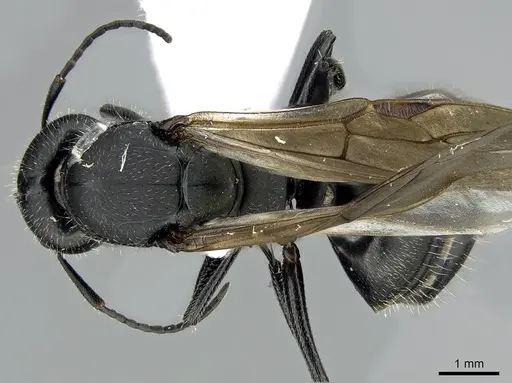
CASENT0281581
View on AntWeb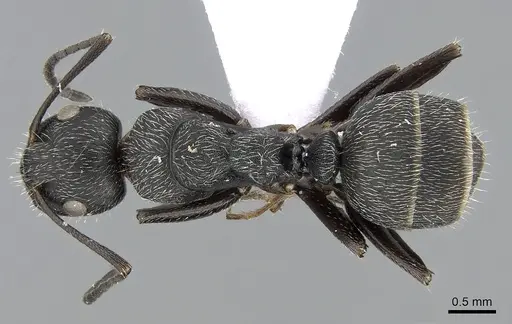
CASENT0882037
View on AntWeb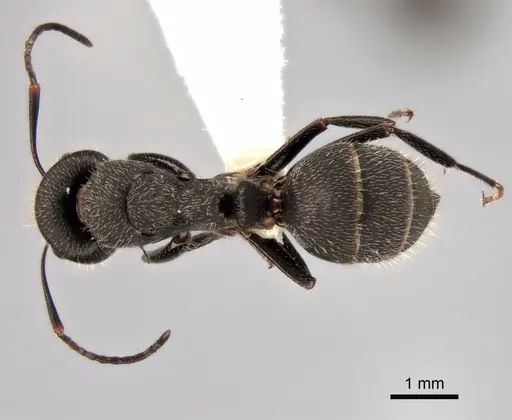
CASENT0905397
View on AntWeb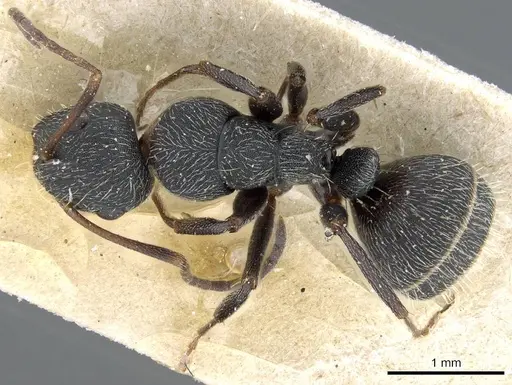
FOCOL2486
View on AntWeb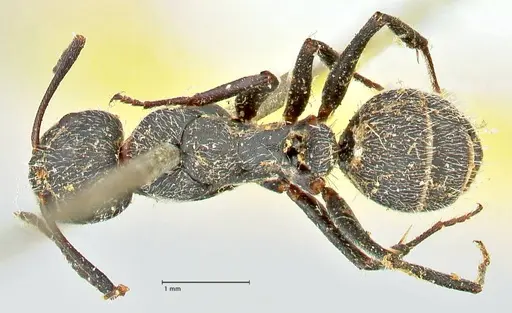
FOCOL2487
View on AntWeb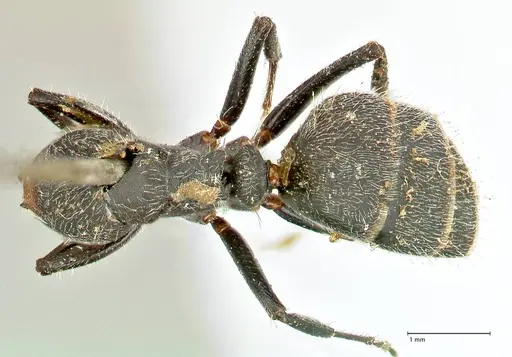
FOCOL2488
View on AntWeb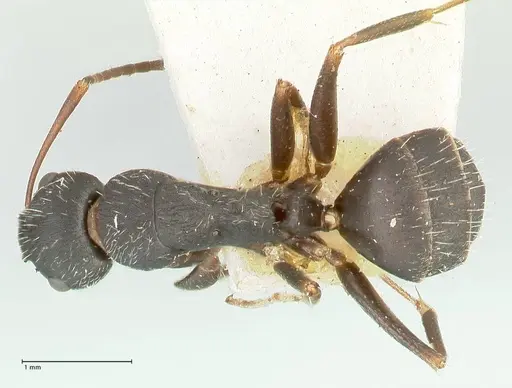
Literature
Loading...Loading products...