

Camponotus libanicus
- Scientific Name
- Camponotus libanicus
- Subgenus
- Myrmentoma
- Tribe
- Camponotini
- Subfamily
- Formicinae
- Author
- André, 1881
- Distribution
- Found in 3 countries
Camponotus libanicus Overview
Camponotus libanicus is an ant species of the genus Camponotus. It is primarily documented in 3 countries , including Cyprus, Iran, Islamic Republic of. Detailed taxonomic data and occurrence records can be further explored via authoritative databases such as AntWeb or the Global Biodiversity Information Facility (GBIF).
Camponotus libanicus
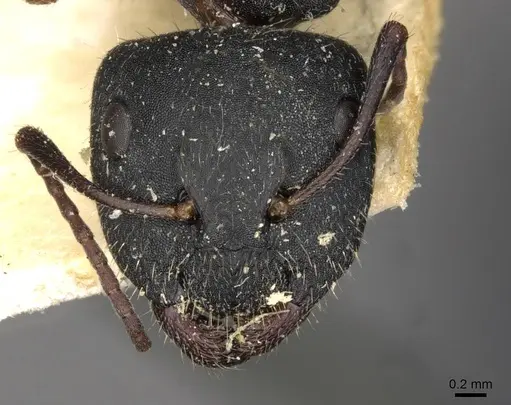
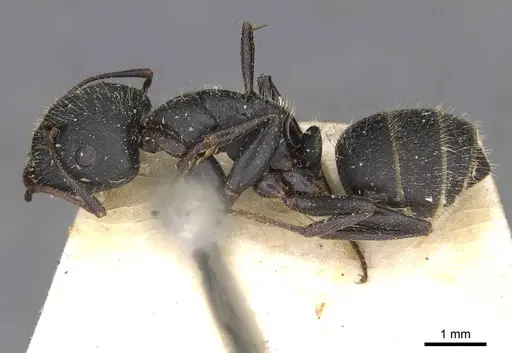
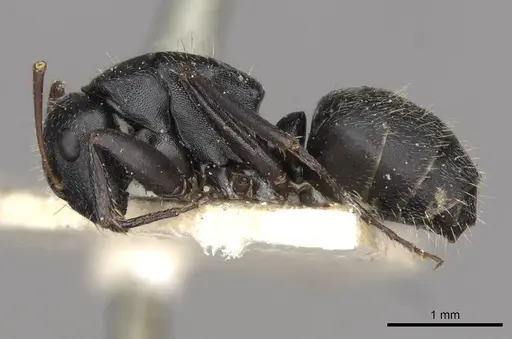
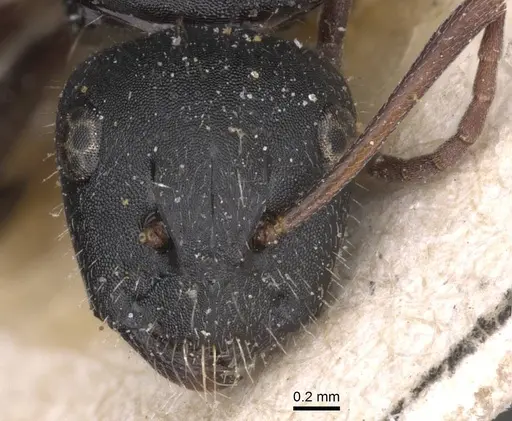
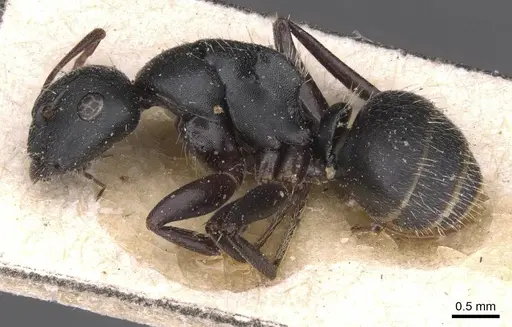
Camponotus libanicus is a polymorphic carpenter ant belonging to the Camponotus kiesenwetteri species group. Workers measure 5.1-7.3mm with a distinct uniformly black body covered in long, thick, pale erect setae that give them a somewhat fuzzy appearance [1]. This species inhabits the Eastern Mediterranean region, from Cyprus and Turkey through Lebanon and Israel to Iran [2].
This ant has a strong preference for warm, dry habitats, particularly coniferous forests and pine forests where workers can be found foraging on tree trunks and branches [1]. They nest in soil, typically sandy substrates under trees, between roots, or under stones. Their distribution is strongly influenced by minimum winter temperatures, which explains their restriction to relatively warm regions [1].
Quick Summary
- Difficulty: Medium
- Origin & Habitat: Eastern Mediterranean region, found in Cyprus, Turkey, Lebanon, Israel, and Iran. Inhabits dry to semi-desert areas, pine forests, riparian zones, agricultural land, and urban gardens. Nests in soil, usually sandy and located under trees or stones [3][1][2].
- Colony Type: Likely monogyne, single queen colonies. Queens are approximately 11.6mm [AntWiki].
- Size & Growth:
- Queen:{.size-link} ~11.6mm [AntWiki]
- Worker:{.size-link} ~5.1-7.3mm (polymorphic, major and minor workers) [1]
- Colony: Colony size data unavailable, no specific measurements found in research
- Growth: Moderate
- Development: Development time unconfirmed for this species (Based on typical Camponotus patterns, expect several months for significant worker production)
- Antkeeping:
- Temperature: Keep at 24-28°C. This species originates from warm Mediterranean climates and minimum winter temperatures strongly influence their distribution. A heating cable on one side of the nest creates a suitable gradient [1].
- Humidity: Low to moderate. These ants naturally inhabit dry to semi-dry areas. Keep the nest substrate slightly moist but allow it to dry between waterings. Avoid overly damp conditions that can cause mold [3][1].
- Diapause: Yes, a winter rest period is recommended. Reduce temperature to 15-18°C for 2-3 months during winter. This aligns with their Mediterranean distribution and response to cold months [1].
- Nesting: Y-tong (AAC) nests work well for this species. They naturally nest in soil under stones or between roots, so a plaster or acrylic nest with narrow chambers scaled to their size is suitable. Avoid overly humid setups, they prefer drier conditions than many other Camponotus species [1].
- Behavior: Workers are active throughout the day with peak activity at dusk [1]. They are moderate foragers and often climb on tree trunks and branches in the wild, so they may use elevated foraging areas in captivity. They are not particularly aggressive but will defend their nest if threatened. As Formicinae ants, they lack a functional sting but can bite and spray formic acid from their acidopore.
- Common Issues: overheating risk, despite preferring warmth, temperatures above 30°C can stress colonies, excessive humidity, these dry-habitat ants are prone to mold in damp setups, escape through small gaps, use standard barrier methods like fluon on rim edges, slow founding, claustral queens may take several weeks to produce first workers, winter die-off if not given proper diapause period in temperate climates
Nest Preferences and Setup
Camponotus libanicus naturally nests in soil, typically sandy substrates found under trees, between roots, or beneath small stones [1]. For captive care, a Y-tong (AAC) nest or acrylic formicarium works well. These ants prefer drier conditions than many other Camponotus species, keep humidity in the nest moderate rather than high. A small water reservoir for humidity is sufficient. Because they naturally nest under stones in the wild, they do well with a nest that has some darkness and tight-fitting chambers. Avoid setups with excessive moisture, as this can lead to mold problems. An outworld area with some vertical space allows them to display their natural tree-climbing behavior.
Feeding and Diet
In the wild, these ants are known to tend aphids and feed on honeydew, they have been documented mutualizing with Aphis craccivora [4][5]. They also feed on sweet secretions from various insects including aphids, scale insects, and leafhoppers found on almond trees [6]. For captive colonies, offer sugar water or honey as a constant energy source. For protein, provide insects like mealworms, crickets, or other small arthropods. They are not particularly aggressive predators but will accept protein foods. Feed protein prey 2-3 times per week depending on colony size, and keep sugar sources available at all times.
Temperature and Seasonal Care
This species requires warm conditions year-round. Keep the nest at 24-28°C for optimal brood development. Research shows minimum winter temperatures are the key factor limiting their distribution, indicating they are adapted to mild Mediterranean winters [1]. During the active season, maintain warm temperatures consistently. In winter, provide a diapause period by reducing temperatures to 15-18°C for 2-3 months. This winter rest helps synchronize their natural cycles and promotes healthy colony development. A heating cable placed on one side of the nest creates a temperature gradient allowing workers to choose their preferred warmth level.
Behavior and Foraging
Workers are active throughout the day with peak foraging activity at dusk [1]. In their natural habitat, both major and minor workers are most commonly found on the trunks and branches of coniferous trees, particularly pine trees, rather than on the ground [1]. This arboreal tendency means they may prefer elevated foraging areas in captivity. The colony will establish foraging trails and workers will readily climb to reach food sources. They are not highly aggressive but will defend the nest if threatened. As members of the Formicinae subfamily, they lack a sting but can bite and spray formic acid as a defense mechanism. Overall, they are manageable ants with a moderate temperament suitable for intermediate antkeepers.
Colony Development
Colony development specifics are unconfirmed for this species. As a Camponotus species, they likely follow typical genus patterns where the queen seals herself in a chamber and raises her first workers on stored fat reserves. The polymorphic nature means you'll see both major and minor workers as the colony expands, with majors developing larger heads for tasks like defense and food processing. Expect several months before you have a substantial number of workers.
Frequently Asked Questions
How long does it take for Camponotus libanicus to produce first workers?
Exact development time is unconfirmed for this species. Based on typical Camponotus patterns, expect several months from egg to first worker at optimal temperatures of 24-28°C. The claustral queen will seal herself in and raise the first brood without leaving the nest.
What temperature do Camponotus libanicus ants need?
Keep them at 24-28°C during the active season. They are adapted to warm Mediterranean climates, and minimum winter temperatures strongly influence their natural distribution. A heating cable on part of the nest creates a suitable gradient.
Do Camponotus libanicus ants need hibernation?
Yes, a winter diapause is recommended. Reduce temperatures to 15-18°C for 2-3 months during winter. This mimics their natural cycle in the Mediterranean region and helps maintain healthy colony rhythms.
What do Camponotus libanicus ants eat?
They accept sugar sources (honey, sugar water) and protein (insects like mealworms, crickets). In the wild, they tend aphids for honeydew and feed on sweet secretions from various insects. Offer protein 2-3 times per week and keep sugar available constantly.
How big do Camponotus libanicus colonies get?
Colony size data is unavailable for this species. They are polymorphic with major and minor workers, with majors reaching around 7mm and minors around 5mm.
Are Camponotus libanicus good for beginners?
They are rated as medium difficulty. They require warm temperatures and proper winter diapause, making them better suited for keepers with some experience. Their dry-habitat preferences differ from many common pet ants, so understanding their Mediterranean origin is important for success.
Can I keep multiple Camponotus libanicus queens together?
Colony type is unconfirmed for this species. Until specific research confirms otherwise, it is safest to keep one queen per colony.
What humidity level do Camponotus libanicus need?
Low to moderate humidity. These ants naturally inhabit dry to semi-desert areas. Keep the nest substrate slightly moist but allow it to dry between waterings. Avoid the damp conditions that suit many other ant species.
What type of nest is best for Camponotus libanicus?
Y-tong (AAC) or acrylic nests work well. They naturally nest in soil under stones, so a setup with dark chambers and tight-fitting connections is suitable. Avoid overly humid setups, these dry-habitat ants are prone to mold in damp conditions.
Report an Issue
The current care sheet is based fully on literature. See inconsistencies, or something that's incorrect? Please , it will be resolved after review from an admin. Contributing to the blogs tab also helps providing information, to make us be able to further improve the caresheets. Thank you for your support!
References

This caresheet is licensed under CC BY-SA 4.0 .
CASENT0906053
View on AntWeb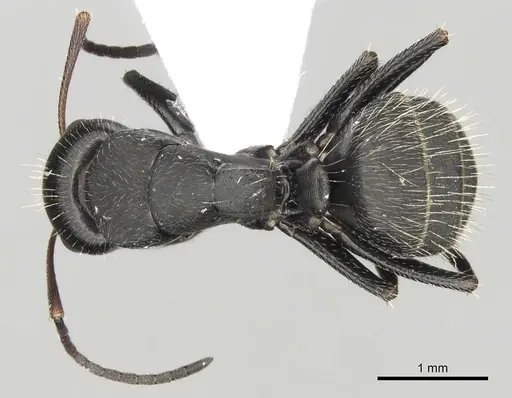
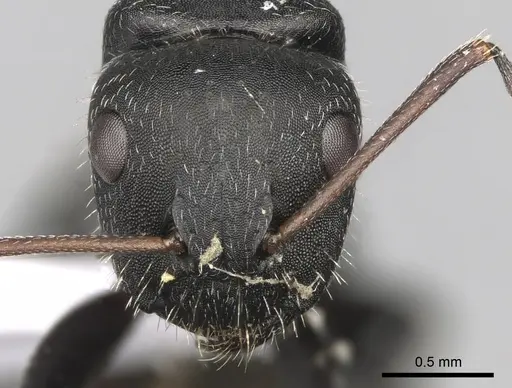
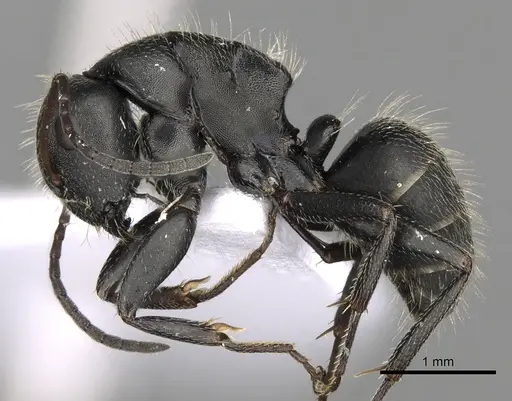
CASENT0910440
View on AntWeb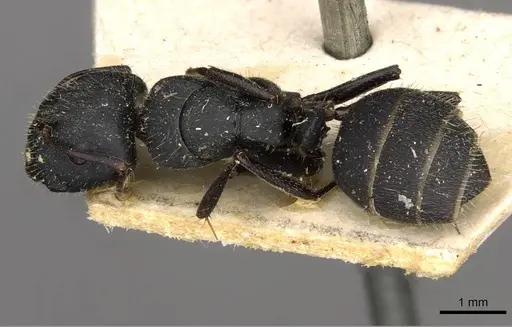
CASENT0910441
View on AntWeb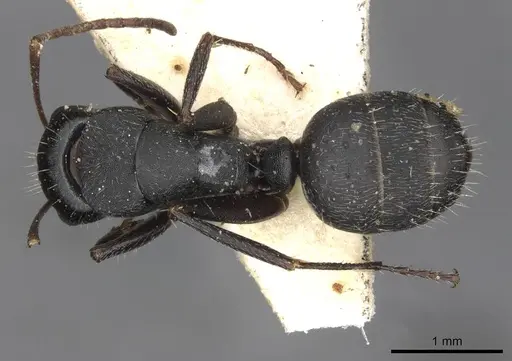
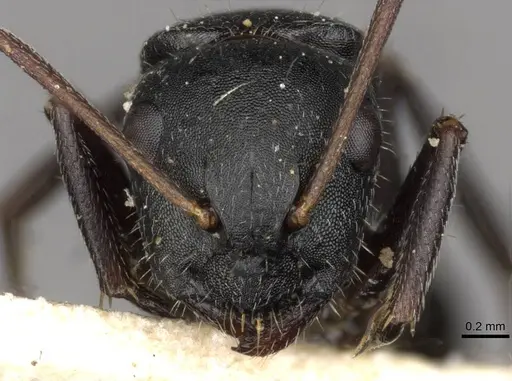
CASENT0913700
View on AntWeb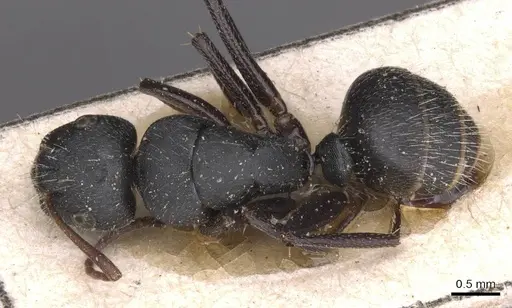
Literature
Loading...Loading products...