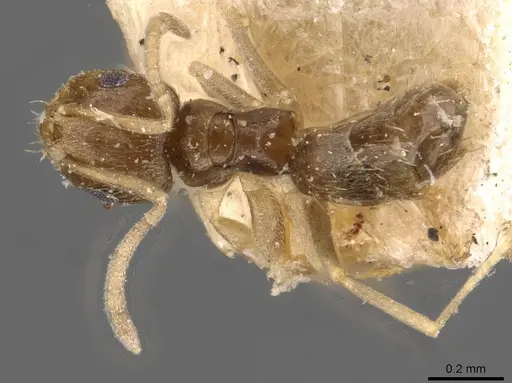
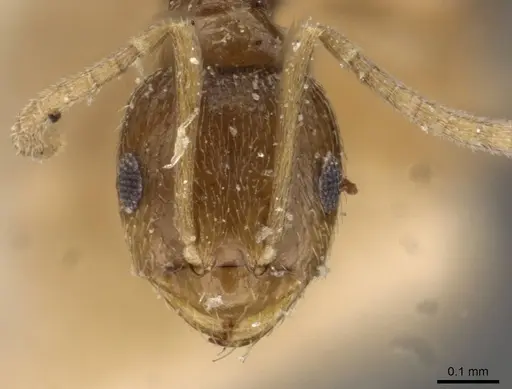
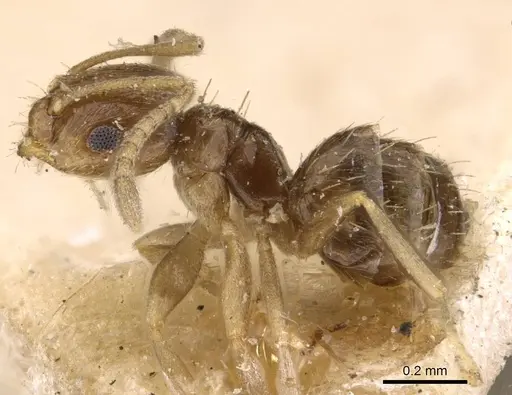
Brachymyrmex obscurior exhibits a clear seasonal flight window. Peak flight activity is concentrated in June, with the overall period spanning May to August.
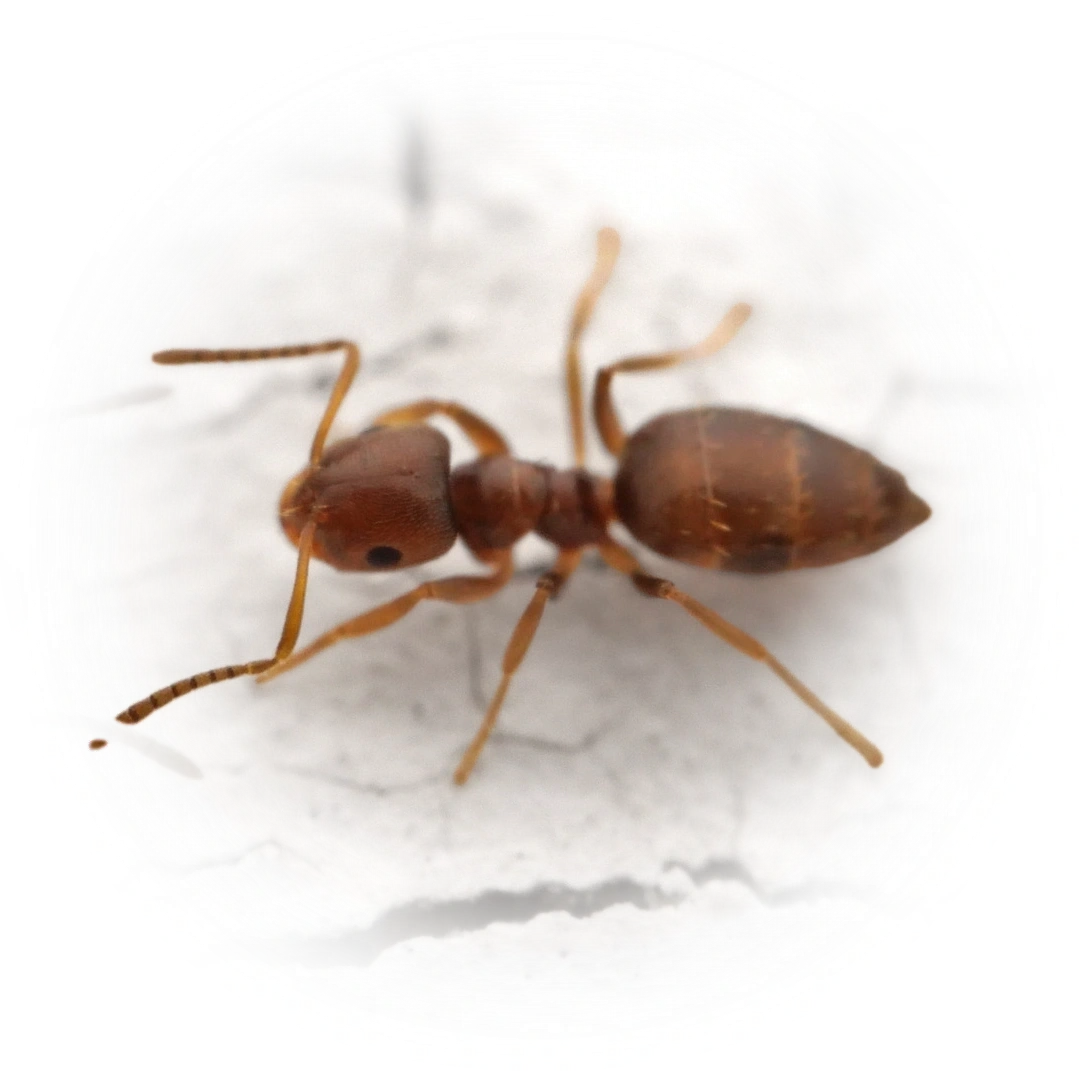
Brachymyrmex obscurior
- Scientific Name
- Brachymyrmex obscurior
- Tribe
- Myrmelachistini
- Subfamily
- Formicinae
- Author
- Forel, 1893
- Common Name
- Obscure Rover Ant
- Distribution
- Found in 7 countries
- Nuptial Flight
- from May to August, peaking in June
AI Identifiable
try →
Brachymyrmex obscurior Overview
Brachymyrmex obscurior (commonly known as the Obscure Rover Ant) is an ant species of the genus Brachymyrmex. It is primarily documented in 7 countries , including Bahamas, Colombia, Cuba. Detailed taxonomic data and occurrence records can be further explored via authoritative databases such as AntWeb or the Global Biodiversity Information Facility (GBIF).
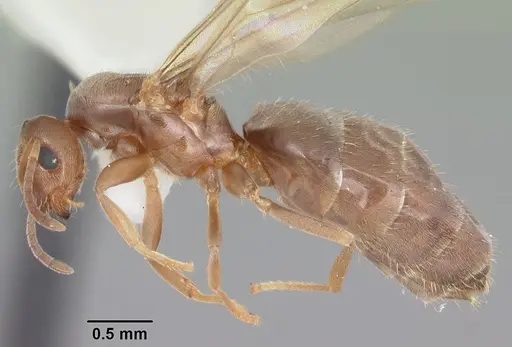
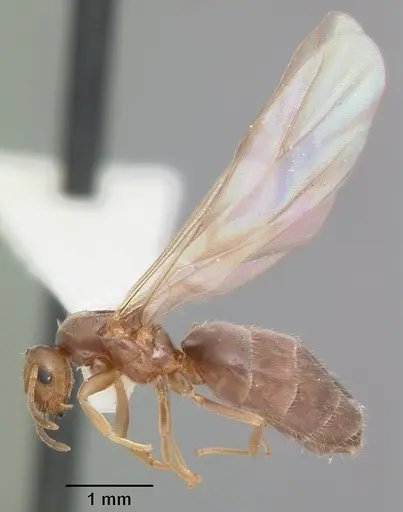
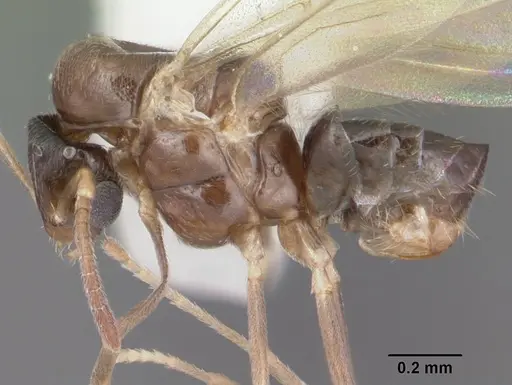
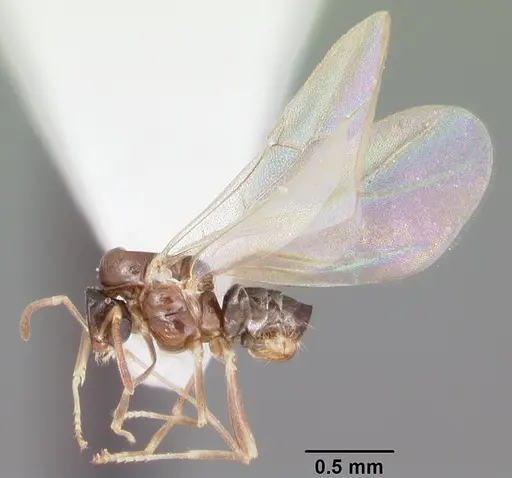
The nuptial flight of Brachymyrmex obscurior is a significant biological event, typically occurring from May to August, peaking in June. During this time, winged queens and males leave the nest to mate and establish new colonies.
Brachymyrmex obscurior - "Obscure Rover Ant"
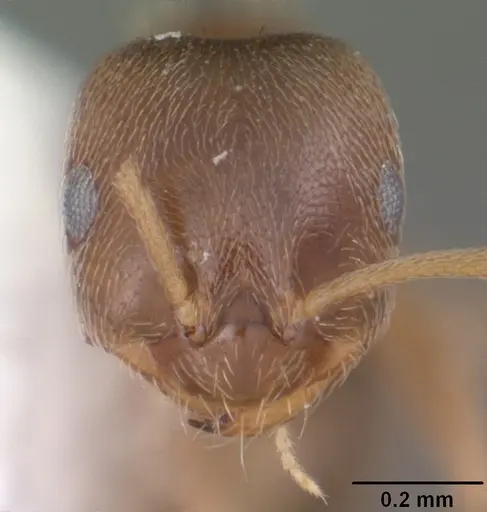
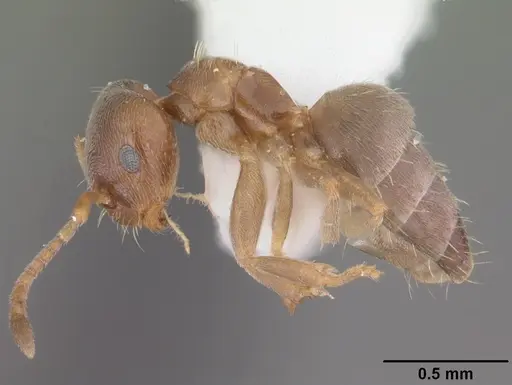
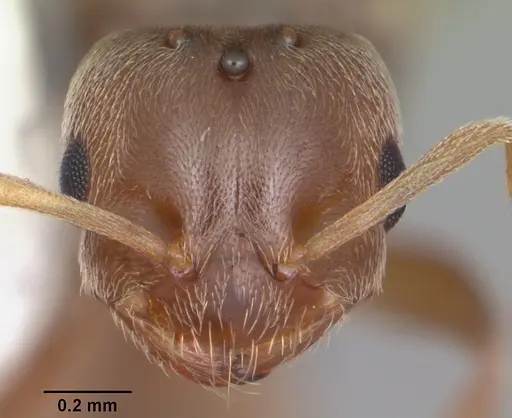
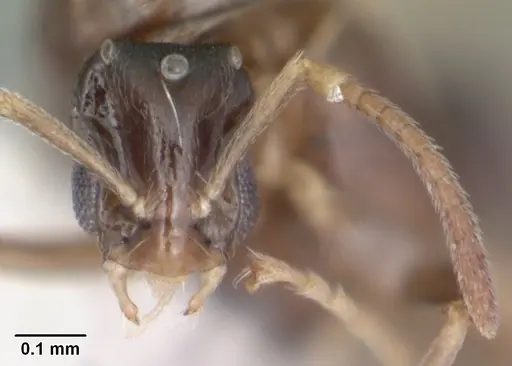
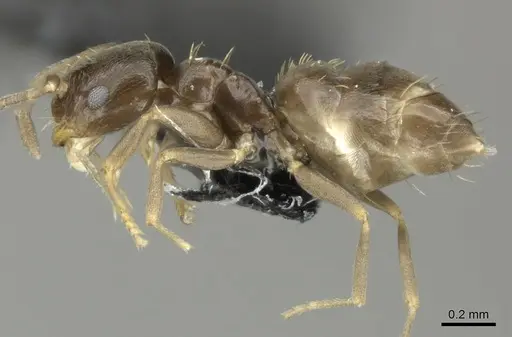
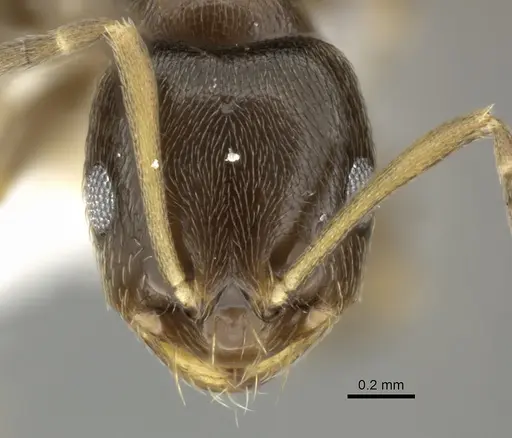
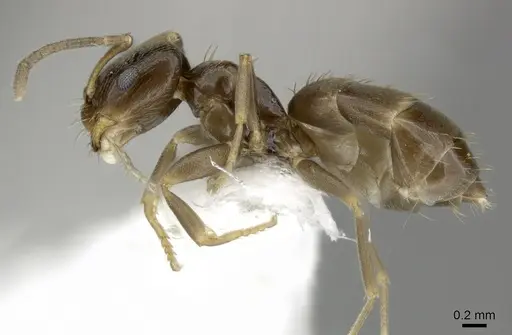
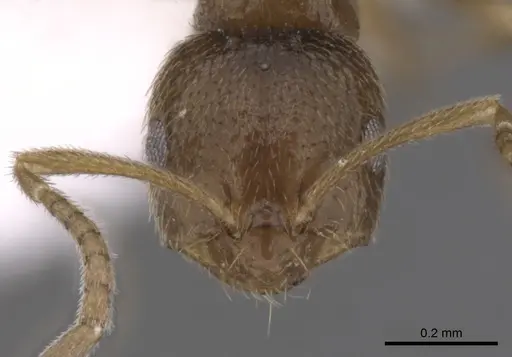
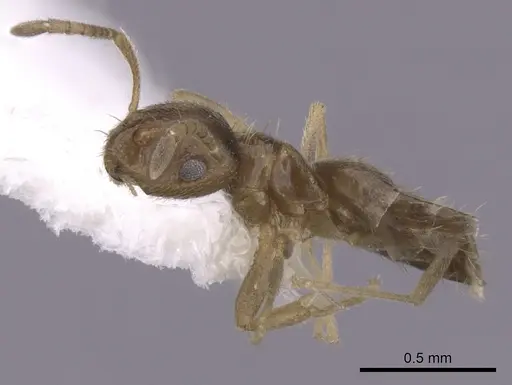
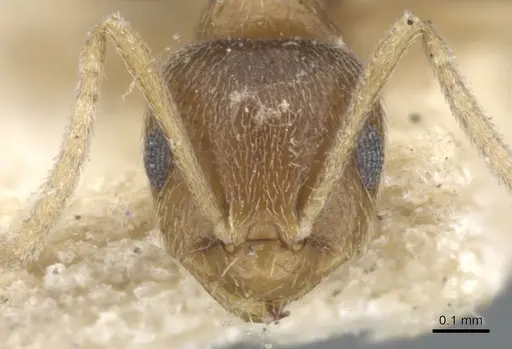
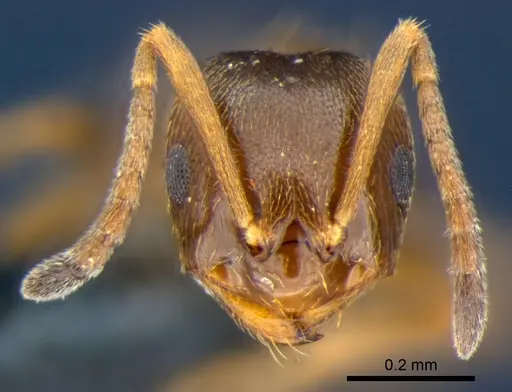
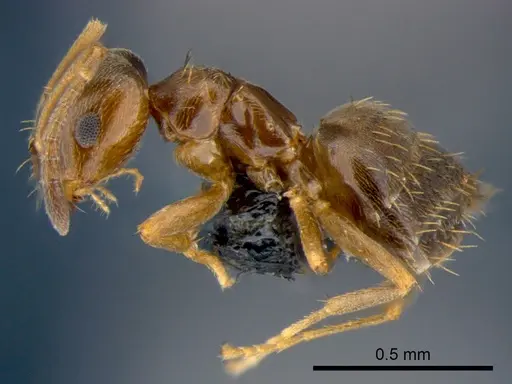
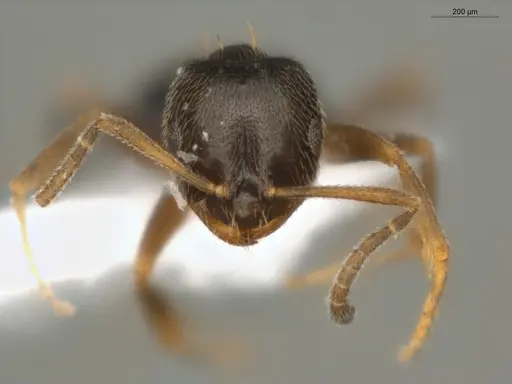
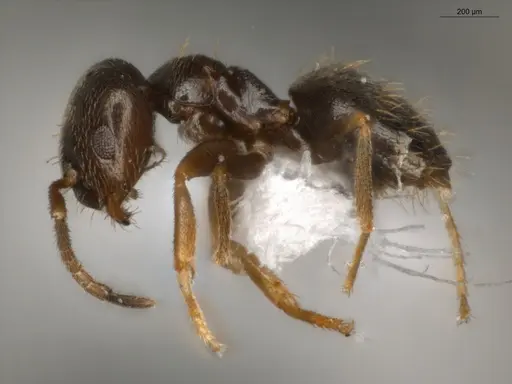
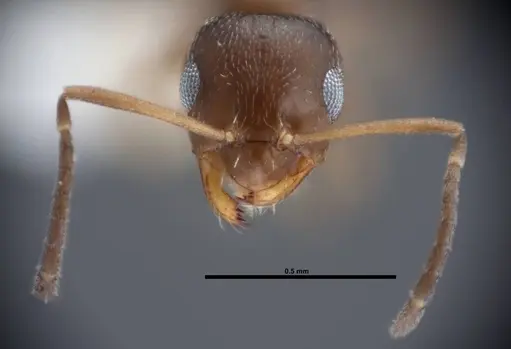
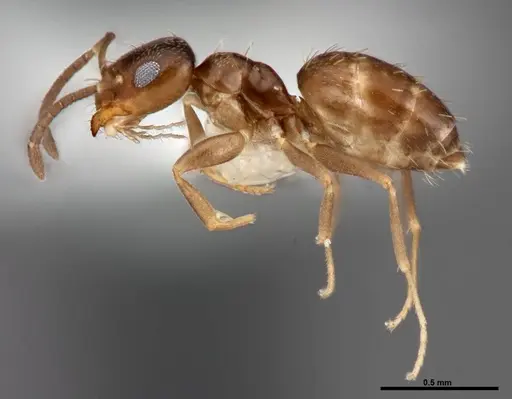
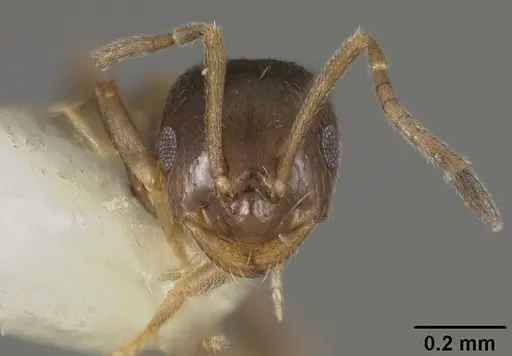
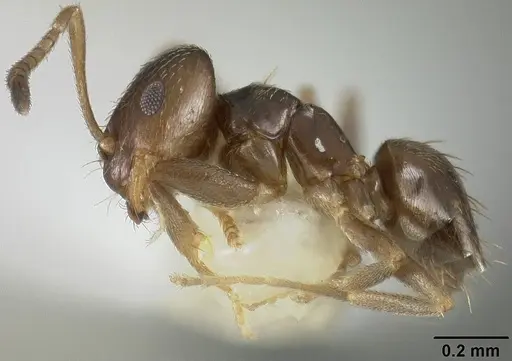
Brachymyrmex obscurior is a tiny brown ant native to the Neotropics (Mexico, Central America, Caribbean, and northern South America). Workers measure approximately 1.5-2.0mm, making them one of the smaller ant species you'll encounter [1][2]. They have nine-segmented antennae, which distinguishes them from most other Formicinae that have 11-12 segments, and their body is uniformly brownish with dense decumbent pubescence on the gaster [3]. This species has become a widespread tramp ant, accidentally introduced to many regions including the continental United States, Hawaii, New Caledonia, and Samoa through human commerce [3][4].
What makes B. obscurior interesting is its remarkable adaptability to disturbed and marginal habitats. In the wild, they nest under stones or at the roots of grass and weeds in open ground, with colonies typically containing just a few hundred workers in simple one or two-chamber nests [3]. They are general scavengers that readily tend aphids and coccids for honeydew, and they frequently visit extrafloral nectaries [5][6]. Their small size and lack of sting make them relatively harmless, though they can become minor pests when they invade homes in search of sweets.
Quick Summary
- Difficulty: Easy
- Origin & Habitat: Native to the Neotropics (Mexico, Central America, Caribbean, northern South America). Has been introduced to the United States (Florida, Hawaii, Mississippi, and other states), New Caledonia, Samoa, and other Pacific islands through human commerce [3][5]. Found in open disturbed areas, beaches, potted plants, and at the roots of grass and weeds [AntWiki].
- Colony Type: Single-queen (monogyne) colonies with a few hundred workers [3].
- Size & Growth:
- Antkeeping:
- Temperature: Keep at 24-28°C. This species has a critical thermal maximum (CTM) of 44°C and maximal activity temperature (MAT) of 26°C, indicating they thrive in warm conditions [1][2]. They are well-adapted to tropical and subtropical environments.
- Humidity: Moderate. In the wild, they nest in soil under stones and at grass roots in areas that retain some moisture. Keep the nest substrate consistently moist but not waterlogged.
- Diapause: No, as a tropical species, they do not require hibernation [1][2]. However, they may show reduced activity during cooler periods.
- Nesting: Use a standard test tube setup or small formicarium. These tiny ants need appropriately scaled chambers. They do well in Y-tong (AAC) nests, plaster nests, soil nests, or test tube setups with moist cotton. Provide a connection to an outworld for foraging.
- Behavior: These ants are general scavengers and are not aggressive. Workers are active day and night [6] and readily recruit to food sources using pheromone trails. They do not possess a sting [5], so they pose no danger to keepers. They use formic acid as a defense mechanism [7]. Because of their very small size (1.5-2mm), escape prevention is critical, they can squeeze through tiny gaps. Use fine mesh and tight-fitting barriers. They are prolific at finding sweet liquids and will visit extrafloral nectaries and tend hemipterans for honeydew.
- Common Issues: escape prevention is critical due to their tiny 1.5-2mm size, they easily slip through standard barrier gaps, colonies are small (few hundred workers) so don't expect large displays like some other species, they are invasive in many regions, never release colonies outside their native range, their similar appearance to other Brachymyrmex species makes exact identification difficult, may become minor household pests if they find sweet food sources
Nuptial Flight Activity Analysis 297 observations
Flight Activity by Hour 297 observations
Brachymyrmex obscurior nuptial flight activity peaks around 16:00 during the afternoon. Activity is spread across a 12-hour window (09:00–20:00). Times may be influenced by human observation patterns.
Housing and Nest Setup
Brachymyrmex obscurior is a tiny ant that needs appropriately scaled housing. A standard test tube setup works well for founding colonies, use a small test tube with a water reservoir sealed with a cotton plug. For established colonies, a small Y-tong (AAC) nest or plaster nest with narrow chambers works best. The key is keeping chambers proportional to their small size, large open spaces can stress them. Connect the nest to a small outworld using tubing. Because workers are only 1.5-2mm, escape prevention must be excellent, use fine mesh on any ventilation holes and ensure all connections are tight. These ants do not climb smooth surfaces well, but can still find tiny gaps to escape. [3][5]
Feeding and Diet
B. obscurior is a generalist scavenger with a strong sweet tooth. They readily accept sugar water, honey, or diluted maple syrup. They also need protein, offer small prey like fruit flies, pinhead crickets, or small mealworms. In the wild, they frequently tend aphids and coccids for honeydew [5][6], and visit extrafloral nectaries [8]. You can simulate this by offering both sugar sources and protein. They are active foragers that will recruit nestmates to good food sources. Feed them small amounts of sugar water every few days and protein prey once or twice per week. Remove any uneaten prey after 24 hours to prevent mold.
Temperature and Seasonal Care
As a tropical species, B. obscurior prefers warm conditions. Research shows they have a critical thermal maximum of 44°C and maximal activity temperature of 26°C [1][2], meaning they do best in the mid-to-high 20s Celsius. Keep their nest at 24-28°C for optimal brood development. A small heating cable on one side of the nest can create a gentle gradient, but ensure they can move to cooler areas if needed. They do not require hibernation (diapause) since they originate from tropical regions. However, they may slow down slightly during cooler winter months if your room temperature drops. Avoid temperatures below 18°C for extended periods.
Behavior and Foraging
These ants are active foragers that work both day and night [6]. Workers are not aggressive and do not possess a sting [5], making them completely safe to handle. They use formic acid as a defense mechanism when threatened [7]. They use pheromone trails to recruit nestmates to food sources. When you place a food item in the outworld, you'll often see workers rapidly recruiting others. They are well-suited to disturbed habitats and can thrive in marginal environments. Their small size means they are not strong competitors against larger ants, but they make up for it with their adaptability and broad diet tolerance. They are known to coexist with other invasive ants like the little fire ant (Wasmannia auropunctata) and Argentine ant (Linepithema humile) [9].
Colony Development
Colonies start with a single queen who seals herself in a small chamber and raises the first brood. The first workers will be smaller than normal workers but will quickly forage for food to support further growth. Colony size remains modest, typically just a few hundred workers even in established colonies [3]. Growth rate is moderate. Because colonies stay relatively small, they are well-suited to keepers who want a manageable ant that won't take over a large formicarium. Queens are approximately 4.0-4.3mm, significantly larger than workers [5].
Legal and Ethical Considerations
Brachymyrmex obscurior is an invasive species in many regions outside its native range, including the continental United States, Hawaii, New Caledonia, and Samoa [3][5]. If you live in these areas, you should never release this ant outdoors as it could harm local ecosystems. This species likely arrived in Florida through commerce (particularly in potted plants) and has spread widely [AntWiki]. If you are keeping this species in its introduced range, keep colonies contained and never dump waste water or substrate outdoors. If you are in the native range (Mexico, Central America, Caribbean, northern South America), exercise the same caution, don't release colonies into areas where they aren't naturally present.
Frequently Asked Questions
Can I keep Brachymyrmex obscurior in a test tube?
Yes, test tubes work well for founding colonies. Use a small test tube with a water reservoir and cotton plug. The tiny 1.5-2mm workers do well in appropriately scaled setups. Just make sure the cotton is packed tightly to prevent escapes.
How long until first workers appear?
Specific development data is not documented for this species. Expect several weeks from egg to first worker at optimal temperatures (24-28°C).
How big do colonies get?
Colonies typically reach a few hundred workers, rarely exceeding 500 [3]. They remain relatively small compared to many common pet ants, which makes them easier to house.
What do Brachymyrmex obscurior eat?
They are generalist scavengers. Offer sugar water, honey, or maple syrup for carbohydrates, and small protein sources like fruit flies, pinhead crickets, or small mealworms. They also readily tend aphids and visit extrafloral nectaries in the wild.
Are Brachymyrmex obscurior good for beginners?
Yes, they are considered easy to keep. They are small, non-aggressive, don't sting, and tolerate a range of conditions. The main challenge is escape prevention due to their tiny size. Use fine mesh and ensure all connections are tight.
Do they need hibernation?
No, as a tropical species they do not require hibernation [1][2]. However, they may show reduced activity if temperatures drop significantly. Keep them at 24-28°C year-round for best results.
Can I keep multiple queens together?
This species is monogyne, colonies have a single queen [3]. Combining unrelated queens is not recommended and hasn't been documented. If you catch multiple founding queens, house them separately.
Why are my ants escaping?
At only 1.5-2mm, these ants can squeeze through incredibly small gaps. Check all ventilation holes, tube connections, and lid seals. Use fine mesh and consider applying fluon to the edges of your formicarium. Inspect connections regularly.
What temperature do they need?
Keep them at 24-28°C. They have a high critical thermal maximum (44°C) and are adapted to warm tropical conditions [1][2]. A small heating cable can help maintain warmth, but ensure they can move to cooler areas if needed.
When should I move them to a formicarium?
You can keep them in a test tube setup long-term since colonies stay small (few hundred workers). If you want to upgrade, a small Y-tong or plaster nest works well. Move them when the test tube becomes crowded or you want to observe them more closely.
Report an Issue
The current care sheet is based fully on literature. See inconsistencies, or something that's incorrect? Please , it will be resolved after review from an admin. Contributing to the blogs tab also helps providing information, to make us be able to further improve the caresheets. Thank you for your support!
References

This caresheet is licensed under CC BY-SA 4.0 .
CASENT0103624
View on AntWeb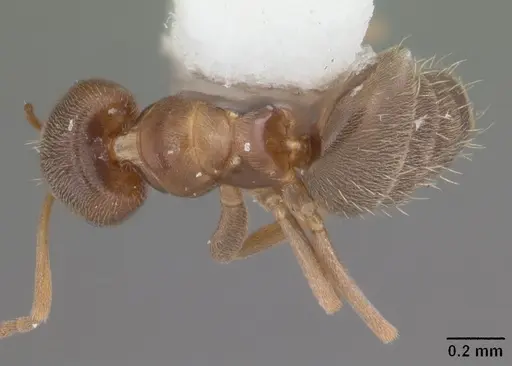
CASENT0103640
View on AntWeb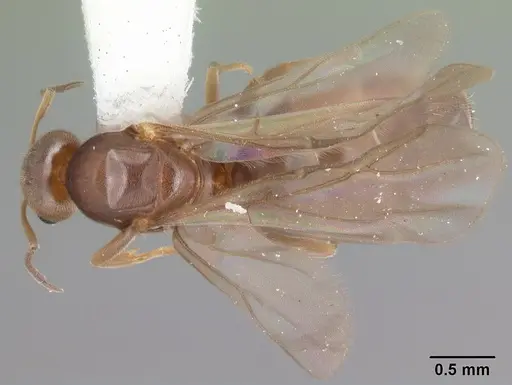
CASENT0103641
View on AntWeb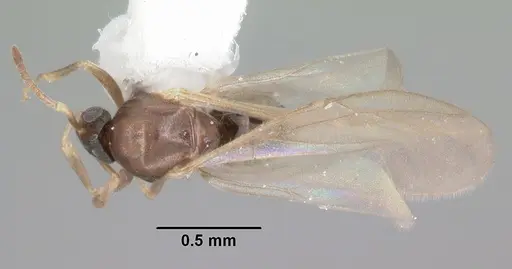
CASENT0104889
View on AntWeb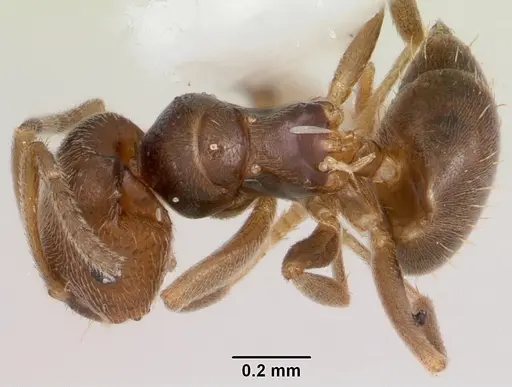
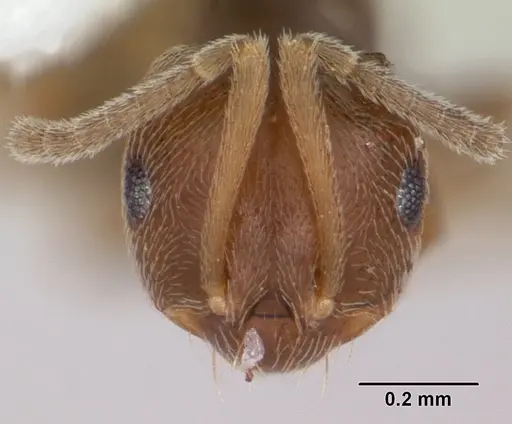
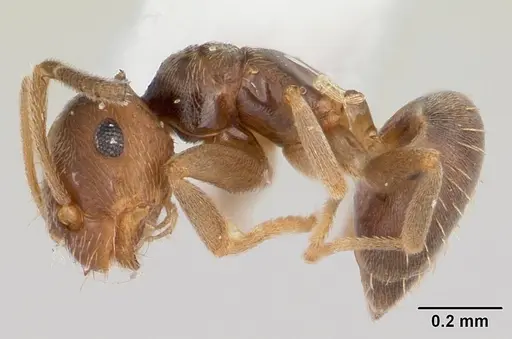
CASENT0219802
View on AntWeb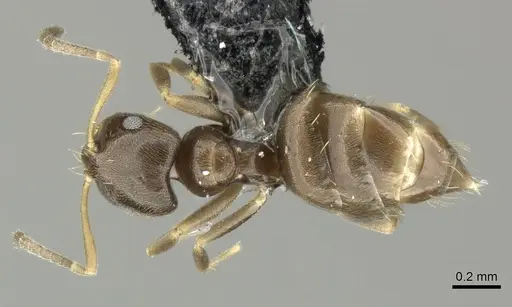
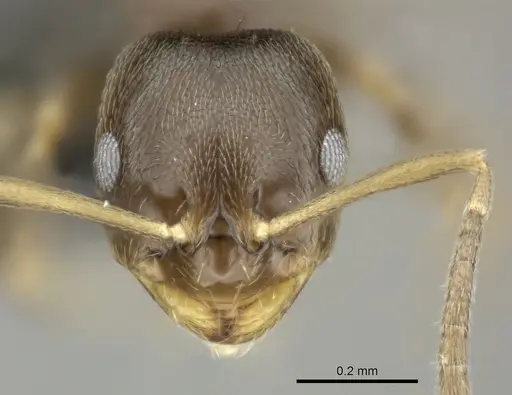
CASENT0219804
View on AntWeb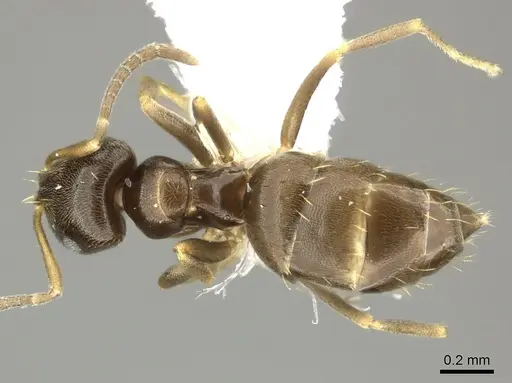
CASENT0249949
View on AntWeb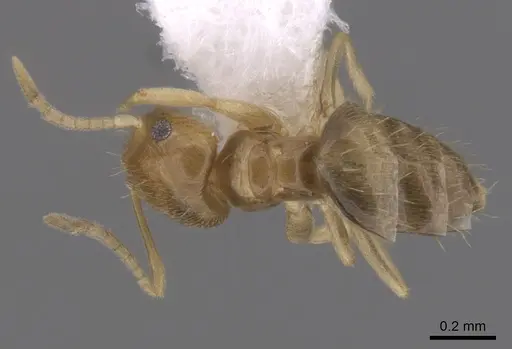
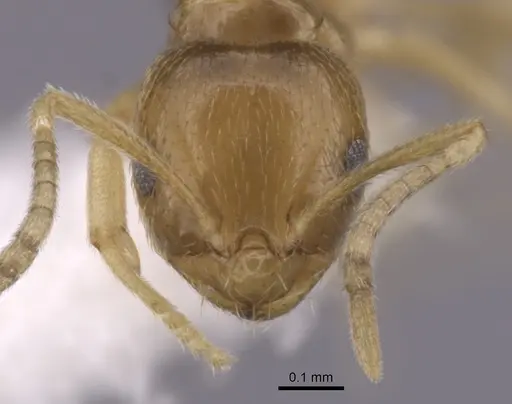
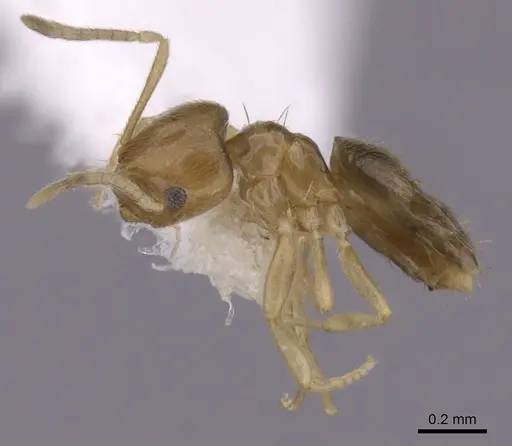
CASENT0249950
View on AntWeb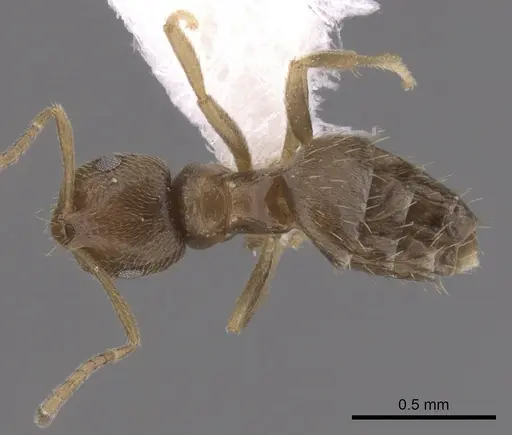
CASENT0903120
View on AntWeb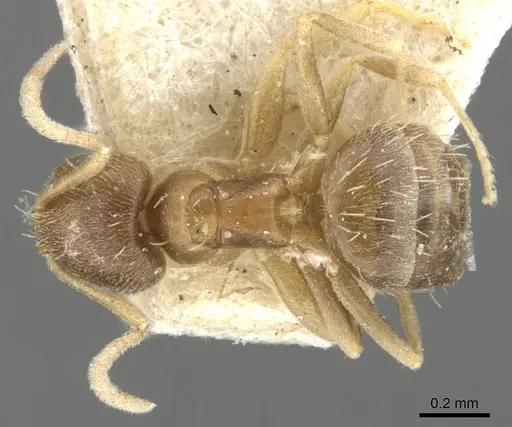
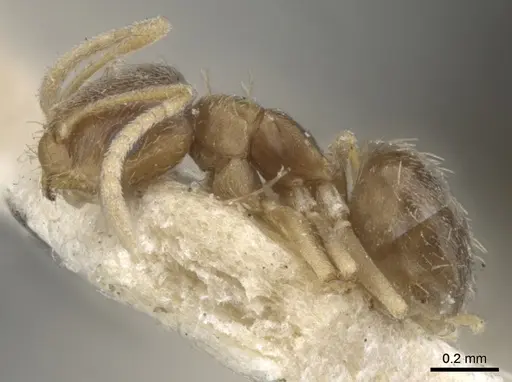
CBUMAGENT41833
View on AntWeb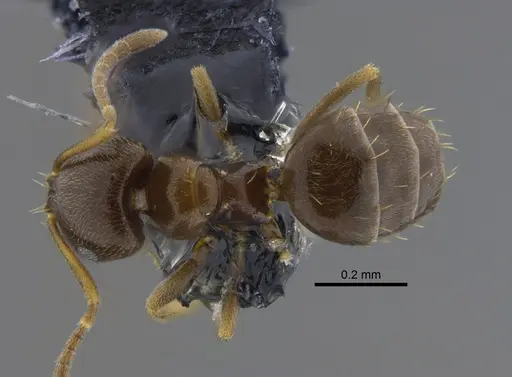
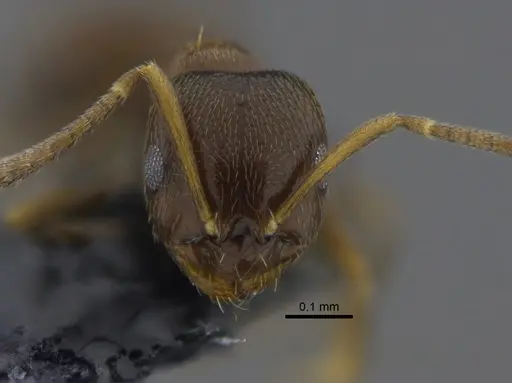
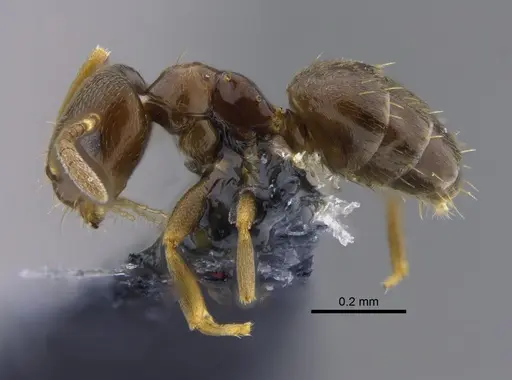
CSIRONC0190
View on AntWeb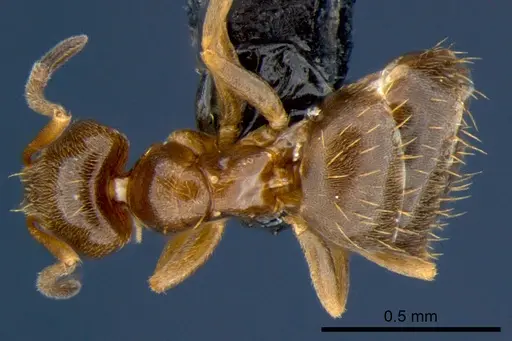
ECOFOG-PAT19-0073-05
View on AntWeb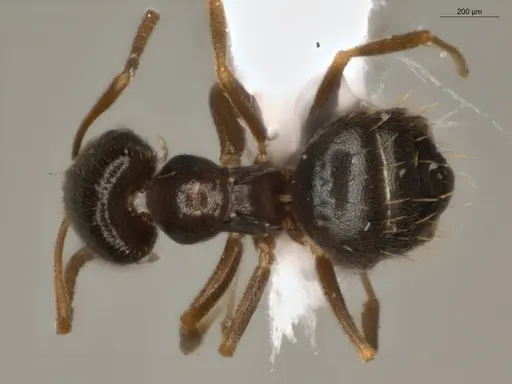
FMNHINS0000062857
View on AntWeb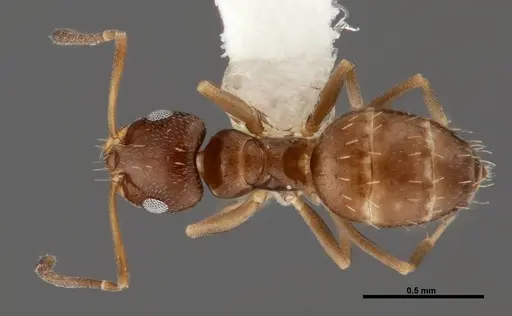
USNMENT00441905
View on AntWeb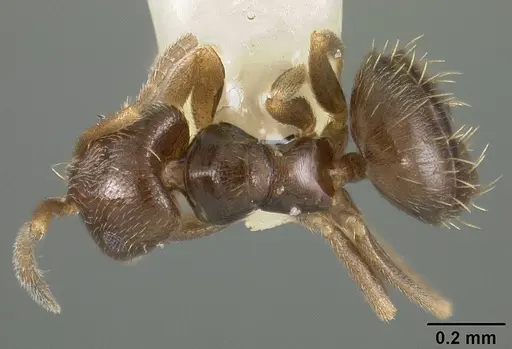
USNMENT00757132
View on AntWeb