

Brachymyrmex giardi
- Scientific Name
- Brachymyrmex giardi
- Tribe
- Myrmelachistini
- Subfamily
- Formicinae
- Author
- Emery, 1895
- Common Name
- Giard’s Honey Ant
- Distribution
- Found in 1 countries
Brachymyrmex giardi Overview
Brachymyrmex giardi (commonly known as the Giard’s Honey Ant) is an ant species of the genus Brachymyrmex. It is primarily documented in 1 countries , including Chile. Detailed taxonomic data and occurrence records can be further explored via authoritative databases such as AntWeb or the Global Biodiversity Information Facility (GBIF).
Brachymyrmex giardi - "Giard’s Honey Ant"
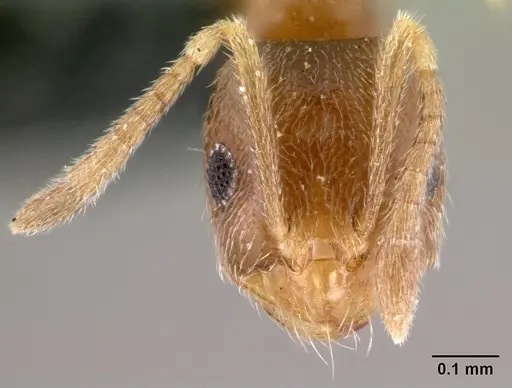
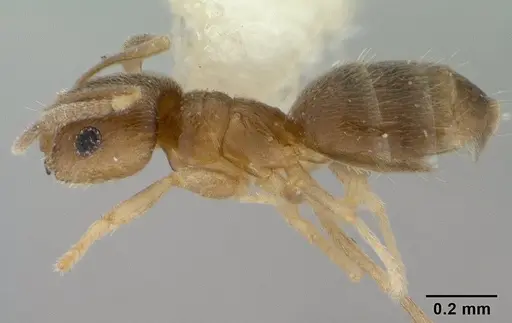
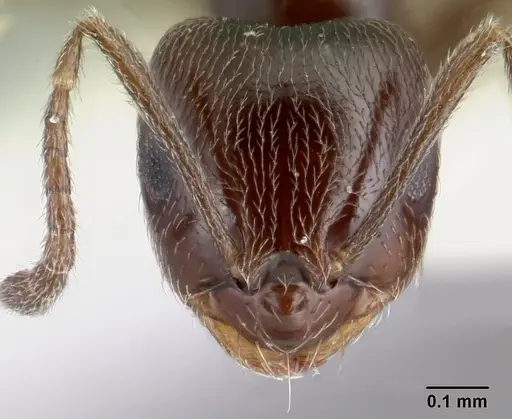
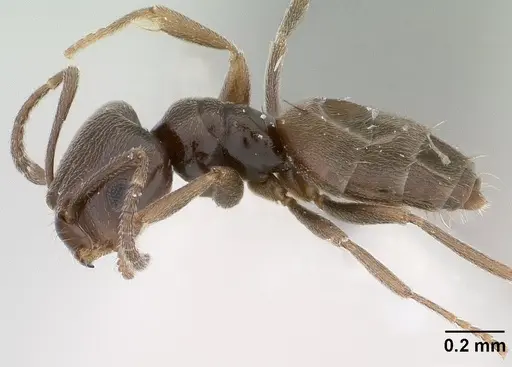
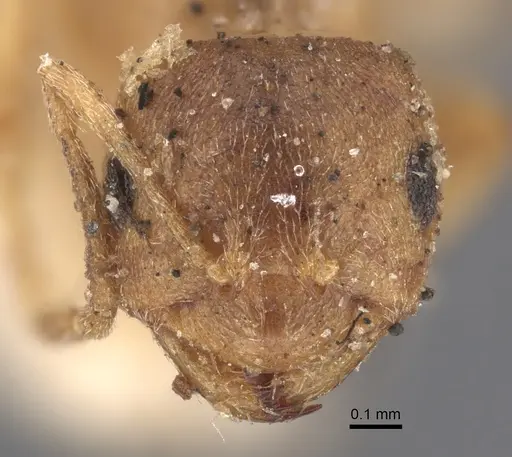
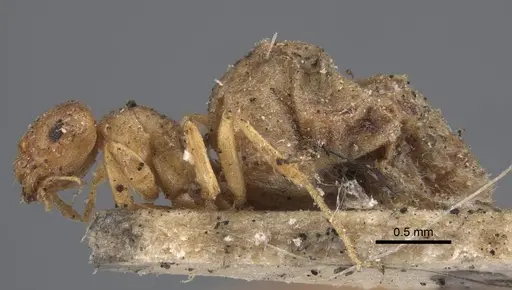
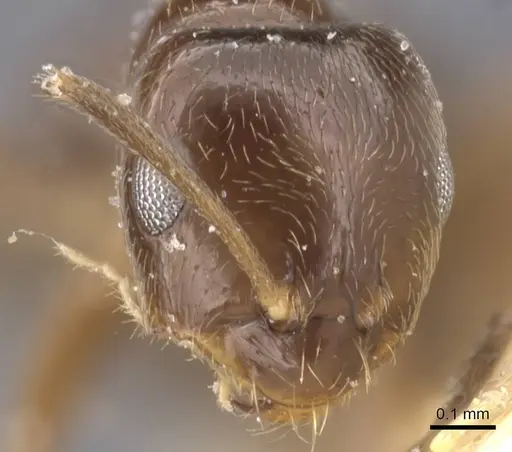
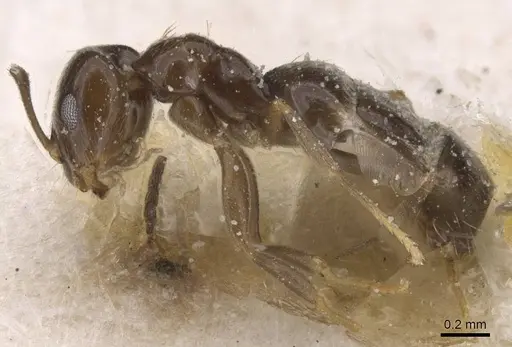
Brachymyrmex giardi is a small, dark brown ant native to Chile and Uruguay, measuring just 1.25mm for normal workers, though larger workers can reach 1.75mm [1][2]. This species is notable for its worker dimorphism, the larger workers develop swollen abdomens and become living food storage containers called repletes, similar to honeypot ants [3]. The mesonotum visibly bulges above the pronotum when viewed from the side, and the gaster has dense fine hairs. They lack any erect hairs on the body, which helps distinguish them from related species [1].
What makes B. giardi particularly interesting is its association with scale insects (coccids), specifically Margadores vitium, which they tend for honeydew [1]. They are granivorous (seed-eating) but show strong preference for protein sources like dead fly larvae, and will even scavenge on vertebrate carcasses [3]. These ants are highly territorial and aggressive toward competing ant species, particularly Solenopsis gayi, showing intense defensive behaviors when other ants enter their territory [4].
Quick Summary
- Difficulty: Easy
- Origin & Habitat: Native to central Chile and Uruguay, found in Mediterranean and southern Chile regions. They nest underground in soil, with chambers located 15-50cm deep [1][2].
- Colony Type: Polydomous species, colonies have multiple nest entrances that may belong to the same colony. Worker dimorphism is present with normal workers and larger repletes that store food [3][5].
- Colony: Monogyne
- Size & Growth:
- Queen: 2.5mm without abdomen,5mm with distended abdomen [1]
- Worker: 1.25-1.75mm (normal workers 1.25mm, larger workers up to 1.75mm) [1][2]
- Colony: Large colonies with multiple nest entrances, polydomous structure [5]
- Growth: Moderate
- Development: 6-10 weeks (estimated based on related Formicinae) (Development time not specifically documented for this species, estimates based on genus-level patterns)
- Antkeeping:
- Temperature: Keep at room temperature, around 18-24°C. They are diurnal and active across daily soil temperature ranges in their native Chile [3].
- Humidity: Moderate humidity, they nest in soil and prefer some moisture. Keep the nest substrate consistently moist but not waterlogged.
- Diapause: Unknown, no specific data on hibernation requirements. Their native range in central Chile has mild winters, so they may tolerate cooler temperatures seasonally.
- Nesting: Soil-nesting species. In captivity, they do well in naturalistic setups with deep substrate (at least 5-10cm) or acrylic nests with soil chambers. They prefer having multiple chambers connected, reflecting their polydomous nature [1].
- Behavior: These ants are diurnal and relatively peaceful toward conspecifics, but highly aggressive toward competing ant species, particularly Solenopsis gayi. When intruders enter their territory, they respond with antennal exploration, biting, and fighting within seconds [4]. They are foragers that harvest seeds and protein, and will readily accept dead insects and larvae. Workers are small (1.25-1.75mm) so escape prevention is important, use fine mesh barriers. They are not known to sting.
- Common Issues: small worker size means escapes are likely without fine mesh barriers, colonies may be sensitive to drying out since they nest in soil, their aggressive territorial behavior toward other ants means they should be kept away from other ant colonies, polydomous nature means they may need more vertical space for nesting chambers
Housing and Nest Setup
Brachymyrmex giardi is a soil-nesting ant that prefers naturalistic setups with deep substrate. In the wild, their nests extend 15-50cm underground with multiple chambers [1]. For captivity, use a naturalistic setup with at least 5-10cm of soil substrate, or an acrylic nest with multiple connected chambers. They are polydomous, meaning they maintain multiple nest entrances, so providing options for expansion is beneficial. A test tube setup can work for founding colonies, but transfer to a more spacious setup once the colony reaches 20-30 workers. They do well with moderate humidity, the substrate should feel damp but not soggy, with some drier areas available.
Feeding and Diet
These ants are primarily granivorous, meaning they collect and eat seeds, but they are opportunistic omnivores with a strong preference for protein. In studies, they showed high preference for dead fly larvae over other food options like oats or bread crumbs [3]. They will also scavenge on vertebrate carcasses. Additionally, they associate with and tend coccid scale insects (Margadores vitium) for honeydew, so they likely accept sugar sources. Feed them a varied diet including: small seeds (grass seeds, millet), protein sources (dead insects, mealworms, fly larvae), and occasional sugar water or honey. Protein should be offered 2-3 times per week, with sugar water available constantly.
Temperature and Seasonal Care
Brachymyrmex giardi is native to central Chile and Uruguay, regions with Mediterranean climates featuring mild winters and warm, dry summers. They are diurnal and active across daily soil temperature ranges [3]. Keep them at room temperature, ideally between 18-24°C. No specific diapause requirements have been documented, but their native range suggests they may tolerate cooler winter temperatures. If your room temperature drops significantly in winter, you can reduce feeding and allow them to slow down naturally, but a true hibernation is likely not required. Avoid temperatures below 15°C or above 30°C.
Behavior and Colony Dynamics
This species displays notable worker dimorphism, larger workers develop distended abdomens and become repletes (honeypot workers) that store nectar and liquids to feed the colony during lean times [3]. These repletes hang from the ceiling of chambers, similar to Myrmecocystus honeypot ants. Colonies are polydomous, meaning they have multiple nest entrances that may belong to the same colony, allowing them to expand their territory [5]. They are highly territorial and aggressive toward competing ant species, particularly Solenopsis gayi. Studies show they respond within seconds to intruders with aggressive behaviors including biting and fighting [4]. They are more socially tolerant than Camponotus species and can associate with other ant species like Camponotus chilensis or C. morosus while maintaining their own chemical identity [6].
Growth and Development
Queens measure about 2.5mm without their abdomen and up to 5mm when gravid [1]. Workers come in two sizes: normal workers at 1.25mm and larger workers up to 1.75mm [1]. The development timeline has not been specifically documented, but based on related Formicinae species, expect 6-10 weeks from egg to first worker at optimal temperature. Colonies grow moderately, they can become quite large with multiple nest entrances in the wild. The presence of repletes indicates a developed colony with sufficient foragers to support specialized workers.
Common Issues and Solutions
The main challenges with keeping B. giardi relate to their small size and specific nesting needs. Workers are only 1.25-1.75mm, making escape prevention critical, use fine mesh on all openings and check regularly. Since they are soil-nesting, they need proper humidity levels, too dry and brood will desiccate, too wet and mold becomes a problem. Their aggressive territorial behavior means they should be housed away from other ant colonies, especially other Brachymyrmex or Solenopsis species. When transferring from test tubes to larger setups, do so gradually to avoid stressing the colony. They are not aggressive toward keepers and do not sting. [4][3]
Frequently Asked Questions
How long does it take for Brachymyrmex giardi to produce first workers?
Expect 6-10 weeks from egg to first worker at optimal room temperature (around 20-24°C). This is an estimate based on related Formicinae species, as specific development data for B. giardi is not documented.
What do Brachymyrmex giardi ants eat?
They are primarily granivorous (seed-eating) but strongly prefer protein. Offer small seeds, dead insects, and especially dead fly larvae. They will also accept sugar water or honey. Feed protein 2-3 times per week with sugar available constantly.
Can I keep multiple queens together in one colony?
Colony structure is polydomous (multiple nest entrances) but it is unclear if multiple queens are accepted. Single-queen colonies are confirmed possible. Combining unrelated queens is not recommended since this has not been studied.
What size do Brachymyrmex giardi colonies reach?
They can form large colonies with multiple nest entrances (polydomous). In the wild, they are one of the predominant ant species in central Chile with high nest density.
What temperature do Brachymyrmex giardi need?
Keep them at room temperature, ideally between 18-24°C. They are diurnal and active across daily soil temperature ranges in their native Chile.
Do Brachymyrmex giardi need hibernation?
Hibernation requirements are not documented. Their native range in central Chile has mild winters, so they likely tolerate cooler seasonal temperatures but probably do not require a true diapause.
Why are my Brachymyrmex giardi dying?
Common causes include: drying out (they need consistent soil moisture), escape through tiny gaps (use fine mesh), or stress from disturbance. They are relatively hardy when basic needs are met.
What nest type is best for Brachymyrmex giardi?
Naturalistic setups with deep soil substrate (at least 5-10cm) work best, reflecting their underground nesting habits. Acrylic nests with multiple connected chambers are also suitable.
Are Brachymyrmex giardi good for beginners?
Yes, they are considered easy to keep. They are small but hardy, accept a wide variety of foods, and do not require specialized care beyond proper humidity and escape prevention.
Why do some workers have swollen abdomens?
These are repletes, specialized workers that store nectar and liquids in their distended abdomens, similar to honeypot ants. They feed the colony during times when fresh food is scarce.
References

This caresheet is licensed under CC BY-SA 4.0 .
CASENT0179482
View on AntWeb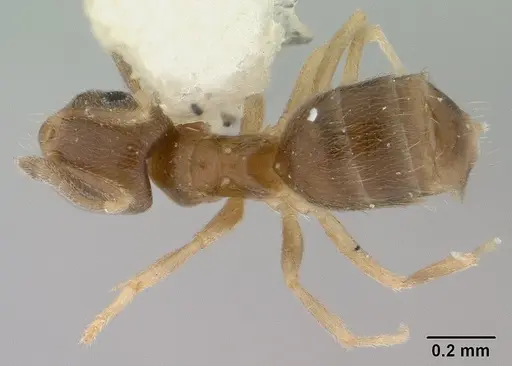
CASENT0179484
View on AntWeb
CASENT0917864
View on AntWeb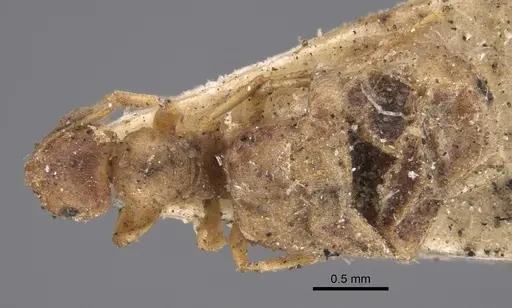
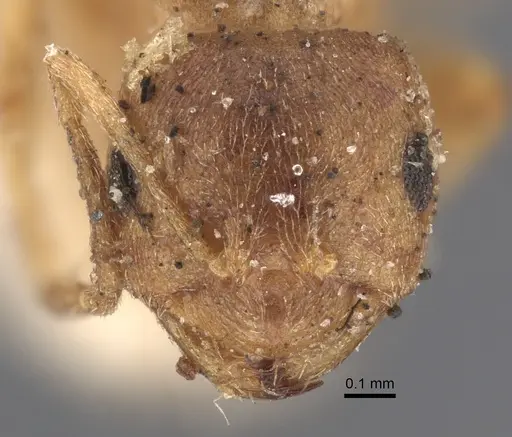
USNMENT00757182
View on AntWeb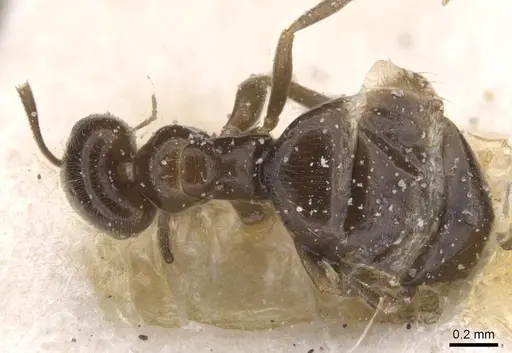
Literature
Loading...Loading products...