

Camponotus chilensis
- Scientific Name
- Camponotus chilensis
- Subgenus
- Tanaemyrmex
- Tribe
- Camponotini
- Subfamily
- Formicinae
- Author
- Spinola, 1851
- Distribution
- Found in 2 countries
Camponotus chilensis Overview
Camponotus chilensis is an ant species of the genus Camponotus. It is primarily documented in 2 countries , including Argentina, Chile. Detailed taxonomic data and occurrence records can be further explored via authoritative databases such as AntWeb or the Global Biodiversity Information Facility (GBIF).
Camponotus chilensis
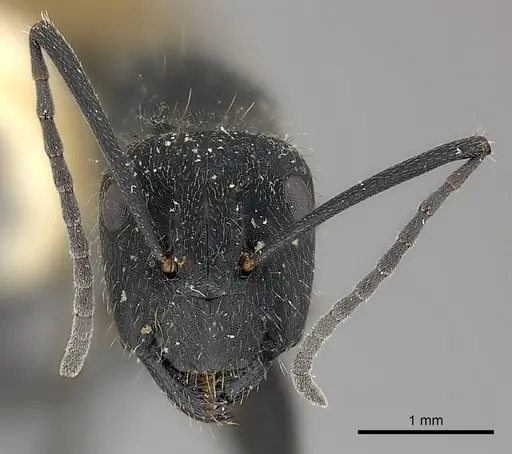
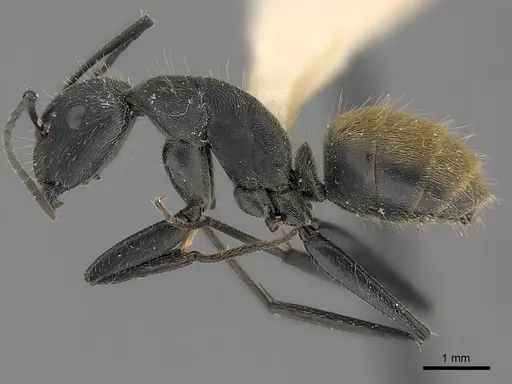
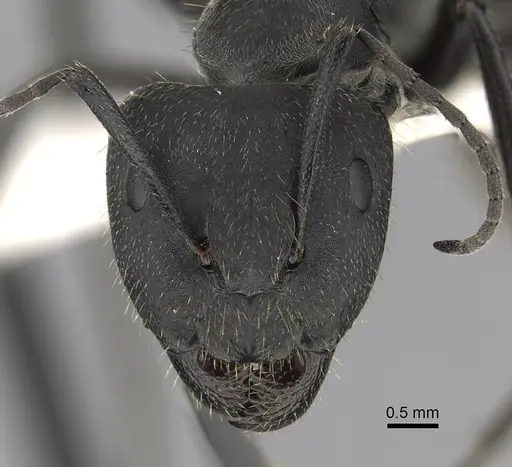
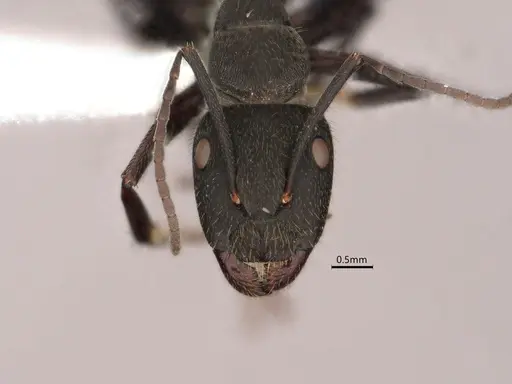
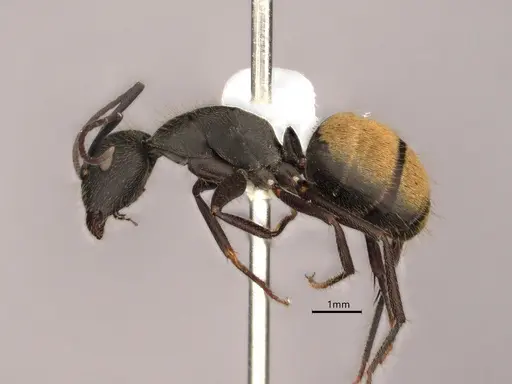
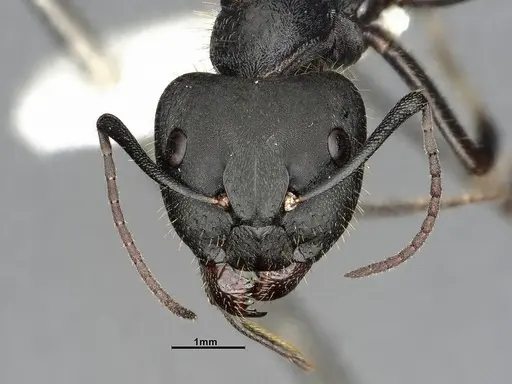
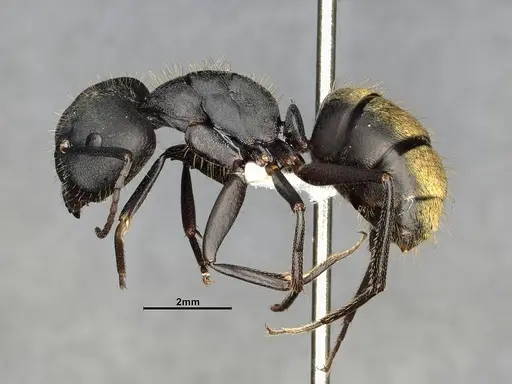
Camponotus chilensis is a medium-sized carpenter ant native to southern South America, found in Chile, Argentina, and Peru. Workers measure around 7mm and are easily recognized by their golden abdominal pubescence and fine hairs along the head margins that are only visible under magnification [1]. This species is commonly known as 'hormigones dorados' (golden carpenter ants) and is one of the most conspicuous ant species in Chile, ranging from the Atacama Desert in the north to Aysén in the south [1].
What makes C. chilensis particularly interesting is its flexible social structure, colonies can contain anywhere from one to four queens, and genetic studies have shown that some multi-queen colonies form through adoption or fusion with other colonies rather than being founded together [2]. They also engage in parabiosis with Brachymyrmex giardii, meaning the two species nest together and workers share some chemical signatures, which is unusual among ants [3].
Quick Summary
- Difficulty: Easy
- Origin & Habitat: Central to southern Chile, Argentina, and Peru. Found in Nothofagus forests, conifer forests (araucaria, cipreses de las guaitecas), alerce, and mañio forests in western Patagonia and Tierra del Fuego [4]. Also thrives in human-disturbed areas at elevations around 901m [5].
- Colony Type: Facultatively polygynous, colonies can have 1 to 4 queens [1]. Genetic studies show some colonies are monogynous (single queen) while others are polygynous with multiple reproductive queens. Polygyny appears to be secondary, meaning extra queens are added through adoption or colony fusion rather than being founded together [2].
- Colony: Optionally polygyne, Oligogyne
- Founding: Claustral
- Size & Growth:
- Queen: Estimated 12-15mm, queens would be significantly larger than workers, typical for Camponotus species
- Worker: 7mm [1]. Two worker castes exist: small workers (0.0075-0.015g) and large workers (0.023-0.042g) [2].
- Colony: Likely several thousand workers given the distribution range and typical Camponotus colony sizes. Exact maximum unknown for this species.
- Growth: Moderate, typical for temperate Camponotus species
- Development: Estimated 6-10 weeks based on typical Camponotus development at optimal temperature. (Development time is temperature-dependent. No specific study on this species' development timeline exists.)
- Antkeeping:
- Temperature: Keep at room temperature, roughly 18-24°C. Being a temperate species from Chile, they can tolerate cooler conditions than tropical ants. A gradient from 20-24°C is ideal for activity and brood development
- Humidity: Moderate humidity around 50-70%. They inhabit forest environments so some moisture is needed, but avoid waterlogging. Provide a water tube as their primary moisture source.
- Diapause: Yes, as a temperate species from Chile, they require a winter rest period. Reduce temperature to 10-15°C for 2-3 months during winter (May-August in the Southern Hemisphere, or November-February if kept in Northern Hemisphere conditions).
- Nesting: In nature, they nest in rotting wood, under stones, and in soil. In captivity, they do well in Y-tong (AAC) nests, plaster nests, or test tube setups. Provide nesting chambers scaled to their 7mm worker size. They prefer dark, secure nesting sites.
- Behavior: Camponotus chilensis is generally calm and not overly aggressive, typical of carpenter ants. Workers are active foragers that patrol and tend aphids, showing a generalized diet including honeydew, insects, and spiders [6]. They are known to be aggressive toward individuals from other colonies of the same species, a phenomenon called hermetism [1]. They are moderate escape artists for their size, use standard barriers like Fluon but they are not as prone to escaping as tiny species. Workers are reasonably large at 7mm so escape prevention is straightforward.
- Common Issues: queen loss during founding, claustral queens need complete darkness and minimal disturbance until workers emerge, multi-queen colony aggression, if keeping multiple queens, ensure they are introduced properly and have space to establish territories, hibernation failure, improper cooling during winter rest can weaken or kill colonies, escape prevention, while not tiny, use barriers as standard practice, fungal contamination, keep nesting area clean and dry to prevent mold
Housing and Nest Setup
Camponotus chilensis does well in standard ant housing. For founding colonies, a test tube setup works perfectly, fill one test tube with water, plug with cotton, and place the queen in darkness. Once you have 15-20 workers, you can move them to a formicarium. Y-tong (AAC) nests are excellent for this species because they provide the dark, secure environment carpenter ants prefer. Plaster nests also work well and allow you to control humidity more easily. Whatever nest you choose, ensure chambers are appropriately sized for 7mm workers, too large and they may feel exposed, too small and they won't use it. Connect the nest to an outworld (foraging area) that is escape-proof using Fluon or similar barriers. [1]
Feeding and Diet
C. chilensis is an opportunistic generalist with a varied diet. In the wild, they tend aphids for honeydew and hunt small insects and spiders [6]. In captivity, offer a balanced diet: protein sources like mealworms, small crickets, or other small insects 2-3 times per week. Sugar is important too, offer sugar water, honey, or diluted honey water in a test tube with a cotton wick. Fresh fruit occasionally is also appreciated. Remove uneaten protein within 24 hours to prevent mold. This species is not a specialized predator, so standard ant feeding protocols work well. Always ensure fresh water is available.
Temperature and Seasonal Care
Being from temperate Chile, C. chilensis prefers cooler temperatures than tropical ants. Keep the nest area at 18-24°C, with 20-22°C being ideal for brood development. Room temperature is often suitable. During the active season (spring and summer), they do well at normal room temperatures. In winter, they require a diapause (hibernation) period. Reduce temperatures to 10-15°C for 2-3 months, this mimics their natural seasonal cycle and helps maintain colony health. If you live in the Southern Hemisphere, this would be roughly May through August. If in the Northern Hemisphere, you can simulate winter from November through February by moving them to a cooler location like a basement or unheated room. [4][1]
Colony Structure and Multi-Queen Care
One of the fascinating aspects of C. chilensis is their flexible colony structure. Genetic studies show colonies can have 1 to 4 queens [1]. Some colonies are clearly monogynous (single queen), while others are polygynous with multiple reproductive queens. Interestingly, polygyny appears to be secondary, meaning extra queens are adopted into existing colonies or colonies fuse together, rather than being founded simultaneously by multiple queens [2]. For antkeepers, this means you can keep either single-queen colonies or introduce additional queens to established colonies, though introductions should be done carefully. When keeping multiple queens, ensure adequate space for each queen to establish her own brood chamber area to reduce aggression.
Behavior and Temperament
These ants are relatively calm and not particularly aggressive, making them good for observation. Workers are active foragers that patrol their territory and are known to tend aphids, protecting them from predators in exchange for honeydew [6]. They show a phenomenon called hermetism, aggressive behavior toward other colonies of the same species, but tolerance within their own colony [1]. This is typical ant behavior where colonies recognize nestmates by their chemical signature. Workers are moderately active and will explore their outworld regularly. They are not particularly defensive and rarely bite, though they could pinch with their mandibles if handled roughly. Their moderate size (7mm workers) makes them easy to observe and handle compared to very small or very aggressive species.
Frequently Asked Questions
How long does it take for Camponotus chilensis to produce first workers?
Expect 6-10 weeks from egg to first worker (nanitic) at optimal temperature (around 20-22°C). This is typical for Camponotus species. The queen is claustral, she seals herself in and raises the first brood alone without foraging.
Can I keep multiple Camponotus chilensis queens together?
Yes, this species is facultatively polygynous, colonies can have 1-4 queens. However, it's safest to start with a single queen. If you want to introduce additional queens to an established colony, do so gradually with plenty of space and monitor for aggression.
What temperature do Camponotus chilensis need?
Keep them at 18-24°C, with 20-22°C being ideal for brood development. As a temperate species from Chile, they can tolerate cooler conditions than tropical ants. Room temperature is usually suitable.
Do Camponotus chilensis need hibernation?
Yes, they require a winter diapause. Reduce temperatures to 10-15°C for 2-3 months during winter. This is essential for maintaining colony health and triggering proper seasonal cycles.
What do Camponotus chilensis eat?
They are opportunistic generalists. Offer protein (insects like mealworms, small crickets) 2-3 times per week and sugar sources (sugar water, honey) constantly. They also tend aphids for honeydew in the wild.
Are Camponotus chilensis good for beginners?
Yes, they are considered easy to keep. They are relatively calm, not overly aggressive, and tolerate a range of conditions. Their moderate size (7mm) makes them easy to house and observe.
How big do Camponotus chilensis colonies get?
Exact maximum is unknown, but like other Camponotus species, colonies likely reach several thousand workers over several years. They grow moderately fast once established.
When should I move Camponotus chilensis to a formicarium?
Move them once you have 15-20 workers in a test tube setup. Before that, keep the founding queen in a dark, undisturbed test tube. The transition to a formicarium should be done slowly, connect the test tube to the formicarium and let them explore on their own.
References

This caresheet is licensed under CC BY-SA 4.0 .
ANTWEB1041825
View on AntWeb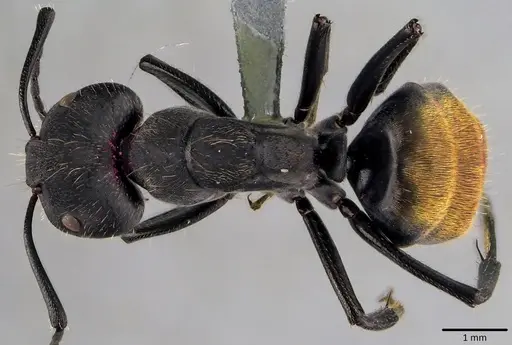
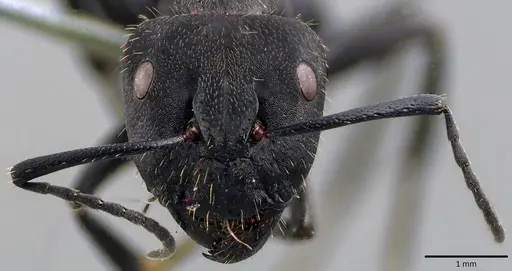
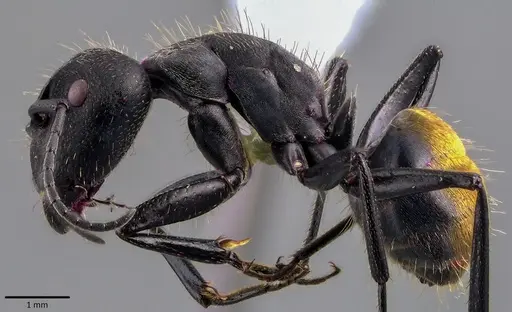
CASENT0217624
View on AntWeb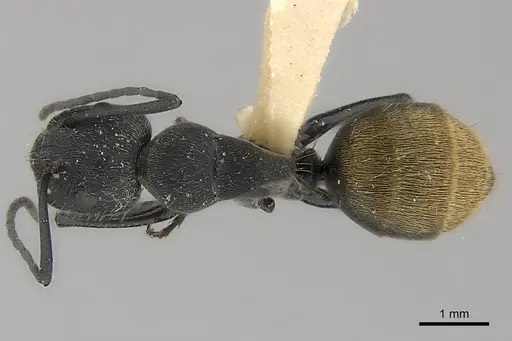
CASENT0280063
View on AntWeb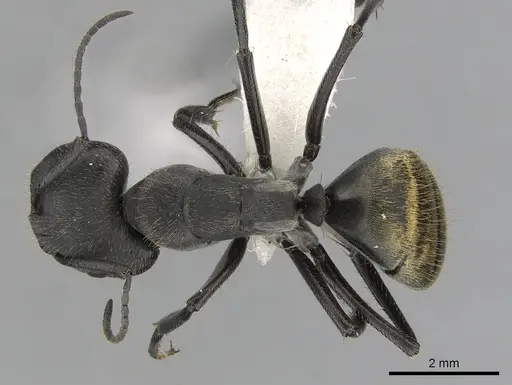
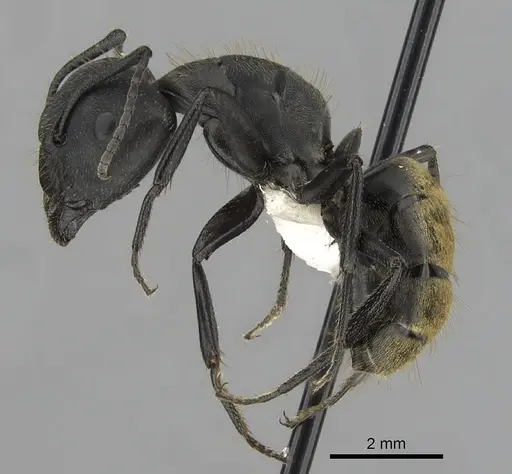
CASENT0280064
View on AntWeb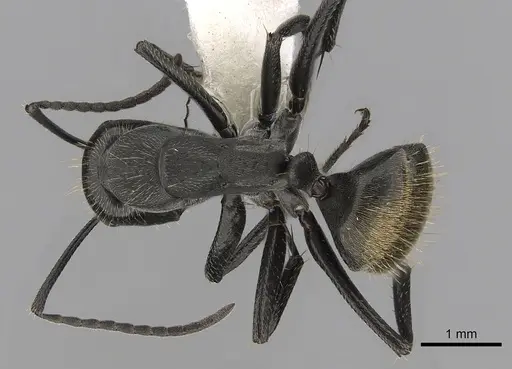
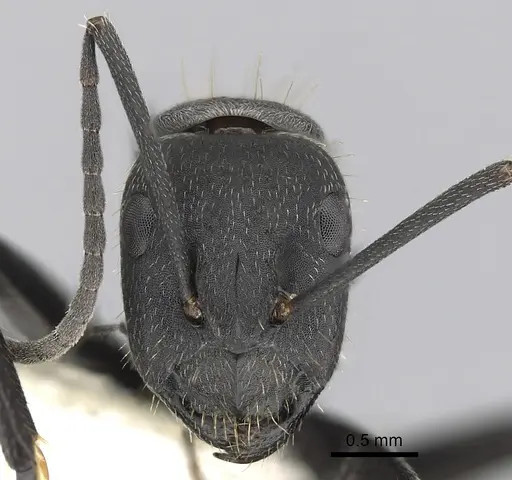
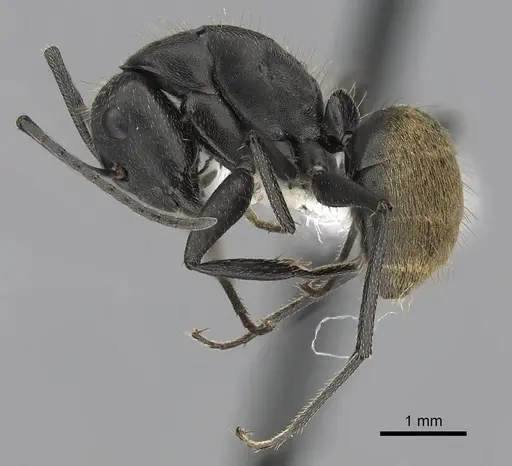
CASENT0886714
View on AntWeb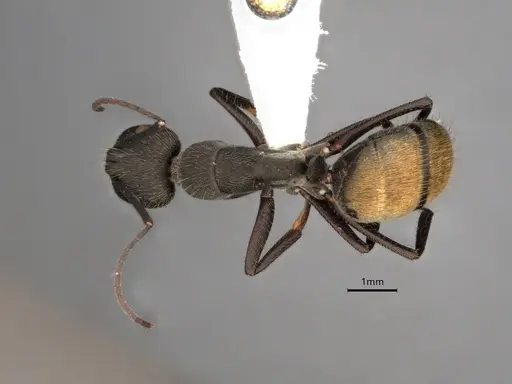
CASENT0923526
View on AntWeb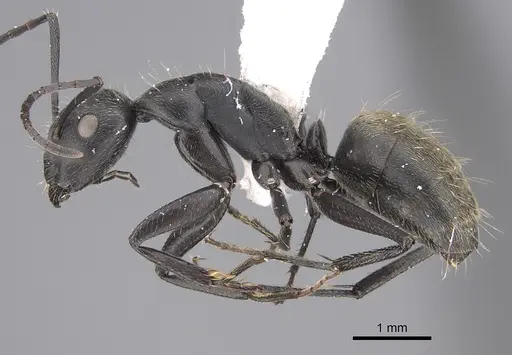
CASENT4032225
View on AntWeb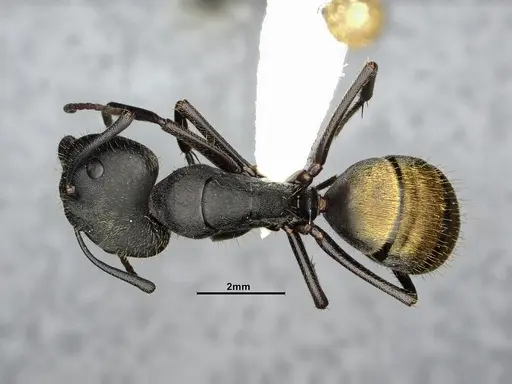
Literature
Loading...Loading products...