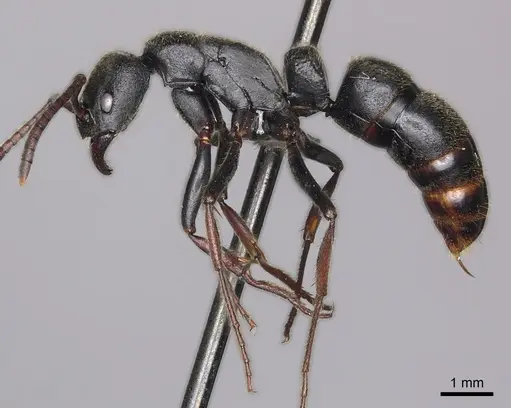
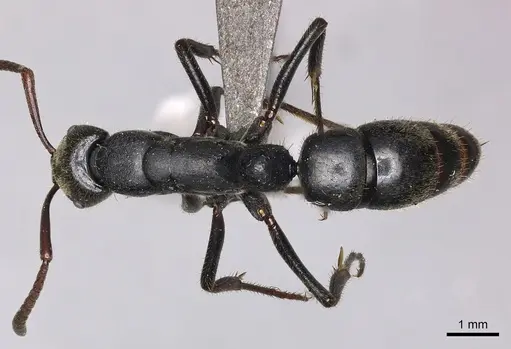
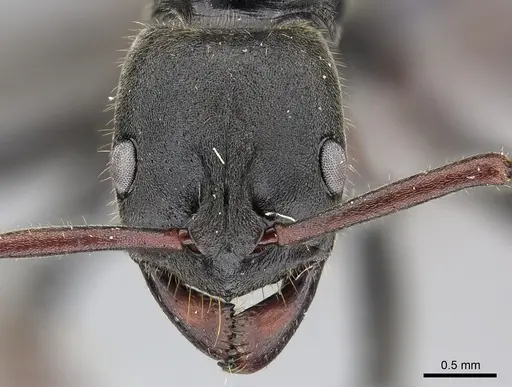
Bothroponera kruegeri - "Krueger's Ant"
Bothroponera kruegeri is a fascinating African ant species known for its unique reproductive strategy. Unlike many ant species, it has lost the queen caste and reproduces exclusively through 'gamergate' workers. These are workers that have mated and can lay eggs. These ants are relatively large, with a dark brown to black coloration and a hairy body. They are predatory ants, actively hunting arthropods. Their mandibles are narrowed with 8-9 teeth.
- Difficulty: Medium
- Origin & Habitat: Africa (specifically South Africa and Zimbabwe) in Farmlands, Tropical forests, Nests in the ground.
- Colony Type: Gamergate (no true queen, single reproductive worker), dependent founding (reproduction by gamergate worker, not a queen) founding.
- Size & Growth:
- Queen: Not specified
- Worker: 11.75-12.55mm
- Colony: Small (8-170 workers). Slow growth.
- Antkeeping:
- Temperature: Specific temperature requirements are not widely documented for this species, but typical tropical ant temperatures (24-28°C) are often suitable for African species..
- Humidity: Specific humidity requirements are not widely documented, but as ground-nesting ants in tropical/subtropical areas, moderate to high humidity (60-80%) would likely be beneficial..
- Diapause: Not required. Not specified at Not specified.
- Nesting: Prefers ground nests with multiple entrances. They can also be found in soil around rotting logs..
- Behavior: Medium (towards prey, possibly defensive when disturbed) aggressiveness.
- Common Issues: Maintaining stable environmental conditions, Sourcing appropriate live prey, Managing humidity in a ground nest setup, Stress to the single gamergate.
One of the most remarkable aspects of Bothroponera kruegeri is its reproductive biology. This species has completely lost the traditional queen caste, a fascinating adaptation within the ant world. Instead, reproduction is handled by a single worker, known as a 'gamergate.' This gamergate is the only individual in the colony that has mated and possesses developed ovaries, effectively taking on the role of the colony's sole egg-layer. This unique setup means that establishing a colony of Bothroponera kruegeri requires obtaining a fertile gamergate rather than a queen, a key difference for aspiring antkeepers.
The gamergate's control over reproduction is quite sophisticated. It actively suppresses the ovarian development of other workers in the colony, preventing them from laying eggs. This suppression is thought to be achieved through chemical means, as direct physical interactions haven't been observed to enforce this reproductive monopoly. Understanding this social dynamic is crucial for their care, as maintaining the health and stability of the single gamergate is paramount to the colony's long-term survival in captivity.
Bothroponera kruegeri are predatory ants, making their dietary needs fairly straightforward but important to meet consistently. In their natural habitat, they are generalized predators of arthropods. This means their diet in captivity should primarily consist of various insects, such as crickets, roaches, and mealworms. Providing a diverse protein source will contribute to the overall health and vitality of the colony, supporting their growth and reproductive output.
Colony size for Bothroponera kruegeri is generally on the smaller side, typically ranging from a handful of workers to around 170. This relatively small colony size, combined with their unique gamergate system, means that they don't experience explosive population growth like some other ant species. Antkeepers should expect a slower, more deliberate growth rate. This also implies that they may not require extremely large setups, making them suitable for smaller formicariums once established.
These ants are known to nest in the ground and create multiple entrances to their nests. When setting up a formicarium, providing a suitable substrate like loam or sand will allow them to exhibit their natural tunneling behaviors. Creating an environment that mimics their subterranean preferences, perhaps with some areas of loose earth, can help reduce stress and encourage natural foraging and nesting activities within the outworld and nest alike. Observing their nest-building habits can also be quite rewarding for the antkeeper.
Frequently Asked Questions
What makes Bothroponera kruegeri unique among ant species?
Krueger's ants are truly fascinating because they've evolved to completely do away with a traditional queen! Instead, a special worker, called a 'gamergate,' takes on all the reproductive duties. This single, mated worker is responsible for laying all the eggs, which is quite a rare and specialized setup in the ant world.
How do I start a Bothroponera kruegeri colony if there's no queen?
Starting a colony of Bothroponera kruegeri means you'll need to acquire a fertile gamergate along with some initial workers and brood. Since there's no winged queen, you won't be looking for a nuptial flight specimen. Instead, you'll be focusing on a small starter colony with an established gamergate.
What do Bothroponera kruegeri eat?
These ants are active predators, so their diet in captivity should primarily consist of various insects. Think small feeder insects like crickets, roaches, and mealworms. Offering a good variety of live protein will keep your colony thriving and healthy.
How big do Bothroponera kruegeri colonies get?
Krueger's ant colonies are considered relatively small. You can expect a mature colony to range from about 8 to 170 workers. They won't reach the massive numbers of some common garden ants, which means they're great for smaller formicarium setups.
Do Bothroponera kruegeri sting?
Yes, like many Ponerine ants, Bothroponera kruegeri do possess a sting. While specific details on the potency aren't widely publicized for this exact species, it's always wise to exercise caution when handling them. They're generally not aggressive towards keepers unless provoked, but they will use their sting defensively.
What kind of nest is best for Bothroponera kruegeri?
Given their natural habit of nesting in the ground with multiple entrances, a naturalistic setup is ideal. A substrate-based formicarium, like one filled with a mix of loam and sand, will allow them to excavate their own tunnels. You might also consider providing some loose earth in their outworld to encourage natural digging behaviors.
Do Bothroponera kruegeri need to hibernate or diapause?
Based on available information and their African origin, Bothroponera kruegeri are not typically considered to require a diapause period. They come from tropical and subtropical climates where continuous activity is more common. Maintaining stable temperatures year-round is generally recommended.
How fast do Bothroponera kruegeri colonies grow?
Their colony growth rate is considered slow. Because reproduction relies on a single gamergate and colony sizes are relatively small, you won't see the rapid expansion that some other species exhibit. Patience is key with these unique ants.
Are there any specific humidity requirements for Bothroponera kruegeri?
While exact percentages aren't extensively documented, as ground-nesting ants from tropical environments, they would likely benefit from moderate to high humidity levels, perhaps in the range of 60-80%. Ensuring a proper moisture gradient in their nest setup is important for their brood development and overall health.
How does the gamergate suppress other workers from reproducing?
The gamergate in a Bothroponera kruegeri colony exerts reproductive control, primarily through chemical signals. These chemical cues, or pheromones, are believed to suppress the ovarian development in other worker ants, ensuring that only the gamergate is able to lay eggs. This fascinating mechanism maintains the social order and reproductive hierarchy within the colony.
What are common issues when keeping Bothroponera kruegeri?
Common issues can include maintaining consistent humidity levels in a natural substrate nest, ensuring a steady supply of appropriate live insect prey, and minimizing stress to the single, vital gamergate. As with any colony, mold or mites can also become problems if ventilation and hygiene aren't properly managed.