Bothroponera ilgii - ""
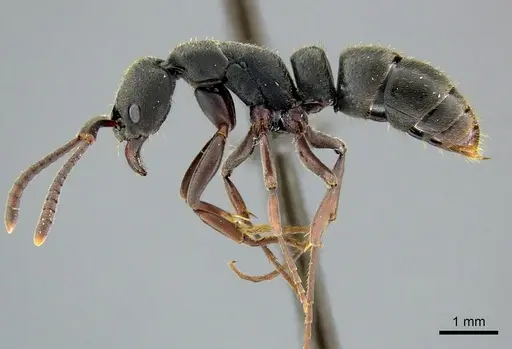
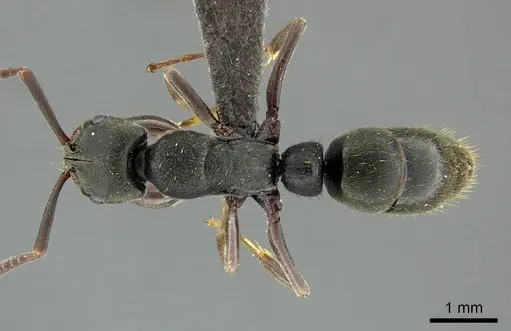
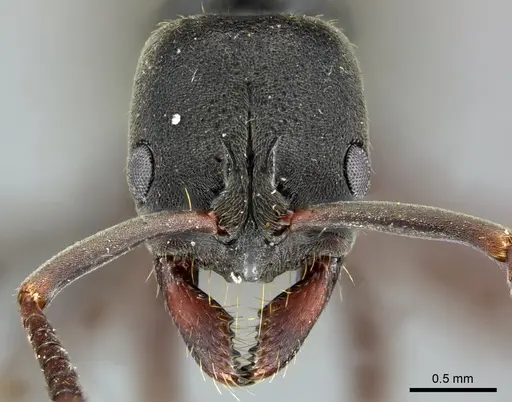
Bothroponera ilgii is an African ant species belonging to the Ponerinae subfamily. Workers of this species typically measure between 8.35 and 9.40 mm in total length. They are characterized by narrowed mandibles with 7-9 alternating teeth, fine striations, and scattered punctures. The body is covered with fine hairs, and the head, pronotum, petiole, and postpetiole are roughly textured. They are known to forage and excavate under Acacia trees and stones in their natural woodland habitats. This species is part of the Bothroponera sulcata species complex.
- Difficulty: Medium
- Origin & Habitat: Afrotropical Region, including Eritrea, Eswatini, Ethiopia, Kenya, Somalia, and Zimbabwe. in Acacia woodlands, often found on and under Acacia tree trunks, in leaf litter, and under stones..
- Colony Type: Monogyne, semi-claustral founding.
- Size & Growth:
- Queen: Not specified
- Worker: 8.35-9.4mm
- Colony: Small (dozens to hundreds). Slow growth.
- Antkeeping:
- Temperature: While specific temperature ranges for B. ilgii are not detailed, other Bothroponera species thrive in tropical and subtropical climates, suggesting a warm environment, likely between 24-28°C..
- Humidity: Specific humidity requirements are not available, but given their natural habitat in woodlands and under stones, a moderate to high humidity level (around 60-80%) in at least a portion of the nest would be beneficial..
- Diapause: Not required. Not specified at Not specified.
- Nesting: Prefers naturalistic setups mimicking their native habitat, such as acrylic or Ytong nests with good substrate space for burrowing. They will appreciate a setup with a deep substrate for nesting, as they are hypogaeic (nest in the ground)..
- Behavior: Medium (towards prey, cautious towards handler) aggressiveness.
- Common Issues: Humidity fluctuations, Overfeeding leading to waste and mold, Stress from excessive vibrations or light, Lack of suitable burrowing substrate.
Bothroponera ilgii are predatory ants, primarily feeding on arthropods. Their foraging behavior includes scouting, tandem running to recruit nestmates to larger prey items, and scavenging in leaf litter. In a captive setup, their diet should consist mainly of insect protein, such as roaches, crickets, or mealworms, offered regularly. It's important to provide live prey to stimulate their hunting instincts, but ensure the prey isn't too large to overwhelm the colony.
Colony growth for Bothroponera species is generally considered slow, with colonies ranging from a few dozen up to around 170 workers. Patience is key when keeping these ants, as rapid population explosions are not to be expected. Providing a stable environment with consistent food and humidity will aid in their steady development. These ants prefer to build their nests in the ground, often under stones or decaying wood.
Bothroponera ilgii workers have a potent sting, which is a common characteristic of many Ponerinae species. While they are not overly aggressive towards handlers, caution should be exercised during any interaction with the colony, especially when cleaning their outworld or offering food. It's advisable to use proper tools like long tweezers to minimize direct contact.
Unlike some other species in the genus Bothroponera, there is no indication that B. ilgii utilize gamergates (reproductive workers) for reproduction. Reproduction in this species is likely handled solely by the queen. This means a healthy queen is essential for the long-term success of the colony. Some Bothroponera species are known to be semi-claustral during founding, meaning the queen may forage for food during the initial colony establishment phase.
Frequently Asked Questions
What kind of nest is best for Bothroponera ilgii?
These ants are subterranean nesters, so they'll thrive in formicaria that offer ample digging space. Consider setups like Ytong nests, naturalistic soil setups, or acrylic nests with a deep substrate layer. The key is to mimic their natural underground habitats, so they can excavate their tunnels and chambers. Providing some pieces of bark or small stones in the outworld can also make them feel more at home, replicating their natural foraging grounds.
What do Bothroponera ilgii eat?
Bothroponera ilgii are primarily predatory ants, so their diet should be rich in insect protein. Think small feeder insects like dubia roaches, crickets, and mealworms. You can also offer other arthropods you might have available. Remember to cut larger prey into manageable pieces for smaller colonies. They are also known to scavenge, so a varied diet is always a good idea for overall colony health. Offering a drop of sugar water or honey-water occasionally can supplement their energy needs, though protein is paramount.
Are Bothroponera ilgii easy to keep?
They are generally considered a 'Medium' difficulty species. While not as demanding as some exotic species, they do require consistent care, especially regarding humidity and a proper setup for their nesting habits. They're not a beginner species, but experienced antkeepers will find them a rewarding challenge. Their slower colony growth means you'll need patience, but their unique behaviors make them fascinating to observe.
Do Bothroponera ilgii sting?
Yes, like many Ponerinae ants, Bothroponera ilgii possess a sting. It's best to handle them with caution and avoid direct contact. While they aren't typically aggressive towards handlers without provocation, a sting can be quite painful. Always use long tweezers or other tools when interacting with your colony during feeding or maintenance to ensure your safety and minimize stress to the ants.
How big do Bothroponera ilgii colonies get?
Colonies of Bothroponera ilgii tend to be on the smaller side compared to some other ant species, typically reaching sizes of a few dozen to around a hundred workers, though some Bothroponera species can reach up to 170 workers. Their growth rate is slow, so don't expect a massive population explosion. The focus with these ants is on observing their fascinating predatory behaviors and unique colony structure rather than rapid expansion.
Do Bothroponera ilgii have gamergates?
Based on current information, Bothroponera ilgii are not known to utilize gamergates for reproduction. This means the queen is the sole reproductive individual in the colony. In species where gamergates are present, certain workers can mate and lay eggs, but for B. ilgii, the queen is essential for the continuation of the colony. This makes the health and longevity of your founding queen even more crucial.
What is the natural habitat of Bothroponera ilgii?
Bothroponera ilgii hail from the Afrotropical Region, specifically areas like Eritrea, Ethiopia, Kenya, Somalia, Eswatini, and Zimbabwe. They thrive in Acacia woodlands, where they're often found nesting and foraging on or under Acacia tree trunks, within leaf litter, and beneath stones. Recreating some aspects of this natural environment in their outworld, like providing bark pieces or small pebbles, can benefit their well-being and encourage natural behaviors.
What is semi-claustral founding in ants?
Semi-claustral founding is a fascinating queen behavior where the founding queen will leave her initial nest setup to forage for food during the critical period of establishing her first batch of workers. Unlike fully claustral queens who rely entirely on their stored fat reserves, semi-claustral queens need a little help with sustenance from the outside world. This means you'll need to offer small food items to your founding queen during this stage.
How important is humidity for Bothroponera ilgii?
While exact humidity percentages aren't widely published for B. ilgii, given their natural habitat in woodlands and under stones, maintaining a consistent humidity gradient within their nest is likely very important. A section of the nest, perhaps a moistened substrate area, should offer higher humidity (around 60-80%) to support brood development and prevent desiccation, while allowing drier areas for refuse and general activity. Monitoring and maintaining these levels will be key to their success.
Can Bothroponera ilgii be kept with other ant species?
No, it's never recommended to keep different ant species together in the same setup. Ants from different colonies, even of the same species, will almost certainly view each other as threats and engage in fatal conflicts. Bothroponera ilgii are predatory and would quickly eliminate any other ant species introduced to their territory. Always keep ant colonies in separate, isolated setups.