

Bothroponera fugax
- Scientific Name
- Bothroponera fugax
- Tribe
- Ponerini
- Subfamily
- Ponerinae
- Author
- Forel, 1907
- Distribution
- Found in 1 countries
Bothroponera fugax Overview
Bothroponera fugax is an ant species of the genus Bothroponera. It is primarily documented in 1 countries , including Tanzania, United Republic of. Detailed taxonomic data and occurrence records can be further explored via authoritative databases such as AntWeb or the Global Biodiversity Information Facility (GBIF).
Bothroponera fugax
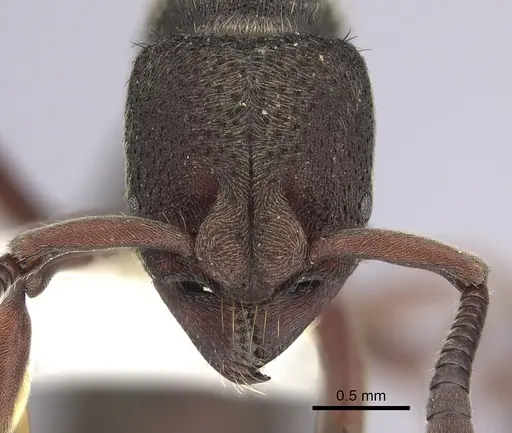
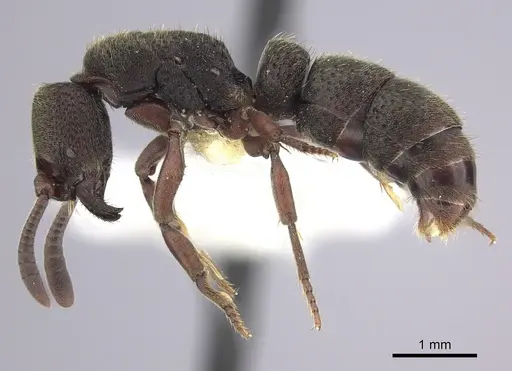
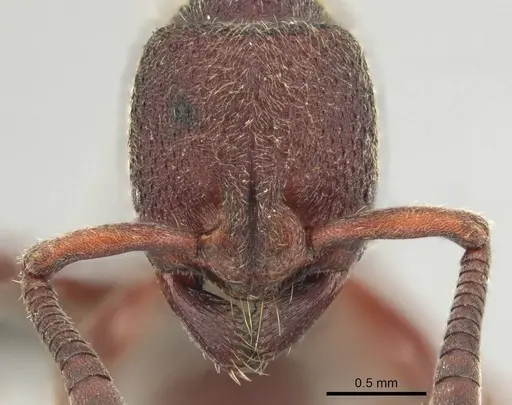
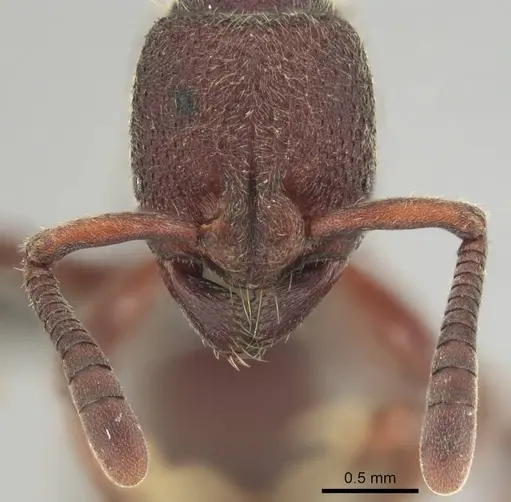
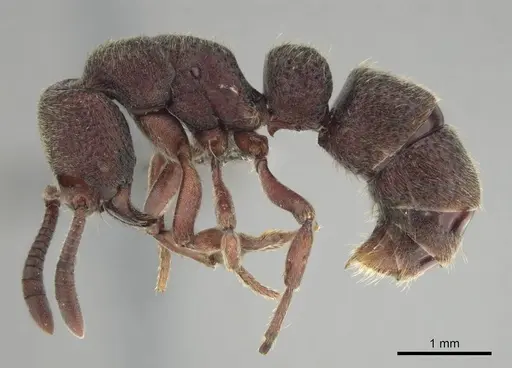
Bothroponera fugax is a medium-sized predatory ant native to East and Central Africa. Workers measure approximately 7.4mm in total length, with a distinctive reddish-brown coloration and black margins on the head, petiole, and gaster [1][2]. Their most notable feature is their six-toothed mandibles, which they use as active predators, this places them among the generalized predators in the ant world [3][4]. The species belongs to the Bothroponera talpa species complex and was originally described from specimens collected near Lake Jipe in Tanzania between Mount Kilimanjaro and the Pare Mountains [2].
This ant is part of the Ponerinae subfamily, known for their potent stings and active hunting behavior. Unlike many ants that rely on sugar sources, Bothroponera fugax is a dedicated predator that hunts and subdues prey using its well-developed mandibles. The species has been documented in both Tanzania and Cameroon, with the Tanzanian populations found in the Arusha region near Lake Jipe [1][2].
Quick Summary
- Difficulty: Medium
- Origin & Habitat: East Africa (Tanzania) and Central Africa (Cameroon). Found in the Arusha region near Lake Jipe between Mount Kilimanjaro and the Pare Mountains, and in Cameroon's Mbalmayo Forest Reserve [2][1]. This is a tropical to subtropical forest habitat.
- Colony Type: Colony structure is unconfirmed. No data exists on queen number or colony size in the wild. Like other Ponerinae, they likely form small to moderate-sized colonies with a single queen.
- Size & Growth:
- Queen: Unknown, queen has not been described in scientific literature
- Worker: 7.4mm total length [1][2]
- Colony: Unknown, no colony size data available
- Growth: Unknown, no development data available
- Development: Unknown, no direct measurements exist. Based on typical Ponerinae patterns, expect 6-10 weeks at warm temperatures. (Development timeline is unconfirmed for this species. Related Ponerinae typically take 6-10 weeks from egg to worker at optimal temperatures.)
- Antkeeping:
- Temperature: Keep nest around 24-28°C. This species comes from a tropical African climate, so warmth is important for colony activity and brood development. A gentle gradient allowing workers to self-regulate is ideal.
- Humidity: Moderate to high humidity (60-80%). The Lake Jipe region experiences seasonal rainfall, so aim for consistently moist but not waterlogged nest conditions. Provide a water source in the outworld.
- Diapause: No diapause required. This is a tropical species that does not experience cold winters. Maintain warm temperatures year-round.
- Nesting: In captivity, they do well in Y-tong (AAC) nests or plaster nests with tight chambers. The species naturally nests in soil and rotting wood in forest habitats. Provide a dark, secure nesting area with moderate humidity.
- Behavior: Active and aggressive predators. Workers will hunt and subdue prey using their six-toothed mandibles. They have a potent sting, this is a Ponerinae ant, so expect a painful sting if handled roughly or threatened. They are moderately fast-moving and will actively forage for prey. Escape prevention is important, while not tiny, they are agile and will explore for exits. They are not claustral founders in the traditional sense, Ponerinae queens typically hunt during founding.
- Common Issues: no documented colony founding behavior makes initial establishment uncertain, potent sting means handling should be minimized, these ants will defend vigorously, predatory diet requirements mean they need consistent live prey, they cannot survive on sugar alone, limited distribution data means exact habitat needs are uncertain, no data on queen or colony size makes it difficult to predict ultimate colony potential
Housing and Nest Setup
Bothroponera fugax does well in a Y-tong (acrylic) nest or a plaster formicarium. These ants prefer tight, secure chambers that mimic their natural nesting in soil or rotting wood. The nest should be kept dark, Ponerinae ants typically prefer dim conditions inside their nesting area. Provide a water test tube as a humidity source and ensure the nest substrate stays moderately moist. In the outworld, include a hunting area where workers can search for prey. Use a test tube setup for founding colonies, moving to a larger formicarium only when the colony reaches 20-30 workers. Escape prevention is important, while not tiny, these ants are agile and will explore for gaps in the setup. [1][2]
Feeding and Diet
This is a dedicated predator. In captivity, offer small live prey such as fruit flies, small crickets, mealworms, and other small insects. They will actively hunt and subdue prey using their six-toothed mandibles [3][4]. Unlike many ants that readily accept sugar water, Bothroponera fugax is primarily protein-focused. You can offer occasional sugar water or honey, but do not rely on it as a primary food source. Feed every 2-3 days with prey items appropriate to the colony size. Remove uneaten prey after 24 hours to prevent mold. A varied diet helps maintain colony health.
Temperature and Heating
Maintain nest temperatures between 24-28°C. This tropical species from Tanzania and Cameroon requires warmth year-round, there is no winter dormancy period. Use a heating cable or heating mat on one side of the nest to create a gentle temperature gradient, allowing workers to move between warmer and cooler areas. Room temperature alone may be insufficient, especially in cooler climates. Monitor colony activity, workers should be actively foraging and caring for brood. If the colony seems sluggish, slightly increase temperatures. Avoid overheating, which can kill brood. [2]
Handling and Sting Risk
Bothroponera fugax is a Ponerinae ant and possesses a potent sting. While not aggressive toward humans if left alone, they will defend their nest vigorously if threatened. The sting is reported to be painful, similar to other Ponerinae like Diacamma or Harpegnathos. Handle these ants minimally and never grab them with bare hands. If you need to move them, use gentle coaxing or transfer techniques. When working with the colony, move slowly and avoid sudden vibrations. If stung, expect localized pain and swelling similar to a wasp sting. Keep epinephrine or antihistamines nearby if you have sting allergies.
Colony Establishment
Establishing a colony of Bothroponera fugax can be challenging due to limited availability and lack of documented founding behavior. If you obtain a founding queen, she will likely need to hunt during the founding period (semi-claustral behavior typical of Ponerinae). Provide small live prey items near the queen. The first workers (nanitics) may take 6-10 weeks to emerge based on related species patterns. Founding colonies are vulnerable, minimize disturbances and ensure humidity and temperature are stable. Do not attempt to combine unrelated queens as pleometrosis has not been documented for this species.
Frequently Asked Questions
How long does it take for Bothroponera fugax to produce first workers?
The exact development timeline is unconfirmed for this species. Based on typical Ponerinae patterns, expect 6-10 weeks from egg to first worker at optimal temperatures (24-28°C). The queen will need to hunt during founding, so provide small live prey regularly.
What do Bothroponera fugax eat?
They are dedicated predators that need live prey. Feed small insects like fruit flies, small crickets, mealworms, and other arthropods. They may accept occasional sugar water or honey, but protein from prey is essential. Do not rely on sugar sources alone.
Are Bothroponera fugax good for beginners?
No, they are not recommended for beginners. They have specific predatory diet requirements, a potent sting, and limited availability. Additionally, their exact colony founding behavior and development timeline are not well-documented, making successful keeping more challenging.
What temperature do Bothroponera fugax need?
Keep them warm at 24-28°C year-round. This tropical species from Tanzania and Cameroon does not require hibernation. Use a heating cable on one side of the nest to maintain warmth, especially in cooler climates.
How big do Bothroponera fugax colonies get?
The maximum colony size is unknown. Based on typical Ponerinae patterns, they likely form small to moderate-sized colonies. No wild colony size data exists for this species.
Can I keep multiple Bothroponera fugax queens together?
Not recommended. There is no documented evidence of pleometrosis (multiple queen founding) for this species. Combining unrelated queens may result in fighting. Wild colony structure (monogyne vs polygyne) is unconfirmed.
What size nest do I need for Bothroponera fugax?
Start with a test tube setup for founding colonies. Once the colony reaches 20-30 workers, move to a Y-tong (AAC) nest or plaster formicarium with tight chambers. Provide a dark, secure nesting area with moderate humidity.
Do Bothroponera fugax need hibernation?
No, they do not. This is a tropical African species that experiences year-round warm temperatures in its native habitat. Maintain warm conditions (24-28°C) throughout the year with no diapause period.
Where is Bothroponera fugax found in the wild?
They are found in Tanzania (Arusha region near Lake Jipe, between Mount Kilimanjaro and the Pare Mountains) and Cameroon (Mbalmayo Forest Reserve). The habitat is tropical to subtropical forest [2][1].
References

This caresheet is licensed under CC BY-SA 4.0 .
CASENT0235597
View on AntWeb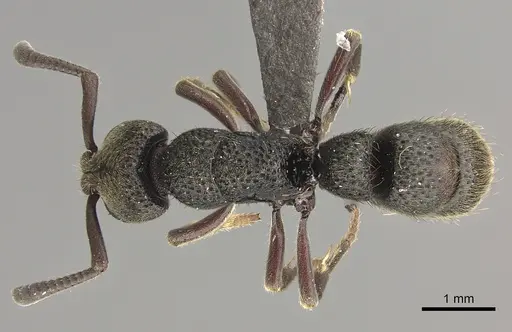
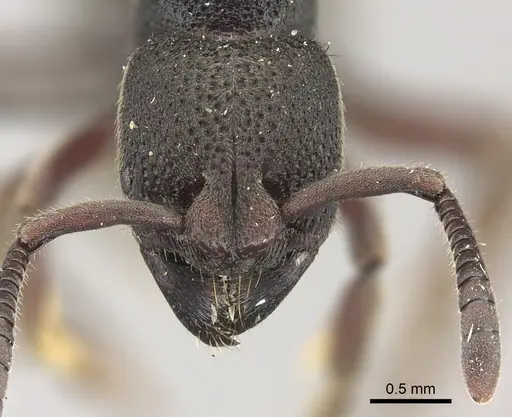
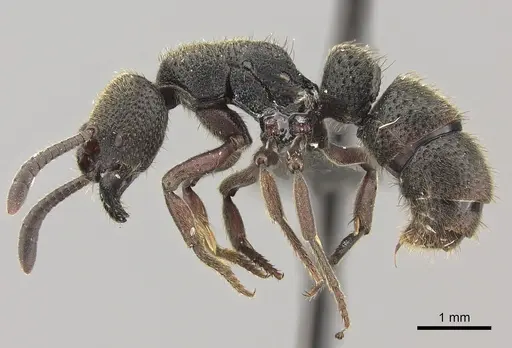
CASENT0249200
View on AntWeb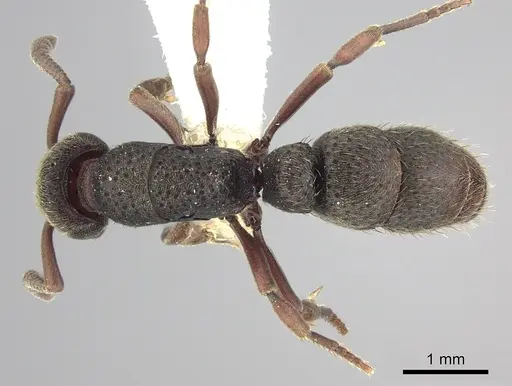
CASENT0250518
View on AntWeb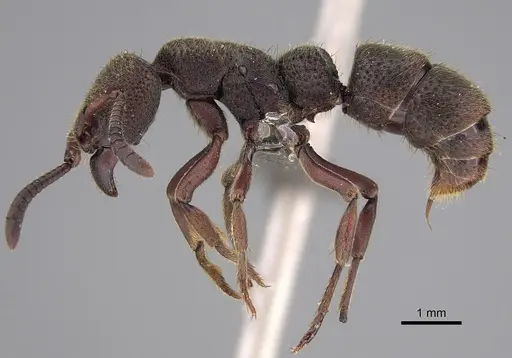
CASENT0813001
View on AntWeb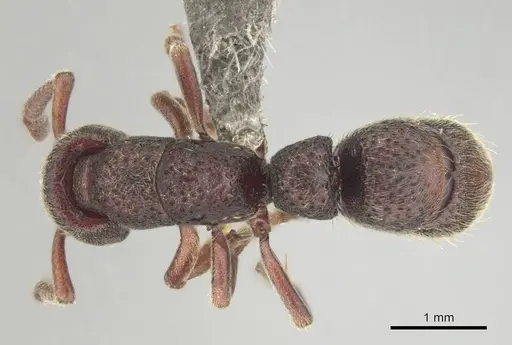
Literature
Loading...Loading products...