

Bothroponera tavaratra
- Scientific Name
- Bothroponera tavaratra
- Tribe
- Ponerini
- Subfamily
- Ponerinae
- Author
- Rakotonirina & Fisher, 2013
- Distribution
- Found in 1 countries
Bothroponera tavaratra Overview
Bothroponera tavaratra is an ant species of the genus Bothroponera. It is primarily documented in 1 countries , including Madagascar. Detailed taxonomic data and occurrence records can be further explored via authoritative databases such as AntWeb or the Global Biodiversity Information Facility (GBIF).
Bothroponera tavaratra
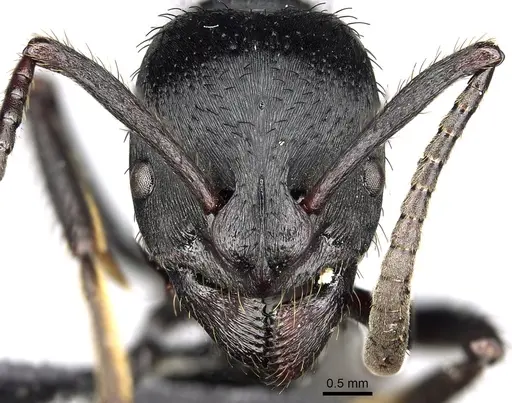
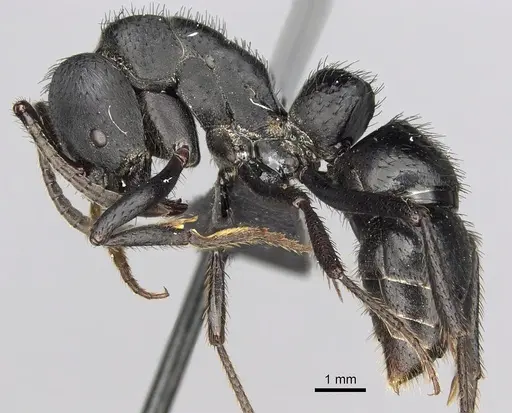
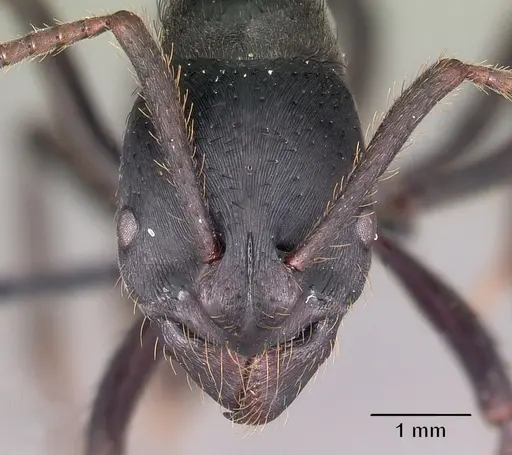
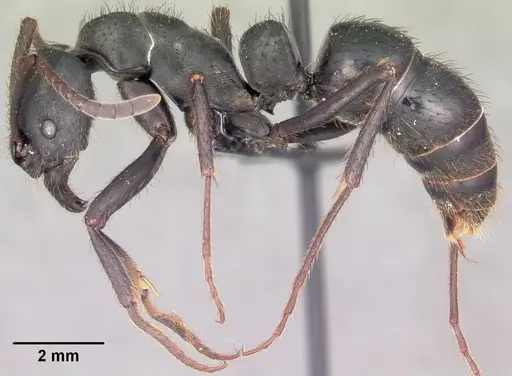
Bothroponera tavaratra is a medium-sized Ponerine ant native to northern Madagascar. Workers measure 10-12mm in total length with a robust, dark black body featuring a distinctive silky sheen and reddish-brown leg joints. They have unusually long antennae that extend to the back of their head, and their large eyes visibly break the outline of their head sides. These ants are ground foragers, preferring to hunt and scavenge through leaf litter on the forest floor. They nest in rotting logs, soil layers, and occasionally under rocks in high-altitude rainforests [1][2].
This species has an unusual social structure, the queen caste has never been documented, and some workers develop single ocelli (small eyes on their head), suggesting they may take on reproductive roles within the colony. This indicates a potential gamergate system where workers can become egg-layers. Combined with their limited distribution in Madagascar's mountain rainforests, this makes them a fascinating species for antkeepers interested in primitive ant behavior [1][2].
Quick Summary
- Difficulty: Medium
- Origin & Habitat: Northern Madagascar, specifically the high altitude rainforests of Montagne d'Ambre National Park and Forêt de Binara at 650-800m elevation. Rarely found at lower altitudes in Andavakoera and Binara forests [1][2][3].
- Colony Type: Unusual, queen caste not documented. Colony appears to function with reproductive workers (gamergates). Some workers possess single ocelli suggesting they assume reproductive roles. This is different from typical ant colonies with a single founding queen [1][2].
- Special: Gamergates
- Size & Growth:
- Queen: Unknown, queen caste has not been described [1].
- Worker: 10-12mm estimated total length (head length 3.05-3.13mm, head width 2.55-2.73mm) [1][2].
- Colony: Unknown, no colony size data available. Based on related Ponerine species, likely moderate colonies of several hundred workers at most.
- Growth: Moderate, inferred from related Ponerine species
- Development: Estimated 6-10 weeks based on typical Ponerine development patterns (Development timeline is not directly studied for this species. Estimates based on related Bothroponera and Pachycondyla species.)
- Antkeeping:
- Temperature: Keep around 22-26°C. They come from highland Madagascar rainforests with moderate temperatures. A gentle gradient allowing them to choose their preferred temperature works best.
- Humidity: Moderate to high, they nest in rotting wood and soil in humid forest environments. Keep nest substrate moist but not waterlogged. Provide a humid outworld as they forage on the ground.
- Diapause: Likely a mild winter slowdown period given their highland origin, but specific requirements are unconfirmed. Consider reducing temperature slightly (18-20°C) for 2-3 months in winter.
- Nesting: They naturally nest in rotting logs, soil layers, and occasionally under rocks. In captivity, they do well in naturalistic setups with moist soil or decaying wood, or in acrylic/plaster nests with high humidity chambers. They need an outworld for foraging since they hunt on the ground.
- Behavior: These are ground-foraging Ponerine ants with a moderate temperament. They have a functional stinger and may use it defensively if provoked. Workers are active hunters, using their long antennae to search through leaf litter for prey. They are not aggressive toward humans but will defend their nest. Escape risk is moderate, they are medium-sized ants but can climb smooth surfaces. Close-fitting barriers are recommended. Their unusual social structure (potential gamergates) means colony regulation may differ from typical ants [1][2].
- Common Issues: queen absence, no documented queen caste means founding behavior is unclear and wild colonies may have unusual reproductive structures, limited availability, this is a rarely kept species described in 2013,so finding colony information and care guides is difficult, humidity management, coming from humid forests, they need consistent moisture without flooding the nest, escape prevention, medium-sized ants can escape through standard gaps, ensure tight-fitting lids and barrier tape, slow colony growth, Ponerine ants typically grow more slowly than many common species, requiring patience
Natural History and Distribution
Bothroponera tavaratra is endemic to northern Madagascar, where it inhabits the high-altitude rainforests of Montagne d'Ambre National Park and Forêt de Binara at elevations of 650-800 meters. These locations experience moderate temperatures and high humidity year-round. The species was first described in 2013 by Rakotonirina and Fisher, originally placed in the genus Pachycondyla before being transferred to Bothroponera [1][2].
Workers are robust ants measuring approximately 10-12mm in total length. They have distinctive features including long antennae that reach the back of their head, large eyes that break the outline of their head sides, and a dark black body with a silky sheen. Their legs have reddish-brown joints. The most unusual characteristic is that some workers possess single ocelli (small simple eyes on the top of their head), which suggests they may take on reproductive roles, this is called a gamergate system where workers can become egg-layers [1][2].
In their natural habitat, these ants forages mostly on the ground, crawling through leaf litter and decaying wood searching for prey. Their long antennae are an adaptation for detecting prey in these cluttered environments. They nest in rotting logs, soil layers, and occasionally under rocks, avoiding direct sunlight and preferring damp, shaded microhabitats [1][2][3].
Housing and Nest Setup
For Bothroponera tavaratra, you should provide both a nest area and an outworld for foraging. Since they naturally nest in rotting wood and soil in humid forests, you have several options:
Naturalistic setups work well, a container filled with moist soil and pieces of decaying wood mimics their natural nesting sites. Keep the substrate consistently damp but not waterlogged. Add leaf litter and debris on top to create a foraging area that resembles the forest floor they naturally inhabit.
Alternatively, a Y-tong (acrylic) nest or plaster nest with narrow chambers works well. Keep the nest chamber humid by adding a water reservoir or moist cotton. Ponerine ants like these generally prefer tighter, more enclosed spaces rather than large open areas.
The outworld should be a simple foraging area where you can offer prey. Since they are ground foragers, they will readily come out to hunt and scavenge. A simple plastic container with smooth sides works as an outworld, these ants can climb but are not particularly good at escaping like some smaller species.
Temperature should be maintained around 22-26°C. Room temperature in this range is usually sufficient, but you can use a heating cable on one side of the nest if your room runs cool. Place the heating on top of the nest to avoid drying it out [1][2].
Feeding and Diet
Bothroponera tavaratra is a predatory ant that hunts small invertebrates on the forest floor. In captivity, their primary food should be small live prey such as fruit flies, pinhead crickets, small mealworms, and other appropriately-sized insects. They will readily accept these as prey items.
As ground foragers, they are likely to be opportunistic feeders that will scavenge as well as hunt. You can offer small pieces of insects, but live prey is preferred to trigger their natural hunting behavior. Since they have a stinger, they can subdue prey relatively efficiently.
Sugar sources are not typically a major part of Ponerine diet, but you can occasionally offer a drop of honey or sugar water. Do not rely on sugar as a primary food source, these are predatory ants that need protein.
Feed them every 2-3 days, offering prey items that are appropriately sized. Remove any uneaten prey after 24 hours to prevent mold. The amount depends on your colony size, start with a few prey items and adjust based on how quickly they consume them [1][2].
Colony Structure and Reproduction
This species has an unusual and fascinating social structure. The queen caste has never been documented, researchers have only found workers. However, some workers from multiple colonies possess single ocelli (small eyes on the top of their head), which suggests these workers may have assumed reproductive roles [1][2].
This is called a gamergate system, a form of reproduction where workers can become egg-layers. In typical ant colonies, only the queen reproduces, but in gamergate species, certain workers develop the ability to lay fertilized eggs. The presence of ocelli in some workers is a morphological indicator of this reproductive role.
For antkeepers, this means your colony may not have a traditional queen. Instead, reproductive workers (gamergates) will be the egg-layers. This does not appear to negatively impact colony function, colonies still produce workers and function normally.
Because the queen caste has never been described, the founding behavior is completely unconfirmed. We do not know how new colonies are established in the wild. This makes it challenging to start colonies from scratch, and most keepers will likely obtain established colonies or colonies with reproductive workers [1][2].
Temperature and Seasonal Care
Bothroponera tavaratra comes from highland Madagascar rainforests where temperatures are moderate year-round. In captivity, maintain temperatures between 22-26°C. This range supports normal activity and development.
They do not require extreme heat, avoid temperatures above 30°C as this can stress the colony. A room-temperature setup (around 22-24°C) is often ideal. If your room is cooler, use a heating cable on one side of the nest to create a gentle temperature gradient. Place the heating element on top of the nest, not underneath, to avoid evaporating moisture too quickly.
Regarding winter dormancy, their highland origin suggests they may experience a mild seasonal slowdown. While specific diapause requirements are unconfirmed, reducing temperatures to around 18-20°C for 2-3 months during winter may be beneficial. Do not cool them dramatically, a mild reduction is sufficient.
Monitor your colony's activity levels. If workers become less active and cluster together, they may be responding to cooler conditions. Conversely, if they are very active and always near the warm side, consider slightly increasing temperature [1][2].
Behavior and Temperament
Bothroponera tavaratra is a medium-sized Ponerine ant with a moderate temperament. They are not particularly aggressive but will defend their nest if threatened. Like all Ponerine ants, they possess a functional stinger and can deliver a painful sting if provoked, this is their primary defense mechanism.
Workers are active foragers that search through leaf litter and decaying wood on the ground. Their long antennae help them detect prey and navigate through their environment. They are efficient hunters that will actively pursue prey items.
In terms of escape risk, these are medium-sized ants (around 10-12mm) that can climb smooth surfaces but are not extreme escape artists like some tiny species. However, you should still use good escape prevention, tight-fitting lids, barrier tape on rim edges, and ensure any connections between nest and outworld are secure.
They are not skittish like some fast-moving ants, but they will retreat into the nest if disturbed. Observing their ground-foraging behavior in the outworld can be quite engaging, they methodically search for prey rather than rushing around [1][2].
Frequently Asked Questions
How do I start a Bothroponera tavaratra colony?
Starting a colony is challenging because the queen caste has never been documented. You will need to obtain an established colony from a keeper who has them, or find a colony with reproductive workers (gamergates). Founding behavior is completely unconfirmed for this species.
Does Bothroponera tavaratra have a queen?
The queen caste has never been documented. Researchers have only found workers, some of which possess single ocelli suggesting they may take on reproductive roles. This indicates a gamergate system where workers become egg-layers.
What do Bothroponera tavaratra ants eat?
They are predatory ground foragers. Feed them small live prey like fruit flies, pinhead crickets, small mealworms, and other appropriately-sized insects. They may occasionally accept sugar sources like honey, but protein from prey should be their primary food.
What temperature do Bothroponera tavaratra ants need?
Keep them at 22-26°C. They come from highland Madagascar rainforests with moderate temperatures. Room temperature in this range is usually suitable. Avoid temperatures above 30°C.
What size do Bothroponera tavaratra workers reach?
Workers measure approximately 10-12mm in total length. Head length is 3.05-3.13mm and head width is 2.55-2.73mm. They are medium-sized Ponerine ants.
Where is Bothroponera tavaratra native to?
They are endemic to northern Madagascar, specifically the high altitude rainforests of Montagne d'Ambre National Park and Forêt de Binara at 650-800m elevation.
How do I set up a nest for Bothroponera tavaratra?
They naturally nest in rotting logs, soil layers, and under rocks. Use a naturalistic setup with moist soil and decaying wood, or a Y-tong/plaster nest with humid chambers. They need an outworld for foraging since they hunt on the ground.
Are Bothroponera tavaratra ants good for beginners?
No, they are not recommended for beginners. This is a rarely kept species with limited availability, and their unusual social structure (no documented queen) makes them challenging. They require specific humidity and temperature conditions.
How fast do Bothroponera tavaratra colonies grow?
Growth rate is moderate but not well-documented. Based on related Ponerine species, expect slow growth initially. Development from egg to worker likely takes 6-10 weeks at optimal temperature. Patience is required.
Do Bothroponera tavaratra ants need hibernation?
A mild winter slowdown is likely beneficial given their highland origin. Reduce temperatures to around 18-20°C for 2-3 months during winter. Do not cool them dramatically, a mild reduction is sufficient.
Why do some workers have eyes on their head?
Some workers possess single ocelli (small eyes on the top of their head), which suggests they may have assumed reproductive roles. This is a gamergate system where workers can become egg-layers, an unusual but documented social structure in some ant species.
References

This caresheet is licensed under CC BY-SA 4.0 .
CASENT0077442
View on AntWeb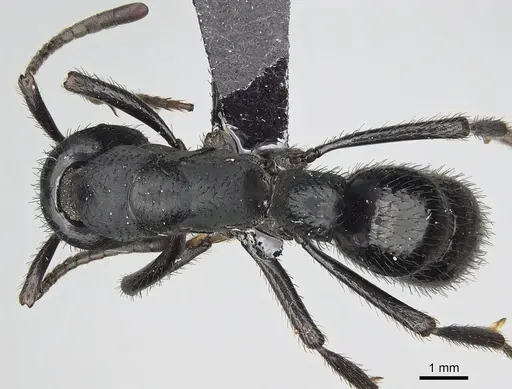
CASENT0410152
View on AntWeb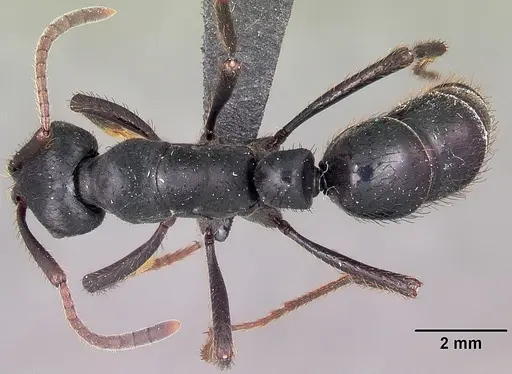
Literature
Loading...Loading products...