

Bothriomyrmex cuculus
- Scientific Name
- Bothriomyrmex cuculus
- Tribe
- Bothriomyrmecini
- Subfamily
- Dolichoderinae
- Author
- Santschi, 1919
- Distribution
- Found in 3 countries
Bothriomyrmex cuculus Overview
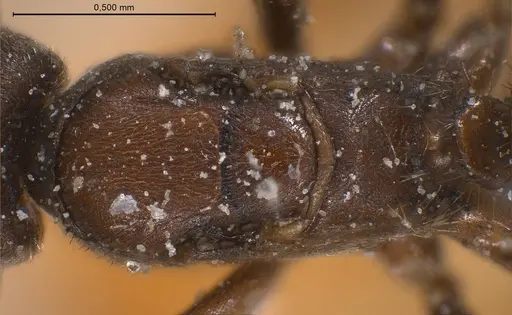
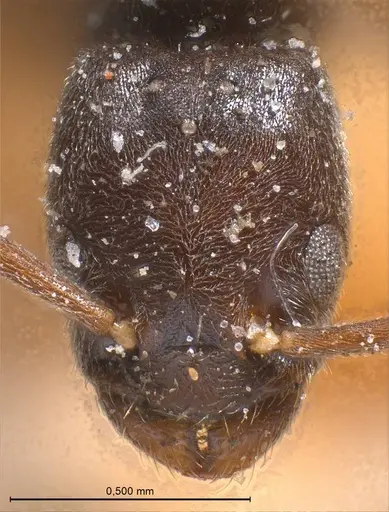
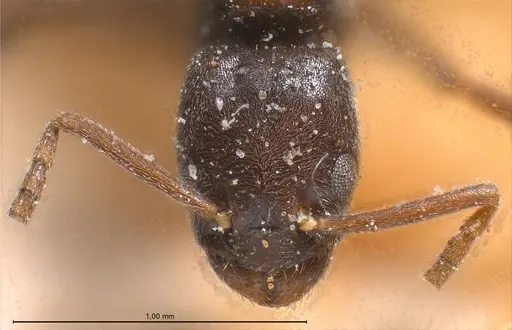
Bothriomyrmex cuculus is an ant species of the genus Bothriomyrmex. It is primarily documented in 3 countries , including Algeria, Morocco, Tunisia. Detailed taxonomic data and occurrence records can be further explored via authoritative databases such as AntWeb or the Global Biodiversity Information Facility (GBIF).
Bothriomyrmex cuculus
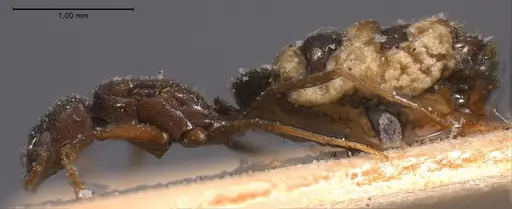
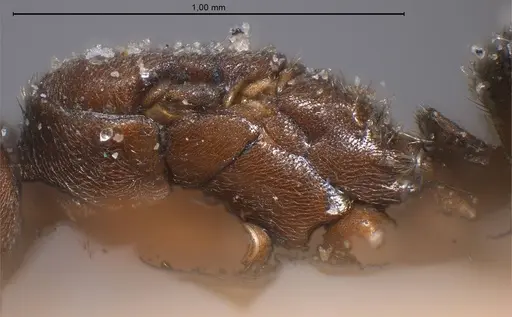
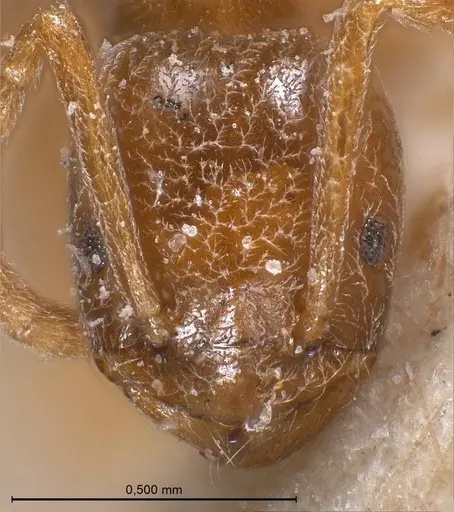
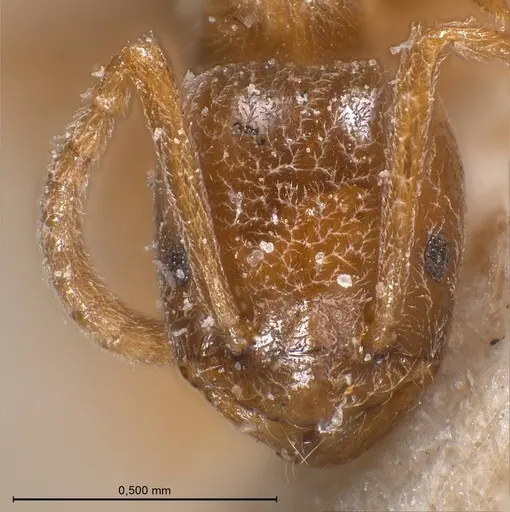
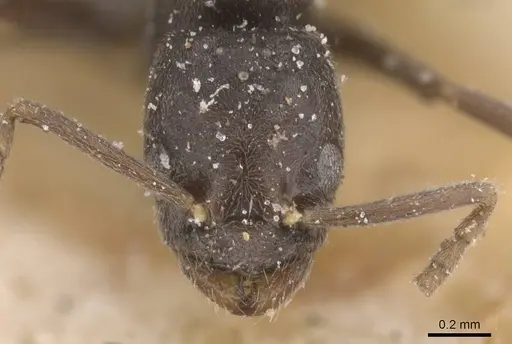
Bothriomyrmex cuculus is a small parasitic ant species found only in North Africa, specifically Morocco and Tunisia. Workers are tiny, measuring around 2-3mm, with the characteristic Dolichoderine body shape. The genus Bothriomyrmex is known for its unusual social parasitism, these ants invade colonies of related ant species (typically Tapinoma), kill the host queen, and take over the colony using the host workers to raise their own brood. This species was originally described from Tunisia, with additional specimens collected from high elevation sites in Morocco [1][2].
Quick Summary
- Difficulty: Expert
- Origin & Habitat: North Africa (Morocco, Tunisia), semi-arid to Mediterranean climates, with specimens collected up to 2080m elevation in Morocco [1][2].
- Colony Type: Temporary social parasite, invades host colonies (likely Tapinoma species), kills host queen, and uses host workers until their own workers emerge. This is the established pattern for Bothriomyrmex genus [3].
- Colony: Monogyne
- Queen: Temporary parasitic
- Size & Growth:
- Queen: Approximately 3-4mm (estimated from genus patterns)
- Worker: Approximately 2-3mm (estimated from genus patterns)
- Colony: Likely small colonies, under 500 workers (typical for parasitic species)
- Growth: Unknown, likely slow initially due to parasitic founding strategy
- Development: Unknown for this species (Development likely occurs within the host colony after queen adoption)
- Antkeeping:
- Temperature: Based on North African distribution, likely prefers warm conditions around 24-28°C. Provide a temperature gradient allowing the colony to choose [3].
- Humidity: Moderate humidity, typical for Mediterranean species. Keep nest substrate slightly moist but not wet [3].
- Diapause: Unknown for this species, may reduce activity in winter months based on temperate location
- Nesting: Cannot found colonies independently, requires adoption into host colony. In captivity, this means you must establish a host colony (likely Tapinoma) first, then introduce the parasite queen. Natural nests are typically within host colony structures [3].
- Behavior: This species is a temporary social parasite. Queens must be adopted into a host colony (typically Tapinoma species) to survive. The parasite queen is accepted by host workers, then kills the host queen and uses the host workforce to raise her own brood. Workers are small and not aggressive. Escape risk is moderate due to small size, use standard barriers [3].
- Common Issues: parasitic founding is extremely difficult, queens are often rejected by host colonies, requires establishing a healthy host colony first, which adds complexity, queen may be killed by host workers if adoption fails, slow colony establishment compared to non-parasitic species, very limited availability, rarely collected or sold
Understanding Bothriomyrmex Parasitism
Bothriomyrmex cuculus is a temporary social parasite, meaning its queens cannot start colonies on their own like most ants. Instead, a newly mated queen must invade an established colony of a related host species (typically Tapinoma ants). The host workers initially accept the intruding queen because she produces chemical signals that mimic the host colony's scent. Once accepted, the parasite queen kills the host queen and uses the host workers to raise her own offspring. Over time, the colony transitions from being composed of host workers to being composed of Bothriomyrmex workers. This unique lifestyle makes them fascinating but challenging to keep [3].
Housing and Host Colony Requirements
Keeping Bothriomyrmex cuculus requires first establishing a healthy host colony, usually Tapinoma species (like Tapinoma nigerrimum or Tapinoma erraticum). The host colony should be well-established with multiple workers before attempting introduction. Introduce the parasite queen to the host colony carefully, some keepers use the 'queen introduction chamber' method where the queen is introduced through a connecting tube, allowing gradual integration. Success rates are typically low, as host colonies often reject or kill the intruding queen. The nest should mimic the host species' preferences, typically a dry to moderately humid setup [3].
Feeding and Nutrition
Once established within the host colony, Bothriomyrmex cuculus will feed on the same foods as their hosts. They tend small aphids for honeydew and will accept sugar water, honey, and small insects. The host workers do the foraging, so food should be offered to the host colony. Provide a varied diet including sugar sources (honey water, sugar water) and protein (small crickets, mealworms). Feed the host colony 2-3 times per week, removing uneaten food to prevent mold [3].
Temperature and Seasonal Care
Based on their North African distribution (Morocco and Tunisia), Bothriomyrmex cuculus prefers warmer temperatures. Maintain the nest around 24-28°C, with a slight gradient allowing the colony to thermoregulate. During winter in temperate climates, reduce temperatures to simulate seasonal changes, but avoid true hibernation as this may harm the colony. The high elevation Moroccan specimens suggest they can tolerate cooler conditions than typical tropical parasites. Monitor colony activity levels and adjust temperature accordingly [2][3].
Challenges and Why This Species Is Expert-Only
Bothriomyrmex cuculus is not recommended for most antkeepers due to several significant challenges. First, parasitic founding is inherently difficult, the queen must successfully invade a host colony and avoid being killed by host workers. Second, you must first establish and maintain a healthy host colony, adding complexity and cost. Third, the species has an extremely limited natural range and is rarely available in the antkeeping hobby. Fourth, colony growth is slow because the parasite queen must gradually replace host workers with her own. Only experienced antkeepers with knowledge of parasitic species should attempt this challenge [3].
Frequently Asked Questions
Can I keep Bothriomyrmex cuculus in a test tube?
No, unlike most ant species, Bothriomyrmex cannot be kept in a simple test tube setup. They require a host colony to survive. You would need to establish a Tapinoma host colony first, then introduce the parasite queen to that colony.
How do I start a Bothriomyrmex cuculus colony?
You cannot start a colony from scratch. You must first establish a healthy Tapinoma host colony, then carefully introduce the Bothriomyrmex queen. The introduction process has a low success rate, host workers often reject or kill the intruding queen.
What do Bothriomyrmex cuculus eat?
Once established within the host colony, they eat the same foods as their hosts, honeydew from aphids, sugar water, honey, and small insects. The host workers do the foraging, so offer food to the host portion of the colony.
How long does it take for a Bothriomyrmex cuculus colony to establish?
This is unknown for this specific species, but parasitic colonies typically take much longer to establish than independent-founding species. The transition from host workers to parasite workers can take many months to over a year.
Are Bothriomyrmex cuculus good for beginners?
No, this species is strictly expert-only due to their parasitic lifestyle. They require a host colony, have low adoption success rates, and are rarely available. Most antkeepers should start with easier species like Lasius, Camponotus, or Tetramorium.
What temperature do Bothriomyrmex cuculus need?
Based on their North African distribution, keep them warm at around 24-28°C. Provide a temperature gradient so the colony can choose its preferred location.
Can I keep multiple queens together?
No, Bothriomyrmex colonies are typically single-queen (monogyne). Multiple parasite queens introduced to the same host colony would likely fight, and only one can successfully take over.
Why is my Bothriomyrmex queen dying after introduction?
Host colony rejection is the most common cause of death. The host workers may recognize the intruder as foreign and kill her. This happens in the majority of introduction attempts, even with experienced keepers. Success rates are inherently low.
Where can I get Bothriomyrmex cuculus?
This species is extremely rare in the antkeeping hobby due to its limited distribution (only Morocco and Tunisia) and parasitic lifestyle. It is not commonly available from suppliers. If interested, you would need to connect with specialized European antkeepers who work with rare Mediterranean species.
References

This caresheet is licensed under CC BY-SA 4.0 .
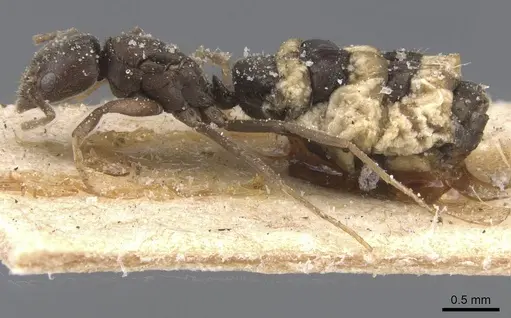
ANTWEB1008369
View on AntWeb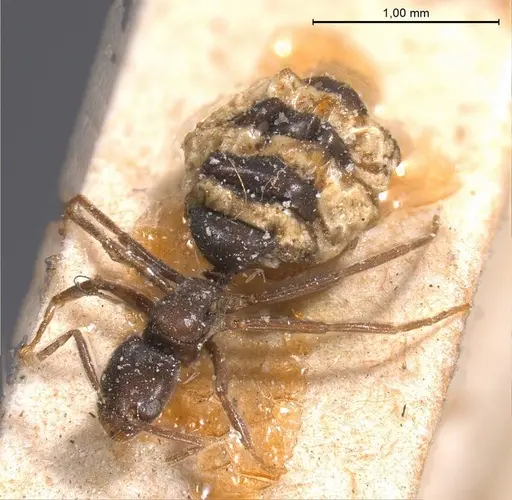
ANTWEB1008370
View on AntWeb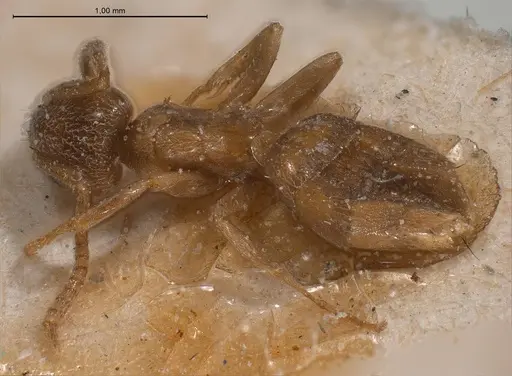
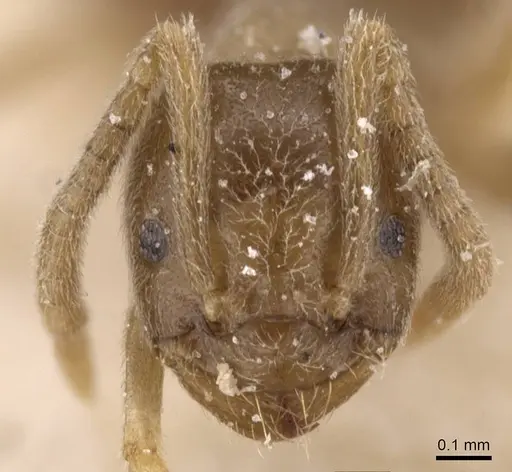
CASENT0911475
View on AntWeb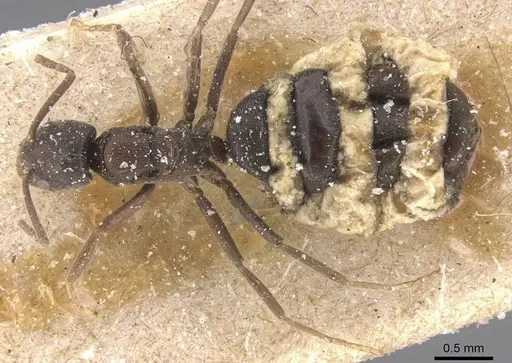
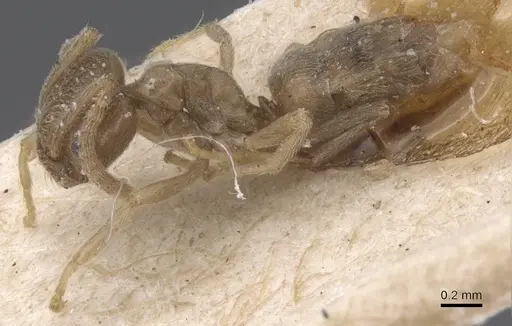
CASENT0911476
View on AntWeb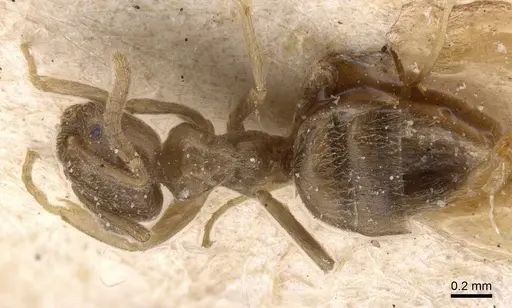
Literature
Loading...Loading products...