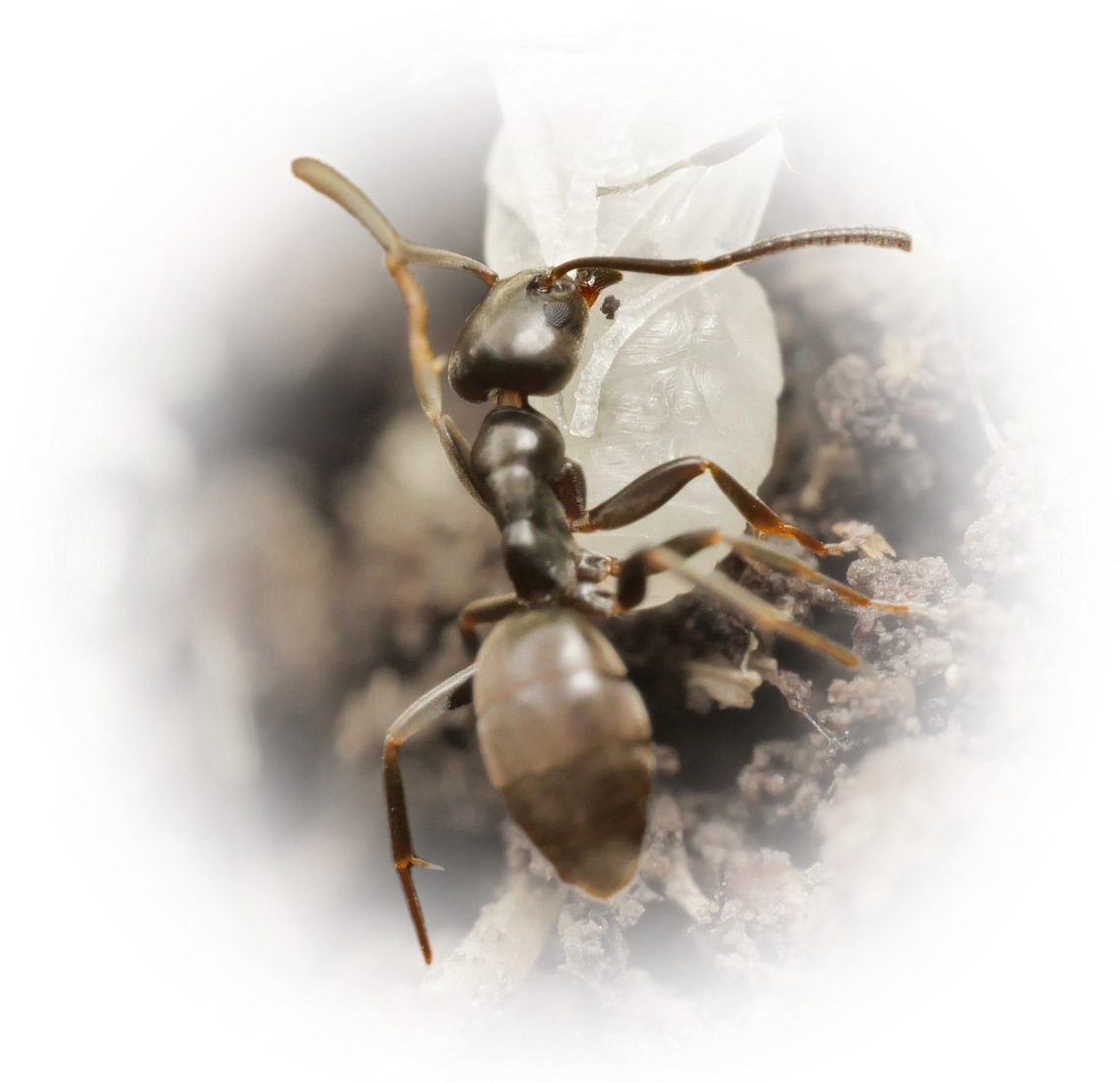

Tapinoma erraticum
- Scientific Name
- Tapinoma erraticum
- Tribe
- Tapinomini
- Subfamily
- Dolichoderinae
- Author
- Latreille, 1798
- Common Name
- Erratic Ant
- Distribution
- Found in 12 countries
Tapinoma erraticum Overview
Tapinoma erraticum (commonly known as the Erratic Ant) is an ant species of the genus Tapinoma. It is primarily documented in 12 countries , including Austria, Belgium, Switzerland. Detailed taxonomic data and occurrence records can be further explored via authoritative databases such as AntWeb or the Global Biodiversity Information Facility (GBIF).
Tapinoma erraticum - "Erratic Ant"
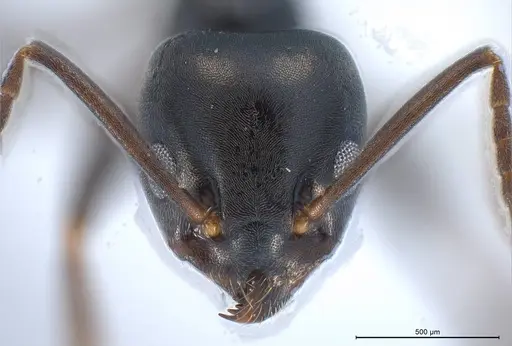
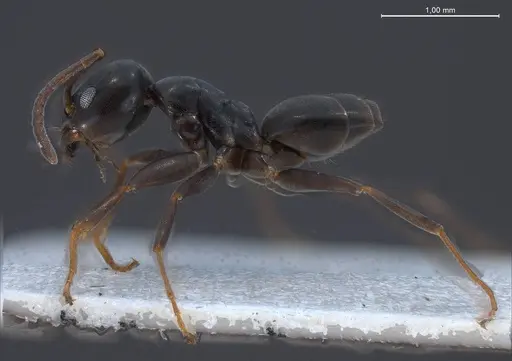
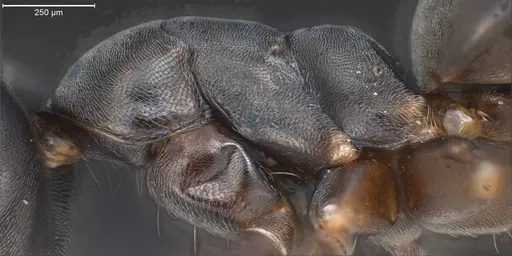
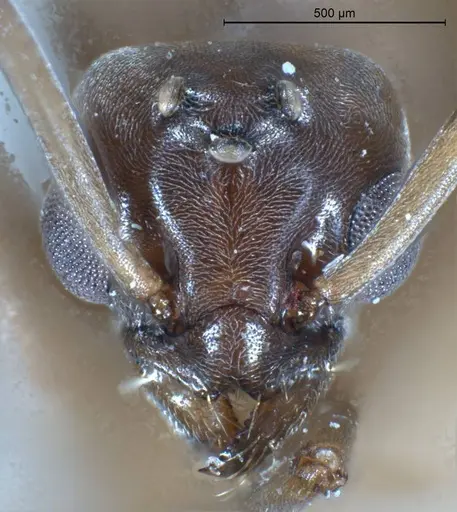
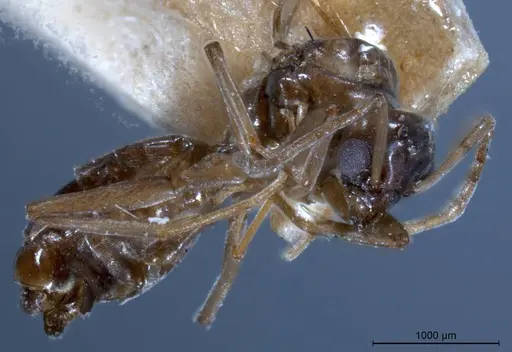
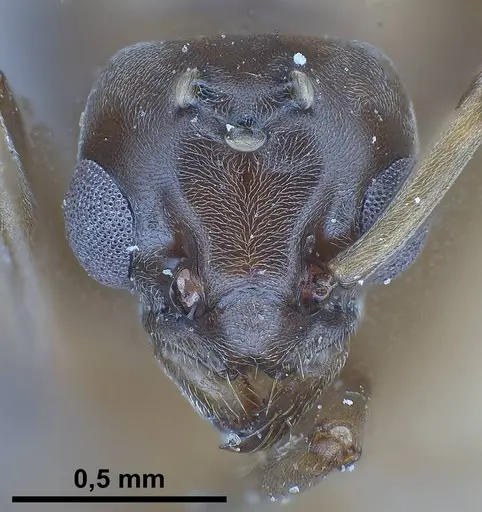
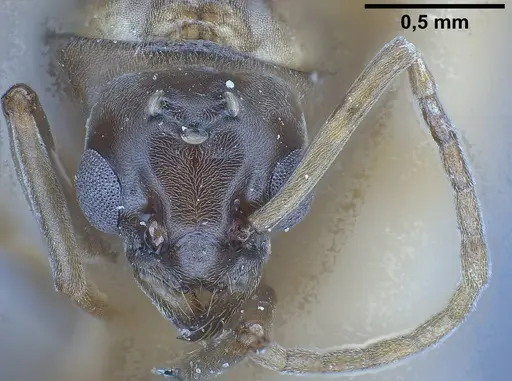
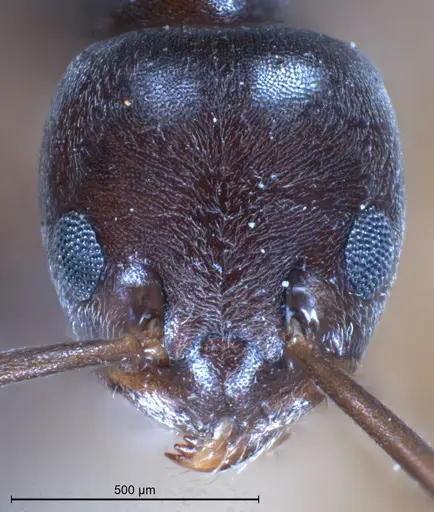
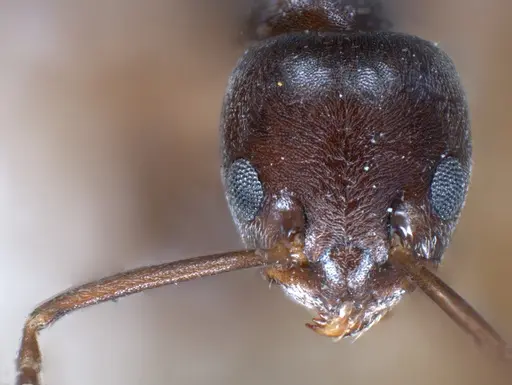
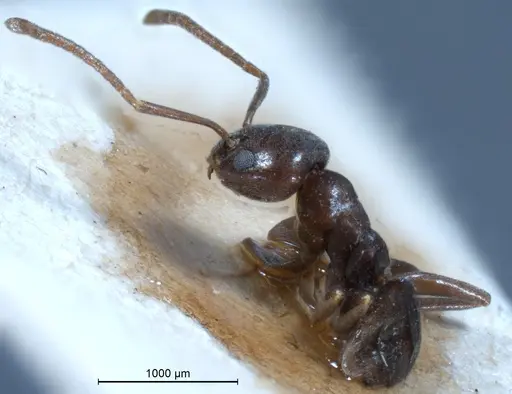
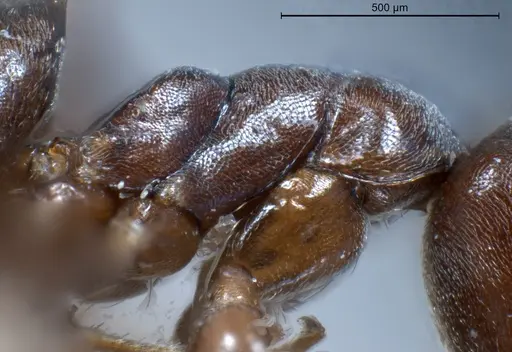
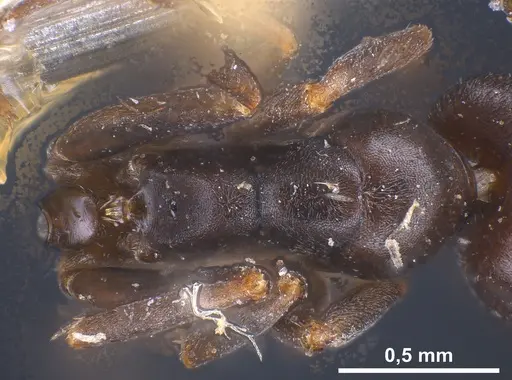
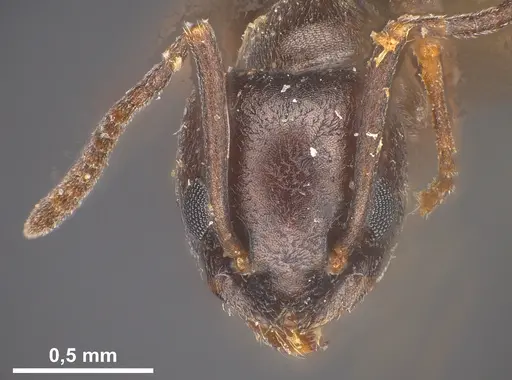
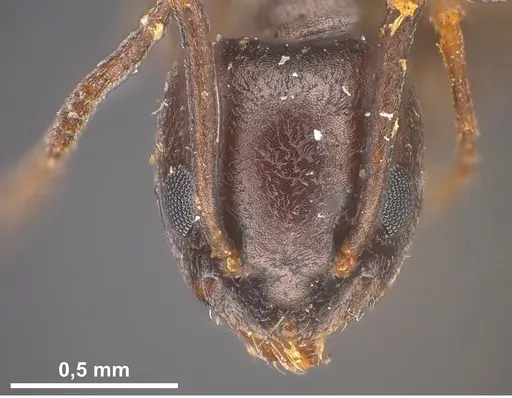
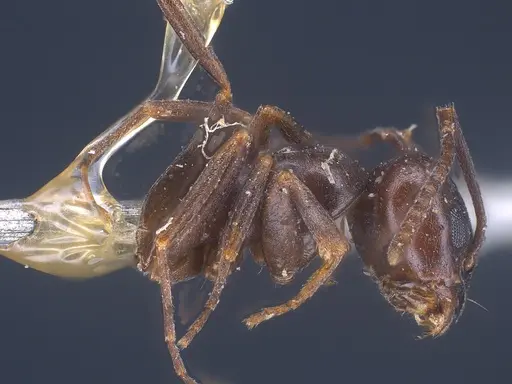
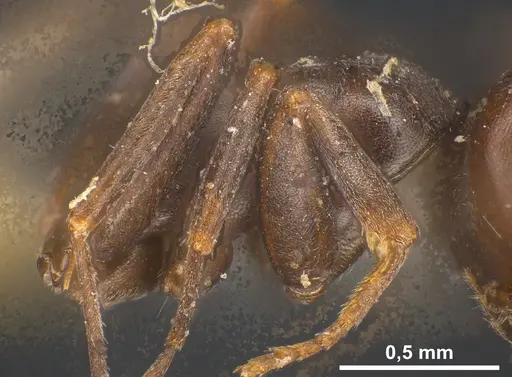
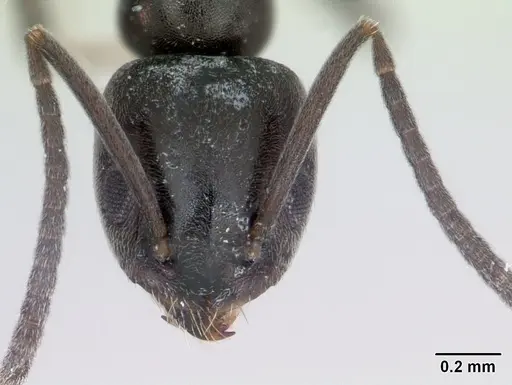
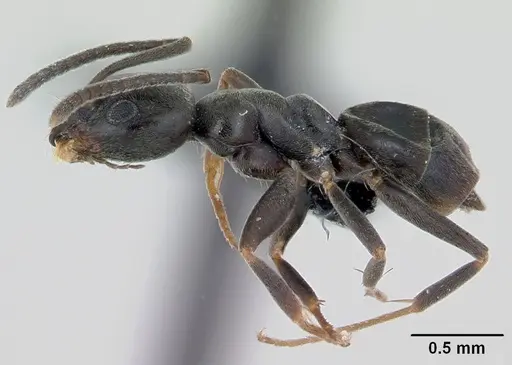
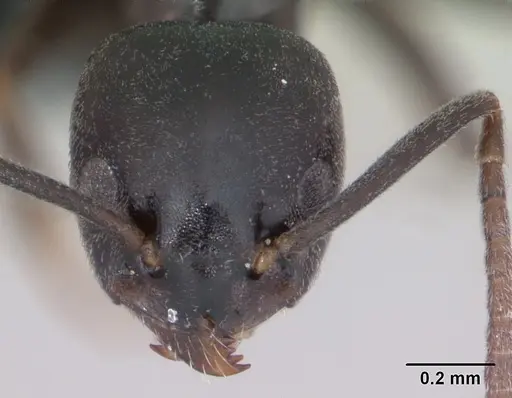
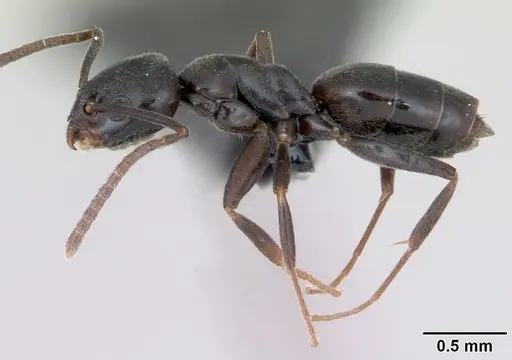
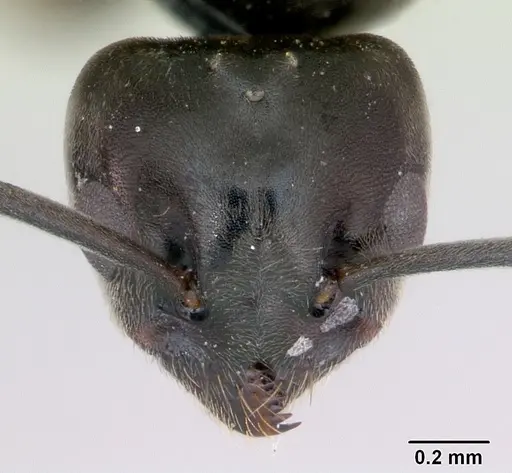
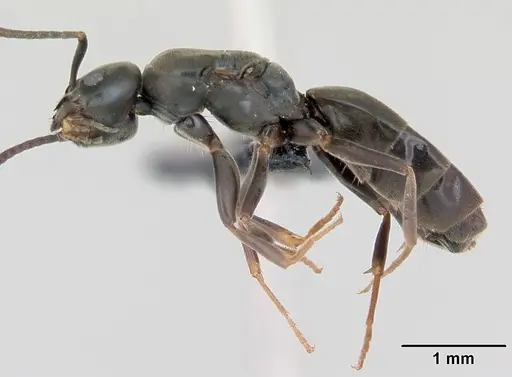
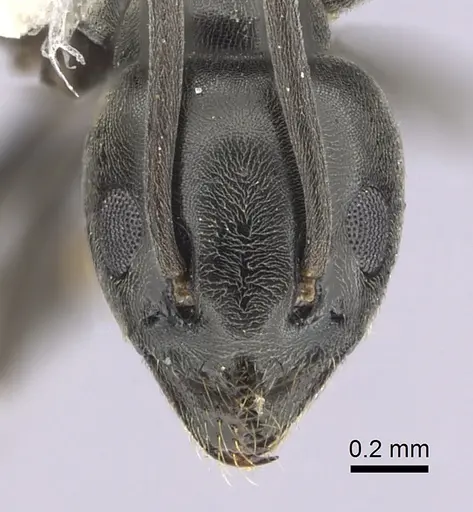
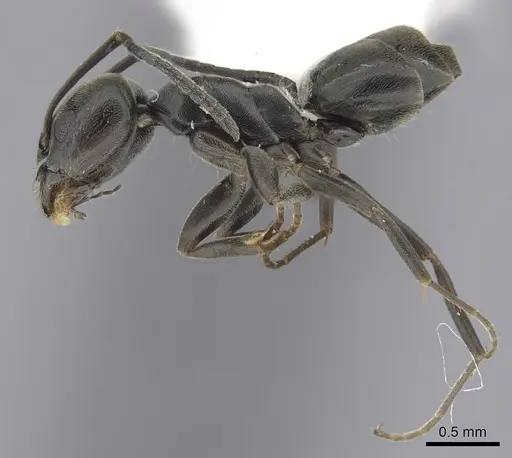
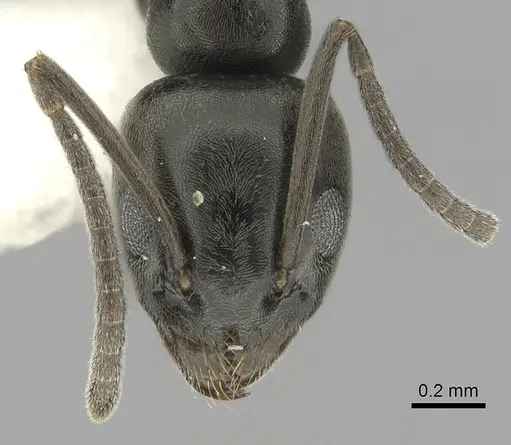
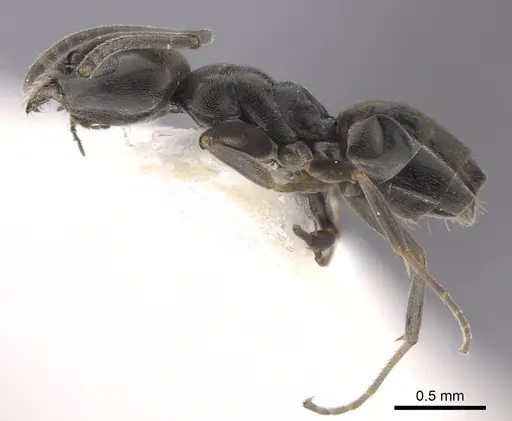
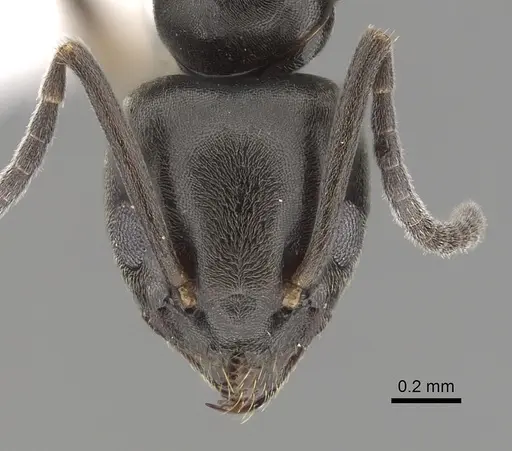
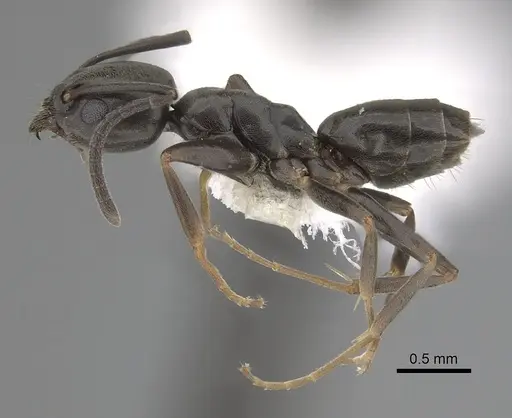
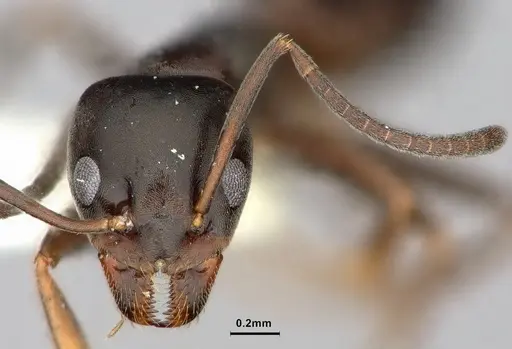
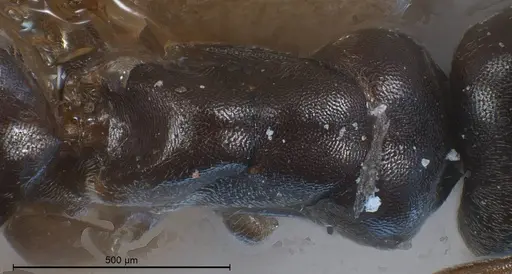
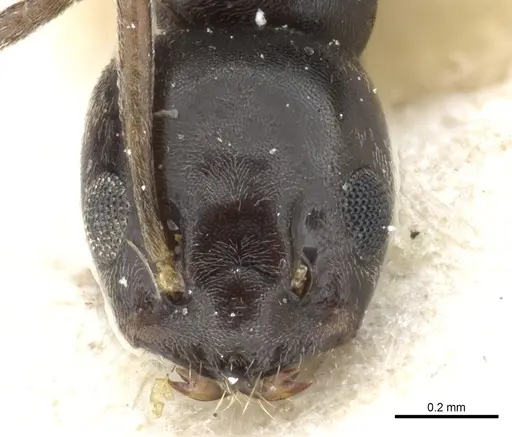
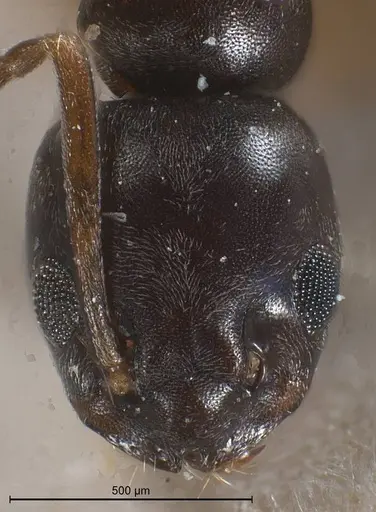
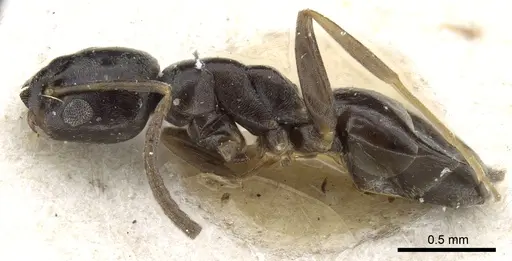
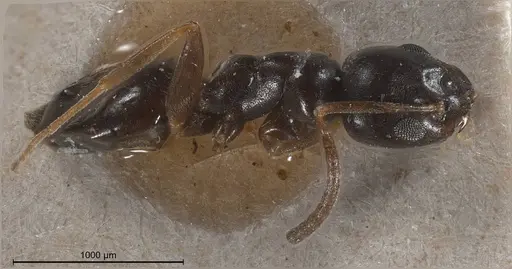
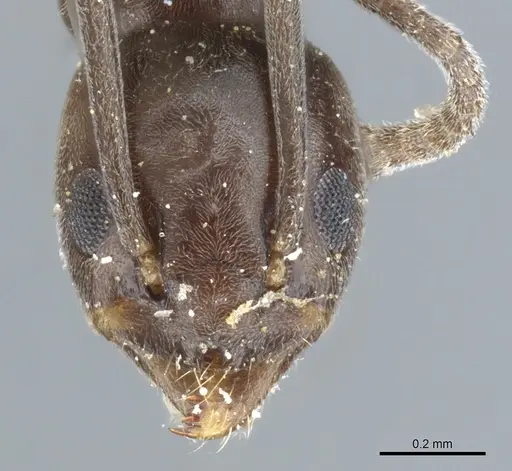
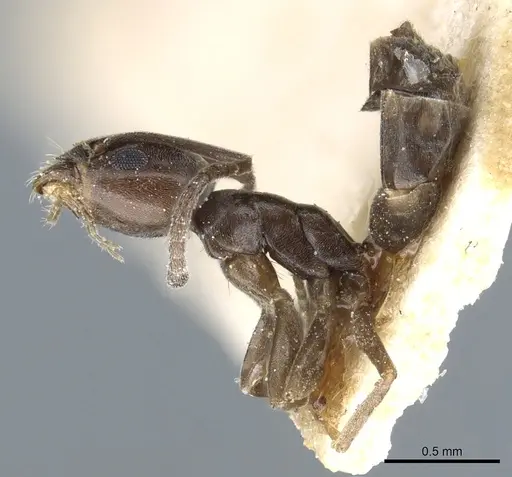
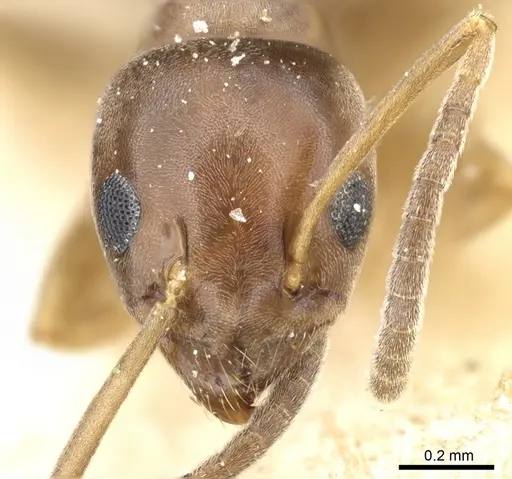
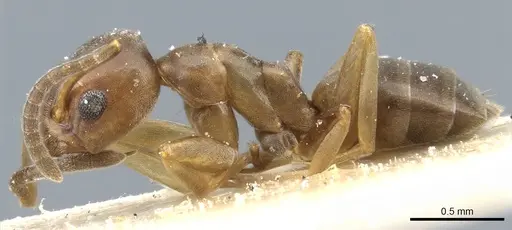
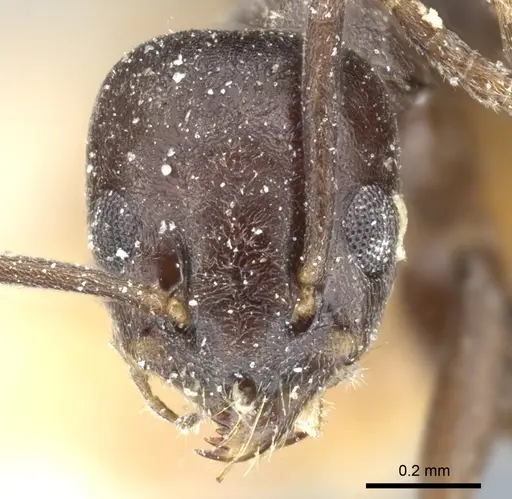
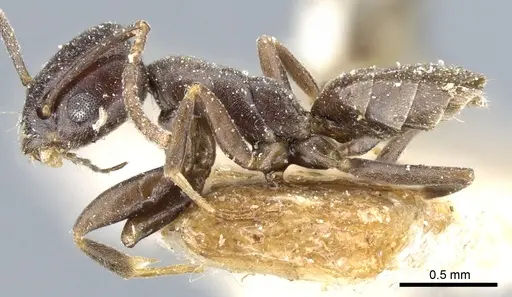
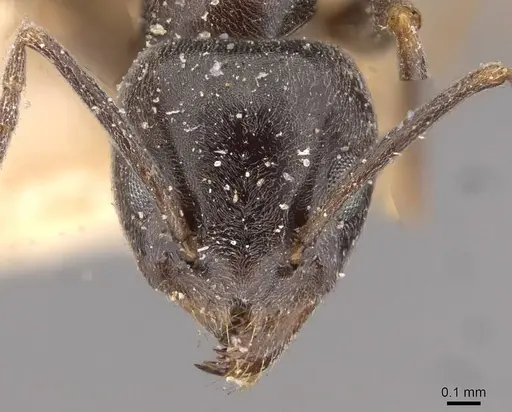
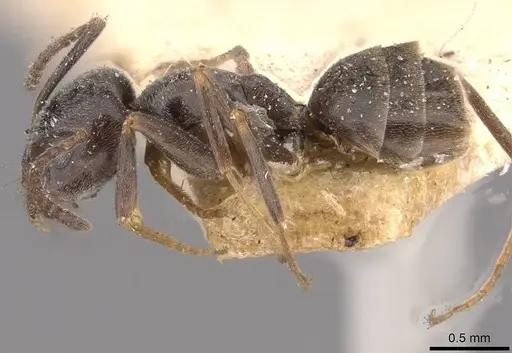
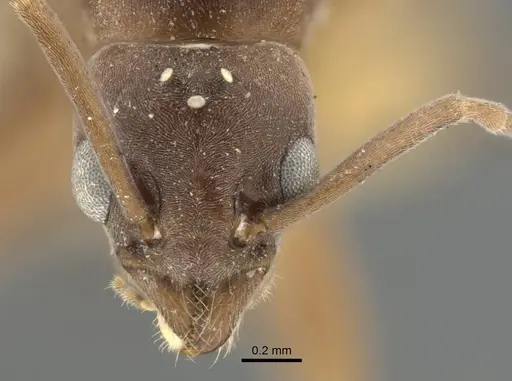
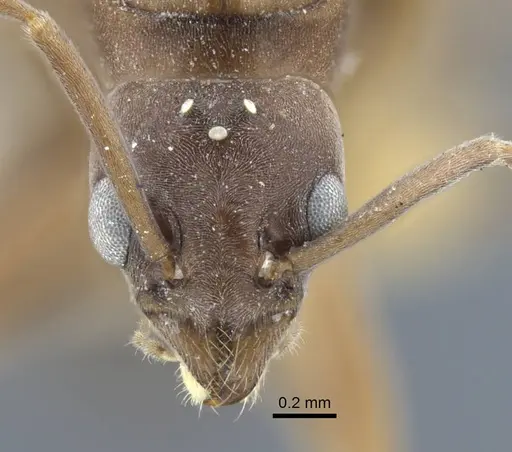
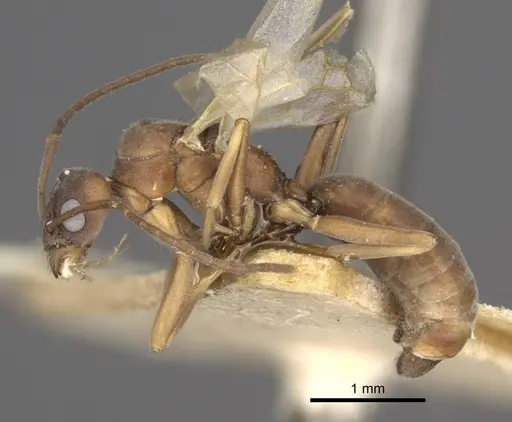
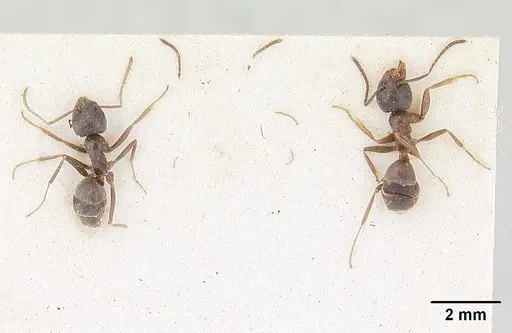
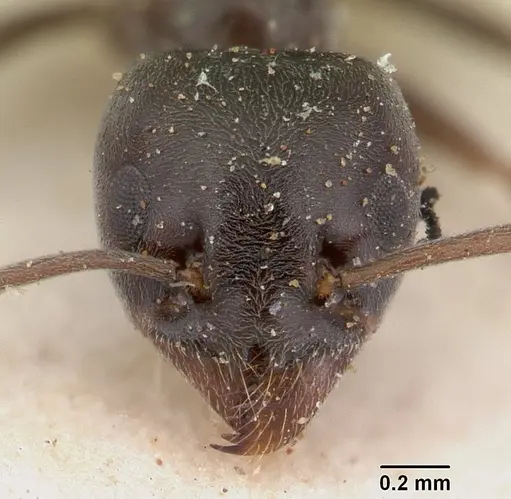
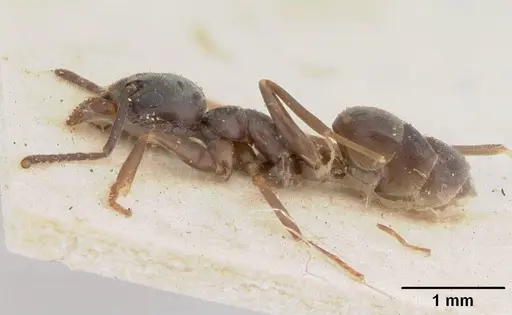
Tapinoma erraticum is a small, fast-moving ant widespread across Europe, the Caucasus, and Central Asia. Workers measure 2.1-4.2mm and are dark brown to black with noticeably paler yellow-brown tarsi. The most distinctive field characteristic is their behavior: they constantly wiggle their abdomen up and down while walking, holding it raised high. When crushed, they emit a characteristic rancid butter or fruity odor from their anal glands. This species nests in soil, often under stones in warm, sunny, dry to moderately moist habitats like calcareous grasslands, meadows, and steppe areas. Colonies are polygynous with multiple queens (up to 20) and typically contain several hundred to a few thousand workers. They are versatile feeders, tending aphids for honeydew while also scavenging and hunting small insects.
Quick Summary
- Difficulty: Easy
- Origin & Habitat: Widespread across Central and Southern Europe, the Caucasus, and Central Asia, from Portugal and Spain east to Kazakhstan and Kyrgyzstan. Found in warm, sunny, open habitats including dry grasslands, meadows, steppes, and open mountain slopes, especially on calcareous soils [1][2].
- Colony Type: Facultatively polygynous, colonies can have a single queen or multiple queens (up to 20). Multiple fertilized queens are found throughout the year in established colonies [1][3].
- Colony: Optionally polygyne
- Founding: Claustral
- Size & Growth:
- Antkeeping:
- Temperature: Keep at room temperature,20-26°C. This is a heat-loving species that remains active even at relatively low temperatures [5]. Room temperature is generally suitable.
- Humidity: Moderate, they prefer dry to moderately moist conditions. Keep the nest substrate slightly moist but not wet. Avoid overly damp conditions.
- Diapause: Yes, a winter rest period is recommended. Reduce temperature to around 10-15°C for 2-3 months during winter, mimicking natural conditions [1].
- Nesting: Test tube setups work well for founding colonies. For established colonies, they accept various nest types including acrylic nests, Y-tong, or naturalistic setups. They prefer nesting under stones or in soil, providing a thin layer of substrate or a stone area is appreciated.
- Behavior: Very fast and agile ants that constantly move their abdomen while walking, this is their most recognizable behavior. They are not aggressive but will spray defensive secretions from their anal glands when threatened. Workers use mass recruitment, laying chemical trails to food sources. They are skilled at finding and exploiting honeydew from aphids and will also hunt small insects. Colonies relocate easily when disturbed. Escape prevention is important as they are small and quick.
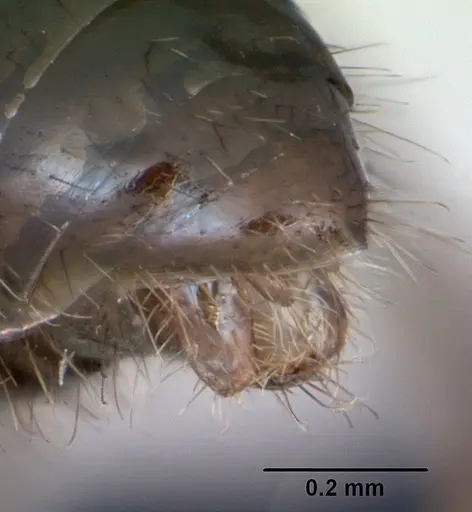
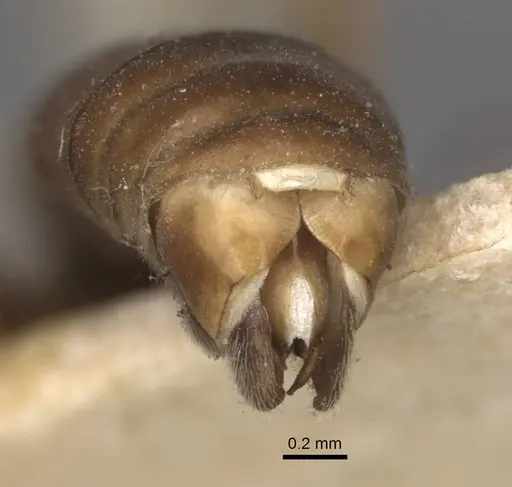
- Common Issues: Small size means escape prevention must be good, use tight-fitting lids and barrier gel, Their constant abdomen-wiggling can be mistaken for illness by new keepers, this is normal behavior, Defensive secretions have a strong odor that can be unpleasant, handle gently, They relocate colonies easily when stressed, give them stability, May be confused with Tapinoma subboreale, accurate identification requires male genitalia examination
Housing and Nest Setup
Tapinoma erraticum adapts well to various captive setups. For founding colonies, a standard test tube setup works perfectly, queen with brood in a humid tube with a water reservoir. Once the colony reaches 20-30 workers, you can move them to a formicarium. They do well in acrylic nests, Y-tong nests, or naturalistic setups with a soil chamber. Provide a shallow water tube or cotton ball as a drinking station. These ants don't require high humidity, keep the nest moderately moist. A small outworld for foraging allows them to hunt and explore. Because they are small and fast, ensure your setup has excellent escape prevention, these ants can squeeze through surprisingly small gaps. [1][4]
Feeding and Diet
These ants are opportunistic feeders with a varied diet. They readily tend aphids and other honeydew-producing insects, so providing sugar water or honey is appreciated. They are also predatory, hunting small insects like fruit flies, pinhead crickets, and small mealworms. Offer protein foods 2-3 times per week. They scavenge dead insects and will accept most protein sources. In observation of wild colonies, they have been seen visiting extrafloral nectaries and even acting as minor pollinators. A varied diet is best, alternate between sugar sources and protein prey. Remove uneaten prey after 24 hours to prevent mold. [1]
Temperature and Seasonal Care
As a thermophilous species, T. erraticum prefers warm conditions but is remarkably tolerant of temperature variations. Room temperature (20-26°C) is ideal for keeping these ants active and healthy. They remain active even at relatively low temperatures compared to many ant species. During winter, a diapause period is recommended, reduce temperatures to 10-15°C for 2-3 months to simulate natural seasonal cycles. This helps maintain colony health and may trigger reproductive behavior in spring. In summer, they are most active and will expand their foraging ranges. They are known to construct temporary summer nests and relocate readily. [5][1][4]
Behavior and Defense
The most distinctive behavior of T. erraticum is the constant wiggling motion of their abdomen while walking, this is completely normal and helps identify the species. When threatened, they don't bite aggressively but rely on their anal gland secretions. They spray a foamy, whitish fluid that contains compounds causing severe, lasting effects on other insects, it sticks to legs and antennae, causing disorientation. The odor is described as fruity or like rancid butter. They are not dangerous to humans but the secretion can be irritating. Workers use mass recruitment, following chemical trails to food sources. Colonies are polygynous and can contain multiple queens, which contributes to their resilience. [4]
Colony Growth and Development
Colonies start with a single claustral queen who seals herself in and raises the first workers (nanitics) from her own fat reserves. Once the first workers emerge, the colony grows gradually. T. erraticum colonies can reach several thousand workers with multiple queens cooperating. Nuptial flights occur in June and July when winged reproductives leave the colony to mate. The colony growth rate is moderate, expect several months to reach significant numbers. They are known to relocate colonies easily, especially in summer when they may establish temporary nests. This fugitive behavior is normal and should not cause concern if your colony suddenly moves to a new area of their setup. [1][3][4]
Frequently Asked Questions
How long does it take for Tapinoma erraticum to have first workers?
Development time is not precisely documented for this species. Based on related Tapinoma species, expect 6-10 weeks from egg to first worker at room temperature (20-25°C). The claustral queen seals herself in and raises the first brood alone using stored fat reserves.
Are Tapinoma erraticum good for beginners?
Yes, they are considered a good species for beginners. They are hardy, adaptable, and tolerate a range of conditions. They are not aggressive and don't require special equipment beyond standard escape prevention. Their distinctive abdomen-wiggling makes them interesting to watch. The main considerations are ensuring good escape prevention due to their small size and providing a winter rest period.
Can I keep multiple queens together in one colony?
Yes, T. erraticum is facultatively polygynous, meaning colonies can have either a single queen or multiple queens (up to 20 have been documented). Multiple queens can coexist peacefully in established colonies. When combining unrelated foundress queens, there may be some initial aggression, but they often eventually accept each other.
What do Tapinoma erraticum eat?
They are opportunistic feeders with a varied diet. They feed on honeydew from aphids (so sugar water or honey is readily accepted), hunt small insects like fruit flies and pinhead crickets, and scavenge dead insects. They also visit extrafloral nectaries on plants. A balanced diet of protein prey 2-3 times weekly plus constant access to sugar water works well.
Do Tapinoma erraticum need hibernation?
Yes, a winter rest period is recommended. Reduce temperatures to around 10-15°C for 2-3 months during winter. This mimics their natural seasonal cycle and helps maintain colony health. In the wild, they are active from March through October and rest during colder months.
Why does my Tapinoma erraticum keep wiggling its abdomen?
This is completely normal behavior for this species! T. erraticum constantly moves their abdomen up and down while walking, it's their most distinctive characteristic. This behavior is so consistent that it's used to identify the species in the field. It looks like a constant wiggling or bobbing motion and is not a sign of illness or stress.
How big do Tapinoma erraticum colonies get?
Colonies typically reach several hundred to a few thousand workers. They are polygynous with multiple queens contributing to colony growth. In ideal conditions with multiple queens, colonies can become quite populous. The workers are small (2.1-4.2mm) but numerous.
What temperature is best for Tapinoma erraticum?
Room temperature (20-26°C) is ideal. This is a heat-loving species that remains active even at lower temperatures than many other ants. They do well at standard room temperature and don't require additional heating. Just avoid extreme temperatures or sudden fluctuations.
Why does my ant smell like butter when touched?
This is their defensive mechanism! T. erraticum has anal glands that produce secretions with a fruity, rancid butter odor (containing compounds like methylheptenone). When threatened or crushed, they release this secretion. It's completely normal and serves as their primary defense against predators and competing ants.
References

This caresheet is licensed under CC BY-SA 4.0 .
ANTWEB1008468
View on AntWeb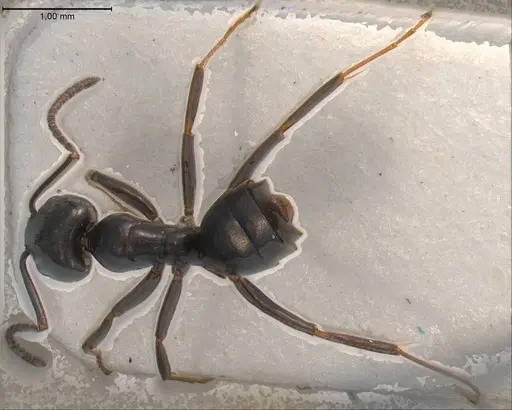
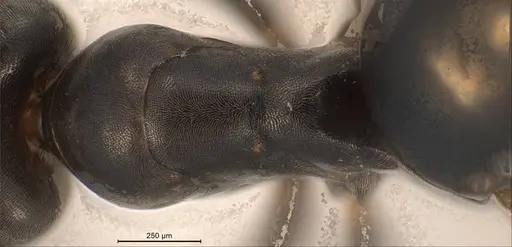
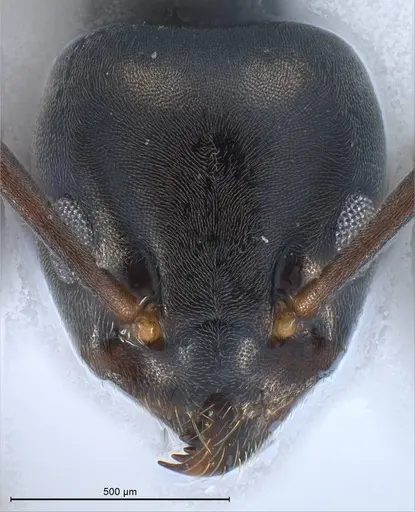
ANTWEB1008478
View on AntWeb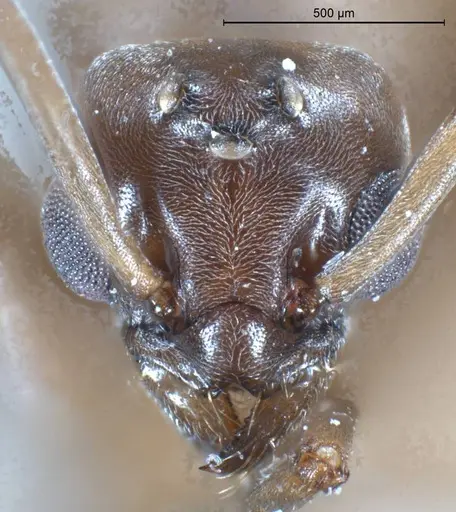
ANTWEB1038038
View on AntWeb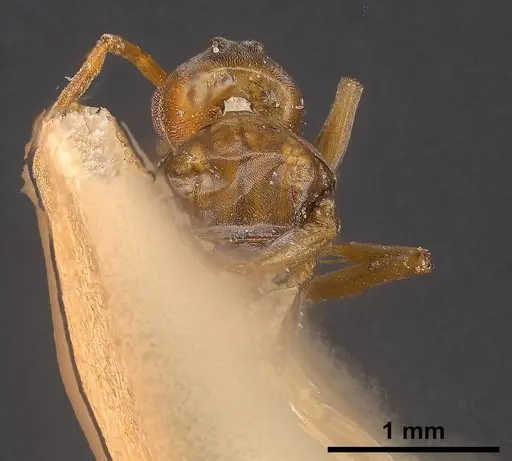
ANTWEB1041292
View on AntWeb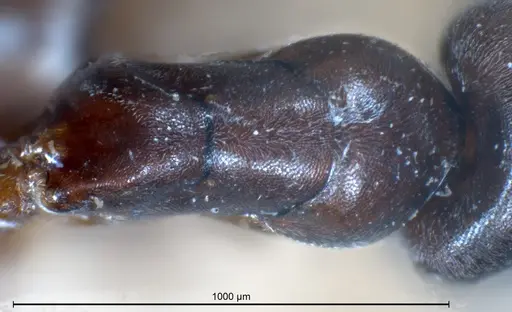
ANTWEB1041461
View on AntWeb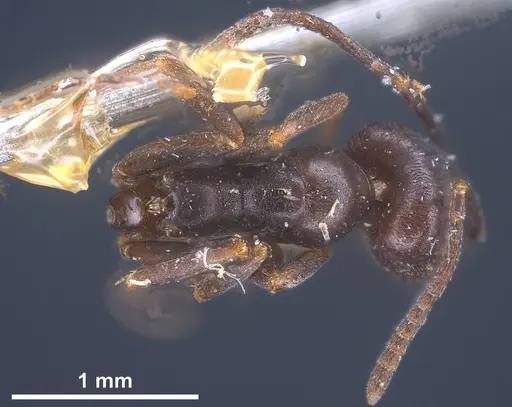
CASENT0173152
View on AntWeb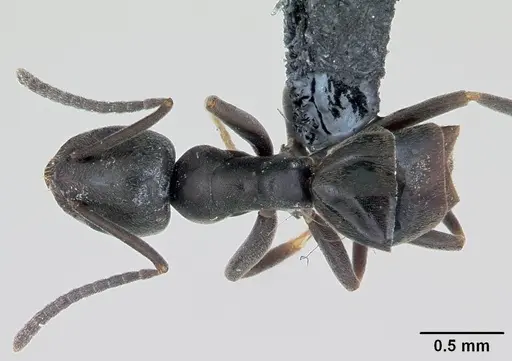
CASENT0173199
View on AntWeb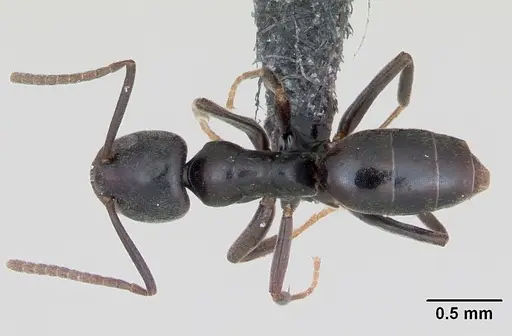
CASENT0173200
View on AntWeb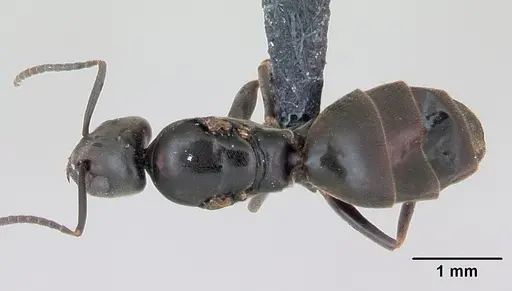
CASENT0249419
View on AntWeb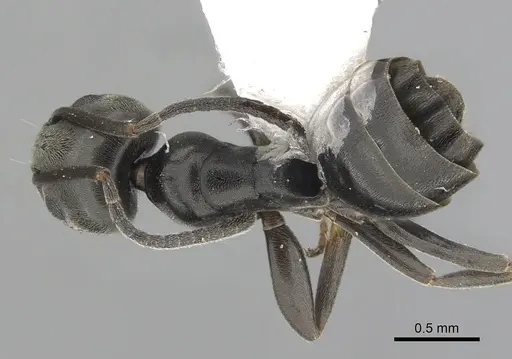
CASENT0249425
View on AntWeb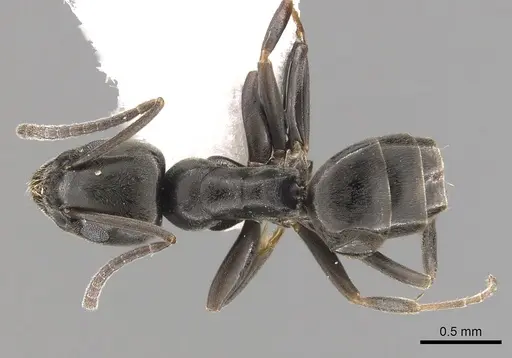
CASENT0249760
View on AntWeb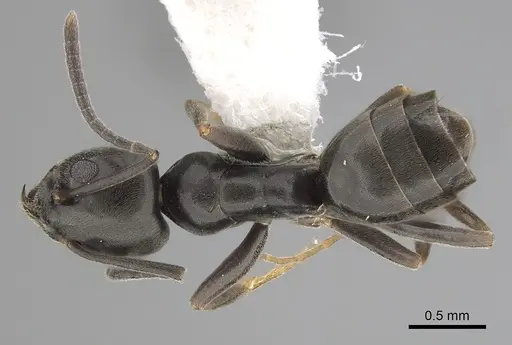
CASENT0886047
View on AntWeb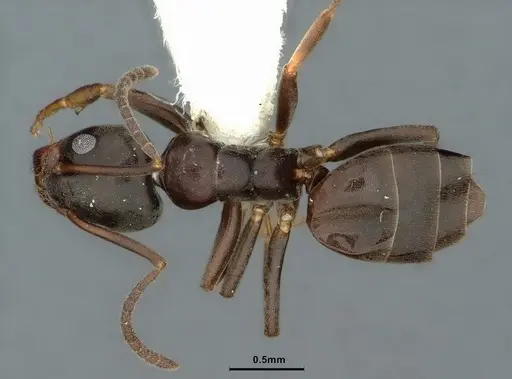
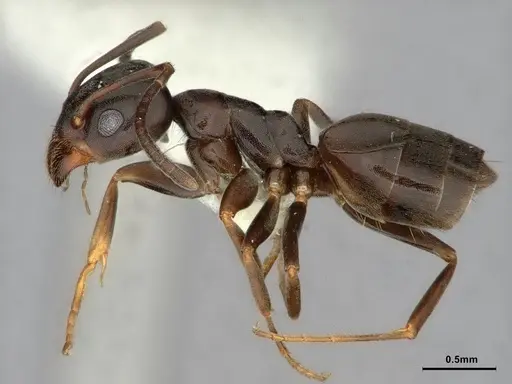
CASENT0903076
View on AntWeb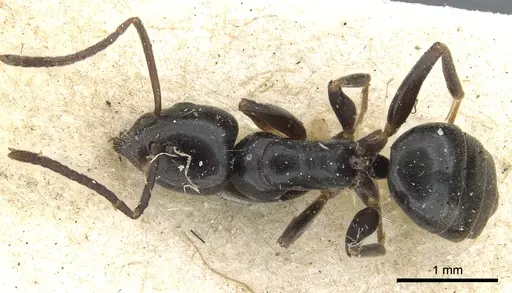
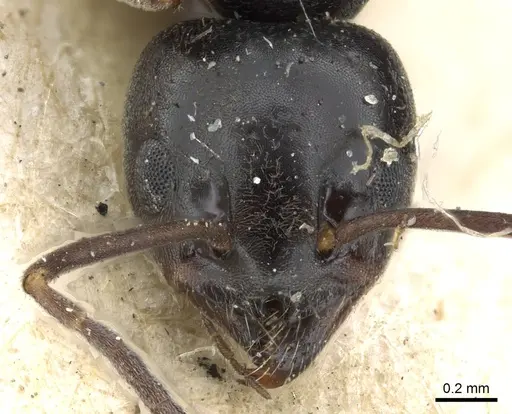
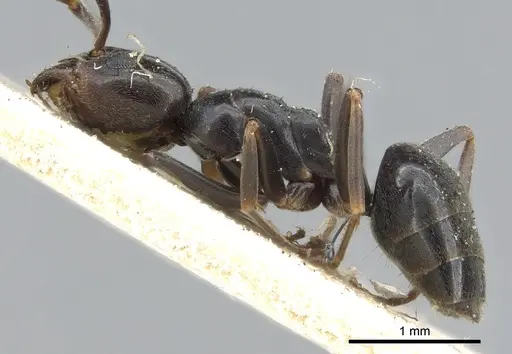
CASENT0904020
View on AntWeb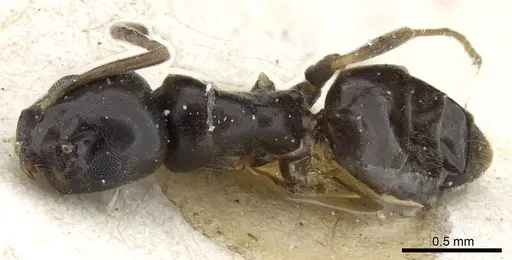
CASENT0904021
View on AntWeb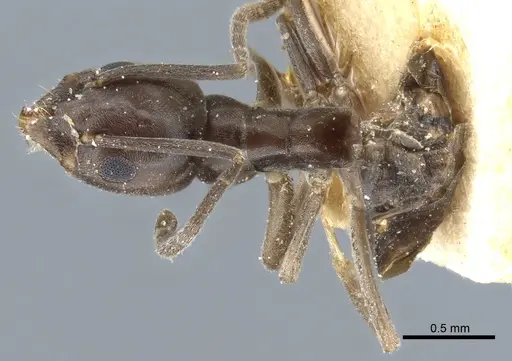
CASENT0904022
View on AntWeb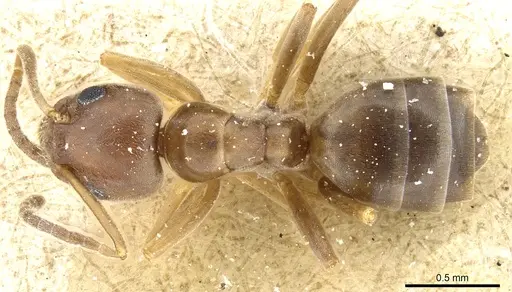
CASENT0904023
View on AntWeb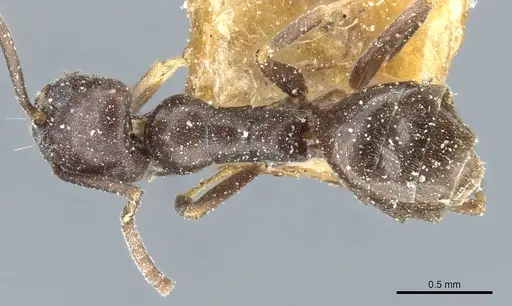
CASENT0909763
View on AntWeb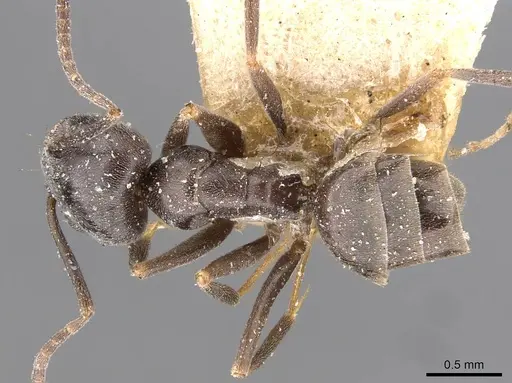
CASENT0917136
View on AntWeb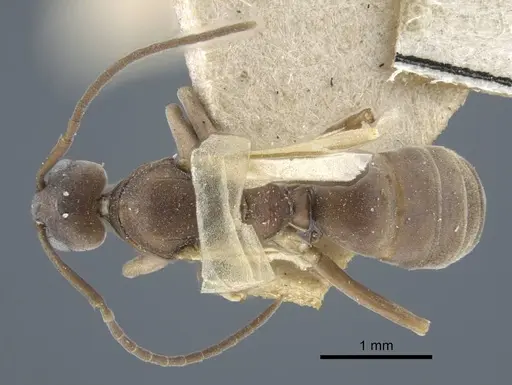
CASENT0917137
View on AntWeb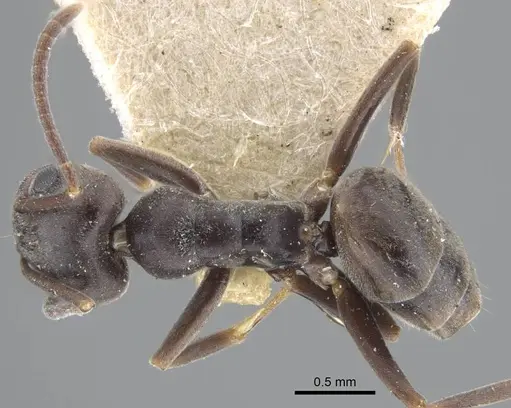
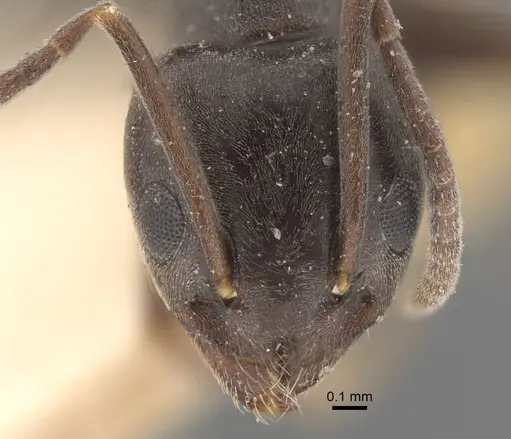
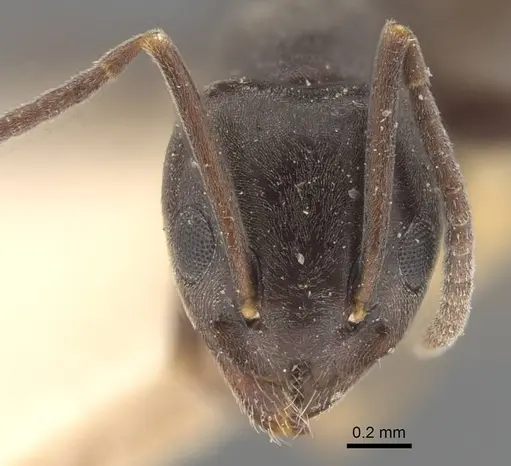
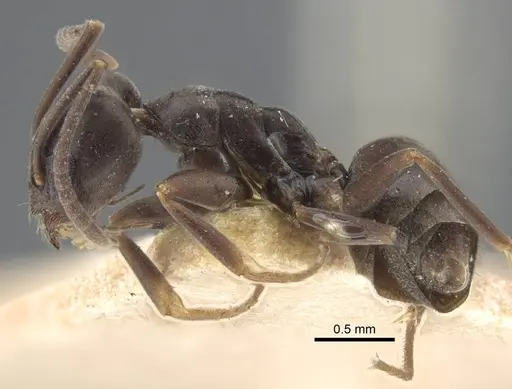
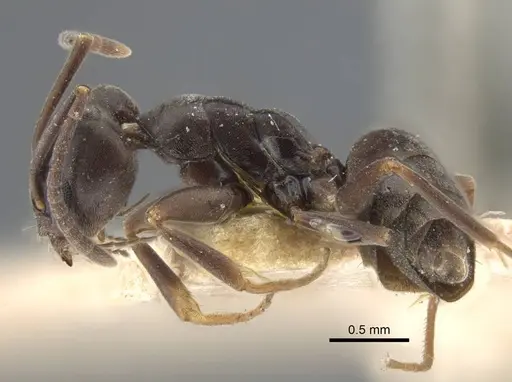
SAM-HYM-C004820
View on AntWeb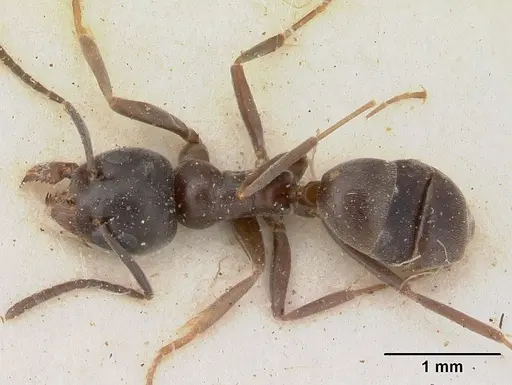
Literature
Loading...Loading products...