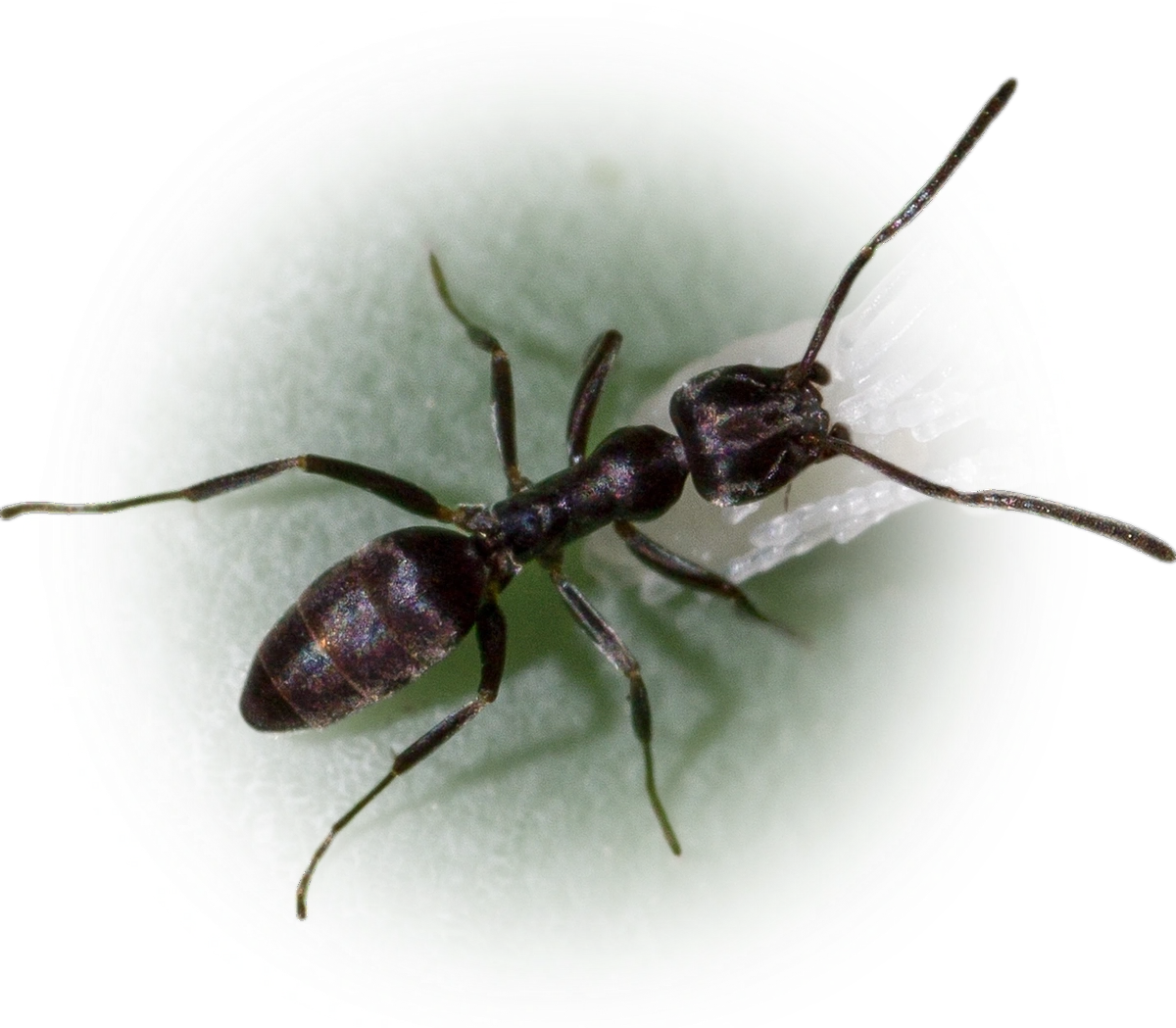

Tapinoma nigerrimum
- Scientific Name
- Tapinoma nigerrimum
- Tribe
- Tapinomini
- Subfamily
- Dolichoderinae
- Author
- Nylander, 1856
- Distribution
- Found in 4 countries
Tapinoma nigerrimum Overview
Tapinoma nigerrimum is an ant species of the genus Tapinoma. It is primarily documented in 4 countries , including Spain, France, Italy. Detailed taxonomic data and occurrence records can be further explored via authoritative databases such as AntWeb or the Global Biodiversity Information Facility (GBIF).
Tapinoma nigerrimum
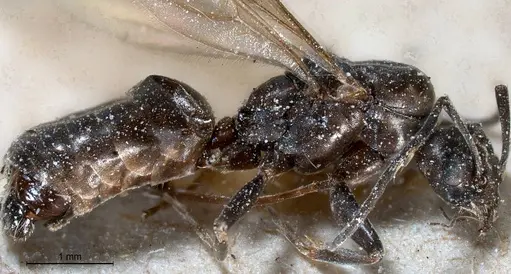
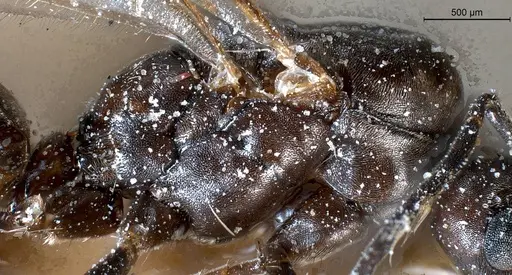
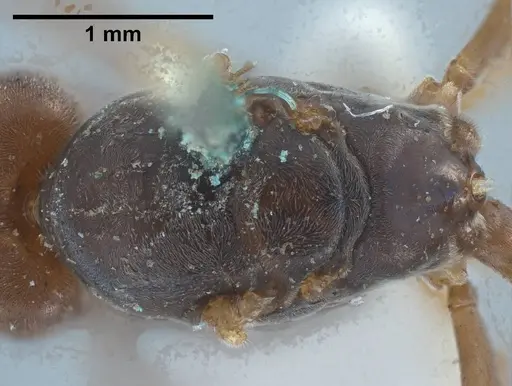
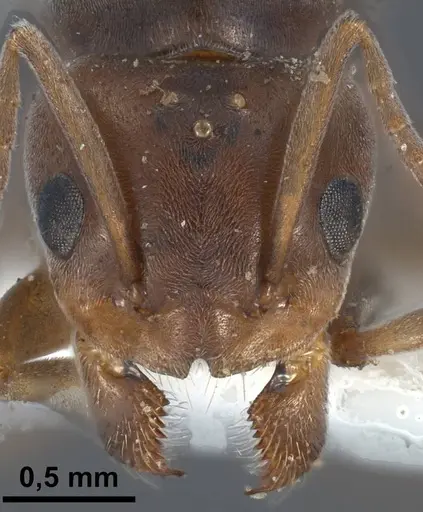
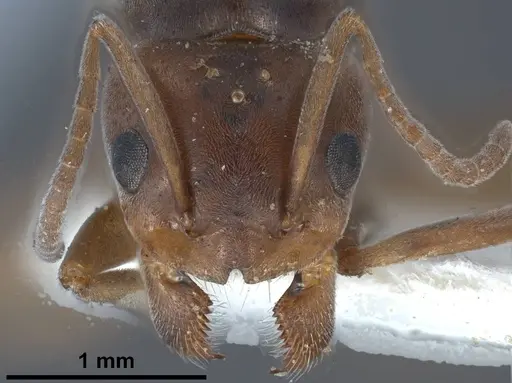
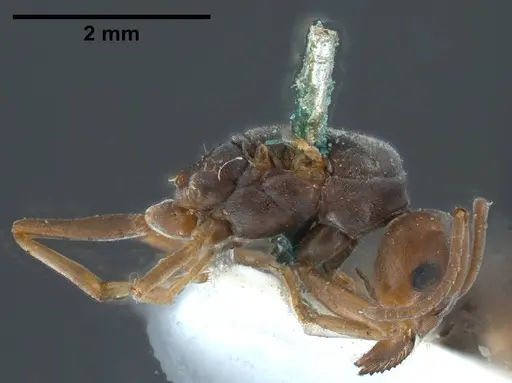
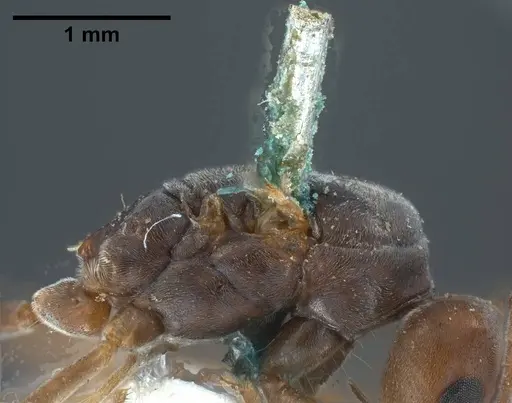
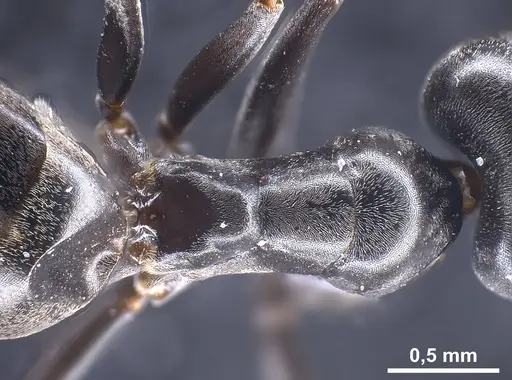
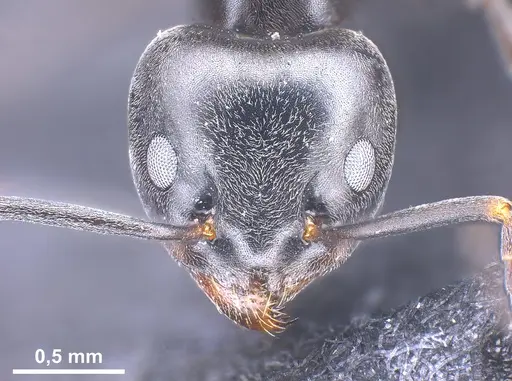
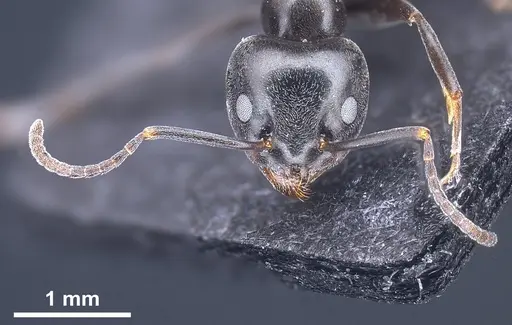
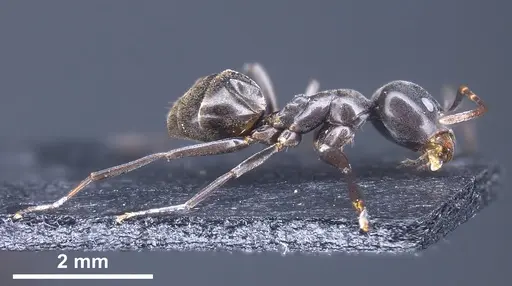
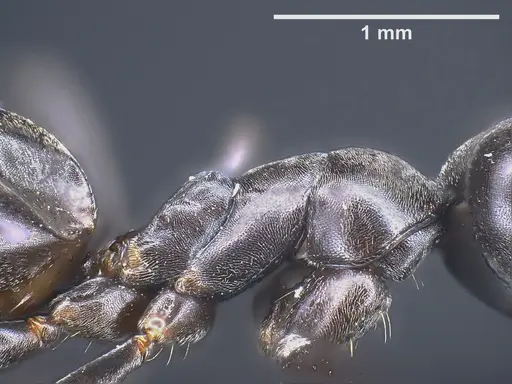
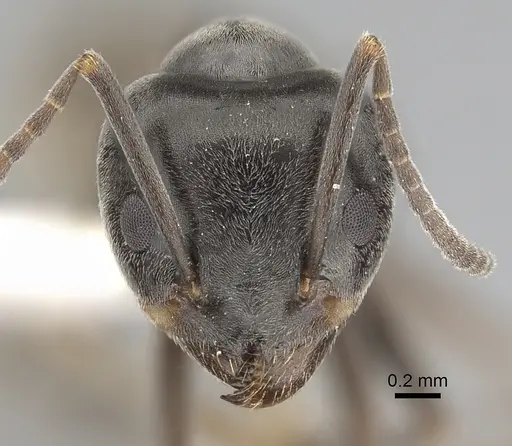
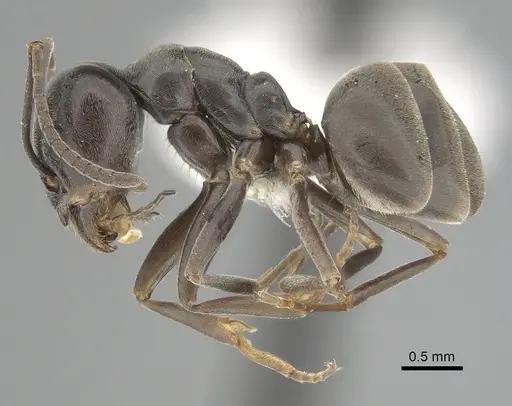
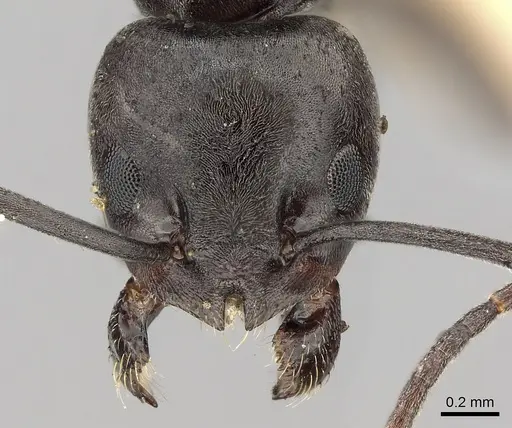
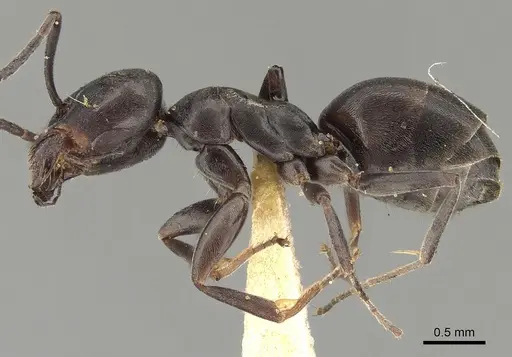
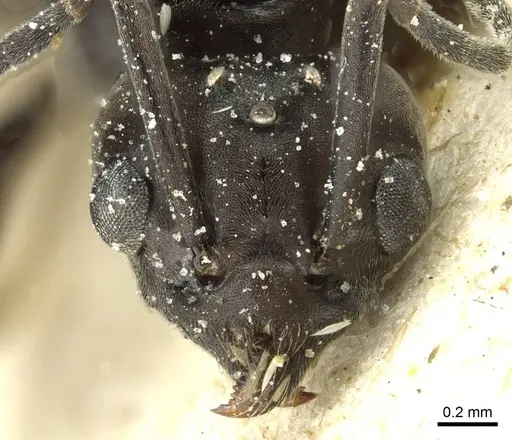
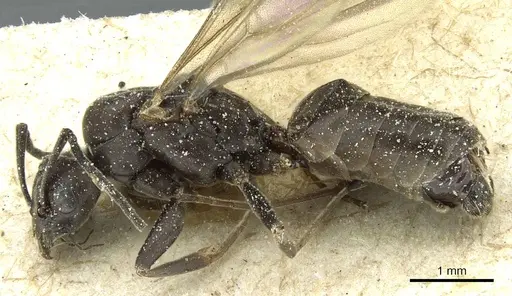
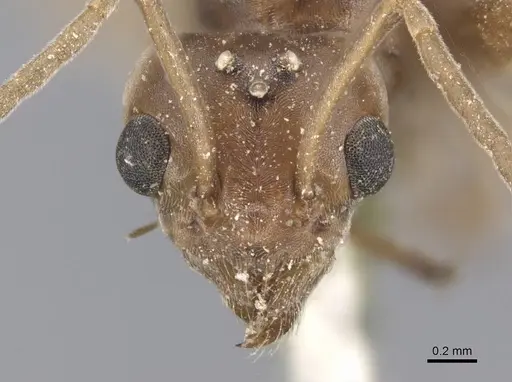
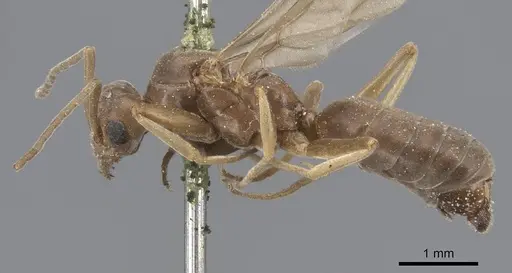
Tapinoma nigerrimum is a small to medium-sized ant native to the Mediterranean region, now recognized as part of a species complex containing four cryptic species. Workers measure 2.5-5.1 mm and are uniformly black or dark brown with a characteristic glossy appearance. They are polymorphic, meaning colonies contain both small and large workers. This ant belongs to the Dolichoderinae subfamily and is known for its strong, somewhat unpleasant odor when disturbed, caused by its alarm pheromones. The species forms large, complex colonies with multiple queens and interconnected nests, making it one of the dominant ant species in Mediterranean ecosystems. It has recently expanded into Central Europe, likely through the horticultural trade, and is now established in parts of Germany, Belgium, the Netherlands, and Switzerland [1][2].
What makes T. nigerrimum particularly interesting is its dual nature as both a beneficial garden ant and a potential pest. In agricultural settings like olive groves and vineyards, it tends harmful mealybugs and scale insects that damage crops, but it also competes aggressively with invasive species like the Argentine ant. These ants are highly adaptable, forming extensive underground nests up to 1 meter deep and maintaining trails between multiple nest entrances [3][1].
Quick Summary
- Difficulty: Easy
- Origin & Habitat: Native to the Mediterranean region (southern France, Spain, Portugal, Italy, Greece), now established in parts of Central Europe including Germany, Belgium, Netherlands, and Switzerland. Found in diverse habitats including grasslands, olive groves, citrus orchards, coastal dunes, and urban areas [2][1][4].
- Colony Type: Polygynous (multiple queens per colony) and polydomous (multiple interconnected nests). Colonies can contain tens of thousands of workers and may have up to 350 queens in some nests. Reproduction typically occurs through budding rather than nuptial flights [1][2][5].
- Size & Growth:
- Queen:{.size-link} Approximately 4-5 mm [2]
- Worker:{.size-link} 2.5-5.1 mm, polymorphic with small and large workers in the same colony [1][3][6]
- Colony: Tens of thousands of workers per colony, some supercolonies covering up to 1 hectare [1][6]
- Growth: Fast
- Development: 6-8 weeks (estimated based on typical Dolichoderinae development) (Development is relatively rapid in warm conditions. Larvae are present in nests throughout the year in Mediterranean climates.)
- Antkeeping:
- Temperature: Keep at 24-26°C for optimal activity. This species is heat-intolerant and becomes less active above 30°C. Can tolerate temperatures as low as 7°C and remains active in winter indoors. Critical thermal maximum is 42°C [6][7][8].
- Humidity: Moderate humidity is preferred. Nests are typically in soil but can adapt to various moisture conditions. Tolerates both dry and somewhat moist environments, making it versatile for captive care.
- Diapause: Not required in captivity. In their native range, they remain active year-round and only reduce activity slightly in winter. In Central Europe, they may become less active but do not enter true hibernation [1].
- Nesting: Will readily inhabit standard formicarium setups including Y-tong (AAC), plaster nests, and naturalistic setups with soil. They prefer nests with multiple chambers connected by tunnels. Given their polydomous nature in the wild, they appreciate having multiple connected nesting areas. A test tube setup works well for founding colonies [1].
- Behavior: Tapinoma nigerrimum is a dominant, aggressive ant species with mass recruitment behavior. Workers form visible trails to food sources and quickly mobilize large numbers when food is discovered. They are primarily liquid-feeders, specializing in honeydew collection from aphids and mealybugs, but also scavenge dead insects. They are heat-intolerant and shift from diurnal activity in spring to crepuscular/nocturnal activity during hot summer months. Workers have a characteristic unpleasant odor when crushed, due to their alarm pheromones. They are excellent escape artists due to their small size, use fine mesh and apply Fluon to prevent escapes. They are generally peaceful toward colony members but highly aggressive toward other ant species [3][9][8].
- Common Issues: escape prevention is critical, small workers can squeeze through tiny gaps, use fine mesh and barrier gel, heat sensitivity, avoid temperatures above 30°C or activity will drop significantly, aggressive toward other ant species, keep in a separate area from other ant colonies, may tend harmful pests like mealybugs in captivity, monitor for aphid associations, queen number can be very high, ensure adequate space as colony grows
Housing and Nest Setup
Tapinoma nigerrimum adapts well to various captive setups. For founding colonies, a simple test tube setup works perfectly, fill one test tube with water, plug with cotton, and connect to a foraging area. As the colony grows, you can upgrade to a Y-tong (AAC) nest, plaster nest, or naturalistic setup with soil. These ants are polydomous in the wild, meaning they maintain multiple connected nests, so providing multiple connected nesting areas will mimic their natural behavior better than a single chamber. Use a foraging area of at least 10x10 cm for smaller colonies, scaling up as the colony grows. Ensure the nest area remains dark and humid while the foraging area stays dry. Because they are small and agile, all connections must be secure and all openings should be covered with fine mesh [1][6].
Feeding and Diet
In captivity, T. nigerrimum primarily accepts sugar sources and protein. Offer sugar water (1:4 ratio with water) or honey diluted with water as a constant food source. They are particularly fond of honeydew, so if you keep aphids on suitable plants, the ants will readily tend them. For protein, provide small insects like fruit flies, small crickets, or mealworm pieces. They will also accept other ant species' brood as prey. In the wild, their diet consists mainly of honeydew (making them aphid-tenders), nectar, and dead arthropods. They are not granivorous and do not typically store seeds. Feed sugar water every 2-3 days and protein prey once or twice weekly, adjusting based on colony size and consumption. Remove uneaten prey after 24 hours to prevent mold [3][9][10].
Temperature and Seasonal Care
Maintain temperatures between 24-26°C for optimal colony health and growth. This species is notably heat-intolerant, when temperatures exceed 30°C, foraging activity decreases significantly and workers may shift to crepuscular or nocturnal activity. In their Mediterranean native range, they are most active in spring and early summer, with peak activity in June. They can tolerate surprisingly cold temperatures for a Mediterranean species, remaining active at 7°C and even showing some activity at 3°C in winter in Central Europe. However, they do not require a true diapause period. Avoid placing the nest near direct heat sources that could create hot spots above 35°C. A heating cable on one side of the nest can create a temperature gradient, allowing workers to choose their preferred zone [6][7][8][1].
Colony Structure and Growth
T. nigerrimum colonies are polygynous, meaning they contain multiple reproductive queens, some nests have been documented with up to 350 queens. They are also polydomous, maintaining multiple interconnected nests connected by above-ground trails. This complex structure allows colonies to grow extremely large, potentially reaching tens of thousands of workers. In captivity, you can start with a single claustral queen who will seal herself in and raise the first brood alone. After the first workers emerge (nanitics, which are smaller), the colony will begin to grow. Growth is relatively fast compared to many ant species, expect significant growth within the first year under good conditions. The presence of multiple queens in established colonies contributes to their resilience and rapid growth potential [1][2][5][7].
Behavior and Defense
This species is known for its aggressive behavior toward other ant species and uses mass recruitment to dominate food sources. When a worker discovers a food item, it lays a chemical trail back to the nest, recruiting dozens or hundreds of nestmates. They defend resources aggressively and will attack other ant species at baits. Their alarm pheromones produce a distinctive, somewhat unpleasant odor, this is a defense mechanism common to Tapinoma species. Workers can deliver mild bites but are not considered dangerous to humans. They are highly competitive and can displace native ant species, which has made them useful in some contexts for competing with invasive Argentine ants. Activity patterns shift seasonally: diurnal in spring, becoming crepuscular and nocturnal during hot summer months [3][9][8][11].
Legal and Ethical Considerations
Tapinoma nigerrimum is native to the Mediterranean region and has spread to parts of Central Europe through human-assisted introduction, likely via the horticultural trade. It is not currently listed as invasive in most of its range, but its ability to form large colonies and displace other ant species means you should exercise caution. Never release this or any non-native ant species into the wild. If you are keeping this species in a region outside its native Mediterranean range, ensure it remains contained, these ants are accomplished escape artists. Check local regulations regarding ant keeping, as requirements vary by jurisdiction. In their introduced range in Central Europe, they have become established in urban areas, demonstrating their adaptability to human-modified environments [1][2].
Frequently Asked Questions
Can I keep Tapinoma nigerrimum in a test tube setup?
Yes, test tubes work well for founding colonies. Use a standard test tube setup with a water reservoir plugged with cotton, connected to a small foraging area. Ensure all connections are secure as these small ants can escape through tiny gaps. Once the colony reaches 50+ workers, consider upgrading to a larger formicarium [1].
How long until Tapinoma nigerrimum produces first workers?
Under optimal conditions (24-26°C), expect the first workers (nanitics) to emerge 6-8 weeks after the queen lays eggs. The claustral queen will seal herself in and survive on her stored fat reserves while raising the first brood. Once workers emerge, they will take over foraging and brood care [6][7].
Can I keep multiple queens together?
Yes, T. nigerrimum is polygynous, colonies naturally have multiple queens. In captivity, you can keep multiple founding queens together, and they will typically establish a colony cooperatively. Research shows that colonies with multiple queens establish faster and grow more vigorously than single-queen colonies [7].
How big do Tapinoma nigerrimum colonies get?
Mature colonies can reach tens of thousands of workers, with some documented supercolonies covering up to a hectare in the wild. In captivity, well-established colonies typically reach several thousand workers. Their polygynous and polydomous nature supports rapid growth [1][6].
What do Tapinoma nigerrimum eat?
They are primarily liquid-feeders that love sugar. Offer sugar water (1:4 ratio) or diluted honey as a constant food source. They also accept protein sources like small insects (fruit flies, small crickets, mealworm pieces) and will scavenge dead arthropods. They are famous for tending aphids and mealybugs for honeydew [3][9][10].
Are Tapinoma nigerrimum good for beginners?
Yes, they are considered easy to keep due to their adaptability and relatively straightforward care requirements. They are resilient, tolerate some temperature variation, and accept a wide variety of foods. The main challenges are preventing escapes (they are small and agile) and managing their aggressive behavior toward other ant species. Keep them in a separate area from other ant colonies [1].
Do Tapinoma nigerrimum need hibernation?
No, they do not require a true diapause. In their Mediterranean native range, they remain active year-round. In captivity, they can be kept at room temperature throughout the year. However, they may become less active in winter if kept in cooler conditions, which is normal but not necessary [1].
Why are my Tapinoma nigerrimum not foraging?
Check your temperature, if it's above 30°C, they will reduce activity significantly. They are heat-intolerant and prefer temperatures around 24°C. Also ensure they have sugar water available constantly, as they rely heavily on honeydew/sugar in their diet. If conditions are correct, they may simply be in a low-activity phase or the colony may still be small [6][8].
Report an Issue
The current care sheet is based fully on literature. See inconsistencies, or something that's incorrect? Please , it will be resolved after review from an admin. Contributing to the blogs tab also helps providing information, to make us be able to further improve the caresheets. Thank you for your support!
References

This caresheet is licensed under CC BY-SA 4.0 .
ANTWEB1008477
View on AntWeb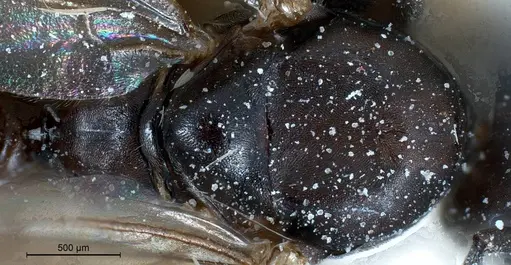
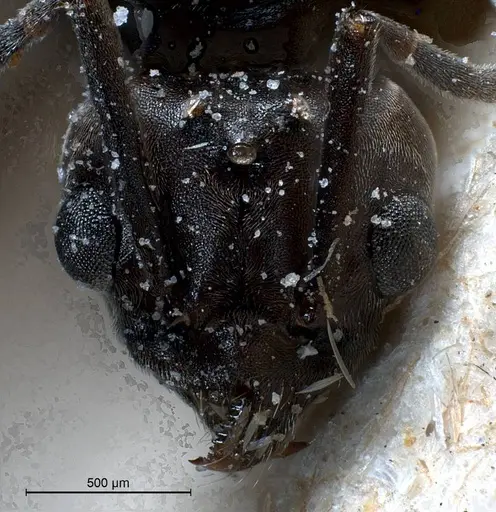
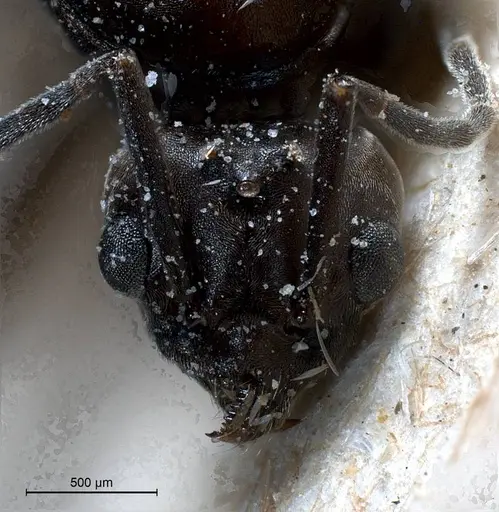
ANTWEB1038036
View on AntWeb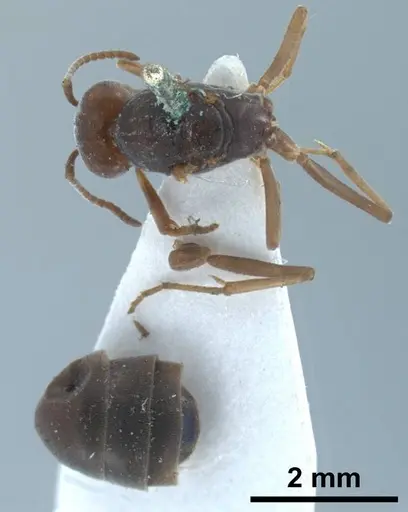
ANTWEB1041293
View on AntWeb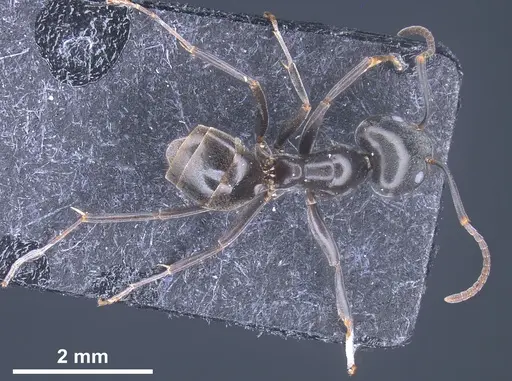
CASENT0249772
View on AntWeb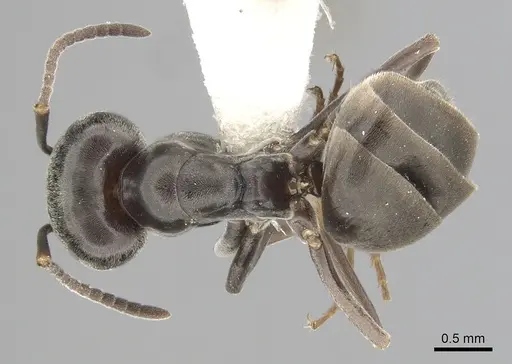
CASENT0280682
View on AntWeb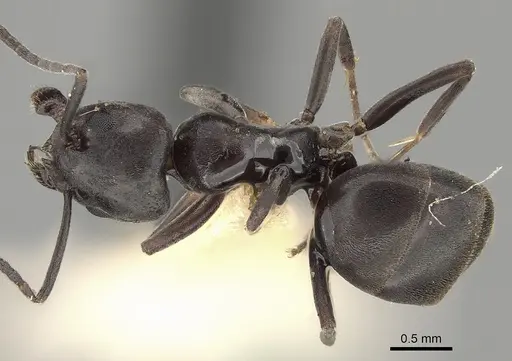
CASENT0911578
View on AntWeb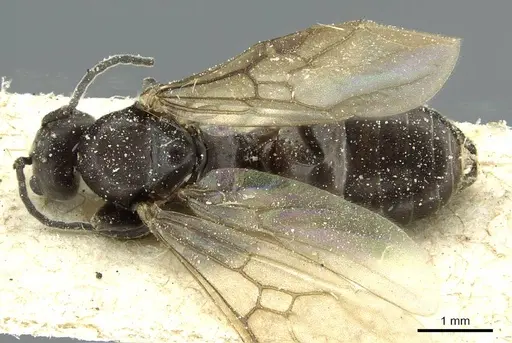
CASENT0915547
View on AntWeb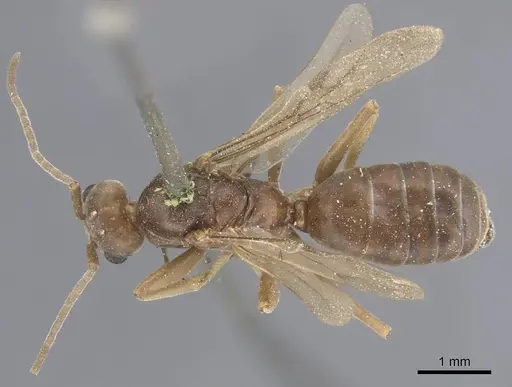
Literature
Loading...Loading products...