

Bothriomyrmex corsicus
- Scientific Name
- Bothriomyrmex corsicus
- Tribe
- Bothriomyrmecini
- Subfamily
- Dolichoderinae
- Author
- Santschi, 1923
- Distribution
- Found in 9 countries
Bothriomyrmex corsicus Overview
Bothriomyrmex corsicus is an ant species of the genus Bothriomyrmex. It is primarily documented in 9 countries , including Austria, Bulgaria, Switzerland. Detailed taxonomic data and occurrence records can be further explored via authoritative databases such as AntWeb or the Global Biodiversity Information Facility (GBIF).
Bothriomyrmex corsicus
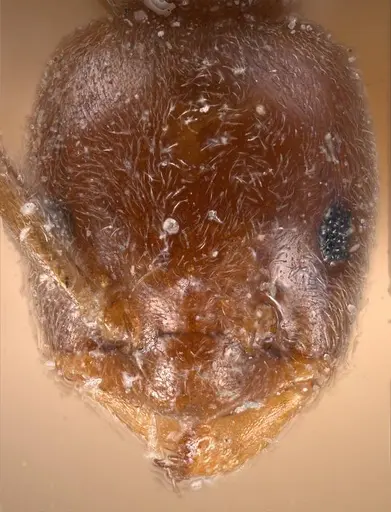
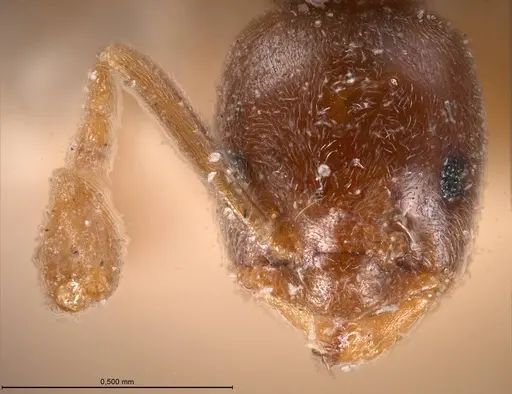
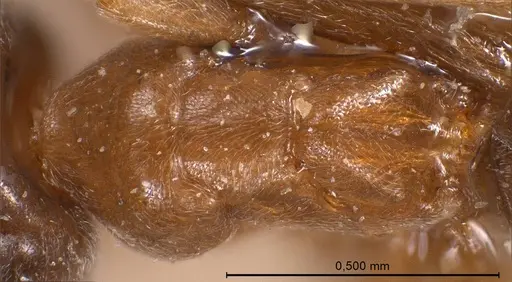
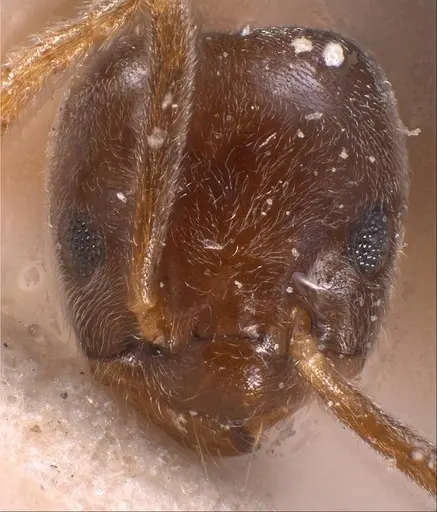
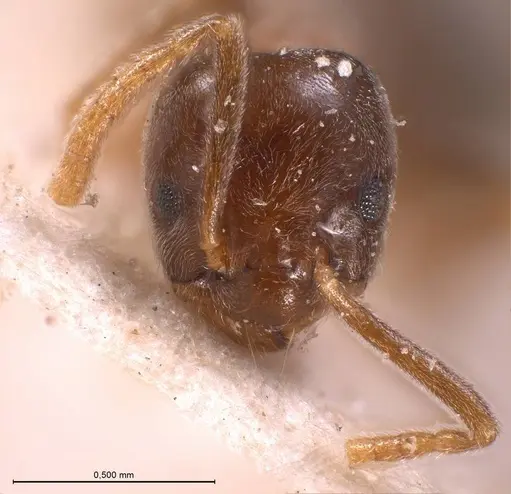
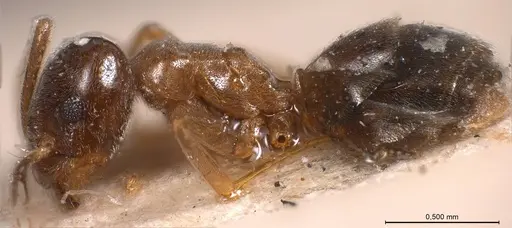
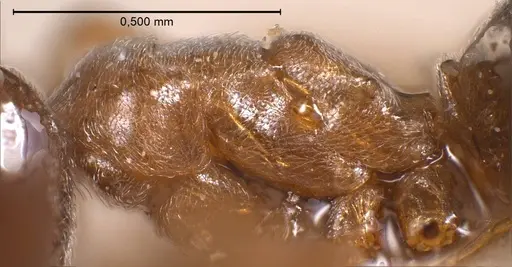
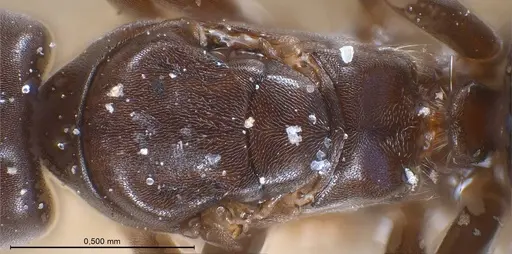
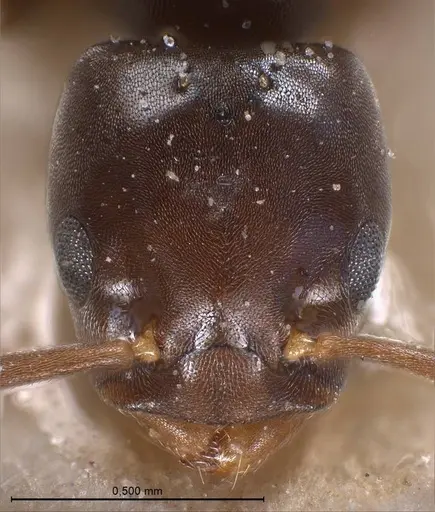
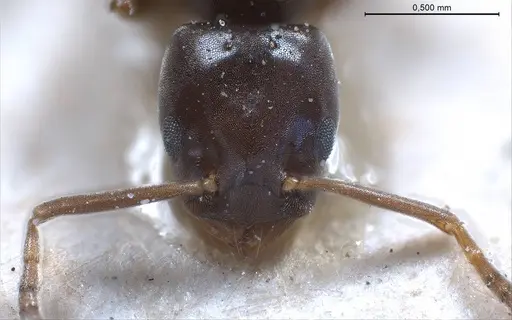
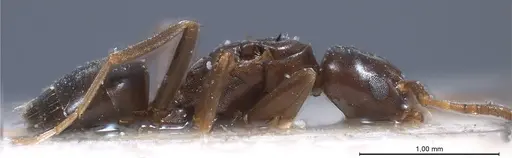
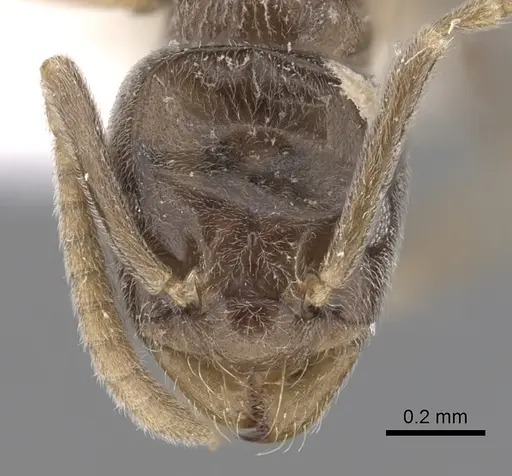
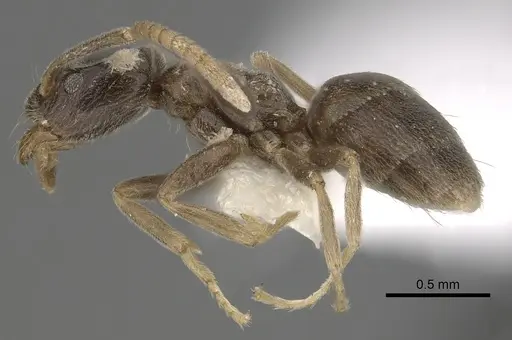
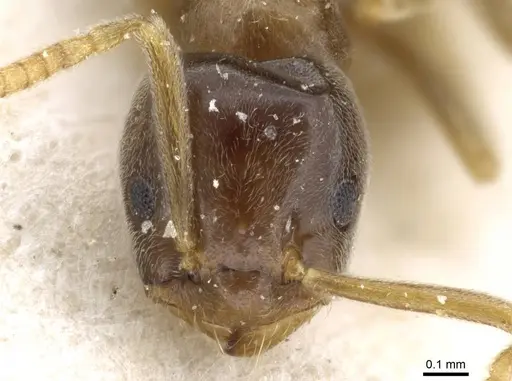
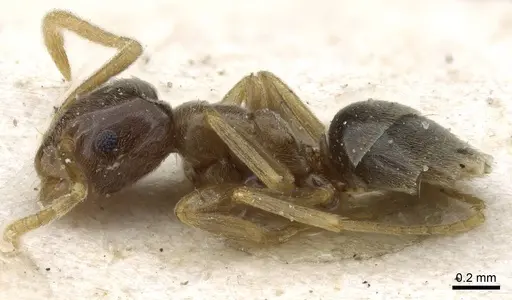
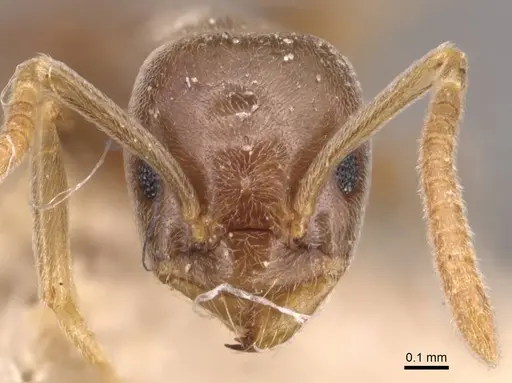
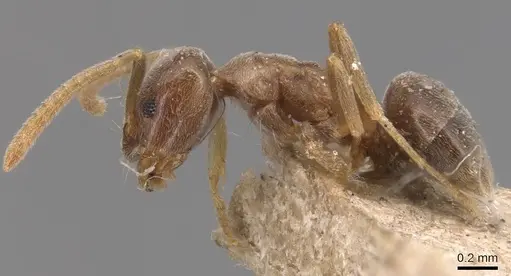
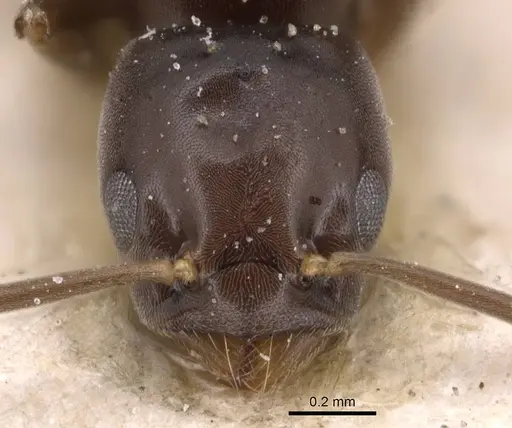
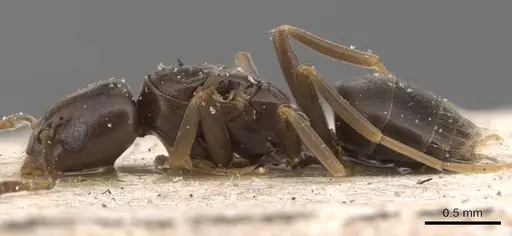
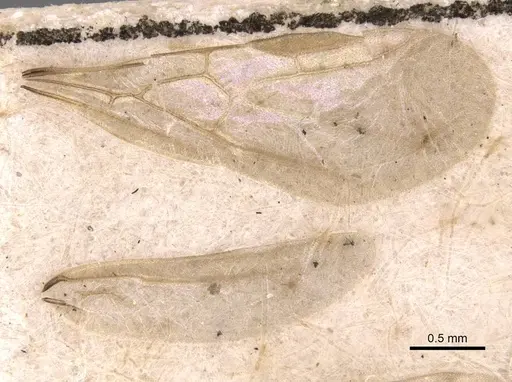
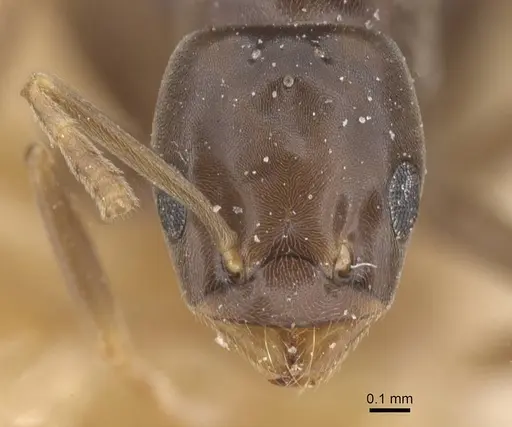
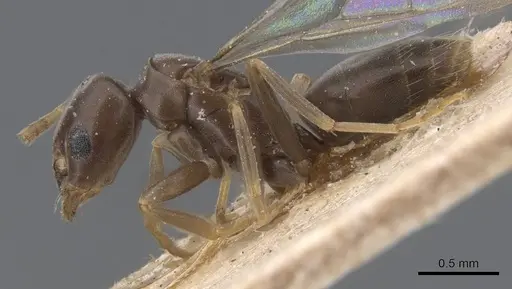
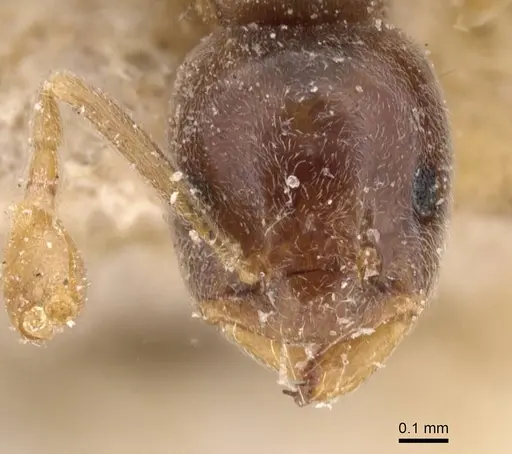
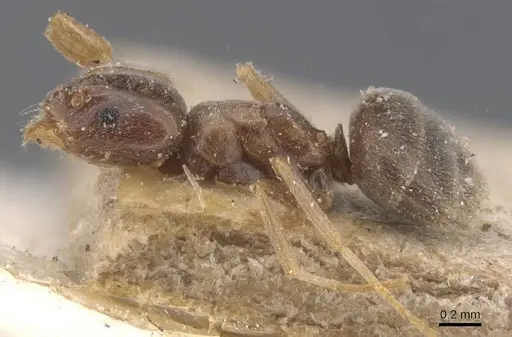
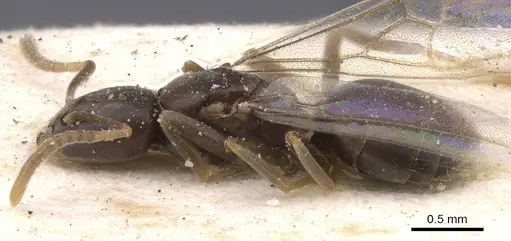
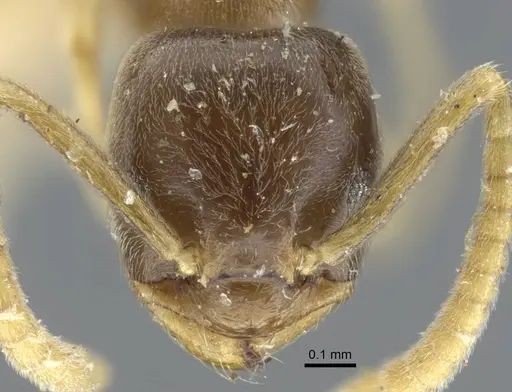
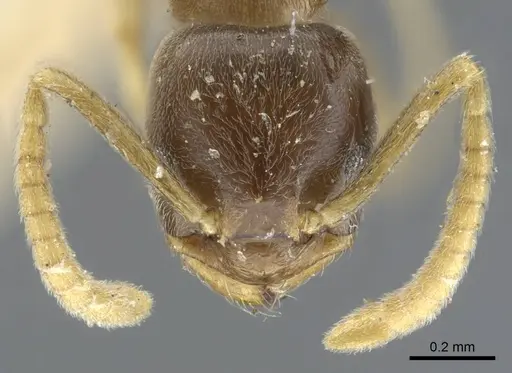
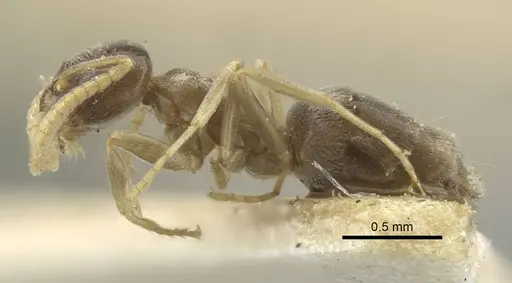
Bothriomyrmex corsicus is a small, yellow Dolichoderine ant native to the Mediterranean region and parts of Central Europe. Workers measure just 0.6mm and have a uniformly yellow coloration including the antennae and legs, making them appear almost translucent. The head is slightly elongated with a distinctive trapezoidal clypeus, and the eyes are relatively large for their size. This species is a temporary social parasite, the queen invades colonies of Tapinoma ants, kills the host queen, and uses the host workers to raise her own brood until the first Bothriomyrmex workers emerge. This parasitic lifestyle makes them exceptionally rare in ant collections and challenging to keep, as they cannot establish colonies without a host [1][2].
Quick Summary
- Difficulty: Expert
- Origin & Habitat: Mediterranean and Central Europe, found across southern France, Corsica, Italy, Slovenia, Switzerland, Austria, Czech Republic, Slovakia, Kosovo, Romania, Bulgaria, Greece, and Turkey. In Greece, they occur at 210-850m elevation in pastures with shrubs and luminous deciduous forest, nesting under stones in warm, dry, open areas [1][2][3].
- Colony Type: Temporary social parasite of Tapinoma species. Colonies are monogynous (single queen) with several thousand workers once established. The queen must invade and take over a Tapinoma colony to found her own [4][5].
- Colony: Monogyne
- Queen: Socially parasitic, Temporary parasitic
- Size & Growth:
- Queen: 0.69-0.76mm [2]
- Worker: 0.59-0.65mm [1]
- Colony: Several thousand workers in mature colonies [4]
- Growth: Moderate, growth depends on host colony integration
- Development: Unknown, development occurs within host colony after queen adoption (Direct development data unavailable. Unlike free-living species, this parasitic ant's development is tied to host colony resources after the queen takes over.)
- Antkeeping:
- Temperature: Keep at 20-25°C, they are thermophilous and prefer warm conditions. In their native range, mean summer temperatures average 17-18°C, but they do well in heated setups [2].
- Humidity: Low to moderate, they prefer dry, xerothermous conditions typical of Mediterranean karst regions. Avoid overly humid setups [2].
- Diapause: Likely, as a Mediterranean species, they probably experience reduced activity in winter months, but specific diapause requirements are unconfirmed.
- Nesting: In nature they nest under stones in warm, dry, open areas. In captivity, they would need to be introduced to an established Tapinoma colony. A naturalistic setup with a test tube connected to a formicarium works once parasitism is established.
- Behavior: Non-aggressive and docile by nature, they rely on host workers rather than developing their own foraging behavior initially. Workers are small and slow-moving. Escape risk is moderate due to their tiny size, use fine mesh barriers. They are rarely aggressive and pose no threat to humans [2].
- Common Issues: extreme difficulty establishing colonies, requires successful introduction to live Tapinoma host colony, queen adoption failure, host workers often reject or kill the invading queen, colony collapse if host Tapinoma colony dies or rejects the parasites, tiny size makes escape prevention challenging without proper barriers, virtually unavailable in the antkeeping hobby due to parasitic nature
Understanding Their Parasitic Lifestyle
Bothriomyrmex corsicus is what antkeepers call a 'temporary social parasite.' Unlike most ants where a queen founds a new colony alone, these ants require a host species to establish. The queen must find an established Tapinoma colony, infiltrate it, kill or replace the host queen, and then use the existing host workers to raise her own brood. This is a remarkable strategy, the queen doesn't need to lay eggs initially because she tricks the host workers into caring for her as if she were their own queen. Over time, the host workers die off and are replaced by her own Bothriomyrmex workers. This makes them one of the most challenging ants to keep, as you cannot simply set up a founding queen in a test tube [4][5].
Housing and Colony Establishment
Keeping Bothriomyrmex corsicus requires a completely different approach than typical ants. You cannot keep them in isolation, they need a functioning Tapinoma host colony to survive. The practical approach is to obtain an established Tapinoma colony and introduce the Bothriomyrmex queen, though success rates are low. Some keepers report better success by placing the parasite queen in a separate container with workers from the host colony for a period before combining them. Once established, the colony can be kept in a standard formicarium with proper escape prevention. The nest should be kept dry and warm, mimicking their Mediterranean habitat. They do best when connected to an outworld where they can forage alongside host workers [4].
Temperature and Care Requirements
As a Mediterranean species, Bothriomyrmex corsicus prefers warm conditions. Keep the nest area at 20-25°C, which is warmer than many temperate species prefer. They naturally occur in areas with mean summer temperatures around 17-18°C but do well in heated setups. A heating cable on one side of the nest can create the temperature gradient they prefer. Humidity should be low to moderate, these are ants of dry, xerothermous habitats and too much moisture will cause problems. Ensure good ventilation to prevent mold while maintaining these warm, dry conditions. Unlike many ants, they do not need constant access to water, the host colony typically handles moisture needs [2][6].
Behavior and Interactions
Once established within a host colony, Bothriomyrmex workers are docile and non-aggressive. They do not defend their colony aggressively because they rely on host workers for defense and foraging. Workers are small, slow-moving, and spend most of their time in the nest area. The parasitic relationship is fascinating to observe, you may see Bothriomyrmex workers being fed and tended by Tapinoma workers, a behavior called 'trophallaxis.' Over time, as the host workers die off, the colony transitions to being primarily Bothriomyrmex. They pose no sting risk to humans due to their tiny size and docile nature [2].
Why This Species Is So Rare in Captivity
Bothriomyrmex corsicus is virtually unavailable in the antkeeping hobby for several important reasons. First, they cannot be collected as founding colonies, you cannot find a queen and start a colony from scratch like you would with Lasius or Camponotus. Second, even if you find a queen and a Tapinoma colony, the introduction process has a very low success rate. Third, the entire established colony is fragile, if the host Tapinoma colony dies or rejects the parasites, your Bothriomyrmex colony collapses. For these reasons, even experienced antkeepers rarely attempt this species. If you're interested in parasitic ants, you may have better success with permanently parasitic genera like Teleutomyrmex or Anergates, though these are even more difficult to obtain [4][5].
Frequently Asked Questions
Can I keep Bothriomyrmex corsicus like a normal ant colony?
No. These are temporary social parasites that require a host Tapinoma colony to survive. You cannot keep them in isolation, they will die without host workers to care for them. This makes them fundamentally different from typical ant species.
How do I establish a Bothriomyrmex corsicus colony?
You need to obtain an established Tapinoma colony and introduce the Bothriomyrmex queen. Success rates are very low because host workers often reject or kill the invading queen. This is an advanced technique that most antkeepers should avoid.
What do Bothriomyrmex corsicus eat?
Once established, they likely share the Tapinoma diet, they eat honeydew from aphids and small insects. However, they rely on host workers to forage for them, so you don't need to feed them directly in the early stages.
Are Bothriomyrmex corsicus good for beginners?
No. This is an expert-level species that requires specialized knowledge of parasitic ant behavior and advanced colony management skills. Even experienced antkeepers struggle with them. Beginners should start with species like Lasius niger or Messor structor.
Where can I find Bothriomyrmex corsicus in the wild?
They occur across the Mediterranean and into Central Europe, southern France, Italy, Greece, Bulgaria, and others. They nest under stones in warm, dry, open areas. However, finding them is only useful if you also find a Tapinoma colony to pair them with.
What happens if the host Tapinoma colony dies?
The Bothriomyrmex colony will also die. They are entirely dependent on the host workers for survival and cannot survive on their own. This makes them an extremely risky investment.
How big do Bothriomyrmex corsicus colonies get?
Mature colonies can reach several thousand workers. However, reaching this size is rare in captivity due to the challenges of establishing the parasitic relationship.
Do they need hibernation?
Probably not, as a Mediterranean species, they likely experience only mild winter slowdown rather than true hibernation. Keep them at room temperature year-round.
References

This caresheet is licensed under CC BY-SA 4.0 .
ANTWEB1008368
View on AntWeb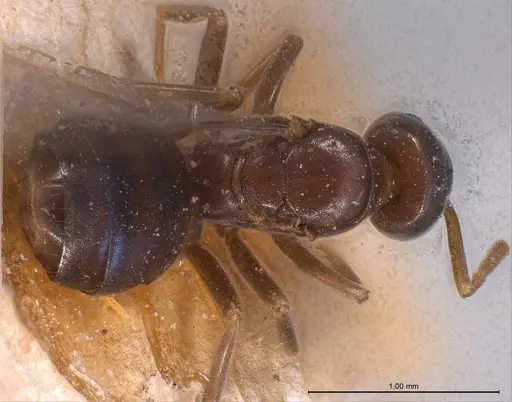
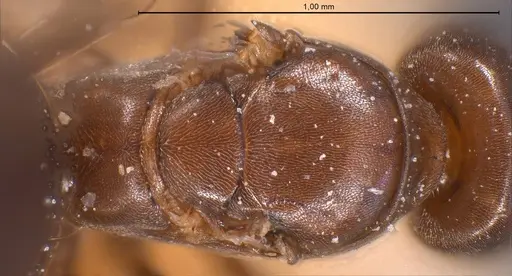
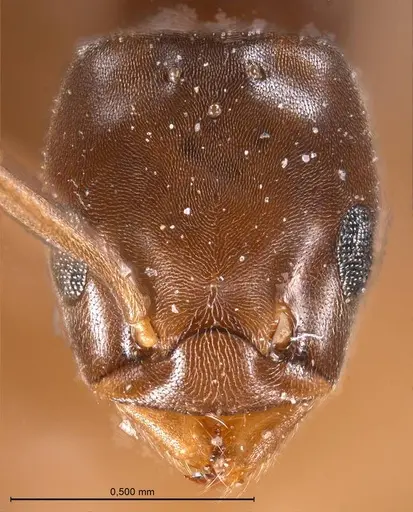
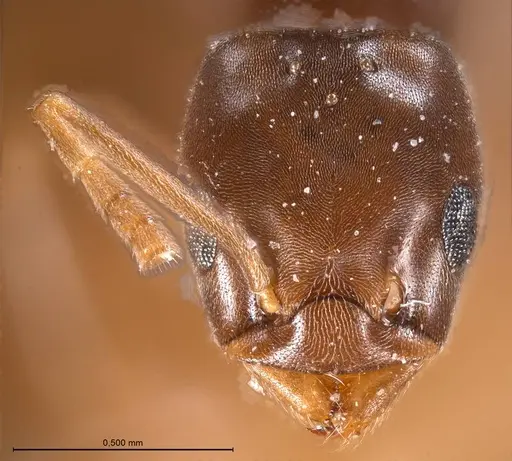
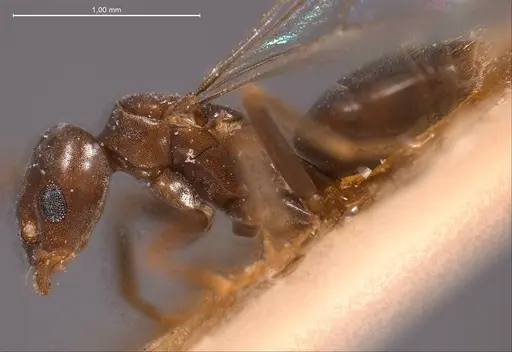
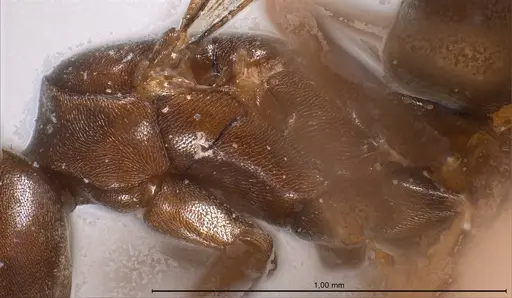
ANTWEB1008372
View on AntWeb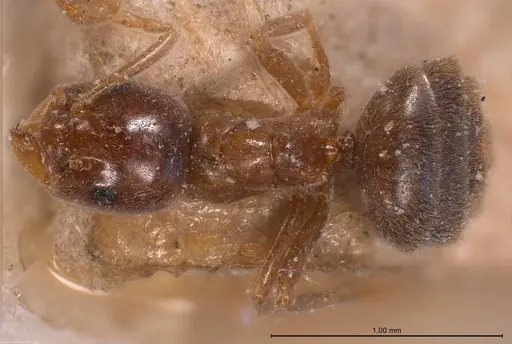
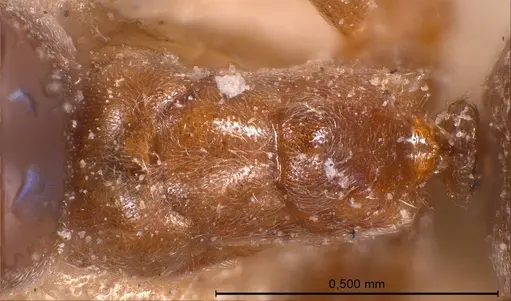
ANTWEB1008374
View on AntWeb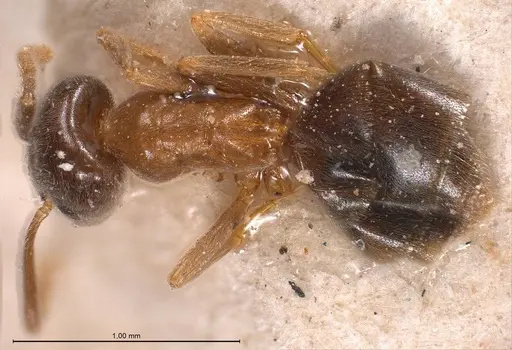
ANTWEB1008375
View on AntWeb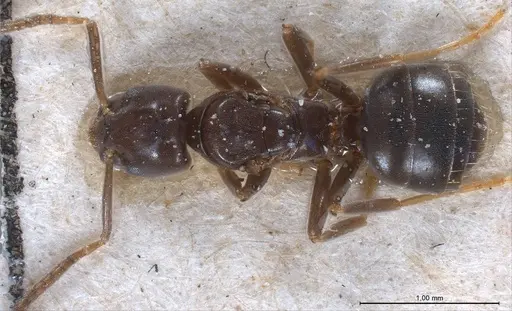
CASENT0249556
View on AntWeb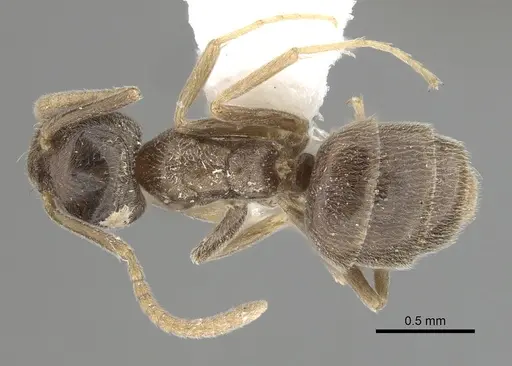
CASENT0281571
View on AntWeb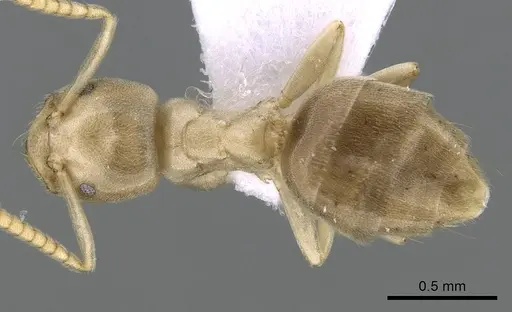
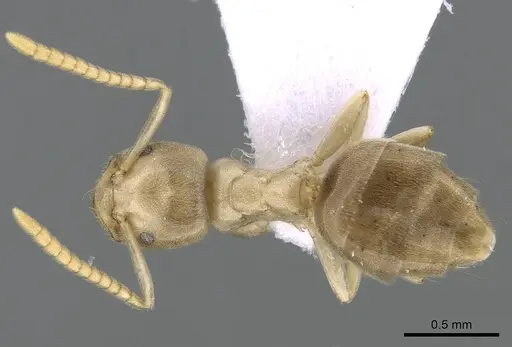
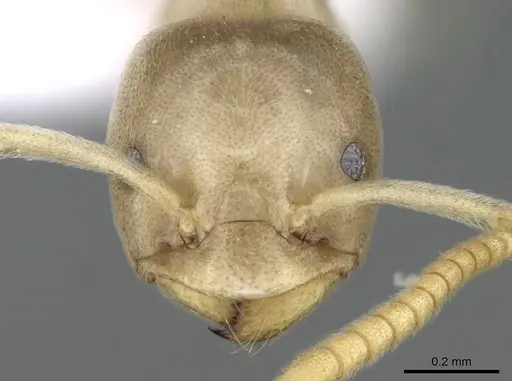
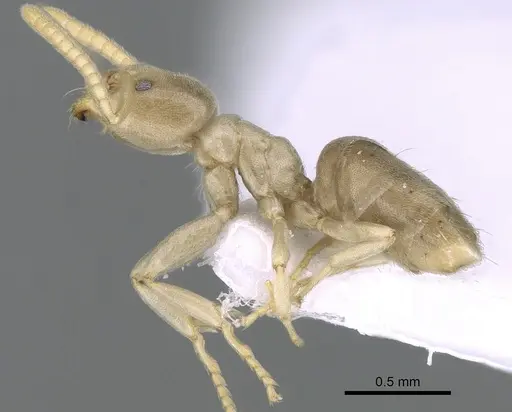
CASENT0905118
View on AntWeb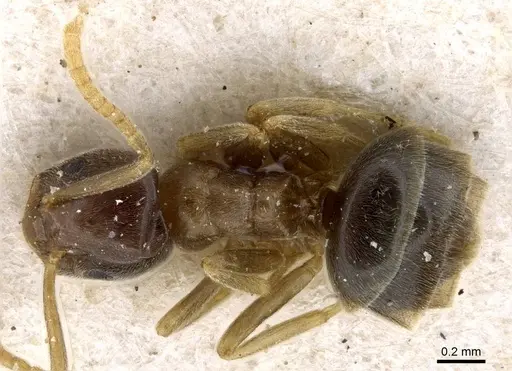
CASENT0905119
View on AntWeb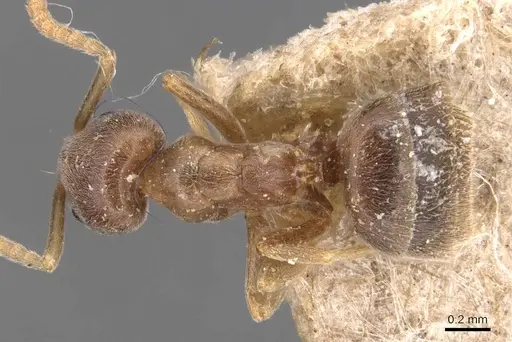
CASENT0905122
View on AntWeb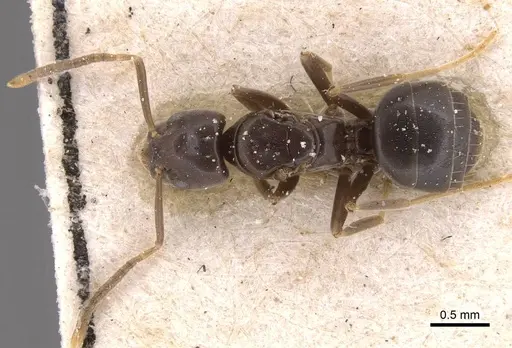
CASENT0911471
View on AntWeb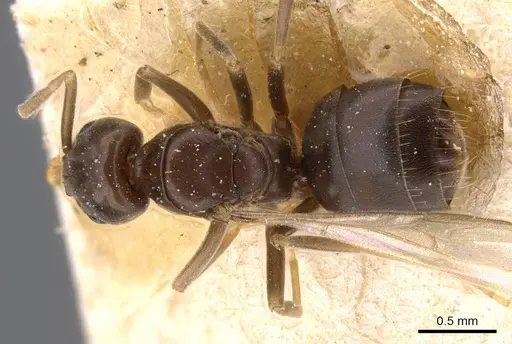
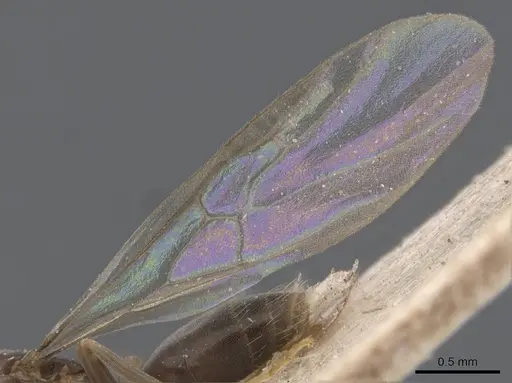
CASENT0911472
View on AntWeb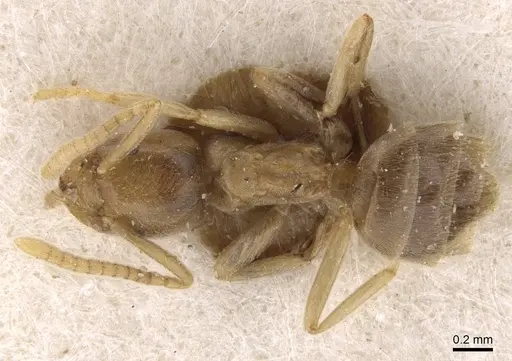
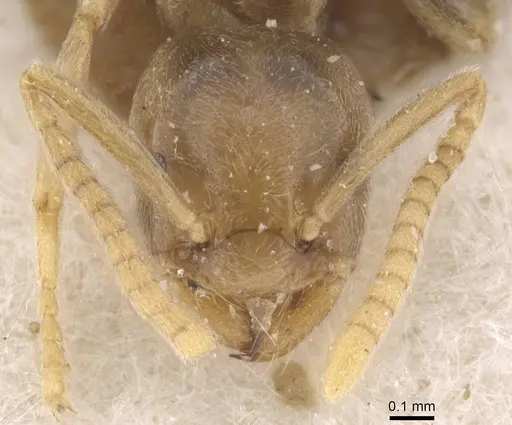
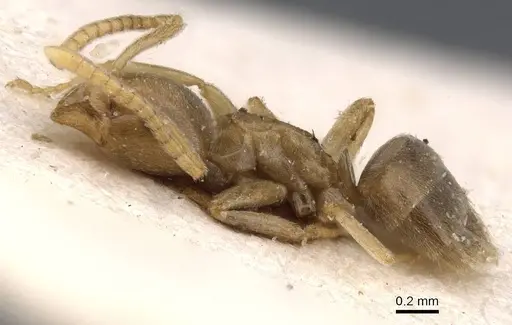
CASENT0911480
View on AntWeb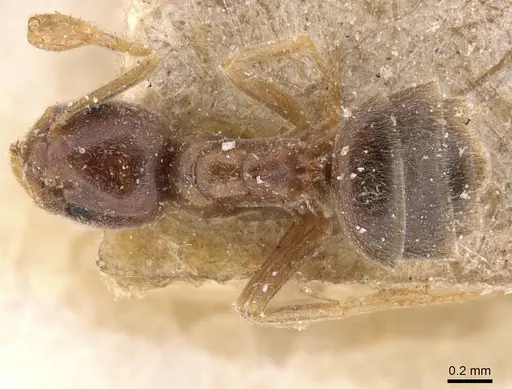
CASENT0911481
View on AntWeb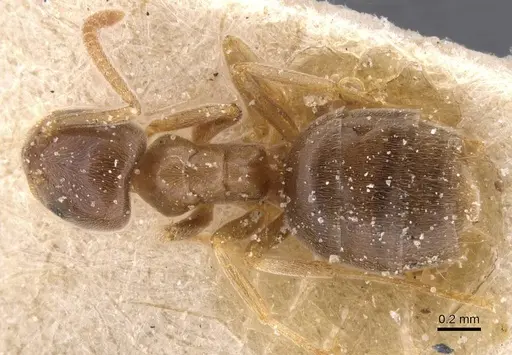
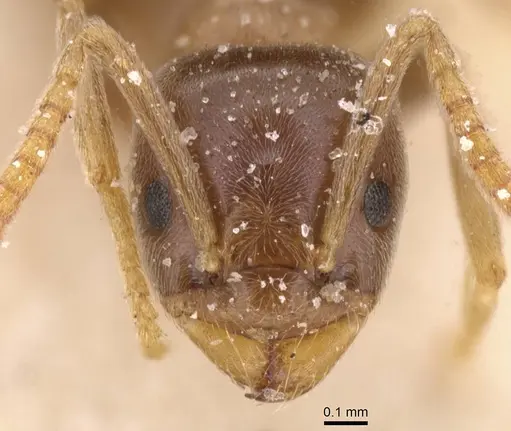
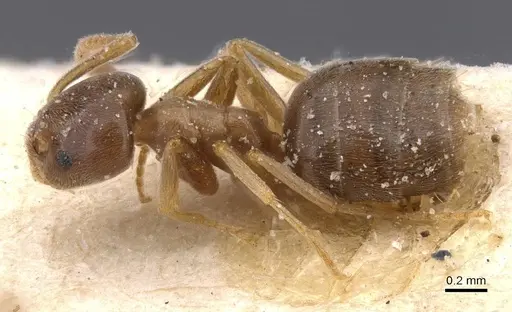
CASENT0911484
View on AntWeb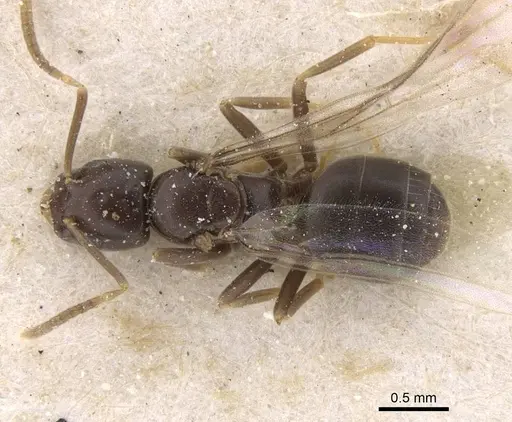
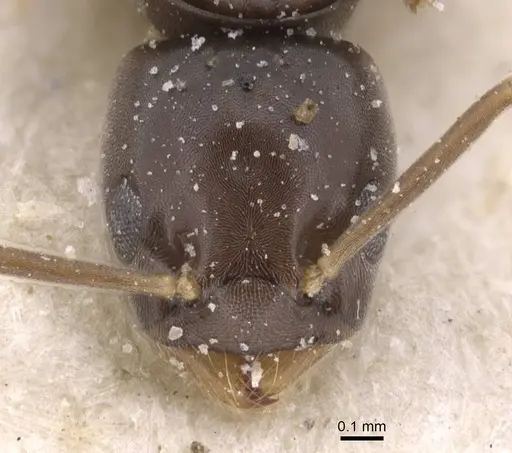
CASENT0917119
View on AntWeb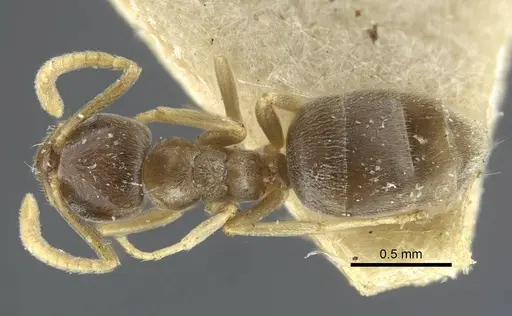
Literature
Loading...Loading products...