

Atta saltensis
- Scientific Name
- Atta saltensis
- Tribe
- Attini
- Subfamily
- Myrmicinae
- Author
- Forel, 1913
- Distribution
- Found in 3 countries
Atta saltensis Overview
Atta saltensis is an ant species of the genus Atta. It is primarily documented in 3 countries , including Argentina, Bolivia, Plurinational State of. Detailed taxonomic data and occurrence records can be further explored via authoritative databases such as AntWeb or the Global Biodiversity Information Facility (GBIF).
Atta saltensis
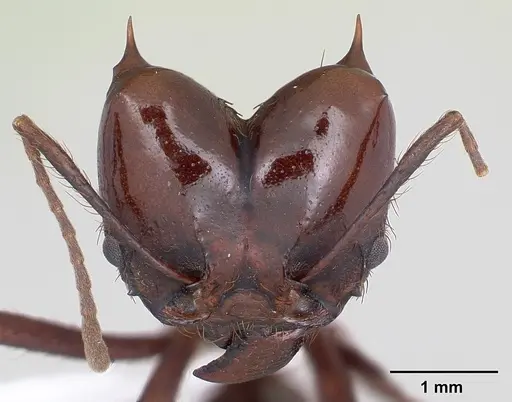
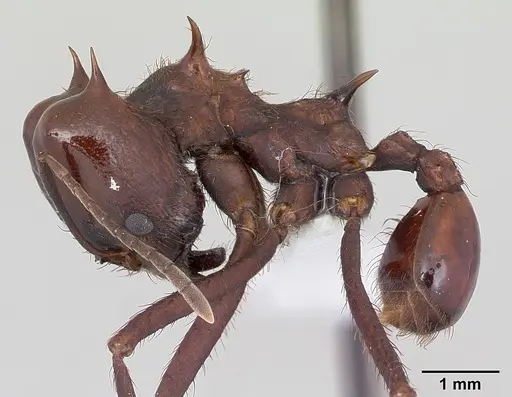
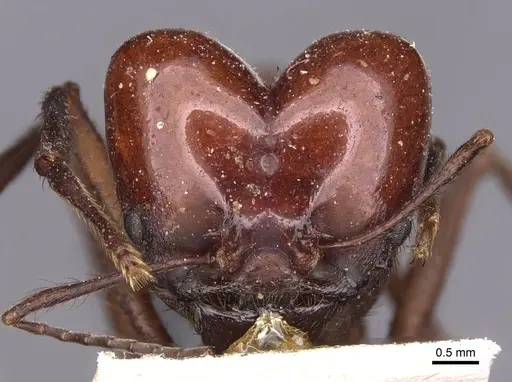
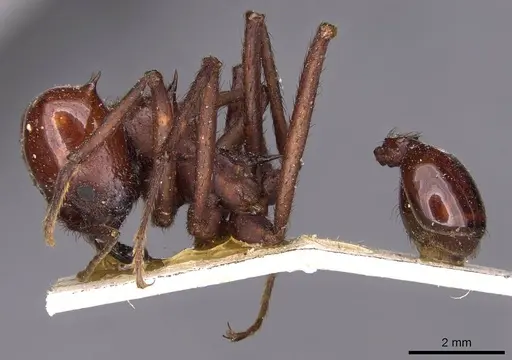
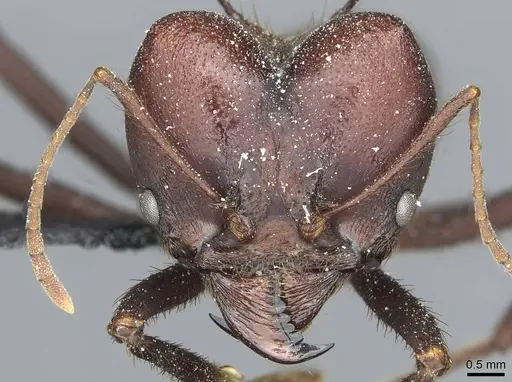
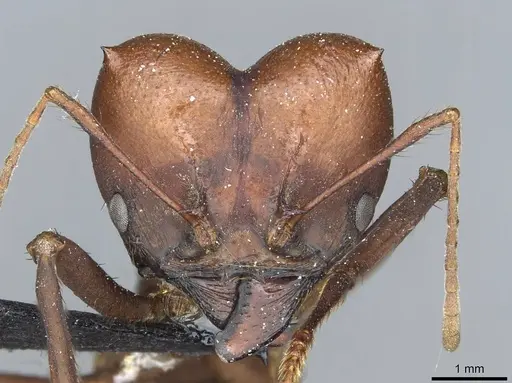
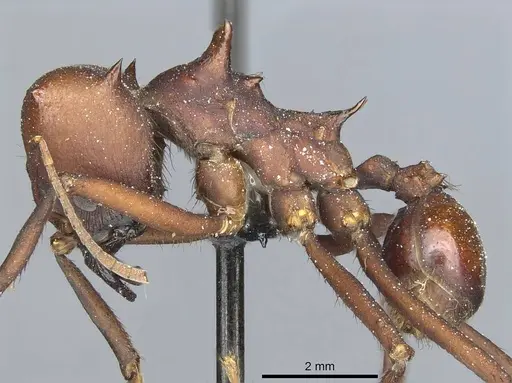
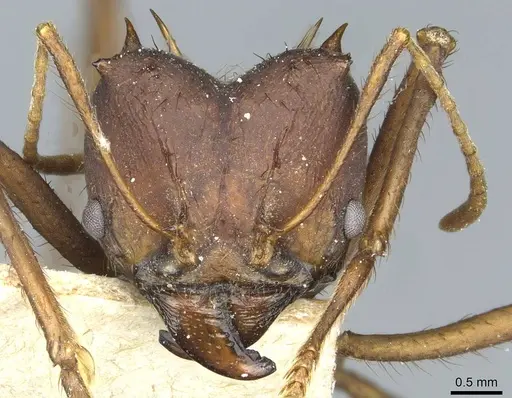
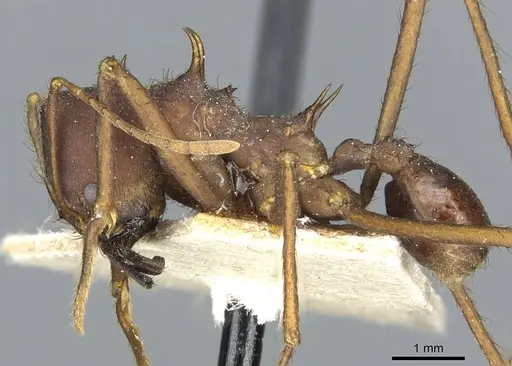
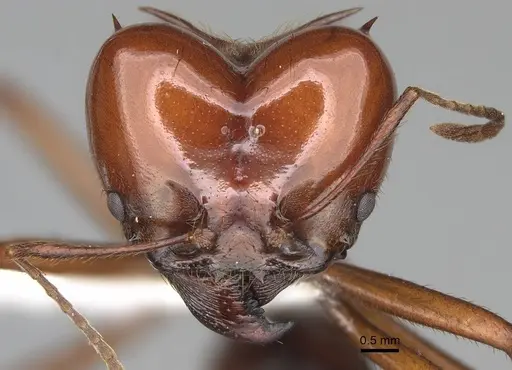
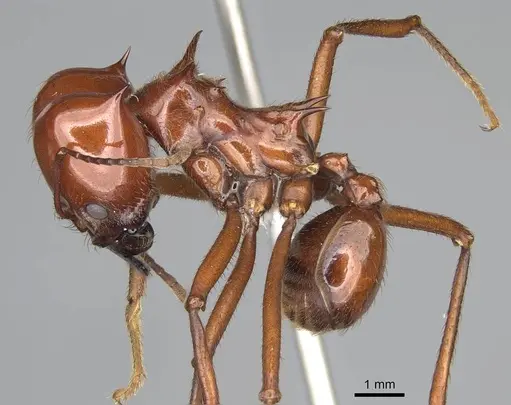
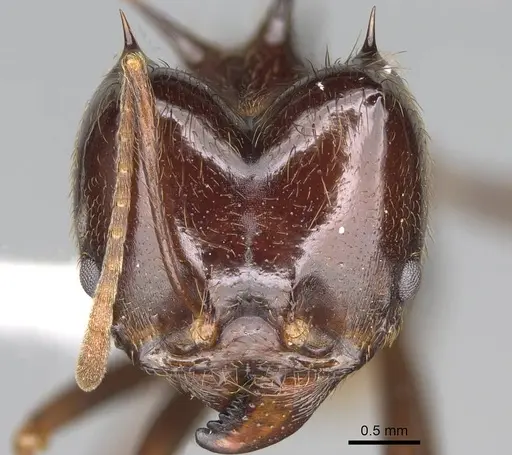
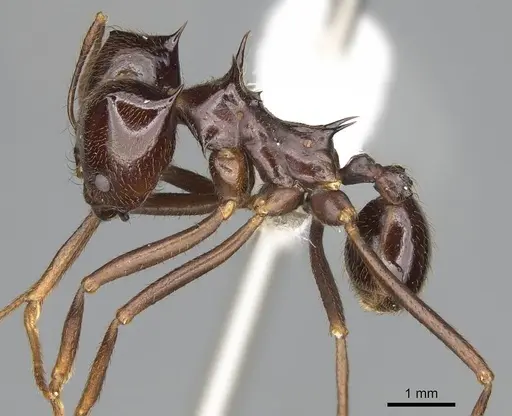
Atta saltensis is a leafcutter ant native to the semi-arid Chaco regions of South America. You will find them in Argentina, Bolivia, Paraguay, and Brazil, where they build large, visible nests in open, dry areas rather than humid rainforests [1][2]. Like other leafcutters, they have workers of different sizes, from tiny gardeners to large soldiers with powerful jaws and spines on their thorax.
What sets them apart from many leafcutter ants is their preference for dry habitats and their specific diet. While some Atta species harvest grasses, Atta saltensis forages exclusively on dicots, broad-leaved flowering plants [1]. They send workers along trunk trails that can stretch up to 150 meters from the nest to find the right leaves [3]. They belong to the Epiatta clade, closely related to Atta vollenweideri and Atta capiguara [4][5].
Quick Summary
- Difficulty: Expert
- Origin & Habitat: Semi-arid Chaco and dry regions of Argentina, Bolivia, Paraguay, and Brazil [1][2]
- Colony Type: Likely single-queen based on typical Atta patterns, though specific structure is unconfirmed
- Size & Growth:
- Queen: Unknown specifically, likely large (20mm+) based on typical Atta patterns
- Worker: Unknown specifically, polymorphic from small to large soldiers likely 3-15mm based on genus patterns
- Colony: Unknown specifically, likely thousands of workers based on typical Atta patterns
- Growth: Unknown specifically, likely moderate to fast once established
- Development: Unknown specifically, estimate 6-10 weeks at warm temperatures based on related Atta species (Timeline is unconfirmed for this species)
- Antkeeping:
- Temperature: Keep warm and stable, roughly 24-28°C. They are tropical climate specialists [6] from semi-arid regions [1]. Start at 25°C and adjust based on activity levels.
- Humidity: Semi-arid adapted but fungus gardens need moisture. Provide well-ventilated humidity with damp nest material, not waterlogged, never dry completely.
- Diapause: No [6]
- Nesting: Large underground nests with internal refuse chambers [7][2]. You will need a large formicarium with dedicated fungus garden space and room to expand.
- Behavior: Active foragers specializing in dicot leaves [1], using trunk trails up to 150m [3]. Soldiers have powerful mandibles for defense. Escape prevention is critical for large workers.
- Common Issues: fungus garden crashes if humidity is wrong or leaves are contaminated with pesticides., massive space requirements, colonies grow large and need room for expansion and foraging., exclusive dicot diet limits food options and requires constant supply of fresh, uncontaminated broad-leaved plants [1]., long foraging distances mean you need large outworlds or outdoor foraging setups to prevent stress [3].
Distribution and Natural Habitat
Atta saltensis lives in the semi-arid and dry regions of South America, specifically the Chaco biome spanning Argentina, Bolivia, Paraguay, and Brazil [1][2]. You will find them in open habitats with large, conspicuous nests rather than shaded forest [2]. They are classified as Tropical Climate Specialists [6] and occur in areas ranging from the dry Chaco to the Brazilian savanna [8]. Their distribution may be restricted by environmental barriers such as climatic differences between wet and dry Chaco regions and temperature decreases in southern Argentina [1].
Nest Structure and Space Requirements
In nature, these ants build large, conspicuous nests in open areas [2]. They maintain internal refuse chambers for waste management [7]. In captivity, you must provide a large formicarium with room for the fungus garden, the heart of the colony. The setup needs expansion space as the colony grows, plus large outworlds or outdoor foraging areas to accommodate their long foraging trails [3]. Ventilation is important to prevent mold in the fungus garden while maintaining humidity.
Feeding and Fungus Cultivation
Atta saltensis forages exclusively on dicotyledonous plants, broad-leaved flowering plants [1]. They do not accept grasses or monocots. Workers travel along trunk trails up to 150 meters to collect leaves [3]. You must provide fresh, pesticide-free dicot leaves constantly. The ants process these leaves to grow their fungus gardens, which feed the colony. Any contamination on leaves can kill the fungus and collapse the colony.
Temperature and Climate Care
Keep these ants warm and stable, roughly 24-28°C. They are tropical climate specialists [6] adapted to semi-arid conditions [1]. Unlike some leafcutters from humid rainforests, they tolerate drier air, but their fungus garden still needs consistent moisture. Do not hibernate them, they remain active year-round [6]. Use a heating cable on one side of the nest to create a gentle gradient, placing it on top to avoid drying the nest material from below.
Colony Founding and Growth
Founding behavior is unconfirmed for this specific species. Based on typical Atta patterns, queens likely seal themselves in with a fungus pellet and raise the first workers alone (claustral founding), but this is not documented for Atta saltensis specifically. Growth rate and maximum colony size are unknown, though they likely follow the Atta pattern of slow initial growth followed by rapid expansion to large colony sizes.
Frequently Asked Questions
Can I keep Atta saltensis in a test tube?
No. These ants cultivate fungus gardens and need specialized formicariums with space for the fungus garden, proper ventilation, and room to expand. Test tubes are completely unsuitable.
What do Atta saltensis eat?
They forage exclusively on dicotyledonous plants, broad-leaved flowering plants [1]. Unlike some leafcutters that accept grasses, these ants need dicot leaves only.
Do Atta saltensis need hibernation?
No. They are tropical climate specialists from warm regions and remain active year-round without winter rest [6].
How long until first workers for Atta saltensis?
The timeline is unconfirmed. Based on other Atta species, expect roughly 6-10 weeks at optimal temperatures around 25-28°C, but this is uncertain for this specific species.
Are Atta saltensis good for beginners?
No. They are expert-level ants due to the complexity of fungus garden maintenance, massive space requirements as colonies grow, and the need for constant fresh, uncontaminated plant material.
How big do Atta saltensis colonies get?
Specific maximum size is unknown, but Atta colonies typically grow large, likely thousands of workers or more based on genus patterns.
Can I keep multiple Atta saltensis queens together?
Not recommended. Combining unrelated queens has not been documented for this species, and Atta typically form single-queen colonies.
Why are my Atta saltensis dying?
Common causes include fungus garden failure from wrong humidity, contaminated leaves with pesticides or chemicals, insufficient space, or inability to forage properly. These are demanding ants requiring precise care.
References

This caresheet is licensed under CC BY-SA 4.0 .
CASENT0173814
View on AntWeb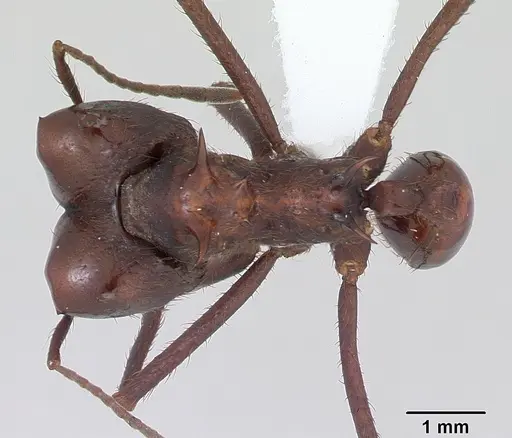
CASENT0909444
View on AntWeb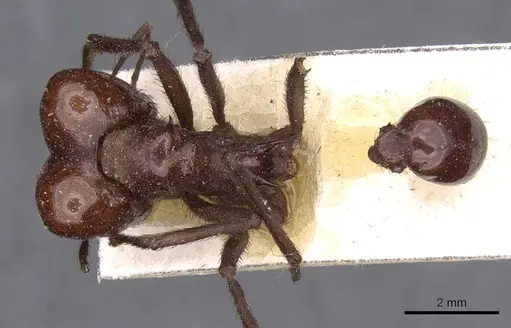
CASENT0912492
View on AntWeb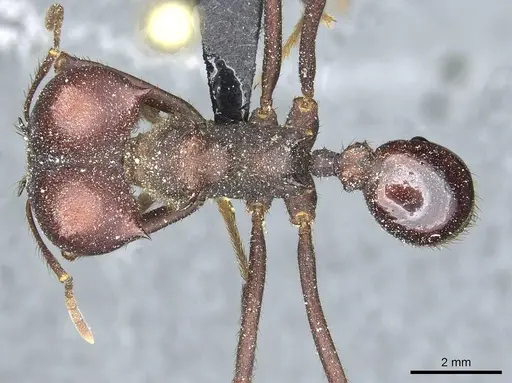
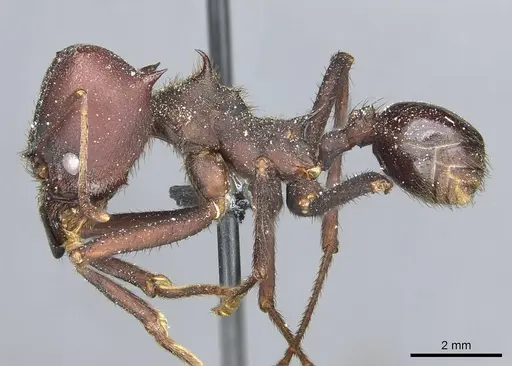
CASENT0912493
View on AntWeb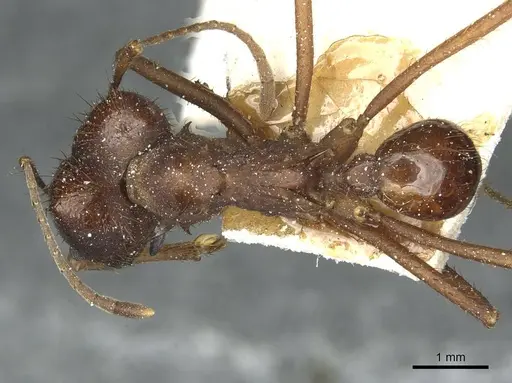
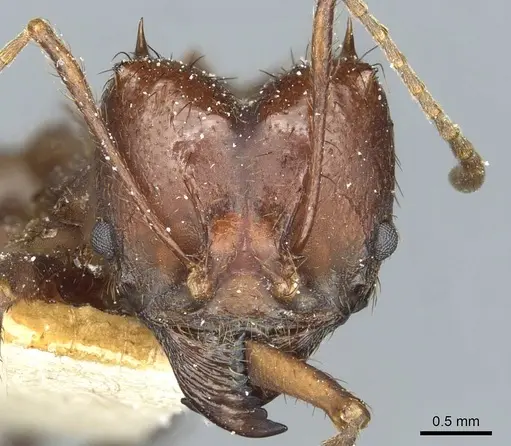
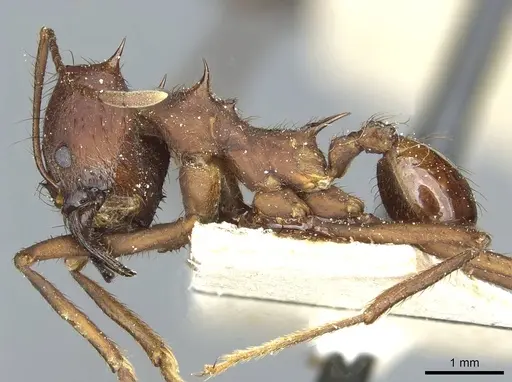
CASENT0912494
View on AntWeb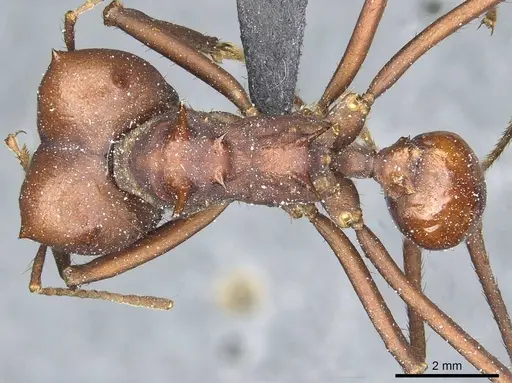
CASENT0912495
View on AntWeb
CASENT0922059
View on AntWeb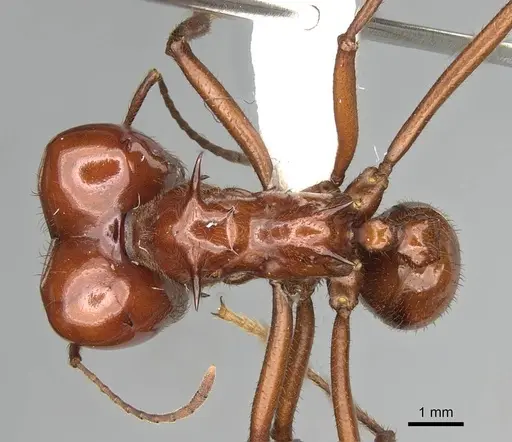
CASENT0922060
View on AntWeb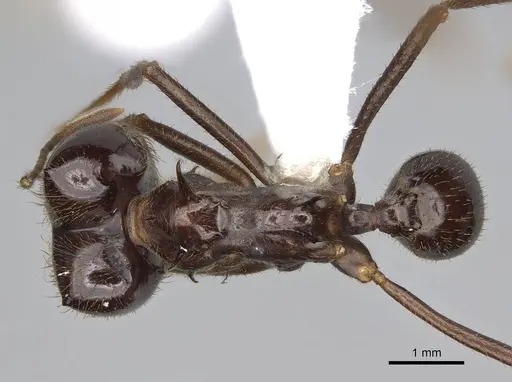
Literature
Loading...Loading products...