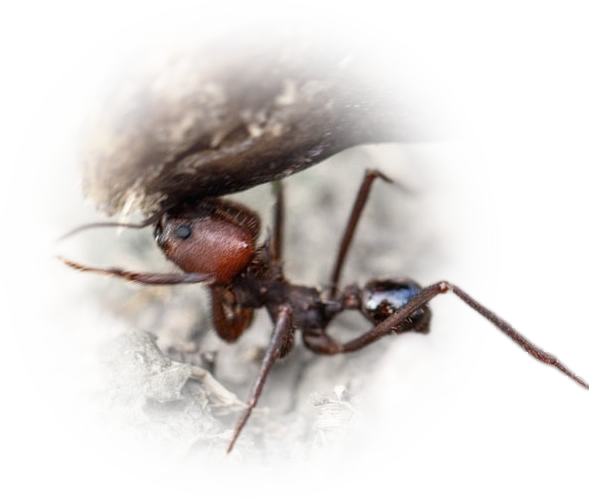

Atta vollenweideri
- Scientific Name
- Atta vollenweideri
- Tribe
- Attini
- Subfamily
- Myrmicinae
- Author
- Forel, 1893
- Common Name
- Chaco Leafcutter Ant
- Distribution
- Found in 3 countries
Atta vollenweideri Overview
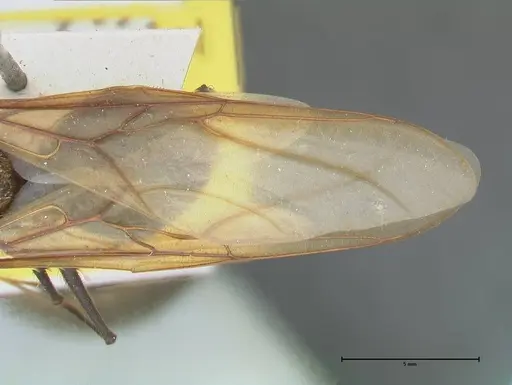
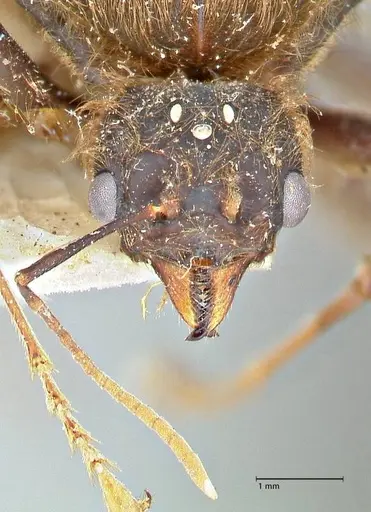
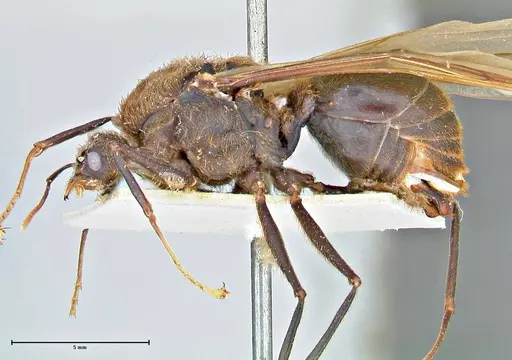
Atta vollenweideri (commonly known as the Chaco Leafcutter Ant) is an ant species of the genus Atta. It is primarily documented in 3 countries , including Argentina, Paraguay, Uruguay. Detailed taxonomic data and occurrence records can be further explored via authoritative databases such as AntWeb or the Global Biodiversity Information Facility (GBIF).
Atta vollenweideri - "Chaco Leafcutter Ant"
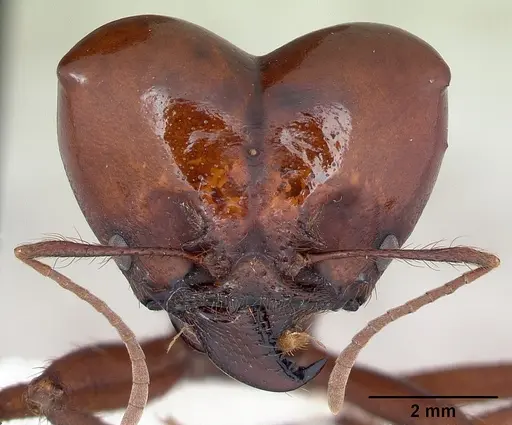
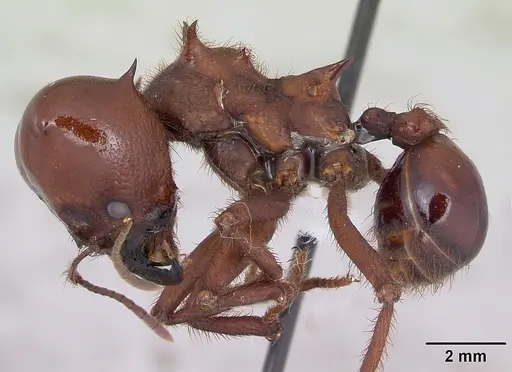
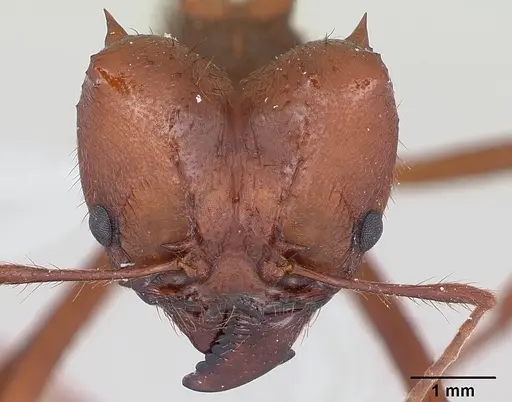
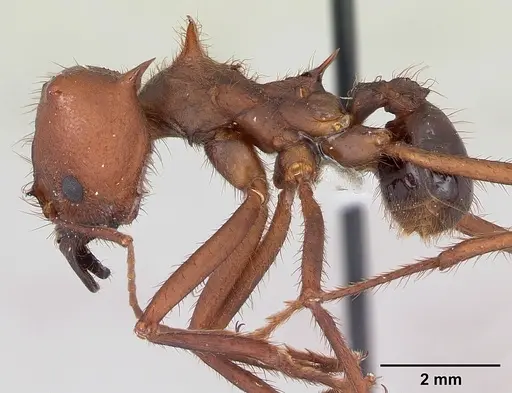
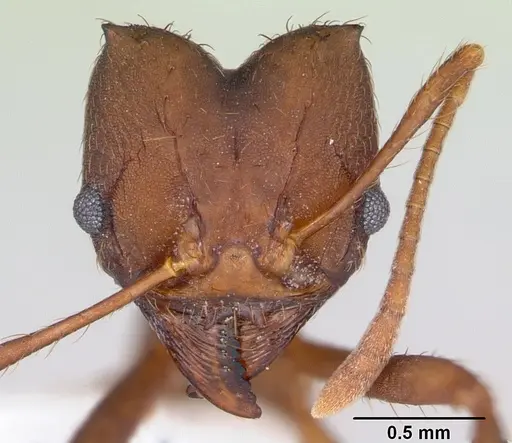
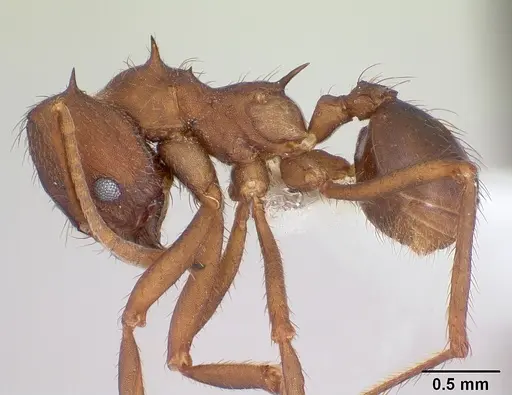
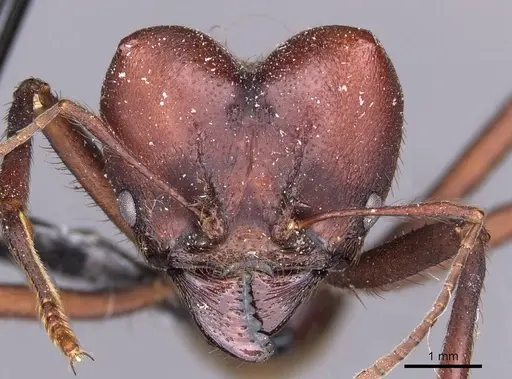
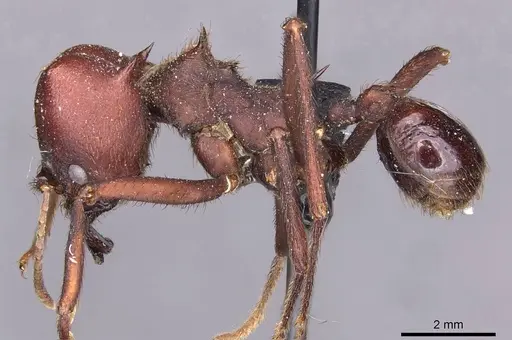
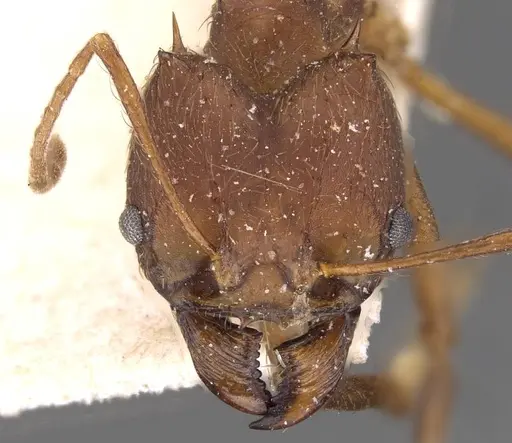
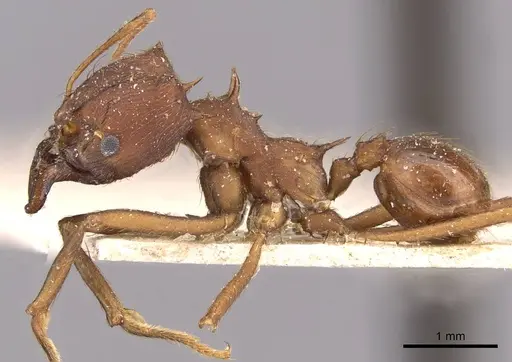
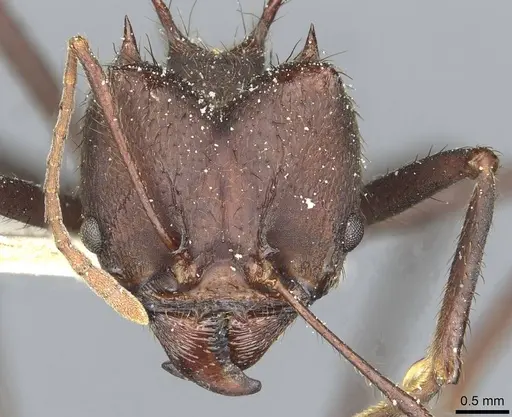
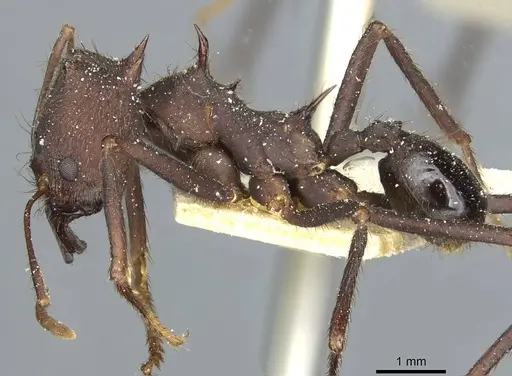
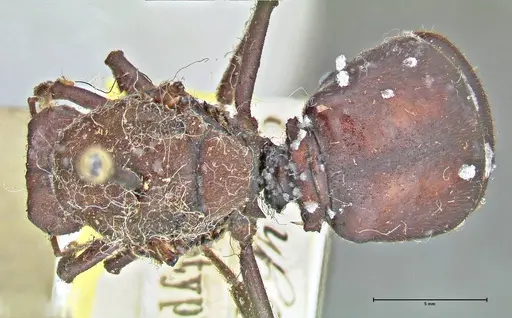
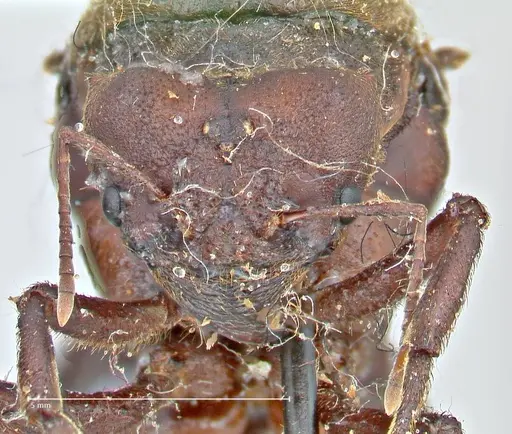
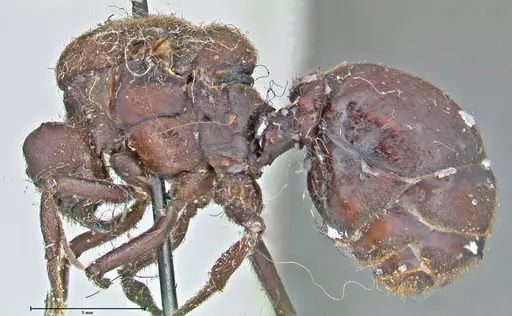
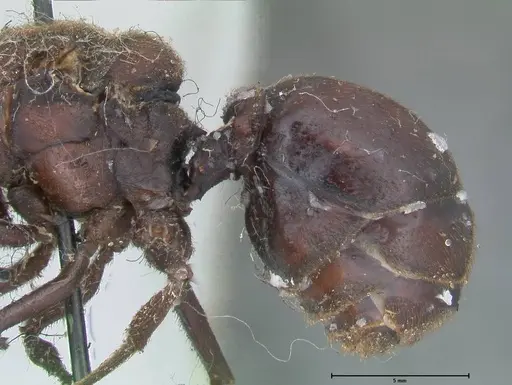
Atta vollenweideri is a highly polymorphic fungus-growing ant native to the Gran Chaco region of South America. Unlike many of its leaf-cutting relatives, this species specializes in cutting grasses and other monocotyledonous plants, earning it the common name 'grass-cutting ant' [1][2]. Workers display extreme size variation, with head widths ranging from 0.5 mm in tiny minim workers to over 3.4 mm in large soldiers [3]. The species constructs elaborate nest mounds featuring distinctive ventilation turrets, conical soil structures that facilitate wind-driven air exchange to manage the high carbon dioxide levels produced by their underground fungus gardens [4][5]. In Paraguay, they are known as 'Ysaú chaco' and are considered significant agricultural pests in pasture lands [2].
Quick Summary
- Difficulty: Expert
- Origin & Habitat: Gran Chaco region of South America (Argentina, Paraguay, Bolivia, Brazil, Uruguay), inhabiting semi-arid grasslands and savannas with clay-heavy soils [1][2][6].
- Colony Type: Strictly monogynous (single-queen colonies). Each colony has one reproductive queen and can reach millions of workers at maturity [7][8].
- Colony: Monogyne
- Founding: Claustral
- Size & Growth:
- Queen: 23.6 mm body length, head width 4.63 mm, dry weight ~392 mg [9][10].
- Worker: Highly polymorphic: head width 0.5-3.4 mm, body length up to 15 mm in largest workers [3][6].
- Colony: Up to 4-10 million workers in mature colonies (7+ years old) [8][11].
- Growth: Very slow, colonies require approximately 5 years to produce their first reproductive alates, with mean colony lifespan around 10 years [9].
- Development: Estimated 8-12 weeks at 25°C based on Atta genus patterns, exact timing unconfirmed for this species. (Development rate depends on fungus garden health and temperature. Nanitic workers (first generation) are smaller and develop faster than subsequent workers.)
- Antkeeping:
- Temperature: 25°C for laboratory rearing [12]. Mating flights occur above 27.7°C [9]. Maintain stable temperatures with minimal fluctuation.
- Humidity: High humidity required, nests maintain 90% internal humidity in nature [13][14]. Keep fungus garden substrate moist but not waterlogged.
- Diapause: No, tropical/subtropical species active year-round, though foraging decreases in cooler dry season [9].
- Nesting: Requires large formicarium with specialized ventilation system mimicking natural turrets. Chambers must accommodate fungus gardens 0.7-3 m deep in nature [15]. Use clay-based or plaster nests with forced ventilation or open turret design to prevent CO2 buildup [4].
- Behavior: Highly organized foraging using transport chains where 2-5 workers sequentially carry grass fragments over distances up to 150 m [16][17]. Workers exhibit task allocation based on size, larger workers cut grass while smaller workers transport it [16]. They construct and modify ventilation turrets based on nest CO2 levels, increasing opening numbers when concentrations reach 5% or higher [4]. Large workers possess enhanced trail-following abilities due to a specialized macroglomerulus in the antennal lobe for detecting trail pheromone (M4MP2C) [18][12].
- Common Issues: fungus garden failure is the primary cause of colony death, requires fresh grass substrate and strict sterility., CO2 buildup in enclosed nests can reach lethal levels without proper ventilation or turret construction [4]., extremely small minim workers (head width, slow growth means years before observing major worker castes or reproductive behavior [9]., diet specificity, requires fresh grasses and monocots, may not accept standard ant foods like seeds or sugars [1].
Nest Architecture and Ventilation
In nature, Atta vollenweideri constructs impressive nest mounds up to 10 meters in diameter and 90 cm high, with underground chambers extending 3-7 meters deep [15][6][19]. The nest features a sophisticated ventilation system utilizing wind-induced airflow through up to 200 surface openings [5]. Workers build conspicuous turrets on central openings using soil pellets and plant fragments [4]. These turrets are not static, workers actively modify them based on nest climate. When CO2 levels reach 5%, workers construct turrets with multiple smaller openings and larger total aperture area to facilitate gas exchange [4]. In captivity, you must replicate this ventilation need. Use a nest design with forced air circulation or open turret structures to prevent CO2 accumulation, which can exceed 5.7% in natural nests [20]. The fungus chambers require high humidity (90%) maintained through damp substrate, but stagnant air will kill the colony [13].
Feeding and Diet
28 m), workers form transport chains where 2-5 individuals sequentially carry a single fragment, increasing efficiency [17]. The ants cannot digest the grass directly, they feed it to their symbiotic fungus (Leucoagaricus gongylophorus, Clade-B) which produces nutritious gongylidia that the ants consume [21]. In captivity, provide fresh grass clippings daily, ensuring they are free from pesticides. The fungus garden requires constant fresh substrate, starvation of even a day or two can collapse the symbiosis.
Colony Founding and Development
Colonies are founded claustrally, after mating flights in late afternoon (around 18:30-19:25), queens dig founding chambers 20-30 cm deep in moist clay soil and seal themselves inside [9][22]. The queen survives entirely on her substantial fat reserves (dry weight ~392 mg) until her first workers hatch [9]. She initiates the fungus garden using spores carried in her infrabuccal pocket [9]. Founding success is extremely low, 99.95% of queens die in the first year [9]. In captivity, provide founding queens with sterile, moist clay or plaster chambers and absolute darkness. Do not disturb the queen during the founding phase, which lasts approximately 2-3 months until the first nanitic workers emerge. The colony grows slowly, reaching significant size only after several years. First alates appear only after year 5,and colonies survive approximately 10 years on average [9].
Temperature and Climate Requirements
Native to the Gran Chaco with mean annual temperatures around 22°C [7]. Laboratory colonies are maintained at 25°C with 50% relative humidity [12]. Mating flights require specific conditions: temperatures above 27.7°C (preferably ~32°C), recent heavy rainfall (at least 64 mm cumulative in the preceding month), and falling atmospheric pressure [9][7]. Workers can learn to use thermal radiation (infrared) as an orientation cue, detecting temperature differences as small as 0.005°C with specialized sensilla coeloconica on their antennae [23][24]. In captivity, maintain stable temperatures between 24-26°C. Avoid temperatures below 20°C or above 35°C. Provide a gentle thermal gradient within the nest to allow workers to regulate fungus garden temperature.
Worker Polymorphism and Division of Labor
1 mm) possess a macroglomerulus (MG) specialized for detecting trail pheromone M4MP2C, while small workers lack this structure [18][10][12]. Large workers with the MG phenotype follow trails at significantly lower pheromone concentrations than small workers [10]. Small workers (minims, head width
Mating Flights and Reproduction
Mating flights occur in the austral spring (October-December), synchronized across colonies over distances up to 130 km [9][7]. Flights happen in late afternoon before dusk (18:30-19:25), making this a day-flying species unlike some nocturnal Atta [7]. Males aggregate on the nest surface before queens emerge, creating a male-biased sex ratio of approximately 8-10 males per queen [9]. Mature colonies produce 30,000-40,000 males and 4,000-5,000 virgin queens annually [9]. After mating high in the air, queens land and shed their wings, then dig founding chambers. The species is strictly monogynous, colonies never accept additional queens [7].
Frequently Asked Questions
How long until Atta vollenweideri colonies get their first workers?
Founding takes approximately 2-3 months from queen settlement to first worker emergence. This is followed by a very slow growth period, the colony requires about 5 years to produce its first winged reproductives (alates) [9].
Can I keep multiple Atta vollenweideri queens together?
No. This species is strictly monogynous (single-queen). Colonies will not accept additional queens, and founding queens must be kept alone [7].
What do Atta vollenweideri eat?
They are grass-cutting specialists that feed on monocotyledonous plants including various pasture grasses like Cenchrus ciliaris, Chloris gayana, and Cynodon species [2]. They do not eat the grass directly but feed it to their symbiotic fungus, which they then consume [21].
Do Atta vollenweideri need hibernation?
No. As a tropical/subtropical species from the Gran Chaco, they remain active year-round. However, foraging activity naturally decreases during the cooler dry season (June-September) [9].
How big do Atta vollenweideri colonies get?
Mature colonies can reach 4-10 million workers and occupy territories covering several hectares [8][11].
What temperature should I keep Atta vollenweideri?
Maintain them at approximately 25°C with high humidity (around 90% in the nest) [12][13]. Mating flights occur above 27.7°C, but constant high temperatures are not required for maintenance [9].
Why do Atta vollenweideri build turrets on their nests?
The turrets function as ventilation structures. Workers modify turret architecture based on nest CO2 levels, when CO2 reaches 5%, they build turrets with multiple openings to increase airflow and remove excess carbon dioxide produced by their fungus gardens [4][5].
Are Atta vollenweideri good for beginners?
No. This is an expert-level species requiring specialized fungus-growing knowledge, massive space requirements for mature colonies, specific ventilation systems to manage CO2,and a constant supply of fresh grasses. Colony death rates are high even for experienced keepers.
How do Atta vollenweideri forage for food?
They use trunk trails extending up to 150 meters from the nest. Large workers cut grass fragments while smaller workers transport them. Over long distances, they form transport chains where 2-5 workers sequentially carry a single fragment [16][17].
References

This caresheet is licensed under CC BY-SA 4.0 .
CASENT0173818
View on AntWeb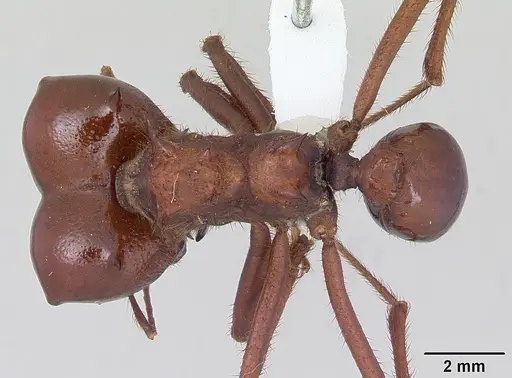
CASENT0173819
View on AntWeb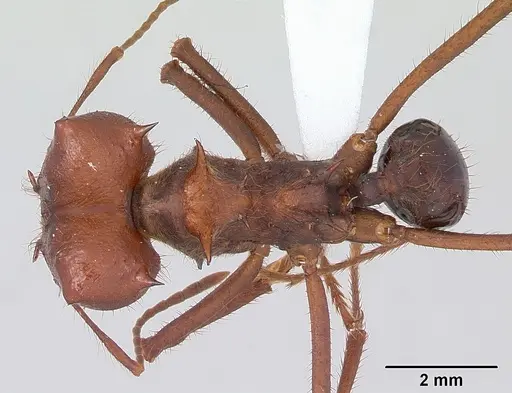
CASENT0173820
View on AntWeb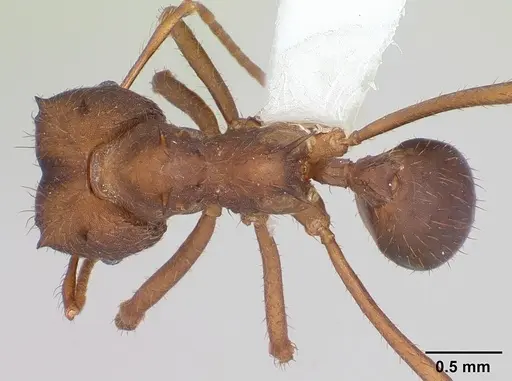
CASENT0909442
View on AntWeb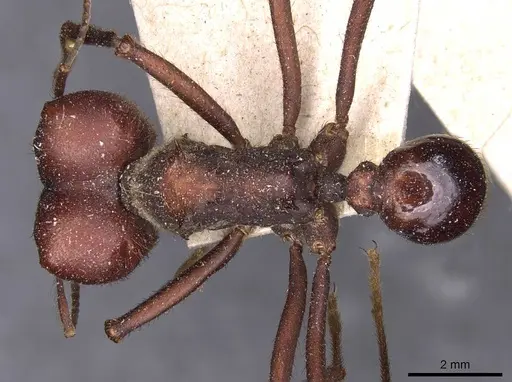
CASENT0909443
View on AntWeb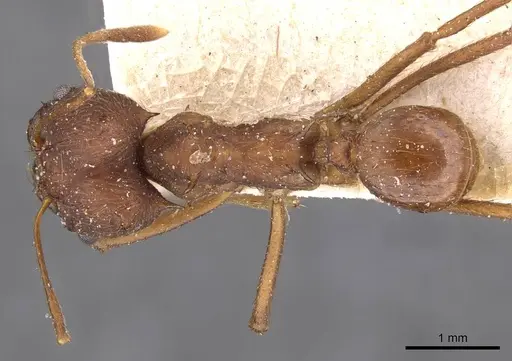
CASENT0912498
View on AntWeb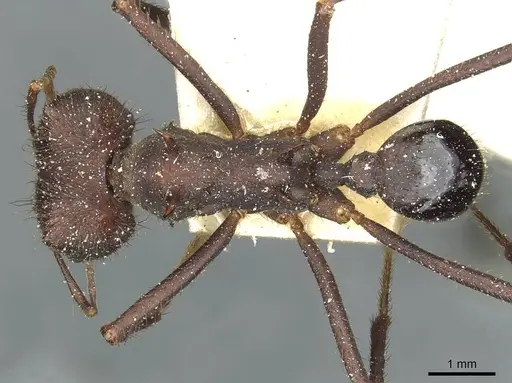
FOCOL2967
View on AntWeb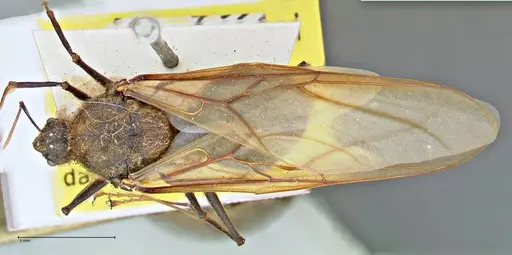
FOCOL2968
View on AntWeb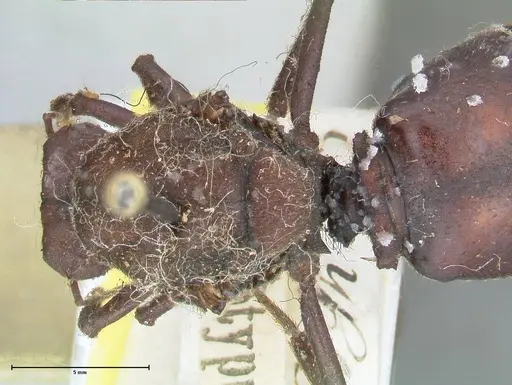
Literature
Loading...Loading products...