

Asphinctopone differens
- Scientific Name
- Asphinctopone differens
- Tribe
- Ponerini
- Subfamily
- Ponerinae
- Author
- Bolton & Fisher, 2008
- Distribution
- Found in 1 countries
Asphinctopone differens Overview
Asphinctopone differens is an ant species of the genus Asphinctopone. It is primarily documented in 1 countries , including Congo. Detailed taxonomic data and occurrence records can be further explored via authoritative databases such as AntWeb or the Global Biodiversity Information Facility (GBIF).
Asphinctopone differens
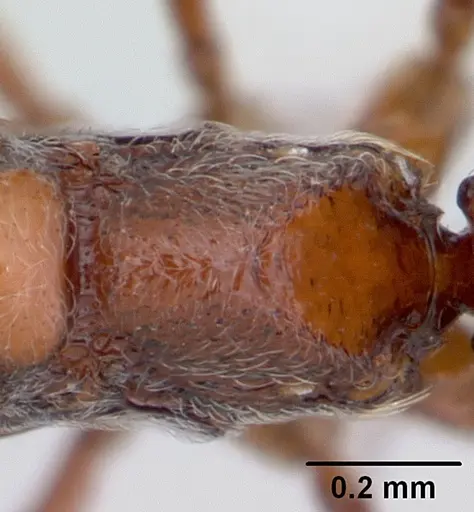
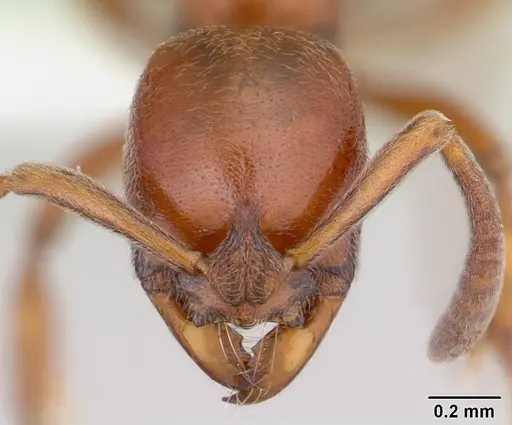
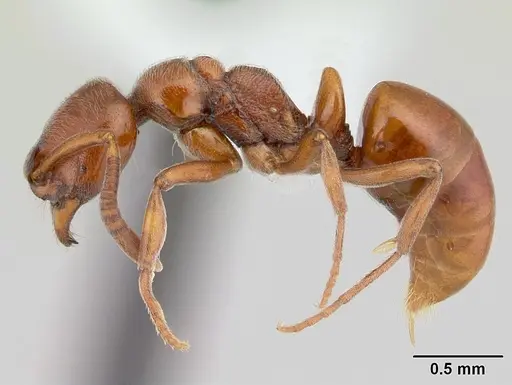
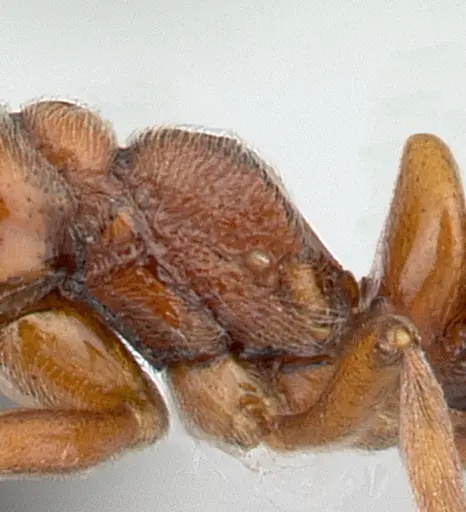
Asphinctopone differens is an extremely rare small ponerine ant species known only from a single specimen collected in the Central African Republic. Workers measure approximately 3.7mm in total length, making them among the smaller ponerine ants [1]. The species was formally described in 2008 by Bolton and Fisher, distinguished from its close relative Asphinctopone silvestrii by its denser body pubescence and differently sculpted propodeum (the rear portion of the middle body section) [1].
This ant represents one of the most poorly known ants in the world. Despite being part of a genus that spans wet forest zones across sub-Saharan Africa, absolutely nothing has been documented about this species' colony structure, founding behavior, diet, or reproduction. The entire genus Asphinctopone is rarely collected, a major Ghanaian leaf litter survey found only 5 individuals out of over 43,000 ants surveyed [2]. The specialized morphology of this genus suggests it may be a specialized predator, but its prey remains completely unknown [2].
Quick Summary
- Difficulty: Expert
- Origin & Habitat: Central African Republic, rainforest at 360m altitude. In the wild, Asphinctopone species live in wet forest zones, found in leaf litter, topsoil, pieces of rotten wood, and rotting vegetation on the forest floor. One worker has been recorded foraging in an abandoned termitary [2].
- Colony Type: Unknown, this species is known from only a single worker specimen with no colony data available [1].
- Size & Growth:
- Queen: Unknown, no queen has ever been documented [1]
- Worker: 3.7mm total length (holotype worker) [1]
- Colony: Unknown, no colony has ever been observed [2]
- Growth: Unknown
- Development: Unknown, no development data exists for this species (No data whatsoever exists on the development of this species. Any timeline would be pure speculation.)
- Antkeeping:
- Temperature: Unknown for this species. Based on related Ponerinae from Central African rainforests, a warm and humid setup around 24-28°C would be a reasonable starting point, but this is purely speculative.
- Humidity: Likely requires high humidity similar to other Central African forest floor species. Keep substrate consistently moist but not waterlogged. This is inferred from general genus habitat preferences.
- Diapause: Unknown, no seasonal data exists for this species or genus.
- Nesting: No captive data exists. In the wild, Asphinctopone species are found in leaf litter, topsoil, and rotting wood on the forest floor. A naturalistic setup with moist substrate, leaf litter, and small hiding structures would be appropriate if specimens ever become available.
- Behavior: Completely unstudied. Based on related Ponerinae, they are likely predatory and may have stings suitable for subdueing small invertebrate prey. Escape risk cannot be assessed due to lack of captive observations. Foraging has been observed in abandoned termitaries in the wild [2].
- Common Issues: this species is virtually unavailable in the antkeeping hobby, no cultures exist, no biological data exists whatsoever, keeping this species would be entirely experimental with no established protocols, extremely small size means any escape prevention would require fine mesh barriers if specimens become available, nothing is known about their diet, feeding would require experimentation with various small live prey, the single known specimen provides no data on colony founding, queen behavior, or worker numbers
Rarity and Collection History
Asphinctopone differens is known from only a single specimen, the holotype worker collected in May 2001 from Dzanga-Ndoki National Park in the Central African Republic [1]. This extreme rarity makes it one of the least known ant species in the world. The entire genus Asphinctopone is notoriously difficult to find, the landmark Ghana leaf litter survey that sampled over 43,000 individual ants found only 5 Asphinctopone specimens, representing just 0.01% of all ants collected [2]. This species occurs in sympatry (same geographic area) with its close relative Asphinctopone silvestrii at the type locality [1]. The specialized morphology of Asphinctopone suggests they may be prey-specific predators, but despite decades of research, their actual prey items remain completely unknown [2].
Identification and Distinction from Related Species
Asphinctopone differens can be distinguished from Asphinctopone silvestrii (its closest relative) by several key features: the dorsum (top surface) of the propodeum has a pelt of fine short erect pubescence (almost absent in silvestrii), the side of the propodeum is entirely densely irregularly sculptured (smooth spaces between punctures in silvestrii), and the pubescence on the pronotum and mesonotum is more dense and elevated [1]. The species name 'differens' literally means 'different' in Latin, referring to these distinguishing characteristics. A third species, Asphinctopone pilosa, is larger and has stronger sculpturing plus a different number of antennal segments forming the club [2].
Habitat and Natural History
In the wild, Asphinctopone species inhabit wet forest zones across sub-Saharan Africa. They are found in leaf litter, topsoil, pieces of rotten wood, and rotting vegetation on the forest floor [2]. The type locality for A. differens is at 360m altitude in rainforest. One documented worker was found foraging inside a fallen, abandoned termitary (termite nest), suggesting they may hunt in cryptic microhabitats [2]. Nothing is known about their colony size, queen behavior, nuptial flight timing, or any aspect of their reproductive biology. The specialized morphology of the genus implies they may be predators with a narrow prey range, but this remains entirely speculative [2].
Keeping This Species - Practical Considerations
Asphinctopone differens is not available in the antkeeping hobby and likely never will be. No cultures exist in captivity, and the species has never been found in sufficient numbers to establish a breeding program. Even if specimens were to become available, there are no established care protocols, keeping this species would be entirely experimental. Based on related Ponerinae from similar habitats, a warm (24-28°C), humid naturalistic setup with small live prey would be a reasonable starting point for any experimental keeping. However, the complete lack of biological data makes any specific recommendations impossible. For these reasons, Asphinctopone differens is best appreciated as a fascinating example of how little we still know about ant diversity, rather than as a species to keep. [2]
Frequently Asked Questions
Can I keep Asphinctopone differens in my ant farm?
No. This species is not available in the antkeeping hobby and has never been kept in captivity. No cultures exist, and there are no established care protocols. Even if you could obtain specimens, nothing is known about their requirements.
How big do Asphinctopone differens colonies get?
Unknown. No colony has ever been observed. Based on related rare Ponerinae, they likely maintain small colonies of perhaps a few dozen to under 100 workers, but this is purely speculative.
What do Asphinctopone differens eat?
Unknown. The genus may be prey-specific due to specialized morphology, but their actual prey items remain completely unknown. Related Ponerinae are typically predatory, so small live invertebrates would be the logical starting point for any experimental feeding.
How long does it take for Asphinctopone differens to develop from egg to worker?
Unknown, no development data exists for this or any Asphinctopone species. There is no information on egg, larva, or pupa development.
Where is Asphinctopone differens found in the wild?
Only known from the Central African Republic, specifically Dzanga-Ndoki National Park at 360m altitude in rainforest. The entire species is known from a single specimen [1].
Is Asphinctopone differens a good species for beginners?
No. This species is completely unsuitable for any antkeeper, it has never been kept in captivity, no biological data exists, and no specimens are available. Even experienced antkeepers would have no framework for caring for this species.
Do Asphinctopone differens queens have wings?
Unknown, no queen of this species has ever been documented or described. The entire reproductive biology is completely unknown.
What temperature and humidity do Asphinctopone differens need?
Unknown for this specific species. Based on related Central African forest Ponerinae, warm (24-28°C) and humid conditions would be a reasonable guess, but this is purely speculative with no experimental data to support it.
Does Asphinctopone differens need hibernation?
Unknown. No seasonal data exists. As a Central African species from a rainforest environment, they likely experience minimal temperature variation year-round and may not require a diapause period, but this is unconfirmed.
Can I catch a queen of Asphinctopone differens in the wild?
Extremely unlikely. This is one of the rarest ants in the world, only a single worker has ever been found despite extensive sampling. Finding a queen would require extraordinary luck and significant effort in the Central African Republic.
Why is Asphinctopone differens so rarely found?
The entire genus Asphinctopone is among the rarest ant groups. They likely have very small, cryptic colonies, specialized microhabitats, and possibly narrow dietary requirements. A major Ghana survey found only 5 individuals out of over 43,000 ants [2].
References

This caresheet is licensed under CC BY-SA 4.0 .
CASENT0417143
View on AntWeb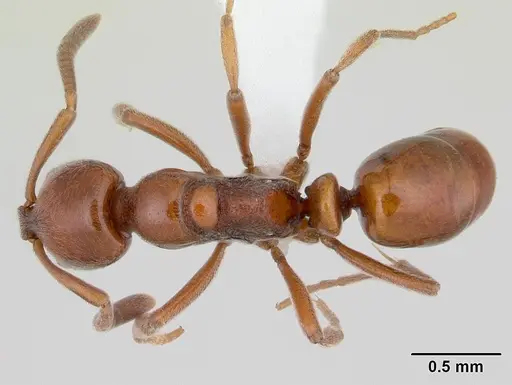
Literature
Loading...Loading products...