

Asphinctopone silvestrii
- Scientific Name
- Asphinctopone silvestrii
- Tribe
- Ponerini
- Subfamily
- Ponerinae
- Author
- Santschi, 1914
- Distribution
- Found in 6 countries
Asphinctopone silvestrii Overview
Asphinctopone silvestrii is an ant species of the genus Asphinctopone. It is primarily documented in 6 countries , including Central African Republic, Congo, Côte d'Ivoire. Detailed taxonomic data and occurrence records can be further explored via authoritative databases such as AntWeb or the Global Biodiversity Information Facility (GBIF).
Asphinctopone silvestrii
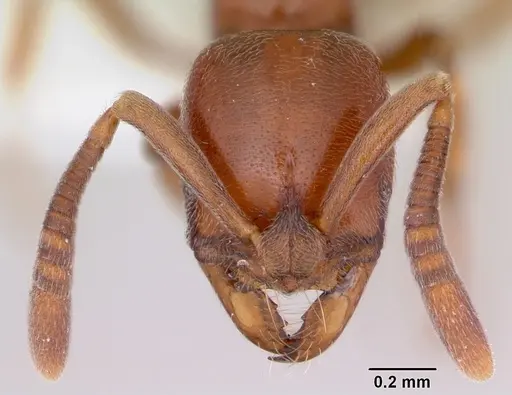
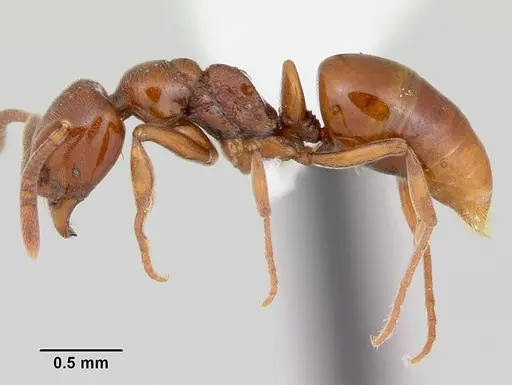
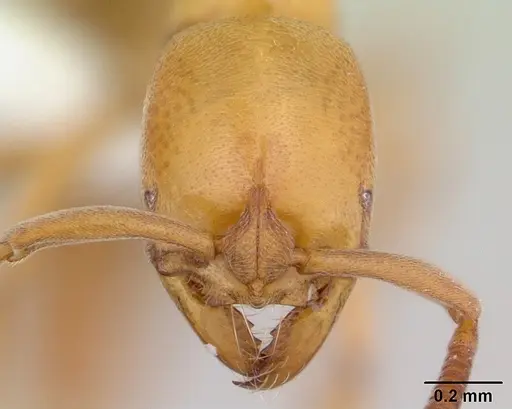
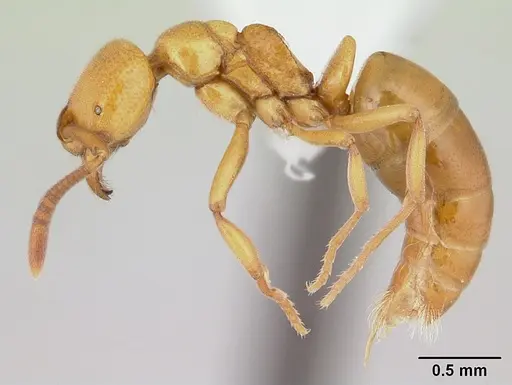
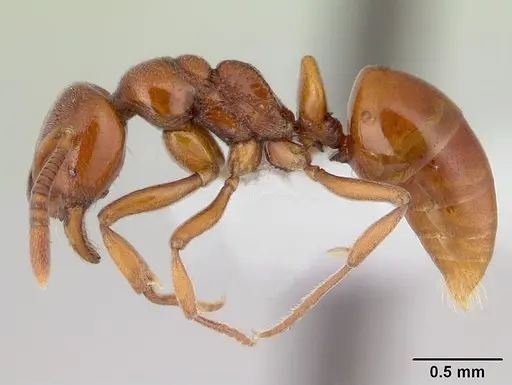
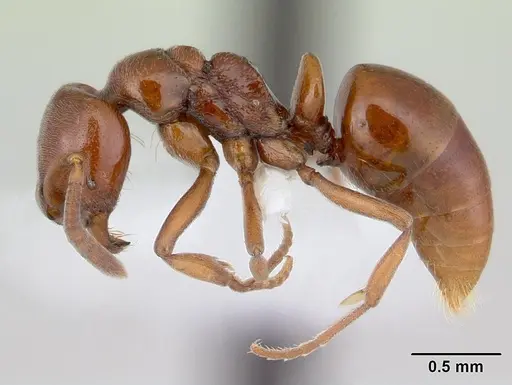
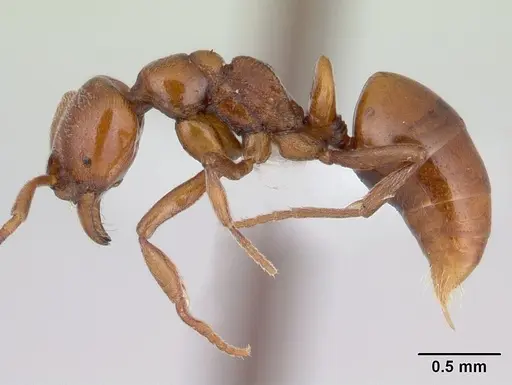
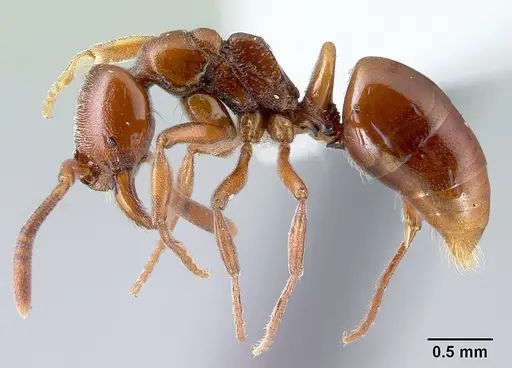
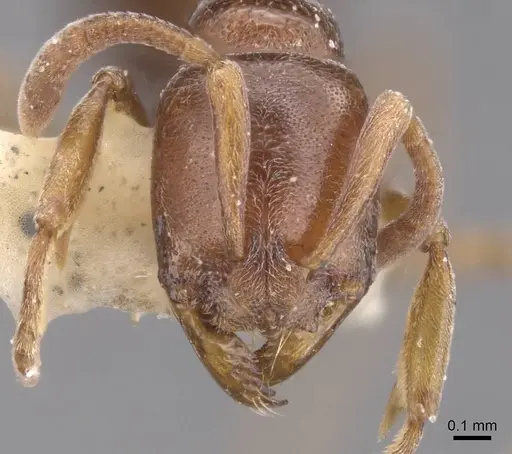
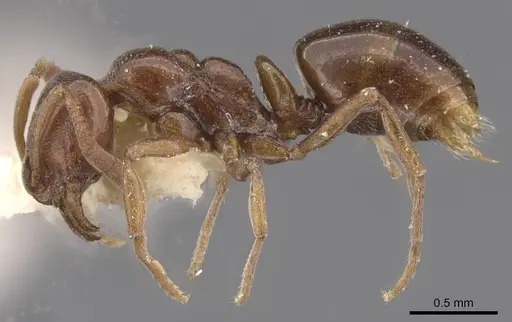
Asphinctopone silvestrii are tiny ants, with workers measuring just 3.3 to 3.6 millimeters long [1]. They have a distinctive high, narrow petiole scale and reddish-yellow to reddish-brown coloring. Their eyes are extremely small, with only 5 to 8 facets [1]. They live in the wet forests of West and Central Africa, including Ghana, Nigeria, Cameroon, Gabon, and the Central African Republic [1]. In nature, they inhabit leaf litter, topsoil, rotting tree trunks, and decaying vegetation on the forest floor [1].
What makes this species extraordinary is its rarity. During a comprehensive survey of leaf litter in Ghana that collected 43,824 individual ants, only 5 specimens were Asphinctopone, roughly 0.01% of the total [1]. Only one queen has ever been collected by scientists, and she was already dealate (wings shed) [1]. Their biology remains almost completely unknown, though their specialized body shape suggests they hunt specific prey [1].
Quick Summary
- Difficulty: Expert
- Origin & Habitat: West and Central African wet forest zones: Guinea, Ivory Coast, Ghana, Nigeria, Cameroon, Gabon, and Central African Republic [1]. Found in leaf litter, rotting wood, and topsoil in wet forest habitats [1].
- Colony Type: Unknown, only one queen specimen has ever been documented [1]
- Size & Growth:
- Antkeeping:
- Temperature: Warm tropical conditions, approximately 24-26°C based on equatorial wet forest habitat and distribution modeling showing intolerance to low temperatures [2][1]
- Humidity: High humidity required, keep substrate damp like forest floor leaf litter [1]
- Diapause: Unknown, tropical distribution suggests no hibernation required, but unconfirmed
- Nesting: Small chambers in damp, rotting materials, naturalistic setup with leaf litter and decaying wood suggested [1]
- Behavior: Specialized morphology suggests specific predatory habits, but exact behavior unknown [1]. Escape risk is high due to tiny size.
- Common Issues: extreme rarity in trade and scientific collections makes acquisition nearly impossible, unknown dietary requirements likely require specialized prey, unconfirmed founding behavior means captive propagation is undocumented, tiny size requires excellent escape prevention with fine mesh barriers
Rarity and Scientific Importance
Asphinctopone silvestrii represents one of the most extreme cases of rarity in ant science. In a massive leaf litter survey in Ghana that collected over 43,000 ants, researchers found only 5 individuals of this species, about one in every 8,700 ants collected [1]. Most samples in scientific collections contain only one or two workers [1].
Only a single queen specimen exists in scientific collections worldwide, housed at the Natural History Museum in London [1]. She was found already dealate (with wings shed), meaning scientists have never observed a queen with wings or documented nuptial flights [1]. This extreme scarcity means almost nothing is known about their colony structure, reproduction, or social organization.
Natural Habitat and Microclimate
These ants inhabit the wet forest zones of West and Central Africa [1]. They live in the leaf litter layer, topsoil, and rotting wood on the forest floor [1]. Specimens have been found in rotting trunks of fallen trees, small pieces of dead wood, and even a rotting banana stem [1]. One worker was collected from a fallen, abandoned termitary [1].
This habitat suggests they require consistently moist conditions with good humidity and protection from drying air. The substrate should feel damp but not waterlogged, similar to the decomposition layer of a tropical forest floor.
Morphology and Identification
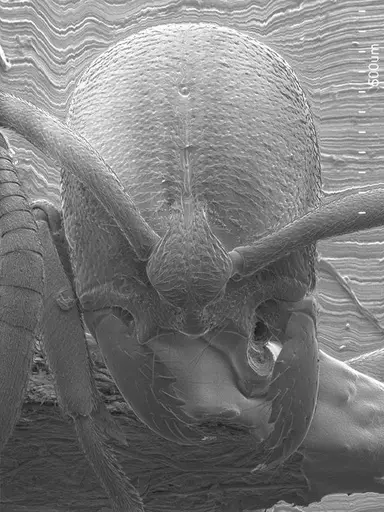
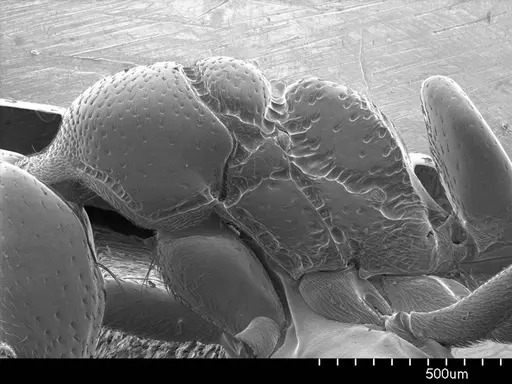
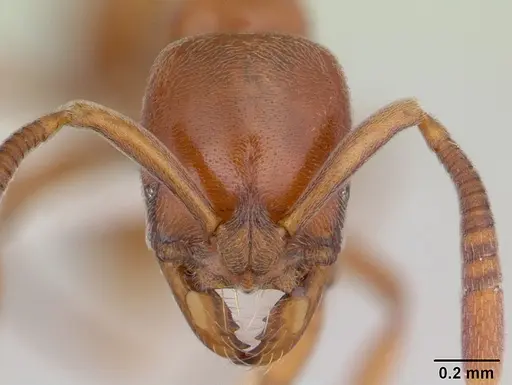
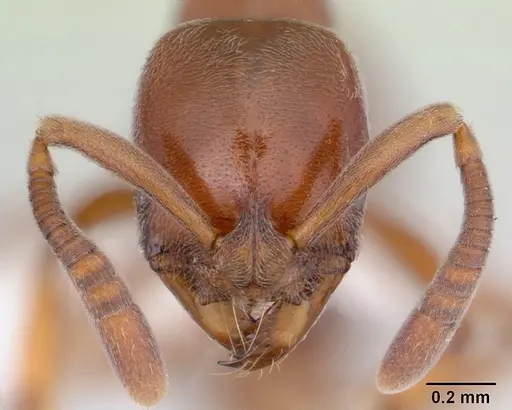
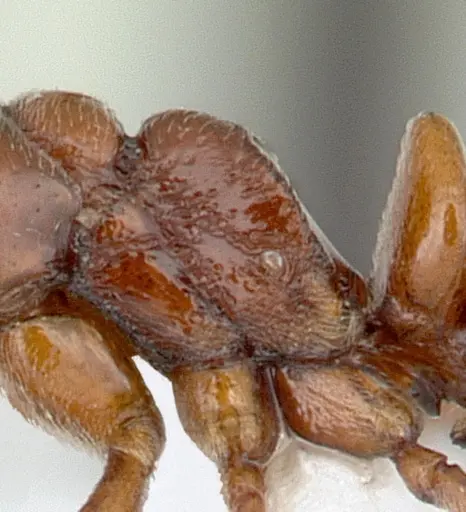
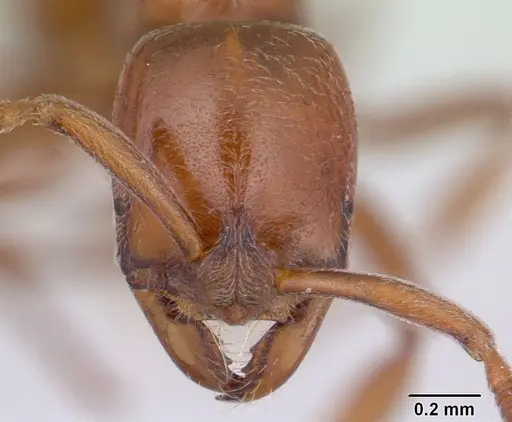
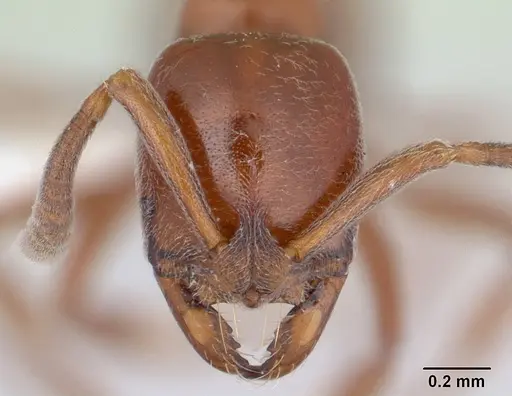
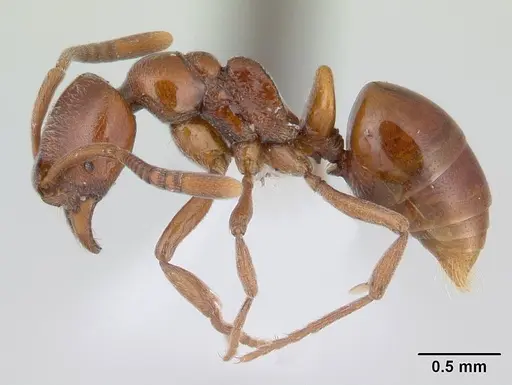
Workers are tiny at 3.3-3.6 mm with a head width of 0.62-0.68 mm [1]. They have a high, narrow petiole scale that is convex on top, and their color ranges from reddish yellow to reddish brown [1]. The eyes are minute with only 5-8 poorly defined facets [1].
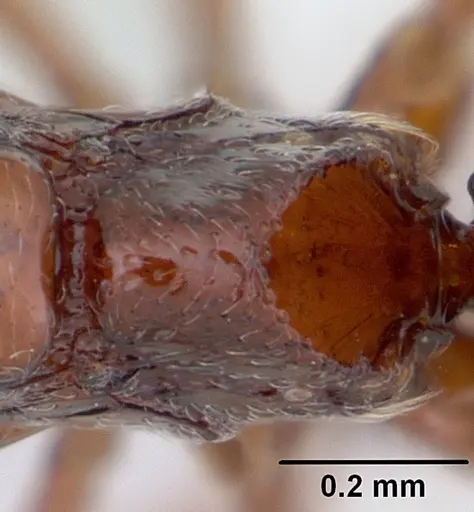
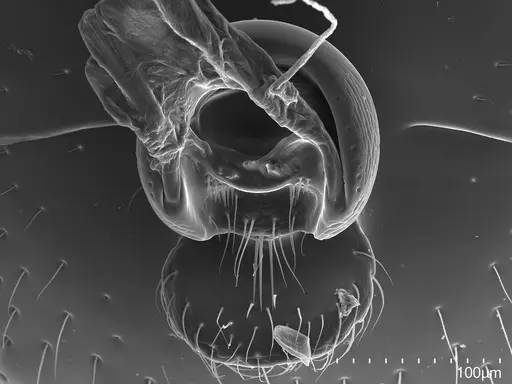
Key identifying features include the deeply impressed promesonotal suture and metanotal groove, creating a distinct isolated convexity for the mesonotum [1]. The propodeum has almost no hair on its upper surface [1]. Mandibles have 5 teeth, though some individuals show an extra small denticle [1].
Challenges for Ant Keepers
This species is essentially unavailable to ant keepers due to its extreme rarity. No commercial dealers offer them, and they are almost never collected by scientists, let alone hobbyists.
If you somehow obtained a colony, you would face immediate problems: their diet is completely unknown, though their specialized body shape suggests they may require specific prey items not available in captivity [1]. Their founding behavior (whether the queen seals herself in or must hunt) has never been observed. Their tiny size means they could escape through gaps that larger ants cannot, requiring extremely fine mesh or barriers.
Given these unknowns, this species is unsuitable for captive keeping and should be appreciated through scientific literature rather than attempted as a pet.
Frequently Asked Questions
Can I keep Asphinctopone silvestrii in captivity?
No. This species is extremely rare in scientific collections and essentially unavailable in the ant trade. Only one queen has ever been documented by scientists, and their biology is largely unknown [1].
What do Asphinctopone silvestrii eat?
Their diet is unknown. Their specialized morphology suggests they may hunt specific prey, but no one has observed them feeding [1].
How long until Asphinctopone silvestrii eggs become workers?
Unknown. No studies have documented their development timeline or colony founding behavior [1].
Do Asphinctopone silvestrii need hibernation?
Unknown. They live in tropical wet forests, suggesting they remain active year-round, but this is unconfirmed [1].
Are Asphinctopone silvestrii good for beginners?
Absolutely not. They are unsuitable for keeping due to extreme rarity, unknown care requirements, and specialized needs [1].
How big do Asphinctopone silvestrii colonies get?
Unknown. Most field samples contain only one or two workers, suggesting small colonies, but this could also reflect difficulty in finding them [1].
Where are Asphinctopone silvestrii found?
They occur in West and Central African wet forests including Guinea, Ivory Coast, Ghana, Nigeria, Cameroon, Gabon, and the Central African Republic [1].
References

This caresheet is licensed under CC BY-SA 4.0 .
ANTWEB1008506
View on AntWeb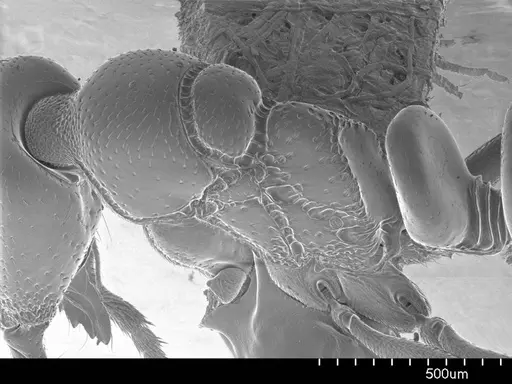
CASENT0006811
View on AntWeb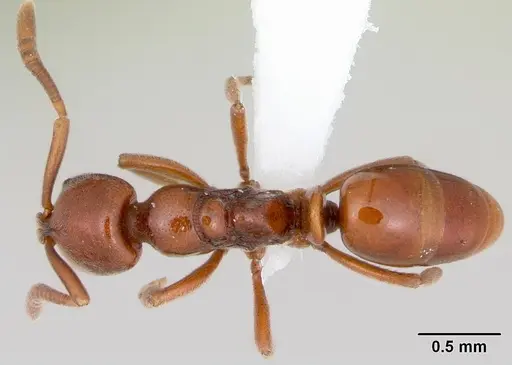
CASENT0178220
View on AntWeb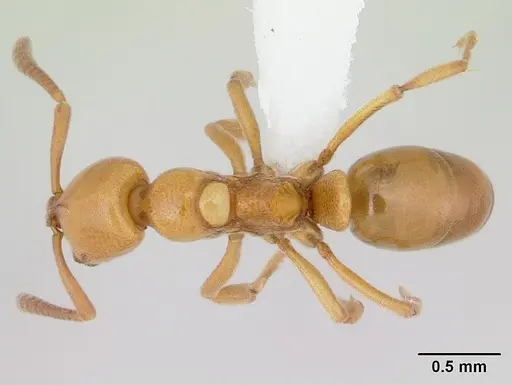
CASENT0178221
View on AntWeb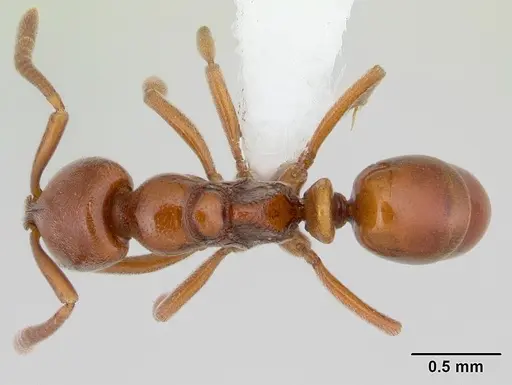
CASENT0178222
View on AntWeb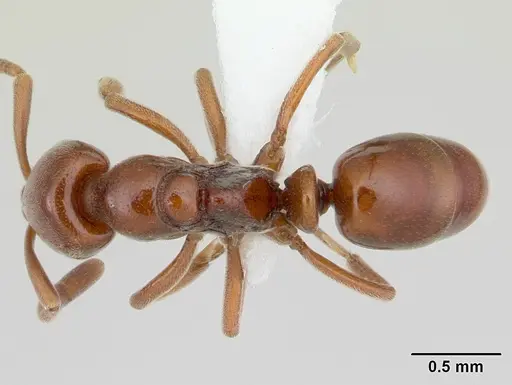
CASENT0406788
View on AntWeb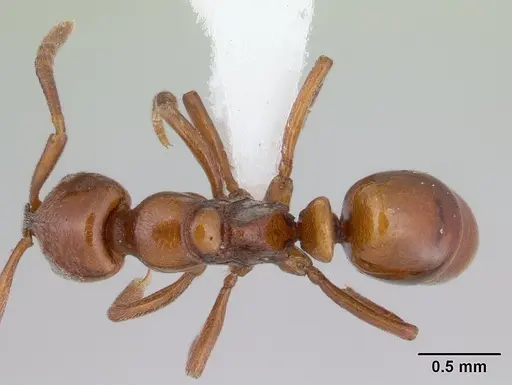
CASENT0406793
View on AntWeb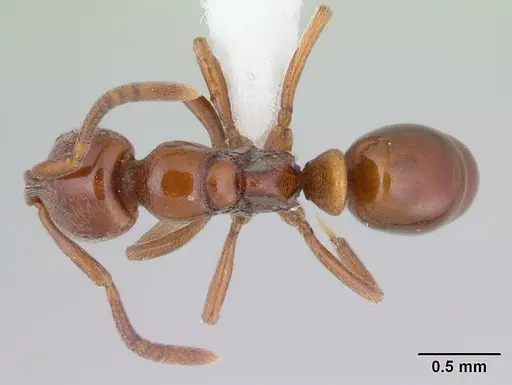
CASENT0417123-D11
View on AntWeb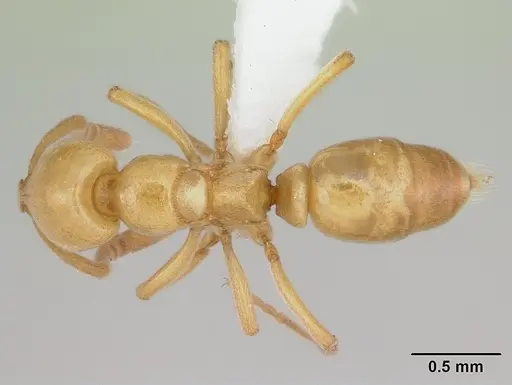
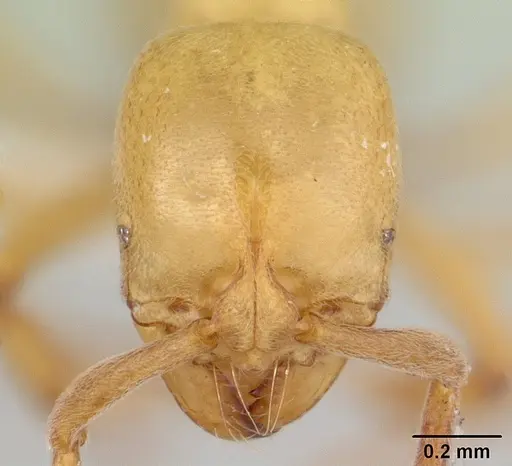
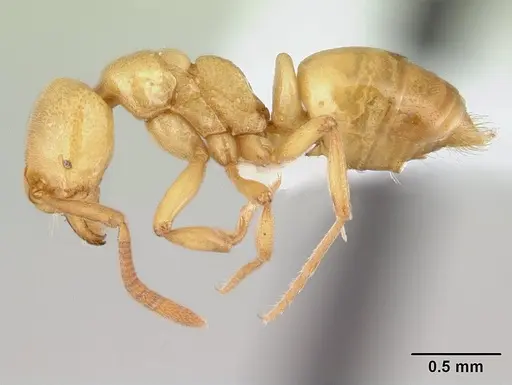
CASENT0417123
View on AntWeb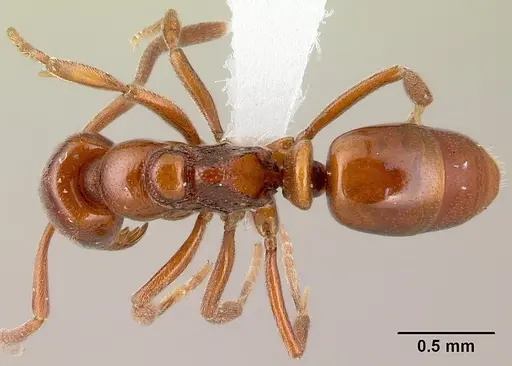
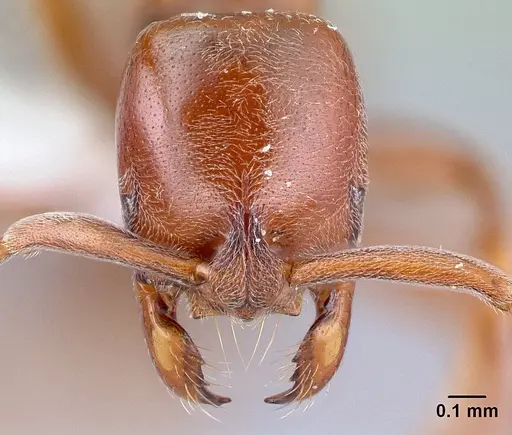
CASENT0824505
View on AntWeb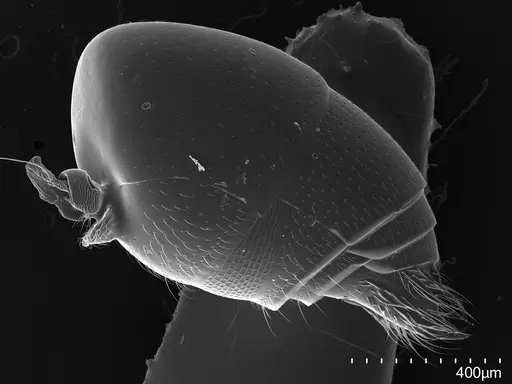
CASENT0915481
View on AntWeb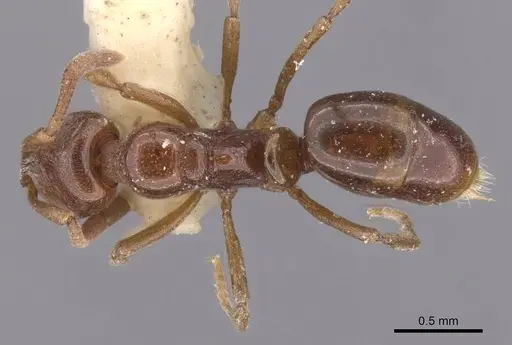
Literature
Loading...Loading products...