

Apterostigma chocoense
- Scientific Name
- Apterostigma chocoense
- Tribe
- Attini
- Subfamily
- Myrmicinae
- Author
- Lattke, 1997
- Distribution
- Found in 3 countries
Apterostigma chocoense Overview
Apterostigma chocoense is an ant species of the genus Apterostigma. It is primarily documented in 3 countries , including Colombia, Costa Rica, French Guiana. Detailed taxonomic data and occurrence records can be further explored via authoritative databases such as AntWeb or the Global Biodiversity Information Facility (GBIF).
Apterostigma chocoense
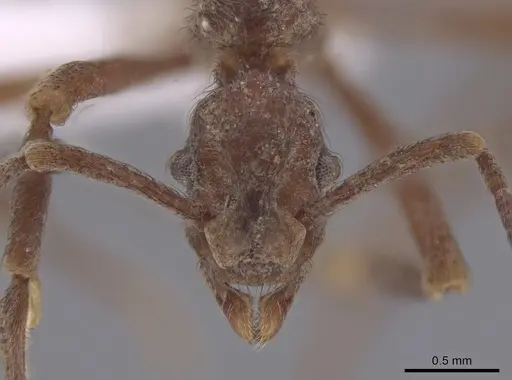
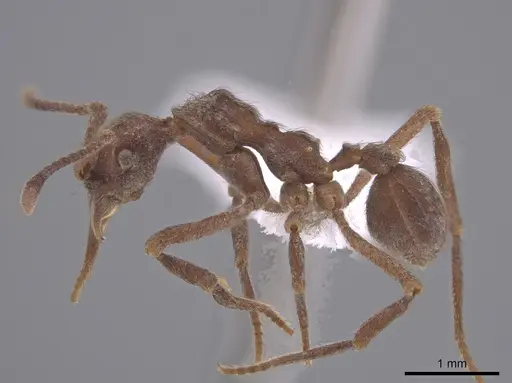
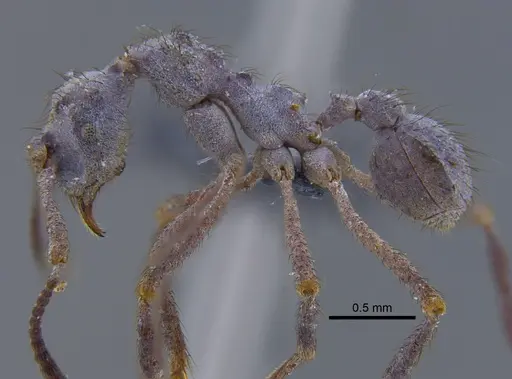
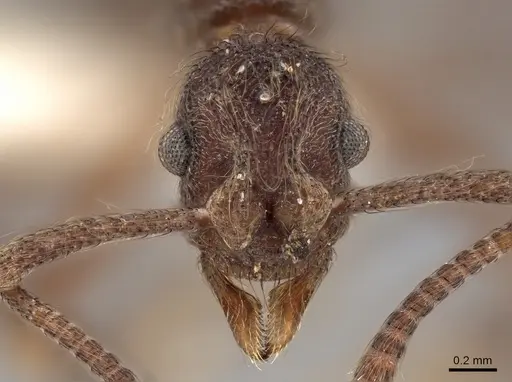
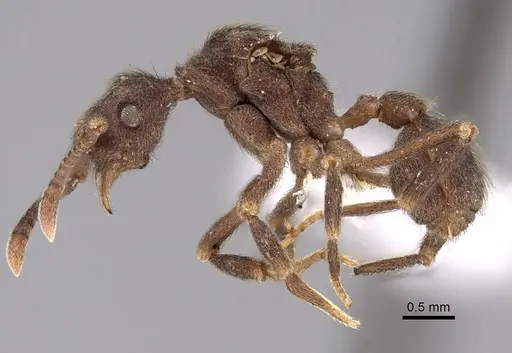
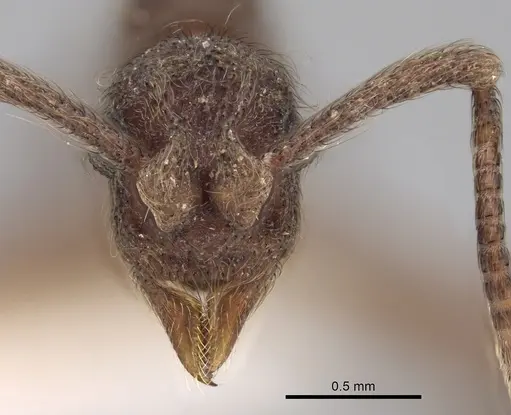
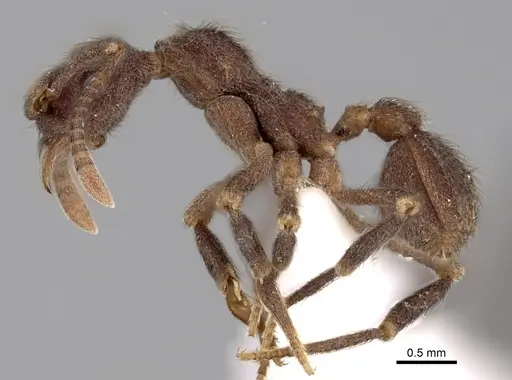
Apterostigma chocoense is a small fungus-growing ant native to the Neotropical wet forests of Colombia, Costa Rica, French Guiana, and Panama [1][2]. These ground-dwelling ants belong to the Attini tribe, the fungus-growing ants, but unlike the famous leafcutters, they collect tiny debris like insect frass and plant matter to cultivate their fungal gardens [2]. Workers are recognizable by their triangular propodeal denticles and the distinctive sinuous ventral profile of their gaster when viewed from the side [1].
This species remains rarely encountered by antkeepers and poorly studied in scientific literature. Wild colonies have been found from sea level up to 1000 meters elevation in the Chocó region of Colombia and the wet forests of Costa Rica [1][3]. Their specific biology, including colony size, development times, and founding behavior, remains largely undocumented, making them a challenging species for captive care.
Quick Summary
- Difficulty: Expert
- Origin & Habitat: Neotropical wet forests: Colombia (Pacific coast to Andean region), Costa Rica, French Guiana, and Panama [1][2]. Found in ground strata in tropical forest habitats [4].
- Colony Type: Likely single-queen based on typical Apterostigma patterns, but unconfirmed for this species.
- Size & Growth:
- Queen: Unknown, estimated 3-5mm based on typical Apterostigma morphology.
- Worker: Unknown, estimated 2-4mm based on genus patterns.
- Colony: Unknown, likely small to moderate (under 500 workers) based on related fungus-growing ants.
- Growth: Slow, fungus-growing ants typically develop slowly compared to generalist feeders.
- Development: Unknown, estimated 8-12 weeks based on typical Attini development at tropical temperatures. (Timeline is speculative, no direct studies exist. Fungus-growing ants often have variable development depending on fungal garden health.)
- Antkeeping:
- Temperature: Warm and stable, approximately 24-28°C based on tropical lowland to mid-elevation habitat [1]. Avoid fluctuations.
- Humidity: High humidity required, nest substrate should remain consistently moist but not waterlogged, matching tropical wet forest conditions.
- Diapause: No, tropical species from equatorial regions do not require hibernation.
- Nesting: In nature: likely in rotting wood or soil in damp forest floor locations. In captivity: requires a setup accommodating a fungal garden with controlled humidity and ventilation.
- Behavior: Likely peaceful and slow-moving typical of fungus-growing ants. Escape risk is moderate, while not known as escape artists, their small size means any gap in ventilation mesh could allow workers through.
- Common Issues: fungus garden collapse, the fungal symbiont is difficult to maintain without proper humidity and substrate., unknown founding requirements, no studies confirm whether queens are claustral or require specific conditions to start colonies., slow growth means overfeeding is easy, excess food can mold and contaminate the fungus garden., lack of captive care data, most basic husbandry parameters are unstudied and require experimentation.
Fungus Garden Requirements
As a member of the Attini tribe, Apterostigma chocoense maintains a fungal garden that serves as the colony's primary food source. Unlike leafcutter ants that process fresh vegetation, Apterostigma species typically cultivate fungus on insect frass, dead plant material, and other organic debris [2]. This makes their care particularly challenging because you are maintaining two organisms, the ants and their fungal symbiont.
The fungal garden requires a specific microclimate: consistently high humidity (damp but not soaked substrate) and warm temperatures around 24-28°C. Ventilation must be adequate to prevent stagnant air and mold, but not so strong that it dries the garden. Most keepers use a deep substrate of sterilized leaf litter, decaying wood, or specialized fungus-growing ant substrate. The ants will inoculate this with fungal strands carried from their original nest or, if starting from a queen, with a fungal pellet she brings from her mother colony.
Watch for signs of garden decline: ants discarding fungal material, lack of garden growth, or mold outbreaks. If the fungus dies, the colony will starve regardless of what other food you offer.
Temperature and Humidity
Based on their distribution across tropical wet forests from Costa Rica to Colombia, including collections at 1000m elevation in Antioquia [1], these ants need warm, stable conditions. Aim for 24-28°C with minimal fluctuation. A heating cable on one side of the nest can provide a gentle gradient, but avoid overheating the fungal garden.
Humidity is critical and challenging to balance. The nest substrate should feel damp to the touch, like a wrung-out sponge, but never waterlogged. Standing water will drown the fungus and promote harmful mold. Use a water tower or hydration chamber that allows gradual moisture release rather than direct misting into the nest. Monitor condensation levels, heavy condensation on nest walls indicates excessive moisture, while dry, cracking substrate means you need to increase humidity immediately.
Feeding and Diet
In the wild, Apterostigma chocoense forages on the forest floor for organic debris to feed their fungus [4]. This includes insect frass (insect droppings), small pieces of dead insects, and plant matter. In captivity, you must provide appropriate fungus food rather than trying to feed the ants directly.
Offer small amounts of dried leaves (oak or rose petals work well), pieces of dead insects, or commercial fungus-growing ant substrates. The key is providing material the ants can process and add to their garden. Avoid protein-heavy foods like raw meat or large insect pieces, these can overwhelm the garden and cause bacterial blooms. Similarly, sugary liquids like honey water are not appropriate for most fungus-growing ants and may harm the fungal symbiont.
Feed small quantities regularly rather than large amounts infrequently. A good rule is to offer new material when the previous offering has been fully processed or removed from the garden.
Nest Setup and Housing
Wild colonies are ground-dwelling, found in the forest floor strata [4]. In captivity, they need a setup that accommodates their fungal garden while maintaining the high humidity these tropical ants require. A naturalistic setup with a deep substrate layer (10-15cm) of sterilized leaf litter and decaying wood often works better than artificial nests for fungus-growing species.
If using an artificial nest, choose one with a deep chamber area and excellent humidity control, Y-tong (aerated concrete) or plaster nests can work if kept properly moist. Avoid acrylic nests with small chambers, fungus gardens need space to expand and breathe.
Escape prevention is important despite their peaceful nature. Use a barrier of Fluon or talcum powder on the outworld walls, and ensure any ventilation mesh is fine enough for their small size (estimated under 4mm). A simple outworld with a soil or sand substrate allows them to forage naturally while keeping the main nest humid.
Colony Founding and Growth
The founding behavior of Apterostigma chocoense has not been directly documented in scientific studies. Based on patterns from the Attini tribe, queens likely found colonies claustrally, sealing themselves in a chamber with a fungal pellet carried from their mother colony and living off stored reserves until the first workers hatch [2]. However, this is inference, not confirmed fact.
Growth is likely slow compared to generalist ants like Lasius or Formica. Fungus-growing ants must first establish a viable garden before the colony can expand. Expect the first workers (nanitics) to be smaller than subsequent workers, and the colony may remain small (under 100 workers) for the first year or more.
Because founding requirements are unconfirmed, starting colonies from single queens is experimental. If attempting this, provide a small starter chamber with sterile substrate, maintain high humidity, and offer appropriate fungus food immediately if the queen begins foraging (which would indicate semi-claustral founding, though this is unlikely for Attini).
Frequently Asked Questions
Can I keep Apterostigma chocoense in a test tube?
No, test tubes are unsuitable for fungus-growing ants. They need space to establish a fungal garden with proper substrate, humidity control, and ventilation that test tubes cannot provide. Use a naturalistic setup or specialized fungus-growing ant nest instead.
What do Apterostigma chocoense ants eat?
They eat fungus grown on organic debris, not food directly. Provide dried leaves, small dead insects, or insect frass that the ants can process into fungus food. Do not offer sugar water or honey, fungus-growing ants typically cannot utilize these and they may harm the fungal garden.
How long does Apterostigma chocoense take from egg to worker?
Unknown, no studies have documented their development time. Based on related fungus-growing ants, expect 8-12 weeks at 25-28°C, but this is an estimate. Fungus garden health significantly impacts development speed.
Do Apterostigma chocoense need hibernation?
No, they are tropical ants from equatorial regions (Colombia, Costa Rica, French Guiana) and do not require diapause or winter rest. Keep them warm year-round at 24-28°C.
Are Apterostigma chocoense good for beginners?
No, they are expert-level ants. The combination of fungus garden maintenance requirements, lack of captive care data, and specific humidity needs makes them unsuitable for beginners. Start with easier species like Lasius niger or Formica fusca first.
Can I keep multiple Apterostigma chocoense queens together?
Not recommended. While some fungus-growing ants can be polygyne (multi-queen), Apterostigma chocoense likely forms single-queen colonies based on genus patterns. Combining unrelated queens usually results in fighting and death.
Why is my Apterostigma chocoense fungus garden turning moldy?
Mold usually indicates excess moisture or poor ventilation. Ensure the substrate is damp but not waterlogged, and provide gentle airflow to prevent stagnant conditions. Remove any visibly moldy substrate immediately and reduce feeding until the ants clean up the garden.
How big do Apterostigma chocoense colonies get?
Unknown, colony size has not been documented in scientific literature. Based on related Apterostigma species, they likely remain relatively small, possibly under 1000 workers, but this is speculative.
References

This caresheet is licensed under CC BY-SA 4.0 .
CASENT0653660
View on AntWeb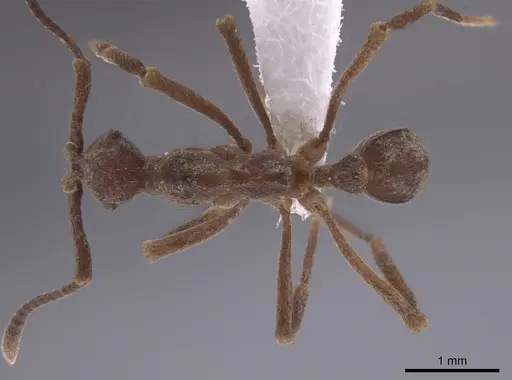
CASENT0901685
View on AntWeb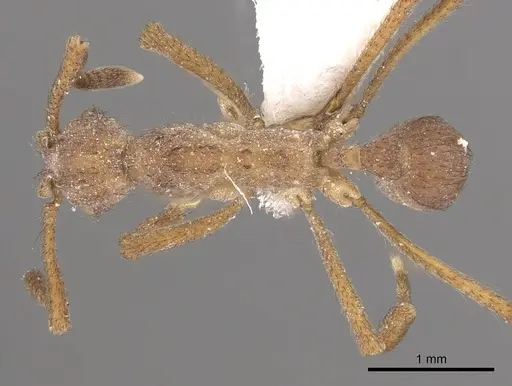
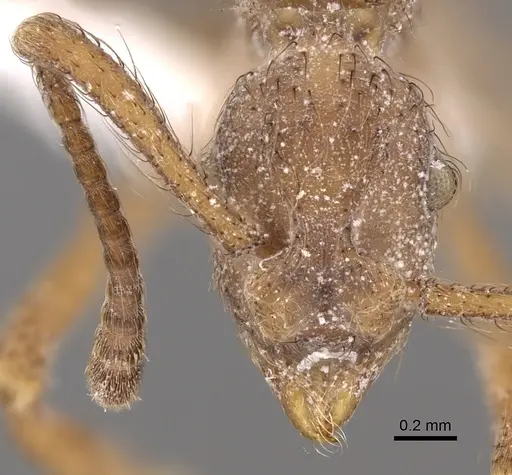
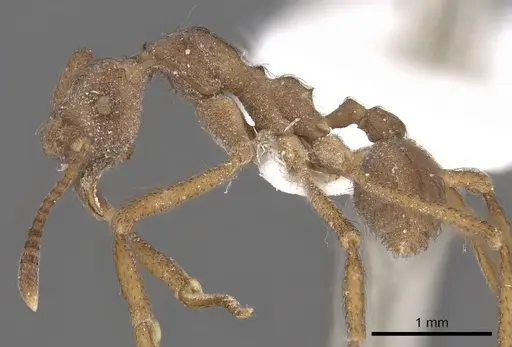
CASENT0922037
View on AntWeb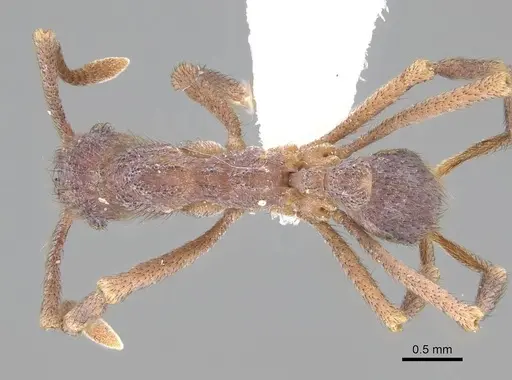
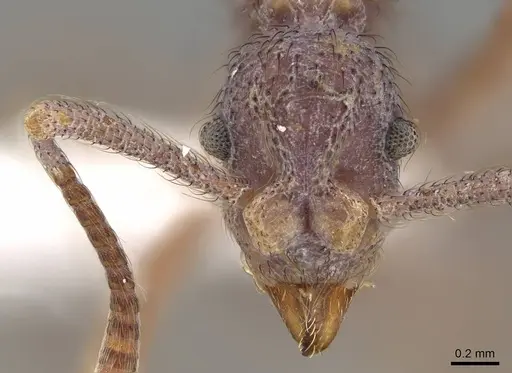
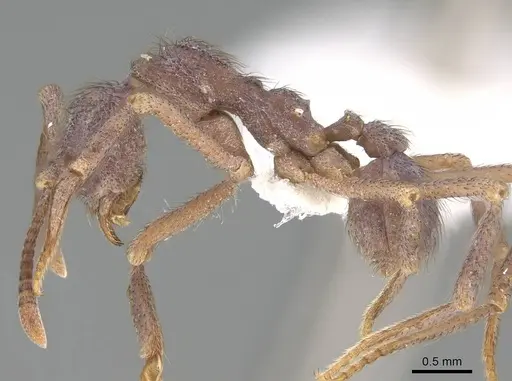
ECOFOG-IT14-0272-78
View on AntWeb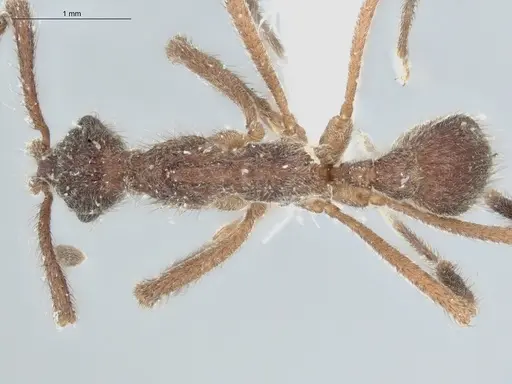
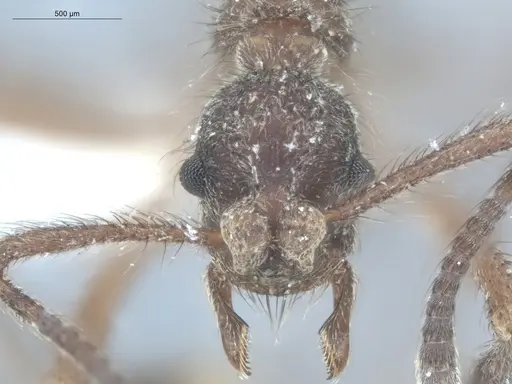
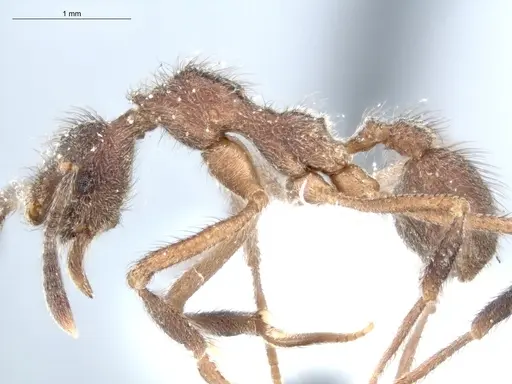
ECOFOG-IT14-0297-104
View on AntWeb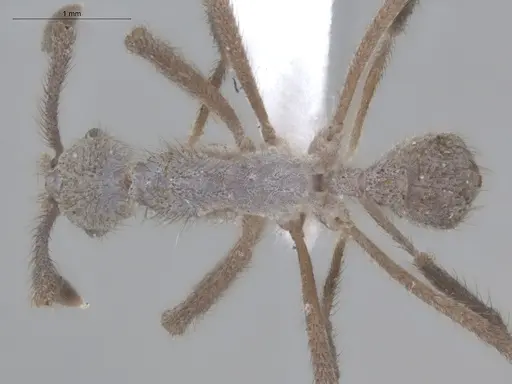
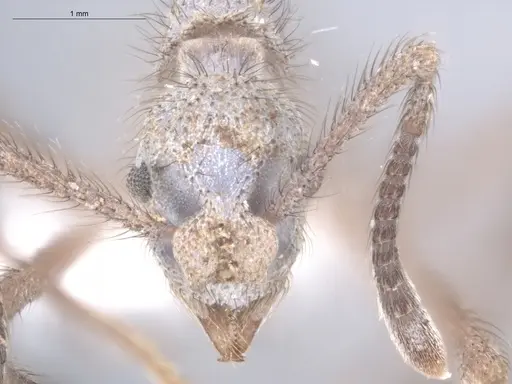
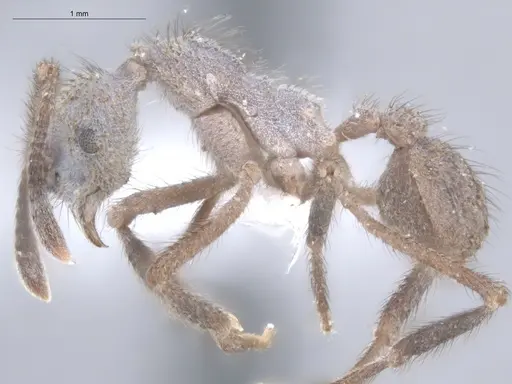
ECOFOG-SL13-1202-14
View on AntWeb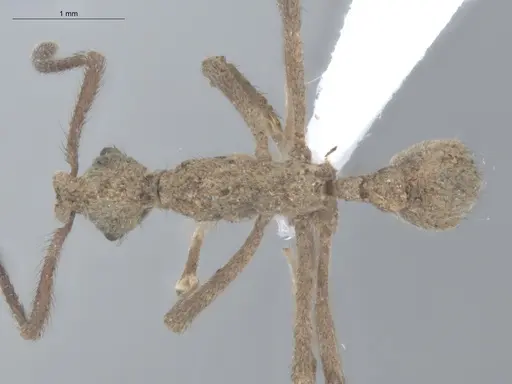
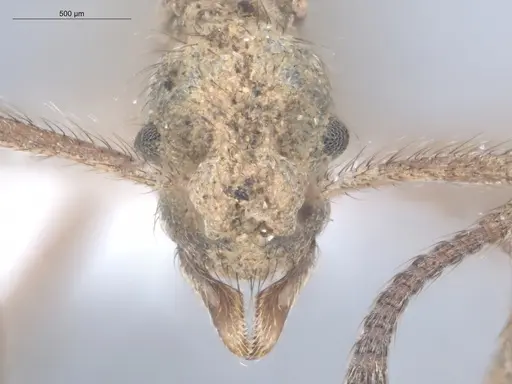
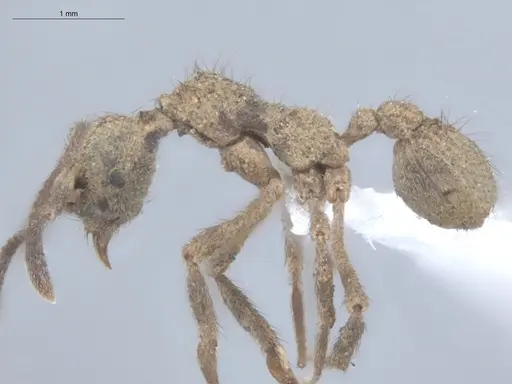
IAVH-E-263191
View on AntWeb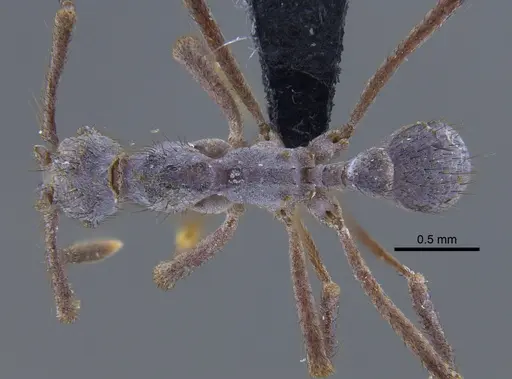
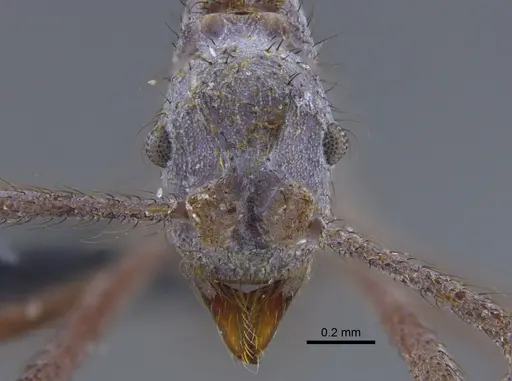
INBIOCRI001281475
View on AntWeb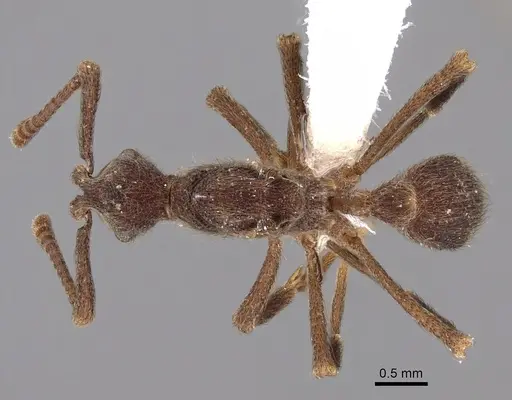
INBIOCRI001281479
View on AntWeb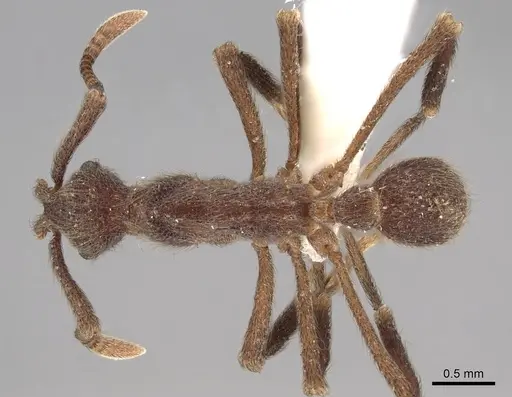
Literature
Loading...Loading products...