Apterostigma bolivianum - "Bolivian Fungus Ant"
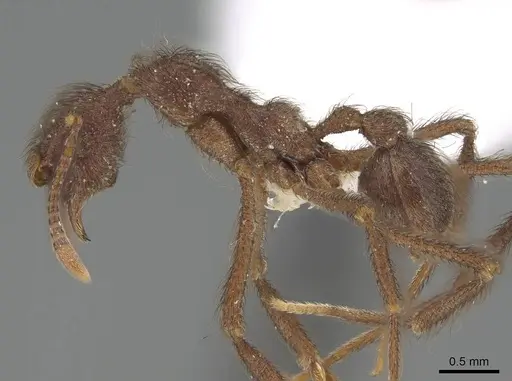
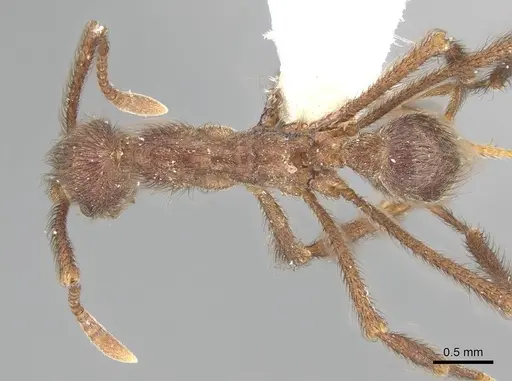
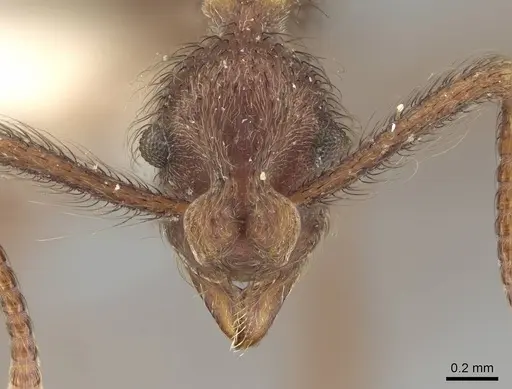
Apterostigma bolivianum is a fascinating species of fungus-growing ant belonging to the Attini tribe. Unlike the more commonly known leafcutter ants that use fresh vegetation, Apterostigma ants cultivate their fungus gardens on various decaying organic materials, including dead vegetation, seeds, flowers, fruits, insect corpses, and even feces collected near their nests. They are characterized by their elongated heads, prominent eyes, and unique physical features on their thorax. These ants maintain a mutualistic relationship with a specific type of fungus, which serves as their primary food source. Colonies are generally small to medium-sized, focusing on the meticulous care of their fungus garden.
- Difficulty: Medium
- Origin & Habitat: South America (Bolivia, Colombia, Ecuador, Peru, Venezuela) in Tropical forests, often nesting hypogaeically (underground) or in decaying wood/leaf litter. Some species within the genus are known to nest on the underside of leaves or between leaves in the tree canopy..
- Colony Type: Monogyne (single queen), claustral (queen seals herself in), with fungus pellet founding.
- Size & Growth:
- Queen: Not specified
- Worker: Not specified
- Colony: Small (hundreds to low thousands). Slow to Medium, as colony growth is directly tied to the establishment and health of the fungus garden. growth.
- Antkeeping:
- Temperature: Maintain temperatures between 22-26°C. Consistent warmth is crucial for fungus health. Avoid temperatures exceeding 28-29°C, as 'heat kills' for fungus growers..
- Humidity: High humidity is vital, ideally between 80-95%, to support the growth of their symbiotic fungus. The fungus itself acts as a humidifier..
- Diapause: Not required. Not specified at Not specified.
- Nesting: Artificial nests with dedicated fungus chambers are recommended. Materials like plaster, Ytong, or specially designed acrylic setups that allow for proper ventilation and humidity control are suitable. A separate foraging area ('outworld') is essential..
- Behavior: Low (towards handler) aggressiveness.
- Common Issues: Fungus collapse/death, Mold in nest, Mites, Colony stalling due to fungus issues, Humidity fluctuations, Temperature instability, Contamination of fungus garden.
One of the most critical aspects of keeping Apterostigma bolivianum, and indeed any fungus-growing ant, is maintaining their symbiotic fungus garden. This fungus is their sole food source, especially for the developing brood, and its health directly dictates the colony's success. Any contamination or imbalance in temperature and humidity can quickly lead to the fungus dying, which, in turn, spells disaster for the entire colony. It's a delicate dance, requiring constant vigilance and a keen eye for any changes in the fungus's appearance or the ants' behavior.
Unlike the common leafcutter ants (Atta and Acromyrmex), Apterostigma bolivianum are 'lower attines' and don't cut fresh leaves. Instead, they forage for decaying organic matter like dead wood, seeds, insect remains, and even ant frass to nourish their fungus. This means providing an appropriate substrate in their foraging area is key. Experimenting with different types of dried, non-toxic plant material, small pieces of decaying wood, or even commercially available organic detritus can help ensure a consistent food supply for their precious crop.
Hygiene is paramount when keeping fungus-growing ants. These ants are incredibly meticulous about keeping their fungus gardens clean, actively 'weeding' out foreign fungi and pests. They even have specialized infrabuccal pockets where they collect and sterilize parasitic spores before depositing them in refuse piles away from the main garden. As a keeper, you must emulate this cleanliness. Regularly remove uneaten substrate or waste from the outworld and ensure the nest remains free from mold or unwanted microbes. Contamination is a leading cause of colony failure.
Setting up the initial fungus garden can be a challenging hurdle. A new queen starts her colony by spitting out a small pellet of fungus from a pouch in her mouth, called the buccal pouch. She then diligently cares for and feeds this pellet until it grows into a thriving garden. This early stage is incredibly fragile. Patience and precise environmental control are vital during founding. Ensure the founding chamber is well-hydrated and at stable temperatures to give the queen and her initial fungus the best chance of survival.
While Apterostigma bolivianum are generally not considered aggressive towards handlers, their delicate nature and reliance on a healthy fungus garden mean they are not beginner-friendly. Any stress, whether from vibrations, excessive light, or drastic environmental shifts, can negatively impact the fungus. Therefore, placement in a quiet, stable environment is crucial. Observing their natural behaviors, such as foraging and fungus maintenance, will be incredibly rewarding for an experienced antkeeper.
Frequently Asked Questions
What makes Apterostigma bolivianum different from other fungus-growing ants?
Apterostigma bolivianum, unlike well-known leafcutter ants like Atta, belongs to a group of 'lower attines' that don't use fresh leaves. Instead, these fascinating ants cultivate their fungus on a diet of decaying organic matter such as dead plant material, seeds, and even insect remains. This unique foraging strategy means their care requirements differ significantly from their larger leaf-cutting cousins, making them a distinctive challenge for the dedicated antkeeper.
How important is the fungus garden to an Apterostigma bolivianum colony?
The fungus garden is literally the heart of an Apterostigma bolivianum colony; it’s their sole food source, especially for the developing brood. Without a healthy fungus garden, the colony simply cannot survive. Think of it as their entire pantry and nursery combined. Keeping that fungus thriving with optimal temperature, humidity, and substrate is the number one priority for any antkeeper looking to succeed with this species.
What should I feed Apterostigma bolivianum?
Since Apterostigma bolivianum doesn't cut fresh leaves, you’ll need to provide them with appropriate decaying organic material. This can include small pieces of dried leaves, tiny bits of decaying soft wood, seeds, and even dried insect parts. The key is variety and ensuring the material is free from pesticides or any harmful chemicals that could damage their delicate fungus garden. Experiment to see what your colony prefers, always keeping their fungus's health in mind.
Do Apterostigma bolivianum queens start new colonies alone?
Yes, Apterostigma bolivianum queens are typically monogyne, meaning they found their colonies alone. A founding queen will carry a small 'starter' pellet of her symbiotic fungus from her mother colony in a special pouch. She then uses this pellet to begin cultivating a new fungus garden in her founding chamber, nurturing it with her own waste and saliva until the first workers emerge. This initial stage is crucial and requires stable, high humidity and temperature.
What kind of nest setup do these ants need?
For Apterostigma bolivianum, an artificial nest designed specifically for fungus-growing ants is highly recommended. These nests typically feature a dedicated chamber for the fungus garden, which requires precise humidity and temperature control. Materials like plaster, Ytong, or specially designed acrylic formicaria with good ventilation are ideal. An attached outworld for foraging, where you can provide their organic substrate, is also essential for their well-being.
Are Apterostigma bolivianum aggressive or can they sting?
While Apterostigma bolivianum ants do possess a sting, they are generally not considered aggressive towards antkeepers. Their primary defense is their meticulous care of their fungus garden. They are more likely to flee or ignore disturbances than to attack. However, like with any ant species, handling should be minimized to avoid stressing the colony, which could negatively impact their delicate fungus.
Do Apterostigma bolivianum need diapause (hibernation)?
No, Apterostigma bolivianum is a tropical species and does not require a diapause period. They thrive in stable, warm conditions year-round, which is crucial for the continuous growth of their fungus garden. Maintaining consistent temperatures and humidity levels is far more important than any cyclical cooling period for this species.
How do these ants keep their fungus garden clean from pests?
Apterostigma bolivianum are incredibly hygienic and actively manage their fungus garden's health. They will 'weed' out unwanted fungi and remove any contaminated or decaying substrate. They even have a fascinating mechanism where they collect parasitic spores in an 'infrabuccal pocket,' essentially sterilizing them before expelling them in waste piles far from the precious fungus. As a keeper, you're essentially partnering with them in this ongoing battle for cleanliness.
What are common problems faced when keeping Apterostigma bolivianum?
The biggest challenge by far is maintaining the health of the fungus garden. Common issues include the fungus collapsing due to incorrect humidity or temperature, mold growth, or even mites. Colony stalling, where the colony simply stops growing, is often a sign of underlying fungus problems. Overfeeding can lead to waste accumulation and mold, so finding the right balance for substrate provision is key. Consistent monitoring of temperature and humidity is essential to prevent these issues.
What is the typical colony size for Apterostigma bolivianum?
Apterostigma bolivianum colonies are generally on the smaller side compared to giant leafcutter colonies. They typically house hundreds to a few thousand individuals. While not reaching the millions like some higher attines, their smaller size makes them a more manageable, yet equally captivating, fungus-growing species for the dedicated ant hobbyist.