Aphaenogaster rhaphidiiceps - "Ants of the genus Aphaenogaster are sometimes called Funnel Ants, but specific common name for A. rhaphidiiceps is not widely established."
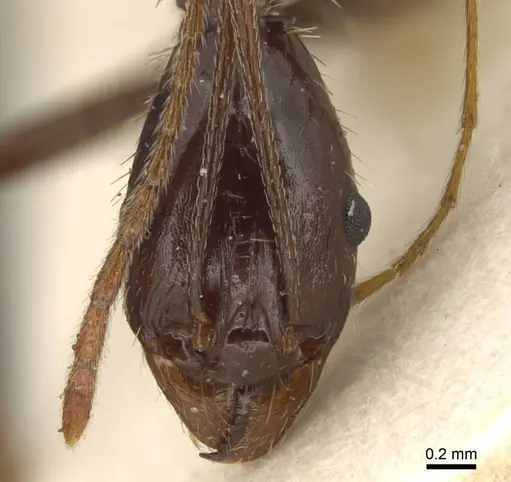
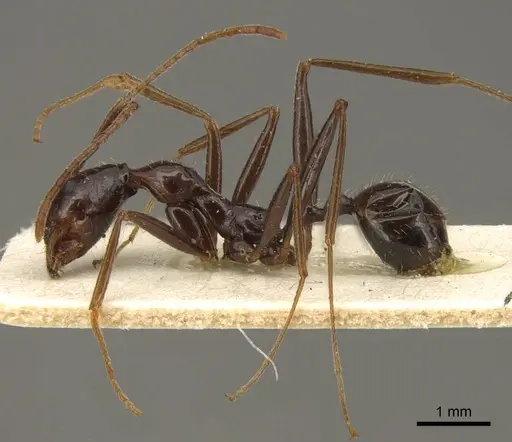
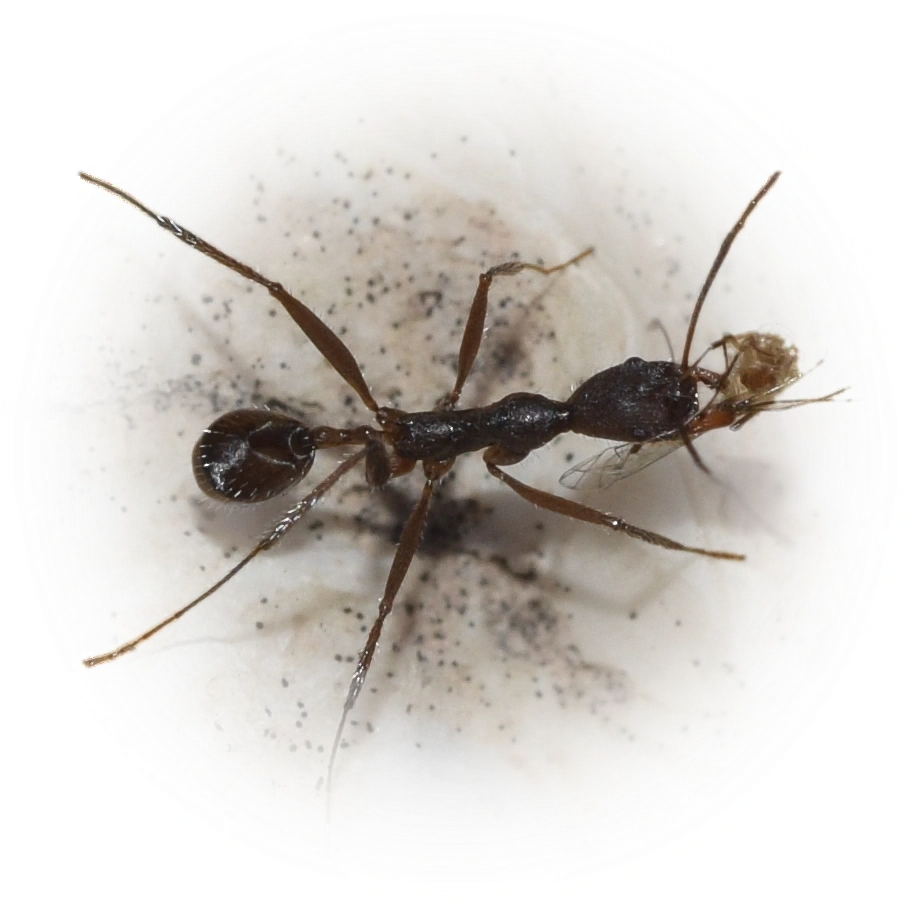
Aphaenogaster rhaphidiiceps is a species of ant belonging to the diverse Aphaenogaster genus, which contains around 200 described species. These ants are known for their slender, elongated bodies and distinctively shaped heads, which are typically longer than they are wide. Their eyes are relatively large and convex, positioned in the middle of their head. Unlike some other ant genera that have different worker castes (like majors and minors), Aphaenogaster rhaphidiiceps workers are monomorphic, meaning all workers are roughly the same size and appearance. They also possess 12-segmented antennae with a somewhat indistinct four-segmented club. While specific size details for A. rhaphidiiceps are not widely available, Aphaenogaster workers generally range over 3mm, with queens being larger. These ants are often quite active and agile, and in the wild, they are known to exhibit interesting foraging behaviors, sometimes tending to root aphids for honeydew or collecting dead insects.
- Difficulty: Medium
- Origin & Habitat: Afghanistan, Iran, Kazakhstan (type locality), Turkmenistan, Uzbekistan. in Generally found in warm temperate deciduous forests, tropical forests, and various Mediterranean landscapes. They are typically absent from steppes and deserts. Nests are usually constructed in the soil, often under stones or decaying wood..
- Colony Type: Monogyne (single queen), claustral founding.
- Size & Growth:
- Queen: Not specified
- Worker: Not specified
- Colony: Medium (thousands). Medium growth.
- Antkeeping:
- Temperature: Aphaenogaster species generally prefer moderate temperatures. Keeping them around 24-28°C during the active season should promote good brood development and overall colony health. Providing a slight temperature gradient within their setup can also be beneficial, allowing the ants to choose their preferred spot..
- Humidity: These ants generally thrive in medium to high humidity levels. A good range to aim for is 50-70% humidity within the nest. It's crucial to ensure proper ventilation to prevent mold growth..
- Diapause: Required. 3-4 months at 10-15°C.
- Nesting: Aphaenogaster rhaphidiiceps, like many Aphaenogaster species, typically nests in the soil, often under stones or logs. For captive care, naturalistic setups like ytong or plaster nests with a soil substrate are suitable. Acrylic or glass formicaria with a good hydration system can also work well, mimicking their subterranean environment. They appreciate nests with multiple chambers and a dark, secure environment, as they can be sensitive to light..
- Behavior: Low aggressiveness.
- Common Issues: Mold in nest, Humidity fluctuations, Colony stalling if dietary needs are not met, Queen stress from excessive light or vibrations.
One interesting behavior observed in some Aphaenogaster species, which may apply to Aphaenogaster rhaphidiiceps, is their 'tool-use' in foraging. They have been documented dropping small pieces of debris, like pine needles, into diluted sugar water and then carrying these soaked materials back to the nest. This innovative technique allows them to transport liquid food more efficiently, a fascinating display of their problem-solving abilities. It’s a joy to observe this natural behavior in a captive colony if you can provide the right setup.
While Aphaenogaster rhaphidiiceps workers are generally considered monomorphic, meaning they don't have distinct major and minor worker castes, their bodies are quite slender and elongated. This gives them a distinct appearance and makes them quite agile within their habitat. They are often confused with Pheidole due to some superficial similarities, but a key distinguishing feature for Aphaenogaster is their 12-segmented antennae with a four-segmented club, as opposed to Pheidole's three-segmented club and typically smaller body size.
Providing a varied diet is crucial for Aphaenogaster rhaphidiiceps. While they are known to tend root aphids in the wild for honeydew, in captivity, a mix of insect protein (like small crickets or mealworms) and sugar water or honey-based solutions is essential. Some Aphaenogaster species also consume elaiosomes, which are lipid-rich attachments to certain seeds, suggesting a potential for seed-based nutrition, especially when insect prey is scarce. Experimenting with small, oily seeds might be beneficial, but insects and sugar should form the bulk of their diet.
These ants are generally not overly aggressive towards handlers, but like any ant species, they will defend their nest if disturbed. They possess a sting, but it's not considered medically significant for humans. Their main defense is typically swarming and biting if their nest is directly threatened. When observing or interacting with the colony, gentle handling and avoiding sudden movements will minimize any stress to the ants.
A notable characteristic of the Aphaenogaster genus, observed in some species, is their nesting habits. They can create extensive underground tunnel systems, sometimes forming deep, funnel-shaped entrances. In natural settings like golf courses or pastures, these nests can make the surface fragile. While this specific species' nest structure details in captivity aren't widely known, providing a substrate that allows for burrowing can enrich their environment and allow for more natural expression of their nest-building behaviors.
Frequently Asked Questions
What kind of enclosure is best for Aphaenogaster rhaphidiiceps?
For these fascinating ants, a naturalistic formicarium mimicking their subterranean habitat is ideal. Think plaster or ytong nests with a soil layer, or even acrylic setups that allow for some substrate. They appreciate a dark nest, so consider covering parts of it to provide them with the security they crave. Good hydration is key, so ensure your setup offers a consistent moisture gradient.
Do Aphaenogaster rhaphidiiceps need to hibernate?
Yes, as a species from temperate regions of Central Asia, Aphaenogaster rhaphidiiceps requires a period of diapause, often referred to by antkeepers as 'hibernation'. This cooling period is crucial for their long-term health and reproductive cycle. Typically, 3-4 months at a cooler temperature (around 10-15°C) will suffice to mimic their natural winter conditions.
What do Aphaenogaster rhaphidiiceps eat?
These ants are omnivores. Their diet should consist primarily of insect protein, such as small crickets, mealworms, or roaches. Supplement this with a sugar source like honey water or sugar water. Some antkeepers have success with offering small, oily seeds, as certain Aphaenogaster species are known to collect elaiosomes, which are nutritious seed attachments.
How fast do Aphaenogaster rhaphidiiceps colonies grow?
Aphaenogaster rhaphidiiceps colonies generally exhibit a medium growth rate. While they might not explode in numbers like some Lasius species, a healthy colony will steadily expand, reaching into the thousands of workers at maturity. Consistency in feeding, proper temperature, and a suitable nesting environment will contribute to their steady development.
Are Aphaenogaster rhaphidiiceps aggressive?
Compared to some more notoriously aggressive species, Aphaenogaster rhaphidiiceps are considered to have a low level of aggression towards handlers. They're more likely to flee or defend their nest if directly provoked rather than actively seeking confrontation. While they do possess a sting, it's not a major concern for human keepers.
What is unique about Aphaenogaster rhaphidiiceps workers?
A distinct characteristic of Aphaenogaster species, including A. rhaphidiiceps, is their monomorphic worker caste – meaning all workers are of similar size. They also have a unique slender body shape and long legs, which makes them quite agile. Keepers often note their 12-segmented antennae with a subtle four-segmented club, distinguishing them from similar-looking ants like Pheidole.
How do Aphaenogaster ants get liquid food back to their nest?
It's truly fascinating! Some Aphaenogaster species, like A. rhaphidiiceps, demonstrate a form of 'tool-use'. They've been observed dropping small bits of debris, like pine needles, into sugary liquids, allowing the material to soak up the food. They then carry these soaked 'sponges' back to the nest for other colony members to consume. This clever strategy highlights their adaptive foraging behaviors.
What temperature and humidity do Aphaenogaster rhaphidiiceps prefer?
These ants prefer temperatures in the range of 24-28°C during their active period. A temperature gradient is always a good idea in an outworld, allowing them to thermoregulate. For humidity, aim for a medium to high level, around 50-70%, within their nest to ensure their brood develops properly. Always maintain good ventilation to prevent mold.
Can Aphaenogaster rhaphidiiceps be kept in a test tube setup?
While a queen and her first few workers can certainly start in a test tube setup, these ants appreciate more space and a natural substrate as the colony grows. They will eventually need a proper formicarium that allows them to burrow and expand their nest, reflecting their natural tunneling habits. A test tube linked to a small outworld can work for the initial stages.
What are common problems when keeping Aphaenogaster rhaphidiiceps?
Like many ant species, common issues include mold developing in the nest if humidity is too high without proper ventilation, or if uneaten food accumulates. Humidity fluctuations can also stress the colony. Ensure they have a consistent food supply to prevent colony stalling, and try to minimize excessive light or vibrations near the nest, as queens can be sensitive to disturbances.
Do Aphaenogaster rhaphidiiceps have major workers or soldiers?
No, Aphaenogaster rhaphidiiceps have a monomorphic worker caste, meaning all workers are generally the same size and do not specialize into distinct 'major' or 'soldier' roles. This distinguishes them from genera like Pheidole, which are known for their polymorphic workers with robust major workers.
Where are Aphaenogaster rhaphidiiceps naturally found?
This specific species is native to parts of Central Asia, including countries like Afghanistan, Iran, Kazakhstan, Turkmenistan, and Uzbekistan. They inhabit warm temperate forests and Mediterranean-type landscapes within these regions, often making their nests in the soil under various natural debris like stones and logs.