

Aphaenogaster mutica
- Scientific Name
- Aphaenogaster mutica
- Tribe
- Stenammini
- Subfamily
- Myrmicinae
- Author
- Pergande, 1896
- Distribution
- Found in 1 countries
Aphaenogaster mutica Overview
Aphaenogaster mutica is an ant species of the genus Aphaenogaster. It is primarily documented in 1 countries , including Mexico. Detailed taxonomic data and occurrence records can be further explored via authoritative databases such as AntWeb or the Global Biodiversity Information Facility (GBIF).
Aphaenogaster mutica
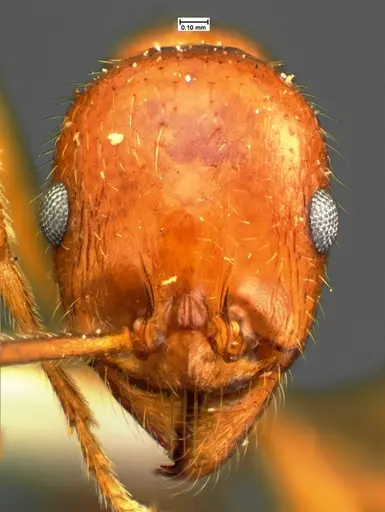
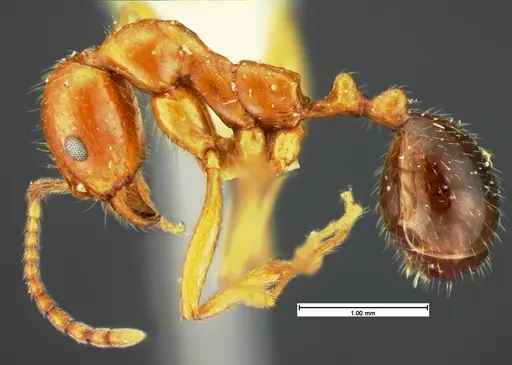
Aphaenogaster mutica is a light brown ant with a contrasting dark gaster that gives it a two-toned appearance [1]. Workers have a rounded head that is wider at the back, with a distinctive notched clypeus [1]. This species comes from the Baja California peninsula of Mexico and appears to be endemic to this region, meaning it lives nowhere else on Earth [2][3]. The original specimens were collected at San José del Cabo in 1894 [1]. Despite being described over a century ago, almost nothing is known about their colony biology or behavior in the wild, making them one of the more mysterious ants in the genus.
Quick Summary
- Difficulty: Expert
- Origin & Habitat: Endemic to Baja California Sur, Mexico, with additional records from Baja California state [2][3]. One questionable record exists from Texas [4]. The type locality is San José del Cabo [1]. This Nearctic species inhabits extratropical regions at approximately 26.6°N latitude [5][6], likely in arid or semi-arid scrub habitats.
- Colony Type: Likely single-queen (monogyne) based on typical Aphaenogaster patterns, though this remains unconfirmed.
- Colony: Monogyne
- Founding: Claustral
- Size & Growth:
- Queen: Approximately 7-9mm (estimated from typical Aphaenogaster proportions).
- Worker: Approximately 4-6mm (estimated from genus patterns).
- Colony: Unknown in the wild, similar Aphaenogaster species typically reach 500-2000 workers.
- Growth: Moderate (inferred).
- Development: Approximately 8-12 weeks at 25°C (estimated based on related temperate Aphaenogaster species). (This timeline is speculative, actual development time may vary significantly.)
- Antkeeping:
- Temperature: Likely requires warm conditions around 25-28°C given their desert origin, with a slight heat gradient across the nest. They may benefit from a cooler winter period at 15-18°C for 2-3 months to simulate seasonal cycles, though this is unconfirmed.
- Humidity: Provide a moisture gradient with a damp nest area and drier outworld. Desert-dwelling ants often need access to humidity but cannot tolerate waterlogged conditions.
- Diapause: Unknown, but likely beneficial given their extratropical distribution. If brood development stalls in winter, cool the colony to 15-18°C for 2-3 months.
- Nesting: Y-tong, plaster, or naturalistic nests with small chambers and tight spaces. They likely prefer secure, enclosed nesting sites similar to other Aphaenogaster.
- Behavior: Typical Aphaenogaster behavior includes moderate activity levels, seed collection, and scavenging. They are not known to be particularly aggressive but will defend their nest. Workers are fast and can climb smooth surfaces, so excellent escape prevention is essential.
- Common Issues: extreme rarity in the hobby means no established care protocols exist and captive success is uncertain., desiccation risk if kept too dry, desert species still need humidity gradients., potential need for undocumented seasonal cooling periods., tiny size means escapes are likely without fine mesh barriers and secure lids.
Endemic Status and Conservation
This species appears to be endemic to Baja California Sur, meaning it occurs naturally nowhere else in the world [2]. The biogeographic data places them in the Nearctic region at extratropical latitudes [5][6]. Because of this restricted range, you must never release captive colonies into the wild, especially outside their native Mexico. If you obtain these ants, ensure they came from legal collection permits or captive breeding, as wild populations should be protected. Their limited distribution also means we have very little data on their natural history compared to widespread species.
Nest Preferences and Setup
In captivity, provide a nest that mimics the secure, enclosed spaces typical of Aphaenogaster. Y-tong (aerated concrete) or plaster nests with small chambers work well. Create a moisture gradient with one side slightly damp and the other dry, allowing the ants to choose their preferred humidity. Despite coming from a desert region, they likely need access to moisture, possibly from morning dew or seasonal rains in their native habitat. Avoid overly large chambers, these ants prefer tight spaces that make them feel secure.
Temperature and Seasonal Care
Given their origin in Baja California at 26.6°N latitude [5], they likely experience warm days and cooler nights, with seasonal temperature variation. Keep the nest area around 25-28°C during the active season, using a heat cable or mat on one side to create a gradient. Because they are extratropical [5], they probably experience some form of winter slowdown. If your colony stops producing brood or becomes less active during winter months, provide a cooling period at 15-18°C for 8-12 weeks. This simulates the seasonal cycle they would experience in the wild, though specific diapause requirements remain unstudied.
Feeding and Diet
Based on typical Aphaenogaster behavior, these ants are likely omnivorous. Offer a mix of protein sources such as small insects, fruit flies, or cricket pieces, and carbohydrate sources like sugar water or honey. Many Aphaenogaster species collect seeds, so providing small seeds like canary grass seed or dandelion seeds may be appreciated. Feed small amounts frequently rather than large amounts rarely, as protein can spoil quickly in warm setups. Remove uneaten food within 24 hours to prevent mold.
Behavior and Temperament
These ants are likely moderately active with typical Aphaenogaster movement patterns, deliberate but capable of quick bursts when disturbed. They are not known to be aggressive stingers, though they may bite if threatened. Workers are excellent climbers and can squeeze through surprisingly small gaps due to their size. Use Fluon or baby powder barriers on the upper walls of outworlds, and ensure all ventilation mesh is fine enough to contain small workers.
Frequently Asked Questions
Can I keep Aphaenogaster mutica in a test tube?
Yes, test tubes work well for founding colonies. Use the standard setup with water reservoir and cotton plug, keeping the tube in a dark, warm place around 25°C. Move them to a proper nest once you have 10-20 workers.
How long until Aphaenogaster mutica gets its first workers?
The exact timeline is unknown for this species. Based on related Aphaenogaster, expect roughly 8-12 weeks from egg to first worker at 25°C, though this could vary significantly.
Do Aphaenogaster mutica need hibernation?
Probably, given their extratropical origin, but this is unconfirmed. If your colony slows down or stops raising brood in winter, provide a cooling period at 15-18°C for 2-3 months. If they remain active year-round in your care, hibernation may not be strictly necessary.
Are Aphaenogaster mutica good for beginners?
No. They are extremely rare in captivity, poorly studied, and their specific care requirements are largely unknown. Beginners should start with well-documented species like Lasius niger or Tetramorium immigrans.
What do Aphaenogaster mutica eat?
They likely eat a mix of insects, seeds, and sugary liquids like other Aphaenogaster. Offer small live or dead insects, sugar water, and possibly small seeds. Adjust based on what your colony accepts.
How big do Aphaenogaster mutica colonies get?
Unknown specifically for this species. Similar Aphaenogaster species often reach 500-2000 workers over several years.
Why are my Aphaenogaster mutica dying?
Common issues include desiccation (even desert ants need some humidity), incorrect temperature, or stress from overly large spaces. Ensure they have a moisture gradient, stable warmth, and secure small chambers.
References

This caresheet is licensed under CC BY-SA 4.0 .
CASENT0105580
View on AntWeb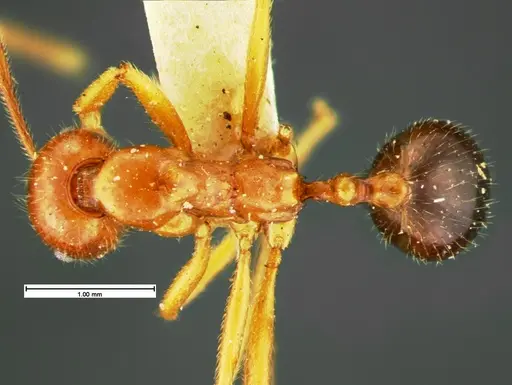
CASTYPE00623
View on AntWeb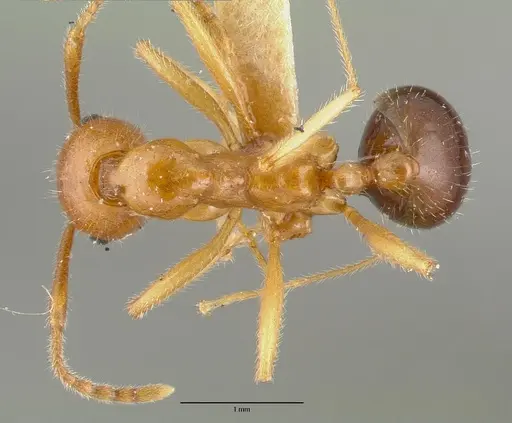


Literature
Loading...Loading products...