
Tetramorium immigrans has a tightly defined flight window centered on June. Most nuptial flights occur within just 2 months, making this a highly predictable species for collectors. The concentrated timeframe makes peak months critical for sightings.
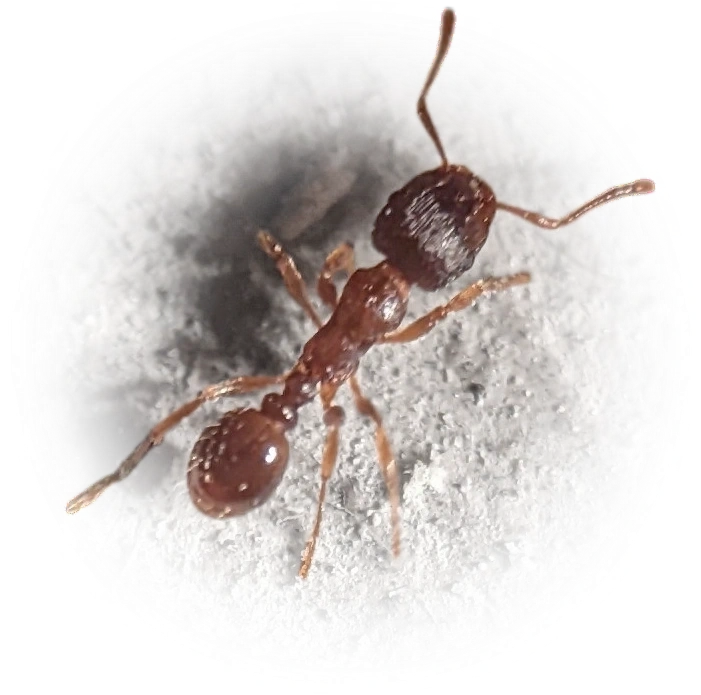
Tetramorium immigrans
- Scientific Name
- Tetramorium immigrans
- Tribe
- Crematogastrini
- Subfamily
- Myrmicinae
- Author
- Santschi, 1927
- Common Name
- Pavement Ant
- Distribution
- Found in 4 countries
- Nuptial Flight
- from June to July, peaking in June
AI Identifiable
try →
Tetramorium immigrans Overview
Tetramorium immigrans (commonly known as the Pavement Ant) is an ant species of the genus Tetramorium. It is primarily documented in 4 countries , including Canada, France, United States of America. Detailed taxonomic data and occurrence records can be further explored via authoritative databases such as AntWeb or the Global Biodiversity Information Facility (GBIF).
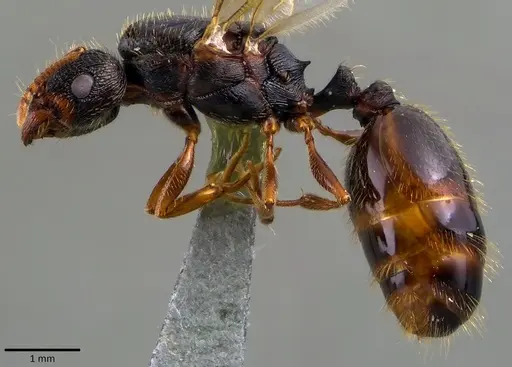
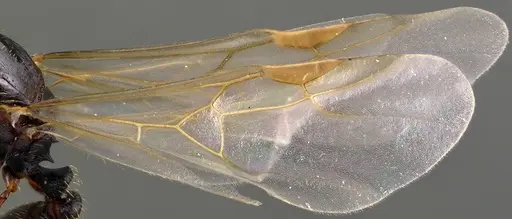
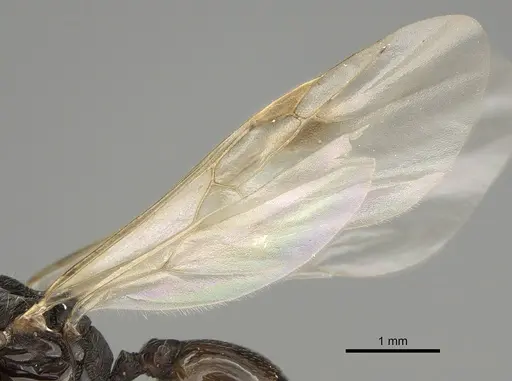
The nuptial flight of Tetramorium immigrans is a significant biological event, typically occurring from June to July, peaking in June. During this time, winged queens and males leave the nest to mate and establish new colonies.
Tetramorium immigrans - "Pavement Ant"
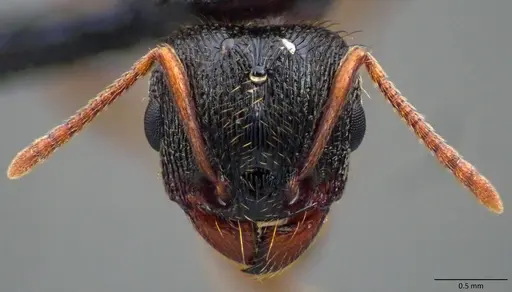
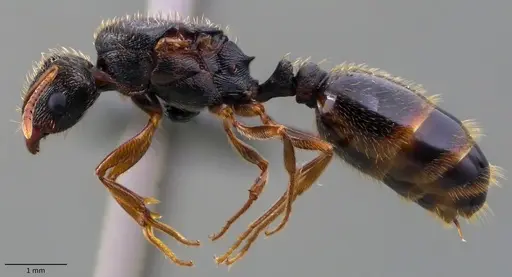
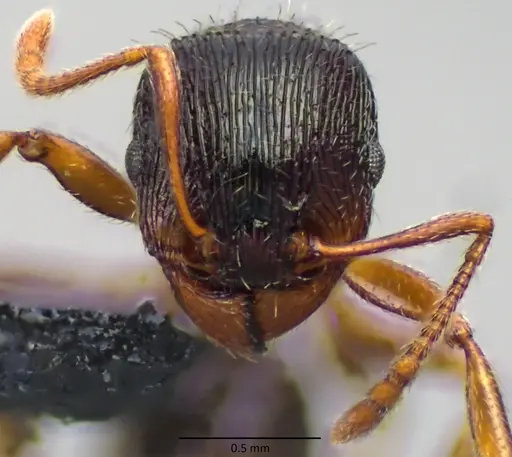
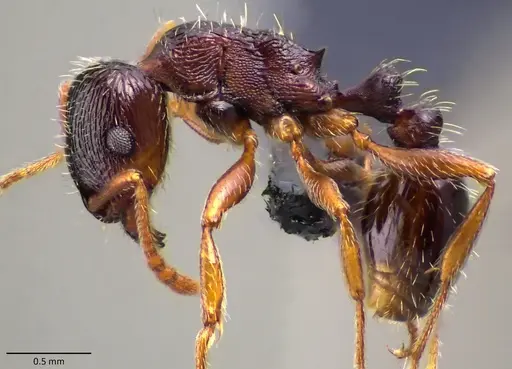
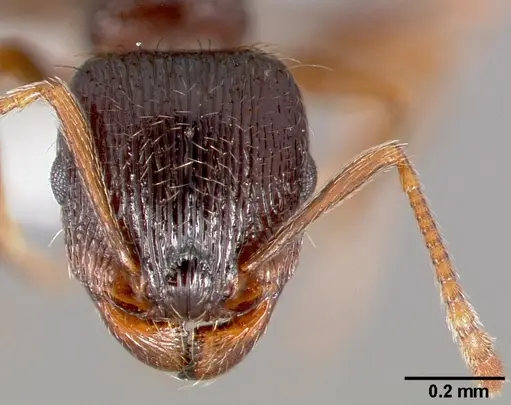
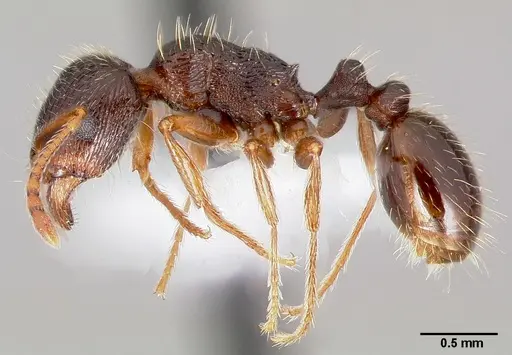
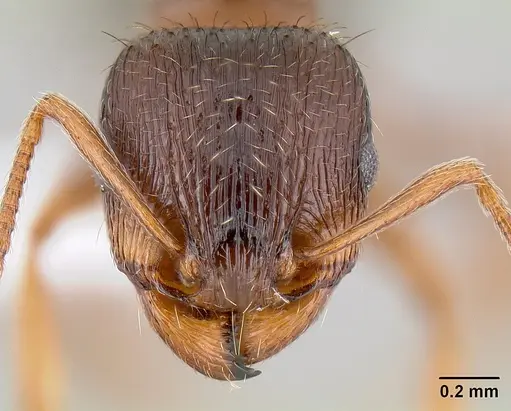
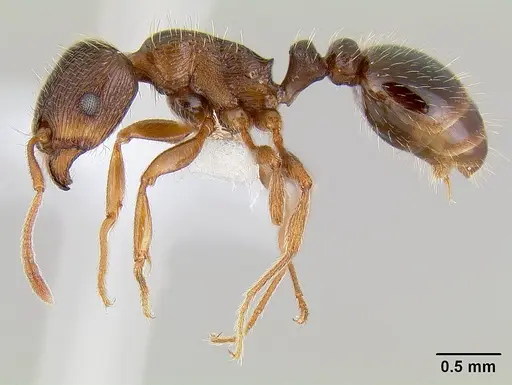
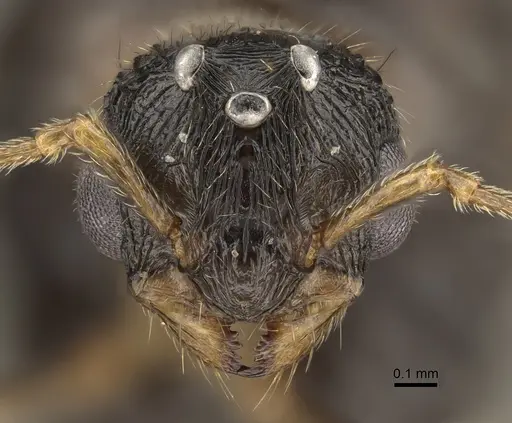
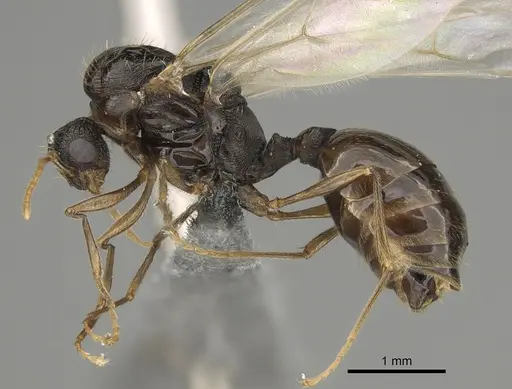
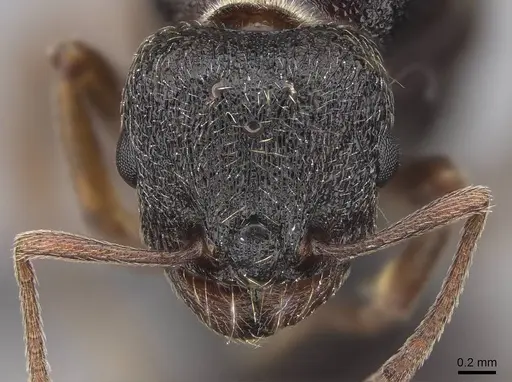
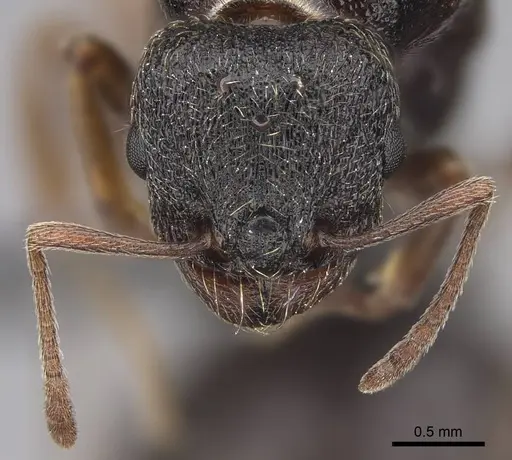
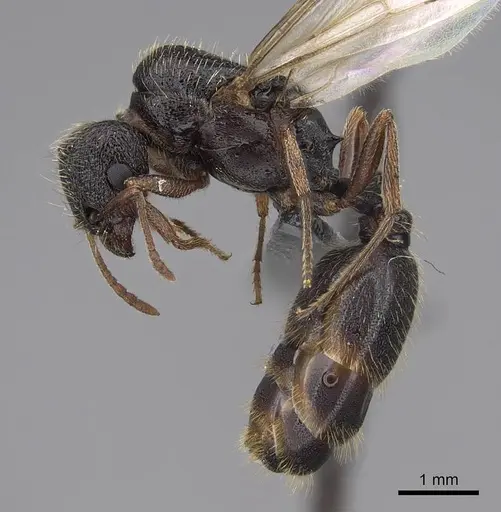
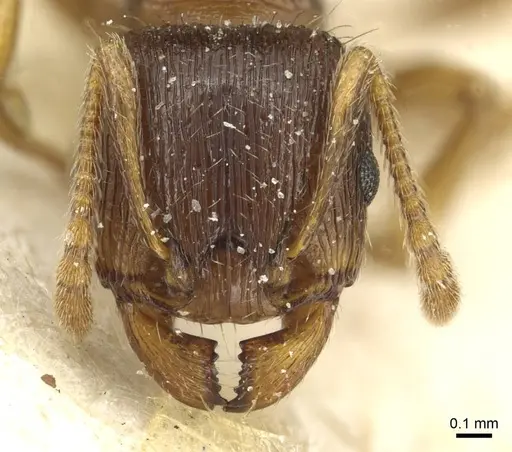
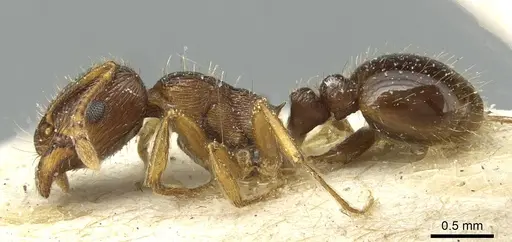
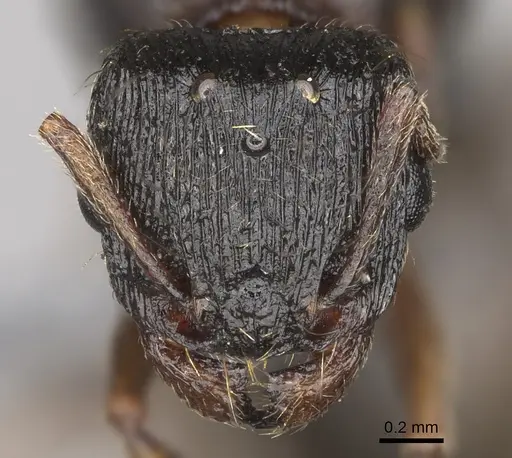
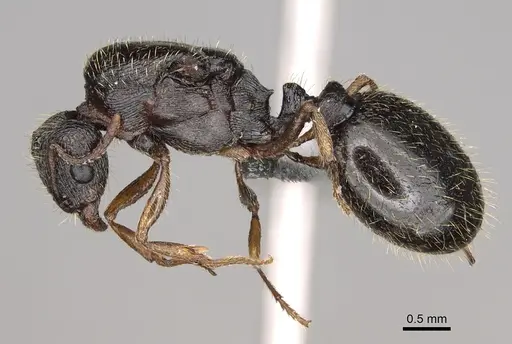
Tetramorium immigrans is a small, dark brown to blackish ant (workers 3-4mm) that has become one of the most widespread urban ants worldwide. Originally native to the Caucasus region and Anatolia, this species has spread globally as a human-assisted introduction, now found across Europe, North America, and parts of South America [1][2]. It earned its common name from its preference for nesting under sidewalks, pavement slabs, and in the cracks of concrete, anywhere in urban environments where it can create shallow nests in soil [2]. Workers are monomorphic with distinctive longitudinal ridges on the head and a somewhat dull, sculptured appearance. This species is a classic 'tramp ant' that thrives in disturbed, anthropogenic habitats and readily enters homes in search of food [2].
Quick Summary
- Difficulty: Easy
- Origin & Habitat: Native to Western Palearctic (Caucasus Mountains and Anatolia region), now widespread across Europe, North America, and South America. Found almost exclusively in urban and anthropogenic habitats: sidewalks, pavement cracks, roadsides, parks, gardens, building foundations, and between walls [1][2].
- Colony Type: Monogyne, single queen per colony. Queens are polyandrous (mate with multiple males). No polygyny (multiple queens) has been documented in wild colonies [2][3].
- Colony: Monogyne
- Founding: Claustral
- Size & Growth:
- Queen: Gynes are many times the mass of a worker (estimated 6-8mm) [2]. Signal: inferred from related species and description.
- Worker: 3-4mm (CS 713-943 µm) [1].
- Colony: Up to 10,000-30,000 workers in mature colonies [2]. Signal: from T. caespitum data.
- Growth: Moderate
- Development: 6-10 weeks at optimal temperature. Signal: inferred from genus-level data. (Alate larvae develop through winter, pupation begins mid-May, first winged adults emerge June. Nuptial flights occur late May through July [2].)
- Antkeeping:
- Temperature: Keep nest area at 20-25°C. This species is strongly thermophilic, foraging activity peaks at 20-25°C and stops around 36°C [2]. A heating cable on one side of the nest creates a useful gradient. Room temperature (20-24°C) is typically suitable.
- Humidity: Prefers relatively dry conditions. Captive colonies do well at 20-40% humidity [2]. Keep the nest substrate slightly moist but not wet, allow it to dry partially between waterings. These ants naturally nest in well-drained soils under stones and pavement.
- Diapause: Yes, requires winter dormancy. In their native range, colonies experience cold winters. Keep colonies at 5-10°C for 2-3 months (November-February in Northern Hemisphere) to allow proper reproductive cycle [2]. Reduce feeding and keep them in a cool location like a garage or basement.
- Nesting: Y-tong (AAC) nests work well due to their preference for dry, stable conditions. Plaster nests are also suitable. Provide a shallow water tube as their primary moisture source. Avoid overly humid or wet setups, these ants naturally nest in relatively dry microhabitats under stones and pavement [2].
- Behavior: Generally non-aggressive toward humans but highly territorial toward competing ant colonies. Workers can sting, but the venom is mild and rarely causes reactions in humans [2]. They use mass recruitment to food sources via trail pheromones, once a worker finds food, it lays a chemical trail back to the nest, recruiting many workers [4]. They are excellent escape artists due to their small size, use fluon on all edges of the outworld. They are primarily daytime foragers and prefer warm, sunny surfaces.
- Common Issues: colonies often fail during hibernation if kept too warm or too wet during winter dormancy, small size means escapes are likely without fine mesh barriers and fluon, overfeeding can lead to mold in the nest, remove uneaten food promptly, wild-caught colonies may have parasites that kill them in captivity, colonies may be difficult to establish from single queens due to claustral founding requirements
Nuptial Flight Activity Analysis 1173 observations
Flight Activity by Hour 1173 observations
Tetramorium immigrans nuptial flight activity peaks around 10:00 during the late morning to early afternoon. Activity is spread across a 16-hour window (06:00–21:00). Times may be influenced by human observation patterns.
Temperature and Care
Tetramorium immigrans is a warmth-loving species that thrives at temperatures between 20-25°C. In the wild, foraging activity begins when surface temperatures exceed 10°C, peaks at 20-25°C, and stops entirely around 36°C [2]. This means you should keep your nest in the warm end of this range for optimal colony growth and activity. A heating cable placed on one side of the nest creates a temperature gradient that allows the ants to regulate their own temperature by moving between chambers. Room temperature (20-24°C) is typically suitable for established colonies. During the active summer months, they can handle temperatures up to 30°C without issues. However, avoid temperatures below 15°C except during their winter dormancy period. These ants prefer stable temperatures rather than dramatic fluctuations, avoid placing the nest near air conditioning vents or drafty windows.
Feeding and Diet
These ants are true omnivores with a strong preference for protein in spring and summer, shifting toward carbohydrates and seeds in fall [2]. In captivity, offer a varied diet: protein sources like mealworms, small crickets, or frozen bloodworms 2-3 times per week. They also readily accept sugar water, honey, or diluted maple syrup as a constant carbohydrate source. In the wild, they are known to recruit massively to protein baits like meats and grease, this is why they're such common kitchen pests [2]. They also collect honeydew from aphids if available. Seeds are not a required part of their diet in captivity but may be accepted. Remove uneaten food within 24-48 hours to prevent mold. Fresh water should always be available, a test tube with a cotton plug works well.
Nesting Preferences
In nature, Tetramorium immigrans nests in soil under stones, pavement slabs, and in cracks between concrete or asphalt [1][2]. Their nests are relatively shallow, typically 30-50cm deep with chambers 1.9-5.5cm in diameter connected by narrow galleries [2]. They prefer well-drained soils and are commonly found in sunny, dry locations. For captive care, Y-tong (AAC) nests work exceptionally well because they mimic the dry, stable conditions these ants prefer. Plaster nests are another good option. The key is to provide a relatively dry nest environment, these ants are not humidity-dependent like some tropical species. A small water tube for humidity is sufficient. Avoid naturalistic setups with live plants or high moisture, as this can lead to mold issues. The outworld can be simple, a foraging area with a barrier of fluon to prevent escapes.
Hibernation and Seasonal Care
Tetramorium immigrans requires a winter dormancy period to maintain healthy reproductive cycles. In their native range, colonies experience significant cold during winter months, and their reproductive development is synchronized with this seasonal pattern [2]. Alate (reproductive) larvae develop during winter, pupation begins in mid-May, and winged adults appear in June with nuptial flights occurring from late May through July. To replicate this in captivity, reduce temperatures to 5-10°C from November through February (roughly 2-3 months). A garage, basement, or unheated room works well. During hibernation, reduce feeding to almost nothing, the colony will be largely inactive. Do not feed during the hibernation period. Ensure the nest substrate remains slightly moist (not wet) throughout winter. After hibernation, gradually warm the colony back to room temperature and resume normal feeding. Skipping hibernation can lead to reproductive problems and colony decline over time.
Behavior and Colony Dynamics
This species is famous for its dramatic inter-colony battles, particularly in spring. In urban areas, you can often see hundreds of workers from neighboring colonies fighting on sidewalks, these encounters can last from seconds to over an hour [2]. Despite this fierce territorial behavior toward other colonies, they show relatively low aggression toward non-nestmate conspecifics from the same species and will even assist distressed non-nestmates [2]. Workers use a combination of trail pheromones and visual navigation. The trail pheromone is secreted from the poison gland and is highly effective at recruiting nestmates to food sources [4]. They are primarily diurnal foragers, becoming more shade-seeking during hot summer weather. Colonies grow moderately, founding colonies may take 1-2 years to reach 100 workers, with mature colonies potentially reaching 10,000-30,000 workers. Queens in captivity have been reported to live 8-9 years [2].
Colony Founding
Tetramorium immigrans queens are claustral founders, meaning they seal themselves in a small chamber after mating and survive entirely on stored fat reserves while raising their first brood [5]. The queen lays eggs and tends to the larvae entirely alone until the first workers (nanitics) emerge. This process typically takes 6-10 weeks at warm temperatures. The founding chamber is usually quite small, in the wild, queens find pre-existing cavities under stones or in soil cracks. In captivity, you can provide a simple setup: a test tube with a cotton barrier, or a small container with a few centimeters of slightly moist soil. Place the queen in darkness and do not disturb her until workers emerge. The first workers will be smaller than normal workers (nanitics) but will grow in subsequent broods. Do not feed the founding queen, she does not forage during this period. Once workers emerge, you can begin offering tiny amounts of sugar water and small protein items.
Frequently Asked Questions
Can I keep Tetramorium immigrans in a test tube?
Yes, test tubes work well for founding colonies. Provide a test tube with a water reservoir (cotton plug) and keep it in darkness until workers emerge. For established colonies, consider moving to a Y-tong or plaster nest as they prefer drier conditions than many species.
How long until first workers in Tetramorium immigrans?
Expect 6-10 weeks from egg to first worker at optimal temperatures (20-25°C). This is claustral founding, the queen seals herself in and raises the first brood alone without foraging.
Do Tetramorium immigrans ants sting?
Yes, they can sting, but the venom is mild and rarely causes reactions in humans. Most people only feel a brief, minor sting. Their sting is considered innocuous compared to many other ants [2].
Are Tetramorium immigrans good for beginners?
Yes, this is an excellent beginner species. They are hardy, tolerate a range of conditions, and are inexpensive to acquire. Their main requirements are warm temperatures (20-25°C), dry nesting conditions, and annual hibernation. They are also widely available.
Do Tetramorium immigrans need hibernation?
Yes, they require 2-3 months of cold dormancy (5-10°C) during winter. This is essential for their reproductive cycle, alate larvae develop during winter, pupate in spring, and emerge in summer. Without hibernation, colonies may fail to produce reproductives or decline over time.
What do Tetramorium immigrans eat?
They are omnivores with a preference for protein in spring/summer. Feed protein sources (mealworms, small insects) 2-3 times weekly and provide constant access to sugar water or honey. They readily accept household foods like meats and grease in the wild [2].
How big do Tetramorium immigrans colonies get?
Mature colonies can reach 10,000-30,000 workers. This is comparable to their close relative Tetramorium caespitum, which averages 7,800-14,000 workers in the wild [2].
Can I keep multiple Tetramorium immigrans queens together?
No. This is a monogyne species, colonies have only a single queen. Multiple unrelated queens will fight. If you find multiple queens in the wild, they are likely from different colonies or the colony was recently founded pleometrotically (cooperative founding) which later resolves to single queen [2].
When to move Tetramorium immigrans to a formicarium?
Move from test tube to nest when the colony reaches 20-30 workers. Y-tong (AAC) or plaster nests work best. Ensure the new setup has a shallow water source and keep humidity moderate, they prefer drier conditions than many Myrmicinae.
Why are my Tetramorium immigrans dying?
Common causes include: too high humidity (they prefer dry nests), lack of hibernation, temperatures below 15°C except in winter, or mold from overfeeding. Check that the nest is not too wet and remove uneaten food promptly. Also ensure escape prevention is adequate, they are small and can squeeze through tiny gaps.
References

This caresheet is licensed under CC BY-SA 4.0 .
ANTWEB1041690
View on AntWeb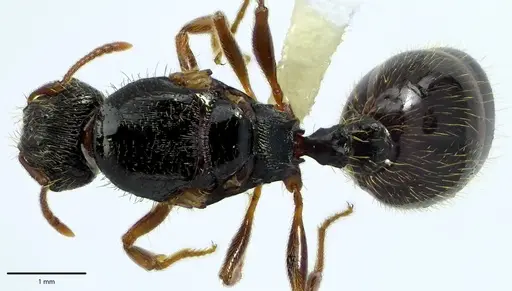
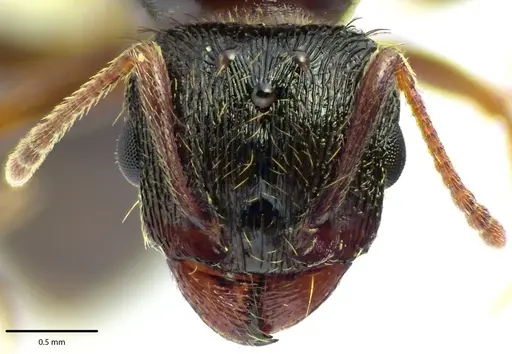
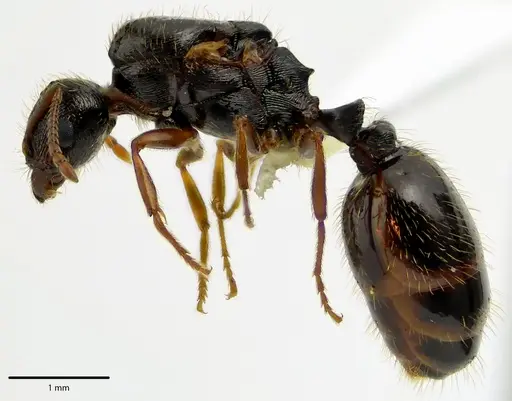
ANTWEB1041811
View on AntWeb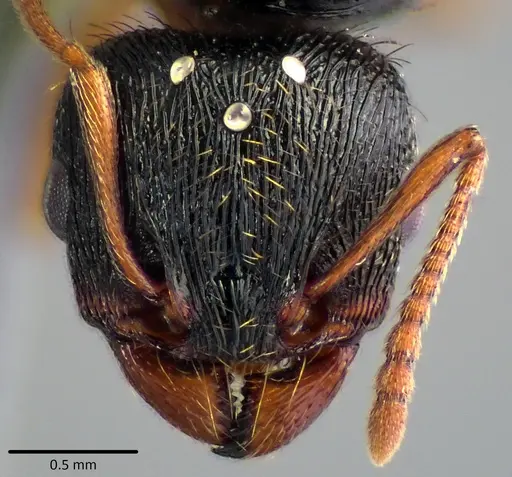
ANTWEB1060086
View on AntWeb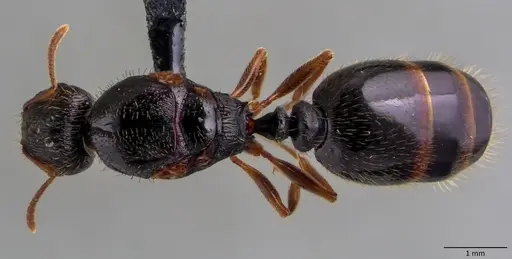
ANTWEB1060130
View on AntWeb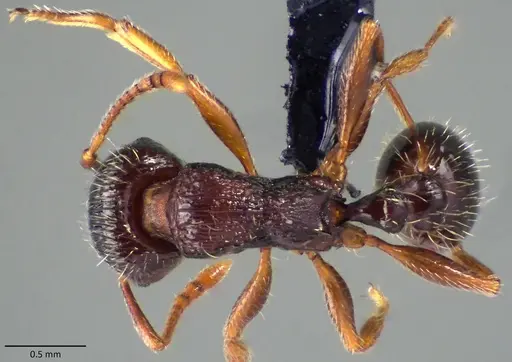
CASENT0005827
View on AntWeb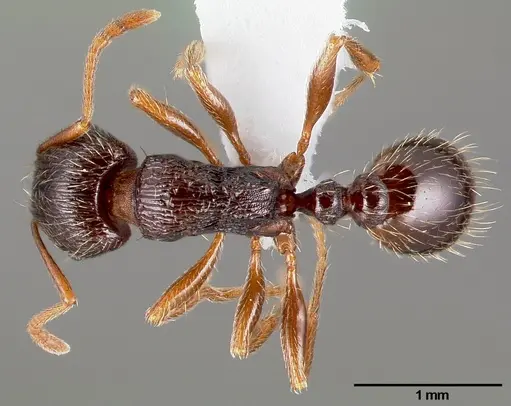
CASENT0106026
View on AntWeb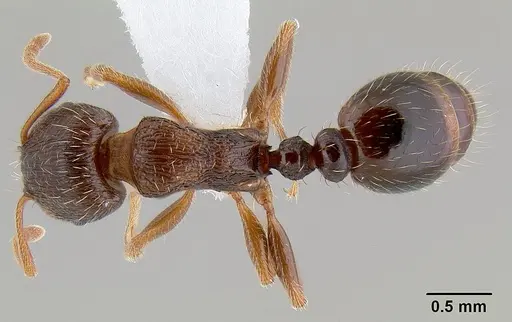
CASENT0828907
View on AntWeb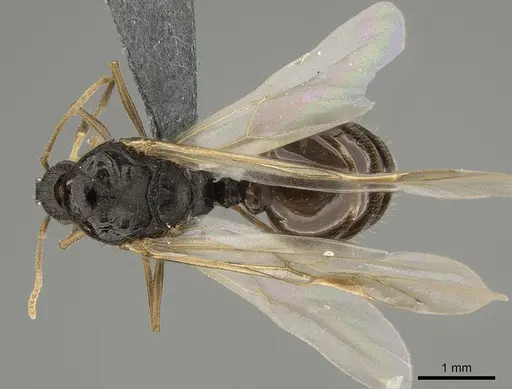
CASENT0845171
View on AntWeb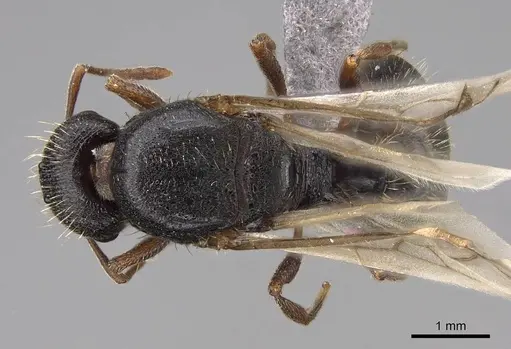
CASENT0913997
View on AntWeb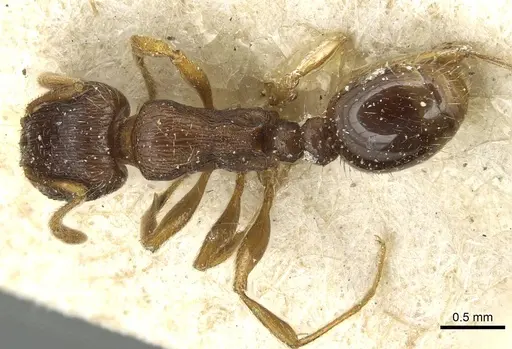
CASENT0923237
View on AntWeb
Literature
Loading...Loading products...