Aphaenogaster araneoides - "Spider Ant"
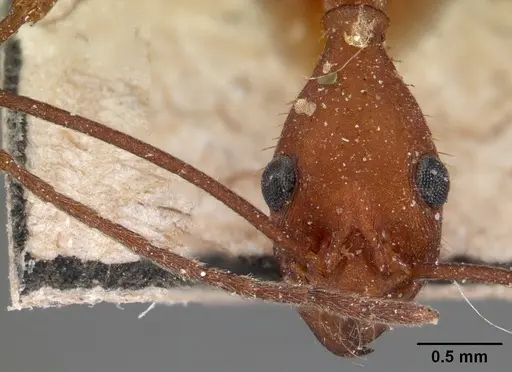
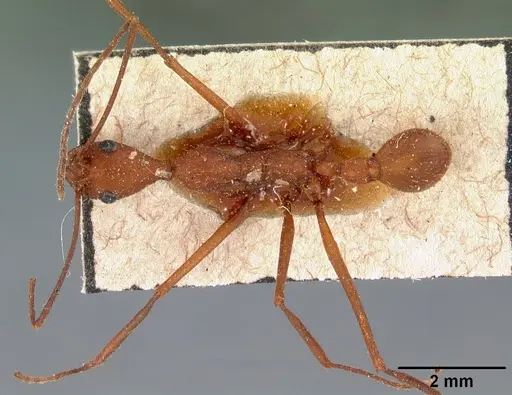
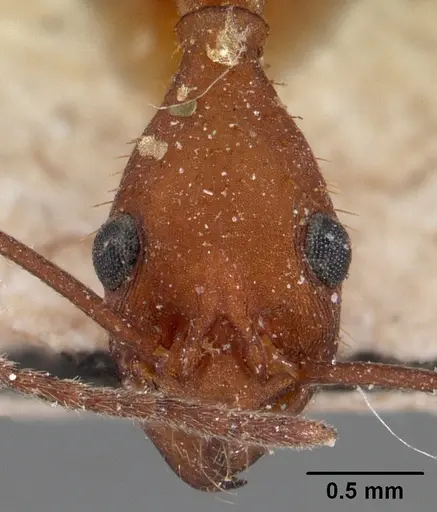
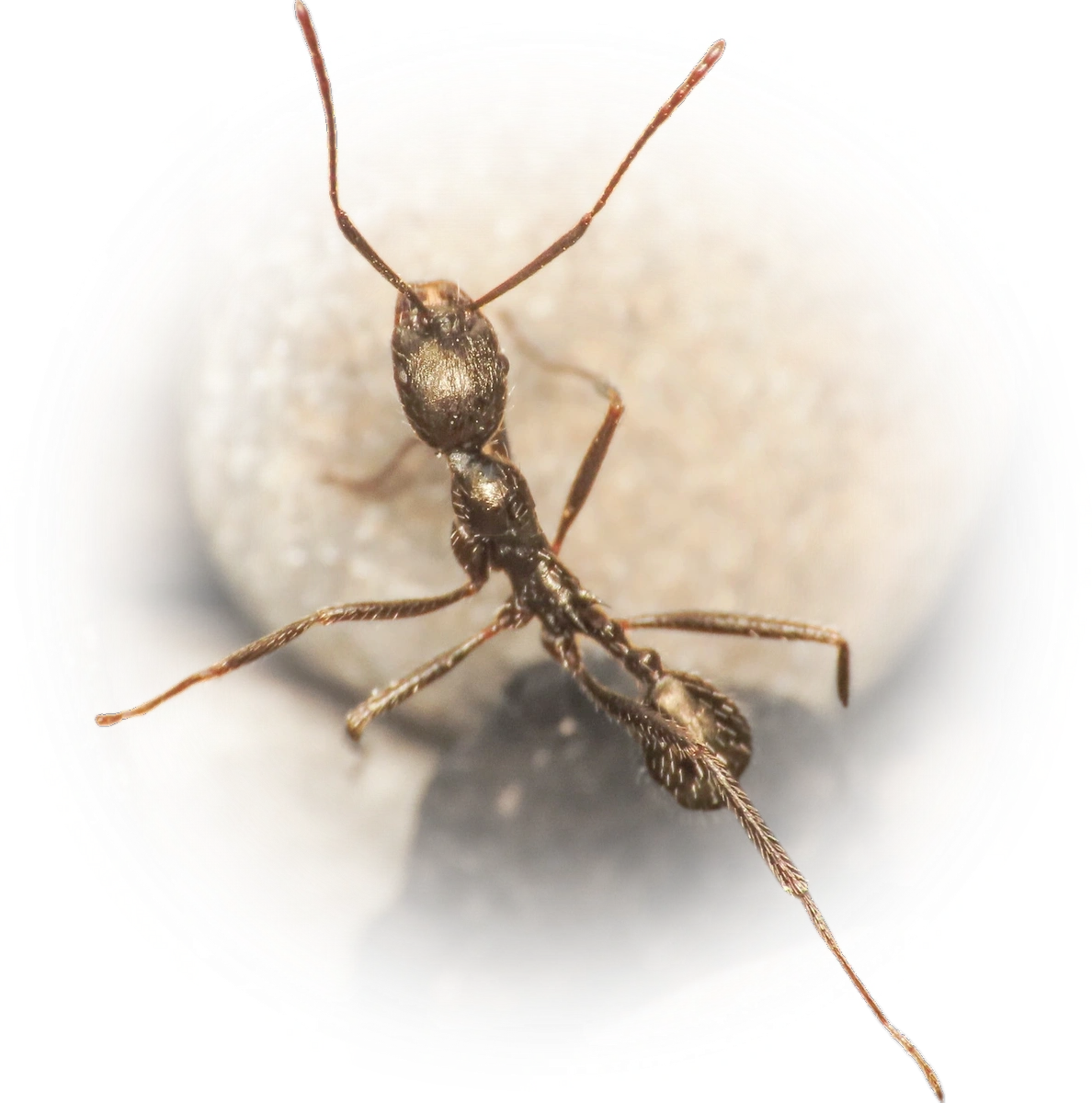
Aphaenogaster araneoides, often referred to as the Spider Ant due to their long legs and somewhat awkward gait, are captivating ants found primarily in Central America. They are known for their slender, elongate bodies and are typically monomorphic, meaning all workers are roughly the same size. These ants exhibit a fascinating behavior called 'serial monodomy,' where a colony maintains multiple nests within its territory but only occupies one at a time, moving frequently between them. This unique nesting strategy is a key characteristic of A. araneoides.
- Difficulty: Medium
- Origin & Habitat: Central America (Costa Rica, El Salvador, Guatemala, Honduras, Nicaragua, Panama, Colombia) in Tropical forests, typically nesting in soil under stones or logs, or in rotting wood..
- Colony Type: Monogyne (single queen), though some Aphaenogaster species can be polygyne., semi-claustral (queen forages), with ergatoid queens. founding.
- Size & Growth:
- Queen: Not specified
- Worker: 3.4mm+
- Colony: Medium (hundreds to thousands). Typical Aphaenogaster colony sizes range from moderately large to very large, with tropical species often having smaller average colony sizes compared to temperate ones.. Medium growth.
- Antkeeping:
- Temperature: Maintain a temperature between 24-28°C for optimal activity and brood development. Some Aphaenogaster species forage most intensively between 26°C and 30°C..
- Humidity: Provide medium to high humidity. They prefer very wet environments over dry ones and will often stack materials to retain moisture in the nest..
- Diapause: Not required. Not specified at Not specified.
- Nesting: Naturalistic setups with soil or rotting wood are ideal, mimicking their natural nesting sites. They are known to nest under stones or logs in the wild. Given their 'serial monodomy' behavior, offering multiple interconnected nesting areas might be beneficial for observing their natural behaviors..
- Behavior: Low aggressiveness.
- Common Issues: Humidity fluctuations (they prefer consistent high humidity), Colony stalling if founding queen not properly fed (semi-claustral), Messy outworlds due to debris accumulation.
One of the most remarkable aspects of Aphaenogaster araneoides is their unique nesting strategy, termed 'serial monodomy.' This means a colony maintains several separate nest sites, but only occupies one at any given time, frequently relocating their entire colony, including the queen and brood, to a different nest within their established territory. This behavior is thought to be a defense mechanism against predators like army ants, as having readily available empty nests can help reduce the probability and costs of an attack. Providing a setup that allows for this movement, such as interconnected formicariums or multiple test tubes, could offer incredible insights into their natural behavior.
Aphaenogaster araneoides queens are reported to be 'ergatoid,' meaning they resemble large workers and may not have typical winged forms. This is an important distinction for antkeepers, as it influences how queens are recognized and how colonies are founded. Unlike fully claustral queens that seal themselves away to raise their first workers without needing food, semi-claustral queens, like those of A. araneoides, require foraging for food to sustain themselves and their initial brood. This means a queen-right setup needs an outworld available from the start for her to forage.
These ants are not typically aggressive towards handlers and are considered relatively easy to handle due to their tendency to bite rather than sting, though they do possess a stinger. Despite their non-aggressive nature towards humans, they are efficient scavengers and carnivores in the wild, collecting dead insects and even tending to homopterans for honeydew. In captivity, they are not picky eaters and will readily accept a varied diet.
Keeping Aphaenogaster araneoides can be a bit messy in the outworld. They are known for digging at cotton and spreading fine threads, mixed with food debris, creating a 'carpet' of trash. However, they are quite tidy within their nest chambers, often using bits of cotton or earth to sponge up messes and then transporting the waste to the outworld. This 'tool use' to manage liquids and waste is another intriguing behavior that makes them fascinating to observe.
Frequently Asked Questions
What makes Aphaenogaster araneoides unique for antkeeping?
Their 'serial monodomy' nesting behavior, where colonies frequently relocate between multiple nest sites, is incredibly unique. Observing this natural ant behavior in a formicarium setup is a real highlight for any antkeeper. Plus, their spider-like appearance and semi-claustral founding add to their distinctiveness.
Are Spider Ants good for beginners?
While the genus Aphaenogaster is generally considered beginner-friendly, Aphaenogaster araneoides might be a step up from absolute beginner species due to their semi-claustral founding and specific humidity requirements. However, their fascinating behaviors and general hardiness make them a rewarding species for those ready for a slightly more involved setup.
What's the best setup for Aphaenogaster araneoides?
A naturalistic setup with a substrate like loam or rotting wood is highly recommended. For their 'serial monodomy,' consider a connected setup that offers multiple potential nesting chambers or test tubes, allowing them to move freely as they would in the wild. Consistent humidity is key, so nests that can maintain a good moisture gradient are ideal.
What do Aphaenogaster araneoides eat?
These ants are generalist omnivores, readily accepting a varied diet. In the wild, they consume dead insects and nectar. In captivity, you can offer small feeder insects (like fruit flies, crickets, or mealworms), honey water, sugar water, and even small pieces of fruit. They are known to prefer solid foods they can carry back to the nest.
Do Aphaenogaster araneoides sting or bite?
Aphaenogaster araneoides possess a stinger, but they are generally not aggressive towards handlers and are more likely to bite, which is usually painless. This makes them relatively easy to manage compared to species with a painful sting or formic acid spray.
How large do Aphaenogaster araneoides colonies get?
Colonies of Aphaenogaster araneoides can reach moderate to large sizes, typically ranging from hundreds to a few thousand workers. While some Aphaenogaster species can form very large colonies, tropical species like A. araneoides tend to have smaller average colony sizes.
Do Spider Ants need diapause (hibernation)?
As a tropical species originating from Central America, Aphaenogaster araneoides generally do not require a diapause period. Maintaining consistent warm temperatures year-round is usually sufficient.
Why is my Aphaenogaster araneoides queen not laying eggs?
Being semi-claustral, queens need access to food from the start. Ensure she has a protein source (small insects) and carbohydrates (sugar/honey water) in her outworld. Stress from excessive light or vibrations can also hinder egg-laying, so keep her in a calm, dark environment. Proper humidity is also crucial for brood development.
What's the 'spider-like appearance' of Aphaenogaster araneoides?
The species epithet 'araneoides' directly translates to 'spider-like,' referring to their slender bodies, relatively long legs, and a somewhat deliberate, lanky movement that can resemble a spider. This unique physical characteristic is part of their charm.
How often should I feed my Aphaenogaster araneoides colony?
Feeding frequency depends on the colony's size and growth rate. For smaller colonies, feeding every other day with a fruit fly-sized portion of protein and readily available sugar/honey water is a good starting point. Adjust as the colony grows, ensuring they consume what's offered without excessive waste.
Are there any specific humidity challenges with Aphaenogaster araneoides?
Yes, they thrive in higher humidity environments. If the nest is too dry, they may try to 'hydrate' by moving bits of cotton or other materials to retain moisture. Ensuring a consistently moist section of the nest, perhaps through a hydration system, is important to prevent desiccation and promote colony health.
Can I keep multiple queens of Aphaenogaster araneoides together?
While some Aphaenogaster species can be polygynous (multiple queens), Aphaenogaster araneoides is typically considered monogyne (single queen). It's generally best to keep them as a single-queen colony unless you have specific information or experience indicating otherwise for this particular species.
What's the best way to handle their 'messy' outworld habits?
Regular cleaning of the outworld is recommended to manage the debris they accumulate. Their tendency to 'tool use' by sponging up liquids and carrying waste out of the nest means you'll see a lot of activity, which can be part of the observation fun, but also requires routine maintenance.