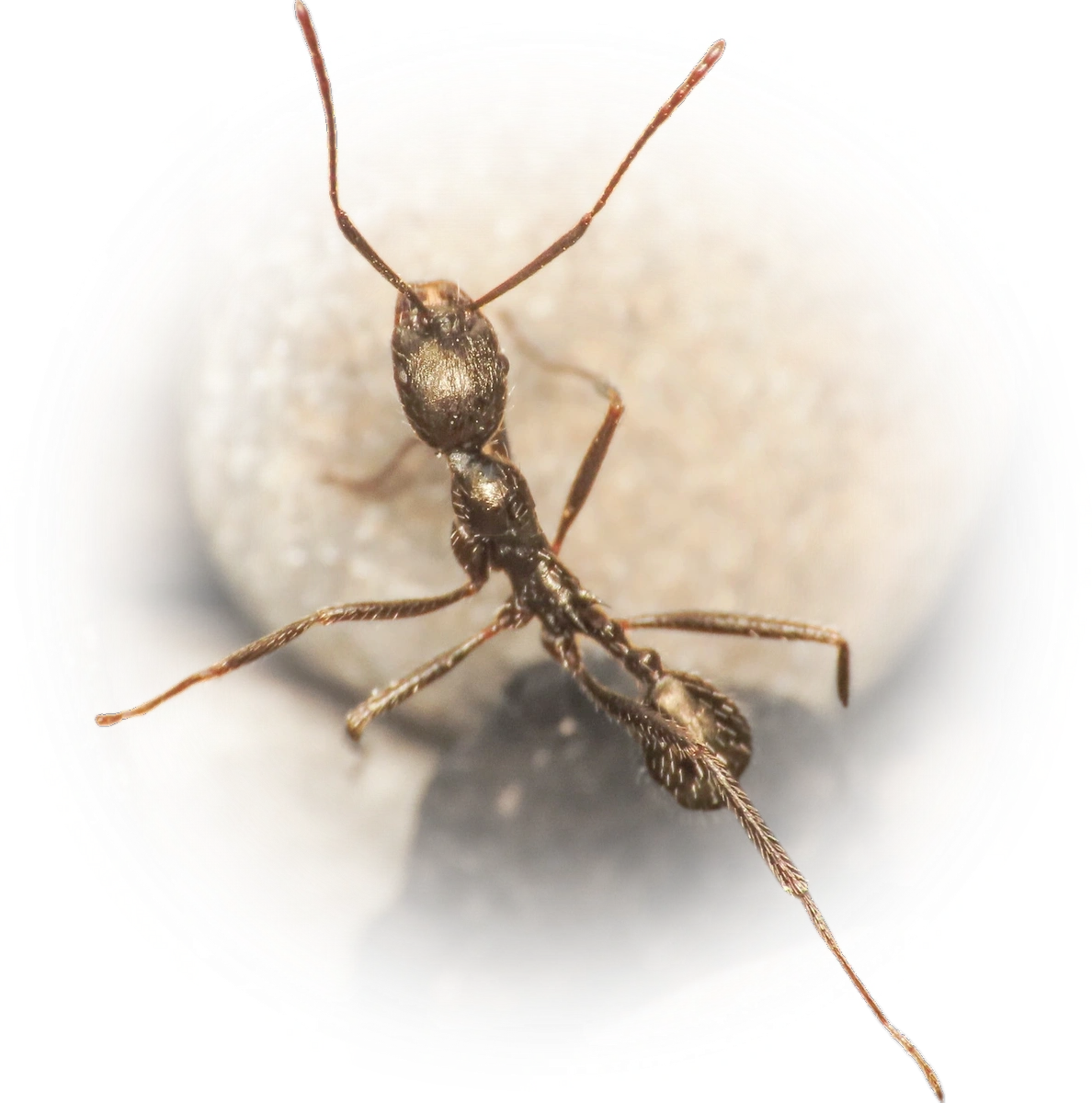

Aphaenogaster spinosa
- Scientific Name
- Aphaenogaster spinosa
- Tribe
- Stenammini
- Subfamily
- Myrmicinae
- Author
- Emery, 1878
- Distribution
- Found in 2 countries
Aphaenogaster spinosa Overview
Aphaenogaster spinosa is an ant species of the genus Aphaenogaster. It is primarily documented in 2 countries , including France, Italy. Detailed taxonomic data and occurrence records can be further explored via authoritative databases such as AntWeb or the Global Biodiversity Information Facility (GBIF).
Aphaenogaster spinosa
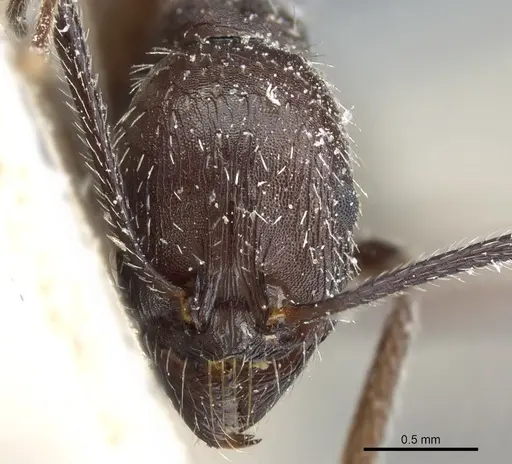
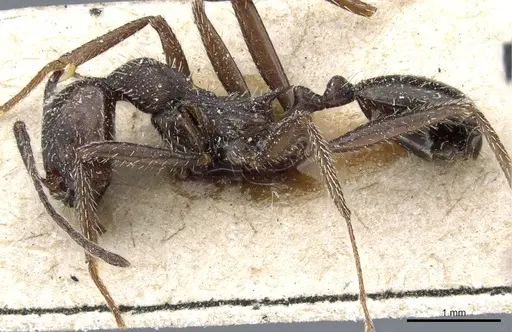
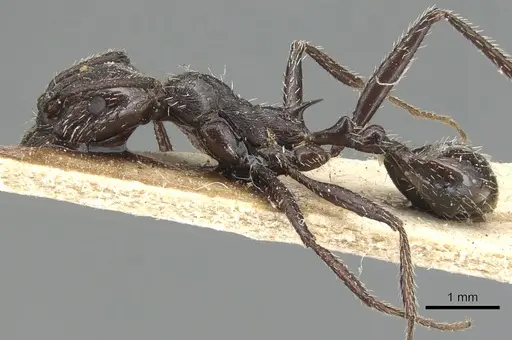
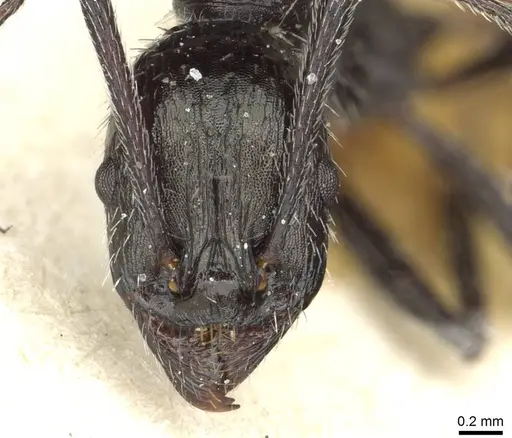
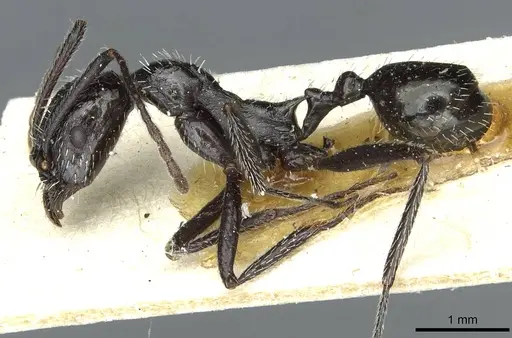
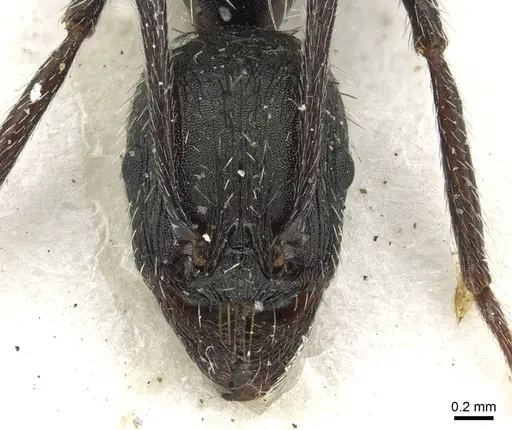
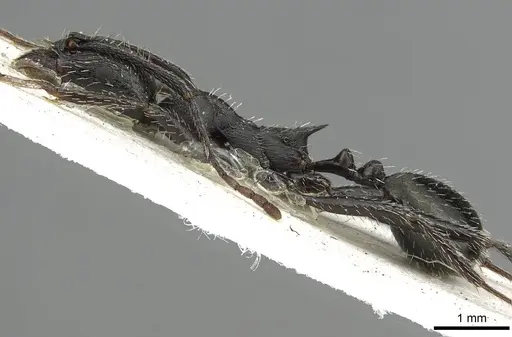
Aphaenogaster spinosa is a dark, sleek ant with distinctive propodeal spines and a shiny appearance that reflects light strongly [1][2]. They are native to the Tyrrhenian region of the Mediterranean, including Corsica, Sardinia, and coastal Italy [1][3]. This species has an unusual reproductive strategy: queens are wingless and do not participate in nuptial flights. Instead, colonies spread by budding, with queens walking away from the nest accompanied by workers [4][5]. They are one of the most dominant ant species in their native range, commonly found in maquis scrub, forest clearings, and coastal areas from sea level up to 1200 meters altitude [1][6].
Quick Summary
- Difficulty: Medium
- Origin & Habitat: Tyrrhenian region including Corsica, Sardinia, central Italy, and Switzerland (Tessin). Found in maquis scrub, forest clearings, paths, and coastal areas [1][3][7]
- Colony Type: Multi-queen colonies. Queens are wingless and colonies reproduce by budding rather than nuptial flights. Multiple queens have been found sharing a single nest with workers and brood [6][4]
- Size & Growth:
- Queen:{.size-link} Wingless (ergatoid), size data unavailable [5]
- Worker:{.size-link} Approximately 4-7 mm total length, inferred from Aphaenogaster genus [1]
- Colony: Colony size data unavailable
- Growth: Moderate
- Development: Development time unconfirmed for this species (Males appear as nymphs in May with adults emerging in June, females emerge slightly later [6])
- Antkeeping:
- Temperature: Keep at 22-26°C during active season. Mediterranean species that tolerates warm summers
- Humidity: Moderate humidity, provide well-drained substrate that dries between waterings
- Diapause: Winter rest recommended from November to February at 15-18°C
- Nesting: Soil-nesting species. Provide naturalistic setup with sand/soil mix or Y-tong nest with open chambers. They nest openly in soil in sunny clearings and paths [8][6]
- Behavior: Swift, active foragers that dominate their habitat through efficiency rather than aggression [9][10]. They are effective seed dispersers. Workers are small and can squeeze through tiny gaps, requiring excellent escape prevention [1]
- Common Issues: wingless queens cannot be captured after nuptial flights, you must collect colony fragments with workers present, colonies reproduce by budding and may split unexpectedly in captivity if given too much space, small worker size requires excellent escape prevention with fine mesh barriers, founding behavior is unconfirmed, single queens may fail without workers present
Wingless Queens and Colony Founding
Unlike nearly all other ant species, Aphaenogaster spinosa queens are wingless and do not fly [5][4]. You will not find these queens walking on the ground after a nuptial flight. Instead, colonies reproduce by budding: a queen walks away from the parent nest accompanied by workers and brood to establish a new nest nearby [4]. In the wild, researchers found queens difficult to capture alone, instead discovering them in nests with workers and brood present [6]. This means if you want to start a colony, collect an entire colony fragment including workers, not just a lone queen. Single queen founding has not been documented and likely requires a worker force to succeed.
Nest Preferences
In nature, Aphaenogaster spinosa builds open nests in soil, often in sunny clearings, paths, or under stones in maquis and forest habitats [8][6]. They are epigeic, meaning they forage and nest on the surface rather than deep underground [1]. In captivity, provide a naturalistic setup with a mix of sand and soil that allows for tunneling, or use a Y-tong nest with open, shallow chambers. They prefer well-drained conditions, avoid constantly soggy substrates that could lead to mold. A flat stone or piece of wood covering part of the nest area mimics their natural preference for nesting under cover objects.
Feeding and Diet
These ants are effective seed dispersers in their native habitat [10]. Offer a mixed diet of seeds such as dandelion, chia, or millet, and protein sources. They accept small live insects like fruit flies, springtails, and small cricket nymphs. Provide sugar water or honey water in a test tube or liquid feeder. Remove uneaten protein within 24-48 hours to prevent mold in their soil-based nest.
Temperature and Seasonal Care
As a Mediterranean species, Aphaenogaster spinosa tolerates warm summers and mild winters. Keep the nest area at 22-26°C during the active season (March to October). In winter (November to February), reduce temperature to 15-18°C to simulate their natural seasonal cycle. They may remain somewhat active during this period but will slow down significantly. Do not let them freeze, their native range rarely experiences hard frosts.
Behavior and Temperament
Aphaenogaster spinosa are swift, graceful foragers that move quickly across the substrate [9]. They are dominant in their native Corsican habitats, often outcompeting other ant species [10]. While not typically aggressive toward humans, they are efficient predators and will attack small prey readily. Their small size makes them excellent escape artists, use fine mesh (under 1 mm) and barriers like Fluon on all ventilation and access points.
Frequently Asked Questions
How do I catch an Aphaenogaster spinosa queen?
You cannot catch them after a nuptial flight because the queens are wingless and do not fly [5][4]. Instead, collect a colony fragment from the wild that includes a queen, workers, and brood. Look under stones or in soil nests in their native range (Corsica, Sardinia, Italy) and collect the entire nest contents.
Can I keep multiple Aphaenogaster spinosa queens together?
Yes, multiple queens have been found coexisting in single nests in the wild, and the species reproduces by budding, suggesting tolerance for multiple queens [6][4]. However, introduce new queens to existing colonies with caution and monitor for aggression.
Do Aphaenogaster spinosa need hibernation?
Yes, they benefit from a winter rest period from November to February at 15-18°C. While they may remain semi-active, slowing their metabolism prevents premature aging of the queen and aligns with their natural Mediterranean cycle.
What is the egg to worker timeline for Aphaenogaster spinosa?
The development time is unconfirmed for this species.
Are Aphaenogaster spinosa good for beginners?
They are moderate difficulty. While hardy and dominant in nature, their wingless queens require collecting colony fragments rather than founding from a single queen, and their small size demands excellent escape prevention. They are best for keepers with some experience.
What do Aphaenogaster spinosa eat?
They are omnivorous with granivorous tendencies. Feed them seeds (millet, chia, dandelion), sugar water or honey, and small live insects like fruit flies and springtails [10].
Do Aphaenogaster spinosa ants sting?
Like most Aphaenogaster, they possess a stinger but are small and not medically significant to humans. They may use their stinger on prey or in defense if handled roughly.
Why are my Aphaenogaster spinosa dying?
Common causes include attempting to found with a single queen without workers (they likely need a worker force), escape and desiccation due to their small size, or overheating. Ensure you collected a colony fragment with workers, use fine mesh barriers, and maintain moderate humidity.
Report an Issue
The current care sheet is based fully on literature. See inconsistencies, or something that's incorrect? Please , it will be resolved after review from an admin. Contributing to the blogs tab also helps providing information, to make us be able to further improve the caresheets. Thank you for your support!
References

This caresheet is licensed under CC BY-SA 4.0 .
CASENT0280970
View on AntWeb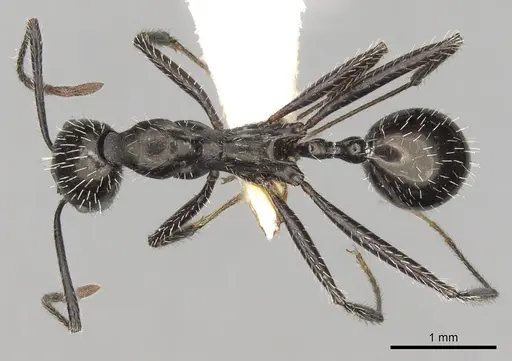
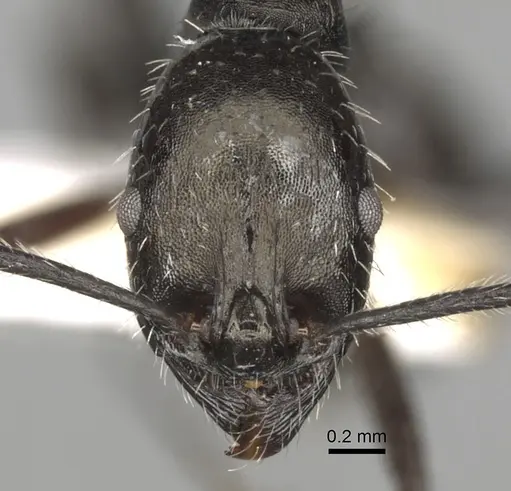
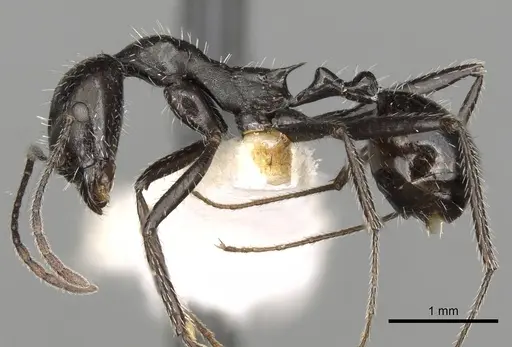
CASENT0904163
View on AntWeb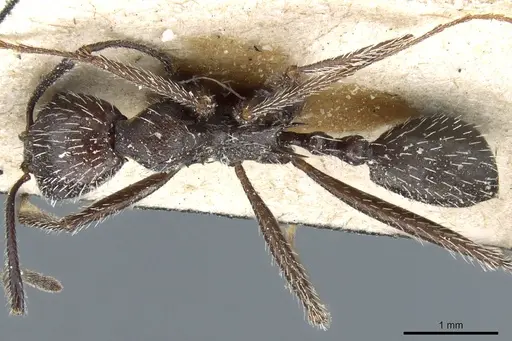
CASENT0904166
View on AntWeb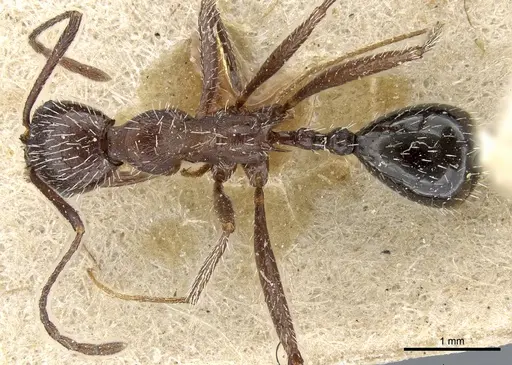
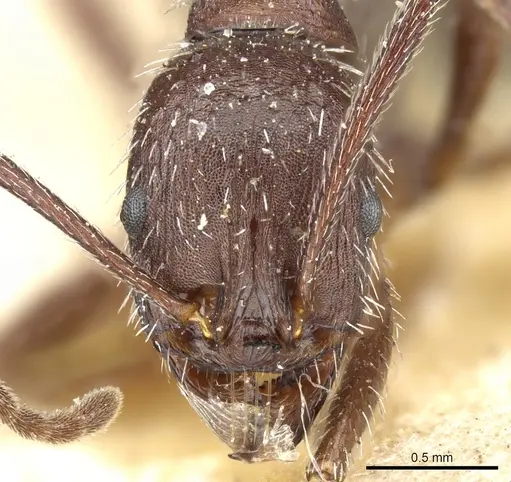
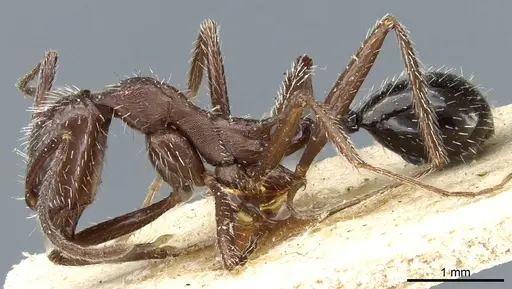
CASENT0904179
View on AntWeb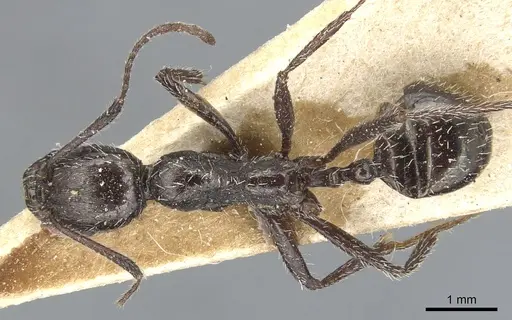
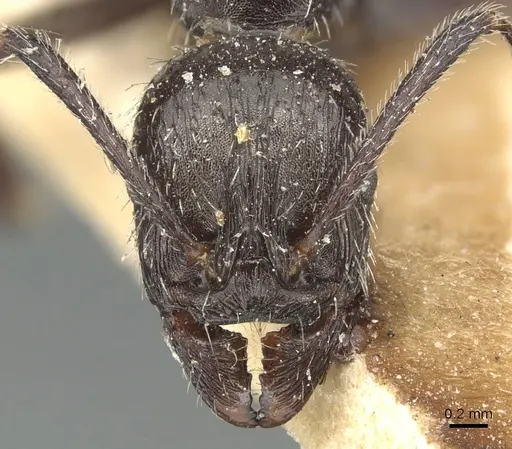
CASENT0913130
View on AntWeb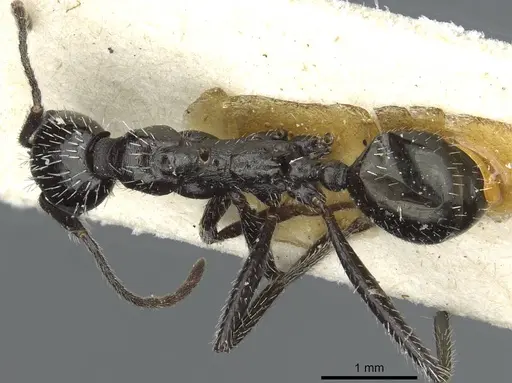
CASENT0915439
View on AntWeb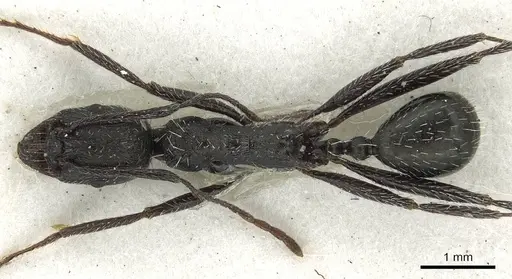
Literature
Loading...Loading products...