

Anochetus pellucidus
- Scientific Name
- Anochetus pellucidus
- Tribe
- Ponerini
- Subfamily
- Ponerinae
- Author
- Emery, 1902
- Distribution
- Found in 4 countries
Anochetus pellucidus Overview
Anochetus pellucidus is an ant species of the genus Anochetus. It is primarily documented in 4 countries , including Congo, Côte d'Ivoire, Gabon. Detailed taxonomic data and occurrence records can be further explored via authoritative databases such as AntWeb or the Global Biodiversity Information Facility (GBIF).
Anochetus pellucidus
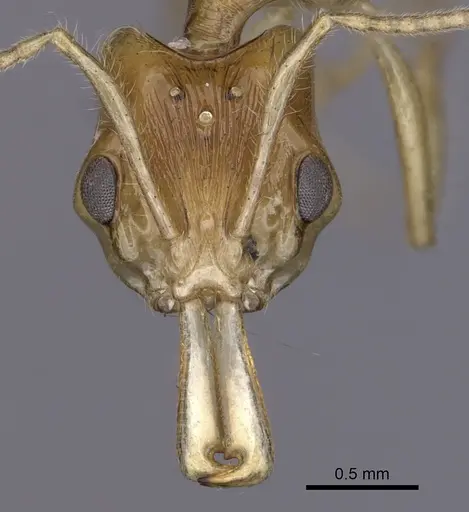
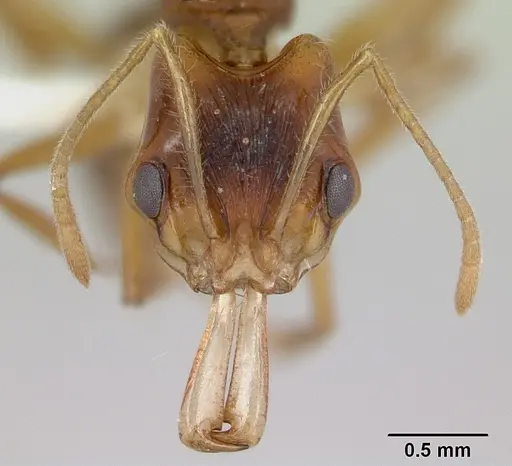
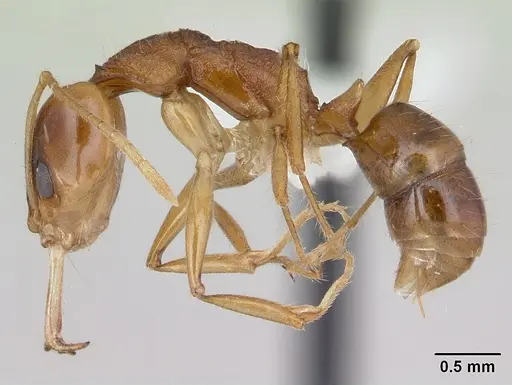
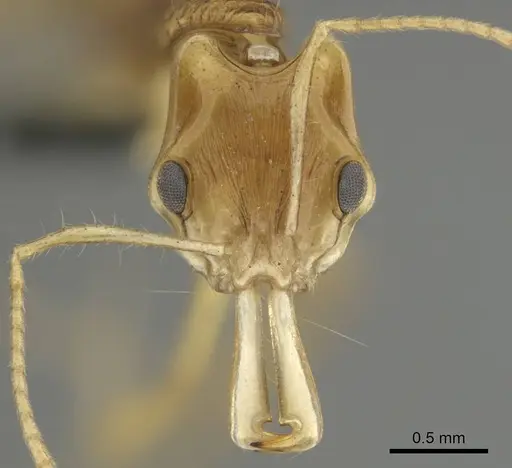
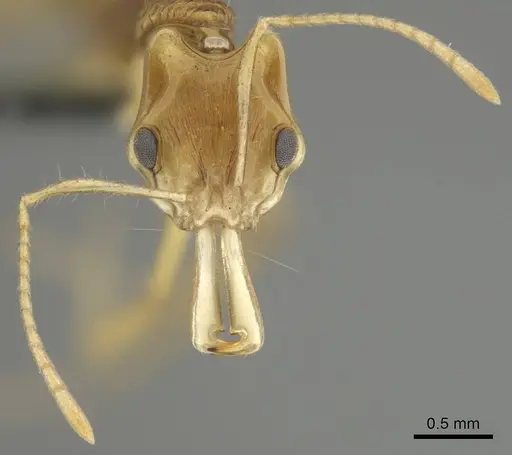
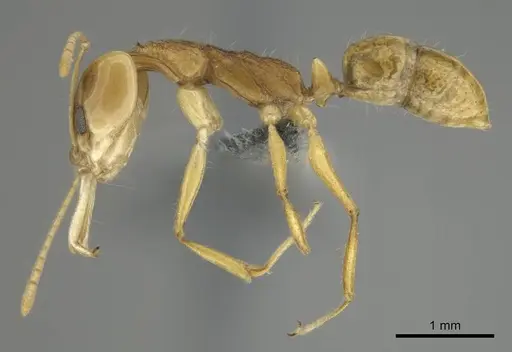
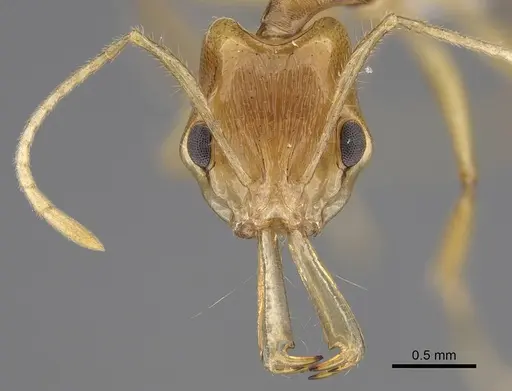
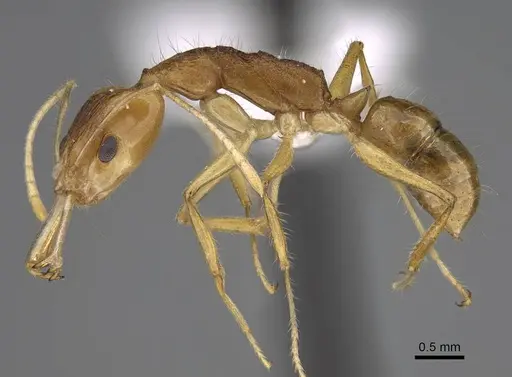
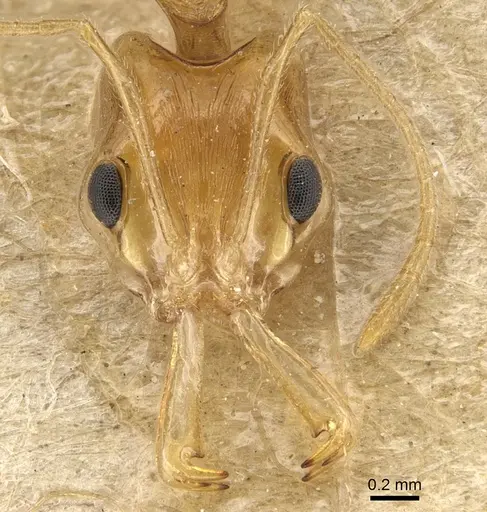
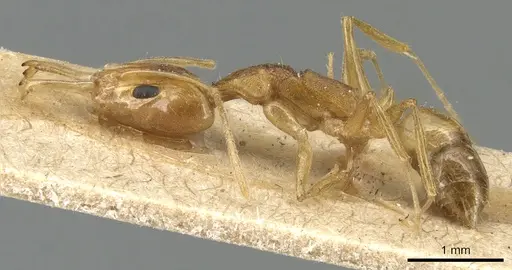
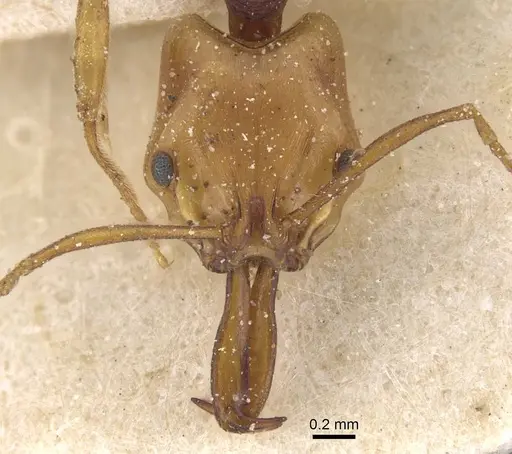
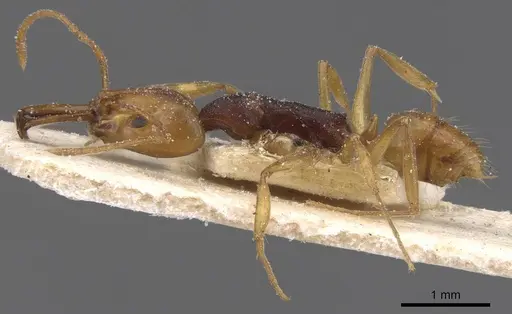
Anochetus pellucidus is a small trap-jaw ant species belonging to the africanus species group [1]. The species name 'pellucidus' refers to its translucent or crystal-like appearance. Workers are slender ants with the characteristic trap-jaw mandibles that can snap shut rapidly when triggered by prey. These ants are predatory, using their powerful mandibles to capture small arthropods. The species has been documented in the Democratic Republic of Congo, specifically in the IT and MO provinces [2].
Quick Summary
- Difficulty: Medium
- Origin & Habitat: Democratic Republic of Congo in Central Africa. Based on related Anochetus species, they likely inhabit humid forest environments and nest in soil or rotting wood.
- Colony Type: Likely monogyne (single queen colonies). This is typical for the genus, though colony structure has not been specifically documented for this species.
- Colony: Monogyne
- Founding: Semi-claustral
- Size & Growth:
- Queen: Estimated 6-8mm based on genus patterns
- Worker: Estimated 4-6mm based on genus patterns
- Colony: Unknown for this species, likely several hundred workers based on typical Anochetus colony sizes
- Growth: Moderate, Ponerinae species typically grow more slowly than many Myrmicinae
- Development: Estimated 6-10 weeks based on related Ponerinae species at optimal temperature (Development time is estimated from related species, specific data for A. pellucidus is not available)
- Antkeeping:
- Temperature: Keep at 24-28°C. These are tropical ants that need warm conditions. A heating cable on one side of the nest can help maintain temperature.
- Humidity: High humidity preferred, aim for 70-80%. Keep the nest substrate consistently moist but not waterlogged. Ponerinae ants typically need more humidity than desert-dwelling species.
- Diapause: Unknown, as a tropical species from Central Africa, they likely do not require a diapause period, but this has not been confirmed.
- Nesting: Likely prefers soil or rotting wood in nature. In captivity, a Y-tong (AAC) nest or plaster nest with good moisture retention works well. Provide a small outworld for hunting.
- Behavior: Trap-jaw ants with rapid mandible snap. They are predatory and will actively hunt small live prey. Workers are typically not aggressive toward humans but may snap if threatened. Escape prevention is important, they are small enough to slip through small gaps. They are diurnal and actively forage during the day.
- Common Issues: slow colony growth compared to common species like Lasius or Tetramorium can lead to keeper impatience, humidity control is critical, too dry and colonies fail, too wet and mold becomes an issue, wild-caught colonies may have parasites that kill them in captivity, small size means escape prevention must be excellent, use fine mesh and tight-fitting lids, Ponerinae queens are often less claustral than other subfamilies, founding may require occasional feeding
Housing and Nest Setup
Anochetus pellucidus does well in nests that retain moisture well. A Y-tong (AAC) nest or plaster formicarium works nicely, both hold humidity while allowing you to monitor the colony. The nest chambers should be appropriately sized for their worker size of around 4-6mm. Provide a small outworld connected to the nest where you can offer food. Because they are trap-jaw ants that hunt active prey, they need space to pursue and capture prey items. Use a test tube setup for founding colonies, transitioning to a proper nest once the colony reaches 15-20 workers.
Feeding and Diet
As predatory Ponerinae, these ants need live prey to thrive. Small fruit flies, pinhead crickets, and tiny mealworms are appropriate prey items. Offer prey twice weekly, removing any uneaten prey after 24 hours. While not confirmed for this specific species, most Anochetus species likely accept sugar sources like honey or sugar water occasionally, but protein from live prey should form the bulk of their diet. Feed a variety of small arthropods to provide balanced nutrition.
Temperature and Humidity
Keep these ants warm, aim for 24-28°C in the nest area. A heating cable placed on top of the nest (never underneath, as this can dry out the substrate too quickly) can help maintain stable temperatures. They need high humidity, around 70-80%. Monitor moisture levels in the nest substrate, it should feel damp but not have standing water. A water reservoir connected to the nest helps maintain humidity over time. Avoid placing the nest near air conditioning vents or in drafty areas.
Behavior and Handling
Anochetus pellucidus has the characteristic trap-jaw mandibles of the genus. When triggered by movement, these mandibles can snap shut in milliseconds to capture prey. Workers are not typically aggressive toward keepers but may snap defensively if handled roughly. The snap is too small to penetrate human skin in most cases. They are diurnal foragers, actively searching for prey during daylight hours. Workers communicate through chemical signals and may use tandem-running to recruit nestmates to food sources.
Frequently Asked Questions
How long does it take for Anochetus pellucidus to produce first workers?
Based on related Ponerinae species, expect first workers (nanitics) around 6-10 weeks after the queen lays eggs. This is slower than many common ant species, so patience is required.
Can I keep multiple Anochetus pellucidus queens together?
Not recommended. While colony structure is not confirmed for this species, combining unrelated queens of this genus typically leads to aggression. Start with a single queen colony.
What do I feed Anochetus pellucidus?
Small live prey is essential, fruit flies, pinhead crickets, tiny mealworms, or other small arthropods. Offer prey twice weekly. They may occasionally accept sugar water or honey as a supplement.
Are Anochetus pellucidus good for beginners?
This is not an ideal beginner species. Ponerinae like this generally require more specific humidity and temperature control, grow more slowly, and need regular live prey. Species like Lasius niger or Tetramorium caespitum are better for beginners.
Do Anochetus pellucidus need hibernation?
As a tropical species from Central Africa, they likely do not require hibernation. Maintain warm temperatures year-round.
How big do Anochetus pellucidus colonies get?
Colony size is not documented for this specific species, but based on typical Anochetus patterns, colonies likely reach several hundred workers over several years.
When should I move Anochetus pellucidus to a formicarium?
Keep them in a test tube setup for the founding stage. Once the colony reaches 15-20 workers and you see consistent brood development, you can transition to a proper nest with an outworld.
References

This caresheet is licensed under CC BY-SA 4.0 .
CASENT0010767
View on AntWeb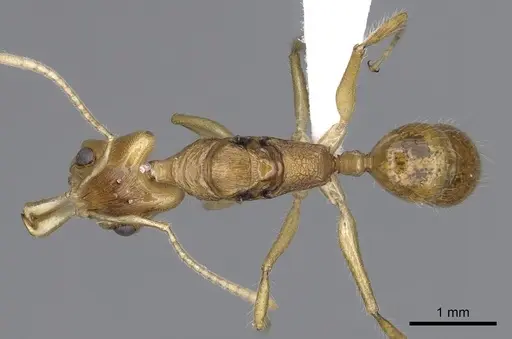
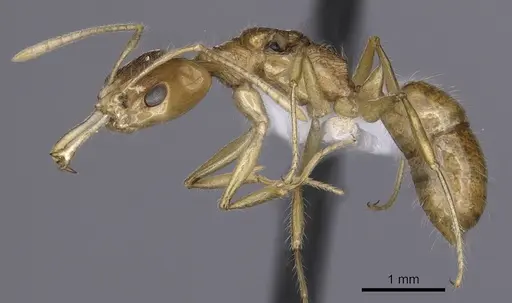
CASENT0178260
View on AntWeb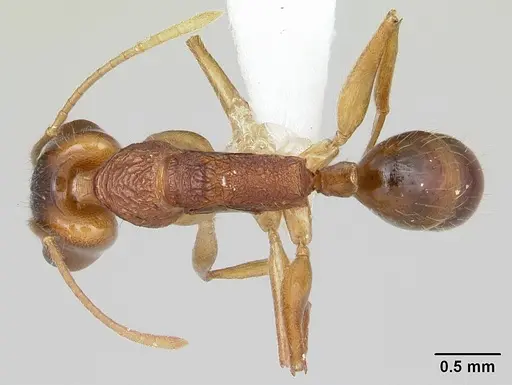
CASENT0250073
View on AntWeb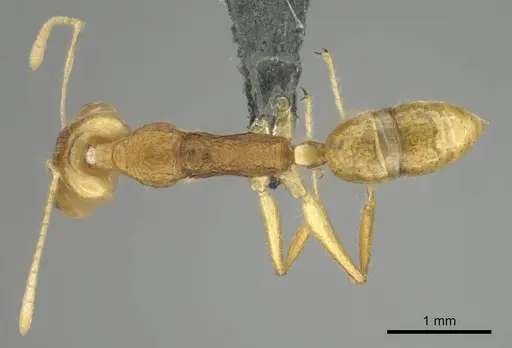
CASENT0403592
View on AntWeb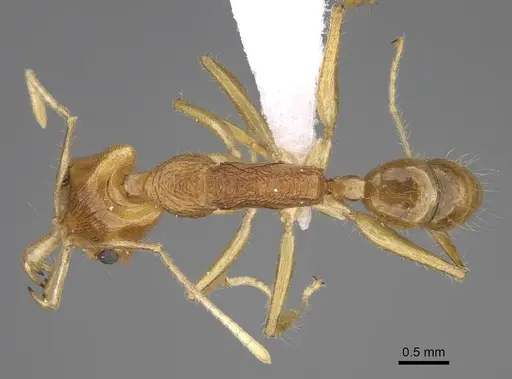
CASENT0814954
View on AntWeb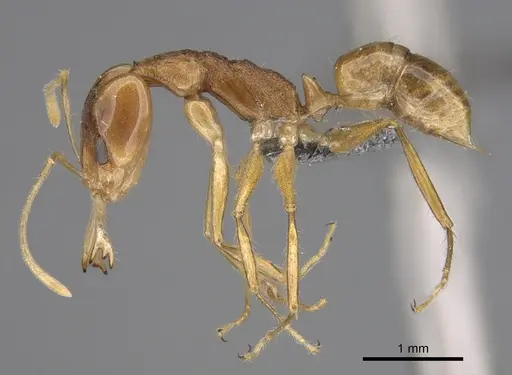
CASENT0903982
View on AntWeb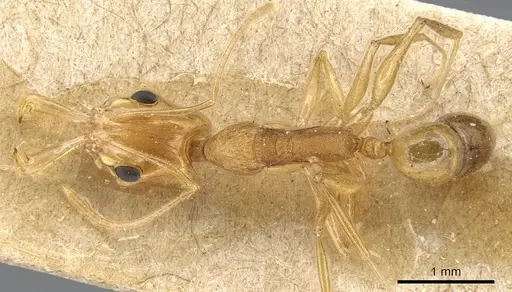
CASENT0915165
View on AntWeb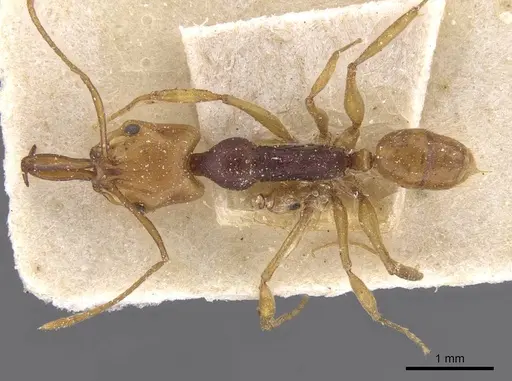
Literature
Loading...Loading products...