Acromyrmex subterraneus - "South American Leafcutter Ant"
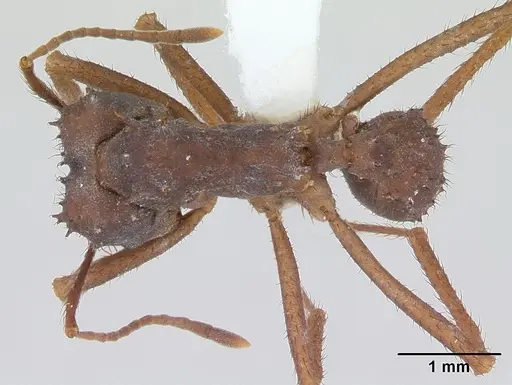
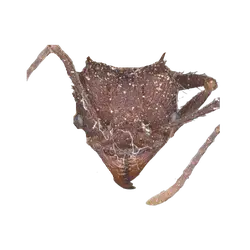
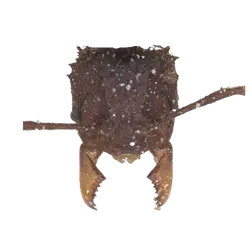
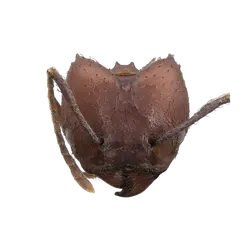
Acromyrmex subterraneus is a fascinating species of leafcutter ant from the New World, belonging to the Myrmicinae subfamily. These ants are well-known for their unique farming behavior, as they cultivate a symbiotic fungus within their nests as their primary food source. Workers exhibit a high degree of polymorphism, meaning there's a significant size variation among them, each specializing in different tasks, from minuscule 'minims' that tend to the fungus garden and brood to larger 'mediae' and 'majors' that are primarily responsible for foraging and defense. Their dark red coloration and the presence of four pairs of spines on their rough exoskeleton help distinguish them from the closely related Atta genus. They are incredibly industrious, constantly working to maintain their fungus gardens and forage for fresh plant material.
- Difficulty: Hard
- Origin & Habitat: South America (Brazil, Argentina, Bolivia, French Guiana, Paraguay, Peru) in Forests, Grasslands, Urban areas, particularly in Neotropical Cerrado savanna and Atlantic Forest regions. They typically nest in pre-formed cavities, often near tree bases or sidewalks, utilizing existing spaces and reinforcing tunnels with roots and debris..
- Colony Type: Monogyne (typically, though some Acromyrmex species can exhibit polygyny), claustral (queen cultivates fungus garden from a piece carried from her natal nest) founding.
- Size & Growth:
- Queen: Not specified
- Worker: 0.8-2.4mm
- Colony: Medium (thousands to tens of thousands; mature colonies can contain thousands of workers, with some estimates for related Acromyrmex species reaching up to 50,000 individuals). Medium to Fast. Initial growth can be slower as the fungus garden establishes, but it accelerates significantly once the colony reaches a critical worker population (around 89 workers), leading to more stable and efficient growth. growth.
- Antkeeping:
- Temperature: Fungus garden temperature is crucial, ideally maintained between 23-26°C. These ants are sensitive to temperature fluctuations, and consistency is key for the fungus's health. While workers can tolerate a range, the fungus thrives in a stable environment..
- Humidity: High humidity is essential for the fungus garden, ideally as close to 100% as possible. Many sources suggest anything above 80% is acceptable, but for optimal fungus health, aim for higher. Humidity should be measured directly where the fungus is located, as a small distance can significantly alter readings..
- Diapause: Not required. Not specified at Not specified.
- Nesting: Requires a specialized formicarium that can accommodate a growing fungus garden and provide excellent ventilation. Nests can be shallow in the wild. They often use pre-existing cavities and may incorporate roots and debris into their nest structure. Good airflow is vital to prevent harmful CO2 buildup in the fungus chambers..
- Behavior: Medium (primarily defensive towards perceived threats to the colony or fungus) aggressiveness.
- Common Issues: Fungus garden collapse due to improper humidity/temperature, Mold growth (especially if ventilation is poor), Mites (can be detrimental to the fungus), Colony stalling (often related to fungus health or stress), Overfeeding leading to waste and potential mold, Humidity fluctuations, Queen stress (especially during founding phase), Providing suitable and diverse foraging material.
Keeping leafcutter ants like Acromyrmex subterraneus is a significant undertaking, truly a challenge for even the most experienced ant keepers. The most critical aspect of their care revolves around the health of their symbiotic fungus garden, which is their sole food source. This fungus requires extremely stable conditions, particularly regarding temperature and humidity. Maintaining the fungus garden's integrity and preventing mold or mites from taking hold is a constant vigil, as any imbalance can quickly lead to the demise of the entire colony. Providing a constant supply of suitable plant material for them to cut and cultivate is also paramount.
The polymorphic nature of Acromyrmex subterraneus workers is a marvel to observe. You'll see tiny 'minims' meticulously tending to the delicate fungus, larger 'minors' engaged in brood care and general nest maintenance, and then the robust 'mediae' and 'majors' out foraging for plant matter. This intricate division of labor is fascinating to witness firsthand. Observing them transport leaf fragments back to the nest, often much larger than themselves, highlights their incredible strength and coordination. Understanding these caste roles helps in appreciating the complexity of their social structure and ensuring their specific needs are met.
Humidity control is non-negotiable for these leafcutters. The fungus garden absolutely thrives in near-100% humidity, and even slight drops can stress the fungus, making it vulnerable. Many hobbyists find that direct measurements within the fungus chamber are essential, as external readings can be misleading. Consider setups with built-in hydration systems that can maintain consistent moisture levels without creating stagnant conditions, which could encourage unwanted mold. Regular monitoring with reliable hygrometers is key to their long-term health and success in your formicarium.
Acromyrmex subterraneus are primarily nocturnal foragers, with their activity peaking at night, and this behavior is negatively related to temperature but positively related to relative air humidity. While they mainly collect fresh leaves, they will also take flowers and fruits. Providing a varied diet of safe plant material is important for the fungus's nutritional needs and, by extension, the colony's vitality. They are known to optimize their foraging by selecting lighter substrates more frequently. Offering a range of options can keep them engaged and ensure the fungus receives diverse nutrients.
One unique aspect of Acromyrmex species is the presence of symbiotic bacteria on their cuticles. These bacteria secrete antifungal compounds that help protect the ants themselves and, by extension, the fungus garden from harmful entomopathogenic fungi. This natural defense mechanism is a testament to the complex co-evolutionary relationships in their ecosystem. In captivity, ensuring the ants have a clean, healthy environment is crucial to supporting these beneficial bacteria and their protective role, as removal of these biofilms can increase their susceptibility to infections.