

Acromyrmex pubescens
- Scientific Name
- Acromyrmex pubescens
- Tribe
- Attini
- Subfamily
- Myrmicinae
- Author
- Emery, 1905
- Distribution
- Found in 1 countries
Acromyrmex pubescens Overview
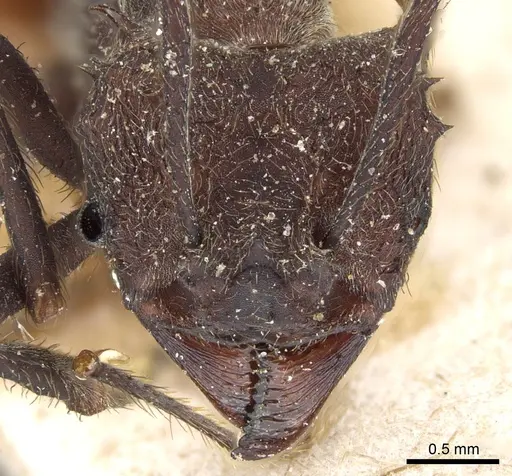
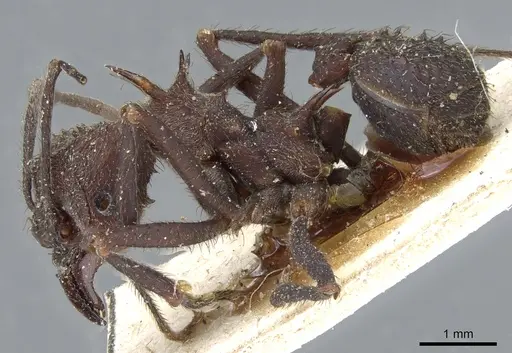
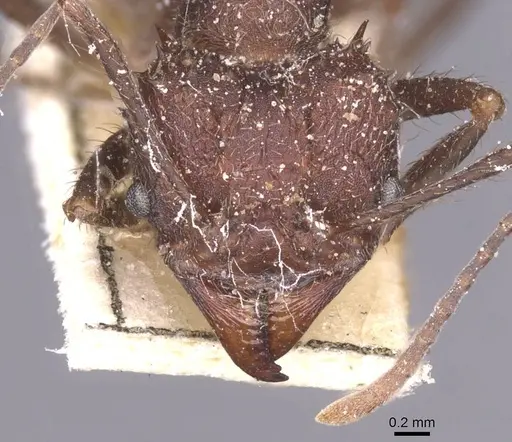
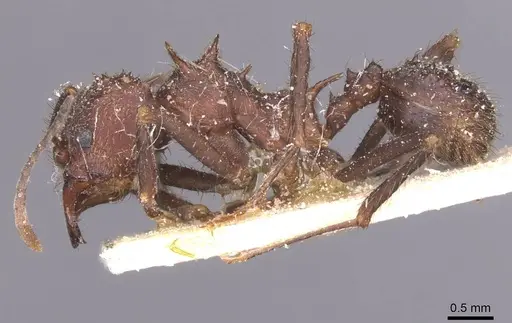
Acromyrmex pubescens is an ant species of the genus Acromyrmex. It is primarily documented in 1 countries , including Paraguay. Detailed taxonomic data and occurrence records can be further explored via authoritative databases such as AntWeb or the Global Biodiversity Information Facility (GBIF).
Acromyrmex pubescens
Acromyrmex pubescens is a leafcutter ant found in the patchy forest islands and chaco savannah of southern South America [1]. Unlike many leafcutters that march in visible highways to food sources, these ants forage without constructing well-defined trails, instead sending workers to collect fallen flowers and leaves individually or in small groups [2]. They range through Argentina, Paraguay, Uruguay and Brazil, where they are considered agricultural pests due to their plant-collecting habits [3][4]. As members of the Attini tribe [4], they maintain underground fungus gardens which serve as their primary food source.
Quick Summary
- Difficulty: Expert
- Origin & Habitat: Southern South America (Argentina, Paraguay, Uruguay, Brazil) [4][3], specifically patchy forest islands in chaco savannah [1]
- Colony Type: Likely single-queen based on typical Acromyrmex patterns, though specific structure unconfirmed
- Colony: Monogyne
- Founding: Claustral
- Size & Growth:
- Queen: Unknown, not measured in available research
- Worker: Unknown, not measured in available research
- Colony: Unknown, not documented in available studies
- Growth: Unknown
- Development: Timeline unknown for this species specifically (Based on typical Acromyrmex patterns, expect roughly 8-12 weeks at 25°C, though this varies with temperature and fungus health)
- Antkeeping:
- Temperature: Specific requirements unconfirmed. Based on their chaco savannah habitat [1], keep them warm with a gradient around 24-28°C
- Humidity: High humidity essential for fungus garden health, keep nest material damp but not waterlogged, with good ventilation to prevent mold
- Diapause: Unknown, southern distribution suggests possible winter slowdown but not confirmed
- Nesting: Soil nests with fungus gardens in nature, captive colonies need specialized fungus chambers with excellent humidity control and mold prevention
- Behavior: Forage without constructing well-defined trails [2], likely wandering individually to find fallen flowers and leaves. Considered agricultural pests in their native range [3]. Can be aggressive in defending territory and fungus garden.
- Common Issues: fungus gardens crash easily if they dry out or become contaminated with mold., maintaining proper humidity without mold growth is challenging and requires careful ventilation., workers are small and climb well, so escape prevention is critical., they need constant fresh vegetation which requires daily maintenance and removal of old material.
Fungus Garden Care
As members of the Attini tribe [4], Acromyrmex pubescens cannot eat the leaves and flowers they collect directly. Instead, they chew this plant material into a paste to grow a specific fungus, which serves as their only food source. You must maintain this fungus garden carefully or the colony will starve. Keep the garden chamber humid but well-ventilated to prevent mold growth, stagnant air kills fungus quickly. Never let the garden dry out completely, but avoid waterlogging which causes bacterial rot. If the fungus turns gray, white, or smells bad, contamination has occurred and the colony is in danger. This means you'll need to check the garden daily for signs of problems and remove old food before it molds.
Foraging and Diet
These ants collect fallen flowers and leaves to feed their fungus [2]. Unlike many leafcutters that create visible highways to food sources, Acromyrmex pubescens does not construct well-defined trails [2]. This means you won't see long lines of ants, instead, individual workers likely wander to find resources. In captivity, provide fresh vegetation daily, they accept many types of leaves, flower petals, and even dried oats or rice in some cases, though fresh material is best. Wash leaves thoroughly to remove pesticides. You will need a constant supply, a colony can consume surprising amounts of vegetation relative to its size.
Housing and Nest Design
You need a setup that accommodates both the ants and their fungus garden. A standard test tube works for founding if you include a small piece of fungus garden material, but you will quickly need a larger formicarium with a dedicated humid chamber for the fungus. Use materials that resist mold, Y-tong (aerated concrete) or plaster nests work well if kept clean. The fungus chamber needs higher humidity than the outworld. Provide a foraging area where you can place fresh leaves without disturbing the nest. Because they are considered agricultural pests in their native range [3], never release them into the wild if you live in a suitable climate.
Temperature and Seasonal Care
Native to the chaco savannah and patchy forests of southern South America, these ants likely prefer warm conditions [1]. Keep the nest area around 24-28°C with a heating cable on one side to create a gradient. Because they come from southern South America [3], they may experience cooler winters in the wild, but whether they need hibernation in captivity is unconfirmed. If your colony slows down in winter, reduce feeding and keep them at room temperature (18-20°C) rather than providing heat, then resume normal temperatures in spring.
Frequently Asked Questions
Can I keep Acromyrmex pubescens in a test tube?
Yes for founding, but you must include fungus garden material. Standard test tubes with just water and cotton are not suitable, the queen needs a small piece of fungus to start. Move them to a proper formicarium once workers arrive.
What do Acromyrmex pubescens eat?
They eat fungus, not the leaves directly. You must provide fresh leaves, flowers, or other plant material daily to feed the fungus garden [2]. They collect fallen flowers and leaves in nature.
How long until Acromyrmex pubescens gets their first workers?
Timeline unknown for this species specifically. Based on typical Acromyrmex patterns, expect roughly 8-12 weeks at 25°C, though this varies with temperature and fungus health.
Do Acromyrmex pubescens need hibernation?
Unconfirmed. They live in southern South America where winters are mild but present. If your colony slows down naturally in winter, you can let them rest at cooler temperatures (18-20°C), but active heating year-round is also acceptable.
Can I keep multiple Acromyrmex pubescens queens together?
Not recommended. Acromyrmex are typically single-queen species, and combining queens usually leads to fighting. Single-queen colonies are the norm.
Why are my Acromyrmex pubescens dying?
Most deaths in leafcutter colonies come from fungus garden failure, either drying out, getting too wet and molding, or contamination. Check that your humidity is high but ventilation is adequate, and that you are removing old food before it molds.
How big do Acromyrmex pubescens colonies get?
Colony size is unconfirmed in available research. Based on related Acromyrmex species, they likely reach several thousand workers over a few years.
References

This caresheet is licensed under CC BY-SA 4.0 .
CASENT0905003
View on AntWeb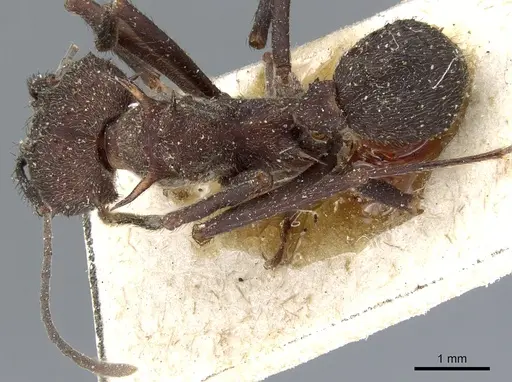
CASENT0912468
View on AntWeb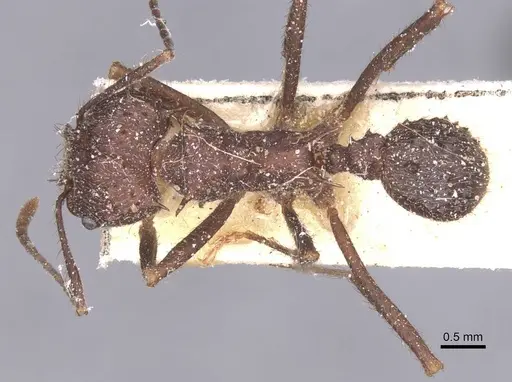
Literature
Loading...Loading products...