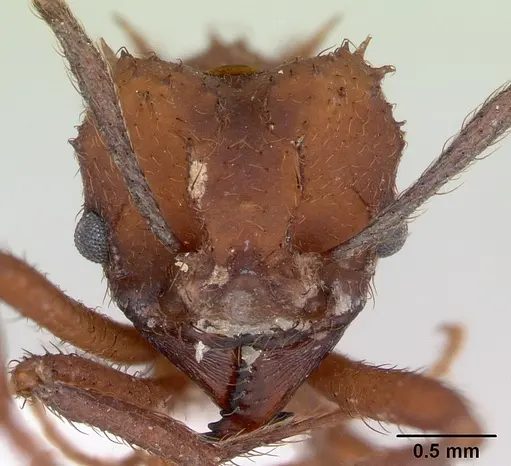
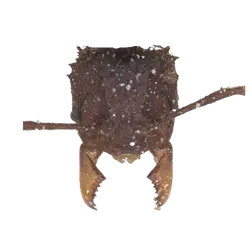
Acromyrmex rugosus - "Rugosus Leafcutter Ant"
Acromyrmex rugosus is a fascinating species of leafcutter ant, native to South America. These ants are well-known for their unique farming behavior, where they cultivate a specialized fungus as their primary food source within their nests. Workers of this species are dark red in color and have a distinctive rough exoskeleton on their upper thorax, adorned with four pairs of spines, which helps them maneuver leaf fragments. Unlike their larger cousins in the genus Atta, Acromyrmex species, including A. rugosus, exhibit a strong degree of polymorphism with different sized workers (minims, minors, mediae, and majors) but generally have less extreme size differences between castes compared to Atta.
- Difficulty: Hard
- Origin & Habitat: South America (Argentina, Bolivia, Brazil, Colombia, French Guiana, Paraguay, Peru, Uruguay) in Wide variety of habitats including cerrado, campo, caatinga, restinga, and Amazon rainforest. Often found associated with human settlements..
- Colony Type: Monogyne (single queen), claustral (queen seals herself in) founding.
- Size & Growth:
- Queen: Not specified
- Worker: 0.6-2.01mm
- Colony: Medium (hundreds to thousands). Average around 519 workers.. Medium. Colony growth is dependent on successful fungus cultivation. Queen oviposition rates can vary significantly, from 5 to 119 eggs per day, which directly impacts colony growth. growth.
- Antkeeping:
- Temperature: Fungus gardens thrive around 24-25°C. Providing a temperature gradient allows the ants to select their preferred environment..
- Humidity: Crucial for fungus health. The fungus requires high humidity, ideally 70-98% RH, for proper growth. Maintaining stable humidity within the fungus chamber is paramount..
- Diapause: Not required. Not specified at Not specified.
- Nesting: Requires a setup that allows for the cultivation of their symbiotic fungus. This typically involves a dedicated fungus chamber, an outworld for foraging, and a waste chamber. Nests can be complex, with chambers found from near the surface down to several meters deep in the wild. In captivity, shallow or thatched nest setups that prioritize ventilation are often recommended..
- Behavior: Medium (towards handler if disturbed, high towards other ants in defense) aggressiveness.
- Common Issues: Fungus death (due to incorrect temperature/humidity, mold, pests, or unsuitable substrate), Mites and other pests in fungus garden, Colony stalling (often related to fungus health), Overfeeding leading to moldy waste, Humidity fluctuations leading to fungus rot or desiccation, Queen stress (especially during founding or large disturbances), Lack of suitable foraging material.
Acromyrmex rugosus, like all leafcutter ants, relies entirely on its symbiotic fungus for sustenance. This means providing the correct plant material is absolutely critical. While they are known to use dicotyledonous leaves, flowers, and fruits in the wild, finding suitable and pesticide-free foliage can be a challenge for hobbyists. Experimenting with various safe plant materials is often necessary to find what your colony prefers, and sometimes exotic plants are better suited.
Maintaining stable temperature and humidity within the fungus chamber is the single most important aspect of keeping Acromyrmex rugosus. The fungus is incredibly sensitive to fluctuations, and its health directly impacts the colony's well-being. Using a thermostat-controlled heating element and a reliable method for humidity control, like a cool mist humidifier on a cycle, is highly recommended to prevent the fungus from dying.
These ants exhibit polymorphism, meaning their workers come in different sizes, each with specialized roles. You'll observe smaller minims tending to the fungus garden, while larger majors might be involved in cutting tougher leaves or defending the colony. Understanding these roles and providing an environment that supports all castes, including enough space for their fungus garden to expand, is key to a thriving colony.
Waste management is an important consideration. Acromyrmex rugosus is known to deposit exhausted fungal substrate and other waste in underground chambers in their natural nests. In a captive setup, a dedicated waste chamber is essential to prevent mold and maintain hygiene within the main nest and foraging areas, which helps keep your colony healthy.
Leafcutter ants are escape artists if given the chance. Their foraging behavior involves exploring their surroundings for suitable plant material, and they will exploit any weakness in your setup. Securely sealing all connections between nest components and using escape-proof outworlds is vital to prevent breakouts and ensure the safety of your ants and your home.