

Acromyrmex balzani
- Scientific Name
- Acromyrmex balzani
- Tribe
- Attini
- Subfamily
- Myrmicinae
- Author
- Emery, 1890
- Distribution
- Found in 4 countries
Acromyrmex balzani Overview
Acromyrmex balzani is an ant species of the genus Acromyrmex. It is primarily documented in 4 countries , including Argentina, Brazil, Colombia. Detailed taxonomic data and occurrence records can be further explored via authoritative databases such as AntWeb or the Global Biodiversity Information Facility (GBIF).
Acromyrmex balzani
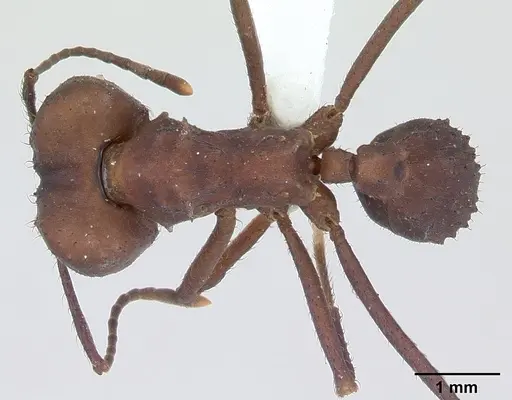
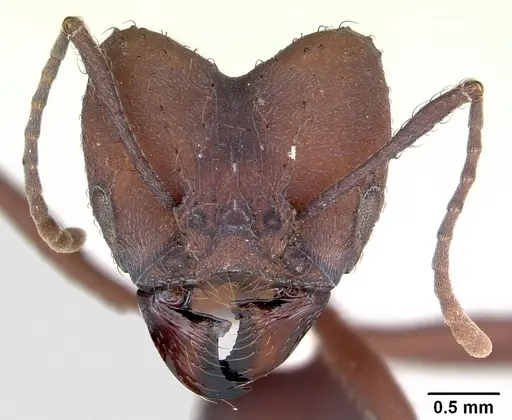
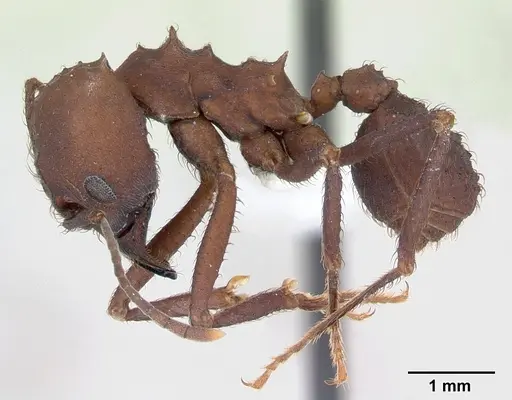
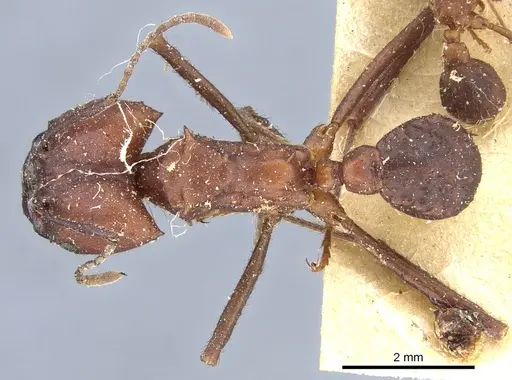
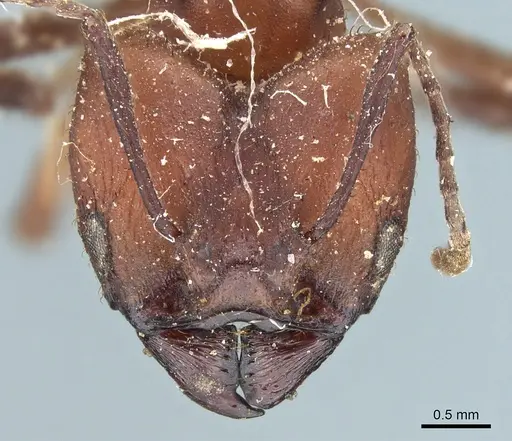
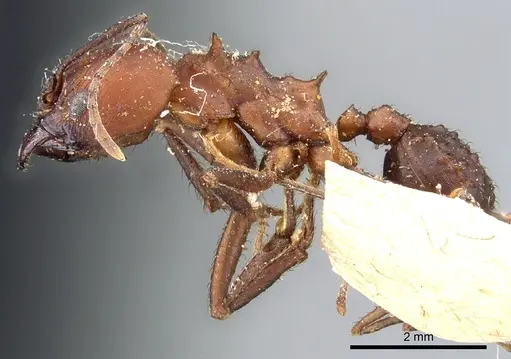
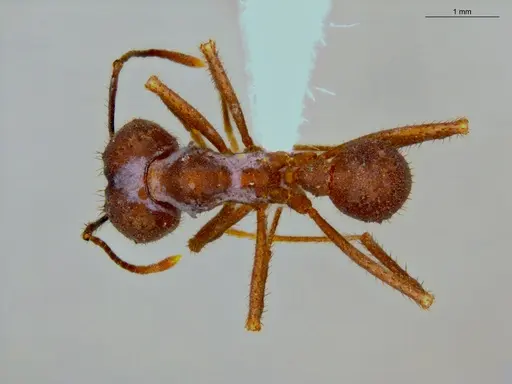
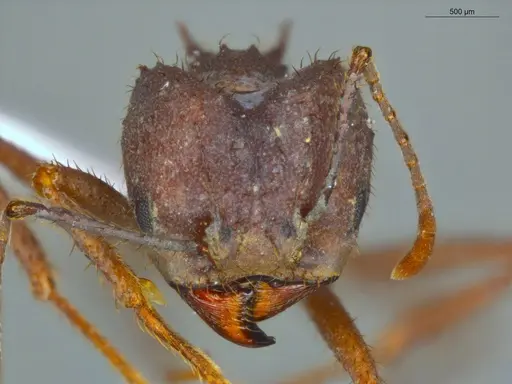
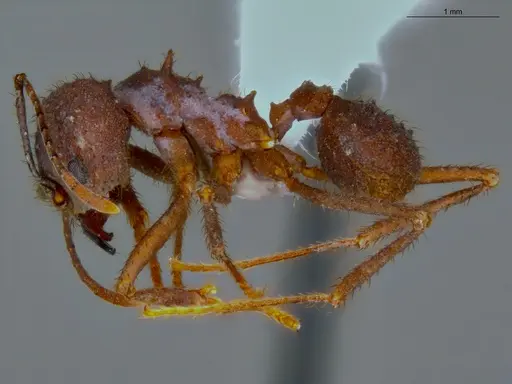
Acromyrmex balzani is a grass-cutting leafcutter ant native to the Neotropical region of South America, found across Argentina, Brazil, Paraguay, Peru, Bolivia, and Uruguay. Workers measure around 6mm in length with a brown coloration and distinct pronotal spines. This species is a specialized grass-cutter (monocotyledon specialist), cutting grasses like Brachiaria and Paspalum species rather than broad leaves. Unlike many ants, A. balzani lives in polydomous colonies, meaning one colony occupies multiple physically separated but socially connected underground nests called subnests. Each colony maintains a single queen in one subnest while workers move freely between subnests. They cultivate the symbiotic fungus Leucoagaricus gongylophorus in underground chambers, feeding it freshly cut grass fragments.
Quick Summary
- Difficulty: Medium
- Origin & Habitat: Native to the Neotropical region, Argentina, Brazil, Paraguay, Peru, Bolivia, and Uruguay. Found in Cerrado areas, pastures, and grassland habitats. Nests in sunny, open areas with well-drained soil [1][2].
- Colony Type: Polydomous single-queen colonies, one colony has multiple underground subnests (1-8 typically) connected socially but not physically. Each subnest contains 2-5 chambers arranged vertically, connected by a single tunnel. The queen resides in only one subnest while workers move between all subnests [1][3].
- Colony: Monogyne
- Founding: Semi-claustral
- Size & Growth:
- Queen: Estimated 12-15mm (queen size not directly measured in literature)
- Worker: 6mm length, head width 1.48-2.16mm [4][5]
- Colony: 337-2832 workers per colony (average ~1096), smaller than other Acromyrmex species [1]
- Growth: Moderate
- Development: 8-12 weeks (estimated based on related species, direct measurement unavailable) (Colonies produce eggs, larvae, and pupae seasonally. Immature stages only found in chambers containing the queen, typically in the deepest chambers. Colonies divide their biological cycle into two seasons: one with immature stages and one with only adults [1].)
- Antkeeping:
- Temperature: Keep at 22-26°C. Foraging activity peaks in late afternoon/evening when temperatures cool, suggesting they prefer moderate temperatures. Colonies reduce activity during colder periods [6].
- Humidity: Moderate humidity in fungus chambers (~88% RH works well). Keep nest substrate moderately moist but not waterlogged. They nest in well-drained soils and avoid overly wet conditions [7].
- Diapause: No true hibernation, they reduce activity during colder, drier months (June-September) but remain active year-round in tropical/subtropical regions. In captivity, maintain stable temperatures year-round [1][6].
- Nesting: Use a naturalistic setup with soil chambers or a formicarium with multiple connected chambers. Chamber dimensions should be roughly 10-15cm wide. Provide a shallow water reservoir for humidity. They need vertical space for their chamber arrangement. Escape prevention is moderate, workers are 6mm but can climb smooth surfaces.
- Behavior: Generally non-aggressive toward keepers but will defend their nest. Workers from the same colony show no aggression toward each other, while workers from different colonies are highly aggressive (94% of observations showed aggression toward foreign workers). Foraging is predominantly nocturnal, starting at the end of afternoon and continuing into evening. They use short foraging trails without physical paths and employ chemical recruitment. They do not form the massive foraging highways typical of Atta species. Workers are smaller than many leafcutters and carry smaller leaf fragments [1][6].
- Common Issues: Fungus garden failure is a major cause of colony death, especially during founding, queens must forage for substrate rather than being fully claustral, Phorid fly parasitism is common in the wild (up to 7% of foragers parasitized), keep colonies away from other ant colonies that might carry phorids, Polydomous structure means you need more space than single-nest species, they naturally spread into multiple connected chambers, Low founding success, only ~11% of colonies survive the first year in the wild, External waste disposal means you need to clean the outworld regularly, they deposit refuse outside the nest
Housing and Nest Setup
Acromyrmex balzani requires more space than typical ants due to their polydomous nature. A naturalistic setup with soil chambers works best, mimicking their natural nest architecture of vertically arranged chambers connected by tunnels. Each chamber should be roughly 10-15cm in diameter with 2-5 chambers per subnest. If using a formicarium, provide multiple connected chambers rather than one large space. The nest depth in the wild reaches 30-160cm, but in captivity you can provide shallower arrangements. Include a water reservoir connected to the nest to maintain humidity in the fungus chamber area around 88% relative humidity. The outworld should be spacious enough for foraging trails, these ants travel 2.5-7m in the wild to cut grass [1][6]. Escape prevention is important but not as critical as with tiny ants, they are moderate-sized workers that can be contained with standard barriers.
Feeding and Fungus Care
This is a specialized grass-cutter, they exclusively cut monocotyledon plants (grasses), not broad leaves like many Atta species. Offer fresh grass fragments from Brachiaria, Paspalum, or other lawn grasses. They prefer Brachiaria decumbens, Brachiaria brizantha, and Digitaria species. Cut grass into small pieces (1-5mm fragments) before offering, they process grass differently than dicot-cutting species, with higher xylanase enzyme activity reflecting their grass specialization [10][11]. The fungus garden is essential, without it, the colony cannot survive. Queens are semi-claustral, meaning they must leave the nest to obtain grass substrate to start their fungus garden. This makes founding more challenging than claustral species. Fungus volume correlates strongly with colony size, larger fungus gardens support more workers. The fungus needs consistent moisture and moderate temperature to thrive. Remove uneaten grass before it molds.
Temperature and Seasonal Care
Keep the nest area at 22-26°C. Foraging activity peaks in late afternoon and evening, and they are most active when temperatures are cooler. In the wild, colonies reduce their activity during colder, drier periods (typically June-September in Brazil). They do not require true hibernation but benefit from slight temperature reductions during winter if your region has seasonal changes. The fungus garden is sensitive to temperature extremes, avoid temperatures below 18°C or above 30°C. Heating on one side of the nest creates a gradient allowing ants to choose their preferred temperature zone. Monitor colony activity levels, if workers cluster near heat, increase slightly, if they avoid it, reduce temperature. Unlike Atta species, they are more tolerant of drier conditions but still need humidity in the fungus chamber area [6][7].
Colony Structure and Social Organization
A unique feature of A. balzani is their polydomous colony structure, a single colony occupies multiple underground subnests (typically 1-8) that are physically separated but socially connected. Workers move freely between subnests through external foraging routes. Only one subnest contains the queen, typically the deepest one. Workers from the same colony show no aggression toward each other (74% of observations showed no aggression), while workers from different colonies are highly aggressive (94% showed aggression). This allows you to house multiple subnests from the same colony together. The colony has three worker subcastes based on head width: small (0.7-1.0mm), medium (1.1-1.8mm), and large (1.9-3.1mm). Small workers are most common. This species has relatively small colony sizes compared to other Acromyrmex, typically under 3000 workers [1][3].
Reproduction and Nuptial Flights
Nuptial flights occur at dusk, typically between 19:25-19:44,often during light rain. Males form mating aggregations (leks) over low vegetation, with an average of 33 males per lek. Females fly directly from grass blades near the nest entrance, not from distant locations. Intense male competition occurs, an average of 4 males simultaneously compete for each female in a mating ball. Each copulation lasts about 18 minutes, and males detach their genital capsule during mating. Females remove the male genital capsule with their mandibles (taking about 9 minutes) before potentially mating again. After mating, females walk across the ground and break their own wings within about 1 minute. Approximately 89% of mated females dig a nest entrance and small chamber shortly after mating. Founding chambers are typically 30cm or less deep. The sex ratio is strongly male-biased in field colonies [8].
Common Problems and Health Issues
The biggest challenge with A. balzani is fungus garden maintenance, fungus garden failure is a major cause of colony death, especially during the founding stage when queens must forage for substrate rather than being claustral. Phorid fly parasitism is common in the wild (7.1% of foragers in pastures can be parasitized), with larvae developing inside worker thoraces. Colonies in the wild show reduced activity during colder, drier periods, and captive colonies may struggle if conditions are too dry or cold. Unlike Atta species, they have smaller colonies and less robust fungus gardens, making them more sensitive to disturbance. External waste deposition requires regular cleaning of the outworld. Colonies have low founding success, only about 11% survive their first year in the wild. Watch for signs of fungus decline: workers avoiding the fungus chamber, fungus turning dark, or reduced brood production [1][8][12].
Frequently Asked Questions
Can I keep Acromyrmex balzani in a test tube?
Test tubes are not suitable for A. balzani. They require a fungus garden and multiple chambers to accommodate their polydomous colony structure. Use a naturalistic setup with soil chambers or a formicarium with multiple connected areas. The fungus needs proper humidity (~88% RH) that test tubes cannot adequately maintain.
How long does it take for first workers to emerge?
Based on related Acromyrmex species, expect 8-12 weeks from egg to first worker at optimal temperature (around 24°C). Queens are semi-claustral and must forage for fungus substrate during founding, which takes longer than fully claustral species. Founding success is low in the wild, so be patient with your colony.
What do Acromyrmex balzani eat?
They are grass specialists, offer fresh grass fragments (monocotyledons). They prefer Brachiaria, Paspalum, and other lawn grasses. Cut grass into small 1-5mm pieces before offering. They do not accept dicot leaves like many Atta species. The grass is used to cultivate their symbiotic fungus, which is their actual food source.
Are Acromyrmex balzani good for beginners?
No, they are not ideal for beginners. They require more specialized care than typical ants: fungus garden maintenance, specific grass diet, polydomous housing needs, and semi-claustral founding. They are better suited for antkeepers with some experience with fungus-growing ants or specialized diets.
Do they need hibernation?
No true hibernation required. In their native tropical/subtropical range, they remain active year-round but reduce activity during cooler, drier months. In captivity, maintain stable temperatures (22-26°C) year-round. If you live in a seasonal climate, you can provide a slight temperature reduction in winter but this is not necessary.
Why is my colony dying?
Common causes include: fungus garden failure (most common), improper humidity (too dry or too wet), temperature extremes, phorid parasitism, or insufficient grass substrate. Check that the fungus is healthy (white, fluffy appearance), humidity is appropriate (~88% in fungus chamber), and you are offering fresh grass regularly. Colonies naturally have high mortality during founding stages.
Can I keep multiple queens together?
No. Unlike some ants, A. balzani is monogyne, each colony has only one queen. Multiple unrelated queens will fight. However, their natural polydomous structure means one colony can have multiple subnests, but all belong to the same queen.
When should I move them to a formicarium?
Move them when the test tube setup becomes too small or the colony shows signs of needing more space (workers clustering near the cotton, reduced activity). For A. balzani, this may be earlier than other species since they need multiple chambers. A naturalistic setup with soil chambers is recommended over standard formicariums.
How big do colonies get?
Colonies reach up to ~2800 workers in the wild, with an average around 1100. This is smaller than many other Acromyrmex and Atta species. Colony growth is moderate, expect several months to a year to reach several hundred workers.
References

This caresheet is licensed under CC BY-SA 4.0 .
Literature
Loading...Loading products...